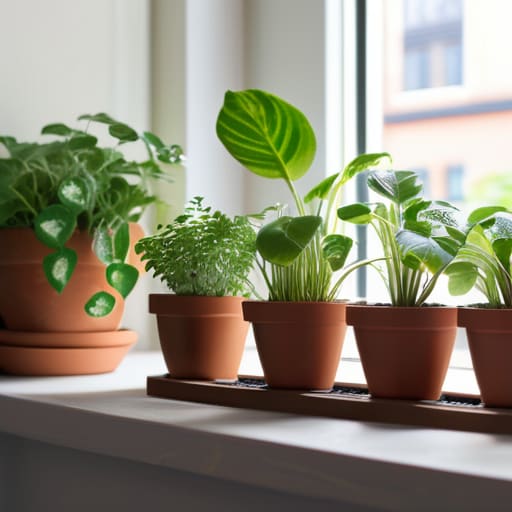
I spent thirty years looking at blueprints for massive bridges and highways, so I’ve never been one for unnecessary complexity. Lately, I’ve seen all these glossy magazines suggesting that apartment gardening requires expensive hydroponic towers, high-tech LED arrays, and a bank account to match. It’s a bit ridiculous, isn’t it? You don’t need a laboratory in your living room to feel the soil between your fingers. All that gadgetry just seems to get in the way of the actual purpose—the quiet connection to something living that breathes right alongside you.
I’m not here to sell you on a lifestyle you can’t afford or a hobby that requires a degree in engineering. Instead, I want to share what I’ve learned from my own small successes and the occasional withered leaf. I’ll give you the straight truth on how to make a few pots thrive on a cramped windowsill, focusing on the simple, honest basics that actually work. We aren’t aiming for a botanical garden; we are just looking for a little bit of green to help us slow down and notice the world.
Table of Contents
The Quiet Magic of Low Light Indoor Plants
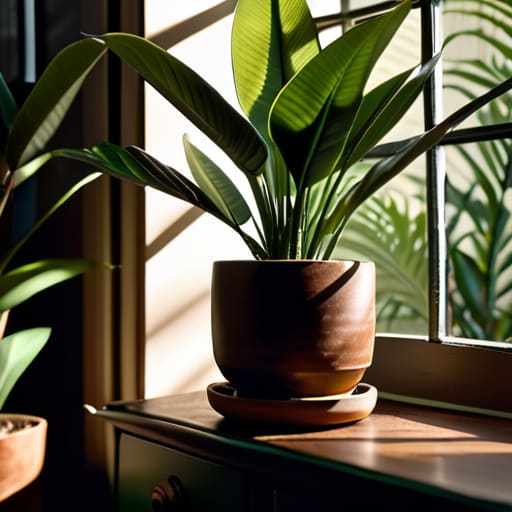
Not every corner of a home is bathed in the golden glow of a midday sun. In fact, most of my favorite nooks—the ones tucked away near a reading chair or a quiet bookshelf—are a bit more shadowed. I used to think this was a setback, but I’ve learned there is a particular kind of grace in low light indoor plants. A Snake Plant or a ZZ Plant doesn’t demand your constant attention or a perfect sunbeam; they simply exist, steady and resilient, in the dimness.
There is something deeply grounding about tending to greenery that doesn’t need much to thrive. When I’m sketching in my notebook, I often find my eyes drifting to a Pothos trailing down a shelf. It doesn’t require the fuss of complex hydroponic systems for apartments or high-maintenance setups. Instead, it just asks for a little water and a bit of space to breathe. For those of us living in smaller quarters, these sturdy companions remind us that even in the shadows, there is plenty of room to grow.
Mastering Container Gardening Techniques for Small Sanctuaries
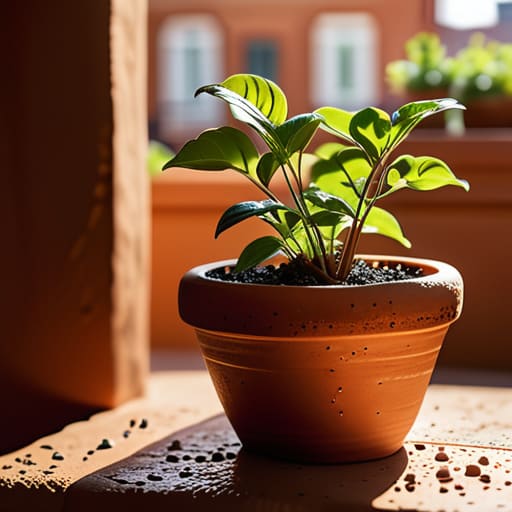
When I was managing construction sites, everything was about scale—huge concrete pours and massive steel beams. But these days, I’ve learned that there is a different kind of engineering required when you’re working with a few square feet of windowsill or a cramped balcony. Mastering container gardening techniques isn’t about how much space you have, but how you respect the limits of the vessel. I’ve found that the weight and material of your pots matter more than most people realize; a heavy terracotta pot provides a sense of grounded stability that a flimsy plastic one just can’t match.
If you find yourself constantly forgetting your watering schedule, don’t beat yourself up. I’ve started leaning on the self-watering planter benefits to take the edge off my own occasional forgetfulness. It’s a small bit of modern help that allows me to focus more on the texture of the leaves rather than the anxiety of a wilting stem. Whether you are arranging a few herbs or a small collection of ferns, just remember to leave a little room for the plants to breathe—and for yourself to breathe, too.
A Few Lessons Learned from the Soil and the Sill
- Don’t get ahead of yourself with fancy gadgets or expensive fertilizers. Start with a simple, sturdy pot and a bag of decent potting mix. In my experience, the most important thing is giving the roots room to breathe and the water a chance to settle.
- Pay attention to the rhythm of your windows. I spent years looking at blueprints, and I learned that everything has its place and its requirements. Watch how the light moves across your floor throughout the afternoon; that’s where your plants will truly feel at home.
- Treat watering like a conversation, not a chore. Instead of following a strict schedule, get your hands a little dirty and feel the soil. If it’s dry an inch down, it’s thirsty. If it’s damp, leave it be. Nature doesn’t work on a stopwatch.
- Embrace the little failures. I’ve lost more than a few succulents to my own over-eagerness, and that’s alright. A withered leaf isn’t a defeat; it’s just a sign to slow down and try a different approach next time.
- Keep a small notebook, much like the one I use for my sketches. Jot down when you planted a seed or when the first green shoot finally broke through the dirt. There is a profound, quiet satisfaction in looking back and seeing how much life can happen in such a small space.
A Few Small Reminders for the Journey
Don’t get caught up in the math of it all; you don’t need a perfect green thumb or a massive balcony, just a little bit of curiosity and a windowsill that catches the morning light.
Treat your plants like old friends rather than chores—check on them, notice the new leaves, and let the simple act of watering become your quiet moment of stillness in a busy day.
Remember that mistakes are just part of the process, so if a leaf turns yellow or a seedling doesn’t make it, don’t fret; just clear the soil and try again when the mood strikes you.
A Lesson from the Soil
You don’t need an acre of land to feel the earth between your fingers; sometimes, all it takes is a single terracotta pot on a windowsill to remind you that life, much like a good cup of coffee, is best when given the time and space to grow at its own pace.
Bernard Oyelaran
A Final Thought from My Notebook
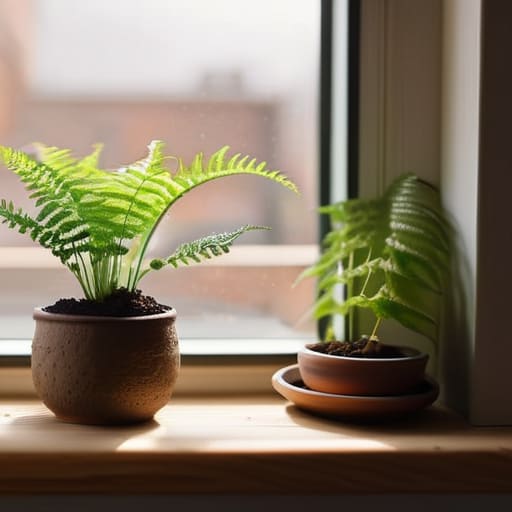
As I look back over these notes, I realize that apartment gardening isn’t really about the technicalities of soil pH or the precise drainage of a ceramic pot. It’s about the small victories: the first green shoot breaking through the dirt in a dim corner, or the way a well-placed fern softens the sharp edges of a studio apartment. Whether you are working with low-light varieties that thrive in the shadows or carefully managing your containers to create a miniature sanctuary, the goal is the same. You are building a living connection to the earth, even if that earth is contained within a few inches of potting mix on a windowsill. It’s a way to reclaim a bit of the natural world, one slow, steady leaf at a time.
If you find yourself feeling overwhelmed by the logistics, my advice is simple: just start small. Don’t worry about creating a lush jungle overnight; just find one sunny spot and one hardy plant that speaks to you. There is a profound, quiet dignity in tending to something that grows at its own pace, regardless of how fast the rest of the world seems to be moving. Let your garden be a place where you can finally breathe deeply and simply exist. After all, the most beautiful things in life aren’t the ones we rush to complete, but the ones we patiently nurture into being.
Frequently Asked Questions
How do I know if my little corner is getting enough light without spending a fortune on fancy sensors?
You don’t need any of those expensive gadgets to tell you what your eyes already know. I’ve found that the old-fashioned way is much more reliable. Just watch your plants for a week. Are the leaves reaching toward the glass, or looking a bit pale and stretched? If they’re leaning, they’re hungry for light. Honestly, just sitting with your coffee for ten minutes in that corner will tell you everything you need to know.
What are the best ways to keep my plants from drowning when I don't have much room for drainage trays?
I’ve often found that when space is tight, we tend to overcompensate by watering more often. If you can’t fit a tray, try using a thick layer of pebbles or charcoal at the bottom of your pot; it creates a little reservoir for excess moisture to sit away from the roots. Or, better yet, just stick to a finger test. If the soil feels even slightly damp, leave it be. Patience is the best gardener.
Is it worth trying to grow my own herbs for cooking, or should I stick to something a bit more forgiving?
Give those herbs a go. There’s a particular kind of satisfaction in snipping a few sprigs of basil or rosemary right before they hit the pan; it makes the meal taste like you actually put something of yourself into it. Don’t get discouraged if a plant sulks or withers—nature isn’t always cooperative. Just start with something hardy like mint or chives. If they fail, you’ve still got a story and a lesson learned.
