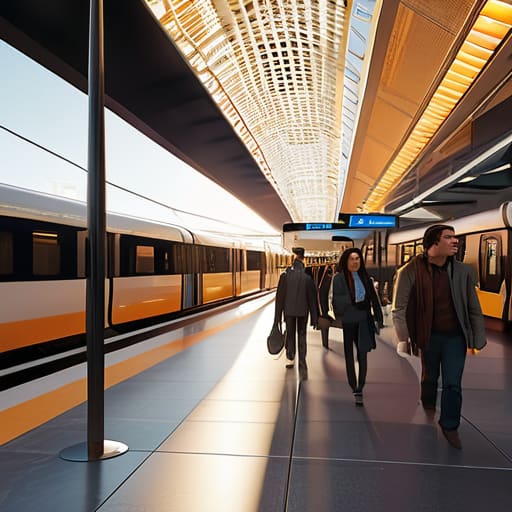
I remember sitting on a creaky wooden bench in a bustling terminal in Florence last spring, watching the sunlight dance through the dust motes while the smell of roasted espresso drifted from a nearby stall. Most people treat a public transport guide like a frantic survival manual, a collection of rushed maps and rigid schedules designed to get you from point A to point B as quickly as possible. They treat the journey like an obstacle to be overcome, a stressful gap between the sights they actually want to see. But as I sat there, sketching the archway of the station in my notebook, I realized that the transit system isn’t just a way to move; it’s the very heartbeat of the city itself.
I’m not here to give you a list of sterile timetables or technical jargon that only a city planner would care about. Instead, I want to offer you a different kind of public transport guide—one built on lived experience and the wisdom of slowing down. I’ll share the practicalities of navigating local lines without the headache, but more importantly, I’ll show you how to find those quiet, unexpected moments of beauty that only reveal themselves when you stop rushing and simply let the rhythm of the rails carry you along.
Table of Contents
Finding Quietude Through Multimodal Travel Planning
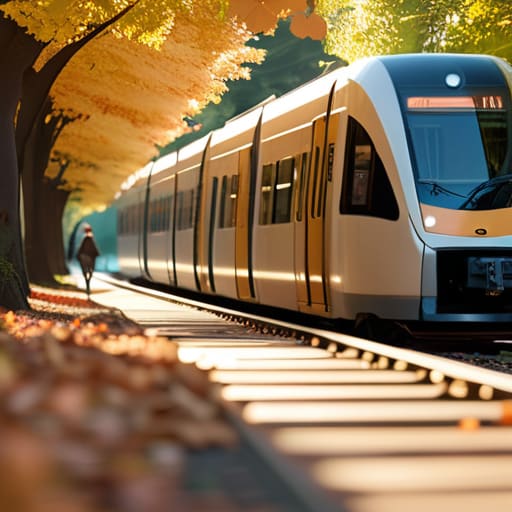
When I first started planning my route through this city, I realized that a good journey isn’t just about getting from point A to point B; it’s about the transitions in between. I’ve found that a bit of thoughtful multimodal travel planning can turn a stressful trek into a meditative stroll. Instead of trying to find one single bus that does everything, I like to mix things up—a short train ride followed by a walk through a local park to reach my final destination. It’s a way to bridge that tricky last mile connectivity gap without feeling like you’re constantly racing against a ticking clock.
I used to think of transit as a series of obstacles to overcome, but now I see it as a way to weave through the city’s veins. By looking at various urban mobility solutions—like pairing the light rail with a shared bicycle or even just a steady pair of walking shoes—you gain a sense of agency. It allows you to bypass the frantic rush of the main hubs and instead find those small, quiet pockets of time that most commuters miss entirely.
Mastering Fare Payment Systems Without the Rush
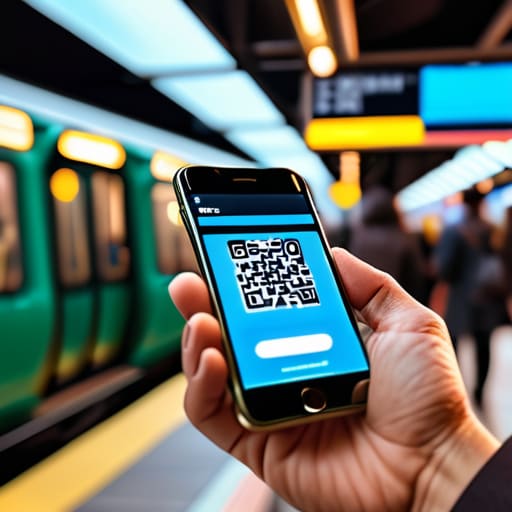
There is a particular kind of anxiety that settles in when you’re standing at a turnstile, fumbling through a wallet while a line of impatient commuters builds up behind you. I’ve learned the hard way that the secret to enjoying the journey is to settle the business of fare payment systems long before you ever step foot onto the platform. Whether it’s a digital pass on your phone or a physical card tucked into a specific pocket of your jacket, having your transit credentials ready is a small act of kindness to your future self.
I find that most modern cities have moved toward much more seamless urban mobility solutions, but they still require a bit of foresight. I make it a habit to top up my accounts at a quiet café near my hotel rather than rushing at a crowded station kiosk. By treating these small logistical steps as part of the ritual—much like checking the light before taking a photograph—you strip away the frantic energy of the commute. When the payment is already handled, you’re free to simply stand, breathe, and watch the city unfold through the window.
Small Ways to Find Your Rhythm on the Move
- Pack a physical book or a small sketchbook. There’s something about the weight of a real book in your hands that keeps you from falling into the frantic, glowing trance of a smartphone.
- Choose the seat that faces the direction of travel. I’ve found that watching the landscape unfold through the glass is far more grounding than staring at the back of someone’s head.
- Learn the names of the stops, not just the numbers. It turns a mechanical transit route into a map of neighborhoods, each with its own character and scent.
- Don’t fear the transfer. Instead of seeing a connection as a delay, treat it as a brief intermission—a moment to stretch your legs or simply watch the commuters pass by.
- Carry a small, reusable water bottle and a light snack. There is no greater disruption to a peaceful journey than the sudden, hollow pang of hunger when you’re stuck between stations.
Lessons from the Window Seat
Don’t view a transit delay as a setback; treat it as an unexpected gift of time to sit, observe, and perhaps sketch a passing view in your notebook.
Prepare your fare and your route well in advance so that the logistics fade into the background, leaving you free to actually experience the journey.
Embrace the rhythm of the city by choosing routes that favor a scenic view over the fastest arrival, allowing the movement to become a form of meditation.
The Art of the Slow Transit
A transit map isn’t just a set of directions to a destination; it’s an invitation to sit still for a moment, watch the light change through a train window, and realize that the journey is often much more nourishing than the arrival.
Bernard Oyelaran
The Journey is the Destination
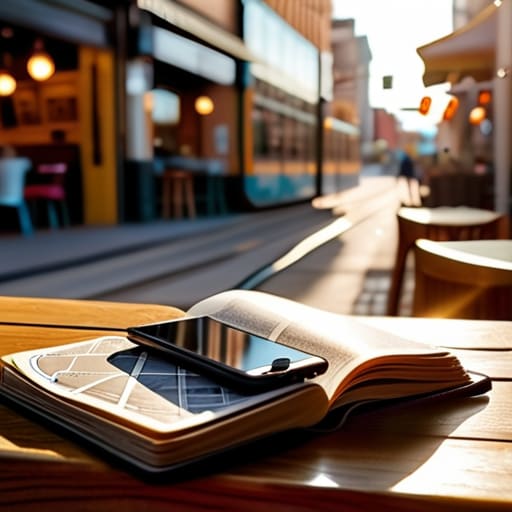
As I sit here in a small café, looking over my notes, I realize that navigating a city’s transit system isn’t just about getting from point A to point B. It is about the preparation that allows for peace of mind. By planning your routes across different modes of transport and getting a handle on those fare systems before you even step onto the platform, you strip away the friction that usually causes stress. When you remove the frantic scramble to find a ticket or the panic of a missed connection, you leave room for something much more important: the ability to actually see where you are going.
At the end of the day, I hope you remember that the bus or the train isn’t just a vehicle; it is a moving vantage point. Don’t treat your commute like a hurdle to be cleared, but rather as a quiet intermission in the middle of a busy life. Lean your head against the window, watch the sunlight play across the passing architecture, and let the steady hum of the engine ground you. The world moves quite fast, but when you are on public transit, you have permission to simply be a passenger for a while.
Frequently Asked Questions
How do I handle unexpected delays or route changes without losing my sense of calm?
When the train stalls or a sign announces a detour, the old instinct is to check your watch and feel the heat rise in your chest. Don’t let it. Instead, treat the delay as a gift of unplanned time. Pull out that notebook of mine, find a seat, and watch the commuters around you. A detour is just a different way to see the city. Breathe, wait, and let the detour be part of the journey.
Are there certain times of day when the trains or buses are better for those of us who prefer a bit of solitude?
If you’re looking for a bit of breathing room, I’ve found that the mid-morning lull, somewhere between 10:00 and 11:30, is a sweet spot. The morning rush has bled away, and the lunch crowd hasn’t yet descended. It’s a wonderful time to find a window seat, pull out my notebook, and just watch the scenery unfold. Avoid the 5:00 PM rush at all costs; that’s a race I have no interest in running.
What should I carry in my bag to make sure I'm prepared for a long, unplanned journey through a new city?
I’ve learned that the best journeys are the ones where you aren’t constantly checking your watch. Pack a sturdy water bottle, a portable battery for your phone, and a small first-aid kit. But more importantly, carry my leather-bound notebook and a pen; you never know when a view might demand a sketch. Toss in a light scarf for sudden breezes and a few local coins. Being prepared isn’t about speed; it’s about being comfortable enough to linger.
