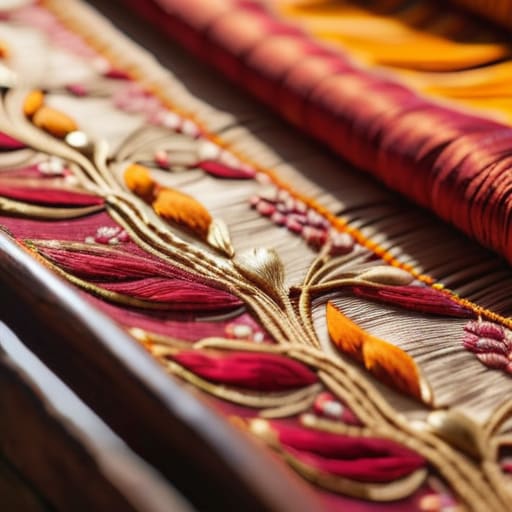
I remember sitting in a small, humid workshop in Jaipur last spring, the air thick with the scent of raw cotton and indigo dye, watching an old man work a loom with a rhythm that felt more like a heartbeat than a job. Most people approach indian textiles through the lens of glossy travel brochures or high-end boutiques that slap a massive markup on a piece of cloth just because it looks “exotic.” They treat these fabrics like museum artifacts to be admired from a distance, or worse, as mere commodities to be mass-produced and stripped of their history. But when you actually feel the weight of a hand-loomed weave or the slight, beautiful irregularity of a block print, you realize it’s not about the price tag—it’s about the humanity in the thread.
I’m not here to give you a lecture on fashion trends or a shopping list of overpriced souvenirs. Instead, I want to share what I’ve learned by actually sitting with the makers and feeling the textures for myself. I’ll walk you through the real soul of these fabrics, helping you distinguish between the true craftsmanship and the cheap imitations, so you can find pieces that actually tell a story worth keeping.
Table of Contents
Savoring the Intricate Dance of Traditional Handloom Techniques
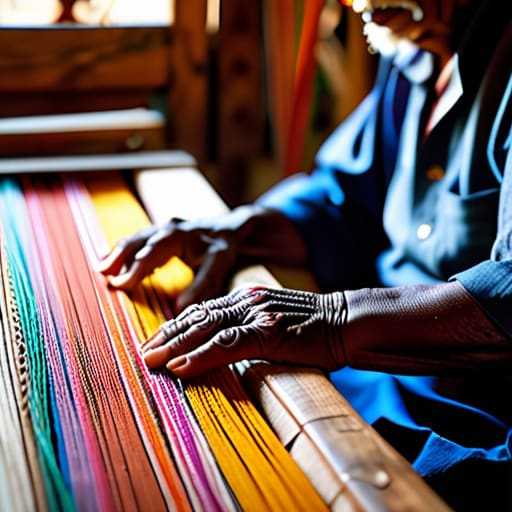
I found myself sitting on a low wooden stool in a small workshop outside Jaipur, watching a weaver work. There was no roar of machinery, only the rhythmic, hypnotic clack-thud of the wooden shuttle passing through the warp. It reminded me of the steady, predictable cadence of a well-built bridge, though much more delicate. Watching these artisan weaving traditions in action is a lesson in patience; you realize that every inch of fabric represents hours of focused, quiet intention. It isn’t just about making cloth; it’s about a lineage of movement passed down through calloused hands.
As I leaned in closer, I noticed how the colors seemed to breathe, a result of the slow, earthy natural dye processes they use. Unlike the harsh, neon hues of modern factory production, these tones feel lived-in, as if they grew out of the soil itself. There is a certain honesty in a piece of fabric that hasn’t been rushed. I pulled out my notebook to sketch the way the light hit the loom, realizing that true craftsmanship requires a stillness that our modern world has largely forgotten.
The Gentle Art of Finding Color in Natural Dye Processes
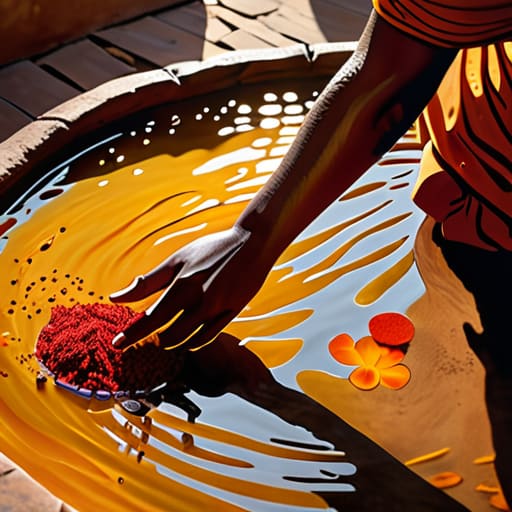
I found myself sitting in a small, sun-drenched courtyard in Rajasthan, watching a woman stir a large copper vat. There was no harsh, chemical scent in the air—only the earthy, slightly sweet aroma of crushed madder root and marigold petals. It struck me then how much we’ve lost in our rush for instant gratification. These natural dye processes don’t care about your deadlines; they move at the pace of the sun and the seasons. You can’t force a color to bloom before it’s ready, and there is a profound, quiet lesson in that patience.
As the fabric emerged from the indigo vat, a deep, midnight blue that seemed to hold its own light, I felt that familiar urge to reach for my notebook. There is a certain unpredictable soul in these hues that synthetic dyes simply cannot replicate. Because the colors are born from the earth, they possess a soft, living quality—a subtle variation in shade that tells the story of the water used and the heat of the day. It makes you realize that perfection isn’t found in uniformity, but in the beautiful, slight imperfections of a life well-lived.
A Few Notes from the Road: How to Truly Appreciate the Fabric
- Don’t just look at the pattern; reach out and feel the weight of the cloth. A genuine hand-loomed piece has a certain rhythmic irregularity to it—a slight bump or a subtle shift in texture—that tells you a human being was sitting there, working the shuttle, one inch at a time.
- Look for the “imperfections” that prove a soul was involved. In my engineering days, we obsessed over tolerances, but with textiles, those tiny, beautiful deviations from a perfect machine-made line are exactly what give the fabric its character and warmth.
- Pay attention to how the colors settle into the fibers. When you’re looking at natural dyes, you’ll notice they don’t scream at you like synthetic colors; they have a soft, lived-in quality that seems to change slightly as the light shifts throughout the afternoon.
- Learn the names of the weaves, even if it’s just a few. Knowing the difference between the crispness of a Jamdani and the heavy grace of a Banarasi doesn’t just make you a better traveler; it turns a simple piece of cloth into a story you can actually read.
- Buy pieces that are meant to age with you. The best textiles aren’t those that stay pristine in a box, but the ones that soften and develop a bit of a patina after years of wear, much like a well-loved leather notebook or a favorite pair of boots.
Lessons from the Loom
Slow down and look closer; the true soul of a textile isn’t found in a factory-perfect print, but in the slight, beautiful imperfections that prove a human hand was at work.
Respect the rhythm of the process, from the slow soak of natural dyes to the steady beat of the shuttle, as these traditions remind us that anything worth making takes time.
Carry the stories of the makers with you, recognizing that every hand-loomed thread is a quiet connection to a person, a place, and a way of life that refuses to be rushed.
The Soul in the Stitch
I’ve spent a lifetime looking at blueprints and steel, but there is a different kind of structural integrity found in a hand-woven fabric; it’s not just about the strength of the thread, but the patience of the person who sat there, hour after hour, breathing life into a pattern that no machine could ever truly replicate.
Bernard Oyelaran
The Threads That Bind Us
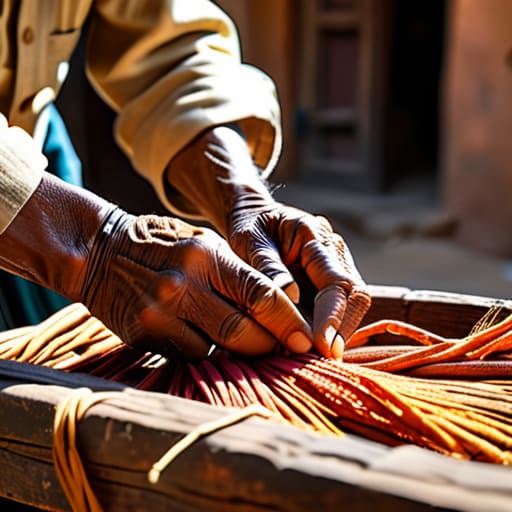
As I sit here in this small courtyard, looking over my notes, I realize that Indian textiles are so much more than just fabric and pattern. They are a living record of a people’s patience and a testament to the unhurried rhythm of the hand. From the rhythmic clatter of the wooden handlooms to the slow, patient infusion of color from crushed petals and bark, every yard tells a story of human touch. We’ve looked at the complex geometry of the weaves and the earthy honesty of the natural dyes, but at their core, these textiles represent a refusal to let the soul of craftsmanship be lost to the frantic pace of the modern world.
I often think about my old engineering projects—how we were always chasing the next deadline, the next milestone. But looking at these textiles, I am reminded that there is a different kind of progress, one that moves at the speed of a heartbeat. When you hold a piece of hand-loomed cloth, you aren’t just holding a garment; you are holding a moment of stillness. My hope is that you, too, find a way to embrace the slow and the intentional in your own life. Whether it’s through a piece of art or a quiet morning coffee, don’t forget to look closely at the details. They are where the real magic hides.
Frequently Asked Questions
How can I tell the difference between a genuine hand-loomed piece and a machine-made imitation when I'm browsing local markets?
When I’m wandering through a market, I always tell myself to put my phone away and use my hands. A machine is too perfect; it lacks soul. Look for the “happy accidents”—slight, rhythmic irregularities in the weave that tell you a human hand was guiding the shuttle. Turn the fabric over. If the pattern is just as crisp on the back as the front, it’s likely a print. A true hand-loomed piece has a weight and a texture that feels alive.
Since many of these beautiful fabrics use natural dyes, what is the best way to wash and care for them so the colors don't fade?
It’s a fair question, and one I’ve learned the hard way with my own vintage gear. When it comes to these hand-dyed treasures, patience is your best friend. I always recommend hand-washing in cool water with a very mild, pH-neutral soap. Never wring them out; instead, roll them gently in a towel to lift the moisture. And please, keep them out of direct sunlight while drying. It’s a bit more effort, but it preserves the soul of the color.
Are there certain regions in India that are particularly easy for a slow traveler like me to visit if I want to see these weaving communities in person?
If you’re looking to slow down and truly see the craft, I’d suggest heading toward Varanasi or the outskirts of Jaipur. In Varanasi, the rhythm of the silk weavers is something you can almost feel in the air. Jaipur offers a gentler pace, where you can sit in a courtyard and watch the colors bleed into the fabric. These spots aren’t rushed; they allow you to linger, sketch, and truly connect.
