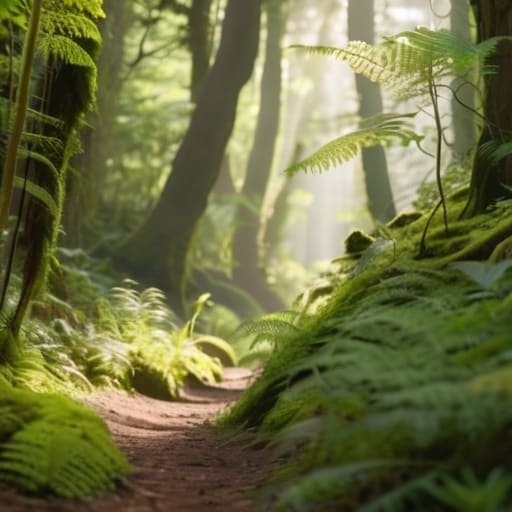
I was sitting on a weathered bench in the Ozarks last Tuesday, watching a beetle navigate the labyrinth of a fallen oak leaf, when I realized how much we’ve botched the idea of getting outdoors. Everywhere you look lately, people treat nature walks like they’re training for a marathon or some high-stakes fitness milestone. They’ve got the $200 moisture-wicking gear, the GPS watches tracking every heartbeat, and this frantic, rushed energy that makes them miss the very thing they’re looking for. If you’re sweating through your shirt and checking your pace every thirty seconds, you aren’t really out in the woods; you’re just exercising in a different setting.
I’m not here to sell you on a new hiking regime or a complicated gear list. What I want to share is the quiet, unvarnished truth about how a simple, unhurried stroll can actually mend a weary mind. I’ll tell you about the paths that matter, the way to look at a landscape without feeling the need to capture it all on a smartphone, and why the best part of any journey is often the part where you stop moving altogether.
Table of Contents
Forest Bathing Benefits for a Weary Soul
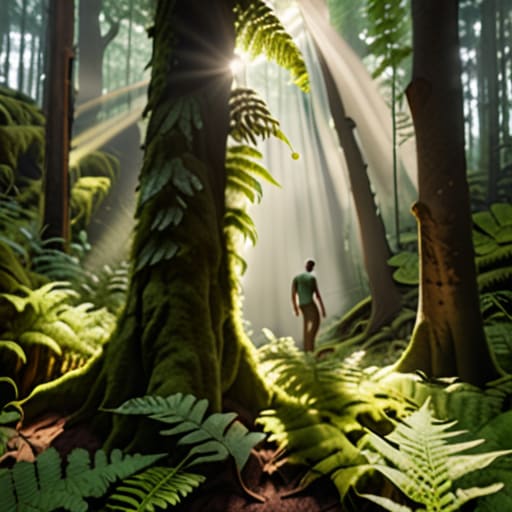
I’ve always been a man of structures and blueprints, but there is a certain kind of architecture in a forest that no engineer could ever replicate. Lately, I’ve been leaning into the concept of “forest bathing,” though I don’t think it involves a bathtub. It’s more about a deep, quiet immersion. When I find myself lost in the canopy, I feel a profound connection to the natural world that simply isn’t possible behind a desk or a steering wheel. It isn’t about the distance covered or the pace of my stride; it’s about letting the stillness of the trees seep into my bones.
There is a specific kind of stress reduction through nature that happens when you stop trying to conquer a trail and instead start listening to it. I’ve found that by practicing a few simple mindful walking techniques—like focusing on the crunch of dried leaves or the way the scent of pine changes as the sun dips lower—the mental clutter of my retirement years begins to settle. It’s as if the forest acts as a natural filter, straining out the unnecessary noise of the modern world and leaving behind something much more steady and quiet.
The Quiet Magic of Connection to the Natural World
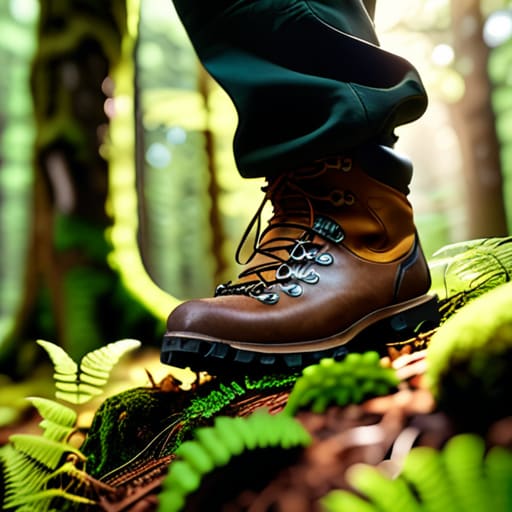
There is a certain kind of stillness that only comes when you stop treating a trail like a treadmill. In my engineering days, I was always looking at the finish line—the completion of a bridge, the meeting of a deadline. But out here, there is no finish line. I’ve found that the real magic happens when you lean into a deeper connection to the natural world, letting the rhythm of your footsteps dictate your pace rather than a stopwatch. It’s about realizing you aren’t just a visitor passing through, but a small, quiet part of a much larger, living system.
I often find myself pausing to practice a bit of sensory engagement in the outdoors. I’ll stop to feel the rough texture of cedar bark under my palm or listen to the specific, dry rustle of oak leaves underfoot. These aren’t just distractions; they are anchors. When I focus on the scent of damp earth after a light rain, the mental clutter that usually follows me from the city simply begins to dissolve. It’s a simple, unhurried way to remind myself that the world is still turning, quite beautifully, without my permission.
A Few Simple Ways to Truly Wander
- Leave the smartphone in your pocket—or better yet, leave it in the car. There is a certain kind of peace that comes from knowing you aren’t just one click away from a notification or an email.
- Bring a small notebook and a pencil. I’ve found that when I stop to sketch the way a branch curves or the texture of a stone, I’m forced to actually look, rather than just glance.
- Don’t worry about the mileage or the pace. I used to think a walk was only successful if I hit a certain number of steps, but now I know the best views are found when you’re moving slow enough to notice the moss.
- Pay attention to the sounds that aren’t human. The crunch of dried leaves underfoot or the distant rhythm of a woodpecker can ground you in a way that music never quite manages.
- Pack a small snack and find a spot to sit. There is something deeply restorative about eating a simple piece of fruit or a bit of cheese while sitting on a fallen log, just watching the light change.
A Few Things I’ve Carried Home From the Trail
Leave the phone in your pocket; the best views aren’t meant for a screen, but for your own eyes and perhaps a quick sketch in a notebook.
Don’t worry about the mileage or the pace; the goal isn’t to reach a destination, but to notice how the light shifts through the leaves.
Treat a walk like a conversation with the world—listen more than you talk, and let the stillness teach you what it can.
The Wisdom of the Path
“I’ve learned that you don’t find yourself by racing toward a destination, but by letting your feet find a rhythm with the earth and allowing the quiet details—the way a leaf curls or how the light filters through the canopy—to tell you that you are exactly where you need to be.”
Bernard Oyelaran
The Path Ahead
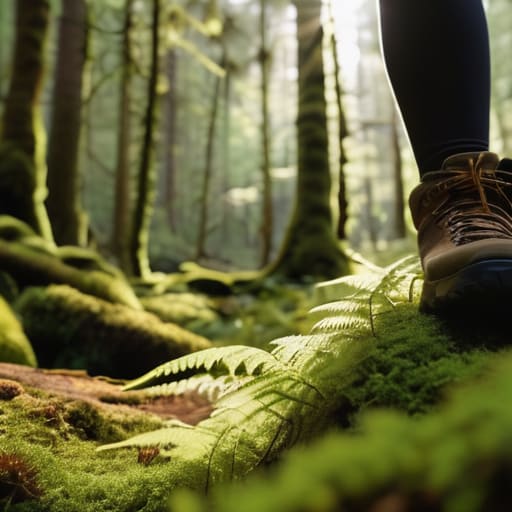
Looking back on these thoughts, it’s clear that a walk in the woods is far more than just physical exercise or a way to clear the lungs. It is a way to recalibrate our internal compass. Whether we are finding solace through the practice of forest bathing or simply rediscovering that profound sense of belonging to the earth beneath our boots, these moments act as a necessary counterweight to the frantic pace of modern life. We don’t need to trek up a mountain peak to find peace; sometimes, the simple act of noticing how the sunlight filters through a canopy of oak leaves is enough to steady a wandering mind.
So, my suggestion to you is simple: leave the phone on the kitchen counter, lace up your most reliable pair of boots, and just go. Don’t worry about your pace or how many miles you cover. Instead, focus on the crunch of dried leaves or the way the air smells after a light rain. Life has a way of becoming overwhelming when we focus solely on the destination, but I’ve learned that the real magic is found in the unhurried detours. I hope you find a quiet trail soon, and more importantly, I hope you find the grace to linger exactly where you are.
Frequently Asked Questions
How do you manage to stay present and avoid the urge to rush through your walk when your mind is racing?
I’ll tell you, my mind still tries to race ahead sometimes, usually thinking about a project or a deadline from years ago. When that happens, I pull out my little leather notebook. I find a spot to sit and try to sketch something small—a twisted root or the way a leaf curls. It forces my eyes to actually look, rather than just glance. It grounds me. If you can’t sketch, just try to name three things you can smell. It works wonders.
Do you have any particular gear or items you recommend carrying to make these slow walks more enjoyable?
I’ve learned the hard way that being prepared is the difference between a chore and a joy. I never head out without my leather notebook and a decent pencil; there’s something about sketching a twisted oak limb that makes you truly see it. I also keep a small, lightweight field guide in my pocket for identifying wildflowers, and, of course, a thermos of coffee. A warm cup in a quiet clearing is pure magic.
How do you find these moments of connection when you're in a more urban or less "wild" environment?
It’s a fair question. You don’t always need a sprawling national park to find that stillness. I’ve found that even in the city, nature is just waiting for you to notice it. I’ll sit on a park bench and watch the way the sunlight catches the ripples in a fountain, or I’ll find a small patch of weeds pushing through a sidewalk crack. It’s about the intention, really. Just look closer.
