
I was sitting in a small, sun-drenched café in a village outside of Cusco last spring, sketching the uneven cobblestones, when I overheard a young traveler complaining to her friend about how “exhausting” it was to help paint a local school. It struck me then how much we’ve twisted the idea of service into something performative—a checkbox on a resume or a way to feel good about oneself while spending a small fortune. This trend of voluntourism often feels more like a high-priced vacation with a thin veneer of altruism, where the people actually living in the community become nothing more than a backdrop for a stranger’s personal growth.
I’m not here to tell you that traveling to help is a bad thing; in fact, I think the world needs more hands on deck. However, I want to have a real conversation about how we do it without causing more harm than good. Over the next few pages, I’m going to share what I’ve learned about looking past the glossy brochures to find meaningful connection. I promise to give you the unvarnished truth about how to ensure your presence actually serves the community, rather than just feeding your own ego.
Table of Contents
Savoring the Truth Behind the Impact of Volunteer Travel
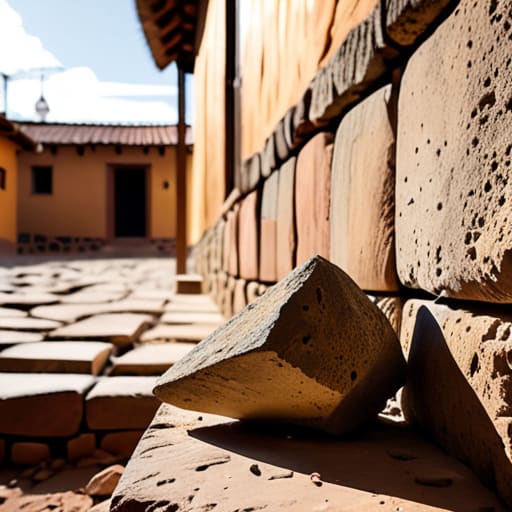
I remember sitting in a small café in Cusco last year, sketching the way the light hit the stone walls, when a young traveler at the next table started talking loudly about his “mission” to build a school. It struck me then that there is a massive difference between helping a neighbor and simply checking a box on a bucket list. When we talk about the impact of volunteer travel, we have to be honest about whether we are actually leaving a place better, or if we’re just creating a temporary patch that falls apart the moment our plane leaves the tarmac.
The truth is, real change isn’t found in a whirlwind week of unskilled labor. It’s found in sustainable community development—the kind that relies on local expertise and long-term commitment rather than the fleeting energy of a tourist. I’ve learned that the most meaningful work happens when we step back and support community-led development projects that already have a roadmap. If we want to do right by these places, we have to stop trying to be the architects of someone else’s progress and instead focus on being respectful, quiet guests.
Navigating the Voluntourism Pros and Cons With Care
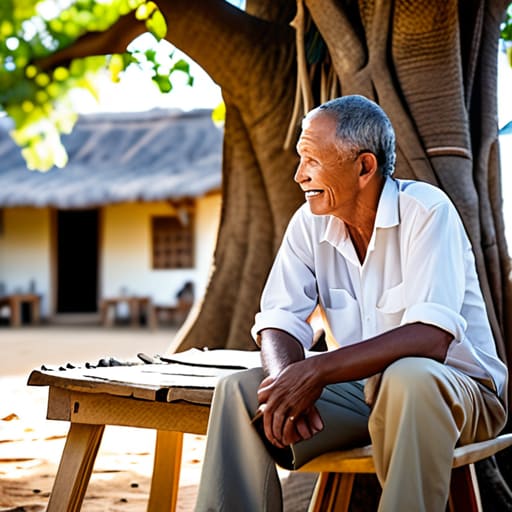
So, how do we actually weigh the voluntourism pros and cons without losing our way? I’ve found that the best approach is to stop looking at these trips as “projects to complete” and start seeing them as relationships to honor. If you’re looking to make a difference, you have to look past the glossy brochures. I always tell my friends to seek out community-led development projects—the kind where the locals are the architects of their own future, not just the backdrop for a traveler’s photo op.
It’s about asking the hard questions before you even pack your bags. Does the organization prioritize long-term stability, or are they just providing a temporary fix that disappears once the flight lands? I’ve learned that true sustainable community development isn’t about what you can give with your own two hands; it’s about ensuring your presence doesn’t disrupt the delicate balance of the place you’ve come to admire. It requires a bit of patience and a lot of listening, but that’s where the real connection happens.
A Few Notes from the Notebook: How to Travel with Intention
- Do your homework before you pack your bags. Don’t just sign up for the first flashy brochure you see; look into the organization’s long-term presence in the area. You want to make sure they aren’t just passing through, but are actually part of the community’s fabric.
- Ask yourself what you’re actually bringing to the table. If your “help” requires a specialized skill you don’t possess—like a retired engineer like me might offer—it’s better to step back and let the locals lead. Real help shouldn’t feel like a photo op.
- Prioritize listening over doing. Sometimes, the most profound thing you can do is sit quietly, share a meal, and listen to the stories of the people you meet. You’ll learn more from a conversation over coffee than you ever will from a day of manual labor you aren’t trained for.
- Look for projects that empower the locals rather than making them dependent on outsiders. The best kind of work is the kind that eventually makes your presence unnecessary, leaving behind a foundation that the community can build upon themselves.
- Check your ego at the border. It’s easy to fall into the trap of thinking you’re the “savior” coming to fix things, but that’s a heavy, misguided burden. Approach every new place with humility, a sense of wonder, and the realization that you likely have just as much to learn as you have to give.
A Few Thoughts to Carry With You
Before you book that flight, ask yourself if your presence is truly serving the local community or if it’s just a way to feel good about yourself for a week.
Seek out opportunities where you can listen more than you speak; the most meaningful connections happen when we stop trying to “fix” things and start trying to understand them.
Choose projects that prioritize long-term stability over short-term excitement, ensuring that the work remains long after your camera is tucked away and you’ve headed home.
A Different Kind of Presence
“If you’re traveling just to check a box or tick a task off a list, you aren’t really visiting; you’re just passing through. True service isn’t about what you can build in a week, but about whether you had the patience to sit down, listen, and truly see the people who actually call that place home.”
Bernard Oyelaran
Finding the Right Path Forward
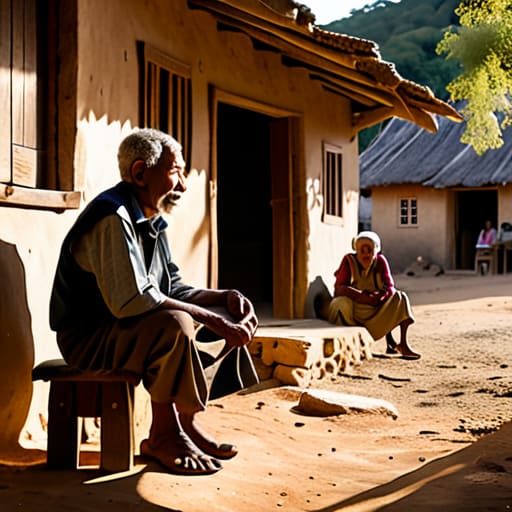
At the end of the day, deciding how to engage with the world through travel isn’t about finding a perfect solution, but about making intentional choices. We’ve talked about the thin line between genuine service and mere sightseeing, and why it’s so vital to prioritize the needs of the local community over our own desire for a meaningful photo opportunity. It comes down to doing the legwork—researching organizations, asking the hard questions, and ensuring that our presence adds more than it subtracts. It’s about moving away from the quick fix of a week-long project and toward a model of sustainable, respectful connection that honors the people we meet.
As I sit here in this small cafe, sketching the way the light hits the cobblestones, I’m reminded that the most profound connections often happen when we stop trying to “fix” things and simply start learning from them. Whether you choose to volunteer or simply travel as a quiet observer, let your curiosity be guided by humility. Don’t just rush through a destination to check a box on a bucket list. Instead, take a breath, sit a while, and try to see the world through eyes that are willing to listen. After all, the most beautiful things in life are rarely found in the grand gestures, but in the quiet, honest moments of true understanding.
Frequently Asked Questions
How can I tell if a volunteer program is actually helping the local community or just using them as a backdrop for photos?
It’s a fair question, and one I’ve pondered while watching people rush through beautiful places. Look for the “why” behind the work. If the program focuses more on your social media feed or “hands-on” tasks that locals could easily do themselves, be wary. A genuine program prioritizes the community’s actual needs—often through long-term funding or skill-sharing—rather than your sense of accomplishment. If the locals aren’t the ones leading the way, you’re likely just a spectator.
Are there specific ways to find smaller, grassroots organizations that prioritize long-term needs over short-term tourist experiences?
It’s a fair question, and honestly, it’s the one that matters most. I’ve found that the best way is to stop looking at the big, glossy brochures and start looking closer. Seek out local community leaders or non-profits that have been in the same neighborhood for decades. Ask them: “How long have you been here?” and “Who actually makes the decisions?” If the focus is on the people, not the photo-op, you’ve found your way.
Is it possible to contribute meaningfully to a community without having a specialized professional skill set to offer?
I’ve often sat in small village squares, watching people work, and realized that “help” isn’t always about a blueprint or a specialized degree. Sometimes, the most meaningful thing you can offer is simply your presence and a willing set of hands. Whether it’s helping clear a path or assisting with a local garden, showing up with humility and a desire to learn often does more for a community than a misplaced attempt at professional expertise.
