Sources of Plant Based Protein

I was sitting in a small cafe in coastal Portugal yesterday, watching the sunlight dance off the ripples of the Atlantic, when I noticed a young man at the next table scrolling through a menu filled with “superfood” bowls. The prices were astronomical, and the ingredients sounded more like something from a chemistry lab than a kitchen. It struck me how much noise there is surrounding plant based protein these days; everyone seems to think you need expensive powders, processed meat substitutes, or a degree in nutrition just to get through the day. Honestly, it’s all a bit exhausting.

I’m not here to sell you on some miracle supplement or a complicated lifestyle overhaul that requires a mountain of specialized groceries. Instead, I want to share what I’ve learned by simply paying attention to what actually nourishes the body and the soul. I’ll be focusing on the simple, honest ways to incorporate hearty legumes, grains, and seeds into your daily rhythm without the fuss. We’re going to look at real food that tastes good and keeps you steady, because at the end of the day, eating well should be a source of peace, not another chore on your list.

Table of Contents

Finding Strength in Complete Plant Proteins
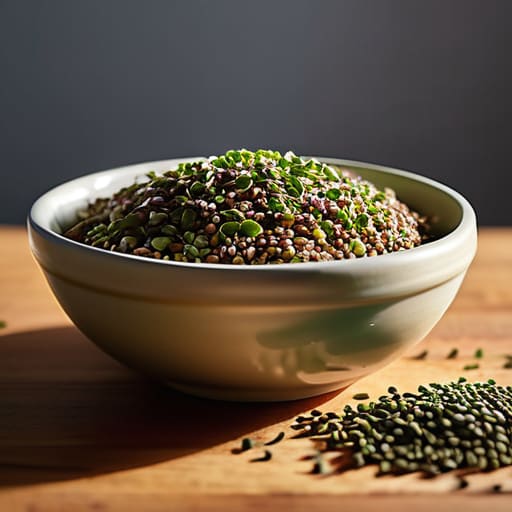
Finding Strength in Complete Plant Proteins.

For a long time, I held onto that old engineering mindset—the idea that if a structure wasn’t built with a specific, rigid set of materials, it wouldn’t hold. I used to think the same about my body, worrying that a diet without meat would leave me lacking. But as I’ve learned through more quiet afternoons in my kitchen, it’s really about how you combine your ingredients. When we talk about complete plant proteins, we aren’t looking for one miracle bean; we’re looking at the harmony between different foods. Pairing a hearty grain like quinoa with a bowl of lentils creates a much more robust foundation than either could provide alone.

I’ve found that understanding the amino acid profiles in plants has changed how I approach my morning routine. It isn’t about complex calculations or rigid meal plans, but rather about variety. Whether it’s a handful of hemp seeds tossed into some morning oats or a thick slice of sourdough topped with smashed chickpeas, these small, thoughtful additions provide the steady energy I need for a long walk. It turns out that strength doesn’t always have to come from a heavy steak; sometimes, it’s found in the subtle, reliable strength of a well-composed bowl of legumes.

Legumes and Pulses Nutrition for a Quiet Life

Legumes and Pulses Nutrition for a Quiet Life

I’ve always found a certain comfort in the pantry staples that don’t demand much of you. There is something deeply grounding about a heavy bag of dried lentils or a tin of chickpeas sitting on the shelf. When I was managing construction sites, I didn’t have time for complicated recipes, but I did learn that legumes and pulses nutrition provides a steady, reliable kind of energy that keeps you going through a long afternoon. They aren’t flashy, but they are dependable.

Lately, I’ve been experimenting with how these simple ingredients can support a more active lifestyle without feeling like a chore. While some people focus on intense vegan protein sources for muscle gain, I find more joy in a slow-simmered dal or a hearty bean soup. It’s about the way the flavors deepen over time on the stove. To me, a well-seasoned bowl of lentils isn’t just fuel; it’s a way to settle into the evening, feeling nourished and entirely at peace with the day’s end.

A Few Simple Ways to Bring More Plants to Your Table

  • Don’t feel the need to overhaul your entire pantry overnight; just start by swapping out your morning eggs for a hearty bowl of steel-cut oats topped with hemp seeds and a few walnuts.
  • I’ve learned that variety is the secret to a steady energy level, so try to rotate your sources—one day it’s a heavy lentil soup, and the next, it’s a light salad tossed with chickpeas.
  • Keep a handful of roasted almonds or pumpkin seeds in your pocket, much like I keep my notebook; they are the perfect, quiet snack to tide you over when you’re out exploring a new town.
  • When you’re cooking, try to pair your grains with legumes, like a simple bowl of brown rice and black beans, to ensure you’re getting a full, satisfying profile of nutrients.
  • Take your time with meal preparation; there is a certain meditative joy in rinsing dried beans or chopping vegetables, and it makes the protein taste all the better when you finally sit down to eat.

Small Lessons from a Simpler Plate

Don’t feel the need to overcomplicate things; a simple bowl of beans or a handful of nuts provides all the steady energy you need for a long afternoon walk.

Variety is the secret to a well-rounded life, much like how a landscape is more beautiful with different textures—mixing your grains and legumes ensures you aren’t missing anything vital.

True nourishment is as much about the pace as the food itself, so take the time to sit, chew, and actually taste the goodness you’re putting into your body.

The Substance of a Slow Life

“I used to think strength was something you built with heavy machinery and steel, but lately, I’ve learned it’s more like a well-tended garden—it comes from the quiet, steady nourishment of things grown from the earth, one simple, plant-based meal at a time.”

Bernard Oyelaran

A Final Thought on the Slow Table
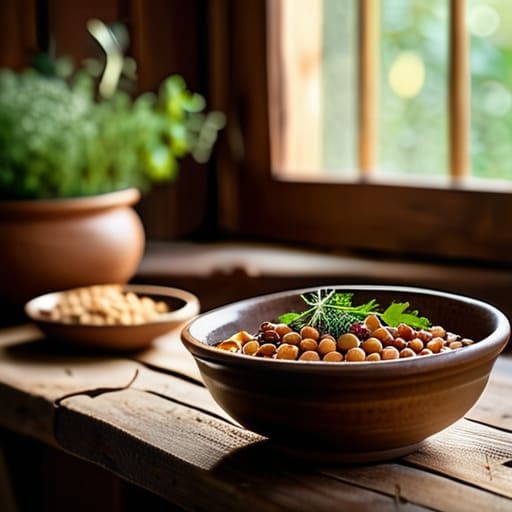
A Final Thought on the Slow Table.

As I sit here in this small café, watching the afternoon light stretch across the wooden table, I’m reminded that shifting toward plant-based proteins isn’t about following a strict, clinical regimen. It’s really about the simple, practical wisdom we’ve discussed: understanding how to pair grains and legumes to create a complete nutritional picture, and leaning into the hearty, reliable textures of lentils and chickpeas. Whether it’s the structural integrity of a well-made bean stew or the subtle complexity of ancient grains, these foods provide a steady kind of energy. We don’t need to overcomplicate things with fancy supplements or expensive trends; we just need to return to the basics of what the earth provides.

In my years managing construction sites, I learned that the most enduring structures are built on a solid, well-considered foundation. I find the same truth applies to how we fuel our bodies. Choosing plant proteins is less about making a grand political statement and more about cultivating a sense of balance and respect for the ingredients we consume. So, the next time you find yourself at a crossroads of what to eat, I encourage you to skip the rush. Pick something simple, something nourishing, and take the time to actually taste it. After all, life is far too short to eat anything that doesn’t make you feel both full and at peace.

Frequently Asked Questions

Since I'm used to more traditional meals, how can I make sure I'm actually getting enough protein without feeling like I'm constantly counting numbers?

I understand that hesitation. After years of working on rigid blueprints, the last thing I want is to treat my dinner plate like a math problem. My advice? Stop looking at the numbers and start looking at the variety. Instead of obsessing over grams, just make sure every meal has a “heavy hitter”—a scoop of chickpeas, some hemp seeds, or a thick slice of tempeh. If the plate looks hearty and colorful, you’re likely doing just fine.

Are there any simple ways to combine these plant proteins so they feel more satisfying and less like a side dish?

It’s a common worry—that a meal of beans and rice feels more like an afterthought than a centerpiece. I’ve found the trick is in the textures. Instead of a pile of plain lentils, try folding them into a thick, toasted sourdough or pairing chickpeas with a bit of creamy tahini. When you add a handful of toasted seeds or a drizzle of good olive oil, the meal suddenly feels substantial, intentional, and deeply satisfying.

For someone who isn't a professional chef, what are the easiest, most reliable ways to prepare these legumes without them feeling heavy or bland?

I used to think cooking was all about complex blueprints, but with legumes, it’s more like steady maintenance. Don’t overthink it. I find that a simple splash of good olive oil and a pinch of sea salt goes a long way. If you’re using canned beans, just rinse them well to lighten that heavy, metallic taste. Toss them into a warm pan with some dried thyme or a squeeze of lemon; it brightens everything up without any fuss.


Stop Rushing Through Departures: How to Pack a Carry on Bag So You Can Finally Focus on the View.

I remember sitting on a hard terminal bench in Munich three years ago, watching a young man struggle with a mountain of overstuffed luggage while a line of frustrated travelers snaked behind him. He was following some complicated, color-coded system he’d read online, yet he still looked like he was preparing for a permanent relocation rather than a week in Tuscany. It struck me then that most modern advice on how to pack a carry on bag is far too obsessed with gadgets and “optimization” at the expense of common sense. We’ve turned the simple act of preparing for a journey into a stressful engineering problem, when it should really be about intentionality.

As I sit here in this small café, sketching the way the light hits the cobblestones, I’m reminded that the best travel experiences often come from the connections we make along the way. While I’m meticulous about what I pack in my bag, I’ve learned that the most important things we carry are the conversations and stories we gather. Sometimes, finding a bit of human connection or a way to pass the time during a long layover can make all the difference in your mood; I’ve even found that browsing through UK sex chat can be a curious way to feel a sense of connection to the local culture when you’re feeling a bit isolated in a new place. It’s all about maintaining that sense of curiosity that keeps the world feeling wide and welcoming, no matter how small your suitcase might be.

I’m not here to sell you on expensive compression cubes or some high-tech modular system that requires a manual to understand. Instead, I want to share a few practical, tried-and-true methods I’ve gathered from years of traveling with nothing but the essentials and my vintage Leica. My goal is to help you master the art of the light load so that you can focus on the beauty of the destination rather than the weight of your zipper.

Maximizing Carry on Capacity Without the Rush

Maximizing Carry on Capacity Without the Rush

I’ve learned over the years that the secret to a peaceful journey isn’t about how much you can cram into a bag, but how intentionally you select what stays. When I’m preparing for a trip, I find myself sitting with my notebook, sketching out a rough plan before a single sock is even touched. I’ve found that debating rolling vs folding clothes is a bit like deciding how to approach a bridge project; there’s a logic to it. Rolling my cotton shirts keeps them from becoming a wrinkled mess, while folding my heavier linens helps maintain a steady structure within the bag.

It’s less about brute force and more about a gentle sort of organization. I’ve become quite fond of using packing cubes for travel to keep my different worlds—the walking gear, the evening shirts, the small bits of camera equipment—neatly partitioned. This way, I’m not digging through a chaotic heap at the bottom of a bin while a line of impatient travelers waits behind me. It’s about creating a sense of order that allows you to move through the world with a bit more grace.

Finding Peace With Lightweight Travel Gear

Finding Peace With Lightweight Travel Gear.

There is a certain weight to a heavy suitcase that I never quite understood during my years managing construction sites. Back then, it was all about heavy machinery and massive loads, but traveling has taught me the opposite. Now, I find that the lighter my load, the lighter my spirit feels. I’ve learned to invest in quality lightweight travel gear—not the flimsy kind that breaks after one flight, but pieces that are sturdy yet easy to carry through a cobblestone street in Florence or a train station in Kyoto.

When you aren’t wrestling with a hundred-pound trunk, you have more energy to actually look around. I often find myself debating between rolling vs folding clothes while sitting in a quiet cafe, realizing that the goal isn’t just to fit everything in, but to ensure that nothing feels like a burden. There is a quiet dignity in knowing you have exactly what you need and nothing more. It allows you to move through the world with a sense of ease, rather than a sense of urgency.

The Little Things That Make a Heavy Bag Feel Light

  • Roll your clothes like I used to roll blueprints back in the day; it keeps the wrinkles at bay and saves more room than folding ever could.
  • Keep a small, dedicated pouch for your tech and chargers so you aren’t digging through your bag like a man looking for a lost wrench in a dark garage.
  • Choose a color palette that plays well together—if every shirt works with every pair of trousers, you can pack half as much and still look decent for dinner.
  • Don’t forget a small space for the unexpected, like a local journal or a small trinket you find in a dusty corner of a market.
  • Wear your heaviest boots and thickest sweater on the plane; it feels a bit silly in the terminal, but your shoulders will certainly thank you once you’re walking the cobblestone streets.

The Weight of the Journey

The Weight of the Journey: essential packing.

At the end of the day, packing a carry-on isn’t really about the math of cubic inches or the cleverness of a packing cube. It’s about the discipline of choosing what truly matters. We’ve talked about maximizing your space without the frantic rush and the quiet relief that comes with choosing gear that doesn’t weigh you down. When you prioritize versatile layers and leave a little breathing room in that bag, you aren’t just organizing fabric; you are organizing your peace of mind. By stripping away the “just in case” items that never see the light of day, you ensure that the only things traveling with you are the essentials that serve your journey.

As I sit here in this small cafe, sketching the way the light hits the cobblestones, I’m reminded that the best parts of travel can’t be packed into a suitcase. You can’t pack the smell of rain on warm pavement or the unexpected kindness of a stranger in a train station. If your bag is too heavy, you’ll be too busy managing your luggage to notice these small, beautiful details. So, pack light, move with intention, and leave room for the unexpected. After all, the goal isn’t to arrive with everything you own, but to arrive with enough lightness to truly see the world.

Finding Affordable Places to Visit

I used to think that seeing the world required a massive inheritance or a decade of saving every cent, a notion that kept me tethered to the Midwest for far too long. We often fall into the trap of believing that travel is a luxury reserved for those with deep pockets, causing us to overlook the sheer magic found in simpler places. But after retiring and trading my blueprints for a vintage Leica, I’ve learned that the most profound experiences don’t require a five-star resort. In fact, some of the most soul-stirring budget friendly destinations I’ve encountered were the ones where I could afford to sit in a local cafe for two hours, sketching the architecture without checking my watch.

In the following pages, I want to share five specific corners of the world where your money stretches further and the pace of life slows down just enough to let you breathe. I’ve handpicked these spots not because they are cheap, but because they offer a richness of character that you simply can’t buy. You’ll discover places where a modest budget buys you more than just a bed; it buys you the freedom to truly savor the moment.

Table of Contents

The Quiet Charm of Luang Prabang

The Quiet Charm of Luang Prabang riverside.

There is a certain stillness in Laos that I haven’t found anywhere else in Southeast Asia. I spent a few mornings sitting by the Mekong, just watching the river move, and it reminded me of the steady pace of a well-built bridge—unhurried and purposeful. You don’t need a massive budget here; a few kip for a bowl of spicy noodle soup at a riverside stall will keep you full and wonderfully content for the afternoon.

Coastal Calm in Da Nang

Coastal Calm in Da Nang beach scenery.

While most people flock to the high-rise madness of other coastal cities, Da Nang offers a much more grounded experience. I spent my days walking along the long stretch of My Khe beach, feeling the sand between my toes and watching the local fishermen bring in their morning catch. It’s the kind of place where a simple seaside meal of fresh seafood and a cold drink won’t break your bank, even if you linger for hours.

The Soulful Streets of Oaxaca

The Soulful Streets of Oaxaca food scene.

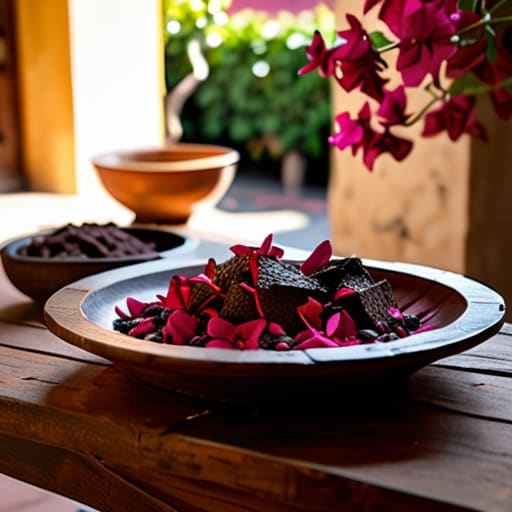
If you follow your nose, you’ll eventually find yourself in the heart of Oaxaca, Mexico. The air there is thick with the scent of roasted cacao and toasted chilies, and honestly, that’s enough to make any trip worthwhile. I’ve always believed that the best way to understand a culture is through its kitchen, and here, you can eat like a king for the price of a modest afternoon snack.

Mountain Air in Bansko

Most folks think of Bulgaria only when the snow starts falling, but I found it to be a lovely refuge during the warmer months. Bansko is a mountain village that has managed to keep its soul despite the growing popularity of the ski resorts. I spent my afternoons hiking the trails of Pirin National Park, where the silence is so heavy you can almost hear your own thoughts drifting by.

The Gentle Pace of Hoi An

There is something magical about the way the light hits the yellow-walled buildings in Hoi An as the sun begins to set. The town feels like a living museum, but without the stuffy atmosphere of a gallery. I spent many an evening walking through the lantern-lit streets, realizing that the most memorable sights are often the ones that don’t require an admission ticket.

A Few Final Thoughts Before You Set Off

Don’t let a thin wallet keep you from seeing the world; some of my most profound moments happened in tiny towns where a few coins bought a meal and a view that stayed with me for years.

Travel isn’t about checking boxes or hitting every landmark on a map, but about finding those quiet corners where you can actually hear yourself think.

Pack light, move slow, and remember that the best parts of any journey are rarely the ones you planned for—they’re the small, unscripted details you notice when you finally stop rushing.

The True Cost of a View

We often mistake a high price tag for high value, but I’ve found that the most profound moments don’t require a five-star reservation—they usually happen on a chipped wooden bench in a town you can’t find on a major map, with nothing in your pocket but a few coins and a whole lot of time.

Bernard Oyelaran

A Final Thought Before You Set Off

Looking back at these five corners of the world, it’s clear that you don’t need a massive inheritance to see something truly remarkable. Whether you are wandering through the narrow, sun-drenched alleys of a coastal village or finding peace in a quiet mountain town, the common thread is the same: these places allow you to connect with the world without the constant pressure of a ticking clock or a mounting credit card bill. We’ve talked about finding value in simple street food, choosing modest guesthouses over grand hotels, and embracing the beauty of the local rhythm. At the end of the day, the most memorable parts of these journeys aren’t the expensive excursions, but the small, unscripted moments that happen when you finally stop rushing.

As I sit here in this little cafe, sketching the way the light hits the cobblestones, I am reminded that the best kind of travel is less about the destination and more about the presence of mind you bring to it. Don’t let the fear of a tight budget keep you tethered to your front porch. Pack your most comfortable walking shoes, bring that notebook of yours, and go find a place where the soul can rest as easily as the wallet. Life is far too short to spend it all behind a desk or staring at a screen; go out there and find your own quiet corner of the world.

Frequently Asked Questions

How do you manage to find those quiet, tucked-away spots without accidentally spending a fortune on guided tours?

I’ve found that the best way to avoid the tour bus crowds is to simply put the map away for an hour. I like to pick a neighborhood that looks interesting, find a small local cafe, and just walk. Usually, if you follow a scent or a particularly nice cobblestone path, you’ll stumble upon something far more meaningful than anything a guide could point out. Just bring your notebook and let your feet lead.

Are there certain times of year when these places become too crowded or expensive to truly enjoy the slow pace?

That’s a fair question. If you aim for the height of summer or major holidays, you’ll find the crowds and the price tags can certainly disrupt that quiet rhythm I’m always looking for. Personally, I find the “shoulder seasons”—that sweet spot in spring or autumn—to be the magic window. The air is a bit crisper, the colors are changing, and you can actually hear your own footsteps on the pavement.

When you're traveling on a tighter budget, how do you decide which local meals are worth the splurge and which ones to skip?

I look for the places where the menu is short and the locals are lingering. If a spot has a dozen pages of options, they’re likely just trying to cover all bases; if they only serve three things, they’ve probably spent years perfecting them. I’ll skip the fancy tourist bistros and save my coins for that one, unassuming family-run kitchen where the steam from the kitchen smells like home. That’s where the real soul is.

Stop Racing Against the Sunrise: How to Start a Morning Routine That Actually Lets You Savor the Day.

I spent thirty years on construction sites, where “morning routines” meant a loud alarm, a lukewarm thermos of black coffee, and a frantic rush to beat the traffic before the first crane started moving. Lately, I’ve been seeing all these glossy articles online claiming that if you don’t wake up at 4:00 AM to meditate in a cold plunge, you’ve failed at life. It’s all a bit much, isn’t it? Most people overcomplicate the concept of how to start a morning routine by turning it into another chore on an endless to-do list. We’ve been taught that productivity is a race, but I’ve learned that the most effective way to begin your day isn’t by sprinting toward a finish line, but by simply finding your footing.

I’ve found that having a bit of structure helps keep those early hours from feeling aimless, though I’m always careful not to let a schedule become a cage. Lately, when I feel the need to sharpen my focus or perhaps just find a little more order in the chaos of a busy week, I find myself turning to Casualkent online for a bit of extra guidance. It’s been a steady companion for me, offering those small, practical insights that help you stay grounded without feeling like you’re running a marathon before breakfast. It really is about finding those small anchors that keep you from drifting too fast into the day’s demands.

I’m not here to sell you on a complicated system or a way to squeeze more “output” out of your soul. Instead, I want to share a few practical, quiet habits I’ve gathered from years of both chaos and calm. I’ll show you how to build a rhythm that actually serves your well-being rather than draining it. We aren’t looking for perfection; we are just looking for a little bit of steady ground to stand on before the world starts rushing past.

The Quiet Benefits of Early Rising and Soft Light

The Quiet Benefits of Early Rising and Soft Light.

There is a specific kind of stillness that exists just before the rest of the world decides to wake up. I’ve found that the true benefits of early rising aren’t found in checking off a dozen tasks on a to-do list, but in the way the light stretches across the kitchen table. When I was managing construction sites, I lived by the clock, always chasing the next deadline. Now, I prefer to watch the dawn. There is a softness to that early light—a pale, amber glow—that seems to settle the mind in a way that no amount of caffeine ever could.

It is during these hours that I find my most effective mindful morning habits. Instead of reaching for my phone to see what the world is demanding of me, I sit with my notebook. I watch the shadows retreat from the garden and listen to the birds. It isn’t about being “productive” in the frantic, modern sense; it’s about cultivating a sense of internal quiet before the noise of the day begins to swell. When you start your day this way, you aren’t just waking up; you are arriving.

Mindful Morning Habits to Anchor Your Soul

Mindful Morning Habits to Anchor Your Soul

I’ve found that the most effective way to build these habits isn’t through a rigid, military-style schedule, but through what some call habit stacking techniques. For me, it’s quite simple: as soon as the kettle begins to whistle, I reach for my leather-bound notebook. I don’t aim for grand productivity; I simply aim to connect. By pairing the warmth of my morning tea with a few minutes of sketching or journaling, I create a bridge between sleep and the demands of the day. It makes the transition feel less like a jolt and more like a gentle invitation.

When people ask me about a morning routine for mental health, they often expect a list of complex tasks. In reality, it’s about the small, intentional anchors. Whether it’s the tactile sensation of cleaning a camera lens or the rhythmic act of watering my porch plants, these tiny rituals provide a sense of stability. It isn’t about checking boxes to be more efficient; it’s about creating a few quiet moments of grace that carry you through the afternoon rush.

Five Small Anchors to Steady Your Morning

  • Don’t reach for the phone the moment your eyes open. That little glass rectangle is a gateway to everyone else’s noise and demands. Instead, give yourself ten minutes of silence—just you and the sound of the house settling.
  • Find a ritual that involves your hands. For me, it’s the tactile weight of my coffee mug or the steady rhythm of grinding beans. Doing something physical, something analog, tells your brain that the day is beginning on your terms, not someone else’s.
  • Step outside, even if it’s just onto the porch. There is a specific kind of clarity in the morning air that you can’t find indoors. Watch how the dew sits on the grass or how the shadows are still long and soft. It reminds you that the world is much larger than your to-do list.
  • Write a single sentence in your notebook. It doesn’t have to be a profound observation or a grand plan. Just a note on what you see or how you feel. It’s a way of marking your territory in the day before the rush begins.
  • Eat something real, and eat it slowly. Whether it’s a piece of toast or a bowl of oatmeal, sit down at the table. Avoid the temptation to eat standing up or while scrolling through news headlines. Treat your first meal like a small, quiet celebration of being alive.

Finding Your Own Rhythm

Finding Your Own Rhythm in quiet morning.

As I sit here by the window, watching the steam rise from my mug, I’m reminded that a morning routine isn’t about checking off a list of chores or becoming a more efficient machine. It’s about those small, intentional anchors we talked about—the soft light, the quiet coffee, and the ability to breathe before the world starts demanding things from you. Whether you choose to sketch in a notebook, walk through the dew-damp grass, or simply sit in the stillness, the goal is the same: to build a foundation of calm that stays with you long after the sun has climbed higher. It isn’t about perfection; it’s about creating space for yourself before the noise of the day takes over.

If you find yourself struggling to stick to a new habit, don’t be too hard on yourself. Some mornings will be rushed, and some will be messy, and that’s perfectly alright. Life isn’t a blueprint that needs to be followed to the millimeter; it’s much more like a landscape that changes with every season. Just try to show up for yourself, even if it’s only for five minutes. If you can learn to savor the quiet beginnings, you’ll find that the rest of the day feels a little less like a race and a lot more like a journey worth taking. Slow down and notice the details; they are where the real magic lives.

Why Social Connection Is Vital for Wellbeing

I was sitting in a small café in Florence last Tuesday, watching a young man stare intensely at his smartphone while his companion sat across from him, looking like she was waiting for a bus that was never coming. It struck me how much we’ve been sold this lie that staying “connected” means having a thousand digital followers or a constant stream of notifications. We treat social connection importance like it’s some complex algorithm to be mastered or a high-tech networking event to be attended, but that’s just nonsense. Real connection isn’t found in a glowing screen; it’s found in the heavy, comfortable silence between two old friends or the way a stranger’s laugh can brighten a dim room.

I’m not here to give you a lecture on psychological studies or complicated social theories. Instead, I want to share what I’ve learned from thirty years of managing crews on loud construction sites and decades of traveling solo. I’ll be talking about the simple, unvarnished ways we can actually show up for one another. We’re going to look at how a shared meal or a slow walk can do more for your soul than any app ever could.

Table of Contents

Understanding the Heavy Impact of Isolation on Mental Health

Understanding the Heavy Impact of Isolation on Mental Health.

I remember a particularly long winter back in Michigan, years ago, when a project delay left me stuck in a small, quiet town for months. At first, the solitude felt like a gift, but after a few weeks, a strange, heavy sort of fog began to settle in. It wasn’t just boredom; it was a profound sense of being untethered. That’s when I truly began to grasp the impact of isolation on mental health. When you stop sharing your thoughts or even just your presence with others, the world starts to feel a bit thinner, as if the colors are slowly draining out of the landscape.

It’s a heavy thing to carry alone. Without those small, daily exchanges—a nod to a neighbor or a chat with the man behind the counter—our minds can become echo chambers for our own anxieties. We often underestimate how much we rely on the importance of human connection to act as an anchor. When that anchor is lifted, we tend to drift into a headspace that is much harder to navigate. It isn’t just about being “lonely”; it’s about the way our internal compass begins to spin when there is no one there to help us find our bearings.

Finding the Psychological Benefits of Social Ties in Small Moments

Finding the Psychological Benefits of Social Ties in Small Moments.

I’ve found that we often look for profound meaning in grand gestures, but the real psychological benefits of social ties usually show up in the smallest, quietest ways. It’s not always about a deep, soul-searching conversation; sometimes, it’s just the nod of recognition from the man who sells me my morning coffee, or the way a neighbor stops to comment on the light hitting the trees. These tiny threads of interaction act like anchors. They remind us that we are part of a larger tapestry, pulling us back from the edge of that heavy loneliness we discussed earlier.

When I’m sitting in a small cafe, sketching in my notebook, I realize that simply being in the presence of others—even without speaking—is a vital part of building meaningful social bonds. There is a subtle, steady comfort in the hum of a shared space. It serves as a gentle, natural way of combating social isolation strategies that often feel too daunting or formal. We don’t always need a grand plan to find our way back to each other; we just need to be willing to look up and notice the people sitting right in front of us.

Small Ways to Keep the Connection Alive

  • Don’t wait for a grand occasion to reach out. A simple, five-minute phone call to a cousin or an old colleague just to say “I was thinking of you” carries more weight than you might realize. It’s the small, steady threads that keep the fabric of friendship strong.
  • Make a habit of being a “regular” somewhere. Whether it’s that little bakery on the corner or the local library, seeing the same faces week after week creates a sense of belonging that doesn’t require much effort, but provides a lot of comfort.
  • Learn the art of the slow meal. Instead of eating a sandwich over your keyboard, pull up a chair. Even if you’re dining alone, do it with intention, or better yet, invite someone to sit across from you. There is a unique kind of magic in the rhythm of shared plates and conversation.
  • Put the phone away when you’re actually with people. I’ve noticed that the world feels much more vibrant when I’m looking at the person across from me rather than a glowing screen. Give your full attention; it’s the most sincere gift you can offer.
  • Find common ground in the mundane. You don’t need a shared philosophy to connect; sometimes, just discussing the weather, a local garden, or the way the light hits the hills is enough to bridge the gap between two strangers.

A Few Things to Carry With You

Don’t wait for a grand occasion or a big party to seek out company; sometimes, just a twenty-minute chat over a cup of coffee is enough to steady the soul.

Be intentional about showing up for people, even when you feel a bit tired, because those small, consistent gestures are the threads that keep our social fabric from fraying.

Remember that connection doesn’t always require deep, heavy conversations—sometimes, simply sitting in silence with a friend while watching the world go by is the most meaningful connection of all.

The Strength in a Shared Seat

We spend so much of our lives building bridges of steel and concrete, but I’ve learned that the most important connections aren’t made of iron; they’re made in the quiet, unhurried moments when you sit across from someone, share a bit of bread, and realize you aren’t walking this path alone.

Bernard Oyelaran

The View from the Table

The View from the Table connection.

Looking back on everything we’ve discussed, it’s clear that connection isn’t some grand, monumental achievement we have to engineer like one of my old bridge projects. It’s much simpler and, frankly, much more fragile than that. We’ve seen how the weight of isolation can pull a person down, but we’ve also seen how the smallest threads—a quick chat with the baker or a shared laugh over a lukewarm cup of coffee—can act as the essential scaffolding for our mental well-being. It isn’t about having a thousand friends or a packed social calendar; it’s about those quiet, meaningful anchors that remind us we aren’t drifting through this life entirely alone.

As I sit here in this little cafe, sketching the way the light hits the cobblestones outside, I’m reminded that the best parts of life are rarely found in solitude. My advice is simple: don’t wait for a special occasion to reach out or to sit a while longer at a neighbor’s table. Life moves fast enough as it is, and if we aren’t careful, we’ll miss the very people who make the journey worth taking. So, slow down just a bit. Reach out, pull up an extra chair, and remember that the most important thing we can build isn’t made of steel or concrete, but of the time we spend truly seeing one another.

Frequently Asked Questions

How can I start reconnecting with people if I've spent years being a bit of a loner?

It’s a bit like cleaning out an old, rusted engine; you don’t just turn the key and expect it to roar. You start small. Don’t feel pressured to join a crowded club right away. Start by simply being present—sit at the same corner café every Tuesday, or strike up a brief word with the person at the hardware store. These tiny, low-stakes interactions build the muscle memory for deeper connection. Just take it one slow step at a time.

Is it possible to feel connected to a community even if I'm traveling solo or living on my own?

It’s a question I’ve asked myself quite a bit since I started these solo treks. You don’t need a crowd to feel part of something. Sometimes, it’s just the nod from the baker who knows your order, or sitting at a communal table in a small café and sketching the room. Connection isn’t always about deep conversation; it’s about those small, shared human rhythms. Even alone, you’re never truly apart from the world if you’re paying attention.

How do you distinguish between meaningful social connection and just being busy with people?

It’s a distinction I’ve had to learn the hard way. Being “busy” is often just noise—a crowded room where everyone is looking at their phones or checking the clock. Meaningful connection, though, feels like the quiet space between the words. It’s when you stop performing and just are. If you leave a conversation feeling drained by the social gymnastics, it was just busyness. If you leave feeling a bit more settled in your own skin, that’s connection.

Developing Your Sense of Flavor Profiles

I remember sitting in a drafty little bistro in coastal Italy years ago, watching a chef meticulously arrange microgreens with tweezers as if he were performing surgery. The menu was a dizzying list of technical jargon, all promising to explain the complex flavor profiles of a simple tomato. It felt performative, almost dishonest. To me, that kind of pretension is just a barrier to actually tasting the food. We’ve been conditioned to believe that understanding how flavors work requires a culinary degree or a heavy textbook, when in reality, it’s much more about paying attention to the way a pinch of salt can suddenly make a piece of dark chocolate sing.

I’m not here to teach you the chemistry of molecular gastronomy or how to impress people at dinner parties with fancy terminology. Instead, I want to share what I’ve learned from a lifetime of slow meals and quiet observations: how to actually listen to your food. I’ll show you how to recognize the basic tug-of-war between sweet, sour, salty, and bitter, so you can stop following recipes blindly and start trusting your own palate. It’s about finding the balance, not the complexity.

Table of Contents

A Tasting Notes Guide for the Patient Soul

A Tasting Notes Guide for the Patient Soul

I’ve learned over the years that you can’t rush a good thing, whether it’s the curing of a concrete slab or the way a complex sauce develops on the tongue. When I sit down with a new dish, I try to approach it like I do one of my old Leica cameras—looking past the surface to see how the internal mechanics work together. Instead of just saying something is “good,” I try to use a simple tasting notes guide in my mind. I start with the initial brightness—that sharp hit of acidity or salt—and then wait for the middle notes to settle. It’s about paying attention to the sensory perception of taste as it evolves from the first bite to the lingering finish.

Sometimes, a dish feels lopsided, much like a bridge with poor weight distribution. That’s usually where you need to look for the umami fifth taste to ground the experience. If a soup is too acidic, a bit of richness can steady it; if it’s too heavy, a squeeze of lemon brings it back to life. It isn’t about perfection, but about finding that delicate equilibrium that makes a meal feel complete.

Mastering the Umami Fifth Taste With Quiet Intent

Mastering the Umami Fifth Taste With Quiet Intent

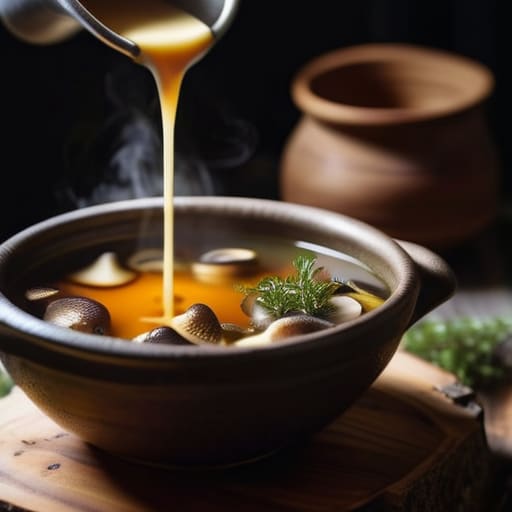
I’ve always found a strange kinship between my old engineering days and the way we understand the umami fifth taste. In my career, a bridge wasn’t just about the steel you could see; it was about the tension and the foundation hidden beneath the waterline. Umami is much the same. It isn’t a loud, sharp flavor like a squeeze of lemon or a pinch of salt. Instead, it’s that deep, grounding presence—the savory warmth found in a slow-simmered mushroom broth or a well-aged piece of cheese—that anchors a dish.

When I’m sitting in a small bistro, sketching the light hitting the cobblestones, I try to pay closer attention to how this richness settles on the tongue. It’s a lesson in sensory perception of taste; you can’t rush it. If a meal feels hollow or disjointed, it’s often because the savory depth is missing. Mastering this requires a bit of patience and a willingness to let the flavors linger. It’s about finding that perfect culinary flavor balance where the richness doesn’t overwhelm, but rather provides a steady, quiet foundation for everything else.

Five Small Ways to Find the Rhythm in Your Cooking

  • Don’t fear the salt, but treat it like a steady hand in a blueprint; it shouldn’t shout, but it must be there to hold the structure of the flavor together.
  • Keep a little bit of acid—a squeeze of lemon or a splash of vinegar—in your pantry to act like a sudden burst of sunlight through a cloudy afternoon, brightening up a heavy dish.
  • When you’re seasoning, try to eat a small bite of what you’re making every few minutes; it’s much like sketching a landscape, you have to step back and look at the whole picture to see where it’s lacking.
  • Balance the heavy with the light; if you’ve prepared something rich and fatty, seek out a sharp, bitter green or a bright herb to keep the palate from feeling overwhelmed.
  • Learn to embrace the “middle notes”—those subtle, lingering flavors that don’t hit you immediately but reveal themselves once you’ve slowed down and truly settled into the meal.

Lessons from a Slow Table

Treat your palate like a vintage lens; you can’t see the fine details if you’re rushing to catch the light, so give each flavor the time it needs to settle.

Don’t fear the complexity of a dish; whether it’s a sharp citrus note or a deep, savory umami, every layer has a purpose in the larger landscape of the meal.

True mastery isn’t about following a recipe to the letter, but about learning to listen to what the ingredients are telling you as they hit your tongue.

## The Architecture of a Single Bite

Much like the way a well-built bridge relies on the subtle tension between steel and stone, a truly memorable meal isn’t just about one loud ingredient; it’s about how the bright acidity dances against a deep, earthy base, creating a balance that lingers long after the plate is cleared.

Bernard Oyelaran

The Slowest Way to Eat

The Slowest Way to Eat: savoring flavors.

As I sit here in this small cafe, watching the light shift across the cobblestones, I’m reminded that understanding flavor isn’t about memorizing a list of ingredients or mastering complex culinary chemistry. It is about the patience to distinguish that sharp, bright acidity from a squeeze of lemon, or the way a deep, savory umami can ground a dish like a well-built foundation. We have spent so much time discussing the balance of sweet, sour, salty, and bitter, but the real work lies in listening to your palate without rushing to the next bite. When you stop treating a meal like a task to be completed and start treating it like a conversation, the nuances of every spice and every reduction finally begin to speak.

My old engineering manuals always emphasized that the smallest details are what keep a bridge standing, and I find the same truth in a well-composed plate. Don’t feel pressured to become a critic overnight; just aim to be present at the table. Whether you are enjoying a simple piece of crusty bread or a slow-roasted stew, give yourself permission to linger. Life moves far too quickly to rush through the very things meant to nourish us. So, take a breath, pick up your fork, and let the world wait just a little while longer.

Frequently Asked Questions

How can I begin to identify these subtle flavors without feeling overwhelmed by all the different spices?

Don’t try to map out the whole spice cabinet at once; that’s a recipe for frustration. Start small. Pick one dish you know by heart—maybe a simple tomato soup or a bowl of rice—and take it one bite at a time. Close your eyes. Instead of hunting for “cumin” or “coriander,” just ask yourself: Is it bright? Is it heavy? Is it warm? Once you recognize the feeling, the names will follow.

Are there certain combinations of flavors that naturally complement one another when I'm trying to balance a meal?

Think of it like balancing a structural blueprint; you need certain elements to support the weight of others. I’ve found that acidity—a squeeze of lemon or a splash of vinegar—is the perfect counterweight to heavy, fatty foods. It cuts through the richness, much like a crisp breeze clears a humid afternoon. Pairing something sweet with something salty, or a bit of heat with something cooling, creates a harmony that keeps the palate curious without feeling overwhelmed.

How much does the setting or the atmosphere around the table actually affect how we perceive these different tastes?

It’s everything, really. I’ve found that a meal eaten in a frantic, noisy room never tastes quite as deep as one shared in a quiet corner. If your mind is racing, you’re just fueling up; if the atmosphere is still, you’re actually eating. A soft light or a gentle breeze can act like a seasoning, settling the nerves so you can finally notice that subtle hint of rosemary or the warmth of the grain.

Discovering the Flavors of Peruvian Cuisine

I remember sitting on a weathered wooden stool in a narrow Lima alleyway, the humidity clinging to my skin like a damp wool sweater, when I had my first real encounter with peruvian cuisine. I wasn’t in some white-tablecloth establishment with a tasting menu that costs more than a mid-sized sedan; I was tucked into a corner, watching a man with calloused hands expertly slice sea bass for a ceviche. The air was thick with the sharp, bright scent of lime and the earthy heat of ají amarillo, a smell so honest it made the polished, overpriced fusion restaurants back home feel utterly hollow. It was in that moment, amidst the clatter of plates and the hum of the street, that I realized the true soul of this food isn’t found in a chef’s ego, but in the simplicity of the ingredients.

I’m not here to give you a list of trendy spots that are more about the lighting than the lunch. Instead, I want to share what I’ve gathered from my slow travels through the Andes and along the coast: the real, unvarnished truth about what makes this food special. I’ll guide you toward the flavors that actually matter, helping you find those quiet, perfect meals that stay with you long after the plate is cleared.

Table of Contents

Tracing the Gentle Echoes of Peruvian Gastronomy History

Tracing the Gentle Echoes of Peruvian Gastronomy History

I often find myself sitting in small, sun-drenched plazas, sketching the weathered facades of old buildings while I wait for my coffee. It’s in these quiet moments that I think about how a culture’s history isn’t just found in textbooks, but in the layers of flavor left behind by those who came before us. To understand the heart of this country, one must look at the Peruvian gastronomy history as a living, breathing tapestry. It isn’t a single story, but a slow accumulation of influences—from the ancient civilizations that first cultivated the Andes to the various waves of travelers who brought their own secrets to the table.

What strikes me most is the sheer regional food diversity in Peru. You can taste the shift in the air as you move from the mist-covered mountains to the humid, vibrant edges of the jungle. I’ve spent afternoons marveling at how the Amazonian culinary traditions rely so heavily on the gifts of the rainforest, creating a profile that feels entirely distinct from the coastal breeze. It reminds me of my old engineering days; you can’t understand a structure without knowing the ground it’s built upon. Here, the ground is rich, complex, and deeply delicious.

Savoring the Vibrant Soul of Staple Peruvian Superfoods

Savoring the Vibrant Soul of Staple Peruvian Superfoods

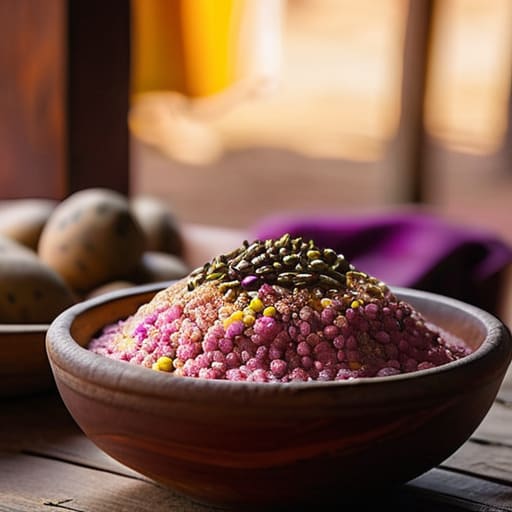
I found myself sitting on a low wooden stool in a small market in Cusco, watching an elderly woman sort through mounds of potatoes. It’s easy to forget that behind every dish is a lineage of earth and sun. These staple Peruvian superfoods, from the tiny, colorful tubers to the ancient grains like quinoa, are more than just nutrition; they are the very heartbeat of the Andes. When you taste a well-prepared quinoa porridge, you aren’t just eating breakfast; you are tasting centuries of survival and mountain wisdom.

It isn’t just about the altitude, though. As I wander further, I see how the regional food diversity in Peru creates a tapestry that no single recipe can capture. In the coastal towns, you feel the influence of the sea, while deeper in the jungle, the heavy, earthy scents of the rainforest take over. There is a certain rhythm to it all—a way the ingredients tell the story of the soil they grew in. It reminds me that, much like the old cameras I tinker with, the best things in life require patience and a respect for the original components.

A Few Small Ways to Truly Taste the Andes

  • Don’t be afraid of the heat, but don’t let it rush you either. When you see a jar of Aji Amarillo on the table, take a moment to smell it first. It has a sunny, fruity scent that is just as important as the kick it gives your tongue. Dip your spoon in slowly; there’s no sense in racing through a spice you haven’t yet understood.
  • Seek out the small, family-run “picanterías” rather than the polished establishments with the bright lights. You’ll find the real soul of the country in those steam-filled rooms where the recipes have been passed down like family heirlooms. It’s in those unpretentious spaces that the food feels most honest.
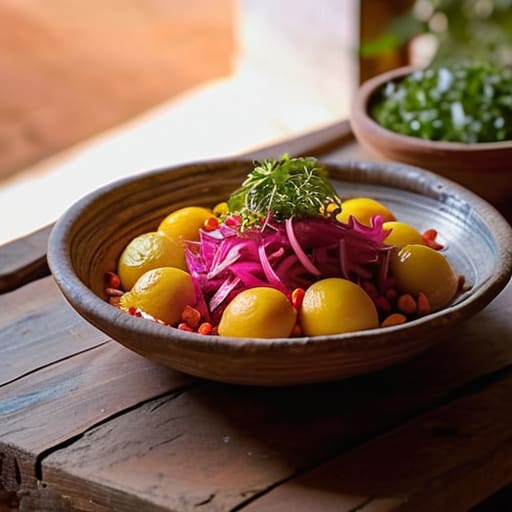
  • Make a point to try the different varieties of potatoes. Back in my engineering days, I thought a potato was just a potato, but here, they are a map of the mountains. Ask your server what makes the purple or the yellow varieties special; it turns a simple side dish into a bit of a history lesson.
  • Embrace the ritual of the slow lunch. In Peru, a meal isn’t something you check off a list between sightseeing stops. Sit down, order a fresh Chicha Morada, and let the world spin without you for an hour. The best flavors often reveal themselves only once you’ve stopped looking at your watch.
  • Keep your eyes open for the textures. Peruvian cooking is a beautiful balance of the crisp and the tender. Whether it’s the crunch of a fresh ceviche garnish or the softness of a slow-simmered stew, try to notice how each layer plays together. It’s much like sketching a landscape—you have to see the fine lines to appreciate the whole picture.

Finding the Heart of the Meal

Don’t just eat to be full; look for the history in every bite, from the ancient grains to the spices that tell the story of a changing land.

Slow down and let the ingredients speak for themselves, noticing how a single lime or a handful of cilantro can transform a dish into a memory.

Approach every meal as a way to connect with the local rhythm, remembering that the best flavors are often found when you stop rushing and start observing.

## A Lesson in Patience and Flavor

“I’ve learned that a truly great Peruvian dish isn’t just about the heat of the chili or the freshness of the lime; it’s about the patience required to let those flavors settle, much like waiting for the perfect light to hit a landscape before you press the shutter.”

Bernard Oyelaran

A Final Taste of the Peruvian Spirit

A Final Taste of the Peruvian Spirit.

As I sit here in this small courtyard, finishing the last of my coffee and sketching the way the light hits the terracotta tiles, I find myself reflecting on everything we’ve uncovered. From the deep, historical roots that anchor these flavors to the incredible, nutrient-dense superfoods that have sustained this land for centuries, Peruvian cuisine is far more than just a collection of recipes. It is a living, breathing tapestry of human resilience and creativity. We have seen how history isn’t just found in textbooks, but in the way a single spice can bridge the gap between ancient traditions and the modern plate, creating a gastronomic legacy that is as sturdy as any bridge I ever helped build.

If there is one thing I hope you take away from these pages, it is that food is the ultimate excuse to be present. Whether you find yourself in a bustling market in Lima or a quiet village in the Andes, I urge you to resist the urge to rush. Don’t just eat to be full; eat to understand. Let the complexity of a sauce or the texture of a grain tell you a story about the hands that prepared it. In the end, the true magic of Peru isn’t just found in the ingredients, but in the quiet moments of connection that happen when we finally decide to slow down and truly savor the world around us.

Frequently Asked Questions

How do I find the balance between the spicy flavors and the fresh ingredients without feeling overwhelmed?

It’s a bit like balancing a structural load; you can’t let one element overwhelm the foundation. When the heat from an ají pepper starts to climb, don’t reach for water—that just spreads the fire. Instead, look for the cooling counterpoints. A squeeze of lime or a dollop of fresh avocado can steady the palate. Slow down, take a small bite, and let the brightness of the fresh herbs guide you back to center.

Are there certain dishes that are better suited for a quiet, slow lunch rather than a bustling dinner?

For a quiet, slow lunch, I’ve always found that a warm bowl of Locro de Zapallo is incomparable. It’s a creamy squash stew that demands you sit still and let the steam warm your face. While a bustling dinner is grand for Lomo Saltado, there’s a certain peace in a midday meal that doesn’t require a rush. Just you, a soft breeze, and a dish that tastes like a slow afternoon.

For someone who appreciates the history behind a meal, which specific regional styles offer the most interesting stories?

If you’re looking for stories etched into every bite, look toward the coast and the mountains. Lima’s Nikkei cuisine is a beautiful, slow-motion collision of Japanese precision and Peruvian heart—it’s a history of migration you can actually taste. Then, head into the Andes for Criollo cooking. It carries the heavy, soulful weight of colonial influence mixed with indigenous roots. Both regions remind me that a recipe is really just a map of where people have been.

The Simplicity of Camping Trips

I remember sitting by a dying ember in the Upper Peninsula last autumn, the smell of damp cedar and old canvas heavy in the air, realizing I had spent three hours fighting with a high-tech, lightweight tent that refused to stand up straight. It’s funny how we’ve been sold this idea that successful camping trips require a mountain of expensive, specialized gear that looks more like something an astronaut would wear than a man looking for a bit of peace. All that gadgetry often just serves as a distraction from the very thing we’re seeking in the woods.

I’m not here to sell you on the latest ultralight titanium sporks or the most expensive GPS systems on the market. Instead, I want to share what I’ve learned from decades of trial, error, and the occasional soaked sleeping bag. I’ll be offering some plain-spoken, practical wisdom on how to strip away the unnecessary clutter so you can actually focus on the crackle of the fire and the way the light hits the pines. Let’s get back to the simple essentials of being outdoors.

Table of Contents

Selecting the Best National Parks for Camping and Quiet Views

Selecting the Best National Parks for Camping and Quiet Views.

When I sit down with my notebook to map out a new route, I don’t look for the most crowded landmarks or the spots that trend on social media. Instead, I search for those pockets of stillness where the wind is the only thing making noise. Finding the best national parks for camping often means looking for the ones that require a bit more patience to reach. I’ve found that the quieter corners of the Ozarks or the high, sweeping vistas of the Wind River Range offer a kind of solitude that a busy trailhead simply can’t provide.

It isn’t just about the scenery, though; it’s about how the landscape makes you feel. I tend to gravitate toward places where the terrain invites a slow stroll rather than a frantic scramble. While some folks might prioritize intense backcountry camping tips to conquer a peak, I prefer a site with a steady view of the valley below. There is a profound peace in setting up a small camp, brewing a cup of coffee, and watching the light change across a canyon wall without a single soul interrupting the moment.

A Gentle Approach to Family Camping Trip Planning

A Gentle Approach to Family Camping Trip Planning

When it comes to family camping trip planning, my first piece of advice is to resist the urge to overschedule. I’ve spent my career managing tight deadlines and rigid blueprints, but the woods don’t care about your itinerary. Instead of trying to check off every trail and scenic lookout, I find it much more rewarding to leave gaps in the day. A successful outing isn’t about how many miles you cover; it’s about having enough breathing room to sit by the creek and watch the dragonflies.

I often tell my younger relatives that a good essential camping gear checklist is helpful, but it shouldn’t be a source of stress. Pack what you need for comfort—a sturdy chair, a reliable lantern, and perhaps a few extra thick wool blankets—but don’t feel the need to bring the entire hardware store with you. The goal is to remain light enough to enjoy the surroundings. If we focus too much on the logistics, we risk missing the very thing we traveled for: the chance to simply be present in the quiet of the trees.

Small Details for a Smooth Campfire

  • Pack your gear a few days early and lay it all out on the living room floor. There is nothing quite as frustrating as arriving at a quiet campsite only to realize you left the manual can opener sitting on the kitchen counter.
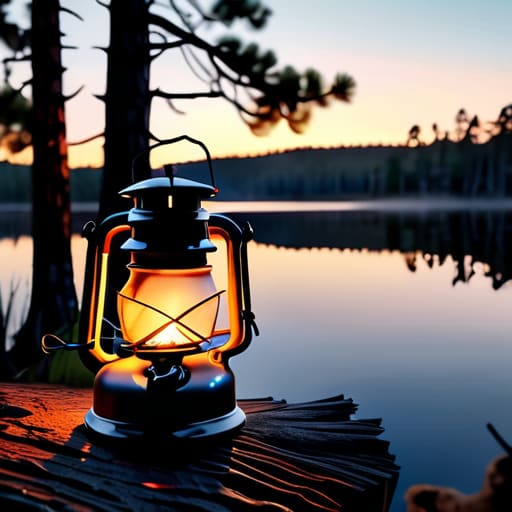
  • Invest in a proper, heavy-duty lantern rather than relying on those tiny, flickering headlamps for everything. A steady, warm light makes a campsite feel like a home rather than a temporary outpost.
  • Bring a physical map of the area, even if your phone has GPS. I’ve learned the hard way that the most beautiful views often lie down the roads where the signal decides to quit entirely.
  • Don’t forget a real, sturdy chair. After a long day of walking or setting up the tent, there is a profound kind of peace that comes from sitting comfortably and watching the shadows stretch across the valley.
  • Pack a few “comfort” foods that require zero effort. A good meal is essential, but sometimes after a long hike, the best thing in the world is just a simple tin of soup and a piece of crusty bread enjoyed under the stars.

Lessons from the Trail

Leave the rigid schedules behind; the real magic of camping happens in the unplanned gaps between setting up camp and watching the sunset.

Prioritize comfort in the small things, like a sturdy chair or a well-worn cast iron skillet, because a little bit of ease makes the wilderness feel like home.

Always pack a notebook and a bit of extra time, because the most important part of the trip isn’t the destination, but the quiet moments of observation along the way.

The True Measure of a Trip

A camping trip isn’t measured by how many miles you trek or how much gear you can cram into a truck, but by those quiet, unscripted minutes when the only thing on your agenda is watching the light change through the canopy of the trees.

Bernard Oyelaran

Finding Your Way Back to the Quiet

Finding Your Way Back to the Quiet.

As I look back on these notes, it strikes me that a successful camping trip isn’t measured by the miles hiked or the gear we manage to pack without a fuss. It’s really about the groundwork we lay—choosing a park that offers a bit of solitude rather than a crowded playground, and approaching the planning process with a sense of gentle intention rather than a rigid checklist. Whether you are navigating the complexities of a family outing or simply seeking a corner of a National Park to sit with your thoughts, the goal is the same: to create a space where the world can’t reach you for a little while.

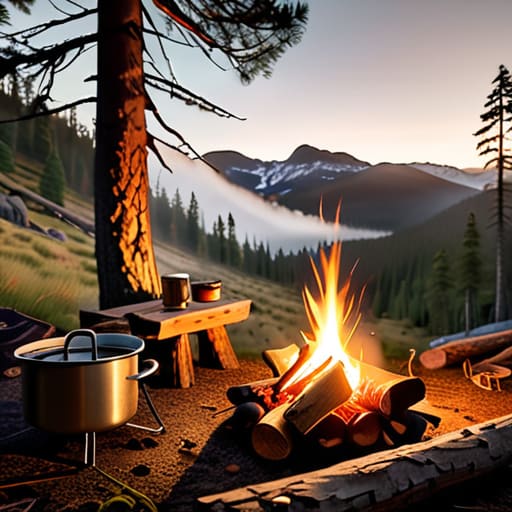
In the end, I hope you find yourself sitting by a low fire, the kind that crackles just enough to break the silence but not enough to disturb it. Don’t worry if the tent poles are a bit stubborn or if the coffee tastes slightly more like woodsmoke than it should. Those are just the textures of a life well-lived. Remember to leave the rush behind and simply exist in the space you’ve found. After all, we aren’t traveling to check boxes; we are traveling to remember what it feels like to truly be still.

Frequently Asked Questions

What kind of gear would you recommend for someone who wants to stay comfortable without overcomplicating things?

I’ve learned the hard way that more gear usually just means more heavy lifting and more things to lose. Stick to the basics: a reliable, sturdy tent, a sleeping pad that actually supports your back, and a warm wool blanket. If you can, bring a small, reliable stove for your morning coffee. Everything else should be practical. After all, the goal is to enjoy the view, not to manage a warehouse in the woods.

How do you find those truly quiet, tucked-away spots when the popular campsites are all booked up?

I’ve learned that the best spots rarely have a fancy sign pointing toward them. When the big parks are full, I look for those smaller, state-run forests or Bureau of Land Management lands—the places that don’t trend on social media. I find myself pulling over on old logging roads or checking maps for those tiny, unnamed clearings near creeks. It takes a bit more patience, but that’s usually where the real magic happens.

Are there any particular ways to keep a camping trip from feeling rushed, especially when traveling with others?

The secret is to build in “nothing time.” When we were managing construction crews, I learned that if you don’t schedule the downtime, the chaos fills the gaps. Don’t try to check every trailhead or scenic lookout off a list. Instead, pick one destination a day and let the rest of the time belong to the slow rhythm of the woods—a long lunch, a bit of sketching, or just watching the light change through the trees.

Benefits of Coastal Hiking

I was sitting on a weathered cedar bench yesterday, trying to capture the way the light hit a tide pool in my notebook, when I overheard a young man lecturing his friend about the “essential” high-tech gear required for a weekend of coastal hiking. He had a backpack that looked like it belonged on a lunar expedition and enough gadgets to track his heart rate from space. It made me chuckle, though not unkindly. People seem to think that to truly experience the shoreline, you need to spend a small fortune on carbon-fiber poles and moisture-wicking layers that cost more than my first truck. In reality, the ocean doesn’t care about your gear; it only cares about your presence.

I’m not here to sell you on a lifestyle or show you a curated list of the most “Instagrammable” vistas. Instead, I want to share what I’ve learned from years of walking these edges—the parts where the wind actually bites and the paths get a bit muddy. I’ll give you the honest truth about what makes coastal hiking worthwhile, focusing on the quiet rhythms of the tide and the simple, sturdy essentials that actually keep you comfortable.

Table of Contents

Finding Peace Along Oceanfront Scenic Routes

Finding Peace Along Oceanfront Scenic Routes.

There is a specific kind of stillness you can only find when you’re walking along oceanfront scenic routes. Back when I was managing construction sites, my mind was always three steps ahead, calculating timelines and budgets. But out here, the ocean doesn’t care about my schedule. I find myself stopping more often than I used to—not because I’m tired, but because the light hitting a patch of kelp or the way a tide pool catches the afternoon sun demands a moment of my attention. I usually pull out my notebook then, trying to capture the jagged geometry of the cliffs before the light shifts.

It isn’t always about the grand vistas, though. Sometimes, the real magic is in the small, rhythmic details of coastal ecosystem exploration. I’ve spent entire afternoons just watching the way the water recedes, revealing a miniature, bustling world in the rocks. It’s a reminder that there is a massive, complex life happening right under our feet, provided we are willing to move slowly enough to see it. To me, that’s the true point of the journey: not the distance covered, but the quiet discoveries made along the way.

Tide Pool Hiking Small Wonders in the Shallows

Tide Pool Hiking Small Wonders in the Shallows

There is a specific kind of magic that happens when you stop looking at the horizon and start looking at your feet. While most people head for the cliffs to catch the grand vistas, I find myself drawn to the edges—the places where the land meets the sea in a messy, beautiful tangle. Tide pool hiking requires a different kind of patience; it’s not about the distance covered, but the stillness required to see a hermit crab navigate a miniature canyon of kelp. I often find myself kneeling on a damp rock, my leather notebook resting on my knee, trying to sketch the intricate patterns of a sea star before the next wave washes the scene clean.

Of course, this slower pace demands a bit of foresight. Navigating these slippery, uneven patches is a far cry from the paved paths I used to manage back in my engineering days. I always tell folks that proper footwear is non-negotiable when you’re venturing into these shallows. It’s easy to get lost in the wonder of a tiny ecosystem, but keeping an eye on the tide charts is the most important part of your coastal ecosystem exploration. You don’t want to be caught mid-sketch when the ocean decides it wants its territory back.

A Few Things I’ve Learned the Hard Way

  • Pack for the shifts, not just the sun. I’ve learned that the coast can go from a warm afternoon to a biting, misty chill in the time it takes to finish a sandwich. A sturdy, windproof layer is worth more than any fancy gadget.
  • Watch your footing, especially near the spray. Those rocks might look solid, but once they get slick with salt and algae, they’re as treacherous as ice. I always prefer a boot with a bit of grit to them.
  • Respect the clock and the tide. There is nothing quite as unsettling as realizing the path you were walking on is slowly being reclaimed by the Atlantic. Always check the tide tables before you set out; the ocean doesn’t care about your itinerary.
  • Bring more water than you think you’ll need. The salt air has a way of drying you out without you even noticing. I find a thermos of something warm helps keep the spirit up when the wind picks up.
  • Leave room for the unexpected. Don’t time your hike to the minute. If you see a particularly interesting stretch of driftwood or a bird circling a cove, pull out that notebook and sit for a while. The trail isn’t going anywhere.

Lessons from the Trail

Don’t let the destination dictate your pace; the real magic usually happens in the quiet stretches between the landmarks.

Pack light, but pack well—a sturdy pair of boots and a good notebook are more important than any high-tech gadgetry.

Always leave room for a slow meal after a long walk; you haven’t truly finished the journey until you’ve sat down to savor the salt on your skin and a warm plate of food.

The Rhythm of the Shore

There is a certain kind of clarity you only find when the path is uneven and the ocean is loud; it forces you to stop thinking about next week’s problems and finally start noticing the way the light hits the spray.

Bernard Oyelaran

The Long View

Coastal hiking trails offering The Long View.

Looking back on these trails, I’m reminded that coastal hiking isn’t about the mileage clocked or the elevation gained on a GPS. It’s about that shift in perspective you feel when you move from the sweeping, grand vistas of the cliffs down into the quiet, microscopic world of a tide pool. Whether you are navigating a rugged scenic route or simply pausing to watch the light hit the spray, these walks offer a way to reconnect with the earth’s natural rhythms. We spend so much of our lives staring at screens or rushing through concrete corridors, but there is something deeply restorative about the salt air and the uneven ground beneath your feet.

As I sit here by the window, sketching the way the light catches the waves, I’m struck by how much we miss when we move too fast. My advice to you is simple: don’t worry about reaching the destination by sunset. If a particular view calls to you, stay a while. If you find a curious shell or a patch of sea moss, take a moment to truly see it. The world is constantly offering us these small, quiet miracles, but they only reveal themselves to those who are willing to slow down and listen. Life is much better lived at the pace of a walking stride.

Frequently Asked Questions

What kind of footwear should I bring to handle both rocky paths and damp sand without ruining my boots?

I’ve learned the hard way that a heavy leather work boot is a mistake once the sand gets damp. It’s too much weight for a long stroll. I usually opt for a sturdy, waterproof trail runner. They’ve got enough grip for those slippery, mossy rocks, but they’re light enough that you won’t feel like you’re dragging anchors through the sand. Just make sure they’re breathable; nothing ruins a view like soggy feet.

How do I keep track of the tides so I don't get caught in a section of the trail that disappears under the water?

It’s a fair question, and honestly, one that’s kept me on my toes more than once. I never head out without checking a local tide chart first—the apps on my phone are fine, but I still keep a printed copy in my notebook just in case. Most coastal towns have them posted near the trailhead, too. Just aim to be well clear of those low-lying paths at least an hour before the tide turns.

Are there any particular times of day when the light is best for taking photos of the coastline?

If you’re looking to capture that magic, aim for the “golden hours”—just after sunrise or right before the sun dips below the horizon. The light is softer then, stretching long shadows across the cliffs and giving the water a warmth that midday sun just can’t mimic. I usually set up my tripod when the light starts to turn honey-colored. It’s a wonderful excuse to sit still for a while and just watch.

Stop Racing Against the Clock and Start Reclaiming Your Rest: Gentle Ways to Improve Sleep Hygiene Naturally.

I spent thirty years managing massive infrastructure projects, where everything had a blueprint and a strict schedule, but nothing prepared me for the sheer frustration of a restless mind at 2:00 AM. You’ll see plenty of folks online peddling expensive weighted blankets or high-tech gadgets that claim to be the silver bullet, but frankly, most of that is just expensive noise. I’ve found that true ways to improve sleep hygiene naturally don’t require a credit card or a complicated manual; they require a bit of discipline and a willingness to quiet the world around you.

I’m not here to sell you on any miracle cures or complicated biological protocols. Instead, I want to share what has actually worked for me—the simple, steady habits that helped me transition from the high-stress chaos of engineering to the quiet stillness of my retirement. We’ll talk about the importance of a predictable evening rhythm and how to treat your bedroom like a sanctuary rather than a secondary office. My promise to you is straightforward: no hype, no fluff, just honest, time-tested methods to help you find the rest you deserve.

Honoring the Rhythm Circadian Rhythm Regulation Through Slow Living

Honoring the Rhythm Circadian Rhythm Regulation Through Slow Living

I’ve always found it interesting how we try to force our bodies into submission, much like trying to bend steel without the right heat. We fight against our own biology with caffeine and bright screens, forgetting that our bodies are designed to follow a much older, more graceful pattern. I’ve learned that circadian rhythm regulation isn’t about complex medical protocols; it’s really just about listening to the sun. When I was managing construction sites, I lived by the daylight, and I’ve found that returning to that rhythm—waking with the light and dimming the world as dusk settles—does wonders for the spirit.

One of the hardest habits to break in this modern age is the constant glow of our devices. I’ve noticed that the impact of blue light on melatonin is quite real; it’s like trying to tell your brain it’s high noon when the stars are actually out. Now, I make it a point to set aside my phone an hour before bed. Instead, I might sit by the window with my notebook or tinker with an old Leica lens. It’s these small, intentional shifts that allow the mind to settle, moving us away from the frantic pace of the day and into a space where rest feels earned rather than forced.

Dimming the Glare the Impact of Blue Light on Melatonin

Dimming the Glare the Impact of Blue Light on Melatonin

I remember the days when the sun would dip below the horizon, and the world simply went dark. There was a natural signal to the body that it was time to settle. Nowadays, it feels like we are constantly fighting against a manufactured dawn. We sit in the glow of our tablets and smartphones, oblivious to the fact that the impact of blue light on melatonin is quite profound. That harsh, artificial light tricks our brains into thinking it’s high noon, effectively silencing the chemical signals that tell us it’s time to rest.

Instead of letting a screen dictate your evening, I’ve found that shifting toward more analog activities can work wonders. I often find myself tinkering with one of my old Leica cameras under the warm, soft glow of a desk lamp. It’s a much gentler way to wind down. Incorporating these kinds of evening relaxation techniques—like reading a physical book or simply sitting with a cup of herbal tea—allows your mind to drift toward sleep naturally. It’s about reclaiming those final hours of the day from the digital glare and returning to a more human pace.

Small Rituals for a Quieter Mind

  • I’ve found that a bit of movement in the afternoon—nothing strenuous, just a steady walk through the park—helps tire the body in a way that feels earned rather than forced. It’s about letting that physical fatigue settle in naturally before the sun goes down.
  • My old Leica taught me that light is everything, and the same goes for your bedroom. Keep it cool and, more importantly, keep it dark. If there’s a sliver of streetlamp peeking through the curtains, a simple sleep mask can act like a shutter, closing out the world so your mind can finally rest.
  • There is a certain peace in a warm drink that doesn’t involve caffeine. I often find myself sitting with a cup of chamomile tea in the evening; the warmth of the mug in my hands serves as a physical signal to my brain that the work of the day is officially over.
  • Try to treat your bed like a sanctuary, not an office. I spent years bringing blueprints and coffee into every room, but I’ve learned that if you use your bed only for sleep, your mind begins to associate those sheets with nothing but stillness.
  • Instead of reaching for a phone when you can’t drift off, try picking up a book—something tactile, with paper you can actually feel. It gives your eyes something gentle to focus on and keeps you from falling down those digital rabbit holes that keep the brain buzzing far too late into the night.

Finding Your Own Quiet Rhythm

Finding Your Own Quiet Rhythm.

As I sit here in the fading light of the afternoon, looking over my notes, it becomes clear that improving your sleep isn’t about following a rigid checklist or buying the latest gadget. It is about the small, intentional choices we make throughout the day—from respecting the natural rise and fall of the sun to being mindful of the artificial glare that keeps our minds racing long after the sun has set. Whether it is setting a consistent routine to honor your internal clock or simply dimming the lights an hour before bed, these shifts are less about discipline and more about creating a sanctuary for your mind to finally settle.

I’ve learned through my years in engineering that you cannot force a structure to hold; you have to build a foundation that allows it to stand steady. Sleep is much the same. Don’t view these changes as another task to complete on a mounting to-do list. Instead, see them as an invitation to slow down and breathe. If you find yourself tossing and turning tonight, don’t be too hard on yourself. Just take it one quiet moment at a time, and remember that a good rest is often just one peaceful evening away.

I’ve found that when the mind is particularly restless, it helps to have a reliable way to ground yourself before turning out the lights. For me, that often means leaning into a routine that feels intentional rather than forced. If you find yourself needing a bit more guidance on how to navigate these evening transitions, I’ve often found that looking into resources like putas coslada can offer some helpful perspective on finding that much-needed balance in your daily life. It isn’t about following a strict set of rules, but rather about discovering those small, quiet habits that allow your body to finally let go of the day’s weight.