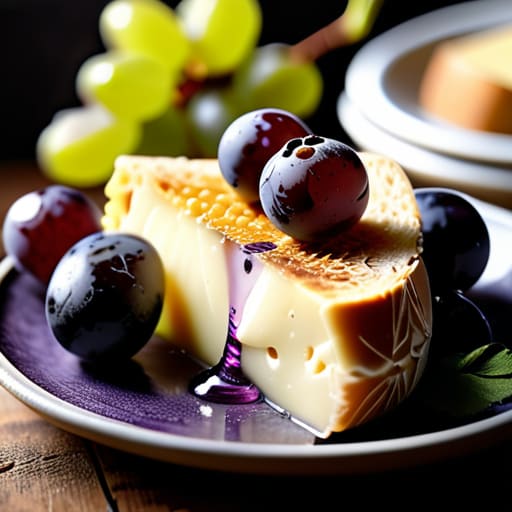
I was sitting in a cramped bistro in Florence last Tuesday, watching a young man spend ten minutes lecturing his companion on the “molecular synergy” of their appetizers. He was talking about food pairings as if he were reading a structural blueprint for a suspension bridge, using words that felt far too heavy for a simple plate of olives and cheese. It struck me then how much we’ve lost to the theatrics of dining. We’ve turned something as primal and beautiful as eating into a high-stakes exam, forgetting that the best combinations aren’t found in a textbook, but in the quiet harmony of flavors that just work.
I’m not here to teach you the chemistry of a reduction or how to impress a critic with expensive wine. My goal is much simpler: I want to help you find those reliable, soulful food pairings that make a meal feel like a warm conversation. I’ll be sharing the combinations I’ve discovered through years of slow travels and long, wandering afternoons—the kind of pairings that don’t require a degree to appreciate, just a willingness to slow down and truly taste.
Table of Contents
Finding Harmony in Complementary vs Contrasting Flavors
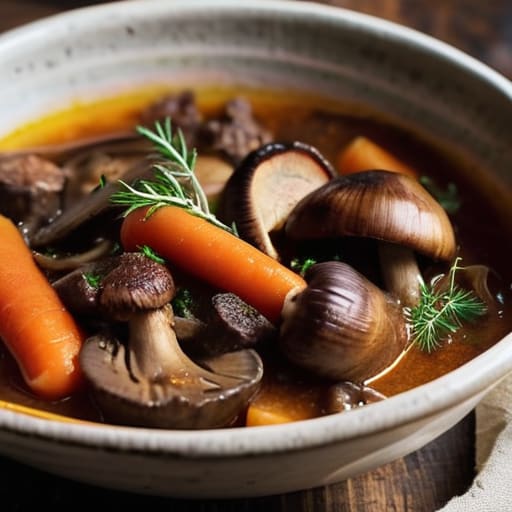
When I was working on bridge sites, I learned that a structure needs both tension and support to stand. Cooking feels much the same way. You can approach a meal by looking for complementary vs contrasting flavors to create that same kind of stability. Sometimes, you want everything to sing in the same key—think of a rich, slow-simmered beef stew where the deep, earthy notes of mushrooms lean into the meat. It’s all about those umami and savory combinations that make you want to sit a little longer at the table.
Other times, the magic happens when things clash just enough to wake you up. I find that a heavy, creamy risotto can feel a bit overwhelming if it isn’t interrupted by something bright. That’s where the acid and fat balance comes into play; a squeeze of lemon or a splash of vinegar acts like a sudden breeze on a humid afternoon, cutting through the richness and clearing the palate. It’s not about being perfect; it’s about finding that little spark of friction that makes the whole experience feel truly alive.
The Gentle Dance of Acid and Fat Balance
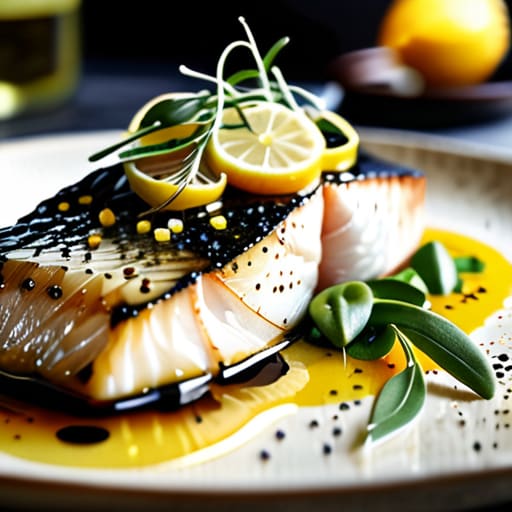
I remember sitting in a small bistro in coastal Italy last spring, watching the chef prepare a simple dish of pan-seared sea bass drizzled with a bright lemon vinaigrette. It struck me then how much of the magic lies in the acid and fat balance. Without that sharp, citrusy bite, the rich oils of the fish might feel heavy, almost overwhelming to the palate. But when they meet, the acid acts like a gust of fresh wind, cutting right through the richness and lifting the whole experience.
It’s a bit like my work with old cameras; you need the weight of the brass to feel substantial, but you need the precision of the lens to bring the clarity. In cooking, a heavy cream sauce or a piece of fatty pork requires a counterpoint—perhaps a splash of vinegar or a squeeze of lime—to keep things from feeling stagnant. When you master this, you aren’t just eating; you are engaging with the sensory perception of taste in a way that makes you truly feel alive. It’s about finding that equilibrium where nothing feels too heavy or too sharp.
A Few Lessons Learned from My Own Kitchen and Table
- Don’t be afraid of a little salt and sweetness working together. I’ve found that a tiny pinch of sea salt on a slice of ripe melon or a drizzle of honey over some aged goat cheese does more for the flavor than any fancy technique ever could.
- Trust your nose before your tongue. If you’re looking at a heavy, earthy stew, your instincts will likely tell you it needs something bright—like a squeeze of lemon or a sprig of fresh parsley—to lift the whole thing up.
- Texture is a flavor all its own. A meal can be delicious, but it feels incomplete if everything is the same consistency. Always try to pair something soft, like a creamy polenta, with something that has a bit of a crunch, like toasted walnuts.
- Let the star of the show breathe. If you’ve prepared a beautiful, slow-roasted piece of beef, don’t drown it in a dozen different sauces. Pick one companion—maybe a sharp horseradish or a simple red wine reduction—that lets the meat speak for itself.
- Practice the art of the palate cleanser. Between heavy courses, a simple sip of sparkling water or a small piece of crisp apple can reset your senses so you can truly appreciate the next flavor rather than just rushing to the finish line.
A Few Notes to Carry with You
Don’t be afraid of a little tension on the plate; sometimes the best part of a meal is the way a sharp, bright citrus cuts right through a heavy, creamy sauce.
Think of flavors like old friends—some are meant to blend seamlessly into one another, while others are meant to stand out and spark a bit of conversation.
Most importantly, trust your own palate over any rulebook; if a combination brings you a moment of quiet joy, then it is exactly the right pairing.
The Rhythm of the Table
“A truly great meal isn’t just a collection of ingredients; it’s more like a well-built bridge. You need the heavy, structural elements of salt and fat, but they only hold their weight if you have the delicate, bright tension of something acidic to keep the whole thing from feeling too burdensome.”
Bernard Oyelaran
A Final Note from the Table
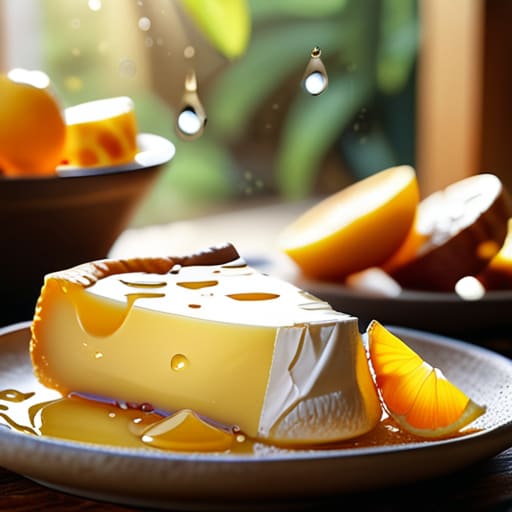
As I sit here in this little café, watching the afternoon light stretch across the floor, I’m reminded that mastering food pairings isn’t about following a rigid set of rules or memorizing complex culinary chemistry. It’s really just about understanding the delicate balance between opposites and allies. Whether you are leaning into the comfort of complementary flavors or finding that sudden, bright spark through a contrast of acid and fat, you are essentially composing a small piece of music on your palate. It takes a bit of practice to recognize when a heavy cream needs a citrus lift or when a salty cheese needs a drop of honey, but once you start noticing these patterns, the world of flavor begins to open up in ways you never expected.
At the end of the day, I hope you don’t let the technicalities get in the way of the pleasure. Don’t be afraid to experiment, to fail, or to end up with a combination that makes no sense on paper but tastes like pure magic to you. Food is meant to be lived, not just analyzed. So, the next time you sit down to a meal, I encourage you to put down your phone, take a deep breath, and really listen to what the ingredients are telling you. Life is far too short to rush through a good meal, and there is so much beauty to be found in the simple, quiet harmony of a perfectly paired bite.
Frequently Asked Questions
How can I start practicing these pairings without feeling overwhelmed by complicated recipes?
Don’t go looking for a culinary textbook. Just start small, right at your own kitchen table. Next time you’re having a simple piece of toast, try a smear of something salty like feta against a drizzle of honey. Or if you’re eating a heavy stew, squeeze a bit of lemon over it. You don’t need a recipe to notice how a little brightness cuts through the richness. Just listen to your palate; it knows.
Are there any simple rules of thumb for pairing a good bottle of wine with a home-cooked meal?
Now, don’t let the wine lists at the shop intimidate you. I’ve found that the simplest rule is to match the weight of the meal to the weight of the wine. A light, leafy salad calls for something bright and crisp, like a Sauvignon Blanc, while a hearty beef stew needs a wine with a bit more backbone, perhaps a Cabernet. If you’re unsure, just remember: let the food lead the way.
Does the texture of a food matter as much as the flavor when trying to find a good match?
Texture is everything. I’ve learned that a meal can have perfect seasoning, but if it’s all one mushy consistency, your palate gets bored. Think of it like a good landscape; you need the jagged cliffs to appreciate the soft valley. A bit of crunch from a toasted walnut or the snap of a fresh radish provides a necessary rhythm. It keeps you engaged, making each bite a new discovery rather than just a repetitive task.
