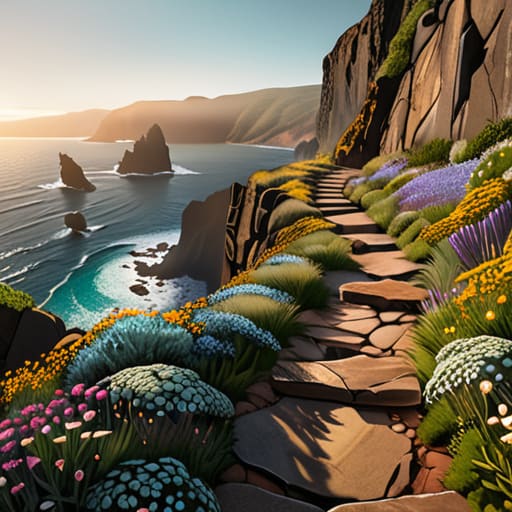
I was sitting on a weathered cedar bench yesterday, trying to capture the way the light hit a tide pool in my notebook, when I overheard a young man lecturing his friend about the “essential” high-tech gear required for a weekend of coastal hiking. He had a backpack that looked like it belonged on a lunar expedition and enough gadgets to track his heart rate from space. It made me chuckle, though not unkindly. People seem to think that to truly experience the shoreline, you need to spend a small fortune on carbon-fiber poles and moisture-wicking layers that cost more than my first truck. In reality, the ocean doesn’t care about your gear; it only cares about your presence.
I’m not here to sell you on a lifestyle or show you a curated list of the most “Instagrammable” vistas. Instead, I want to share what I’ve learned from years of walking these edges—the parts where the wind actually bites and the paths get a bit muddy. I’ll give you the honest truth about what makes coastal hiking worthwhile, focusing on the quiet rhythms of the tide and the simple, sturdy essentials that actually keep you comfortable.
Table of Contents
Finding Peace Along Oceanfront Scenic Routes
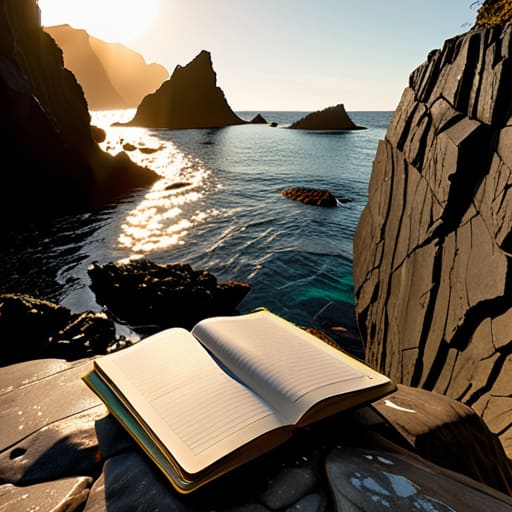
There is a specific kind of stillness you can only find when you’re walking along oceanfront scenic routes. Back when I was managing construction sites, my mind was always three steps ahead, calculating timelines and budgets. But out here, the ocean doesn’t care about my schedule. I find myself stopping more often than I used to—not because I’m tired, but because the light hitting a patch of kelp or the way a tide pool catches the afternoon sun demands a moment of my attention. I usually pull out my notebook then, trying to capture the jagged geometry of the cliffs before the light shifts.
It isn’t always about the grand vistas, though. Sometimes, the real magic is in the small, rhythmic details of coastal ecosystem exploration. I’ve spent entire afternoons just watching the way the water recedes, revealing a miniature, bustling world in the rocks. It’s a reminder that there is a massive, complex life happening right under our feet, provided we are willing to move slowly enough to see it. To me, that’s the true point of the journey: not the distance covered, but the quiet discoveries made along the way.
Tide Pool Hiking Small Wonders in the Shallows

There is a specific kind of magic that happens when you stop looking at the horizon and start looking at your feet. While most people head for the cliffs to catch the grand vistas, I find myself drawn to the edges—the places where the land meets the sea in a messy, beautiful tangle. Tide pool hiking requires a different kind of patience; it’s not about the distance covered, but the stillness required to see a hermit crab navigate a miniature canyon of kelp. I often find myself kneeling on a damp rock, my leather notebook resting on my knee, trying to sketch the intricate patterns of a sea star before the next wave washes the scene clean.
Of course, this slower pace demands a bit of foresight. Navigating these slippery, uneven patches is a far cry from the paved paths I used to manage back in my engineering days. I always tell folks that proper footwear is non-negotiable when you’re venturing into these shallows. It’s easy to get lost in the wonder of a tiny ecosystem, but keeping an eye on the tide charts is the most important part of your coastal ecosystem exploration. You don’t want to be caught mid-sketch when the ocean decides it wants its territory back.
A Few Things I’ve Learned the Hard Way
- Pack for the shifts, not just the sun. I’ve learned that the coast can go from a warm afternoon to a biting, misty chill in the time it takes to finish a sandwich. A sturdy, windproof layer is worth more than any fancy gadget.
- Watch your footing, especially near the spray. Those rocks might look solid, but once they get slick with salt and algae, they’re as treacherous as ice. I always prefer a boot with a bit of grit to them.
- Respect the clock and the tide. There is nothing quite as unsettling as realizing the path you were walking on is slowly being reclaimed by the Atlantic. Always check the tide tables before you set out; the ocean doesn’t care about your itinerary.
- Bring more water than you think you’ll need. The salt air has a way of drying you out without you even noticing. I find a thermos of something warm helps keep the spirit up when the wind picks up.
- Leave room for the unexpected. Don’t time your hike to the minute. If you see a particularly interesting stretch of driftwood or a bird circling a cove, pull out that notebook and sit for a while. The trail isn’t going anywhere.
Lessons from the Trail
Don’t let the destination dictate your pace; the real magic usually happens in the quiet stretches between the landmarks.
Pack light, but pack well—a sturdy pair of boots and a good notebook are more important than any high-tech gadgetry.
Always leave room for a slow meal after a long walk; you haven’t truly finished the journey until you’ve sat down to savor the salt on your skin and a warm plate of food.
The Rhythm of the Shore
There is a certain kind of clarity you only find when the path is uneven and the ocean is loud; it forces you to stop thinking about next week’s problems and finally start noticing the way the light hits the spray.
Bernard Oyelaran
The Long View
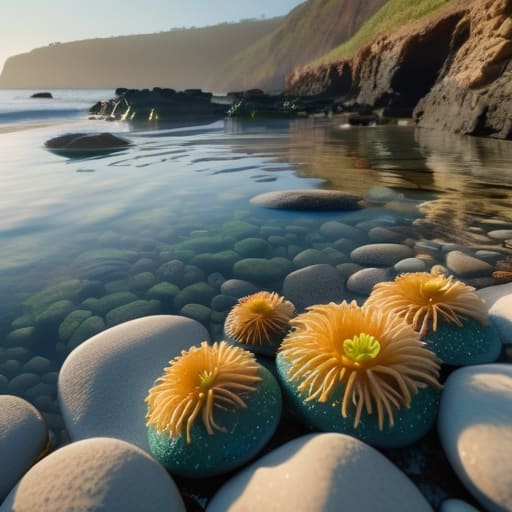
Looking back on these trails, I’m reminded that coastal hiking isn’t about the mileage clocked or the elevation gained on a GPS. It’s about that shift in perspective you feel when you move from the sweeping, grand vistas of the cliffs down into the quiet, microscopic world of a tide pool. Whether you are navigating a rugged scenic route or simply pausing to watch the light hit the spray, these walks offer a way to reconnect with the earth’s natural rhythms. We spend so much of our lives staring at screens or rushing through concrete corridors, but there is something deeply restorative about the salt air and the uneven ground beneath your feet.
As I sit here by the window, sketching the way the light catches the waves, I’m struck by how much we miss when we move too fast. My advice to you is simple: don’t worry about reaching the destination by sunset. If a particular view calls to you, stay a while. If you find a curious shell or a patch of sea moss, take a moment to truly see it. The world is constantly offering us these small, quiet miracles, but they only reveal themselves to those who are willing to slow down and listen. Life is much better lived at the pace of a walking stride.
Frequently Asked Questions
What kind of footwear should I bring to handle both rocky paths and damp sand without ruining my boots?
I’ve learned the hard way that a heavy leather work boot is a mistake once the sand gets damp. It’s too much weight for a long stroll. I usually opt for a sturdy, waterproof trail runner. They’ve got enough grip for those slippery, mossy rocks, but they’re light enough that you won’t feel like you’re dragging anchors through the sand. Just make sure they’re breathable; nothing ruins a view like soggy feet.
How do I keep track of the tides so I don't get caught in a section of the trail that disappears under the water?
It’s a fair question, and honestly, one that’s kept me on my toes more than once. I never head out without checking a local tide chart first—the apps on my phone are fine, but I still keep a printed copy in my notebook just in case. Most coastal towns have them posted near the trailhead, too. Just aim to be well clear of those low-lying paths at least an hour before the tide turns.
Are there any particular times of day when the light is best for taking photos of the coastline?
If you’re looking to capture that magic, aim for the “golden hours”—just after sunrise or right before the sun dips below the horizon. The light is softer then, stretching long shadows across the cliffs and giving the water a warmth that midday sun just can’t mimic. I usually set up my tripod when the light starts to turn honey-colored. It’s a wonderful excuse to sit still for a while and just watch.
