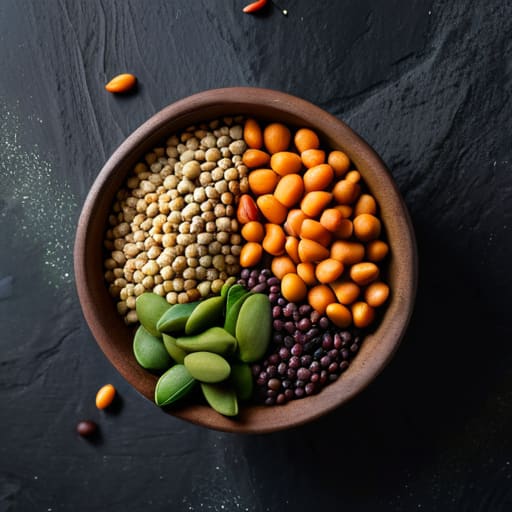
I was sitting in a small cafe in coastal Portugal yesterday, watching the sunlight dance off the ripples of the Atlantic, when I noticed a young man at the next table scrolling through a menu filled with “superfood” bowls. The prices were astronomical, and the ingredients sounded more like something from a chemistry lab than a kitchen. It struck me how much noise there is surrounding plant based protein these days; everyone seems to think you need expensive powders, processed meat substitutes, or a degree in nutrition just to get through the day. Honestly, it’s all a bit exhausting.
I’m not here to sell you on some miracle supplement or a complicated lifestyle overhaul that requires a mountain of specialized groceries. Instead, I want to share what I’ve learned by simply paying attention to what actually nourishes the body and the soul. I’ll be focusing on the simple, honest ways to incorporate hearty legumes, grains, and seeds into your daily rhythm without the fuss. We’re going to look at real food that tastes good and keeps you steady, because at the end of the day, eating well should be a source of peace, not another chore on your list.
Table of Contents
Finding Strength in Complete Plant Proteins
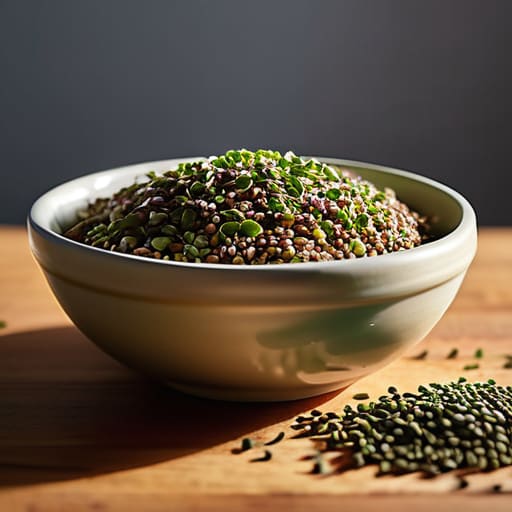
For a long time, I held onto that old engineering mindset—the idea that if a structure wasn’t built with a specific, rigid set of materials, it wouldn’t hold. I used to think the same about my body, worrying that a diet without meat would leave me lacking. But as I’ve learned through more quiet afternoons in my kitchen, it’s really about how you combine your ingredients. When we talk about complete plant proteins, we aren’t looking for one miracle bean; we’re looking at the harmony between different foods. Pairing a hearty grain like quinoa with a bowl of lentils creates a much more robust foundation than either could provide alone.
I’ve found that understanding the amino acid profiles in plants has changed how I approach my morning routine. It isn’t about complex calculations or rigid meal plans, but rather about variety. Whether it’s a handful of hemp seeds tossed into some morning oats or a thick slice of sourdough topped with smashed chickpeas, these small, thoughtful additions provide the steady energy I need for a long walk. It turns out that strength doesn’t always have to come from a heavy steak; sometimes, it’s found in the subtle, reliable strength of a well-composed bowl of legumes.
Legumes and Pulses Nutrition for a Quiet Life
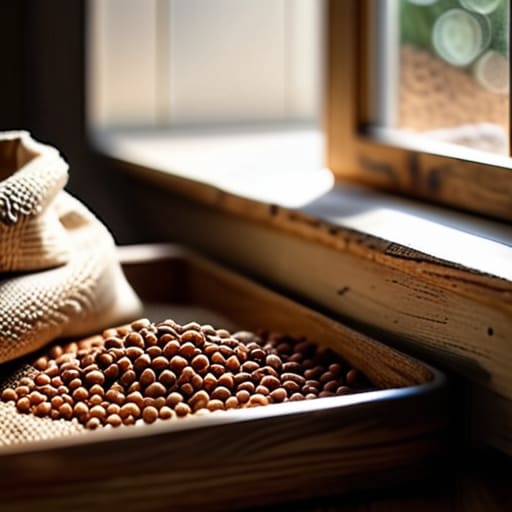
I’ve always found a certain comfort in the pantry staples that don’t demand much of you. There is something deeply grounding about a heavy bag of dried lentils or a tin of chickpeas sitting on the shelf. When I was managing construction sites, I didn’t have time for complicated recipes, but I did learn that legumes and pulses nutrition provides a steady, reliable kind of energy that keeps you going through a long afternoon. They aren’t flashy, but they are dependable.
Lately, I’ve been experimenting with how these simple ingredients can support a more active lifestyle without feeling like a chore. While some people focus on intense vegan protein sources for muscle gain, I find more joy in a slow-simmered dal or a hearty bean soup. It’s about the way the flavors deepen over time on the stove. To me, a well-seasoned bowl of lentils isn’t just fuel; it’s a way to settle into the evening, feeling nourished and entirely at peace with the day’s end.
A Few Simple Ways to Bring More Plants to Your Table
- Don’t feel the need to overhaul your entire pantry overnight; just start by swapping out your morning eggs for a hearty bowl of steel-cut oats topped with hemp seeds and a few walnuts.
- I’ve learned that variety is the secret to a steady energy level, so try to rotate your sources—one day it’s a heavy lentil soup, and the next, it’s a light salad tossed with chickpeas.
- Keep a handful of roasted almonds or pumpkin seeds in your pocket, much like I keep my notebook; they are the perfect, quiet snack to tide you over when you’re out exploring a new town.
- When you’re cooking, try to pair your grains with legumes, like a simple bowl of brown rice and black beans, to ensure you’re getting a full, satisfying profile of nutrients.
- Take your time with meal preparation; there is a certain meditative joy in rinsing dried beans or chopping vegetables, and it makes the protein taste all the better when you finally sit down to eat.
Small Lessons from a Simpler Plate
Don’t feel the need to overcomplicate things; a simple bowl of beans or a handful of nuts provides all the steady energy you need for a long afternoon walk.
Variety is the secret to a well-rounded life, much like how a landscape is more beautiful with different textures—mixing your grains and legumes ensures you aren’t missing anything vital.
True nourishment is as much about the pace as the food itself, so take the time to sit, chew, and actually taste the goodness you’re putting into your body.
The Substance of a Slow Life
“I used to think strength was something you built with heavy machinery and steel, but lately, I’ve learned it’s more like a well-tended garden—it comes from the quiet, steady nourishment of things grown from the earth, one simple, plant-based meal at a time.”
Bernard Oyelaran
A Final Thought on the Slow Table
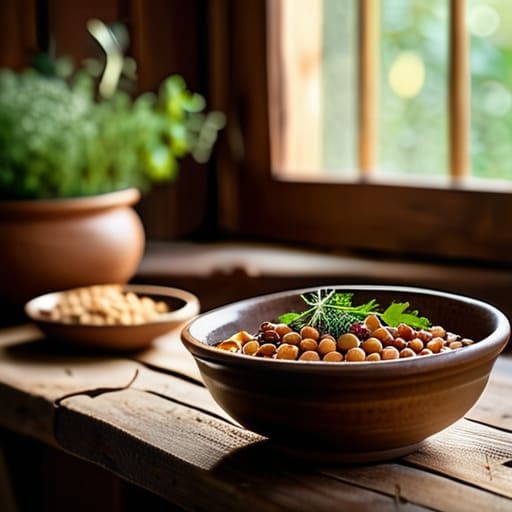
As I sit here in this small café, watching the afternoon light stretch across the wooden table, I’m reminded that shifting toward plant-based proteins isn’t about following a strict, clinical regimen. It’s really about the simple, practical wisdom we’ve discussed: understanding how to pair grains and legumes to create a complete nutritional picture, and leaning into the hearty, reliable textures of lentils and chickpeas. Whether it’s the structural integrity of a well-made bean stew or the subtle complexity of ancient grains, these foods provide a steady kind of energy. We don’t need to overcomplicate things with fancy supplements or expensive trends; we just need to return to the basics of what the earth provides.
In my years managing construction sites, I learned that the most enduring structures are built on a solid, well-considered foundation. I find the same truth applies to how we fuel our bodies. Choosing plant proteins is less about making a grand political statement and more about cultivating a sense of balance and respect for the ingredients we consume. So, the next time you find yourself at a crossroads of what to eat, I encourage you to skip the rush. Pick something simple, something nourishing, and take the time to actually taste it. After all, life is far too short to eat anything that doesn’t make you feel both full and at peace.
Frequently Asked Questions
Since I'm used to more traditional meals, how can I make sure I'm actually getting enough protein without feeling like I'm constantly counting numbers?
I understand that hesitation. After years of working on rigid blueprints, the last thing I want is to treat my dinner plate like a math problem. My advice? Stop looking at the numbers and start looking at the variety. Instead of obsessing over grams, just make sure every meal has a “heavy hitter”—a scoop of chickpeas, some hemp seeds, or a thick slice of tempeh. If the plate looks hearty and colorful, you’re likely doing just fine.
Are there any simple ways to combine these plant proteins so they feel more satisfying and less like a side dish?
It’s a common worry—that a meal of beans and rice feels more like an afterthought than a centerpiece. I’ve found the trick is in the textures. Instead of a pile of plain lentils, try folding them into a thick, toasted sourdough or pairing chickpeas with a bit of creamy tahini. When you add a handful of toasted seeds or a drizzle of good olive oil, the meal suddenly feels substantial, intentional, and deeply satisfying.
For someone who isn't a professional chef, what are the easiest, most reliable ways to prepare these legumes without them feeling heavy or bland?
I used to think cooking was all about complex blueprints, but with legumes, it’s more like steady maintenance. Don’t overthink it. I find that a simple splash of good olive oil and a pinch of sea salt goes a long way. If you’re using canned beans, just rinse them well to lighten that heavy, metallic taste. Toss them into a warm pan with some dried thyme or a squeeze of lemon; it brightens everything up without any fuss.
