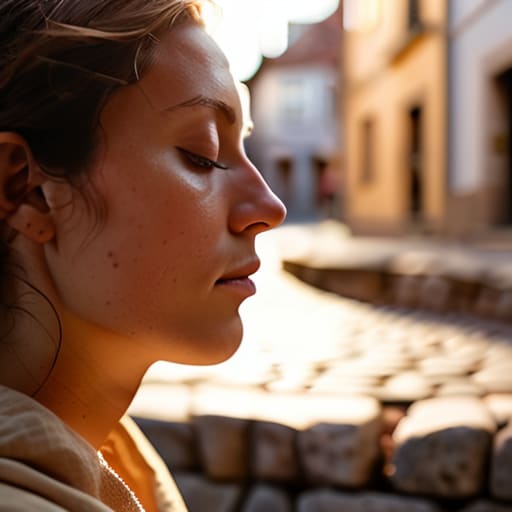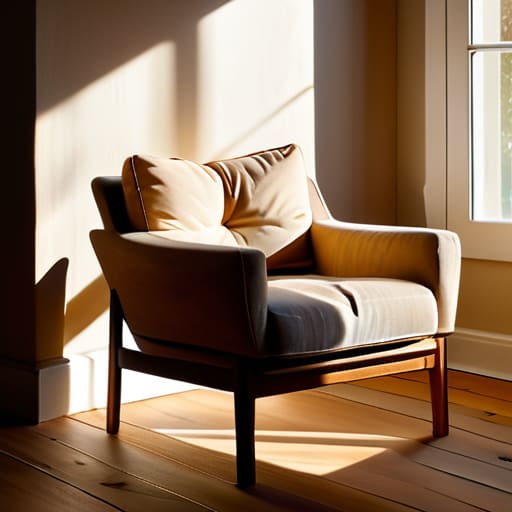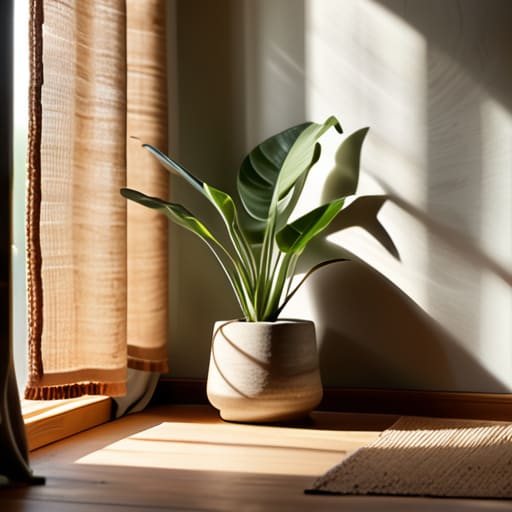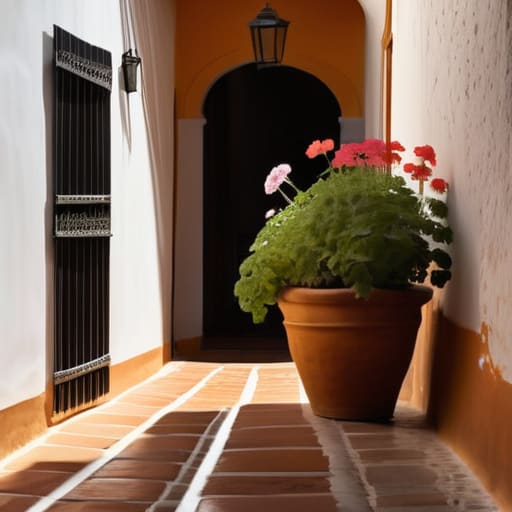
Influence of Scandinavian Design on Living

I was sitting in a small, sun-drenched cafe in Copenhagen last autumn, watching a young woman struggle to find a place for her heavy wool coat in a room that looked more like a museum than a living space. It hit me then that much of what we call scandinavian design these days has become a bit of a hollow performance—all white walls and expensive, spindly chairs that look lovely in a magazine but offer zero comfort for a real human being. We’ve been sold this idea that minimalism means stripping everything away until a room feels cold and clinical, as if we’re living in a high-end laboratory rather than a home.

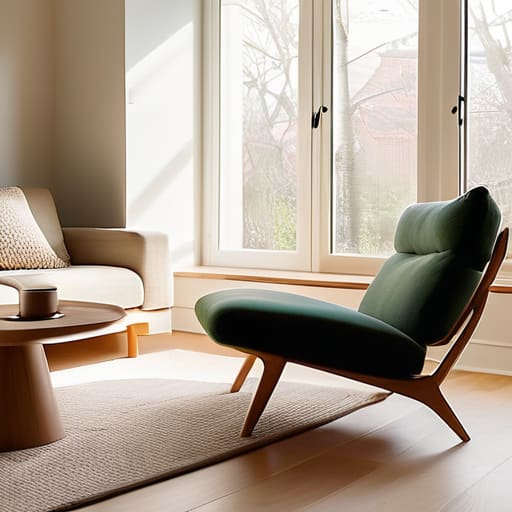
I’m not interested in helping you curate a showroom; I want to help you build a sanctuary. In the following pages, I’m going to share what I’ve learned about finding the true heart of this style—the part that values functional beauty and the warmth of natural materials over mere trends. I’ll show you how to embrace the principles of simplicity without losing the soul of your home, ensuring that every piece you bring into your space serves a purpose and invites you to finally sit down and stay a while.

Table of Contents

Chasing Natural Light Optimization and Softened Shadows
Chasing Natural Light Optimization and Softened Shadows

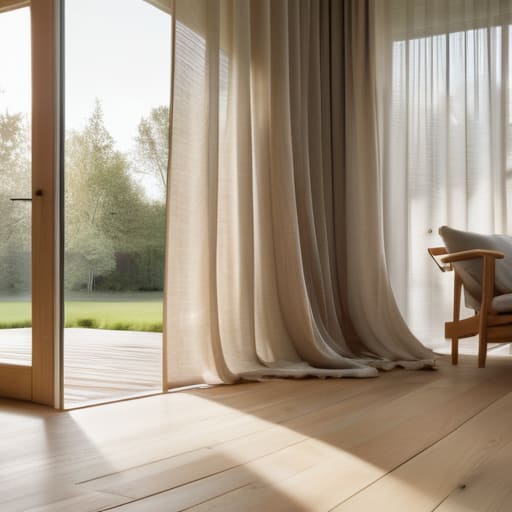
I’ve always found that the way light moves through a room can change your entire temperament. During my years managing construction sites, I was focused on the structural integrity of steel and concrete, but these days, I’m more interested in how a single window can transform a space. In these northern latitudes, the sun is a precious guest, so natural light optimization isn’t just a design choice; it’s a way of life. You see it in the way they avoid heavy, dark drapery, opting instead for sheer fabrics that allow the pale sun to dance across the floor.

When the light does hit, it shouldn’t feel harsh or clinical. I’ve noticed that by using neutral color palettes—soft creams, muted greys, and warm whites—the walls seem to catch and hold the glow rather than bouncing it away too sharply. It creates these soft, diffused shadows that make a room feel lived-in and gentle. It reminds me of sitting in a quiet corner with my sketchbook, watching the afternoon fade. There is a profound sense of peace in a room that doesn’t fight the sun, but rather invites it to stay a while.

Finding Comfort in Hygge Lifestyle Elements and Warmth
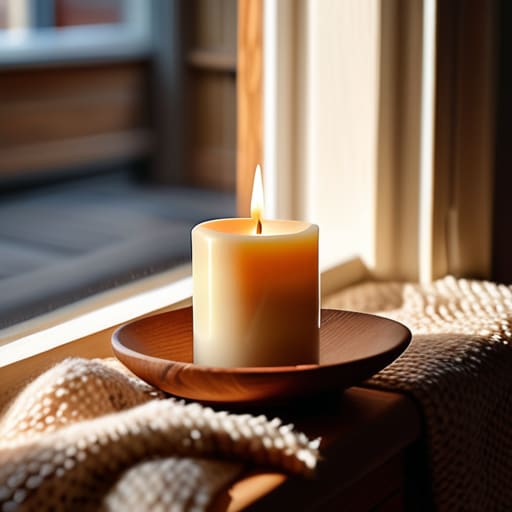
Finding Comfort in Hygge Lifestyle Elements and Warmth

It’s funny how my engineering brain used to look at a room and see only structural integrity or load-bearing walls. Now, sitting here in a small café in Copenhagen, I find myself looking for something else entirely: the feeling of a space. This is where the concept of hygge lifestyle elements truly comes to life. It isn’t about cluttering a room with trinkets; it’s about the intentionality of warmth. I noticed a small wooden table tucked in the corner, draped with a heavy wool throw, lit by the amber flicker of a single candle. It felt less like a design choice and more like an invitation to stay a while.

There is a profound sense of peace that comes from neutral color palettes paired with textures that demand to be touched. When the walls are soft creams or muted greys, the eye isn’t constantly being pulled in a dozen directions. Instead, you notice the grain of the oak or the way a linen cushion settles. It reminds me of my old workshop—everything had its place, but it wasn’t sterile. It was lived-in. That balance of utility and comfort is what makes a house feel like a sanctuary.

A Few Small Ways to Bring That Quiet Calm Into Your Own Four Walls

  • Don’t be afraid to let things breathe. In my engineering days, we were always trying to pack as much utility into a space as possible, but I’ve learned that a room needs empty corners just as much as it needs furniture. It gives your eyes a place to rest.
  • Look for materials that have a bit of a story to tell. A smooth, sanded piece of oak or a heavy linen throw feels much more honest than something plastic and mass-produced. There’s a weight to natural things that settles the soul.
  • Keep your color palette grounded in the earth. I’ve found that sticking to soft greys, muted greens, or warm creams helps prevent a room from feeling cluttered, even if you have a few more books or trinkets than you initially planned.
  • Curate your surfaces rather than decorating them. Instead of a dozen little knick-knacks, try choosing one single, well-made ceramic vase or a stack of old journals. It’s about quality and intention, not just filling up space.
  • Bring the outside in, but do it slowly. A single branch in a glass jar or a small potted fern can change the entire energy of a room. It reminds you that the seasons are turning, even when you’re tucked away inside.

The Heart of a Simple Home

It isn’t about buying expensive, designer furniture; it’s about choosing pieces that feel honest and serve a purpose, much like a well-worn tool in a craftsman’s kit.

Let the outdoors in by paying attention to the light and the textures of wood and stone, creating a space that feels connected to the world outside your window.

True comfort comes from slowing down—whether it’s the warmth of a thick wool blanket or the way a single candle flickers, these small details are what make a house feel like a sanctuary.

The Soul of the Object

“I’ve spent my life looking at how things are built to last, but Scandinavian design teaches you something different; it’s not just about the integrity of the wood or the strength of the joint, but about how a simple, honest object can make a room feel like it finally has room to breathe.”

Bernard Oyelaran

The Heart of the Home
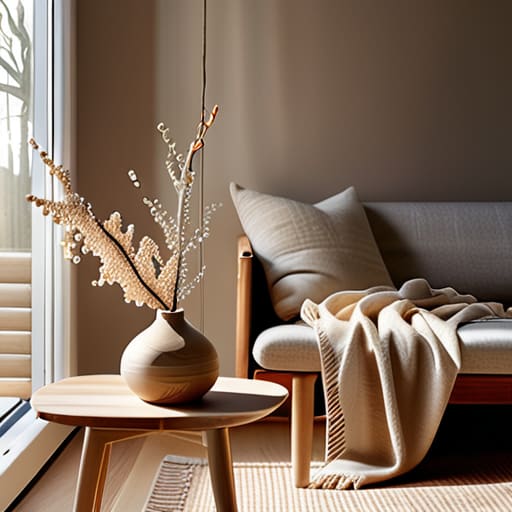
Cozy Scandinavian design: The Heart of the Home.

As I look back on everything we’ve discussed—from the way a single, well-placed window can transform a room with light to the simple, tactile comfort of a wool throw—it becomes clear that Scandinavian design isn’t really about following a strict set of rules or buying expensive furniture. It’s about a fundamental shift in how we treat our surroundings. It is the intentional marriage of functionality and warmth, ensuring that our homes serve our needs without cluttering our minds. By focusing on natural materials and the soft, inviting principles of hygge, we create spaces that don’t just look good in a magazine, but actually feel like a sanctuary from the rush of the outside world.

In my years of managing construction sites, I learned that the most enduring structures aren’t always the most complex; they are the ones built with purpose and care. I think our homes should be the same. You don’t need to overhaul your entire life to embrace this philosophy. Just start small. Maybe it’s clearing a single tabletop or finally sitting in that chair by the window to watch the afternoon shadows stretch across the floor. At the end of the day, the goal is simply to create a place where you can truly breathe. Remember, a home shouldn’t just be a place where you keep your things; it should be a place where you find yourself.

Frequently Asked Questions

How can I incorporate these principles into an older home without it feeling too cold or clinical?

That’s a concern I’ve had myself, especially when looking at the older houses back home. The trick is to treat Scandinavian principles as a guide, not a rulebook. Don’t strip away the character of your home—those creaky floorboards and built-in bookshelves have stories to tell. Instead, layer in some soft textures, like a chunky wool throw or a linen cushion, and keep your well-loved, older pieces. It’s about balance, not replacement.

Is there a way to embrace this style without spending a fortune on high-end designer furniture?

You don’t need a designer showroom to find that sense of calm. Back when I was managing construction sites, I learned that the bones of a thing matter more than the brand name. Look for simple, sturdy wood pieces at local thrift stores or flea markets. A well-loved, plain oak table often has more soul than something shiny and expensive. It’s about the texture and the light, not the price tag.

Where is the line between a home that feels "minimalist" and one that simply feels empty?

I’ve often found myself staring at a room and wondering if it feels peaceful or just lonely. To me, the difference lies in intention. Minimalism is about choosing things that serve a purpose or hold a memory—like my old Leica or a well-worn book. An empty home lacks soul because nothing has been invited in. A space feels “full” when it holds the warmth of your life, even if there isn’t much clutter.
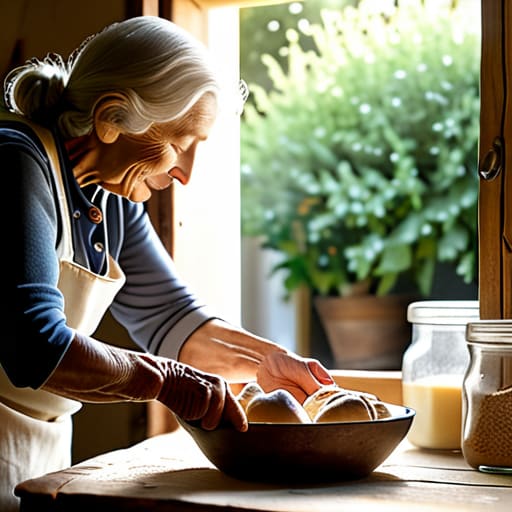
Why We Lose the Flavor of Life When We Forget the Importance of Preserving Local Traditions.

I was sitting in a small, sun-drenched plaza in a village outside of Florence last Tuesday, watching an old man meticulously repair a stone fountain. He wasn’t doing it for a paycheck or a social media following; he was doing it because that fountain had been the heartbeat of the square for generations. It struck me then how often we mistake “progress” for simply replacing the old with something shinier and more hollow. People talk about the importance of preserving local traditions as if it’s some academic chore or a museum project, but they miss the point entirely. It isn’t about freezing time in amber; it’s about keeping the soul of a place alive so it doesn’t become just another anonymous stop on a map.

I’m not here to give you a lecture on cultural sociology or some expensive, high-concept guide to heritage. Instead, I want to share what I’ve learned from a lifetime of looking closely at how things are built and how they endure. I’ll be sharing some plain-spoken observations on how we can hold onto the small, meaningful rituals—the recipes, the festivals, and the local ways of being—that actually give our lives weight.

Nourishing Cultural Identity and Heritage Through Every Shared Meal

Nourishing Cultural Identity and Heritage Through Every Shared Meal.

I remember sitting at a small wooden table in a village outside of Lyon, watching an elderly woman teach her grandson how to fold a pastry. There was no textbook, no digital tutorial—just the rhythmic movement of hands that had done this for decades. That is where the real magic lies. Food is more than just fuel; it is a living vessel for intergenerational knowledge transfer. When we sit down to a meal prepared with recipes passed through bloodlines, we aren’t just eating; we are participating in a ritual that keeps the past breathing in the present.

In our modern, fast-paced world, there is a real danger that we might lose these flavors to the convenience of the supermarket shelf. The impact of globalization on traditions often feels like a slow, steady tide, washing away the unique textures of local life in favor of something more uniform and predictable. But every time we choose to cook a family recipe or patronize a local market, we are making a quiet stand. We are choosing to honor our cultural identity and heritage, ensuring that the stories of our ancestors aren’t lost to the rush of the new.

Protecting Indigenous Customs Before the World Grows Too Loud

Protecting Indigenous Customs Before the World Grows Too Loud

There’s a certain kind of noise that comes with the modern world—not just the literal roar of traffic, but a sort of relentless, digital hum that tries to smooth everything over into the same predictable pattern. I see it often when I’m traveling; a village that once had its own distinct rhythm starts to look and sound remarkably like any other stop on a tour bus route. This is the quiet impact of globalization on traditions, where the unique edges of a culture get sanded down until they’re uniform. When we lose those specific ways of living, we aren’t just losing old habits; we’re losing the very textures that make a place feel alive.

It’s why I find myself sitting a little longer in those small, remote corners of the world, watching how the elders pass things down. There is a profound weight to protecting indigenous customs that isn’t found in a museum, but in the living, breathing intergenerational knowledge transfer that happens over a shared fire or a hand-carved tool. If we don’t make the effort to listen to those voices before they are drowned out, we risk waking up in a world that is much louder, yet somehow much emptier.

Small Ways to Keep the Old Ways Alive

  • Listen more than you talk when sitting at a local table. When you’re in a new town, don’t just look at the menu; ask the person serving you where the recipe came from. Those stories are the real ingredients.
  • Put the phone away and let your eyes wander. Traditions often live in the small, unscripted gestures—the way a craftsman handles his tools or how a neighbor greets another. If you’re too busy capturing it for a screen, you’ll miss the soul of it.
  • Buy from the hands, not the machines. Whether it’s a hand-woven basket or a loaf of bread from a family bakery, choosing the local maker ensures that the skill stays in the community rather than being swallowed by a factory.
  • Learn the “why” behind the “what.” It’s one thing to see a festival, but it’s another to understand why that specific song is sung or why that particular flower is used. Understanding the history turns a spectacle into a connection.
  • Document the quiet things in your own notebook. We often think tradition is only about grand festivals, but it’s also in the way your grandfather made coffee or the specific way your hometown celebrates the first frost. Write it down so it doesn’t drift away.

Holding On to the Threads That Bind Us

Holding On to the Threads That Bind Us

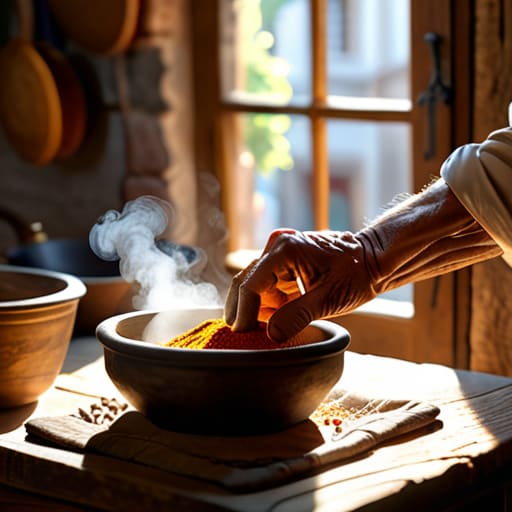
As I sit here in this small cafe, watching the light shift across the cobblestones, I’m reminded that our traditions aren’t just dusty relics kept in museums. They are the living, breathing threads that connect our shared meals to our ancestors and our quiet customs to the future. Whether it’s the specific way a spice is toasted or the rhythmic cadence of a local festival, these practices act as an anchor in a world that seems determined to spin faster every single day. If we let these small, sacred rituals slip through our fingers, we don’t just lose a way of doing things; we lose a piece of our own internal compass.

So, my advice is simple: don’t just observe these traditions from a distance like a tourist. Reach out, ask questions, and most importantly, participate with intention. Sit at the table, learn the recipe, and listen to the stories that have been passed down through generations. We might not be able to stop the relentless march of progress, but we can certainly choose what we carry forward with us. Slow down, take a breath, and make sure you are savoring the very things that make your corner of the world feel like home.

If you find yourself wanting to dig a little deeper into how these cultural threads connect us, I’ve found that seeking out specialized knowledge can be a real eye-opener. Sometimes, the best way to truly honor a tradition is to understand the people who carry it so vibrantly. I recently stumbled upon some fascinating perspectives through reife frauen sex, which helped me realize that understanding human connection is often the missing piece in preserving our collective history. It’s those unspoken bonds that keep a custom from becoming just another hollow ritual.

The Role of Nutrition in a Wellness Lifestyle

I was sitting in a small cafe in coastal Portugal last Tuesday, watching a young man hunched over his laptop, frantically scrolling through some new app that promised to “optimize” his micronutrient intake. It struck me how much we’ve turned the simple act of eating into a high-stakes engineering project. We’ve become so obsessed with tracking, counting, and chasing the latest expensive superfood trends that we’ve completely lost the soul of food and wellness. To my mind, true health isn’t found in a colorful pill or a complicated algorithm; it’s found in the rhythm of a real meal and the quiet satisfaction of a body that isn’t being rushed through its day.

I’m not here to sell you a fad diet or a complicated supplement regimen. Instead, I want to share what I’ve learned from decades of living, traveling, and occasionally making a mess of things in my own kitchen. I’ll be offering a few straightforward, common-sense observations on how to nourish yourself without turning your life into a chore. We’re going to look at how simple, seasonal ingredients and a slower pace of life can do more for your well-being than any gadget ever could.

Table of Contents

Nourishing the Soul With Nutrient Dense Whole Foods

Nourishing the Soul With Nutrient Dense Whole Foods

I’ve found that my approach to eating has shifted quite a bit since I hung up my hard hat. In my engineering days, fuel was just fuel—something to get me through a ten-hour shift on a construction site. But these days, I’ve become much more interested in the actual quality of what I’m putting on my plate. I’ve started leaning heavily into nutrient dense whole foods, mostly because I’ve noticed how much better my joints feel when I skip the processed stuff. There is a certain clarity that comes from eating things that actually grew in the dirt, rather than something wrapped in plastic.

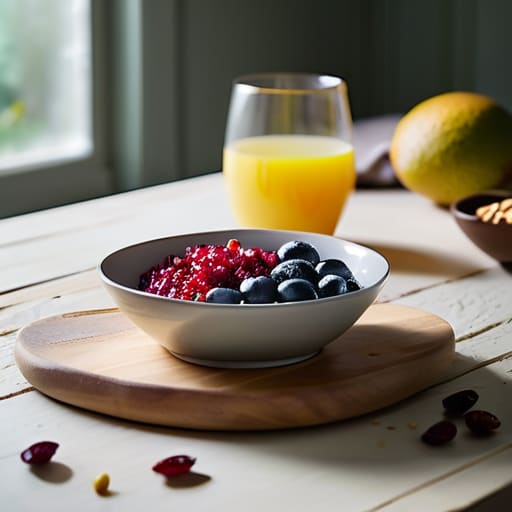
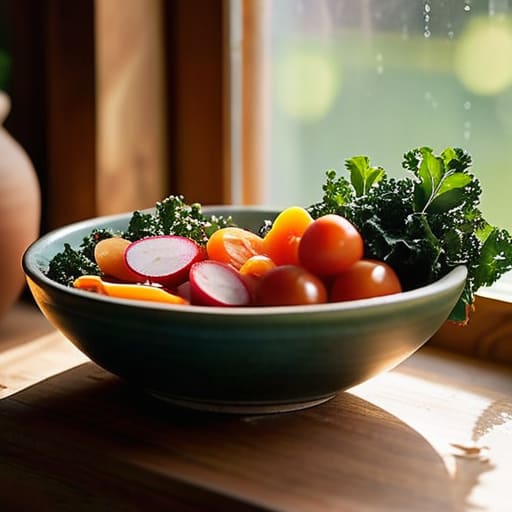
Lately, I’ve been paying closer attention to anti-inflammatory foods, like walnuts, berries, and leafy greens. It isn’t about following a strict, punishing diet; it’s more about a quiet respect for my body. I often sit by the window with my notebook, taking a moment to really look at the colors of a fresh salad before I dive in. It’s a small way to practice a bit of mindful eating, ensuring that I’m actually tasting the meal instead of just rushing through it to get to the next thing on my list.

Mindful Eating Practices for a Slower Life

Mindful Eating Practices for a Slower Life.

I’ve spent a lot of my life eating on the go—grabbing a sandwich between site inspections or swallowing a quick lunch while reviewing blueprints. It was efficient, sure, but I was never actually tasting anything. These days, I try to treat my meals as a quiet ritual rather than a task to be checked off. Implementing simple mindful eating practices has changed the way I approach my afternoon, even if it’s just a bowl of fruit on a park bench. I’ve learned to put the phone away, silence the noise, and actually notice the texture and temperature of what’s on my plate.

It isn’t just about the flavor, though; it’s about how that stillness affects my body. When I stop rushing, I find I’m much more in tune with my digestion and overall gut health and diet. There is a certain peace that comes from chewing slowly and appreciating the effort that went into growing the food. By slowing down, I’ve discovered that I feel more satisfied with much smaller portions, simply because I’ve finally given my senses a chance to catch up with my stomach.

A Few Simple Ways to Bring a Little Balance to Your Plate

  • Don’t be afraid to cook for one. I used to think a big meal required a crowd, but there is a quiet dignity in preparing a single, perfect piece of salmon or a seasonal vegetable just for yourself. It makes the act of eating feel like a gift rather than a chore.
  • Keep a small notebook, much like my sketching one, but use it for your kitchen. Jotting down how a certain spice made you feel or the way a crisp apple sounded when you bit into it helps you connect your senses to your nourishment.
  • Listen to your body’s quietest signals. We spend so much time rushing that we ignore that little nudge of hunger or the subtle feeling of being full. If you stop to listen, you’ll find you don’t need nearly as much as the world tells you that you do.
  • Treat your ingredients with a bit of respect. Whether it’s a handful of garden herbs or a sturdy loaf of sourdough, taking a moment to appreciate where food comes from—the soil, the sun, the hands that grew it—changes the way it tastes.
  • Leave the distractions at the door. I’ve learned that a television or a smartphone is a poor companion for a meal. Try sitting by a window instead. Watch the light change on the trees while you eat; you’ll find the food tastes better when your mind is actually present.

A Few Things to Carry With You

Don’t let the rush of the day rob you of your dinner; treat every meal as a chance to sit still and actually taste what’s in front of you.

Focus on the quality of what you put on your plate, choosing real, simple ingredients that make you feel steady rather than fueled by sugar and haste.

Remember that wellness isn’t just about what you eat, but about the quiet moments of reflection you allow yourself between the bites.

The Connection Between Plate and Peace

We tend to treat eating like a task to be checked off a list, but real wellness isn’t found in a calorie count; it’s found in the quiet dignity of a home-cooked meal and the way a single, ripe peach can make you feel entirely present in your own life.

Bernard Oyelaran

Finding the Rhythm

Finding the Rhythm through mindful nourishment.

Looking back on everything we’ve discussed, it really comes down to a simple shift in perspective. It isn’t about following a rigid, complicated diet or counting every single calorie like it’s a math problem to be solved. Instead, it’s about choosing foods that actually respect your body—the kind of real, whole ingredients that provide steady energy rather than a quick, hollow spike. When we pair those nutritious choices with the practice of sitting still and truly tasting our food, we stop treating eating as a chore to be rushed through between meetings. We begin to see that nourishment is a two-part process: fueling the physical frame while simultaneously calming the restless mind.

As I sit here in this small cafe, watching the light shift across the cobblestones, I’m reminded that wellness isn’t a destination you reach and then check off a list. It is a quiet, daily practice of returning to yourself. Whether it is the crunch of a fresh apple or the warmth of a well-steeped tea, these small, sensory details are the threads that weave a meaningful life. So, my advice to you is simple: don’t wait for a grand occasion to feel well. Start small. Take a breath, pick up your fork, and remember that life is meant to be tasted, one slow, intentional bite at a time.

Frequently Asked Questions

How do I balance the desire for slow, mindful meals with a busy schedule that doesn't always allow for it?

I’ll be honest, there are days when even my slow pace feels rushed. On those mornings, I don’t try to force a grand ritual. Instead, I focus on one small thing: I put my phone in another room and sit by the window. Even if it’s just five minutes with a piece of toast, that tiny bit of intentionality keeps the chaos at bay. It’s about finding the quiet, even in the rush.

Are there certain types of local, seasonal foods that are particularly good for keeping my energy steady during long walks?

When I’m out on a long trek, I’ve learned to steer clear of anything too sugary. I find that local, seasonal nuts and dried fruits—like a handful of walnuts or some dried apples—provide that steady, reliable fuel. If it’s autumn, a bit of local hard cheese is a wonderful companion too. They’re simple, unpretentious, and they keep my pace even without that inevitable mid-walk crash.

How much does the environment where I eat, like a quiet park or a cozy kitchen, actually affect how nourished I feel?

It makes a world of difference. I’ve found that eating a perfectly prepared meal while staring at a glowing smartphone feels more like fueling a machine than actually nourishing myself. But when I’m sitting in a quiet corner of a park, or just at my own kitchen table with the morning light hitting the wood, I actually taste the food. The setting settles my mind, and when the mind is quiet, the body listens.

Simple Breathwork Techniques for Daily Life

I was sitting in a crowded cafe in Prague last Tuesday, watching a young man struggle with a meditation app that seemed to require more technical skill than my old bridge blueprints. He was hunched over, brow furrowed, trying to master these complex, expensive-sounding breathwork techniques that looked more like a chore than a relief. It struck me then how much we’ve overcomplicated something that is supposed to be our most basic, natural tool. We’ve turned a simple act of living into a performance of wellness, adding layers of stress to a process that should, by its very nature, strip it away.

I’m not here to sell you on any mystical rituals or high-tech gadgets. What I want to share is what I’ve learned from years of navigating high-pressure job sites and, more recently, finding my footing in the quiet corners of the world. I’ll walk you through a few practical, no-nonsense ways to use your breath to steady your hands and calm your mind. No fluff, no complicated jargon—just honest ways to help you catch your second wind when the world feels a bit too loud.

Table of Contents

Finding Stillness With Diaphragmatic Breathing Benefits

Finding Stillness With Diaphragmatic Breathing Benefits.

I remember back when I was managing bridge construction sites, my chest always felt tight, like I was holding a heavy weight right under my ribs. I used to think that was just part of the job. But lately, I’ve learned that shallow, chest-driven breathing is just another way we carry unnecessary tension. When I sit down with my notebook now, I try to focus on what they call diaphragmatic breathing benefits. It’s a simple shift—moving the breath down into the belly rather than letting it flutter in the upper chest—but the difference is profound. It feels like finally letting a heavy pack slide off your shoulders after a long hike.

This isn’t just about feeling relaxed in the moment; it’s about improving respiratory efficiency on a deeper level. By engaging the diaphragm, you’re essentially tapping into a natural reset button through vagus nerve stimulation. It sends a signal to your system that the crisis has passed and it’s safe to settle. I’ve found that even five minutes of this, perhaps while watching the light change over a quiet meadow, can steady a racing heart better than any frantic rush to get things done.

Controlled Breathing for Anxiety and Quiet Moments

Controlled Breathing for Anxiety and Quiet Moments

There are those afternoons when the world feels just a bit too loud—perhaps a crowded train station or a particularly frantic morning in a new city. I’ve found that when my mind starts to race ahead of my feet, I need a way to anchor myself. For me, that anchor is controlled breathing for anxiety. It isn’t about some complex ritual; it’s simply about reclaiming the rhythm of my own body. I often sit on a park bench, pull out my notebook, and focus on slowing my inhales until the frantic hum of the street begins to fade into the background.

By consciously lengthening the exhale, you’re doing more than just calming your thoughts; you’re engaging in a bit of biological fine-tuning. I’ve read that this process aids in vagus nerve stimulation, which acts like a gentle hand on a restless shoulder, signaling to your nervous system that it is finally safe to settle. It’s a quiet, invisible way to find your center without needing to move an inch. In those moments, the world doesn’t change, but my ability to witness it does.

A Few Simple Ways to Find Your Rhythm

  • Find a quiet corner, perhaps a park bench or a comfortable chair by a window, and let your shoulders drop away from your ears. It’s hard to breathe well when you’re carrying the weight of the world in your neck.
  • Don’t try to force it. If you find yourself gasping or feeling short of breath, just stop, reset, and try again. Breathing should feel like a gentle tide coming in and going out, not a chore on a checklist.
  • Use your senses to anchor yourself. As you inhale, try to notice the temperature of the air or the faint scent of rain on the pavement; it keeps your mind from racing back to yesterday’s worries.
  • Keep a small tally in that leather notebook of mine. Sometimes, just noting that you took five minutes to simply exist can make the practice feel more real and less like a clinical exercise.
  • Practice when things are calm, not just when the storm hits. It’s much easier to find your footing in a gale if you’ve already learned how to stand steady during a light breeze.

A Few Thoughts to Carry With You

Don’t treat breathing like another task on your checklist; treat it like a quiet conversation with yourself.

You don’t need a special cushion or a silent room—just a moment to pause, whether you’re sitting on a park bench or waiting for a kettle to boil.

The goal isn’t to master a technique, but to use your breath as an anchor to pull you back into the present moment when the world feels a bit too loud.

The Rhythm of the Moment

I’ve spent my life measuring things in inches and concrete, but I’ve learned that the most important rhythm isn’t found in a blueprint; it’s the steady, quiet rise and fall of your own breath when you finally decide to stop running and just be.

Bernard Oyelaran

A Quiet Way Forward

A Quiet Way Forward through mindful breathing.

We’ve spent some time looking at how the simple act of breathing can shift our entire perspective, from the deep, grounding work of diaphragmatic breathing to those smaller, controlled moments that help steady the nerves when anxiety starts to creep in. It isn’t about mastering some complex athletic feat or following a rigid, scientific protocol; it’s really just about reclaiming a sense of agency over your own body. Whether you are sitting in a crowded airport or just watching the light change through your living room window, these techniques serve as a gentle anchor, pulling you back from the frantic rush of the day and into the present moment.

As I sit here in this little café, sketching the way the shadows fall across my notebook, I’m reminded that we often spend our lives waiting for the “big” moments to feel at peace. But peace isn’t something you find at the finish line; it’s something you carry with you in the spaces between. I hope you take these tools with you, not as another task on a checklist, but as an invitation to slow down and simply be. The world will always be loud, and the pace will always be fast, but you can always find your way back to yourself, one steady breath at a time.

Frequently Asked Questions

Is there a specific time of day when these breathing exercises work best, or can I do them whenever the urge to rush hits?

To be honest, I’ve found that there isn’t a perfect clock for it. If you’re feeling that familiar itch of urgency—the kind that makes your chest tighten—that’s exactly when you should stop. But I do like to make a habit of it. I usually find a quiet corner during my mid-afternoon coffee. It’s a way to reset before the evening settles in. Do it whenever you need to find your footing.

Do I need any special equipment or a quiet room, or can I practice this while I'm out on a walk or sitting in a busy cafe?

You certainly don’t need a dedicated meditation room or any fancy gear. In fact, I find that practicing in the middle of a bustling cafe or while walking through a park can be even more rewarding. It teaches you to find that quiet center even when the world is noisy around you. Just find a comfortable way to sit or walk, and let your breath be your anchor amidst the chaos.

How long should I actually be doing this for before I start to feel the benefits in my body?

I used to think everything required a strict schedule—like a construction timeline—but breathing isn’t quite like that. If you’re just looking for a bit of calm, five minutes can work wonders. However, to truly feel that steady shift in your body, try making it a ritual. Even ten minutes a day, consistently, will start to change how you carry yourself. It’s not about the duration; it’s about showing up for yourself.

Stop Rushing Through the Prep: Why Learning How to Master Basic Knife Skills Is the First Step to Truly Savoring Every Meal.

I remember sitting in my small kitchen back in Ann Arbor, staring at a pile of unevenly chopped onions and feeling a profound sense of defeat. I had all the fancy gadgets the magazines promised, but my hands felt clumsy, and the kitchen felt more like a construction site gone wrong than a place of peace. It’s a common frustration, isn’t it? We are often told that we need a professional-grade Japanese steel blade or a culinary degree just to get through a simple mirepoix, but that’s a load of nonsense. Learning how to master basic knife skills isn’t about owning the most expensive tools in the drawer; it’s about understanding the quiet relationship between your hand, the blade, and the ingredient.

I’m not here to give you a lecture or a list of complicated maneuvers that belong in a high-end restaurant. Instead, I want to share the practical, steady methods I’ve learned through years of making meals for myself and those I love. We are going to focus on the rhythm of the work—the steady, predictable movements that turn chopping from a chore into a meditative ritual. I promise to keep this simple, honest, and entirely focused on helping you find your footing at the cutting board.

Finding Comfort in Proper Knife Grip for Beginners

Finding Comfort in Proper Knife Grip for Beginners

I’ve found that when the kitchen feels a bit overwhelming, it helps to step back and look at how others find their own rhythm in the chaos of life. Sometimes, the best way to regain your footing isn’t by obsessing over a technique, but by seeking out a bit of genuine connection or a change of pace to clear your head. If you find yourself needing a distraction or a way to reconnect with your senses outside of the kitchen, exploring something as spontaneous as sex in geelong can be a wonderful way to remind yourself that life happens beyond the cutting board, and that sometimes, the most important skill is simply knowing when to pause and enjoy the moment.

I remember my first few weeks in a professional kitchen, back when I was just a young man with more ambition than coordination. I used to hold my knife like a hammer, gripping the handle so tightly my knuckles would turn white. It was exhausting and, frankly, a bit dangerous. What I eventually learned—and what I wish I’d known sooner—is that proper knife grip for beginners isn’t about strength; it’s about partnership. You want to pinch the base of the blade between your thumb and index finger. This gives you a sense of control that a simple handle-grip just can’t match.

When you find that connection, the knife stops feeling like a heavy tool and starts feeling like an extension of your own hand. There is a certain quiet rhythm that settles over the kitchen once you stop fighting the steel. Instead of hacking away at a carrot, you begin to guide it. This subtle shift in how you hold the blade is one of those fundamental kitchen knife safety tips that transforms the task from a chore into a meditative practice. It allows you to focus on the texture of the food rather than the fear of a slip.

Safe Vegetable Cutting Methods for a Mindful Kitchen

Safe Vegetable Cutting Methods for a Mindful Kitchen

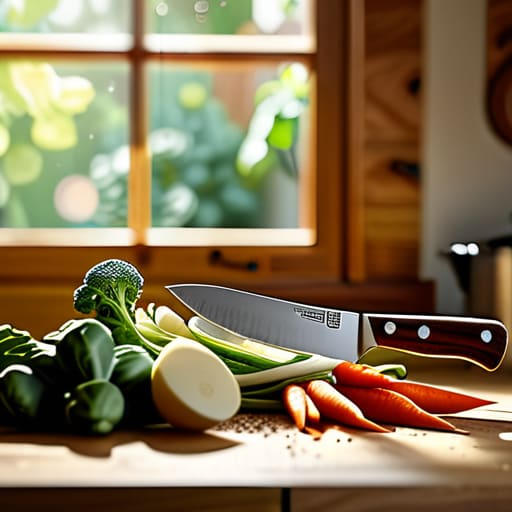
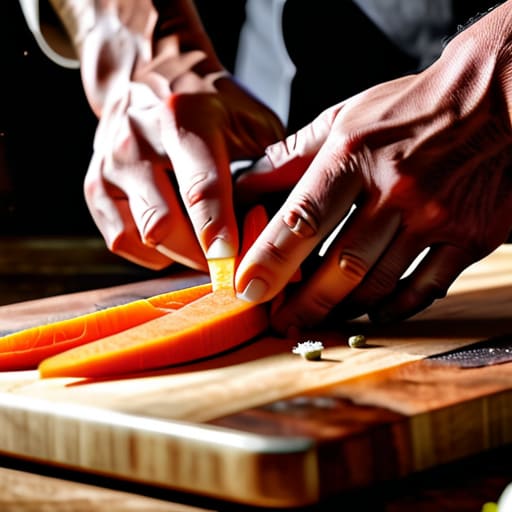
Once you have that grip settled, it is time to focus on the produce itself. I have found that the most common mistake is rushing through a pile of carrots or onions as if there were a deadline looming. Instead, I prefer to treat each vegetable with a bit of respect. One of the most reliable safe vegetable cutting methods is the “claw grip”—tucking your fingertips inward so your knuckles act as a guide for the blade. It feels a bit awkward at first, almost like you’re playing a clumsy instrument, but once you find that rhythm, there is a certain peace in the precision.

I often tell my friends that a stable surface is just as important as the blade. If a cutting board is sliding around, stop everything. A damp paper towel tucked under the board can act as an anchor, keeping things steady while you work. As you move through these essential chef knife techniques, try to keep your eyes on the point of contact rather than the clock. There is a quiet, meditative joy in watching a single onion transform into perfect, translucent slivers, one steady slice at a time.

Five Little Lessons from the Cutting Board

  • Keep your blades sharp; a dull knife is a heavy, stubborn thing that asks for trouble, whereas a sharp one glides through a tomato with a quiet, effortless grace.
  • Find your rhythm rather than your speed, letting the steady tap-tap-tap of the blade against the wood become a sort of kitchen meditation.
  • Mind your “claw”—tuck those fingertips in tight so your knuckles act as a guide for the steel, keeping your hands safe and your focus steady.
  • Don’t crowd the board; give yourself plenty of room to work so you aren’t fighting against a mountain of scraps while trying to finish a single onion.
  • Treat your tools with respect, cleaning and drying your knife immediately after use, much like I’d care for one of my old Leica lenses after a long day in the field.

The Rhythm of the Blade

Mastering The Rhythm of the Blade.

As we wrap up this little lesson, I hope you see that mastering the knife isn’t really about speed or performing some grand culinary feat. It’s about the small, foundational things we’ve discussed: finding that steady, comfortable grip that makes the tool feel like an extension of your own hand, and respecting the geometry of the vegetable through safe, mindful cutting methods. When you stop fighting the knife and start working with it, the kitchen transforms from a place of frantic chore-doing into a space of intentionality and ease. It’s much easier to enjoy the meal when you aren’t rushing to keep up with a recipe, feeling instead that every slice is deliberate and controlled.

I often find that my best ideas come to me when I’m doing something repetitive and tactile, much like the slow click of a vintage shutter or the steady rhythm of a blade against a wooden board. Don’t be discouraged if your first few attempts feel a bit clumsy; even the most seasoned engineers had to learn the physics of a load-bearing beam before they could build something lasting. Treat your time in the kitchen as a quiet ritual rather than a race. If you can find the beauty in the repetitive motion of prep work, you’ll find that the meal tastes just a little bit sweeter when it finally reaches the table.

The History of British Afternoon Tea

I’ve seen enough “luxury” tea services in my time to know that most of them are just expensive ways to overcharge you for tiny, dry sandwiches and a bit of lace. There is a certain kind of performative nonsense that often surrounds british afternoon tea—the kind where you feel you have to sit up perfectly straight and worry about which fork to use, rather than actually enjoying the moment. To me, that isn’t relaxation; it’s just another unnecessary project to manage, and frankly, I didn’t spend thirty years managing construction sites just to feel stressed out by a teapot.

I’m not interested in the velvet ropes or the high-society pretension. Instead, I want to share what it actually looks like when you strip away the fluff and focus on the quiet joy of a well-steeped cup and a warm scone. In this post, I’ll walk you through how to find the real soul of the tradition—the kind that values flavor and stillness over fancy presentation. I promise to give you the honest, no-nonsense truth about how to truly savor the experience without the headache.

Table of Contents

Unfolding the English Tea Service History

Unfolding the English Tea Service History book.

I spent a good portion of my afternoon yesterday leafing through an old volume on the English tea service history, trying to make sense of how a simple caffeine break became such a grand affair. It wasn’t always about lace doilies and fine bone china, though. Back in the mid-19th century, it was born out of a very practical necessity—the long, hungry gap between lunch and a late dinner. Anna, the Duchess of Bedford, is often credited with starting the trend, simply because she felt a bit “low” in the afternoons.

It is a common mistake, even today, to conflate the elegance of the salon with the grit of the working class. People often get tripped up on the distinction between high tea vs afternoon tea, but the difference is quite telling. While the upper classes were sipping delicate brews alongside traditional tea sandwiches, the working families were sitting down to a more substantial, hot meal after a long day of labor. One was a social grace; the other was much-needed fuel. I find a certain quiet dignity in both versions of the story.

The Gentle Rhythm of Tea Ceremony Etiquette

The Gentle Rhythm of Tea Ceremony Etiquette.

I’ve always appreciated a well-constructed bridge or a sturdy foundation, and I find a similar satisfaction in the quiet structure of tea service. There is a certain grace to the way a proper afternoon unfolds, guided by a set of unwritten rules that keep the chaos of the outside world at bay. It isn’t about being stuffy or following rigid dictates; rather, it is about the intentionality of the moment. Whether you are navigating the subtle nuances of tea ceremony etiquette or simply learning which spoon to use, these small gestures serve as anchors, pulling your attention away from your phone and back to the person sitting across from you.

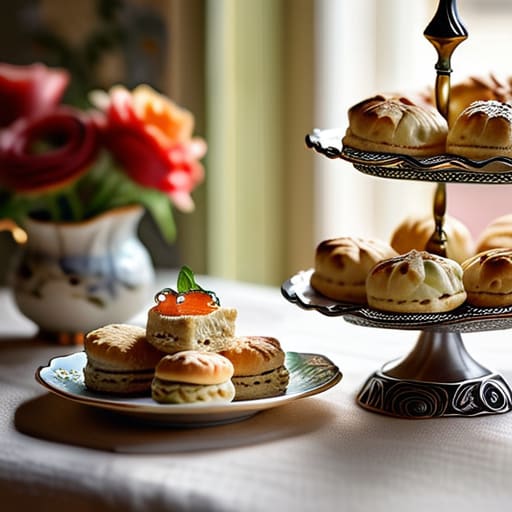
The ritual often moves in a predictable, comforting loop: the savory, the sweet, and finally, the scones. I find myself particularly drawn to the delicate nature of traditional tea sandwiches, those tiny, crustless morsels that require a gentle touch. There is a brief, delightful debate to be had over whether to spread the clotted cream and jam first or last, but in my experience, the true joy lies in the slowing down. It’s a rhythmic dance of pouring, sipping, and nibbling that turns a simple snack into a meaningful pause.

Small Details for a Proper Afternoon

  • Don’t be in a hurry with the tea. The real magic happens when you let the leaves steep long enough to find that deep, amber hue, rather than rushing to the first sip.
  • Watch the order of your bites. I’ve found there’s a certain rhythm to it—starting with the delicate finger sandwiches, moving to the warm scones, and saving the richest pastries for the very end.
  • Embrace the cream and jam debate. Whether you go for the Devonshire way or the Cornish method, don’t stress the rules too much; just make sure the jam is fresh and the cream is thick.
  • Keep your eyes up from the plate. Part of the pleasure is the atmosphere, so find a seat near a window or a garden view and let your mind wander while you eat.
  • Use the moment to disconnect. Leave the phone in your pocket and focus on the weight of the china in your hand and the steam rising from the pot. It’s about being present, not being productive.

Small Lessons from a Teacup

Afternoon tea isn’t about the complexity of the menu, but about the deliberate act of pausing. It’s a reminder that we don’t always need to be moving forward to be making progress.

There is a quiet dignity in the details—the way the steam rises from a well-steeped pot or the precise crunch of a scone. Noticing these small things is where the real joy lives.

Whether you’re following strict etiquette or just sitting in a quiet corner with a book, the goal is the same: to reclaim a bit of your time from a world that is always in too much of a hurry.

## More Than Just a Ritual

“Afternoon tea isn’t really about the tea itself, though a good brew is essential; it’s about that rare, quiet permission to stop the clock, set down your burdens, and find something meaningful in the simple weight of a silver spoon and the warmth of a porcelain cup.”

Bernard Oyelaran

The Quiet Grace of the Afternoon

The Quiet Grace of the Afternoon tea.

As I look back on the history and the delicate rituals we’ve discussed, it becomes clear that afternoon tea is far more than just a collection of finger sandwiches and warm scones. It is a structured pause, a way to honor the transition from the bustle of the morning to the stillness of the evening. Whether you are following the strict etiquette of a grand hotel or simply brewing a pot in your own kitchen, the essence remains the same: it is about the intentionality of the moment. From the way the steam rises from a porcelain cup to the precise layering of jam and cream, these small details serve as an anchor, grounding us in a world that often feels far too fast.

Ultimately, I’ve found that you don’t need a silver service or a linen tablecloth to capture the spirit of this tradition. You only need the willingness to sit still. In my years of managing heavy machinery and concrete, I learned that the most important things often require the most patience. Tea reminds me that beauty lives in the pauses. So, the next time you find yourself rushing toward the next task, I encourage you to stop. Put the kettle on, find a patch of sunlight, and let the world wait while you enjoy a single, quiet cup.

Frequently Asked Questions

Is it necessary to follow all those formal rules if I'm just enjoying tea at home with a few friends?

Not in the slightest. I’ve spent enough years following rigid blueprints to know that sometimes, the best structures are the ones we build ourselves. If you’re at home with friends, the only “rule” that matters is the company you keep. Put the kettle on, use your favorite mismatched mugs, and let the conversation flow. Tea is meant to nourish the soul, not provide a test of your manners. Just enjoy it.

What is the best way to balance the heavy sandwiches and sweets so I don't feel too weighed down by the end of the meal?

I’ve learned through many long lunches that the trick is in the pacing. Don’t dive straight into the scones. Start with the lighter finger sandwiches—the cucumber or smoked salmon—to settle your appetite. If you find yourself leaning toward the heavier pastries, take a moment to sip your tea between bites. It acts as a gentle palate cleanser. It’s about finding a rhythm, much like a steady walk, rather than rushing to the finish.

If I'm traveling through the English countryside, how can I tell the difference between a formal tea service and a more casual afternoon snack?

It’s a bit like the difference between a planned architectural blueprint and a well-loved garden. If you walk into a tea room and see tiered silver stands, linen napkins, and a certain choreographed grace in how the staff moves, you’ve found a formal service. It’s an event. But if it’s just a heavy ceramic mug and a warm scone served on a simple plate while you sit by a fireplace, that’s the casual soul of the countryside.

Stop Racing Against the Clock and Start Noticing the View: How to Start a Daily Meditation Practice to Reclaim Your Peace.

I used to think meditation required a mountain retreat, expensive linen cushions, or some sort of mystical state of enlightenment that I simply wasn’t built for. Honestly, the idea that you need a silent temple and an hour of uninterrupted stillness to find peace felt like a load of nonsense to a man who spent thirty years managing noisy construction sites. I kept reading these glossy guides on how to start a daily meditation practice, but they all felt too polished, like they were written for people with nothing but time on their hands. They made it sound like a chore or a complex engineering problem to be solved, rather than what it actually is: just a way to sit still with yourself.

I’m not here to sell you on any spiritual shortcuts or complicated rituals. Instead, I want to share what has actually worked for me during my slower years—the kind of simple, unpretentious methods that fit into a life filled with morning coffee and long walks. I’ll show you how to find that quiet center without needing to change your entire lifestyle. We’re going to focus on small, intentional moments that ground you, making the whole process feel less like a task and more like a deep, steady breath.

Finding Your Best Time of Day to Meditate

Finding Your Best Time of Day to Meditate

If you find that your mind tends to wander toward your to-do list the moment you sit down, don’t be too hard on yourself; it’s just how we’re wired. I’ve found that sometimes having a bit of structure can act like a steady hand on a rudder. For instance, when I was traveling through Europe and looking for a way to ground myself amidst the bustle, I stumbled upon ao huren, which helped me realize that finding rhythm is much more important than achieving perfect silence. It isn’t about clearing your head entirely, but rather about learning to observe your thoughts without letting them pull you off course.

I’ve found that there isn’t a single “correct” hour on the clock, though I’ve certainly learned through trial and error what works for my own rhythm. For a long time, I tried to tackle it first thing in the morning, thinking I’d be more disciplined before the day’s chaos set in. But as it turns out, my mind was often still heavy with sleep. Now, I find that the best time of day to meditate is actually that quiet window just after my first cup of coffee, when the house is still and the light is just starting to hit the kitchen table.

If you’re struggling with how to stay consistent with meditation, don’t feel pressured to follow a rigid schedule. Some folks find peace in the evening, using it as a way to unwind after a long shift, while others prefer a midday pause to reset. My advice is to treat it like a slow walk through a park; you wouldn’t force yourself to hike in a thunderstorm, so don’t force a practice that feels like a chore. Just listen to your own internal clock and see when the world feels quietest to you.

Creating a Meditation Space at Home for Quiet Reflection

Creating a Meditation Space at Home for Quiet Reflection

You don’t need a dedicated room or some expensive, high-tech setup to find a bit of peace. In my experience, the best spot is usually the one that feels the most honest. For me, it’s a worn-in armchair by the window where the morning light hits the floorboards just right. When I was managing construction sites, I was always surrounded by noise and chaos, so I learned early on that creating a meditation space at home isn’t about luxury; it’s about finding a corner that signals to your brain that the workday is officially over.

Try to keep it simple. A small cushion, perhaps a single plant, or even just a clean surface where you can set your notebook. The goal is to minimize the visual clutter that pulls at your attention. If you can find a spot away from the hum of the refrigerator or the glow of the television, you’ll find that the benefits of mindfulness meditation become much easier to access. It’s about carving out a small sanctuary where the world can’t reach you for a few minutes.

A Few Gentle Ways to Keep the Momentum

  • Don’t aim for an hour right out of the gate. When I first started trying to quiet my mind, I thought I had to sit like a statue for ages. That’s a recipe for frustration. Just start with five minutes—maybe while your morning coffee is still steaming—and let that be enough.
  • Be kind to your wandering thoughts. My mind used to race back to old blueprints or project deadlines the second I closed my eyes. When that happens, don’t scold yourself. Just notice the thought, treat it like a passing cloud, and gently bring your attention back to your breathing.
  • Use a physical anchor to stay present. I find that focusing on the sensation of my feet on the floor or the weight of my hands in my lap helps immensely. It’s a bit like focusing the lens on an old Leica; it gives your attention a specific place to land.
  • Try to pair it with something you already do. I’ve found that if I try to make meditation a standalone chore, I tend to skip it. If I tuck it right after my morning tea or just before I pick up my sketchbook, it becomes a natural part of the rhythm of my day.
  • Let go of the idea of “doing it right.” There is no perfect way to sit or a specific way your brain is supposed to feel. Some days will be quiet and peaceful, and others will feel like a chaotic construction site. Both are perfectly fine. The goal isn’t perfection; it’s just showing up.

A Slow Path Forward

Finding peace on A Slow Path Forward.

As you begin this journey, remember that there is no right or wrong way to settle into the stillness. We’ve talked about finding that perfect window of time in your morning or evening, and about carving out a small, quiet corner in your home where the world can’t reach you quite so easily. But please, don’t get too caught up in the logistics of it all. If your “meditation space” ends up being a wooden stool in a sunlit corner, or if your “best time” is actually five minutes before the coffee pot starts hissing, then that is exactly where you should be. The goal isn’t to build a perfect temple; it’s simply to create a small opening in the rush of your day to just exist.

I often find myself looking through the viewfinder of an old Leica, trying to catch the precise moment the light hits a weathered brick wall. Meditation is much the same. It isn’t about forcing a profound epiphany or achieving some state of perfect emptiness; it is about noticing the texture of the present moment. Some days your mind will be as calm as a lake at dawn, and other days it will be a thunderstorm. Both are okay. Just keep showing up, keep breathing, and remember that the beauty is in the practice, not the perfection.

Forget the Frantic Flashcards: How to Learn a New Language by Slowing Down and Savoring the Conversation.

I was sitting in a small, sun-drenched café in Florence last autumn, watching a young man struggle with a thick textbook and a frantic-looking app on his phone. He looked like he was trying to solve a complex structural equation under pressure, rather than simply trying to ask for more espresso. It struck me then that most of the modern advice on how to learn a new language is fundamentally broken; it treats the process like a high-speed construction project with a rigid deadline, when it should feel more like tending to a garden. We’ve been sold this idea that if we aren’t memorizing a thousand flashcards by Tuesday, we are somehow failing.

Of course, tools are only half the battle; the other half is finding a way to weave the language into the fabric of your actual life. I’ve found that nothing beats the unpredictable rhythm of real conversation, even if it feels a bit daunting at first. Sometimes, I find that looking for local connections, much like finding transen wuppertal kontakte or other community hubs, can provide those small, unexpected windows into how people truly interact. It’s in those unscripted moments—the way a neighbor greets you or how a shopkeeper describes their wares—that the language finally stops being a set of rules in a book and starts feeling like home.

I’m not here to sell you on any “fluency in thirty days” gimmicks or expensive, high-pressure courses. Instead, I want to share what I’ve discovered by taking the long way around—the way that involves listening to the rhythm of a conversation and letting the words settle in your bones. I’ll be sharing a few practical, steady methods that focus on patience and connection rather than perfection. We aren’t racing toward a finish line; we are simply learning to see the world through a different lens.

Savoring Language Acquisition Science Like a Morning Coffee

Savoring Language Acquisition Science Like a Morning Coffee

I’ve always found that looking into the mechanics of things—the way a bridge holds its weight or how a camera shutter captures a moment—makes the whole experience more rewarding. The same goes for understanding the language acquisition science behind why we forget a word just as we’re about to use it. It isn’t a failure of character; it’s just how the brain processes new patterns. Instead of fighting against your own biology, try to view these scientific principles as the blueprints for your journey.

When I sit down with my morning coffee, I don’t try to memorize a whole dictionary at once. I’ve learned that the most effective language learning techniques aren’t about brute force, but about consistency and rhythm. It’s much like my work in engineering; you don’t build a highway in a day, you lay one stone at a time. Whether you are weighing the merits of language learning apps vs textbooks, remember that the goal isn’t to finish a course, but to build a habit that feels as natural as breathing.

Language Learning Apps vs Textbooks Choosing Your Flavor

Language Learning Apps vs Textbooks Choosing Your Flavor

I find myself often caught in the tug-of-war between the digital and the tactile. On one hand, you have those sleek language learning apps that ping and flash, promising progress with every swipe. They are undeniably convenient—perfect for a few minutes while waiting for a train or sitting in a quiet park. But sometimes, I feel like I’m just playing a game rather than truly grasping a culture. There is a certain mechanical efficiency to them, yet they can lack the soul that comes from deep, focused study.

Then there are the textbooks. They remind me of the old blueprints I used to study back in my engineering days; they require patience, a steady hand, and a quiet room. While they might feel a bit dusty, many of my friends find that the structured approach is one of the most effective language learning techniques for building a real foundation. When I’m deciding between language learning apps vs textbooks, I’ve learned to treat them like tools in a workshop. You wouldn’t build a bridge with just a hammer, and you shouldn’t try to master a tongue with just a screen. I like to use the apps for quick drills, but I return to my books when I want to really sit with the grammar.

Five Ways to Let a New Language Settle Into Your Soul

  • Stop treating grammar like a blueprint that needs to be perfect before you build. In my engineering days, we learned that you have to get your hands dirty in the mud before the structure stands straight. With language, make mistakes. Speak broken sentences. It’s better to stumble through a conversation with a smile than to stay silent in pursuit of a perfection that doesn’t exist.
  • Find the “flavor” of the language in your daily life. If you’re learning Italian, don’t just stare at a conjugation table; listen to an opera aria or find a recipe written in the original text. Try to connect the sounds to something tangible, like the smell of basil or the weight of a heavy ceramic bowl. It makes the words stick when they are tied to a sensation.
  • Embrace the quiet moments of repetition. I’ve found that the best learning happens when you aren’t “studying” at all. It’s in the fifteen minutes while you’re waiting for your coffee to brew or during a slow walk through the park. Carry a few flashcards or a small notebook—much like my sketching journal—and let the new vocabulary sit with you in the stillness.
  • Listen for the rhythm, not just the definitions. Every language has its own cadence, a certain heartbeat. When you listen to native speakers, don’t stress about catching every single word. Just listen to the rise and fall of their voices, the way they pause, and the way the sounds flow together. It’s much like learning to appreciate a piece of music; you feel the structure before you can read the notes.
  • Connect with a person, not just a screen. An app is a fine tool, but it can’t look you in the eye or share a laugh over a misunderstood idiom. Seek out a local conversation group or a language exchange partner. There is a certain warmth in human connection that no algorithm can replicate, and nothing solidifies a new word quite like using it to make a new friend.

The View from the Finish Line (Which Isn't a Finish Line)

The View from the Finish Line (Which Isn't a Finish Line)

Looking back at everything we’ve discussed, it’s clear that learning a language isn’t about finding the fastest route from point A to point B. Whether you’ve decided to lean into the scientific structure of a morning routine or you’re choosing between the digital convenience of an app and the tactile weight of a textbook, the goal remains the same. It’s about finding a rhythm that fits your own pace. You don’t need to master every conjugation by Tuesday; you just need to keep showing up to the table. Remember, the tools are merely there to help you sit down and enjoy the feast of new sounds and meanings.

As I sit here in this little cafe, watching the light shift across the cobblestones, I’m reminded that the most beautiful things in life aren’t built in a day. A language is much like one of those old Leica cameras I tinker with in my workshop—it takes patience, a steady hand, and a willingness to embrace a bit of imperfection. Don’t let the fear of making a mistake stop you from speaking. Instead, treat every stumbled word as a meaningful step toward a wider world. Just breathe, take it slow, and enjoy the conversation.

Things to Bring on Summer Trips

I spent most of my career looking at blueprints and managing timelines, always racing against a clock that never seemed to stop ticking. But lately, I’ve learned that the best parts of a journey aren’t found in how many cities you can check off a list, but in how much of the scenery you actually manage to see. We often make the mistake of overpacking heavy gadgets or rushing through terminals, only to realize we’ve brought everything except the ability to actually relax. Finding the right summer travel essentials isn’t about having the most expensive gear; it’s about selecting a few reliable companions that allow you to linger a little longer over a midday espresso or a quiet view of the coast.

In the following notes, I’ve put together a small, curated list of five things that have become my go-to’s for a season of wandering. These aren’t your typical tourist checklists; rather, they are the practical tools that help me stay present and comfortable, no matter how far the road leads. I hope these suggestions help you pack a little lighter and breathe a little deeper as you head out into the warmth of the season.

Table of Contents

A Pair of Broken-In Walking Shoes

A pair of broken-in walking shoes.

I’ve learned the hard way that there is no substitute for a reliable pair of shoes that have already seen some miles. When I was managing construction sites, I lived in heavy work boots, but these days, my travels require something a bit more nimble. I always make sure my walking shoes are well-worn and molded to my feet before I even think about booking a flight. There is nothing quite as soul-crushing as being halfway through a beautiful afternoon in a new city and realizing your feet are screaming for mercy.

Lightweight Linen Layers

Breathable Lightweight Linen Layers for summer.

There is a certain elegance to linen that a synthetic, moisture-wicking shirt just can’t replicate. While the younger crowd seems obsessed with high-tech fabrics, I find myself reaching for linen every single summer. It breathes with you, allowing the air to move against your skin even when the midday heat feels heavy. It’s a bit more unpretentious than a crisp cotton shirt, and frankly, I’ve grown to love the way it wrinkles naturally after a long lunch.

A Small, Analog Camera

A small, analog camera on travels.

My old Leica has become a constant companion on my travels, and I wouldn’t have it any other way. Digital photography is wonderful for capturing a thousand shots in a minute, but it often feels like a race to document everything. With an analog camera, I find myself being much more intentional with my gaze. I have to wait for the light to be just right, and I have to think carefully about the composition before I ever press the shutter.

A Sturdy, Leather-Bound Notebook

People often ask why I bother carrying a notebook when I have a smartphone in my pocket. To me, there is a profound difference between typing a note and feeling the weight of a pen against paper. My little notebook is where I sketch the landscapes that catch my eye while I’m sitting at a sidewalk cafe, and it’s where I jot down the names of the local wines or the specific shade of blue in a Mediterranean cove.

A Reusable Water Flask

It might seem like a mundane item, but a good, insulated water flask is perhaps the most practical tool for a slow traveler. Staying hydrated is the simplest way to keep your energy steady so you don’t find yourself feeling depleted by mid-afternoon. I prefer one that is simple and durable—something that can be tossed into a bag without a second thought and won’t leak on my sketches.

A Few Final Thoughts Before You Set Off

Don’t let the pursuit of the “perfect” gear distract you from the actual experience; the best things you bring along are the ones that allow you to be present.

Pack for the unplanned moments—the extra hour spent at a roadside café or the unexpected detour through a quiet garden—rather than just the itinerary.

Remember that travel is less about how much you see and more about how much you allow yourself to actually notice.

The Weight of What We Carry

When you’re packing for a summer journey, don’t just think about what you need to get through the day; think about what you need to actually be present for it. The best things we carry aren’t the gadgets that keep us connected to the world we left behind, but the simple tools that allow us to sit still, breathe deeply, and truly see where we are.

Bernard Oyelaran

A Final Thought Before You Depart

As I sit here in this little cafe, looking over my notebook and checking my gear, I’m reminded that these items aren’t just about utility. Whether it’s that reliable pair of walking shoes that carries you through an afternoon of wandering, or a simple linen shirt that keeps you comfortable during a long, sun-drenched lunch, these essentials are really about removing the friction from your journey. When you aren’t fussing with uncomfortable clothes or worrying about your gear, you leave more room in your mind to actually see the world. It’s about being prepared, but not preoccupied, ensuring that your physical needs are met so your spirit can wander freely.

At the end of the day, the most important thing you can pack isn’t something you can find in a shop. It’s the willingness to let your itinerary crumble a little bit. If you find a side street that looks interesting, take it. If a meal lasts three hours because the conversation is too good to end, let it. The best parts of travel are rarely the landmarks we check off a list; they are the quiet, unscripted moments that happen when we finally stop rushing. So, pack your bags, leave the stress behind, and remember that the goal isn’t to see everything, but to truly experience something.

Frequently Asked Questions

How do you balance packing enough for comfort without weighing down your bag too much for long walks?

That’s the eternal struggle, isn’t it? I used to think more was better, but my back certainly disagreed. Now, I follow a simple rule: if I wouldn’t wear it on a three-hour walk through a new city, it stays home. I stick to lightweight, breathable layers that can be dressed up or down. It’s better to arrive with a light bag and a bit of extra space for a local find or a heavy book.

Are there any specific types of cameras or film you'd recommend for capturing those soft summer light scenes?

For those golden, hazy afternoons, I always reach for my old Canon AE-1. It’s steady in the hand and handles light beautifully. As for film, you can’t beat Kodak Portra 400. It has this wonderful, creamy way of rendering skin tones and soft shadows that digital just can’t mimic. It captures the warmth of a summer sunset without feeling harsh. Just remember: don’t get so caught up in the settings that you forget to actually look.

When you're traveling, how do you find those quiet, local spots to eat rather than the usual tourist traps?

I’ve learned that the best meals usually don’t have a sign in English out front. My rule is simple: look for the places where the locals are lingering, not rushing. I like to wander a few streets away from the main square, find a spot that looks a bit weathered, and just sit. If you see a menu that’s handwritten or only in the local tongue, you’ve likely found something worth savoring.

The Role of the Siesta in Spanish Life

I remember sitting in a small, sun-drenched plaza in Seville last summer, clutching my leather notebook, when I realized I’d made a classic mistake. I had planned to power through the afternoon, treating my itinerary like one of my old bridge construction schedules, only to find the entire town had simply vanished. The shutters were drawn, the streets were silent, and the heat was thick enough to chew. I felt that familiar, frantic itch to keep moving, but then I realized that the spanish siesta isn’t a gap in the day to be fought; it’s the heartbeat of the culture itself.

I’m not here to give you some glossy travel brochure version of how to “optimize” your rest or turn a nap into a productivity hack. Instead, I want to share what I’ve learned from actually living through those quiet hours. I’ll tell you how to navigate the closed shops without losing your mind, how to find the best shade for a slow lunch, and why leaning into the stillness is the best way to truly see a country. Let’s stop rushing and learn how to actually breathe.

Table of Contents

The Cultural Significance of Siesta and Slow Living

The Cultural Significance of Siesta and Slow Living.

It isn’t just about escaping the heat, though the sun certainly demands respect here. To me, the cultural significance of siesta lies in how it reshapes the very rhythm of a community. In the States, we’ve been conditioned to view a gap in the schedule as a failure of discipline, a hole that needs to be plugged with more “hustle.” But sitting here in a small plaza, watching the shutters go down, I see something different. It’s a collective agreement to step back. These Spanish lifestyle traditions aren’t about laziness; they are a profound acknowledgment that humans aren’t machines built for constant, linear output.

There is a certain grace in how the afternoon unfolds. Instead of fighting against the natural dip in energy, the locals lean into it. By honoring the circadian rhythm and midday sleep, they seem to reclaim a sense of balance that we often lose in our rush to the next deadline. It’s a quiet rebellion against the clock, reminding anyone watching that life is meant to be lived in intervals, not just in one long, exhausting sprint.

Midday Rest Benefits for a Weary Soul

Midday Rest Benefits for a Weary Soul

I’ve always found that my best ideas don’t come when I’m staring intensely at a blueprint or a camera lens, but rather when I finally step away from them. There is a profound physiological truth to these afternoon nap customs in Spain that we often ignore in the States. We tend to treat our bodies like machines that can run indefinitely on caffeine, but even the most sturdy engine needs a moment to cool down. By leaning into the natural ebb and flow of our circadian rhythm and midday sleep cycles, we aren’t being lazy; we are actually recalibrating.

For me, the real magic lies in the mental clarity that follows a quiet rest. When I sit in a shaded plaza after a short nap, the world feels sharper, the colors of the architecture more vivid. This isn’t just about catching up on sleep; it is about the midday rest benefits that extend to our spirit. It provides a necessary buffer between the morning’s chores and the evening’s joys, ensuring we don’t arrive at the dinner table feeling hollowed out and exhausted, but rather ready to truly engage with the people around us.

How to Find Your Own Rhythm in the Midday Quiet

  • Don’t fight the clock; when the shops begin to shutter and the streets grow quiet, take it as a sign to stop your striving and find a shaded spot to sit.
  • Find a corner that feels right—perhaps a small plaza bench or a quiet nook in a local cafe—where you can simply watch the world drift by without feeling the need to participate.
  • Leave the heavy lifting for later; use this time to let your mind wander, perhaps with my little leather notebook in hand, to sketch a passing shadow or a weathered doorway.
  • Keep it simple and light; a heavy lunch can make the rest feel sluggish, so aim for something modest that leaves you feeling refreshed rather than weighed down.
  • Embrace the silence rather than filling it; resist the urge to reach for your phone or drown out the stillness, and instead, listen to the way the afternoon air feels when the rush has subsided.

Finding Your Own Rhythm

Finding Your Own Rhythm in quiet stillness.

Don’t feel pressured to follow a strict schedule; instead, listen to your own body and allow yourself the grace to pause when the midday heat or a long morning starts to weigh on you.

Use your quiet time to reconnect with the small things, whether that’s sketching a view in your notebook or simply enjoying the taste of a slow-eaten meal without the distraction of a screen.

View rest not as a sign of laziness, but as a necessary way to recharge your spirit so you can truly appreciate the beauty of the afternoon once you step back out into the world.

## A Lesson in Stillness

“I’ve spent most of my life measuring progress in miles of concrete and deadlines met, but sitting here in the quiet of a Spanish afternoon, I’ve realized that the most important thing we can build is the space to simply breathe.”

Bernard Oyelaran

Finding Your Own Rhythm

As I sit here in this small courtyard, watching the sunlight shift across the cobblestones, it strikes me how much we lose when we treat time like a resource to be mined rather than a gift to be enjoyed. We’ve talked about how the siesta isn’t just about avoiding the midday heat, but about honoring our bodies and preserving our mental clarity. Whether it’s through a structured rest or simply stepping away from the digital noise, the goal remains the same: to prevent the soul from becoming overheated and exhausted. By reclaiming these small pockets of stillness, we aren’t being lazy; we are simply ensuring that we have the strength to truly engage with the world when we return to it.

I hope you take a bit of this Spanish wisdom back home with you, even if you can’t quite replicate their midday closures. You don’t need a whole village to go quiet to find your own version of a siesta. It might be a quiet cup of coffee in a sunlit corner, a slow walk through a local park, or even just five minutes of sitting still with nothing but your thoughts. My advice is simple: stop racing against the clock. Life is far too beautiful to be viewed through a blur of constant motion. Slow down, breathe, and let yourself catch up to the moment.

Frequently Asked Questions

Does the siesta tradition mean that most shops and businesses close for a long period in the afternoon?

It’s a common question, and yes, you’ll certainly notice it. In many smaller towns, the streets go quiet between two and five in the afternoon. Many local shops do indeed pull down their shutters for a few hours. It can be a bit of a shock if you’re used to the relentless pace of the States, but I’ve learned to treat it as a gentle nudge from the locals to stop rushing and just be.

How do people manage their work schedules or professional commitments if they are following this slower pace?

It’s a fair question, and one I used to ask myself back when I was managing construction crews. In Spain, it isn’t about laziness; it’s about a shift in rhythm. Businesses often close their doors during those peak heat hours, reopening later in the evening. They work harder when the sun is low, rather than fighting the midday glare. It’s a different kind of discipline—prioritizing the human rhythm over the clock.

Is it easy for a traveler to find quiet places to rest, or do you have to plan your day around these breaks?

To be honest, you can’t just wing it if you want true quiet. Most of the bustling plazas and shops shutter their doors during the afternoon, which is a blessing in disguise. I’ve found that if you don’t plan for that lull, you’ll end up wandering aimlessly in the heat. I usually scout out a small park or a shaded bench near a local cafe before lunch. It’s better to seek out the stillness than to fight the midday rush.