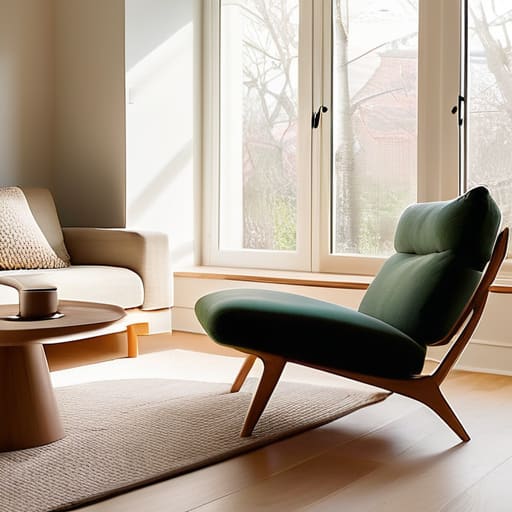
I was sitting in a small, sun-drenched cafe in Copenhagen last autumn, watching a young woman struggle to find a place for her heavy wool coat in a room that looked more like a museum than a living space. It hit me then that much of what we call scandinavian design these days has become a bit of a hollow performance—all white walls and expensive, spindly chairs that look lovely in a magazine but offer zero comfort for a real human being. We’ve been sold this idea that minimalism means stripping everything away until a room feels cold and clinical, as if we’re living in a high-end laboratory rather than a home.
I’m not interested in helping you curate a showroom; I want to help you build a sanctuary. In the following pages, I’m going to share what I’ve learned about finding the true heart of this style—the part that values functional beauty and the warmth of natural materials over mere trends. I’ll show you how to embrace the principles of simplicity without losing the soul of your home, ensuring that every piece you bring into your space serves a purpose and invites you to finally sit down and stay a while.
Table of Contents
Chasing Natural Light Optimization and Softened Shadows
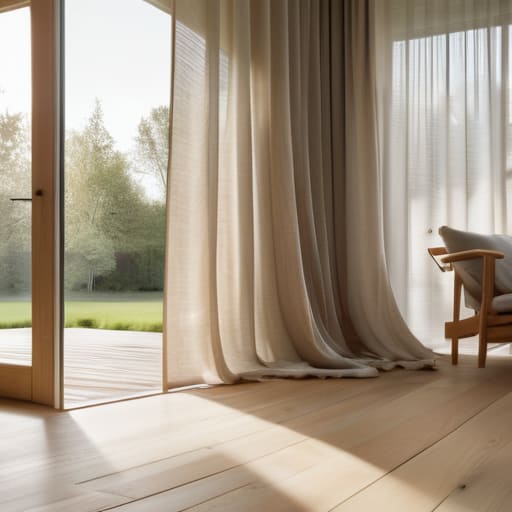
I’ve always found that the way light moves through a room can change your entire temperament. During my years managing construction sites, I was focused on the structural integrity of steel and concrete, but these days, I’m more interested in how a single window can transform a space. In these northern latitudes, the sun is a precious guest, so natural light optimization isn’t just a design choice; it’s a way of life. You see it in the way they avoid heavy, dark drapery, opting instead for sheer fabrics that allow the pale sun to dance across the floor.
When the light does hit, it shouldn’t feel harsh or clinical. I’ve noticed that by using neutral color palettes—soft creams, muted greys, and warm whites—the walls seem to catch and hold the glow rather than bouncing it away too sharply. It creates these soft, diffused shadows that make a room feel lived-in and gentle. It reminds me of sitting in a quiet corner with my sketchbook, watching the afternoon fade. There is a profound sense of peace in a room that doesn’t fight the sun, but rather invites it to stay a while.
Finding Comfort in Hygge Lifestyle Elements and Warmth
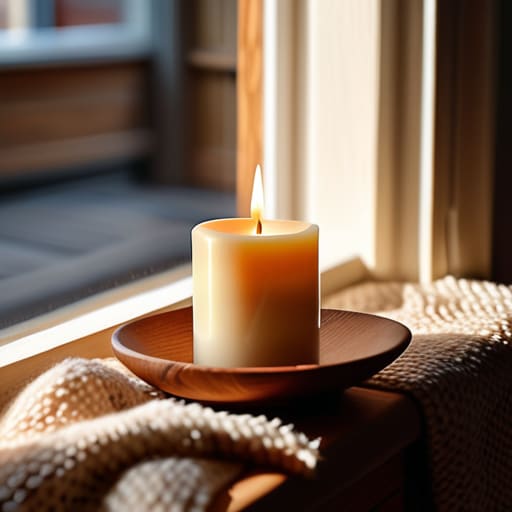
It’s funny how my engineering brain used to look at a room and see only structural integrity or load-bearing walls. Now, sitting here in a small café in Copenhagen, I find myself looking for something else entirely: the feeling of a space. This is where the concept of hygge lifestyle elements truly comes to life. It isn’t about cluttering a room with trinkets; it’s about the intentionality of warmth. I noticed a small wooden table tucked in the corner, draped with a heavy wool throw, lit by the amber flicker of a single candle. It felt less like a design choice and more like an invitation to stay a while.
There is a profound sense of peace that comes from neutral color palettes paired with textures that demand to be touched. When the walls are soft creams or muted greys, the eye isn’t constantly being pulled in a dozen directions. Instead, you notice the grain of the oak or the way a linen cushion settles. It reminds me of my old workshop—everything had its place, but it wasn’t sterile. It was lived-in. That balance of utility and comfort is what makes a house feel like a sanctuary.
A Few Small Ways to Bring That Quiet Calm Into Your Own Four Walls
- Don’t be afraid to let things breathe. In my engineering days, we were always trying to pack as much utility into a space as possible, but I’ve learned that a room needs empty corners just as much as it needs furniture. It gives your eyes a place to rest.
- Look for materials that have a bit of a story to tell. A smooth, sanded piece of oak or a heavy linen throw feels much more honest than something plastic and mass-produced. There’s a weight to natural things that settles the soul.
- Keep your color palette grounded in the earth. I’ve found that sticking to soft greys, muted greens, or warm creams helps prevent a room from feeling cluttered, even if you have a few more books or trinkets than you initially planned.
- Curate your surfaces rather than decorating them. Instead of a dozen little knick-knacks, try choosing one single, well-made ceramic vase or a stack of old journals. It’s about quality and intention, not just filling up space.
- Bring the outside in, but do it slowly. A single branch in a glass jar or a small potted fern can change the entire energy of a room. It reminds you that the seasons are turning, even when you’re tucked away inside.
The Heart of a Simple Home
It isn’t about buying expensive, designer furniture; it’s about choosing pieces that feel honest and serve a purpose, much like a well-worn tool in a craftsman’s kit.
Let the outdoors in by paying attention to the light and the textures of wood and stone, creating a space that feels connected to the world outside your window.
True comfort comes from slowing down—whether it’s the warmth of a thick wool blanket or the way a single candle flickers, these small details are what make a house feel like a sanctuary.
The Soul of the Object
“I’ve spent my life looking at how things are built to last, but Scandinavian design teaches you something different; it’s not just about the integrity of the wood or the strength of the joint, but about how a simple, honest object can make a room feel like it finally has room to breathe.”
Bernard Oyelaran
The Heart of the Home
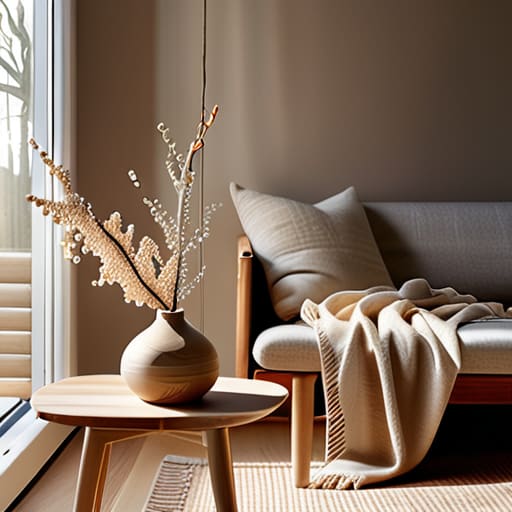
As I look back on everything we’ve discussed—from the way a single, well-placed window can transform a room with light to the simple, tactile comfort of a wool throw—it becomes clear that Scandinavian design isn’t really about following a strict set of rules or buying expensive furniture. It’s about a fundamental shift in how we treat our surroundings. It is the intentional marriage of functionality and warmth, ensuring that our homes serve our needs without cluttering our minds. By focusing on natural materials and the soft, inviting principles of hygge, we create spaces that don’t just look good in a magazine, but actually feel like a sanctuary from the rush of the outside world.
In my years of managing construction sites, I learned that the most enduring structures aren’t always the most complex; they are the ones built with purpose and care. I think our homes should be the same. You don’t need to overhaul your entire life to embrace this philosophy. Just start small. Maybe it’s clearing a single tabletop or finally sitting in that chair by the window to watch the afternoon shadows stretch across the floor. At the end of the day, the goal is simply to create a place where you can truly breathe. Remember, a home shouldn’t just be a place where you keep your things; it should be a place where you find yourself.
Frequently Asked Questions
How can I incorporate these principles into an older home without it feeling too cold or clinical?
That’s a concern I’ve had myself, especially when looking at the older houses back home. The trick is to treat Scandinavian principles as a guide, not a rulebook. Don’t strip away the character of your home—those creaky floorboards and built-in bookshelves have stories to tell. Instead, layer in some soft textures, like a chunky wool throw or a linen cushion, and keep your well-loved, older pieces. It’s about balance, not replacement.
Is there a way to embrace this style without spending a fortune on high-end designer furniture?
You don’t need a designer showroom to find that sense of calm. Back when I was managing construction sites, I learned that the bones of a thing matter more than the brand name. Look for simple, sturdy wood pieces at local thrift stores or flea markets. A well-loved, plain oak table often has more soul than something shiny and expensive. It’s about the texture and the light, not the price tag.
Where is the line between a home that feels "minimalist" and one that simply feels empty?
I’ve often found myself staring at a room and wondering if it feels peaceful or just lonely. To me, the difference lies in intention. Minimalism is about choosing things that serve a purpose or hold a memory—like my old Leica or a well-worn book. An empty home lacks soul because nothing has been invited in. A space feels “full” when it holds the warmth of your life, even if there isn’t much clutter.
