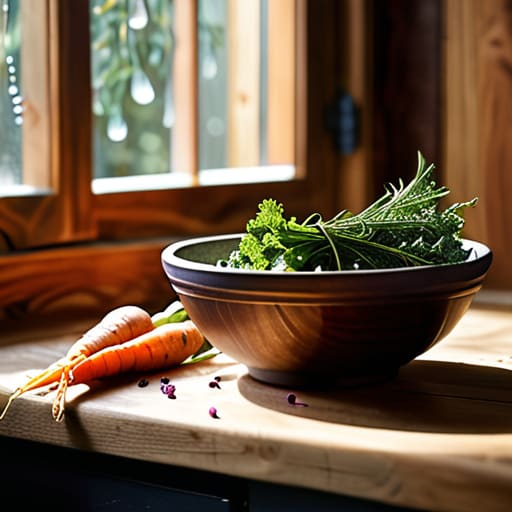
I remember sitting in a dusty construction trailer back in ’94, staring at a blueprint for a highway interchange, feeling like my brain was nothing but static. I used to think that finding peace required a mountain retreat or a week of silence, but I was wrong. I found it much closer to home, in the rhythmic thwack of a knife against a wooden cutting board and the simple, grounding scent of onions hitting a hot pan. People tend to overcomplicate the idea of wellness through cooking, treating it like some expensive, high-performance ritual involving superfoods you can barely pronounce. To me, it’s never been about the ingredients being “optimal”; it’s about the quiet dignity of taking your time with something real.
I’m not here to sell you on a lifestyle overhaul or a pantry full of miracle powders. Instead, I want to share what I’ve learned from decades of slowing down to notice the small things. I’ll show you how a simple recipe can serve as a way to reclaim your afternoon and steady your nerves. We’re going to focus on the sensory joy of the process, proving that a well-made meal is often the best way to find your center again.
Table of Contents
Finding Calm in the Rhythm of Culinary Mindfulness Benefits
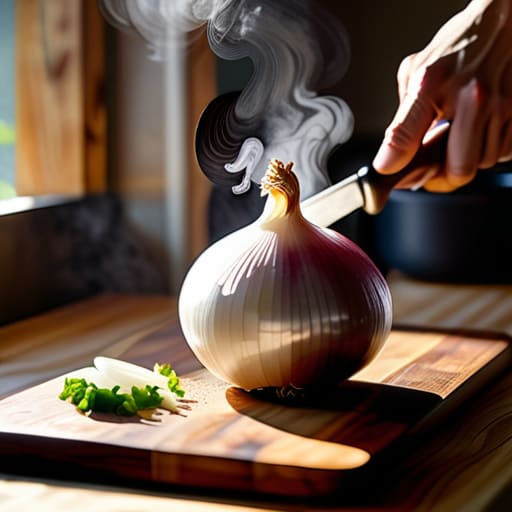
I’ve always found that there is a certain geometry to a well-organized kitchen, much like the blueprints I used to study in my engineering days. But lately, I’ve stopped looking at it as a series of tasks to be completed and started seeing it as a way to settle my mind. There is a profound sense of peace found in the repetitive motion of dicing an onion or the steady, rhythmic stir of a wooden spoon against a heavy pot. These therapeutic cooking techniques act as a sort of anchor, pulling my thoughts away from the clutter of the day and grounding me in the present moment.
When I’m standing at the counter, I try to lean into the sensory cooking experience. I listen to the sharp hiss of garlic hitting hot oil and feel the weight of the knife in my hand. It isn’t about the end result—though a good meal is certainly a bonus—it is about the transition from chaos to calm. By focusing on these small, tactile details, I find that I am practicing a form of cooking for mental health that requires no special equipment, just a bit of patience and a willingness to stay exactly where I am.
A Sensory Cooking Experience to Ground the Soul
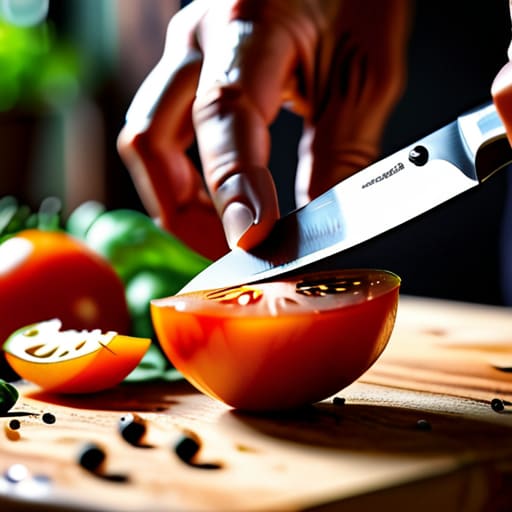
I remember my days on construction sites, always looking at the big picture—the steel, the concrete, the deadlines. But in the kitchen, I’ve learned that the magic is in the micro. It’s the weight of a heavy chef’s knife in your hand and the way a ripe tomato yields under your thumb. When I lean in to catch the sharp, bright scent of freshly sliced basil, I’m not thinking about my to-do list or the news. I am simply there. This sensory cooking experience acts as a tether, pulling me out of my head and back into my body.
There is a certain quiet dignity in the repetitive motions of food preparation. The steady thwack-thwack of a knife against a wooden board or the gentle hiss of onions hitting a warm pan provides a rhythm that settles the nerves. I find that these small, tactile moments are essential components of cooking for mental health. It isn’t about the complexity of the recipe; it’s about the way the steam warms your face and the way the colors on the cutting board remind you that the world is still vibrant and full of life.
Small Ways to Bring a Little Peace to Your Kitchen
- Put the phone in another room. It’s hard to truly notice the way a sprig of rosemary smells or the sound of a knife hitting the board when you’re constantly interrupted by a buzzing screen. Give yourself the gift of being unreachable for twenty minutes.
- Listen to the ingredients. There is a specific, rhythmic music to a well-run kitchen—the steady hiss of a sauté pan, the bubbling of a stew, or the crisp snap of a fresh bell pepper. Lean into those sounds; they are far more soothing than any podcast.
- Don’t fear the mess. I used to think a clean workspace was the mark of a good engineer, but I’ve learned that a little flour on the counter or a pile of vegetable scraps tells the story of a meal being made with intention. Let the process be a bit messy.
- Engage your hands. There is something deeply grounding about the tactile nature of cooking—kneading dough, peeling an onion, or even just washing a heavy cast-iron skillet. It pulls you out of your head and back into your body.
- Savor the “in-between” moments. Don’t just wait for the food to be finished so you can eat. Stand by the window while the water boils, or take a moment to admire the colors in your cutting bowl. The cooking is just as much a part of the meal as the eating itself.
A Few Small Reminders for Your Next Kitchen Session
Don’t treat cooking like a chore to be checked off a list; treat it like a slow walk through a quiet park.
Let your senses lead the way—the scent of toasted spices or the steady rhythm of a knife on a wooden board can ground you better than any meditation app.
Remember that the goal isn’t a perfect, Instagram-ready dish, but the quiet peace you find while making it.
The Quiet Wisdom of the Kitchen
“We spend so much of our lives rushing toward the next big thing, but there is a profound, steady kind of healing found in the simple act of peeling an orange or watching a pot come to a boil; it reminds you that you are here, you are present, and you are enough.”
Bernard Oyelaran
The Last Ingredient
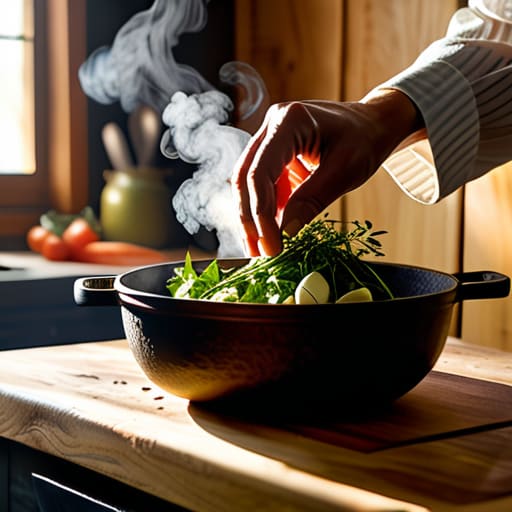
At the end of the day, finding wellness in the kitchen isn’t about mastering a complex French technique or following a recipe to the exact milligram. It’s about the way the steam rises from a heavy pot, the rhythmic thud of a knife against a wooden board, and the quiet realization that you are finally present in your own life. We’ve talked about how these sensory details ground us and how the steady pace of a slow simmer can act as a balm for a restless mind. When we stop treating cooking as a chore to be checked off a list and start seeing it as a meditative ritual, we reclaim a small piece of our peace from a world that is always trying to hurry us along.
So, the next time you find yourself standing before a cluttered counter, feeling the weight of a long week, I encourage you to just breathe. Put on a record, pour yourself a small glass of something you enjoy, and let the process take over. Don’t worry about the mess or the clock. Just focus on the scent of the herbs and the warmth of the stove. Life is far too short to eat in a rush, and far too beautiful to miss the small, quiet joys found in a simple, home-cooked meal. Just slow down and savor it.
Frequently Asked Questions
How can I practice this kind of mindful cooking when I'm in a rush or dealing with a busy work week?
Look, I get it. Some days the world feels like it’s moving at a hundred miles an hour, and the last thing you want is a complicated recipe. On those nights, don’t try to make a feast. Just pick one small thing. Maybe it’s the way the onion skins feel under your knife or the sound of the water boiling. Even a simple sandwich can be a moment of peace if you actually stop to taste it.
Are there certain types of recipes or ingredients that are better for helping me feel grounded?
I’ve found that there’s something deeply grounding about ingredients that require a bit of patience. Think of root vegetables—carrots, parsnips, or potatoes. There is a certain honesty in peeling them, feeling their weight in your hand. I also lean toward hearty grains like barley or oats; they have a steady, reliable texture. Avoid the flashy, processed stuff. Stick to things that grow from the earth and take a little time to soften.
Does cooking for others change the way I experience these wellness benefits, or is it better as a solitary practice?
To my mind, there’s a profound difference. Cooking for yourself is a quiet meditation, a way to tune out the world. But cooking for others? That’s a different kind of grace. There is a deep, steady satisfaction in watching a friend lean back, sigh, and finally relax after their first bite. It turns a solitary ritual into a shared connection. It’s not just about the food anymore; it’s about the warmth of the table.
