I remember sitting in a cramped, humid kitchen back in Ann Arbor, watching a chef attempt to explain the “science” of a perfect reduction using terms that sounded more like a physics lecture than a recipe. It felt like a performance, all high-pressure steam and expensive gadgets designed to make a simple task feel like a high-stakes engineering feat. People have this strange habit of turning cooking techniques into a series of complex, intimidating hurdles that require a degree just to boil an egg properly. But if my years managing construction sites taught me anything, it’s that the most durable results don’t come from the fanciest tools; they come from understanding the fundamental principles of how heat and time interact.
I’m not here to sell you on a new sous-vide machine or a set of titanium pans you don’t need. Instead, I want to share the practical, honest methods I’ve gathered from decades of trial, error, and far too many burnt Sunday dinners. We’re going to strip away the pretension and focus on the rhythm of the kitchen—the patience required for a slow braise and the steady hand needed for a proper sear. My promise to you is simple: no fluff, no hype, just the kind of straightforward wisdom that turns a frantic meal into a moment worth savoring.
Table of Contents
Mastering Dry Heat vs Moist Heat Methods
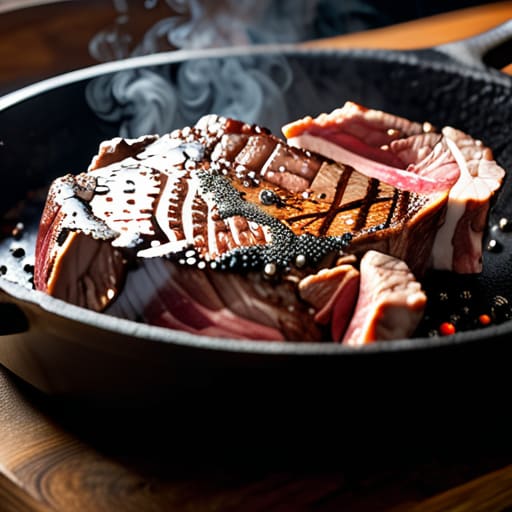
I’ve always found a certain satisfaction in the way heat behaves, much like how I used to study the way different soils settled under a bridge foundation. In the kitchen, understanding dry heat vs moist heat methods is really just about knowing how much energy you’re throwing at your ingredients. When I’m roasting a chicken or searing a steak, I’m looking for that deep, savory crust—what the chefs call the Maillard reaction—which is essentially just a beautiful chemical dance between proteins and sugars. It requires a bit of patience and a steady hand, but that golden-brown finish is worth every minute of waiting.
On the other hand, there are days when I want something more forgiving, like a slow-simmered stew or a gentle poach. Moist heat is much kinder; it uses steam or liquid to transfer warmth, making it perfect for those tougher cuts of meat that need time to soften. I’ve learned that temperature management in cooking isn’t about following a rigid set of rules, but rather about listening to the pot. Whether it’s the aggressive hiss of a hot pan or the quiet bubble of a broth, the method you choose dictates the soul of the meal.
Finding Joy in Professional Culinary Fundamentals
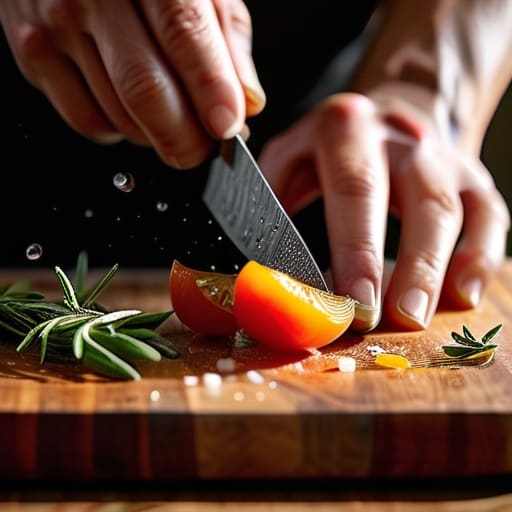
I’ve found that there’s a certain quiet satisfaction in returning to the basics, much like how I used to appreciate the clean lines of a well-designed bridge. We often get caught up in trying to replicate complex, five-star recipes, but there is profound peace to be found in mastering the professional culinary fundamentals that form the bedrock of any good meal. It isn’t about flash or spectacle; it’s about understanding the rhythm of the kitchen. When you stop treating a recipe like a set of rigid instructions and start treating it like a conversation with your ingredients, everything changes.
Take, for instance, the simple ritual of knife skills and prep work. There was a time in my younger years when I viewed chopping vegetables as a chore to be rushed through so I could get to the eating. Now, I see it as a form of meditation. The steady thud-thud-thud of a sharp blade against a wooden board, the rhythmic precision of a well-executed dice—it forces you to be present. When you take the time to prep with intention, you aren’t just making life easier for the cooking stage; you are teaching yourself to respect the process.
Small Rituals for a Better Pot
- Don’t be afraid of the salt. I’ve learned that seasoning isn’t just a step at the end; it’s a conversation with the food. Sprinkle it early and often, letting it work its way into the fibers of a vegetable or a piece of meat while you wait for the pan to heat up.
- Respect the pan’s temperature. In my engineering days, we knew that thermal mass mattered, and the kitchen is no different. If you crowd a skillet with too much moisture at once, you aren’t searing; you’re just steaming, and you’ll miss that beautiful, golden crust.
- Listen to the sizzle. Every stage of cooking has its own soundtrack. A violent, spitting pan tells you things are moving fast, while a gentle, rhythmic bubble means you’re in the sweet spot of a slow simmer. If the sound changes, your technique should too.
- Keep your knife sharp, not just fast. A dull blade is a clumsy tool that forces you to rush and press too hard. A sharp knife allows you to glide through an onion with a certain grace, turning a chore into a quiet, meditative moment.
- Let things rest. Whether it’s a heavy roast or a simple loaf of bread, patience is the final, most important ingredient. If you cut into something the moment it leaves the heat, you lose all that hard-earned moisture. Give it ten minutes—plenty of time to sit, pour a glass of wine, and watch the shadows lengthen.
A Few Thoughts to Carry With You
Don’t let the technicalities overwhelm you; whether you’re searing a steak or steaming vegetables, the goal isn’t perfection, but understanding how heat transforms what’s on your plate.
Embrace the patience that good cooking requires, much like waiting for the perfect light to hit a landscape—the best results rarely come from rushing.
Treat your kitchen as a place to slow down, using these fundamental methods not just to feed yourself, but to find a bit of quiet rhythm in a busy world.
## The Rhythm of the Kitchen
Cooking isn’t just about following a sequence of instructions; it’s about learning to listen to the sizzle in the pan and the way a scent changes as it fills the room. Just like a well-built bridge, a good meal relies on a steady foundation of technique, but it’s the patience you show while waiting for the heat to do its work that truly gives it soul.
Bernard Oyelaran
The Quiet Rhythm of the Kitchen
At the end of the day, whether you are leaning into the intense, transformative power of a sear or the gentle, patient embrace of a slow braise, it all comes down to understanding how heat interacts with what we love to eat. We’ve talked about the mechanics of dry and moist heat, and the importance of those fundamental skills that separate a rushed meal from a truly soulful one. But remember, these techniques aren’t just rules to follow or boxes to check off a list. They are simply tools in your kit, designed to help you navigate the delicate dance between fire and flavor. Once you grasp the basics, you stop fighting the ingredients and start working in harmony with them.
As I sit here by the window, watching the afternoon light stretch across my notebook, I’m reminded that the best meals rarely happen when we are in a hurry. The real magic isn’t found in a perfect recipe, but in the willingness to stay in the kitchen just a little bit longer—to listen to the rhythm of the simmer and to notice the way a sauce begins to glisten. Don’t let the pursuit of perfection rob you of the pleasure of the process. Instead, embrace the imperfection and the occasional burnt edge. After all, life is far too short to rush through a good meal, and there is so much beauty to be found in the slow, steady art of cooking.
Frequently Asked Questions
How do I know when I've finally found that sweet spot between a gentle simmer and a rolling boil?
It’s all about the movement in the pot. A rolling boil is aggressive; it’s a chaotic dance of large, crashing bubbles that can bruise delicate ingredients. You’re looking for something more rhythmic—small, lazy bubbles breaking the surface every few seconds, like a slow heartbeat. If the liquid is just shimmering and dancing rather than jumping, you’ve found it. Take a breath, watch the steam, and let the rhythm guide you.
If I'm working with older, well-loved cast iron, should I stick strictly to dry heat methods to avoid sticking?
Not at all. In fact, I find that a well-seasoned pan is quite forgiving. While dry heat is its bread and butter, don’t be afraid to use a little liquid. A gentle braise or even a shallow simmer can work wonders, provided you don’t scrub that hard-earned patina away with harsh soap. Treat it like an old friend—give it a little oil, a bit of patience, and it’ll take care of you.
Is it worth the extra time to master these slow-cooking techniques, or is there a way to get similar results when I'm traveling and short on time?
Look, I understand the temptation to rush. When you’re moving from one city to another, time feels like a scarce resource. But there’s a difference between a meal that merely fills you up and one that settles into your bones. When traveling, lean on high-quality ingredients and simple braises—a single pot of stew can do wonders. It’s not about the hours spent, but about choosing methods that respect the food.
