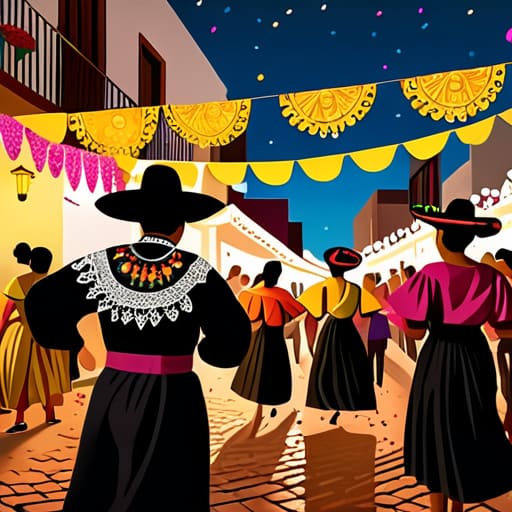
I remember sitting on a low stone wall in Oaxaca last October, my old Leica hanging heavy around my neck, feeling completely overwhelmed by the sheer cacophony of it all. The air was thick with the scent of toasted chilies and copal incense, and the music seemed to vibrate right through my ribcage. For a moment, I felt like I was missing the point, caught up in the frantic energy of the crowds. But then, I took a breath, pulled out my notebook, and realized that the true soul of mexican festivals isn’t found in the loud parades or the expensive, tourist-heavy plazas. It’s actually tucked away in the quiet corners—the way a grandmother carefully arranges marigolds or the steam rising from a single, perfect tamale.
I’m not here to give you a glossy brochure or a list of the most “Instagrammable” spots to check off a bucket list. Instead, I want to share what I’ve learned about finding the genuine heartbeat of these celebrations. I’ll guide you toward the small stalls, the local rhythms, and the moments of stillness that make these gatherings so profound. My goal is simple: to help you navigate the chaos so you can actually savor the experience rather than just rushing through it.
Table of Contents
Finding Soul in Traditional Mexican Music and Dance
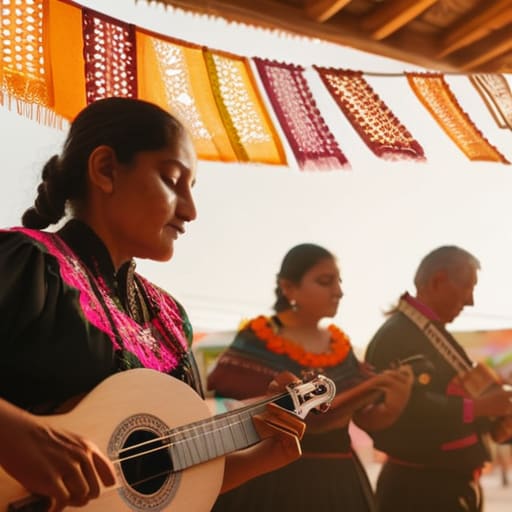
I found myself leaning against a sun-warmed stone wall last Tuesday, just watching. It wasn’t the grand scale of the decorations that caught me, but the rhythm. In the middle of the plaza, a group of musicians began to play, and suddenly the air felt heavier, more intentional. There is something about traditional Mexican music and dance that bypasses the intellect and goes straight to the chest. It isn’t just background noise; it’s the heartbeat of the community, a way of telling stories that don’t need words.
As the dancers moved, their skirts swirling like colorful eddies in a stream, I realized how much of the Mexican cultural heritage is carried in those specific, practiced steps. Whether it’s the brassy, triumphant swell of a mariachi band or the rhythmic stomp of a folk dance, there is a profound sense of connection to the past. I pulled out my notebook to sketch the tilt of a dancer’s head, trying to capture that fleeting moment where the music and the person become one. It reminded me that some things are meant to be felt, not just observed.
The Gentle Magic of Regional Mexican Festivities
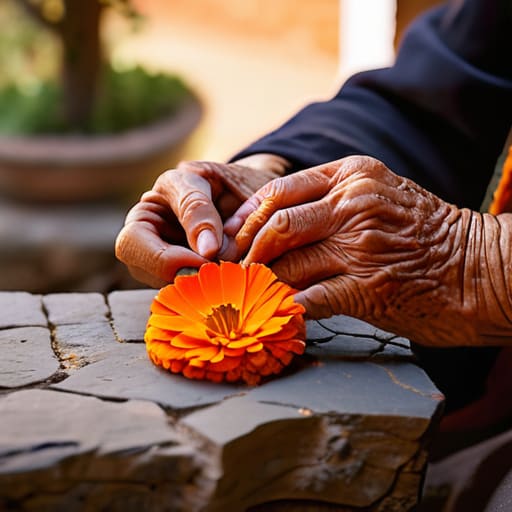
What I’ve found is that the true spirit of these celebrations isn’t always found in the massive, crowded plazas, but in the smaller, more intimate pockets of a town. There is a certain rhythm to these regional Mexican festivities that feels much more grounded than the loud, commercialized events we often see in travel brochures. I remember sitting on a low stone wall in a small village, watching the local artisans prepare offerings. It wasn’t about the spectacle; it was about the quiet devotion evident in every hand-painted candle and every carefully placed marigold.
There is a profound sense of continuity here, a way of honoring Mexican cultural heritage that doesn’t feel like a museum exhibit, but like a living, breathing thing. You see it in the way a grandmother teaches her grandson how to fold a specific type of paper, or how the community gathers for a feast that feels more like a family reunion than a public holiday. It’s in these unscripted moments—the shared laughter over a plate of steaming tamales or the way the light hits a dusty street during a procession—that you realize the real magic isn’t in the itinerary, but in the connection.
A Few Notes from My Notebook on Navigating the Festivities
- Leave your itinerary at the hotel. I’ve found that the most meaningful moments—a sudden procession or a local baker sharing a story—happen when you aren’t looking for them. Just follow the sound of the brass band or the smell of roasting corn.
- Pack your most comfortable, broken-in walking shoes. These festivals aren’t meant to be viewed from a tour bus window; they are meant to be felt through the soles of your feet as you wander the cobblestone streets.
- Keep a little extra cash in small denominations. Whether it’s a hand-carved trinket or a plate of tamales from a street vendor, the best treasures are often found in the hands of local artisans who don’t deal in cards.
- Bring a small sketchbook or a camera, but don’t let the lens become a barrier. Take your shot, then put the equipment away. The real magic is in the eye, not just the sensor.
- Embrace the heat and the crowds with a bit of patience. When the sun is high and the streets are packed, find a shaded corner, order a cold drink, and simply watch the world go by. There is no rush.
A Few Notes Before You Set Off
Don’t try to see it all at once; pick one small town or one specific celebration and let yourself linger there until you feel like a part of the scenery.
Follow your nose to the street stalls rather than the fancy restaurants, because the best memories are usually made over a paper plate of tamales and a cold drink.
Keep your eyes up and your pace slow, making sure to look past the bright decorations to find the quiet, human moments that truly make these festivals special.
The Rhythm of the Heart
“You don’t go to a Mexican festival to check things off a list; you go to let the rhythm of the drums and the scent of woodsmoke remind you that you’re actually alive.”
Bernard Oyelaran
A Final Note from the Sidewalk
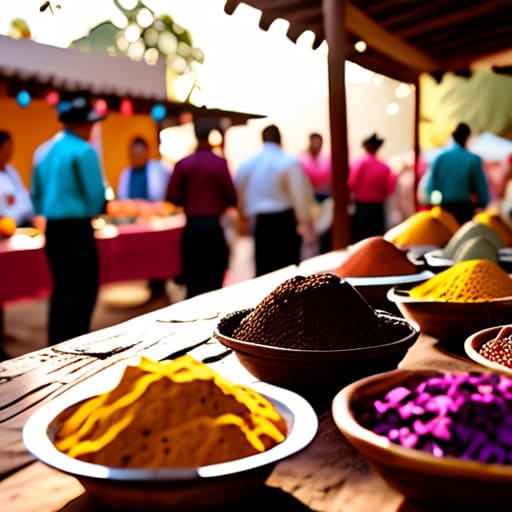
As I sit here in this small plaza, sketching the way the afternoon light hits the church bells, I realize that these festivals are so much more than just dates on a calendar. They are a tapestry woven from the rhythms of mariachi, the scent of slow-cooked moles, and the sheer, unadulterated joy of a community coming together. Whether it’s the vibrant energy of a local saint’s day or the quiet reverence of a candlelit procession, these celebrations remind us that culture is a living, breathing thing. It isn’t found in textbooks, but in the shared laughter and the communal meals that bring strangers to the same table.
If you find yourself planning a trip, my only real advice is to leave some room in your itinerary for the unexpected. Don’t try to check every parade off a list or rush from one town to the next just to say you saw them. Instead, find a quiet corner, order something you can’t pronounce, and just watch. Life has a way of revealing its most beautiful truths when we finally stop trying to outrun it. Let the music guide you, let the flavors surprise you, and most importantly, learn to savor the stillness amidst the celebration. Slow down; the world is much more interesting that way.
Frequently Asked Questions
What’s the best way to navigate the larger crowds without feeling overwhelmed or losing that sense of peace?
I’ve learned that the trick is to find your own “anchor.” When the crowds start to feel like a heavy tide, don’t fight against them; just step toward the edges. Find a quiet plaza or a small, shaded courtyard away from the main thoroughfare. Grab a seat at a corner table, open my notebook, and just watch the world move. If you focus on one small detail—the steam from a cup or the pattern of a tile—the noise tends to fade.
Are there certain festivals that are more suited for someone traveling at a slower, more observant pace?
If you’re looking to avoid the heavy crowds, I’d steer you toward the smaller, village-level patron saint festivals. They lack the frantic energy of the big city parades, but they have so much heart. You can sit on a weathered bench in a quiet plaza, sketch the local architecture in my notebook, and just watch the community unfold. It’s less about the spectacle and more about the quiet, shared rituals of everyday life.
How much should I prepare myself for in terms of the local food, and are there specific dishes I shouldn't miss during these celebrations?
Don’t go in expecting a menu; go in expecting an adventure. Most of the best food is found on paper plates under a string of lights. I’ve learned to keep a little extra cash on hand and an open mind. Look for the stalls with the longest lines—that’s usually where the magic is. You can’t leave without trying some tamales or a slow-cooked mole. Just take it slow, find a spot to sit, and savor it.
