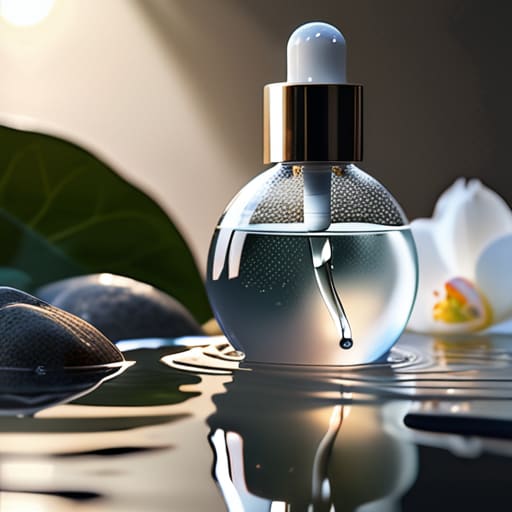
I’ll be the first to admit, when my granddaughter first started cluttering the bathroom counter with a dozen different bottles, I thought the whole thing was a bit of a scam. It seemed like a lot of fuss for something that should be simple, especially with the way the internet tries to sell you a ten-step miracle in a bottle. But after sitting down with her and actually looking at the ingredients, I realized that korean skincare isn’t about the flashy packaging or the endless layers; it’s actually about a philosophy of gentle maintenance that I can surprisingly respect. It’s less about fixing a problem and more about tending to yourself, much like how I might oil the gears of one of my old Leica cameras.
I’m not here to sell you on a lifestyle or tell you that you need a pharmacy’s worth of products to be happy. Instead, I want to share what I’ve learned by stripping away the marketing noise and looking at what actually works for a person who values substance over hype. I’ll walk you through the essentials without the jargon, focusing on a few reliable steps that fit into a quiet, meaningful morning. My goal is to help you find a routine that feels less like a chore and more like a moment of peace.
Table of Contents
The Double Cleansing Method Washing Away the Days Noise
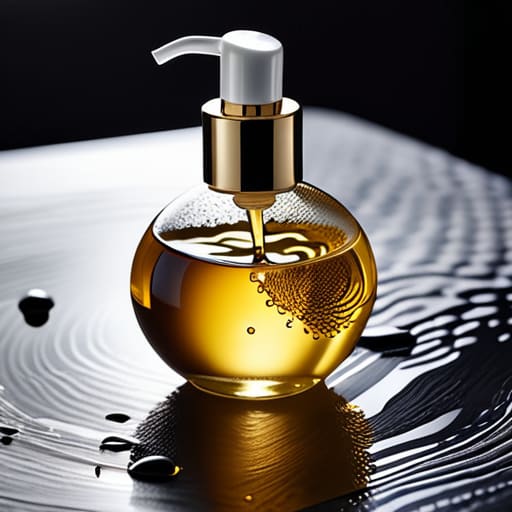
I remember how I used to approach cleaning up after a long day on a construction site—just a quick, aggressive scrub with whatever bar of soap was closest. It was efficient, I suppose, but it left my skin feeling tight and stripped, much like a landscape after a harsh winter. In my travels, I’ve learned that the double cleansing method is far more akin to the careful restoration of a vintage Leica; you don’t just rush in with force, you work in layers.
First, you use an oil-based cleanser to gently dissolve the day’s grit, sunblock, and pollutants. It feels less like a chore and more like a quiet ritual of shedding the old. Once that’s done, you follow up with a water-based cleanser to truly clean the pores. This two-step process is one of those essential glass skin routine steps that ensures you aren’t just moving dirt around, but actually clearing the way for whatever comes next. It’s a slow, methodical way to prepare your canvas, ensuring that the skin feels nourished rather than punished.
Glass Skin Routine Steps Finding Rhythm in the Reflection
Once you’ve finished that thorough first wash, the real rhythm begins. I used to think skincare was just about scrubbing away the dirt, but I’ve learned it’s more about layering intention. The core of the glass skin routine steps isn’t about heavy creams; it’s about moisture that feels light, almost like a cool mist on a humid July afternoon. I find myself reaching for a hydrating essence most mornings. There are significant hydrating essence benefits to consider here—it preps the skin, making sure everything else you apply actually has a place to settle.
As I sit by the window, sketching the light hitting the garden, I’ve grown to appreciate the patience required for these layers. You might find yourself curious about specific k-beauty product ingredients, like snail mucin, which sounds a bit odd at first glance until you feel how it smooths the skin. It’s not a race to the finish line. Instead, treat each application like a quiet ritual, letting the products sink in deeply before moving to the next. It’s about finding a steady pace that works for you.
A Few Lessons in Patience and Texture
- Don’t treat your serums like a checklist to be completed. Instead, think of them like the fine adjustments on one of my old Leica cameras—it’s about the precision and the way you layer each element to get the light just right.
- Listen to your skin’s own rhythm. Some days it needs the heavy lifting of a rich cream, and other days it just wants something light and airy. There’s no need to force a heavy routine on a day when your face feels tired.
- Hydration isn’t just about one big drink; it’s about those small, steady sips throughout the day. In skincare, that means applying your essences in thin, thoughtful layers rather than trying to drown your skin in a single heavy application.
- Give your products time to actually settle. I’ve learned from years of engineering that nothing holds if you rush the curing process. Let your moisturizer sink in properly before you reach for your sunscreen; give it a moment to breathe.
- Find joy in the sensory details. The scent of a rosewater toner or the cool glide of a gel moisturizer shouldn’t be ignored. If you turn these steps into a small, quiet ritual, they stop being chores and start being a way to check in with yourself.
Notes from the Mirror: Three Small Reminders
Don’t treat your skincare like a chore to be checked off a list; treat it like a quiet conversation with yourself at the end of a long day.
It isn’t about achieving a perfect, artificial glow, but about the steady, rhythmic care you show to your own skin through every season.
Listen to what your skin is telling you—sometimes it needs a gentle touch, and sometimes it needs a bit more patience, much like any good project worth doing right.
The Art of the Slow Reveal
I’ve learned through years of restoring old cameras that you can’t rush the process of bringing something back to life; you have to be patient with the layers. Korean skincare feels much the same way—it isn’t about a quick fix or a sudden transformation, but about the steady, quiet ritual of tending to yourself, one layer at a time, until you finally see the clarity underneath.
Bernard Oyelaran
The Beauty of the Process
As I sit here by the window, watching the light shift across my desk, I realize that Korean skincare is less about the products themselves and more about the deliberate intention behind them. We’ve talked about the necessity of a thorough double cleanse to clear away the dust of the day, and how following the steps of a glass skin routine can turn a chaotic morning into a moment of steady rhythm. It isn’t about chasing some impossible standard of perfection or buying every new bottle on the shelf. Rather, it is about understanding that consistency and patience are the true ingredients in any meaningful ritual. When you treat your skin with respect, you are essentially teaching yourself to treat your time with that same level of care.
If there is one thing my years in engineering taught me, it’s that the most enduring structures are built one careful layer at a time. Your skin is much the same. Don’t feel pressured to master it all by tomorrow; just find a pace that feels right for you. Whether it’s the cooling sensation of a serum or the quiet hum of a humidifier in the evening, try to notice the small details of how you feel. In a world that constantly demands we run faster, perhaps the greatest luxury we can afford is the permission to slow down and simply be.
Frequently Asked Questions
Is it really necessary to use so many different products, or can I keep it simple without losing the benefits?
Look, I spent thirty years looking at blueprints, and I learned that you don’t need every single bolt and bracket to build a sturdy bridge—you just need the right ones. Skincare is much the same. You don’t need a dozen bottles cluttering your counter. If you have a solid cleanser, a decent moisturizer, and sun protection, you’ve built a strong foundation. Don’t let the complexity overwhelm you; focus on the essentials and let your skin breathe.
How do I know if a specific product is actually working for my skin type instead of just being another step in a long routine?
It’s easy to get lost in the clutter of bottles and labels, isn’t it? To find the truth, you have to stop looking at the packaging and start listening to your skin. Give a new product at least three or four weeks—skin doesn’t change overnight. Look for subtle shifts: does your face feel less tight after washing, or perhaps more resilient against the wind? If it’s just adding more work without a sense of calm, it’s probably just noise.
Can someone with more sensitive skin handle these layers, or is there a way to approach this more gently?
I understand that concern completely. When you’re used to a simpler way of doing things, all these layers can feel a bit overwhelming, almost like trying to navigate a complex construction site without a blueprint. If your skin is sensitive, don’t feel you have to adopt the whole routine at once. Start small. Introduce just one new product every week, and listen to your skin. It’s a marathon, not a sprint; there’s no need to rush.
