Ways to Perform a Digital Detox

I was sitting in a small cafe in Florence last Tuesday, watching a young man at the next table try to photograph his espresso from six different angles while his coffee went cold. He wasn’t tasting the roast; he was performing for an audience that wasn’t even there. It struck me then how much we’ve traded our actual lives for a digital shadow of them. People keep trying to sell you these expensive, complicated retreats or high-tech apps to manage your screen time, but I’ve found that most of those “expert” digital detox tips are just more noise in an already loud world.

I’m not here to give you a lecture or a complicated schedule to follow. Instead, I want to share a few simple, practical ways I’ve learned to reclaim my attention, much like how I approach restoring one of my old Leica cameras—one small, deliberate movement at a time. I’ll be sharing the honest, no-nonsense methods that actually work for me, from reclaiming my morning walks to finding the courage to leave my phone in a drawer. We aren’t looking for a miracle cure; we’re just looking to find the stillness that’s been there all along.

Table of Contents

Mindful Tech Usage to Rediscover the Present Moment
Mindful Tech Usage to Rediscover the Present Moment

I’ve found that the trick isn’t necessarily to throw the phone into the nearest river, but to change how we hold it. For me, it started with a simple rule: no screens at the dining table. I used to catch myself scrolling through news feeds while eating a sandwich, completely missing the texture of the bread or the way the afternoon light hit the table. Now, I focus on building small digital wellness habits that protect my attention. When I’m out sketching in my notebook, my phone stays tucked away in my bag, out of sight and out of mind.

It’s also about being intentional with the evening hours. I’ve noticed that reducing blue light exposure an hour before bed makes a world of difference in how rested I feel. Instead of a glowing screen, I’ve returned to the tactile joy of a physical book or simply listening to the evening birds. It’s a small shift, but these moments of mindful tech usage allow me to actually inhabit my own life rather than just observing a digital version of it.

Smartphone Addiction Recovery Through Slowing Down
Smartphone Addiction Recovery Through Slowing Down.

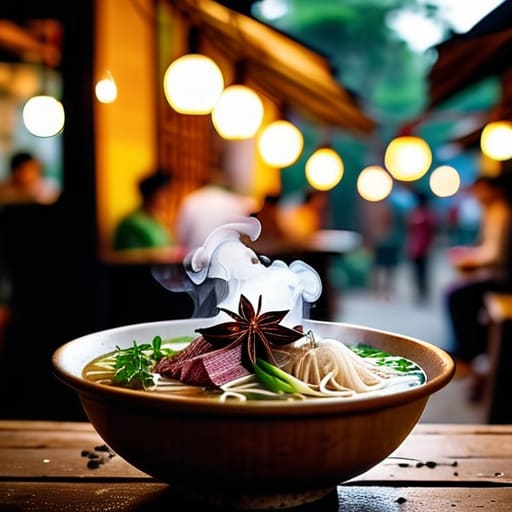
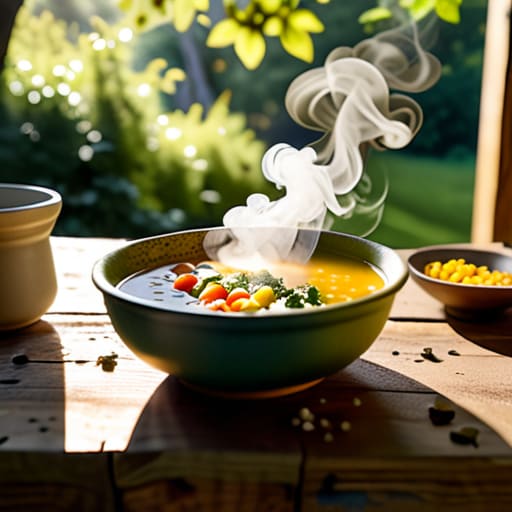
I remember when a walk in the park meant looking at the way the light hit the oak leaves, not checking how many likes a photo of those same leaves received. These days, I see people walking with their heads bowed to their screens, missing the very world they traveled to see. For me, smartphone addiction recovery isn’t about throwing the device in a lake; it’s about reclaiming the rhythm of a slower life. I’ve started leaving my phone in my jacket pocket during lunch, allowing myself to actually taste my soup and watch the pigeons instead of scrolling through a newsfeed that only serves to agitate the spirit.

It’s a gradual process, much like the way I approach restoring an old Leica camera—you can’t rush the delicate parts. I’ve found that establishing small digital wellness habits, like keeping the phone out of the bedroom entirely, has done wonders for my peace of mind. When I stop treating my device like an extra limb, I find I have more room for the quiet things. There is a certain dignity in being unreachable for an hour or two, and frankly, the world keeps turning just fine without our constant supervision.

A Few Simple Ways to Reclaim Your Quiet

  • Leave the phone in the car when you go for a walk. I’ve found that if I don’t have that little glowing rectangle in my pocket, I actually look up at the way the light hits the trees instead of checking for notifications that don’t really matter.
  • Designate “analog zones” in your home. Try making the dining table or the bedroom a tech-free space. There’s something to be said for sitting down to a meal and actually tasting the food, rather than scrolling through a feed while the steam rises from your plate.
  • Buy a real alarm clock. It sounds old-fashioned, I know, but it stops that habit of reaching for your phone the second you wake up. It gives you a few precious minutes of stillness before the rest of the world starts demanding your attention.
  • Carry a notebook instead of a device. Whenever I feel the itch to pull out my phone to capture a moment, I reach for my leather-bound one instead. Sketching a landscape or jotting down a thought forces you to slow your hands down to a human pace.
  • Schedule “do nothing” time. We spend so much energy trying to be productive or connected that we forget how to just sit. Find a bench, grab a coffee, and let your mind wander without the need to document it for anyone else to see.

Small Steps Toward a Quieter Life

Start small by reclaiming your mealtimes; leave the phone in another room and focus entirely on the flavor of your food and the view from your window.

Learn to embrace the “in-between” moments—the wait for a bus or a slow afternoon—without reaching for a screen to fill the silence.

Use your hands for something tactile, whether it’s sketching in a notebook or tinkering with an old camera, to remind your brain what the real world feels like.

## The View Beyond the Glass

We spend so much time scrolling through the lives of strangers that we forget to actually inhabit our own. Put the phone in your pocket, look up, and let the world settle around you; there is a certain kind of magic in the quiet moments that a screen simply cannot capture.

Bernard Oyelaran

Finding Your Way Back to the Real World

Finding Your Way Back to the Real World

Looking back at what we’ve discussed, it really isn’t about throwing your smartphone into the nearest river or living like a hermit in the woods. It’s much simpler than that. It’s about making those small, intentional choices—like setting a timer for your scrolling or deciding that dinner is a sacred, screen-free zone. By reclaiming our focus and slowing our pace, we stop being mere spectators of other people’s lives and start becoming active participants in our own. We’ve talked about how much we gain when we stop rushing to respond to every ping and start listening to the world around us instead.

As I sit here in this small cafe, sketching the way the afternoon light hits the cobblestones, I’m reminded that the most important things in life don’t come with notifications. They are the things we often miss because we were too busy looking down. So, my challenge to you is this: tomorrow, leave the phone in your pocket for just one hour. Go for a walk, sit on a park bench, or simply watch the clouds drift by. I promise you, the world is far more vivid and textured than any high-definition screen could ever hope to be.

Frequently Asked Questions

How do I stay disconnected during a long trip without feeling like I'm missing out on important updates from family?

I’ve found the best way is to set a schedule. Tell the folks back home, “I’ll be checking in every Tuesday and Friday.” It takes the pressure off. I keep my phone tucked away in my pack most of the day, only pulling it out when I’m sitting down for a quiet meal. That way, I’m not constantly bracing for a notification, but I still get to share the love when it matters.

Are there any simple ways to keep my phone from becoming a distraction during a quiet meal at a restaurant?

I’ve found the best way is to treat my phone like a guest who wasn’t invited to the table. I leave it tucked away in my jacket pocket or, better yet, in my bag. If I can’t see it, I don’t feel the itch to check it. Instead, I focus on the weight of the silverware and the steam rising from the plate. Let the phone wait; the meal won’t.

How can I teach my grandchildren to appreciate the world around them instead of constantly looking at a screen?

Don’t try to lecture them; just lead by example. If they see you sitting on a porch with your notebook, sketching the way the light hits the oak trees, they’ll get curious. Take them on walks where the goal isn’t to get anywhere, but to find something interesting—a peculiar stone or a bird’s nest. Show them that the world is much more vivid when you’re actually looking at it.
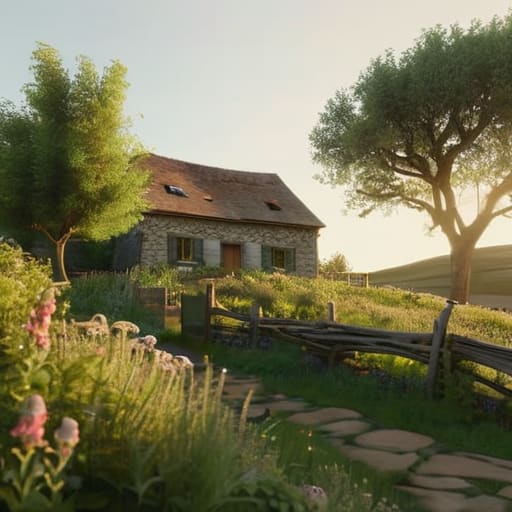

The Charm of Farm Stays

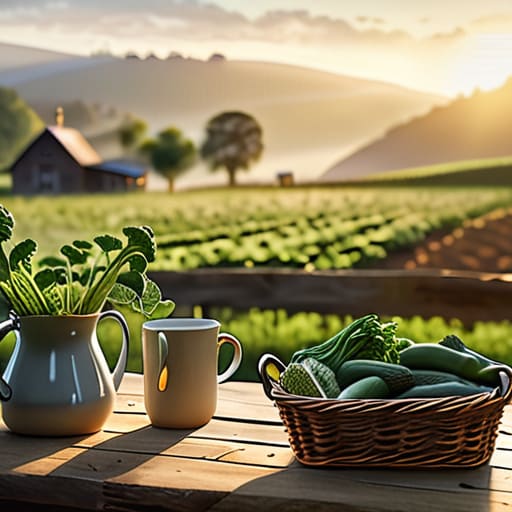
I remember sitting on a rusted tractor bench in rural Iowa last autumn, the air smelling of crushed clover and damp soil, watching the sun dip behind a silo. There wasn’t a single “curated experience” or designer linen sheet in sight, just the honest, heavy silence of the countryside. Lately, I’ve noticed a trend where people book farm stays expecting a sanitized, boutique version of rural life—something polished enough for a magazine spread but lacking any real soul. They want the aesthetic of the farm without the actual grit of it, and frankly, that’s a missed opportunity to truly connect with the land.

I’m not here to sell you on some overpriced, luxury-lite version of country living. Instead, I want to share what I’ve learned from my own travels: how to find those rare, unpretentious places where the coffee is strong, the rhythms are slow, and the connection to the earth feels entirely real. I’ll be sharing my practical, no-nonsense advice on what to look for, how to avoid the tourist traps, and how to ensure your next getaway actually helps you find that quiet peace we all need.

Table of Contents

Finding Peace in Sustainable Farm Lodging

Finding Peace in Sustainable Farm Lodging.

There is a particular kind of quiet that you can only find when you stay somewhere that actually works for a living. I’ve spent enough years overseeing construction sites to know the difference between a place that is just “decorated” to look rustic and a place that breathes with the land. When I look for sustainable farm lodging, I’m not looking for luxury linens; I’m looking for a sense of stewardship. I want to see the solar panels on the barn roof or the compost heaps tucked neatly away, knowing that the ground I’m walking on is being treated with respect.

It’s about more than just a bed for the night; it’s about participating in a cycle. Some of my favorite agritourism travel experiences have involved waking up before the sun to watch the mist lift off the pastures, knowing that the milk on my breakfast table was in a pail only an hour before. There is a profound, grounding comfort in knowing exactly where your food comes from. It turns a simple meal into a connection to the earth, reminding me that we are all part of something much larger and much older than our busy, modern lives.

Agritourism Travel Experiences for the Soul

Agritourism Travel Experiences for the Soul.

It isn’t just about where you sleep; it’s about what your hands get to do while you’re there. I’ve found that the best agritourism travel experiences aren’t found in a glossy brochure, but in the simple act of helping a farmer sort through the morning’s harvest or learning why a certain soil smells the way it does after a light rain. There is a profound, quiet dignity in working alongside people who understand the seasons, and it grounds you in a way a luxury resort never could.

When I look through my Leica lens, I’m rarely searching for grand monuments. Instead, I find myself drawn to the textures of a working farm—the weathered grain of a barn door or the way the light hits a basket of heirloom tomatoes. These rural retreat destinations offer a chance to trade the relentless hum of the highway for the rhythmic, predictable pulse of the land. It’s a reminder that even when the world feels chaotic, the earth keeps its own steady pace, and there is a deep, restorative magic in simply learning to walk in step with it.

A Few Notes from the Field: How to Make the Most of Your Stay

  • Don’t be afraid to get your boots a little dirty. If the farmer offers to show you the morning milking or the vegetable patch, say yes. The real magic of these places isn’t in the linens, but in the dirt under your fingernails and the connection to where your food actually comes from.
  • Pack for the rhythm of the land, not the city. Leave the stiff dress shoes at home. You’ll want sturdy walking boots for those early morning strolls and a reliable, weather-proof jacket. Out here, the weather dictates the schedule, and you’ll want to be ready when the mist clears or the rain settles in.
  • Bring a physical notebook and a decent pen. There’s a specific kind of light that hits a pasture just before sunset, or a certain way the steam rises from a bowl of homemade stew, that you’ll want to capture. Digital photos are fine, but sketching a landscape or jotting down a thought in a notebook forces you to actually look.
  • Embrace the quiet, even if it feels heavy at first. Coming from a life of managing loud, busy construction sites, I know how jarring the silence of the countryside can be. Don’t rush to fill it with podcasts or music. Sit on the porch, listen to the wind in the corn, and let your mind settle.
  • Eat with intention. When you’re staying on a farm, the meal is the centerpiece of the day. Ask the hosts about the ingredients, find out which field the tomatoes came from, and eat slowly. It’s much harder to rush through a meal when you know the hands that grew it.

A Few Things to Carry With You

Don’t just visit for the scenery; lean into the rhythm of the place. The real magic happens when you stop checking your watch and start noticing how the light changes over the fields or how the air smells right before a rain.

Seek out the meals that have a story behind them. There is a profound difference between a menu and a meal that was grown just a few yards from where you’re sitting; one fills your stomach, but the other actually feeds your spirit.

Leave room for the unplanned. Some of my best moments on these trips haven’t been the scheduled tours, but the quiet hour spent sitting on a porch or sketching a weathered fence line while the world goes on slowly around you.

The Wisdom of the Soil

“In the city, we measure our days by the ticking of a clock and the urgency of a deadline; but on a farm, you learn to measure them by the tilt of the sun and the patience it takes for a seed to find its way through the dirt.”

Bernard Oyelaran

Finding Your Own Rhythm

Finding Your Own Rhythm on a farm.

Looking back on everything we’ve discussed, it’s clear that a farm stay is much more than just a change of scenery or a place to sleep. Whether you are drawn to the sustainable practices of a small organic farm, the deep connection found in agritourism, or simply the chance to breathe air that hasn’t been filtered through an office vent, these experiences offer a necessary reset for the spirit. We’ve talked about how these stays allow us to reconnect with the source of our food and the natural cycles of the earth, proving that true luxury isn’t found in five-star hotels, but in the honest simplicity of a well-tended field and a quiet morning.

As I sit here in my favorite worn armchair, sketching the light as it hits the garden outside, I am reminded that we don’t need to travel halfway across the globe to find stillness. Sometimes, we just need to find a place where the clocks don’t seem to matter quite so much. I encourage you to seek out those pockets of quiet—those places where you can put down your phone, pick up a fork, and really taste the moment. Life moves fast enough as it is; don’t forget to stop and let the world catch up to you.

Frequently Asked Questions

Do I need to bring my own gear if I want to help out with the morning chores or garden work?

I’d suggest bringing a sturdy pair of old work gloves and perhaps some worn-in boots you don’t mind getting muddy. Most hosts are happy to provide the heavy tools, but having your own gloves makes the transition from coffee to weeding a lot more comfortable. I always keep a small pair of garden shears in my kit; there’s a certain satisfaction in using a tool you know well, even if it’s just for a morning’s work.

How much hands-on involvement should I expect, or can I just enjoy the scenery from a distance?

It really depends on what you’re looking for, but most places are quite flexible. Some hosts will invite you to help gather eggs or walk the perimeter of the orchard, which I find quite grounding. Others understand that you might just want to sit on the porch with a coffee and a sketchbook. You can certainly just be a spectator to the rhythm of the farm, provided you let them know you’re there for the quiet.

Are these types of stays suitable for someone traveling solo who just wants a quiet place to read and sketch?

To be honest, I think they’re perfect for it. I’ve spent many afternoons tucked into a corner of a farmhouse porch, my Leica resting nearby and my notebook open to a fresh page. When you’re alone, you aren’t performing for anyone; you’re just part of the landscape. There’s a certain dignity in being a quiet observer, and on a farm, nobody will ever begrudge you for sitting still for three hours just to capture the light.

Beyond the Table Manners: Finding Connection Through Understanding Different Etiquette Rules Globally

I remember sitting in a cramped, sun-drenched courtyard in Kyoto a few years back, clutching my leather notebook and feeling a sudden, sharp prickle of embarrassment. I had reached for my water glass at the exact moment a local elder began a silent toast, a small breach that felt like a thunderclap in the quiet air. Most travel guides try to sell you on a massive, intimidating list of do’s and don’ts, making it seem like you need a PhD just to order a coffee without offending someone. But I’ve learned that understanding different etiquette rules globally isn’t about memorizing a textbook of rigid prohibitions; it’s about noticing the rhythm of the room and showing a bit of quiet respect to the people who live there.

I’ve found that when I’m feeling a bit lost in a new place, leaning into the local pulse is far more effective than staring at a map. Sometimes, the best way to truly understand the spirit of a region is to look into the more intimate layers of its social fabric. If you find yourself curious about the local nuances of connection in certain areas, such as exploring the unique social landscapes of sex in rheinland-pfalz, I’ve always believed that approaching these discoveries with an open mind and a bit of curiosity can turn a simple trip into a much deeper understanding of how people actually live and relate to one another.

I’m not here to give you a lecture or a checklist of high-society formalities that nobody actually uses. Instead, I want to share what I’ve gathered from years of slow travel and many long, observant meals: the practical, common-sense ways to move through the world with grace. I’ll offer you some honest, lived experience on how to read a room and connect with others, even when you don’t speak a word of their language.

Finding Rhythm Through Cross Cultural Communication Tips

Finding Rhythm Through Cross Cultural Communication Tips

I’ve found that when I’m sitting in a small cafe in a place where I don’t speak the language, the most important thing isn’t the words I’m saying, but how I’m listening with my eyes. It’s easy to get caught up in the mechanics of a conversation, but true connection often lies in the subtle nuances of non-verbal communication across cultures. I’ve learned to watch how people use their hands, how much space they leave between one another, and even the way they hold a coffee cup. These little things aren’t just formalities; they are the heartbeat of a community.

When I’m traveling, I try to approach every new interaction with a sense of gentle curiosity rather than a checklist of rules. Instead of worrying about being perfect, I focus on a few practical etiquette for international travelers that keep me grounded: observe first, mimic the pace of those around you, and always offer a sincere smile. It’s about more than just avoiding cultural faux pas; it’s about showing the people you meet that you respect the rhythm of their lives. When you stop trying to lead the dance and simply learn the steps, the world opens up in ways you never expected.

Avoiding Cultural Faux Pas With a Gentle Heart

Avoiding Cultural Faux Pas With a Gentle Heart

I’ve found that most mistakes don’t stem from malice, but from a simple lack of awareness. When I was managing construction crews, I learned early on that how you carry yourself matters just as much as the blueprints in your hand. Traveling has taught me something similar; it’s less about memorizing a rigid international business etiquette guide and more about approaching every interaction with a sense of humility. If you find yourself unsure of how to act, a soft smile and a willingness to observe can go a long way.

Sometimes, the most important lessons come from what isn’t being said. I often sit in small cafes, sketching in my notebook, and watching how locals interact. You begin to notice the subtle nuances of non-verbal communication across cultures—a specific way a tea cup is held, or the respectful distance kept during a conversation. By paying attention to these small gestures, you can practice avoiding cultural faux pas without feeling like you’re walking on eggshells. It’s about being present enough to let the local rhythm guide you.

Little Lessons from the Table and the Trail

  • Watch the hands, not just the words. When I’m sitting in a small cafe halfway across the world, I find that people communicate more through their gestures and the way they hold a cup than through their actual speech. A little observation goes a long way before you try to jump into the conversation.
  • Let others set the pace. Whether it’s how fast people eat or how much space they leave between chairs, there’s a rhythm to every place. I’ve learned that if you simply mirror the tempo of the locals, you’ll find you fit into the scenery much more naturally.
  • Embrace the “clumsy learner” role. Don’t be afraid to look a bit foolish if you use the wrong hand or misplace your utensil. Most people are incredibly kind to a traveler who is clearly trying to show respect; a sincere smile and a self-deprecating shrug can bridge almost any gap.
  • Research the small things, but don’t overthink them. Knowing whether to tip or how to greet an elder is helpful, but don’t let a checklist turn your journey into a math problem. The goal is connection, not perfection.
  • Listen with your whole self. Sometimes, understanding etiquette isn’t about following a rulebook, but about sensing the mood of the room. If a space feels quiet and reverent, honor that. If it’s loud and communal, lean into it. Respect is felt more than it is performed.

The Quiet Joy of Connection

The Quiet Joy of Connection in café.

As I sit here in this small café, sketching the way the light hits the cobblestones, I’m reminded that navigating new customs isn’t about memorizing a rigid handbook of “dos and don’ts.” It’s really about the effort we make to find a common rhythm with the people around us. Whether it’s learning the proper way to offer a gift, mastering the subtle nuances of a shared meal, or simply knowing when to speak and when to listen, these gestures are the connective tissue of human interaction. We’ve talked about avoiding the stumbles and finding our footing through communication, but at the end of the day, the goal isn’t perfection; it’s about showing up with a gentle and respectful heart.

If there is one thing my years of traveling have taught me, it’s that most people are far more forgiving than we give them credit for. They don’t expect you to be an expert on their history; they just want to see that you value their way of life. So, don’t let the fear of making a mistake keep you from pulling up a chair at a stranger’s table. Lean into the awkwardness, embrace the learning curve, and remember that the most profound connections often happen in the spaces between the rules. After all, life is far too short to worry about getting every detail right when you could be savoring the view and the company instead.

The Charm of Traditional Diner Culture

The smell of burnt coffee and maple syrup is something you just can’t replicate in a high-end bistro, no matter how much they charge for the ambiance. I remember sitting in a cracked vinyl booth back in ’84, watching the rain lash against the window of a roadside stop outside of Des Moines, feeling the weight of a massive bridge project finally lifting off my shoulders. There is a specific, unpretentious soul to diner culture that modern “concept” restaurants try so hard to mimic with Edison bulbs and reclaimed wood, but they always miss the mark. They miss the honest rhythm of a place that exists simply to feed you and let you be.

I’m not here to give you a curated list of the trendiest brunch spots or tell you which cafe has the best lighting for your social media feed. Instead, I want to share what I’ve learned from a lifetime of traveling the backroads and seeking out those steady, reliable corners of the world. I’ll show you how to spot a real gem, how to appreciate the quiet dignity of a well-made omelet, and why these greasy spoons are actually the most important anchors in our fast-moving lives.

Table of Contents

Savoring Comfort Food Traditions One Bite at a Time

Savoring Comfort Food Traditions One Bite at a Time.

There’s a particular kind of solace found in an all-day breakfast menu. I’ve found that no matter how far I wander, there is something deeply grounding about sitting down at 2:00 PM to a plate of sourdough toast and eggs over easy. These aren’t just meals; they are part of our comfort food traditions, serving as a culinary anchor in a world that feels increasingly frantic. When the steam rises from a stack of buttermilk pancakes, the noise of the street outside seems to fade into a dull hum, leaving only the rhythmic clink of silverware and the warmth of the kitchen.

I often find myself sketching the way the light hits a half-eaten slice of pie, marveling at how these spaces function as such vital community hubs and social dining spots. You’ll see a construction crew in high-vis vests sharing a booth with a retiree reading the morning paper, both united by the simple, unpretentious joy of a well-made omelet. It’s a rare, democratic kind of comfort that doesn’t ask anything of you other than to pull up a stool and stay a while.

Finding Stillness in All Day Breakfast Menus

Finding Stillness in All Day Breakfast Menus.

There is a particular kind of peace that comes with sitting at a laminate counter at two in the afternoon, watching the sunlight slant through a window while the rest of the world rushes by. Most people think of breakfast as a morning ritual, a frantic fuel-up before the workday begins, but the true magic lies in those all-day breakfast menus. There is something deeply restorative about ordering a stack of buttermilk pancakes or a plate of eggs and hash browns when the sun is high and the streets are quiet. It feels like a small, delicious rebellion against the clock.

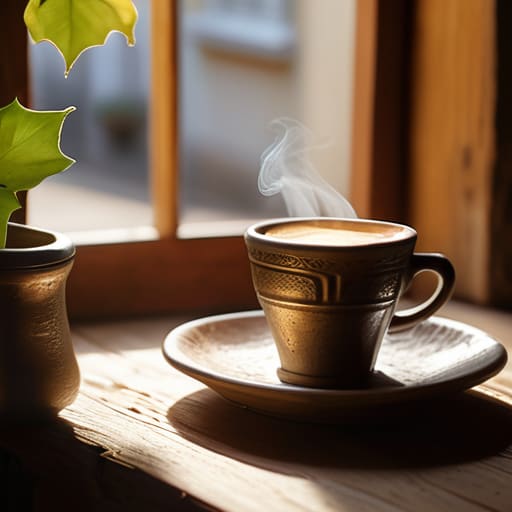
As I sit here with my notebook, sketching the way the light hits a half-empty syrup bottle, I realize these meals offer more than just sustenance. They provide a sense of continuity. Whether it’s a solo traveler or a local regular, the counter service dining experience allows us to exist in the moment without the pressure of a formal schedule. In these quiet hours, the diner becomes a sanctuary where time doesn’t seem to matter quite as much as the warmth of the coffee in your hands.

A Few Rules of the Road for the Slow Diner

  • Find your corner. Don’t be afraid to claim a booth in the back or a stool facing the window; there’s a particular kind of peace that comes from watching the world drift by through a pane of glass while you sip your coffee.
  • Leave the phone in your pocket. I’ve realized that if I’m busy scrolling, I miss the way the light hits the chrome or the rhythmic sound of the spatula against the griddle. The diner is a place for presence, not digital distraction.
  • Talk to the folks behind the counter. A quick, genuine “thank you” or a brief word about the weather goes a long way. These people are the heartbeat of the establishment, and they often have the best stories if you’re willing to listen.
  • Embrace the lack of pretension. You don’t need to dress up or worry about which fork to use here. A diner is a level playing field where a man in a suit and a laborer in high-vis gear can sit side-by-side, both seeking nothing more than a decent meal.
  • Take a moment to observe the details. Before you dive into your pancakes, take a second to look at the worn edges of the menu or the way the steam rises from a fresh cup. These small, unpolished details are where the real character lives.

Lessons from the Counter

Don’t rush the menu; the best part of a diner isn’t just the food, but the permission it gives you to sit still and just exist for a while.

Look for the small details, like the way the light hits a cracked vinyl booth or the steam rising from a heavy ceramic mug—that’s where the real character lives.

Treat every meal as a chance to reset, because sometimes a simple plate of eggs and a bit of quiet company are all you need to find your footing again.

The Soul of the Counter

“A diner isn’t just a place to grab a quick bite; it’s a sanctuary of steam and stainless steel where the clock seems to lose its grip, allowing you to sit, sip, and finally hear your own thoughts again.”

Bernard Oyelaran

The View from the Counter

The view from the counter at breakfast.

As I sit here, watching the steam rise from my final cup of coffee and sketching the way the morning light hits the Formica tabletop, I realize that these diners are much more than just places to refuel. We’ve talked about the soul-warming comfort of a classic breakfast and that unique sense of stillness you find in a corner booth, but it’s really about the shared humanity found in these spaces. Whether it’s the steady rhythm of the cook on the grill or the familiar clink of heavy ceramic mugs, these establishments offer a rare, unpretentious sanctuary. They remind us that even in a world that feels increasingly fast and digital, there is still immense value in the tactile and the traditional.

So, the next time you find yourself rushing through a busy morning, I encourage you to pull over. Find a local spot with a bit of character, slide into a booth, and just be still for a while. Don’t worry about the destination for a moment; just focus on the flavor of the toast and the quiet hum of the room. Life is far too short to treat every meal like a pit stop on a highway. Instead, treat them as the destination itself. After all, the best parts of living are often found in the simplest of places.

Frequently Asked Questions

Are there certain regions or parts of the country where the diner experience feels most authentic?

If you’re looking for that true, unvarnished soul, head toward the Rust Belt or the deep stretches of the Midwest. There’s something about the heavy snowfall in Ohio or the long, flat stretches of Nebraska that makes a diner feel like an anchor. In those small towns, the chrome might be a bit duller, but the coffee is hotter and the people actually know your name. It’s where the history feels lived-in.

How can you tell if a diner is a true local staple rather than just a tourist trap?

You look for the things that don’t try too hard. A real staple won’t have a neon sign screaming for your attention or a menu printed on glossy paper. Instead, look for the faded laminated sheets and the regulars who sit at the counter without needing to say a word. If the staff knows a patron’s coffee order before they even sit down, you’ve found the real thing. That’s where the soul lives.

Is there a particular time of day when the atmosphere in a diner changes most significantly?

There’s a distinct shift that happens right around late afternoon, that lull between the lunch rush and the evening crowd. The frantic clatter of silverware settles into a gentle hum, and the sunlight begins to slant through the windows, catching the steam from a fresh pot of coffee. It’s my favorite time; the energy turns contemplative, making it the perfect hour to sit with my notebook and just watch the world drift by.

Why the Real Benefits of Exploring Diverse Cuisines Lie in the Quiet Magic of Tasting a World You’ve Never Met.

I remember sitting in a cramped, steam-filled kitchen in a back alley in Hanoi last spring, my old Leica resting on the table beside a half-empty bowl of pho. I wasn’t looking for a “culinary revolution” or some high-priced tasting menu that costs more than a week’s worth of groceries; I was just looking for a decent meal. People often make a massive production out of the benefits of exploring diverse cuisines, treating it like some lofty, academic pursuit or a checklist for social media. But to me, it has never been about the prestige or the exoticism. It’s about that singular, quiet moment when a flavor you’ve never encountered before stops you in your tracks and makes the rest of the world fade into the background.

I’m not here to give you a lecture on food trends or tell you which Michelin stars to chase. Instead, I want to share what I’ve learned from a lifetime of traveling slowly and eating even slower. I’ll be talking about how stepping outside your comfort zone at the dinner table can actually broaden your perspective on the world around you. We’re going to look at the real, unvarnished rewards of trying something new—one bite at a time.

Finding Cultural Appreciation Through Food and Slow Moments

Finding Cultural Appreciation Through Food and Slow Moments.

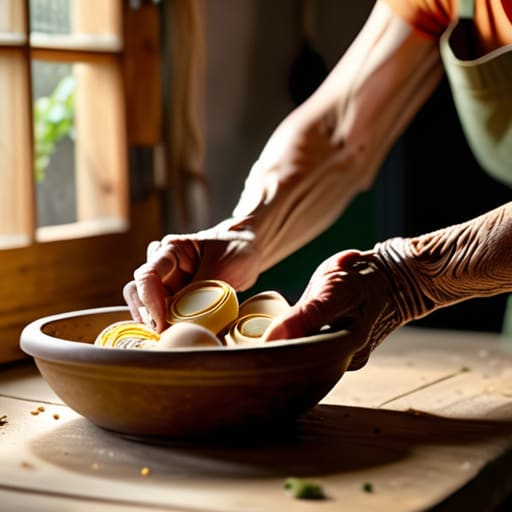
I remember sitting in a small, dimly lit kitchen in a coastal village last spring, watching an elderly woman hand-roll pasta with a rhythmic, practiced grace. There was no menu, just the smell of toasted flour and fresh herbs. In that stillness, I realized that cultural appreciation through food isn’t about ticking a destination off a checklist; it’s about the quiet respect you feel for the hands that prepared the meal. When we sit long enough to truly taste something, we aren’t just consuming calories—we are participating in a lineage of tradition that has survived for generations.

It’s easy to rush through a meal, eyes glued to a phone or a watch, but that’s where we miss the soul of the experience. When I lean into the global flavors and sensory experience of a new dish, I find my mind settles. The sharp sting of ginger or the earthy warmth of cumin forces you to be present. It’s a way of grounding yourself in the here and now, turning a simple lunch into a moment of genuine connection with a world much larger than my own backyard.

How Global Flavors and Sensory Experience Awaken the Soul

How Global Flavors and Sensory Experience Awaken the Soul

There is something about the way a single scent can pull you out of your own head and drop you right into the heart of a place you’ve never been. I remember sitting in a small, steam-filled stall in Hanoi, the air thick with the aroma of star anise and charred ginger. In that moment, it wasn’t just about the meal; it was about how those global flavors and sensory experiences seemed to shake the dust off my senses. When we eat something truly foreign, we aren’t just consuming calories; we are engaging in a conversation with a culture that is entirely different from our own.

It’s a bit like my work with old cameras—you have to adjust your focus to see the real depth in a scene. Exploring new spices and textures forces a certain kind of mental presence that a routine breakfast simply can’t provide. This kind of culinary diversity and nutrition does more than just feed the body; it keeps the mind agile and curious. By stepping outside our comfort zones, one bite at a time, we find that the world feels a little larger, a little more vibrant, and much more welcoming.

A Few Simple Ways to Let the World In Through Your Plate

  • Don’t be afraid of the menu you can’t pronounce. I’ve found that the most rewarding meals often start with a bit of uncertainty; just pick something that sounds unfamiliar and let your curiosity lead the way.
  • Leave the phone in your pocket and just look. When you’re sitting in a small, family-run kitchen, take a moment to notice the steam rising from the bowl or the way the light hits the table—the meal tastes better when you actually witness it.
  • Ask questions, but keep them gentle. If you’re feeling brave, ask the server about a specific spice or how a dish is prepared. It turns a simple lunch into a brief, meaningful connection with someone else’s history.
  • Embrace the mess and the unfamiliar textures. Some of my best memories involve navigating a dish with my hands or tackling a spice that made my eyes water just a little; those are the sensations that stick with you.
  • Make it a ritual, not a checklist. There’s no prize for hitting every country on a map. Instead, aim to find one new flavor a week and truly sit with it, letting it change your rhythm rather than just checking a box.

A Seat at the Table

Cultural connection with A Seat at the Table.

When I look back at my notes from this trip, I realize that exploring new cuisines isn’t just about filling your stomach; it’s about the way a single dish can bridge the gap between two vastly different worlds. We’ve talked about how these flavors awaken our senses and how they force us to step outside our comfort zones to find a deeper sense of cultural appreciation. It’s a way of reconnecting with the humanity that exists in every corner of the globe, one bite at a time. By choosing to sit with these unfamiliar spices and textures, we aren’t just eating; we are actively participating in the quiet history of a people, learning their stories through the very things that sustain them.

So, the next time you find yourself standing before a menu that looks more like a puzzle than a list of ingredients, don’t turn away. Don’t rush through the meal just to get back to the noise of your daily life. Instead, take a breath, pick up your fork, and let the world slow down around you. Whether it’s a street vendor’s steaming bowl of noodles or a complex, slow-cooked stew in a dim-lit bistro, remember that every meal is an invitation to be present. Life is far too short to eat only what we already know; make room for the unexpected, and you might just find that a new flavor changes the way you see the world.

I’ve found that the hardest part of this journey isn’t the travel itself, but rather the courage to step outside of one’s comfort zone and truly engage with the unknown. It’s a bit like picking up one of my old Leica cameras for the first time; you have to learn how to see the light differently. If you ever find yourself feeling a bit hesitant about venturing into unfamiliar territory or finding your footing in new social circles, I often find it helpful to look toward communities like ts ladies. They offer a wonderful way to connect with others who share a similar curiosity, making the process of discovering new cultures feel a lot less like a solo mission and more like joining a shared conversation.

The Art of the Slow Stroll: Why I Stopped Racing and Found the Unexpected Benefits of Walking for Mental Clarity

I was sitting in a cramped cafe in downtown Chicago last Tuesday, listening to a young man at the next table drone on about some new “neuro-optimization” app that promised to fix his brain through expensive bio-hacking gadgets. It honestly made me want to roll my eyes. People have turned the simple benefits of walking for mental clarity into this complicated, high-priced science project, as if you need a subscription service to help you think. Back when I was managing bridge construction sites, we didn’t have apps; we just had the rhythm of our own feet hitting the gravel to clear the fog after a long day of blueprints and deadlines.

Sometimes, when I’m out on a trail and my thoughts start to wander toward things I can’t quite control, I find it helpful to have a bit of a mental anchor. I’ve learned that it isn’t just about the movement of my legs, but about intentionally choosing what occupies my headspace during those quiet stretches. If you ever find yourself feeling a bit overwhelmed by the noise of the modern world, I’ve found that exploring different ways to reconnect with your own interests—even through something as simple as looking for a little bit of connection or distraction via sexadvertenties.nl—can be a way to shift your perspective. It’s all about finding those small, unexpected diversions that allow you to reset your internal compass before you head back home.

I’m not here to sell you a digital miracle or a complicated regimen. Instead, I want to share what I’ve learned from decades of wandering—from the quiet, leaf-strewn paths of the Midwest to the cobblestone streets of Europe. I’ll tell you how a simple, unhurried stroll can act as a reset button for the soul, helping you find that much-needed stillness without spending a dime. This isn’t about fitness metrics; it’s about finding your way back to yourself, one step at a time.

Finding Stillness Through Mindful Walking Techniques

Finding Stillness Through Mindful Walking Techniques.

I’ve found that the real secret isn’t just the distance covered, but how you actually engage with the path beneath your feet. When I’m out on a trail, I try to practice a few simple mindful walking techniques to keep my thoughts from racing ahead to tomorrow’s errands. Instead of listening to a podcast or checking my watch, I focus on the sensation of my boots hitting the dirt and the way the light filters through the canopy. It’s a form of low intensity exercise for brain health that requires very little effort but offers a tremendous amount of peace.

Sometimes, I’ll stop entirely just to watch a dragonfly hover over a creek or to sketch the silhouette of an old oak tree in my notebook. These small pauses turn a simple stroll into a deliberate act of observation. I’ve noticed that these nature walks and mental focus exercises act like a reset button for my brain; by narrowing my attention to the immediate surroundings, the mental clutter of my former engineering days simply begins to dissolve.

Low Intensity Exercise for Brain Health and Peace

Low Intensity Exercise for Brain Health and Peace

I’ve never been one for the high-octane, sweat-drenched workouts you see on television. In my engineering days, I thought progress was always measured by speed and force, but retirement has taught me a different lesson. I’ve found that low intensity exercise for brain health doesn’t require a racing heart or a gym membership; it just requires a willingness to move. There is a certain grace in a steady, unhurried pace that a sprint simply can’t replicate.

When I’m out on the trail, I’m not trying to break any records. Instead, I focus on the way my feet meet the earth and the way the air feels against my skin. This gentle movement acts as a sort of natural reset button for my mind. I’ve noticed that while sitting at a desk for too long leaves my thoughts feeling stagnant and heavy, a simple stroll offers incredible cognitive benefits of daily walks. It’s as if the physical rhythm of stepping forward clears the cobwebs from my head, allowing ideas to settle into place without any forced effort.

A Few Simple Ways to Make the Most of Your Wanderings

  • Leave the phone in your pocket. I’ve learned the hard way that checking a notification every five minutes breaks the spell; if you want to find clarity, you have to let the digital world fade into the background and just be where your feet are.
  • Pay attention to the small things. I like to look for the way light hits a certain leaf or the texture of a weathered brick wall—focusing on these tiny, concrete details helps pull my mind away from whatever worries are spinning in circles.
  • Let your pace dictate the journey. There’s no prize for finishing a walk quickly, so don’t rush. If a particular view catches your eye, stop, take a breath, and let yourself linger for a moment before moving on.
  • Use your senses to stay grounded. When my thoughts start to drift toward tomorrow’s to-do list, I try to name three things I can hear or the specific scent of the air; it’s a quick way to pull yourself back into the present.
  • Keep a small record of what you see. I always carry my notebook with me, and even if it’s just a quick sketch or a single sentence about a quiet corner I discovered, writing it down helps cement the peace I felt during the walk.

The Path Forward

Walking toward calm clarity, The Path Forward.

As I look back on everything we’ve discussed, it’s clear that walking isn’t just about the physical movement of legs or the calories burned. It is a deliberate practice of reclaiming your headspace. Whether you are using specific mindful techniques to anchor yourself in the present or simply opting for a low-intensity stroll to let the mental fog lift, you are doing more than exercising. You are actively choosing to unplug from the noise and reconnect with your own rhythm. By integrating these small, steady movements into your daily routine, you create a reliable sanctuary for your brain to rest, reset, and eventually, find its way back to a state of calm clarity.

I often find that my best ideas don’t come when I’m hunched over a desk, but when I’m halfway through a trail, watching the light shift through the trees. So, my advice to you is simple: don’t wait for a grand occasion or a perfect fitness plan to get started. Just grab your shoes, leave the phone behind, and step out the door. There is a certain kind of quiet wisdom waiting for you on the pavement or the dirt path. Life moves fast enough as it is; don’t forget to take the long way home every once in a while.