Category: Travel

  • Planning Your First Hiking Adventure

    Planning Your First Hiking Adventure

    I was sitting on a damp granite ledge in the Upper Peninsula last Tuesday, nursing a lukewarm thermos of coffee and watching the mist roll off the pines, when I realized how much we’ve gotten wrong about the great outdoors. Most people treat hiking adventures like they’re training for a military expedition—obsessing over carbon-fiber trekking poles, GPS devices that cost more than my first car, and high-tech moisture-wicking gear that promises to defy the laws of nature. It’s all a bit much, isn’t it? We’ve turned a simple walk in the woods into a competitive sport where the goal is to conquer a summit rather than actually being present in the forest.

    I’m not here to sell you on the latest ultralight gear or tell you that you need to summit a peak every weekend to find yourself. Instead, I want to share what I’ve learned from years of wandering through the Midwest and beyond: that the real magic happens in the quiet intervals between the miles. I’ll be sharing some honest, practical thoughts on how to plan your own excursions, focusing on finding the right pace, the best views, and the kind of simple nourishment that keeps your spirit as steady as your footing.

    Table of Contents

    Finding Peace Through the Mental Health Benefits of Hiking

    Finding Peace Through the Mental Health Benefits of Hiking

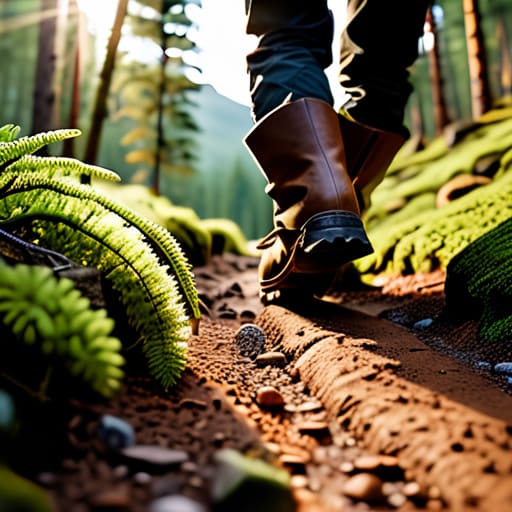
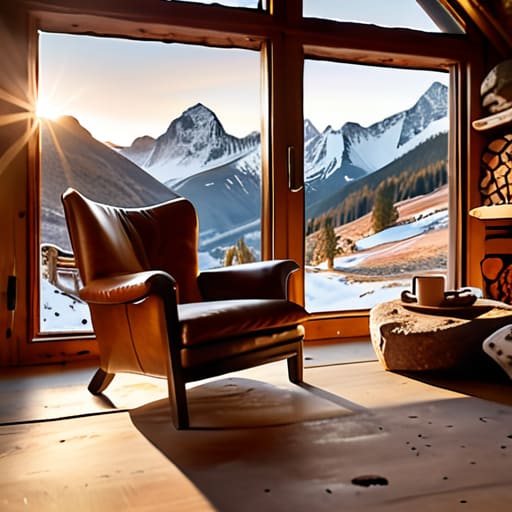
    There is a particular kind of silence you can only find when the pavement ends and the canopy takes over. Back when I was managing construction sites, my mind was always a cluttered blueprint of deadlines and structural tolerances. Now, when I lace up my boots, I find that the noise simply… fades. It isn’t just about the exercise; the real mental health benefits of hiking lie in that rhythmic, steady movement that forces you to exist only in the present. You aren’t worrying about next quarter’s budget when you’re focused on the crunch of dried leaves underfoot or the way the light filters through the oaks.

    I’ve learned that you don’t need to conquer a peak to find clarity. Sometimes, the most profound healing happens on a gentle loop through the woods, where the only goal is to breathe. It’s a way of unplugging the frantic machinery of the modern world. Instead of scrolling through a screen, I find myself looking at the intricate patterns of moss on a stone or the way a stream navigates a bend. It’s a slow, quiet reclamation of one’s own peace.

    Scenic Mountain Trekking Routes for the Wandering Soul

    Scenic Mountain Trekking Routes for the Wandering Soul

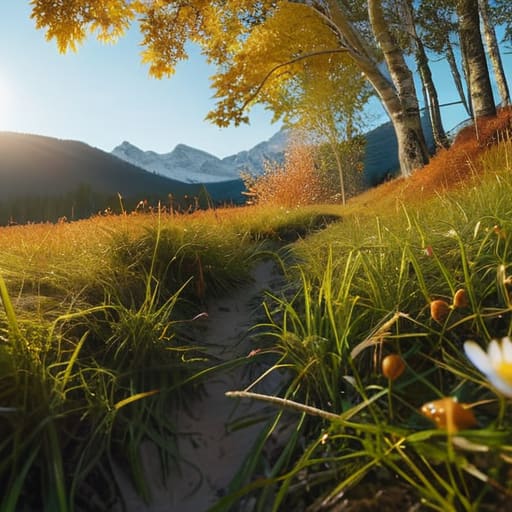
    When I think about the most soul-stirring paths I’ve encountered, I don’t think of the steepest climbs or the most grueling distances. Instead, I think of the way the light hits the granite in the High Sierras or the soft, damp scent of pine in the Blue Ridge Mountains. These scenic mountain trekking routes aren’t just lines on a map; they are invitations to lose oneself in the scale of the world. I’ve found that the best routes are often those that meander rather than sprint, offering plenty of places to pull out my notebook and sketch a jagged ridgeline or a particularly stubborn wildflower.

    Of course, finding that quiet connection with nature requires a bit of respect for the terrain. I’m a firm believer in a solid trail preparation checklist before heading into the backcountry. It isn’t about being an expert woodsman, but about having the peace of mind that comes from being prepared. When you aren’t worrying about whether your boots will hold or if you have enough water, you are finally free to actually look up and see the majesty passing you by.

    A Few Things I’ve Learned from My Boots and My Notebook

    • Pack light, but pack right. I used to think more gear meant more security, but after years of heavy packs, I’ve learned that a lighter load makes for a much better view. Stick to the essentials—a good map, plenty of water, and maybe that extra layer for when the wind picks up.
    • Don’t let the stopwatch dictate your pace. There is no prize for being the first one to the trailhead or the fastest to the summit. If you see a particular bend in the creek or a patch of wildflowers that catches your eye, stop. Sit. Let the world settle around you.
    • Respect the terrain, but don’t fear it. As an engineer, I have a natural respect for how things are built, including the mountains. Check the weather and the trail conditions before you head out, but once you’re on the path, trust your feet and stay mindful of where you step.
    • Carry a small way to record the moment. I never head out without my leather-bound notebook. Sometimes a quick sketch of a ridge or a few lines about the smell of the pine needles helps anchor the memory far better than a dozen hurried photos on a phone.
    • Always carry a little something extra for the soul. A good trail snack isn’t just fuel; it’s a ritual. Whether it’s a piece of sharp cheddar or a bit of dark chocolate, saving a small treat for a quiet moment on a ledge makes the entire journey feel like a celebration.

    A Few Notes for the Trail

    Forget the stopwatch; the goal isn’t to reach the peak first, but to notice the way the light hits the pine needles along the way.

    Pack more than just water and a map—bring a small snack and a moment of stillness to reward yourself for the climb.

    Let the trail do the heavy lifting for your mind, and don’t be afraid to sit a while when the view finally demands your full attention.

    The View from the Middle of Nowhere

    A trail isn’t a distance to be conquered or a box to be checked on a map; it’s just a path that leads you to a place where you can finally hear yourself think, usually somewhere between the third mile and a particularly good view.

    Bernard Oyelaran

    The Path Less Rushed

    Hiking through The Path Less Rushed.

    Looking back at everything we’ve discussed, it’s clear that hiking is about much more than just checking a trail off a list or reaching a summit before the sun goes down. Whether we are exploring those sweeping mountain vistas to clear our heads or simply walking through a local forest to find a bit of mental stillness, the goal remains the same. It isn’t about the mileage on your boots or the elevation gain on your watch; it is about reclaiming your time from a world that is always asking you to hurry. We’ve seen how the right route can soothe a restless mind and how a bit of nature can provide a perspective that no office cubicle ever could.

    As I sit here in this small cafe, sketching the way the light hits the trees outside, I’m reminded that the best part of any journey isn’t the destination, but the quiet intervals in between. So, when you lace up your boots this weekend, I urge you to leave the stopwatch at home. Don’t worry about being the fastest person on the trail. Instead, find a sturdy rock, sit for a moment, and let the world breathe around you. After all, the mountain isn’t going anywhere, and you’ll find much more beauty if you’re actually present to see it.

    Frequently Asked Questions

    What kind of gear should I pack if I want to take my time and enjoy the scenery rather than just rushing to the finish line?

    Forget the ultra-lightweight obsession. If you aren’t racing, you can afford a few extra pounds for comfort. Pack a lightweight folding stool or a decent sit-pad; there’s nothing quite like sitting on a rock to enjoy a view. Bring a proper thermos for tea, a real notebook for sketching, and perhaps an extra layer for when you linger. Most importantly, carry a slightly larger pack—it gives you room to breathe, and room for snacks.

    Are there certain trails that are easier on the knees for those of us who aren't as young as we used to be?

    I know that feeling well. My knees certainly don’t forgive me for a steep descent like they used to. I’ve found that looking for “rail trails” or old carriage paths is a game-changer; they tend to be much more level. If you’re heading into the woods, look for loops with minimal elevation gain. It’s not about the struggle of the climb; it’s about the steady rhythm of the walk and the view at the end.

    How do you find the best quiet spots along a trail to just sit, eat, and take in the view?

    I’ve learned that the best spots aren’t usually the ones marked on a map with a big red star. Those are for the crowds. Instead, look for a break in the treeline or a flat ledge just past a particularly steep climb. When you feel your pace naturally slacken, that’s your cue. Pull out the notebook, find a comfortable rock, and don’t be afraid to linger. The view is better when you aren’t rushing to the next waypoint.

  • Exploring New Cultures Through Food Tourism

    Exploring New Cultures Through Food Tourism

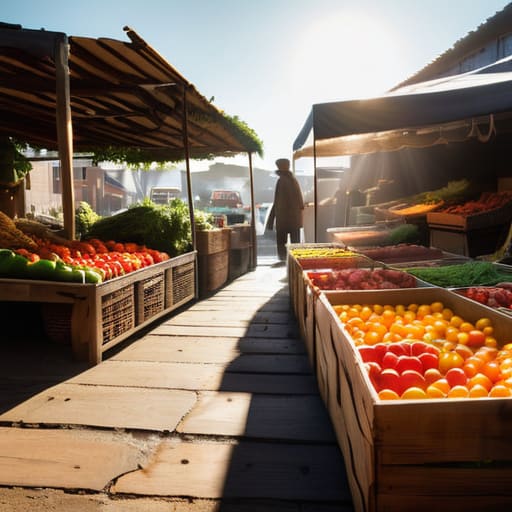
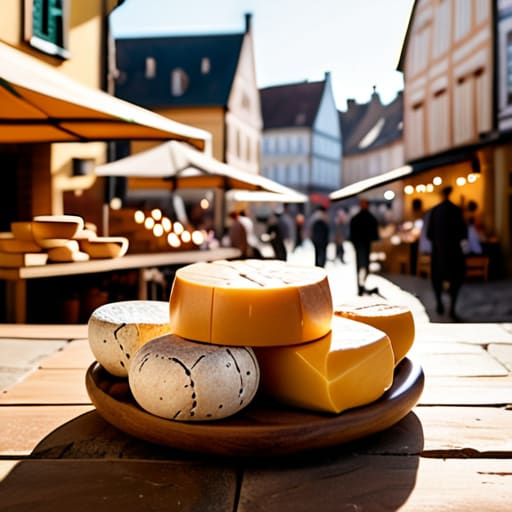
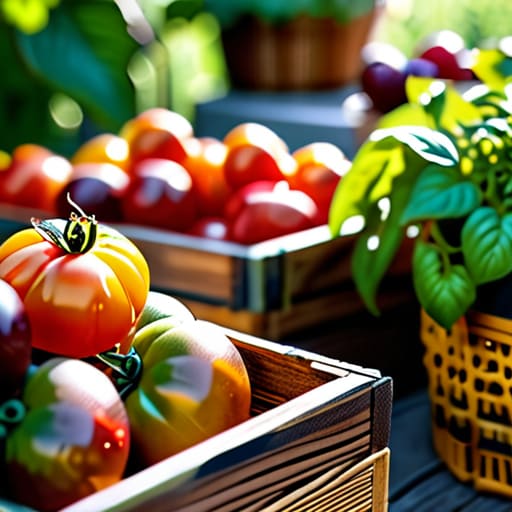
    I was sitting in a cramped, overpriced bistro in Florence last spring, staring at a menu that looked more like a legal document than a list of ingredients. Everyone around me was busy snapping photos of their plates, chasing the latest viral trend, but the food felt soulless. It struck me then that most people approach food tourism like they’re checking items off a frantic to-do list, rushing from one famous landmark to the next just to say they’ve eaten there. They’re missing the point entirely. Real connection doesn’t happen in a line for a Michelin star; it happens when you stumble upon a sun-drenched corner stall where the cook actually knows the farmer who grew the tomatoes.

    I’m not here to give you a list of the most “Instagrammable” spots or the trendiest eateries that will be forgotten by next season. Instead, I want to share how you can use food tourism as a way to actually slow down and see the world. I’ll be sharing my own quiet discoveries—the kind found in small village squares and local markets—to help you find the genuine heart of a place through its flavors.

    Table of Contents

    Seeking Authentic Street Food Experiences in Quiet Alleys

    Seeking Authentic Street Food Experiences in Quiet Alleys

    I’ve learned that the best meals rarely come with a printed menu or a polished brass sign. In fact, if you’re looking for the real heart of a city, you have to turn away from the main thoroughfares and head into the narrow, winding alleys where the pavement feels uneven underfoot. It was in a dim, narrow lane in Hanoi last autumn that I had my most memorable meal—just a plastic stool, a steaming bowl of noodles, and the rhythmic hum of a motorbike passing by. These authentic street food experiences aren’t about luxury; they are about the honest connection between a cook, their ingredients, and the person sitting right in front of them.

    There is a certain magic in finding a stall tucked between two weathered buildings, where the steam from a pot rises like morning mist. You won’t find these spots on most gourmet travel itineraries, and that’s exactly why they matter. When you sit there, watching the vendor work with practiced, rhythmic motions, you aren’t just eating; you are witnessing a living piece of cultural food heritage. It’s in these quiet, unscripted moments that the world finally feels like it’s moving at the right speed.

    Tracing Cultural Food Heritage Through Every Shared Meal

    Tracing Cultural Food Heritage Through Every Shared Meal

    There is a certain weight to a recipe that has been passed down through generations, a kind of gravity you can feel the moment you sit down at a family-run table. I’ve found that true cultural food heritage isn’t found in the glossy brochures or the high-priced tasting menus, but in the calloused hands of a grandmother stirring a pot of stew that hasn’t changed in fifty years. When I sit in these small, unassuming kitchens, I’m not just eating; I’m participating in a silent conversation between the past and the present.

    It’s easy to get caught up in the latest culinary destination trends, chasing whatever city is currently trending on social media, but that often misses the soul of a place. Instead, I prefer to look for the connections between the soil and the plate. There is something deeply grounding about seeing how a community honors its land through its cooking. Whether it’s a simple loaf of crusty bread or a complex spice blend, these flavors act as a map of a people’s history, reminding us that the most profound stories are often told through the simplest ingredients.

    A Few Lessons Learned from My Own Plate

    • Put down the guidebook for an hour. The best meals I’ve ever had didn’t come from a “top-rated” list; they came from following the scent of garlic and woodsmoke down a street I hadn’t even planned to walk down.
    • Look for the places where the locals are lingering. If you see a shop with a few worn-out stools and a crowd of people who seem to be in no rush at all, pull up a chair. That’s where the real soul of a city lives.
    • Don’t be afraid of the language barrier. A nod, a smile, and a hungry expression go a long way. Sometimes the most meaningful connection I’ve made wasn’t through words, but through the shared understanding of a perfectly seasoned stew.
    • Pack light, but bring your curiosity. You don’t need a heavy itinerary; you just need the willingness to try something that looks a bit strange or unfamiliar. That’s usually when the magic happens.
    • Keep a small notebook handy. Not just for recipes, but for the little things—the way the light hit the café table, or the sound of the market at dawn. Those details make the flavor linger long after you’ve gone home.

    Lessons from the Table and the Trail

    Don’t be afraid to wander off the main thoroughfare; the best flavors are rarely found where the tour buses park, but rather in those quiet, narrow alleys where the locals actually eat.

    Treat every meal as a conversation with history, understanding that a recipe passed down through generations tells a story far deeper than any guidebook ever could.

    Remember that the goal isn’t to check every restaurant off a list, but to give yourself permission to sit, linger, and truly taste the moment.

    ## The Heart of the Journey

    “A passport tells you where you’ve been, but a shared plate of something unfamiliar tells you who the people are. You don’t truly know a place until you’ve sat at its table and let the flavors tell you the stories that the guidebooks always seem to miss.”

    Bernard Oyelaran

    The Last Bite and the Long Walk Home

    Journal notes: The Last Bite and the Long Walk Home.

    As I look back on these notes in my leather-bound journal, I’m reminded that food tourism isn’t about checking a famous restaurant off a list or hunting down the most “Instagrammable” dish. It’s about those quiet moments we’ve discussed—the steam rising from a bowl in a hidden alleyway, the way a local grandmother’s hands move while she prepares a family recipe, and the unspoken history shared across a crowded table. Whether you are tracing heritage through a single spice or simply letting your feet lead you toward the smell of fresh bread, you are doing more than just eating; you are connecting with the soul of a place in a way that no guidebook could ever truly capture.

    So, the next time you find yourself in a new city, I urge you to put the map away for an hour. Don’t rush toward the landmark; instead, find a small, unassuming shop where the locals are gathered and just sit. Let the flavors settle, watch the world go by, and remember that the best part of any journey isn’t the destination, but the quiet, delicious pauses we take along the way. After all, a life well-lived is really just a collection of good meals and even better views.

    Frequently Asked Questions

    How do you find those quiet, tucked-away spots without accidentally ending up in a tourist trap?

    I’ve learned that the best way to avoid the bright neon signs and laminated menus is to simply follow the locals. If you see a place where the menu is handwritten and the crowd looks like they’re actually living their lives—not posing for photos—that’s your spot. I usually tuck my notebook away, walk a few blocks past the main square, and look for where the noise dies down. If it looks lived-in, it usually tastes better.

    Is it difficult to navigate local food customs or etiquette when you're just trying to enjoy a meal on your own?

    I’ll be honest—it can feel a bit daunting at first. There’s always that slight hesitation, wondering if I’m holding my utensils wrong or if I’m being too loud. But I’ve found that most folks are far more welcoming than we give them credit for. My rule of thumb? Just observe. Watch how the locals do it, take a slow breath, and remember: you’re there to savor the flavors, not to pass a test.

    How can I balance the desire to try everything with the need to actually slow down and savor the moment?

    It’s a tug-of-war I feel every time I land in a new city. My instinct is to check every restaurant off a list, but that’s just another kind of work. I’ve learned to set a “rule of one”: pick one standout thing to find each day, then leave the rest of the afternoon open. If I find a bench and a decent sandwich, I stay there. Don’t chase the menu; chase the stillness.

  • Practices for More Sustainable Travel

    Practices for More Sustainable Travel

    I was sitting in a crowded terminal last Tuesday, watching people scramble through security like they were competing in a sprint, and I couldn’t help but scoff at the glossy brochures nearby. They make eco friendly travel sound like some expensive, high-tech luxury—something you can only achieve if you buy a thousand-dollar bamboo suitcase or stay in a boutique resort that charges a premium for “green” labels. To my way of thinking, that’s all just marketing noise designed to make you feel guilty if you aren’t spending a fortune.

    I’m not here to sell you on some complicated lifestyle overhaul or a list of overpriced gadgets. Instead, I want to share what I’ve learned from years of navigating the world with nothing more than a sturdy pair of boots and a sense of curiosity. I’ll be offering some plain-spoken, practical ways to see the world while leaving it exactly as you found it. We’re going to focus on the small, meaningful choices—the kind that actually matter—so you can spend less time worrying about your footprint and more time actually enjoying the view.

    Table of Contents

    Low Impact Travel Tips for a Quieter Journey

    Low Impact Travel Tips for a Quieter Journey

    I’ve found that the best way to reduce my own impact isn’t through grand gestures, but through the small, intentional choices we make before we even leave the driveway. I always start by putting together a thoughtful eco-conscious packing list, opting for durable, multi-purpose items rather than a suitcase full of “just in case” gadgets. It keeps the weight down and the clutter to a minimum. I also try to look for sustainable accommodation options—those small, family-run guesthouses or inns that seem to care more about the local soil and community than a standardized corporate checklist.

    When it comes to getting around, I’ve learned to embrace the delay. Instead of catching every short-haul flight, I prefer the rhythm of a train or even a long, winding drive where I can actually see the topography changing. It’s a simple way to focus on carbon footprint reduction travel without feeling like I’m missing out. In fact, it’s often in those slow transitions—the quiet stretches between destinations—where I find the most room to sit with my notebook and truly observe the world passing by.

    Finding Peace in Sustainable Accommodation Options

    Finding Peace in Sustainable Accommodation Options.

    When I was managing construction sites, I learned early on that the foundation of any lasting structure is how well it respects the ground it sits on. I’ve found that same principle applies to where we lay our heads at night. Instead of reaching for the sterile, predictable comfort of a massive hotel chain, I’ve begun seeking out sustainable accommodation options that feel more like a guest house in a friend’s home. There is a profound difference between a room that simply exists and a space that breathes with its surroundings—perhaps a small lodge powered by the sun or a family-run inn that sources its breakfast from the garden just outside the window.

    Choosing these smaller, more intentional stays is a vital part of regenerative travel practices. It isn’t just about using fewer towels; it’s about ensuring our presence leaves a place a little more vibrant than we found it. I recently stayed at a small cottage where the owner spent the afternoon showing me how they managed their water runoff. It reminded me that when we choose to stay small, we aren’t just reducing our impact; we are actually participating in the local rhythm of life.

    A Few Small Ways to Tread Lightly

    • Pack light, and I mean truly light. I’ve learned the hard way that every extra pound in a rucksack is just more energy wasted. Stick to the essentials—a good pair of walking shoes, a sturdy notebook, and a few versatile layers. It makes the transit smoother and the burden lighter on both you and the world.
    • Eat where the locals eat, and try to follow the seasons. There’s a certain honesty in a meal grown in the soil you’re currently standing on. I find that skipping the big international chains in favor of a small, family-run bistro not only supports the community but usually results in a much more memorable flavor.
    • Leave the plastic water bottles behind. I always carry a single, well-worn stainless steel flask. It’s one less piece of clutter to manage, and there’s a quiet satisfaction in knowing you aren’t contributing to the sea of plastic that tends to pile up in tourist hubs.
    • Choose the scenic route over the fastest one. A train ride through the countryside or a slow ferry across a bay offers a perspective that a quick flight simply can’t match. It gives you time to actually see the places you’re passing through, rather than just seeing them as a blur through a pressurized window.
    • Respect the silence of the places you visit. Whether it’s a quiet forest trail or a cobblestone street in an old village, try to move through it with a sense of reverence. When we lower our volume, we tend to notice much more—the way the light hits a stone wall or the specific song of a local bird.

    A Few Small Reminders for the Road

    Don’t be afraid to trade the fast lane for the scenic route; taking a train or a local bus isn’t just better for the earth, it gives you a much-needed chance to actually see where you are.

    Look for the small, family-run inns and local guesthouses instead of the big chains, as they tend to respect the land and the local spirit a whole lot more.

    Pack light and bring what you can reuse, because the less clutter we carry, the more room we have in our minds to simply appreciate the view.

    The Weight of Our Footsteps

    Traveling sustainably isn’t about following a strict set of rules or checking boxes on a list; it’s about realizing that we are guests in these landscapes, and the best way to honor our host is to leave behind nothing but a few quiet memories and a lighter footprint.

    Bernard Oyelaran

    A Final Thought on the Path Ahead

    A Final Thought on the Path Ahead.

    As I look back on these notes, it becomes clear that traveling with a lighter footprint isn’t about making a list of sacrifices or following a rigid set of rules. It’s really just about the choices we make—choosing the local train over a quick flight, opting for a family-run guesthouse instead of a massive hotel chain, and being mindful of the small things, like the waste we leave behind. When we focus on low-impact habits and sustainable stays, we aren’t just protecting the scenery; we are actually engaging more deeply with the places we visit. We move from being mere spectators to being thoughtful guests in someone else’s home.

    At the end of the day, I think we all realize that the best journeys aren’t measured by how many miles we’ve covered or how many photos we’ve snapped, but by how much we’ve actually tasted and felt. The world is far too beautiful to rush through it like a checklist. So, the next time you find yourself planning a getaway, I encourage you to leave a little room for the unexpected. Slow down, breathe in the local air, and remember that the gentlest way is often the most rewarding one. After all, the goal isn’t just to see the world, but to ensure it stays wonderful for those who come after us.

    Frequently Asked Questions

    How do I balance the desire to see famous landmarks with the need to avoid the crowds and environmental strain they cause?

    It’s a tug-of-war, isn’t it? I used to think I had to see it all at once. Now, I try the “early bird or late sleeper” approach. Visit those famous spots at dawn when the light is soft and the crowds are still tucked in bed. Then, spend your afternoons wandering through the smaller, unnamed villages nearby. You get the icon, sure, but you find your soul in the quiet spaces between them.

    Are there ways to enjoy local, authentic cuisine without always relying on large, commercialized food chains?

    I’ve found that the best meals aren’t found on a map, but by following your nose. I like to wander away from the main squares and look for the places where the menus aren’t translated into five different languages. Look for the small, family-run spots with a few mismatched chairs and a chalkboard menu. If the locals are eating there, you’ve hit gold. It’s slower, sure, but the flavors tell a much truer story.

    When I'm traveling solo, what are some practical ways to stay sustainable without it feeling like a chore or an inconvenience?

    I’ve found that the easiest way to stay sustainable is to simply pack a little more thoughtfully. I always keep a sturdy water bottle and a light canvas bag in my rucksack; it saves me from the constant cycle of buying plastic while I’m out exploring. Also, try to eat at the local markets or small family-run cafes. It’s less effort than hunting for a chain, and the food always tastes more honest.