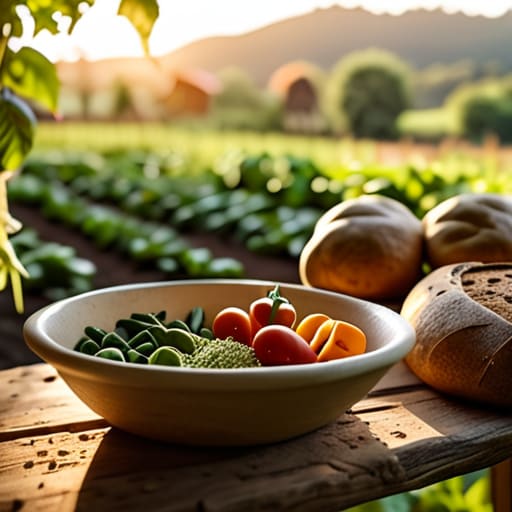
I was sitting in a small café in the Loire Valley last Tuesday, sketching the way the light hit a weathered stone wall, when I realized how much we’ve overcomplicated the idea of eating well. Everywhere you look lately, people talk about sustainable food as if it’s some expensive, high-tech puzzle that requires a PhD and a massive bank account to solve. They make it sound like a luxury reserved for the elite, wrapped in fancy labels and priced far beyond the reach of a regular person just trying to get through a Tuesday. It’s a lot of noise and marketing, and frankly, it’s exhausting.
I’m not here to sell you on some expensive lifestyle trend or a list of impossible rules. Instead, I want to share what I’ve learned by slowing down and actually looking at where our meals come from. I’ll be sharing some straightforward, practical ways to embrace sustainable food that focus on simplicity and seasonal rhythms rather than perfection. We’re going to talk about real food, real people, and how you can make better choices without losing your mind—or your budget—in the process.
Table of Contents
The Gentle Grace of Seasonal Eating Benefits
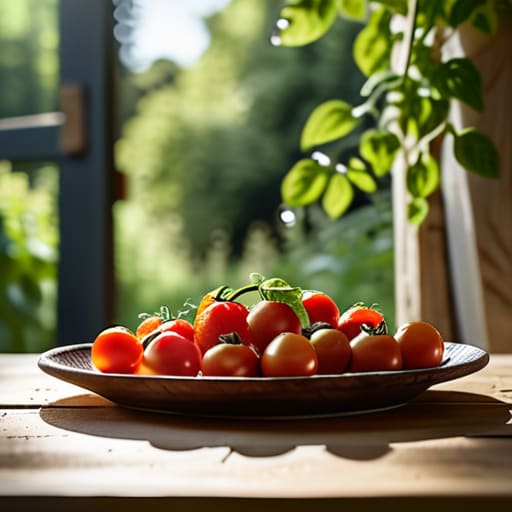
There is a certain quiet satisfaction in knowing that what is on my plate was meant to be there right now. When I sit down at a small bistro in the countryside, I don’t look for exotic imports; I look for what the earth is currently offering. Embracing the seasonal eating benefits means more than just getting better flavor—though, believe me, a tomato grown in the peak of July tastes nothing like one shipped from halfway across the globe in a plastic crate. It’s about aligning my own rhythm with the natural world.
Beyond the taste, there is a profound sense of peace that comes from simplifying my choices. By focusing on what is local and in season, I find myself naturally reducing food waste at home because I am buying ingredients that are actually at their best, rather than forcing them to last through a long, artificial shelf life. It turns a mundane chore like grocery shopping into a way to participate in something larger. It isn’t about being perfect or following a strict set of rules; it’s just about making a conscious effort to honor the cycle of the seasons.
Why Regenerative Agriculture Practices Heal the Soul
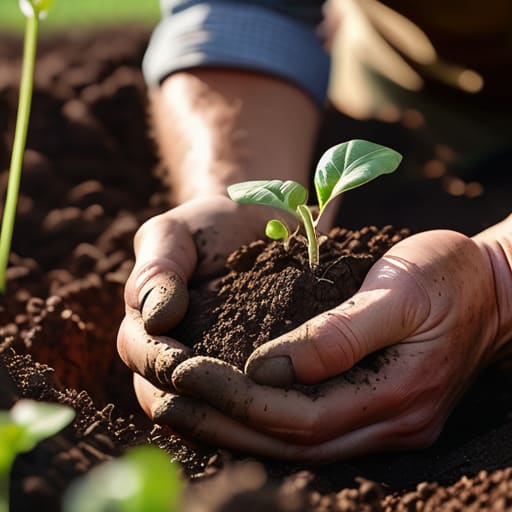
I spent most of my career looking at blueprints and concrete, focusing on how to build things that last. But lately, I’ve found myself thinking more about how we restore what’s already there. There is something deeply restorative about supporting regenerative agriculture practices. When a farmer works with the land rather than against it—nurturing the soil instead of just stripping it for yield—you can almost feel that intention in the food. It’s a different kind of engineering, one that works in harmony with nature’s own rhythms.
Eating food grown this way feels like a quiet act of repair. It’s not just about the chemistry of the soil; it’s about the connection we reclaim to the earth. When I sit at a small wooden table in a new town, tasting a tomato that actually tastes like the dirt it grew in, I realize that healing the land and healing ourselves are often the same pursuit. It turns a simple meal into a way of participating in a larger, more thoughtful cycle of life.
Small Steps Toward a More Meaningful Plate
- Start by looking at what’s actually growing nearby. I’ve found that when I stop hunting for strawberries in December and start embracing the hearty root vegetables of winter, the food just tastes more honest.
- Visit your local farmer’s market, not just for the groceries, but for the conversation. There’s a certain kind of peace that comes from shaking the hand of the person who actually pulled your carrots out of the dirt.
- Learn to love the “ugly” produce. A bruised apple or a crooked carrot doesn’t lack character; it’s just proof that it grew in real soil without being pampered by a factory.
- Cook in smaller batches more often. It keeps your kitchen from feeling like a warehouse and encourages you to really focus on the textures and aromas of a single, well-made meal.
- Keep a little notebook of what you eat and how it makes you feel. Much like my sketches of the landscape, noting which seasonal meals brought you a bit of quiet joy helps you find your way back to what truly nourishes you.
Small Steps Toward a Fuller Table
Stop looking for perfection in the grocery aisle and start looking for the rhythm of the seasons; eating what is currently growing is the simplest way to reconnect with the earth.
Realize that supporting regenerative farming isn’t just a political statement or a scientific necessity, but a way to honor the soil that feeds us and the hands that tend it.
Make a conscious effort to slow down during your meals, because when we choose food grown with intention, we aren’t just eating—we are participating in something much larger than ourselves.
A Lesson from the Soil
“I’ve learned that when you respect the rhythm of the land, the food rewards you with a depth of flavor that no supermarket shelf can ever replicate; it’s a quiet conversation between the earth and the table.”
Bernard Oyelaran
A Final Thought from the Table
Looking back at what we’ve discussed, it’s clear that sustainable food is about much more than just a list of ingredients or a set of environmental standards. It’s about the connection between the soil, the farmer, and the person sitting at the table. By choosing to eat with the seasons and supporting regenerative practices, we aren’t just protecting the land; we are reclaiming a sense of rhythm and purpose that modern life so often strips away. It turns a simple chore—like grocery shopping—into a meaningful act of stewardship that honors both the earth and our own well-being.
As I sit here in this small cafe, watching the light shift across the cobblestones, I’m reminded that we don’t need to change the whole world overnight to make a difference. We just need to be more intentional with the choices we make right in front of us. Whether it’s buying a crate of heirloom tomatoes from a local grower or simply taking a moment to appreciate the texture of a piece of crusty, artisanal bread, these small decisions add up. So, the next time you sit down to eat, I encourage you to slow down and truly taste the story behind your meal. You might find that the most nourishing thing on your plate is the peace that comes with being truly present.
Frequently Asked Questions
How can I start incorporating more sustainable choices into my diet without feeling overwhelmed or breaking my budget?
Don’t try to overhaul your entire pantry overnight; that’s a recipe for frustration. Start small, like choosing one local vegetable at the farmer’s market each week, or swapping out a processed snack for something simple like seasonal fruit. I’ve found that buying staples in bulk and cooking more from scratch actually keeps the budget steady. It isn’t about perfection—it’s just about making one better choice at a time.
Are there specific local markets or community programs you've found that make it easier to access truly seasonal produce?
I’ve found that the best way to start is by hunting down your local farmers’ market, ideally on a Saturday morning when the air is still cool. I tend to gravitate toward the smaller stalls—the ones where the farmer can actually tell you the name of the soil their carrots grew in. I also joined a local CSA (Community Supported Agriculture) program; it’s a wonderful way to let the season dictate your menu.
Beyond just the environmental impact, have you noticed a real difference in the flavor of food grown through these slower, more natural methods?
Oh, absolutely. It’s like the difference between a recorded symphony and a live performance in a small hall. When I pick up a tomato from a local farmer’s market—one that actually spent time ripening on the vine rather than being rushed to a shipping container—the flavor is startling. It’s deep, complex, and carries a certain brightness. You can actually taste the soil and the sun. It makes you realize how much we’ve missed by rushing.
