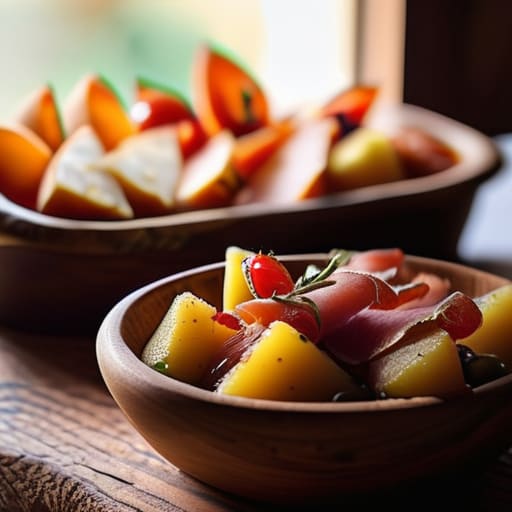
I was sitting in a cramped, overly polished bistro in Madrid last autumn, watching a group of tourists stress over a menu that looked more like a math equation than a list of food. They were so preoccupied with the “correct” order of operations and the sheer cost of every little dish that they completely missed the point of tapas dining. It had become this frantic, high-stakes performance instead of what it was meant to be: a simple, unhurried way to taste a bit of everything. To me, that’s a complete waste of a perfectly good evening.
I’m not here to give you a lecture on etiquette or a guide to the most expensive spots in town. Instead, I want to share how you can actually use the concept of small plates to slow down and breathe. I’ll walk you through the practical side of things—how to choose your dishes without the headache and how to turn a meal into a genuine moment of connection. My goal is to help you navigate the experience so you can stop worrying about the logistics and start focusing on the flavors and the company.
Table of Contents
Finding Soul in Traditional Spanish Appetizers
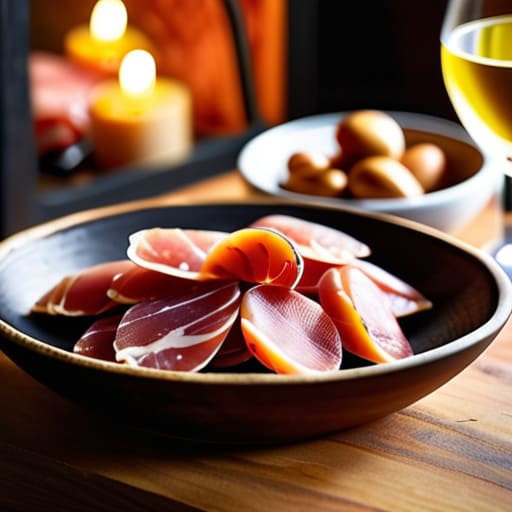
There is a certain honesty in a dish that doesn’t try too hard. When I sit down in a dimly lit corner of a tavern in Seville, I’m not looking for culinary acrobatics; I’m looking for the soul of the place. The best traditional Spanish appetizers usually rely on just a handful of authentic tapas ingredients—a splash of good olive oil, a pinch of sea salt, or a slice of aged Manchego. There is a profound beauty in how a simple plate of Marcona almonds or some salt-cured jamón can tell the story of the land it came from.
As I sit here sketching the way the light hits my glass, I’ve noticed that the real magic lies in the rhythm of the meal. You’ll often hear people debate tapas vs pintxos, but to me, the distinction matters less than the spirit of the act. Whether it’s a small snack on a piece of bread or a warm dish of gambas al ajillo, it’s all about that shared connection. It’s a way of eating that demands you stay present, one small, flavorful bite at a time.
Navigating the Soft Nuances of Tapas vs Pintxos
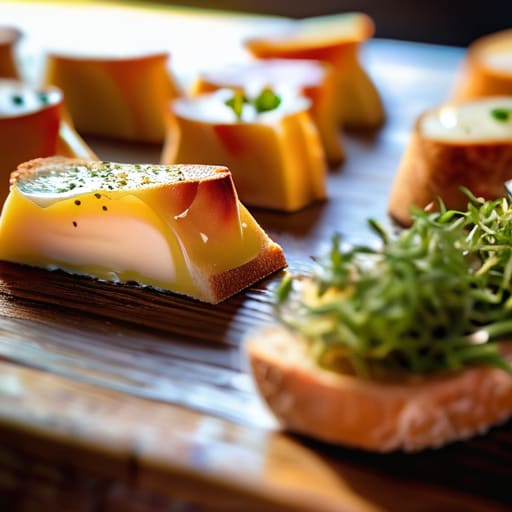
Now, if you find yourself wandering through the narrow, cobblestone streets of San Sebastián, you might notice a subtle shift in how people eat. This is where the distinction between tapas vs pintxos becomes more than just a linguistic quirk; it’s a different rhythm of life. While tapas are often served as small plates to be shared among a group at a table, pintxos are those little architectural wonders perched atop a slice of bread, held together by a toothpick. I’ve found that while tapas invite a long, seated conversation, pintxos encourage a certain playful movement, hopping from one crowded bar to the next to find that one perfect bite.
Understanding this bit of social dining etiquette makes the whole experience much smoother. With tapas, you’re looking for a steady anchor for your evening—perhaps a shared plate of garlic prawns or patatas bravas. With pintxos, it’s more of a scavenger hunt. You don’t sit down for an hour; you grab a small glass of cider, pick your treasures, and keep moving. It’s a beautiful, chaotic dance that reminds me why I love traveling: it forces you to be entirely present in the moment.
A Few Lessons Learned from a Half-Empty Plate
- Don’t be afraid to stand. In many of the smaller, more authentic spots, the stools are narrow and the tables are non-existent. Embrace the bustle; there’s a certain energy in standing shoulder-to-shoulder with locals that you just won’t find in a cushioned booth.
- Order in waves, not all at once. The beauty of tapas is the rhythm. Start with something light, like olives or a bit of Manchego, and let the next round happen naturally as the conversation flows. It keeps the meal from feeling like a marathon.
- Follow the crowd, but use your eyes. If you see a group of locals huddled around a specific counter, take note. They usually know which kitchen is turning out the best croquetas that afternoon.
- Keep a little extra cash in your pocket. Many of the best little holes-in-the-wall prefer the simplicity of coins and small bills, and it makes the process of hopping from one bar to the next much smoother.
- Put the phone away. I know it’s tempting to snap a photo of every beautiful plate, but once or twice is plenty. The real magic of a tapas crawl is in the shared laughter and the way the flavors linger long after the plate is cleared.
A Few Thoughts to Carry With You
Don’t let the menu overwhelm you; the best way to experience tapas is to order a little bit of everything and let your palate lead the way.
Remember that the setting matters just as much as the food—look for those small, tucked-away spots where the conversation flows as easily as the wine.
Treat the meal as an event, not a task. Put the phone away, lean into the company you’re with, and let the afternoon unfold at its own pace.
The Rhythm of the Table
Tapas aren’t just small plates of food; they are an invitation to stop checking your watch and start checking in with the people across from you. It’s the slow, beautiful realization that a meal doesn’t have to be a destination, but a way to wander through a conversation, one shared bite at a time.
Bernard Oyelaran
The Beauty of the Shared Plate
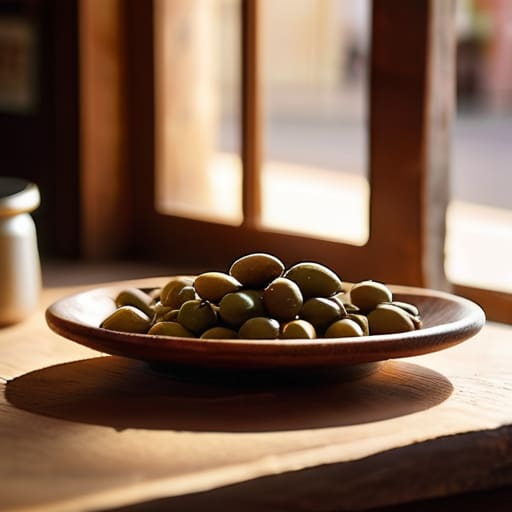
As I sit here in this little corner cafe, sketching the way the afternoon light hits my empty olive dish, I’m reminded that tapas is so much more than just a culinary style. It’s a way of navigating the world. We’ve looked at how the traditional Spanish appetizers carry the weight of history, and how the subtle shift from tapas to the more intricate pintxos can change the entire rhythm of an evening. Whether you are standing at a crowded bar in San Sebastián or sitting quietly at a wooden table in Madrid, the goal remains the same: to embrace a variety of flavors and a sense of community. It isn’t about filling your stomach; it is about nourishing the spirit through small, intentional bites.
If there is one thing I have learned from my years of managing heavy machinery and tight deadlines, it is that we often miss the best parts of life because we are too busy looking at the clock. Tapas dining is a gentle protest against that rush. It invites you to linger, to talk, and to let the conversation flow as easily as the wine. So, the next time you find yourself at a table, I urge you to put your phone away and simply be present. Don’t just eat; savor the moment, one small plate at a time.
Frequently Asked Questions
Is it better to stick to one lively bar for a few rounds, or is the real magic in moving from place to place?
There’s a certain comfort in finding a lively corner, settling in, and letting the staff get to know your name. But if you ask me, the real magic happens when you keep moving. I like to call it a slow stroll with a purpose. Each new doorway offers a different scent, a different light, and a different rhythm. Wander a bit, try one thing, and then let the evening carry you elsewhere.
How much should I expect to spend if I'm looking for a full meal rather than just a quick snack?
Now, if you’re looking to turn a few nibbles into a proper, soul-warming meal, you’ll want to budget a bit more. I’ve found that once you move past the quick snacks and start ordering several substantial plates—perhaps some garlic prawns followed by a hearty portion of Iberico pork—along with a decent carafe of house wine, you should expect to spend somewhere between thirty and fifty euros per person. It’s worth every cent for the company and the pace.
Are there certain types of tapas I should look out for if I'm traveling through smaller, more rural towns?
When you drift away from the bustling cities and into the smaller villages, look for what the locals call “tapas de la casa”—the house specialties. You’ll find less flash and more heart here. Keep an eye out for seasonal preserves, local cheeses, or perhaps a simple plate of cured meats that taste of the very hills surrounding you. These aren’t just snacks; they are a direct map of the local landscape.
