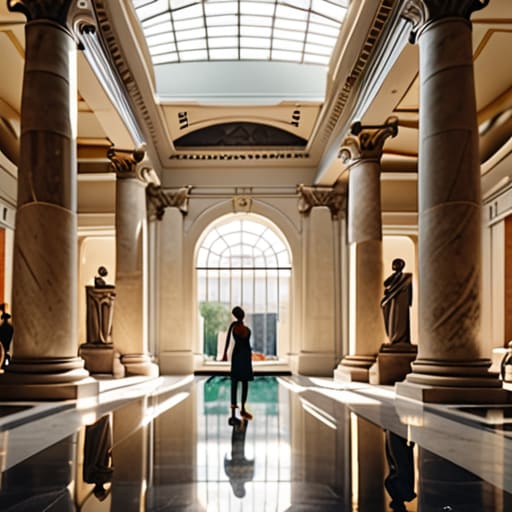
I’ve spent a lifetime looking at blueprints and structural integrity, so I have a low tolerance for things that are unnecessarily complicated. I’ve noticed a trend lately where people walk into a gallery and immediately feel overwhelmed, as if they need a PhD just to look at a painting. They scramble for a pricey, digital museum guide that pings incessantly in their pocket, turning a moment of quiet reflection into a frantic race to check off a list of “must-see” artifacts. To me, that’s not art appreciation; it’s just efficiently consuming data, and it misses the whole point of being there.
I’m not here to give you a lecture or a technical manual. Instead, I want to share how you can use a museum guide—whether it’s a printed pamphlet or a seasoned docent—to actually connect with the history on the walls. I’ll show you how to filter out the noise so you can find those small, quiet details that truly matter. My goal is to help you move through the halls at your own pace, ensuring you leave feeling enriched rather than just exhausted.
Table of Contents
Art Appreciation Techniques for the Quiet Observer
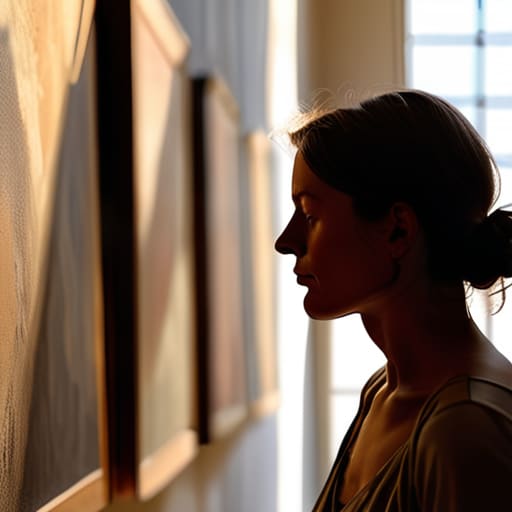
When I first started working in engineering, I was trained to look for flaws, for the structural weakness in a bridge or a beam. I had to unlearn that habit when I stepped into a gallery. To truly practice art appreciation techniques, you have to stop looking for what’s “wrong” and start looking for what’s felt. I find it helpful to pick just one painting—not the most famous one in the room, but the one that catches your eye—and sit with it for ten minutes. Don’t worry about the dates or the heavy-handed labels; just watch how the light hits the brushstrokes.
Sometimes, I’ll seek out some curator insights via the audio guides to understand the “why” behind a piece, but I try not to let the facts drown out my own intuition. It’s a bit like my camera restoration work; you can know every technical specification of a Leica, but that doesn’t tell you how the light will look through the lens. If you find yourself feeling overwhelmed by the crowds, just find a quiet corner, pull out your notebook, and let the art settle in.
Museum Visitor Tips to Avoid the Rush
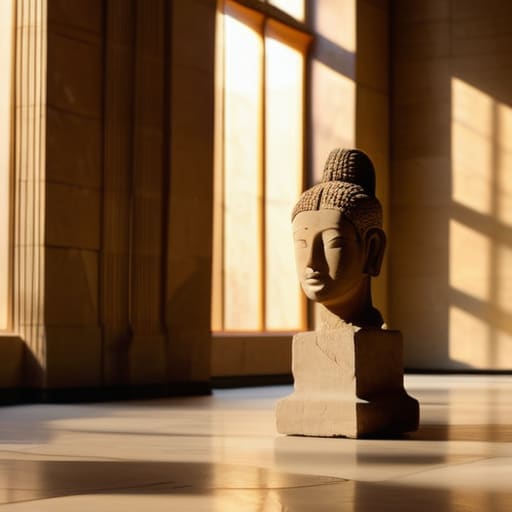
If you find yourself caught in a sea of school groups or tour buses, my first piece of advice is to change your timing. Most people descend upon these places between eleven and two, chasing the same highlights. I’ve found that arriving just as the doors creak open, or lingering toward the final hour, allows the silence to return. It’s in those quiet stretches that you can truly appreciate the nuances of historical artifact preservation—seeing the way the light hits a weathered stone or a delicate textile without someone’s elbow in your ribs.
Don’t feel obligated to see everything. A common mistake is trying to check every wing off a list, which only leads to fatigue. Instead, I prefer to pick one small gallery and settle in. If the institution offers them, seek out some curator insights through audio guides or small pamphlets; they provide a lovely bit of context that makes the viewing feel more like a conversation and less like a chore. Sometimes, the most profound connection happens when you stop moving and just let the stillness settle.
A Few Ways to Make the Guide Work for You
- Don’t feel obligated to read every single placard from start to finish. Sometimes, a guide provides just enough context to spark an interest, and then it’s better to put the book down and actually look at the brushstrokes.
- If you’re using an audio guide, keep the volume low and the pace slow. It shouldn’t feel like a lecture in a classroom; think of it more like a quiet companion whispering a bit of history in your ear while you wander.
- Use the guide to find the “anchor” pieces—the big, famous works—but then use it to hunt for the small, overlooked sketches or ceramics nearby. The real magic often happens in the corners the crowds miss.
- I’ve found that if a guide mentions a specific era or a certain type of lighting, it’s worth pausing to see if you can spot it yourself. It turns the visit into a bit of a scavenger hunt for the senses.
- If you find yourself getting overwhelmed by too much information, close the guide entirely. A museum shouldn’t feel like a test you need to pass; if the facts aren’t settling in, just let the atmosphere take over for a while.
A Few Things to Carry With You
Leave the checklist at home; you don’t need to see every single painting to have a meaningful afternoon.
Find a bench, sit for a while, and let the atmosphere of the room settle into your bones before moving on.
Trust your own eyes over the plaque on the wall—if a piece speaks to you, stay with it, even if the guide says otherwise.
Finding the Thread
A museum guide shouldn’t be a checklist of facts to memorize, but rather a steady hand to hold while you wander; it’s there to help you find the quiet thread connecting a piece of stone or canvas to the human heart beating behind it.
Bernard Oyelaran
Finding Your Own Rhythm
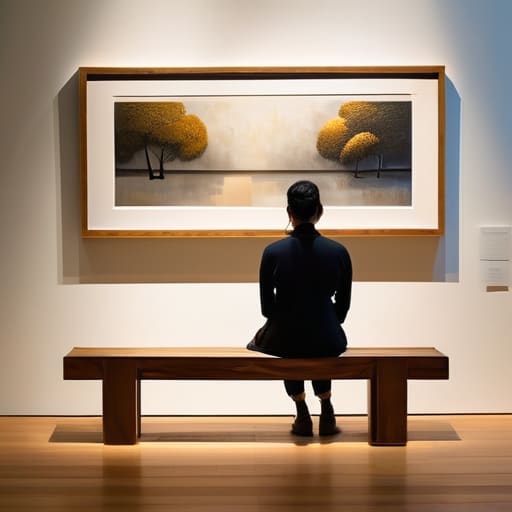
At the end of the day, a museum guide shouldn’t be a checklist that dictates your pace or a script you feel forced to memorize. Whether you are using a formal audio tour to ground yourself in the history or simply letting your eyes wander from one brushstroke to the next, the goal is the same: to engage deeply rather than merely seeing. Remember to lean into those art appreciation techniques we discussed, keep your movement steady to avoid the midday crowds, and don’t be afraid to sit on a bench for twenty minutes just staring at a single canvas. It’s about making space for the details to actually speak to you.
As I sit here in this little cafe near the museum entrance, sketching the light hitting my coffee cup, I’m reminded that the best part of any journey isn’t the destination, but the quiet moments of clarity we find along the way. Museums are more than just buildings full of old things; they are sanctuaries of stillness in a world that won’t stop shouting. So, the next time you find yourself standing before a masterpiece, take a deep breath and just be there. Don’t worry about the miles you have left to walk or the exhibits you haven’t seen yet. Just savor the view right in front of you.
Frequently Asked Questions
Is it better to rely on the official audio guides provided at the entrance, or should I just wander and let my own intuition lead the way?
Now, this is a bit of a balancing act. If you’re looking for the hard facts—the dates, the names, the technicalities—the official audio guide is a fine tool. But if you want to actually feel the art, I’ve found it’s better to wander first. Let your eyes wander, let your intuition pull you toward a certain shade of blue or a strange texture. Once you’ve made a connection, then reach for the guide to see what it has to say.
How do I find those quiet, tucked-away corners of a museum where I can actually sit and sketch without feeling like I'm in someone's way?
Look, the main galleries are fine for a quick glance, but if you’ve got your notebook out, steer clear of the “hits.” Instead, head for the smaller, satellite wings or the rooms dedicated to niche subjects—they’re almost always quieter. I’ve found that finding a bench near a window or tucked into a corner of a less-visited period room works wonders. Just settle in, find your light, and let the rest of the crowd drift by.
Are there certain times of the week when the crowds thin out enough to actually hear myself think while I'm looking at the exhibits?
If you’re looking for that rare bit of solitude, steer clear of the weekends and those bright Tuesday afternoons when school groups tend to descend. In my experience, Tuesday mornings—right as the doors swing open—or a rainy Thursday afternoon are your best bets. There’s something special about a quiet museum on a weekday; the air feels stiller, and you can actually hear your own footsteps as you wander.
