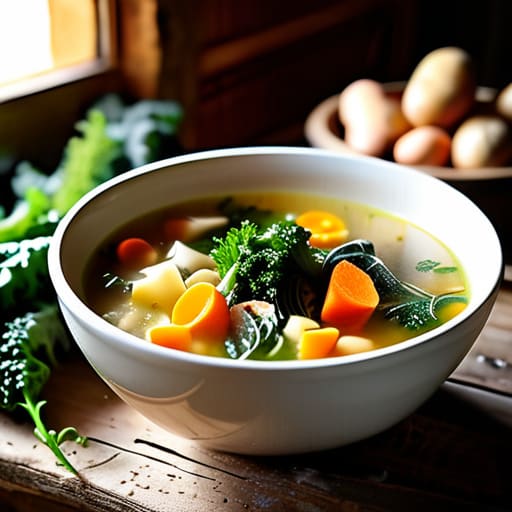
I remember sitting in a drafty site trailer back in ’88, the wind whipping off the lake and rattling the corrugated metal walls. My hands were cracked from the cold, and the blueprints in front of me felt more like a burden than a plan. Then, a coworker slid a chipped ceramic mug across the desk—a simple, steaming vegetable broth that smelled of thyme and patience. It wasn’t fancy, and it certainly wasn’t a gourmet reduction, but those comforting soups have a way of anchoring you when the world feels like it’s spinning a bit too fast. They don’t need gold flakes or complicated foams; they just need time and a little bit of soul.
I’m not here to give you a list of trendy, over-engineered recipes that require a trip to a specialty market just to find one obscure spice. Instead, I want to share the honest, unpretentious methods I’ve gathered over the years for making a pot that actually heals. We’re going to focus on the basics: the slow simmer, the right aromatics, and the kind of steady heat that turns simple ingredients into something meaningful. My goal is to help you find that same sense of quiet refuge in your own kitchen.
Table of Contents
The Quiet Magic of Nutritious Homemade Broths
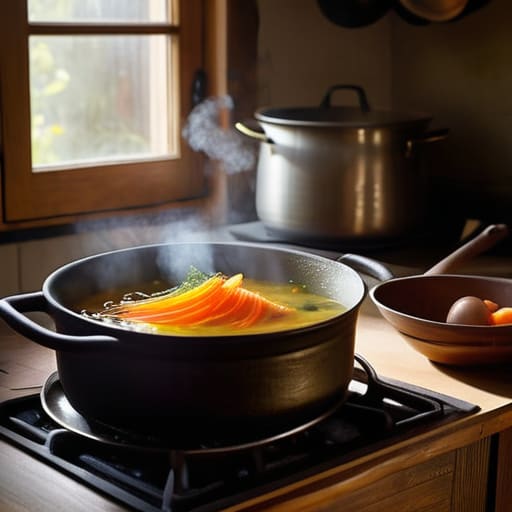
I’ve always found a certain meditative quality in the slow simmer of a stockpot. Back when I was managing construction sites, I rarely had the patience for it, but these days, I find that making nutritious homemade broths is much like restoring one of my old Leica cameras—it requires patience, a steady hand, and an appreciation for the foundational elements. You can’t rush a good bone broth or a deep vegetable stock; you have to let the heat do the quiet work of extracting every bit of character from the ingredients.
There is a profound sense of satisfaction in watching a few humble scraps of marrow bones, carrots, and onions transform into something golden and restorative. It’s the backbone of all the best soul warming soup recipes I’ve come to love. When I’m sitting by the window, sketching the frost on the glass, I often find myself thinking about how these liquid foundations are the true essence of winter comfort food ideas. It isn’t just about filling a stomach; it’s about building a base of flavor that feels like a warm embrace from the inside out.
Savoring Slow Winter Comfort Food Ideas
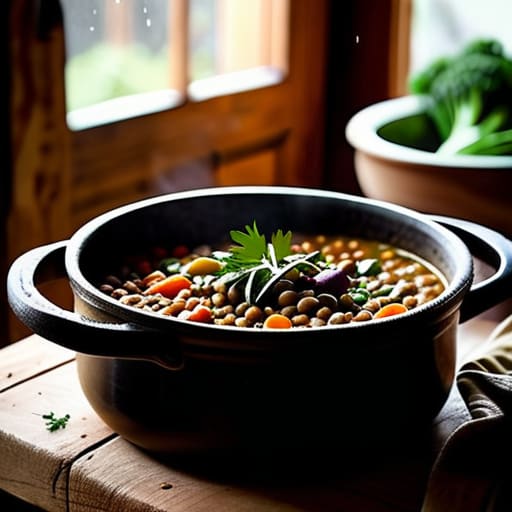
There is a certain rhythm to a kitchen during the colder months, a slow dance of chopping and simmering that feels more like a ritual than a chore. I find that the best winter comfort food ideas don’t require a complicated recipe or a pantry full of exotic spices. Instead, they rely on patience. I often find myself leaning over a heavy cast-iron pot, watching the steam rise, thinking about how much better a meal tastes when you haven’t rushed the process. There is something deeply grounding about a thick lentil stew or a rustic potato leek soup that sits heavy and warm in your stomach.
If you aren’t looking to spend the entire afternoon hovering over a stove, I’ve found that easy one-pot soup meals are a wonderful way to keep the chill at bay without the stress. A simple pot of minestrone, loaded with whatever seasonal vegetables are sitting in the crisper drawer, can become a masterpiece if you just let it sit. It’s about those hearty vegetable soup variations that grow richer with every hour they simmer. It isn’t about perfection; it’s about the quiet satisfaction of a meal that feeds more than just your hunger.
A Few Small Ways to Make Your Soup Feel Like Home
- Don’t be afraid to let it sit. Much like a well-built bridge needs time to settle, a soup often tastes its best the next day after the flavors have had a chance to truly get acquainted with one another.
- Keep a few good crusty loaves on hand. There is a particular kind of simple joy in using a piece of sourdough to sweep up the very last bit of broth from the bottom of a bowl.
- Mind the texture. I’ve found that a little bit of contrast—maybe some toasted seeds or a handful of fresh herbs added right at the end—keeps things from feeling one-note and heavy.
- Invest in a heavy pot. In my engineering days, I learned that the right materials make all the difference; a sturdy Dutch oven distributes heat evenly, ensuring nothing scorches while you’re busy watching the world go by.
- Season with intention. A splash of bright lemon juice or a tiny drop of vinegar right before serving can wake up a heavy stew, much like a sudden burst of sunlight through a gray winter sky.
A Few Small Reminders for the Kitchen
Don’t rush the process; a broth that has simmered on the stove for hours carries a depth of flavor that a quick fix simply can’t replicate.
Keep your pantry stocked with the basics—good onions, hearty root vegetables, and dried herbs—so you’re always ready to turn a quiet afternoon into a nourishing one.
Remember that the best part of a meal isn’t just the nutrition, but the stillness it affords you to sit, reflect, and truly taste what you’ve made.
## A Lesson from the Steam
There is a certain kind of patience required to make a truly good soup; you can’t rush the flavors, much like you can’t rush a landscape into being. You just have to sit there, watch the steam rise, and wait for the ingredients to finally find their way to one another.
Bernard Oyelaran
A Final Sip of Stillness
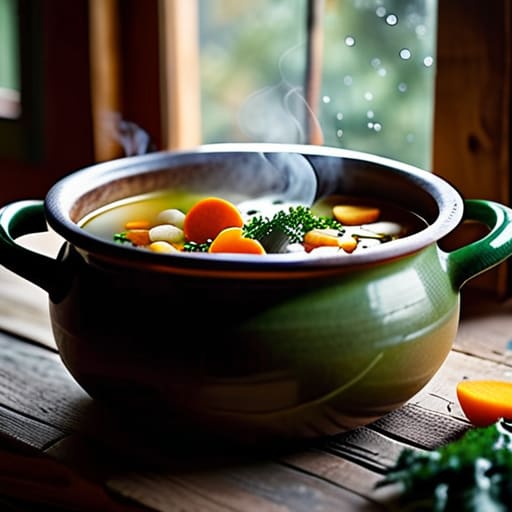
As I sit here by the window, watching the frost creep across the glass, I’m reminded that making a good soup is really about more than just following a recipe. It’s the patience required to let a broth simmer until the flavors truly marry, and the intentionality of choosing ingredients that nourish both the body and the spirit. Whether you are building a foundation with a rich, homemade stock or simply letting a pot of hearty vegetables bubble away on the stove, you are doing more than just cooking. You are creating a sanctuary in a bowl, a way to reclaim your time from a world that always seems to be in a hurry.
So, the next time the wind starts to howl or the gray clouds settle in for the afternoon, I hope you’ll find a reason to turn on the stove. Don’t worry about perfection or the fancy garnishes you see in those glossy magazines. Just focus on the warmth, the aroma, and the simple act of slowing down. Life can be loud and demanding, but there is a profound, quiet dignity in a well-timed meal. Take a spoon, find a comfortable chair, and just breathe. You’ve earned this moment of peace.
Frequently Asked Questions
How do you keep a homemade broth from tasting too heavy or overwhelming?
It’s a common trap, isn’t it? You spend hours over the stove and end up with something that feels more like a chore to eat than a comfort. I’ve found that a bright splash of acid—a squeeze of fresh lemon or a teaspoon of apple cider vinegar—right at the end works wonders. It cuts through that heavy fat and wakes the whole pot up. A bit of fresh herbs, too, helps keep things light.
Are there any specific tools or old-fashioned methods you recommend for getting the best flavor out of seasonal vegetables?
I’ve always found that patience is the best tool in any kitchen. If you want to really draw out the sweetness in a winter squash or a root vegetable, skip the high-heat roasting and try a slow braise in a heavy cast-iron Dutch oven. There’s something about the steady, even heat of iron that coaxes out flavors a modern pan just can’t reach. It’s a bit more work, but the depth it adds is worth every minute.
When you're traveling and don't have a full kitchen, how do you find that sense of comfort in a simple meal?
When I’m on the road, I’ve learned not to chase a five-star menu. Instead, I look for the little local spots—the kind of place where the steam from a single bowl of broth hits the window. Even without a kitchen, I find comfort by seeking out something simple and hot. A local vegetable soup or a hearty stew from a corner cafe does more than just fill my stomach; it grounds me.
