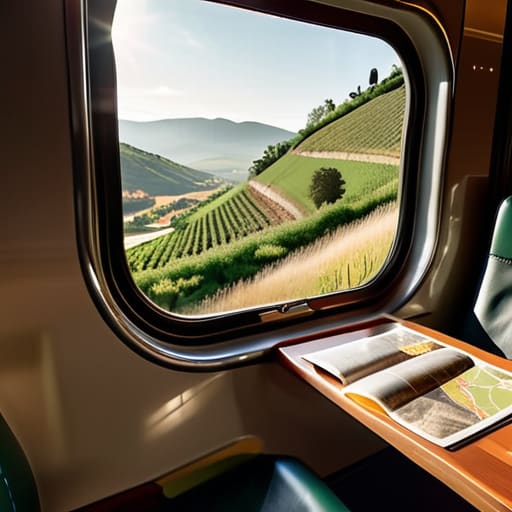
I was sitting on a weathered bench in a small coastal village last Tuesday, watching a group of tourists scramble up a steep, muddy embankment just to snap a quick photo of a famous lookout. They were all breathing heavy, checking their watches, and looking more stressed than relaxed. It struck me then that we’ve turned the search for scenic views into a competitive sport—a frantic race to check a box rather than a way to actually see anything. We chase the “iconic” landmarks and the crowded vistas, often missing the quiet, profound beauty that doesn’t require a ticket or a long queue.
I’m not interested in telling you which famous overlooks are worth the crowds or which expensive viewpoints are worth the hype. Instead, I want to share how you can find those hidden pockets of stillness that most people simply rush past. I’ll be sharing my own personal map of the world—the kind of places where the light hits the trees just right and the only sound is the wind. My goal is to help you find the views that actually nourish the soul, one slow, intentional moment at a time.
Table of Contents
Finding Solace in Breathtaking Mountain Vistas
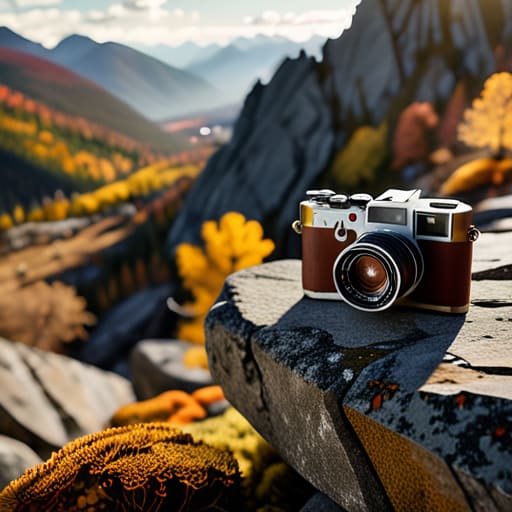
There is a specific kind of silence that only exists at high altitudes. I remember sitting on a granite ledge in the Rockies last autumn, my old Leica resting in my lap, watching the light shift across the peaks. When you find yourself standing before those breathtaking mountain vistas, the sheer scale of it all has a way of shrinking your worries down to size. It’s not just about the height; it’s about the perspective you gain when the world below looks like nothing more than a collection of tiny, manageable details.
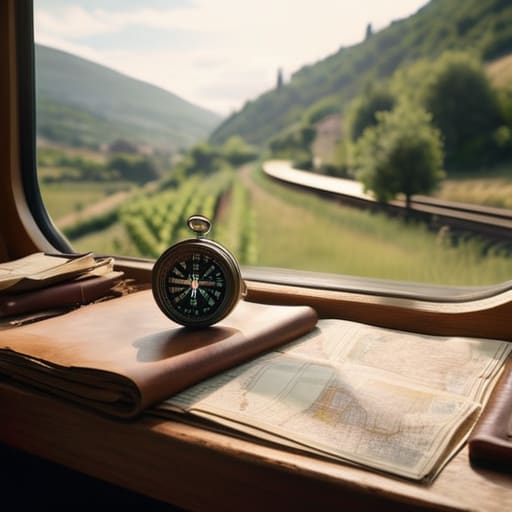
I’ve always found that the best way to truly experience these places is to skip the crowded tourist stops and seek out the more rugged, winding scenic hiking trails. There’s no substitute for the physical effort of the climb. By the time you reach the summit, your lungs are working, your legs are heavy, and suddenly, the view isn’t just something you see—it’s something you feel. I often find myself pulling out my leather notebook right there on the edge, trying to capture the way the shadows stretch across the valley, reminding myself that some moments are meant to be held, not just photographed.
Chasing the Light at Best Sunset Lookout Points
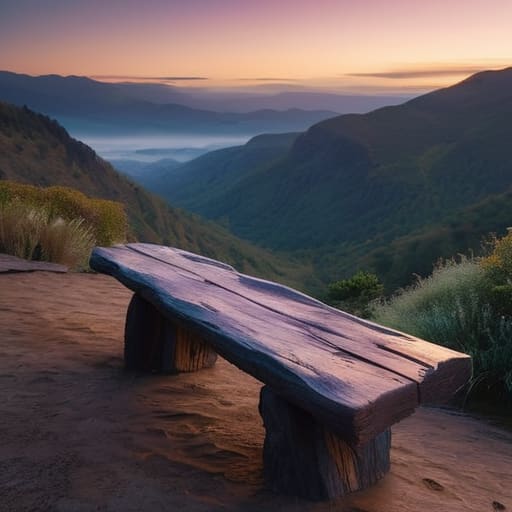
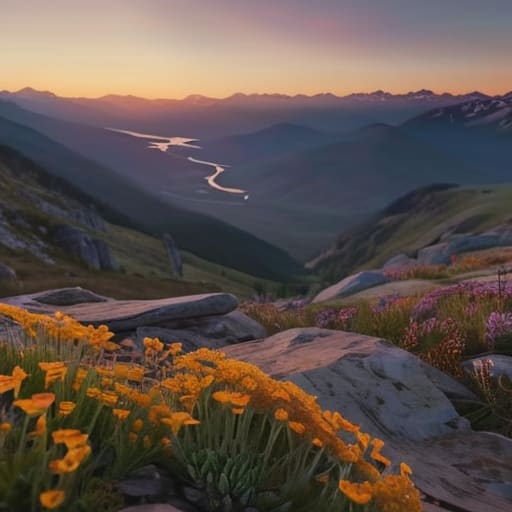
There is a particular kind of patience required when you’re hunting for the perfect sunset. It isn’t about rushing to the summit just to check a box; it’s about finding those best sunset lookout points where the air feels a bit heavier and the world seems to hold its breath. I’ve learned that the most rewarding moments often happen when you’re just sitting on a weathered bench, waiting for that precise second when the gold bleeds into deep violet.
I usually pull out my notebook during these times, not to sketch the sun itself, but to capture the way the light catches the edges of the trees or the distant silhouettes of the hills. While some travelers might be preoccupied with panoramic landscape photography, trying to capture every sharp detail on a digital screen, I find more joy in simply watching the colors shift. There is a quiet magic in seeing the day fold into night, a reminder that even the most frantic days eventually find their way to a peaceful conclusion.
A Few Lessons from My Notebook on Seeing Clearly
- Pack a little something to eat. I’ve found that a view is always better when you aren’t distracted by a rumbling stomach; a simple sandwich or a piece of fruit makes the moment feel like a proper event rather than just a stop on a map.
- Leave the digital world behind for a bit. It’s tempting to view everything through a smartphone screen, but try to let your eyes do the work first. Let the colors settle in your mind before you even think about snapping a photo.
- Check the weather, but don’t fear the clouds. A perfectly clear sky is lovely, sure, but there is a certain heavy, dramatic beauty in a mist rolling over a valley that you just don’t get on a bright, sunny afternoon.
- Bring a way to record the feeling. Whether it’s my old Leica or just a pencil and my leather notebook, try to capture a detail—the way the light hits a specific ridge or the shape of a lone tree—so you can find your way back to that feeling later.
- Embrace the stillness. If you find a spot that takes your breath away, don’t just glance and move on. Sit down. Stay a while. The real magic usually happens in the quiet minutes after you think you’ve seen enough.
A Few Notes for the Road
Don’t rush the climb; the best views aren’t just about the destination, but the quiet moments of breathing and noticing the world as you move toward it.
Pack your tools—whether it’s a camera or just a good notebook—because some views are meant to be captured and held onto long after you’ve left.
Learn to embrace the stillness; sometimes the most profound part of a scenic vista isn’t the grand scale, but the sudden, heavy silence that settles over everything.
The View from the Bench
A view isn’t something you just check off a list between meals; it’s a conversation between you and the horizon, and you’ll miss the best parts if you don’t sit still long enough to listen.
Bernard Oyelaran
The View from Here
Looking back on our journey through these landscapes, it becomes clear that a scenic view is much more than just a pretty postcard or a successful photograph. Whether we were standing amidst the heavy, silent majesty of the mountains or watching the sky catch fire during a sunset, the common thread was the same: a sense of profound stillness. We’ve talked about the peaks and the light, but the real takeaway is how these vistas serve as a necessary anchor. They remind us that while our daily lives can feel cluttered and hurried, there is a vast, enduring world that remains steady and beautiful, regardless of our personal deadlines or stresses.
As I sit here in this small cafe, sketching the way the light hits the cobblestones outside, I’m reminded that you don’t always need a mountain range to find something worth seeing. Sometimes, the most breathtaking view is simply the one you allow yourself the grace to actually notice. I hope that on your next walk, or even just during a quiet moment by a window, you remember to stop and linger. Don’t just pass through the world; take the time to truly inhabit it. After all, the best views aren’t just destinations—they are the moments when we finally catch our breath.
Frequently Asked Questions
What kind of gear would you recommend for someone who wants to capture these views without carrying a heavy camera bag?
I’ve learned the hard way that a heavy bag is the quickest way to ruin a long walk. If you want to keep things light, I’d suggest a decent mirrorless camera or even just a high-quality compact. I usually tuck my small Leica into a side pocket. Most importantly, bring a small, lightweight tripod if you can; it’s a game-changer for those dim twilight shots without weighing you down like a pack mule.
Are there any specific times of day besides sunset when the light makes these spots feel truly special?
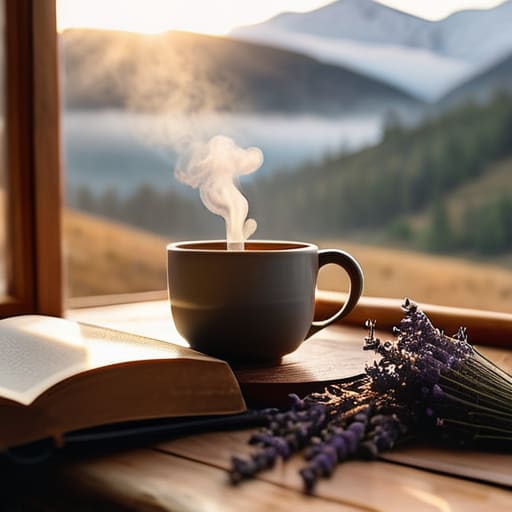
I’ve found that the early morning, just as the world is shaking off its sleep, has a magic all its own. There’s a soft, blue clarity to the light before the sun gets too aggressive. It’s quiet—the kind of quiet that lets you actually hear the wind in the pines. If you can catch that first bit of warmth hitting the peaks, it feels less like a view and more like a private conversation with the earth.
How do you find these quiet spots without running into large crowds of tourists?
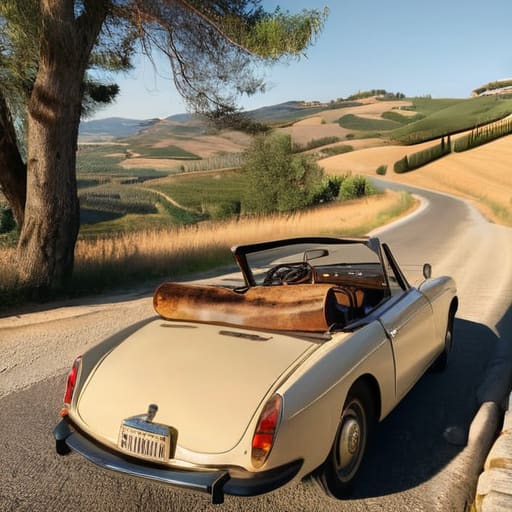
It’s a fair question. Most people follow the same bright signs and paved paths, which is why those spots get so crowded. I’ve found the best way is to look for the “in-between” places. I’ll check local topographical maps or just follow a dirt road that looks a bit too narrow for a tour bus. Often, if you walk just twenty minutes past the main trailhead, the noise of the world simply falls away.