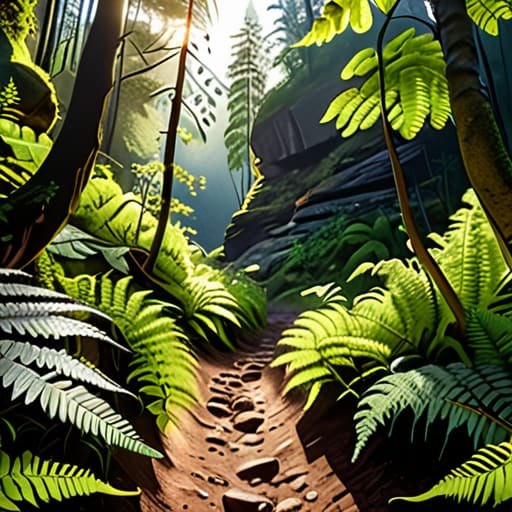
I was sitting on a weathered bench near the trailhead last Tuesday, watching a group of hikers power past with high-tech trekking poles and enough GPS gadgets to navigate a moon landing. They were breathing hard, eyes glued to their smartwatches, checking their heart rates as if they were trying to win a race against the forest itself. It struck me then how much we’ve lost in our rush to conquer the outdoors. Most people treat hiking trails like a treadmill in a gym—something to be checked off a list rather than experienced. We’ve turned a simple walk in the woods into a competitive sport, forgetting that the point isn’t how many calories you burn, but how much of yourself you find along the way.
I’m not here to sell you on the latest lightweight gear or the most grueling vertical climbs. Instead, I want to share the kind of paths that allow you to actually hear your own thoughts. I’ll be pointing you toward the quiet, winding trails where the goal isn’t the summit, but the way the light hits the moss or the steady rhythm of your own boots on the dirt. Consider this a guide for those who want to slow down, breathe deeply, and truly see what the world has to offer.
Table of Contents
Finding Peace Through Scenic Nature Walks
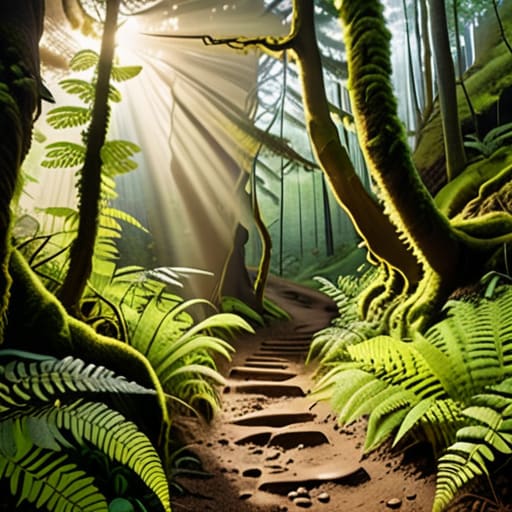
There is a specific kind of quiet you can only find when you step away from the pavement and into the trees. For me, it isn’t about checking a distance off a fitness tracker or conquering a peak; it’s about the rhythm of my boots on the earth. I’ve found that scenic nature walks serve as a sort of reset button for the soul. When the world feels a bit too loud, I head toward the local woods, looking for those winding paths where the canopy closes in just enough to soften the sunlight.
I often tell folks that you don’t need to be an expert woodsman to enjoy this. While some worry about wilderness navigation skills, I find that most of the joy lies in simply following a well-marked path and letting my curiosity lead the way. I tend to stick to routes with moderate trail difficulty ratings—nothing so strenuous that I can’t stop to sketch a particularly interesting fern or a weathered stone in my notebook. It’s about the journey, not the destination, and finding that sweet spot where the only thing on your agenda is to breathe.
Understanding Trail Difficulty Ratings Without the Rush
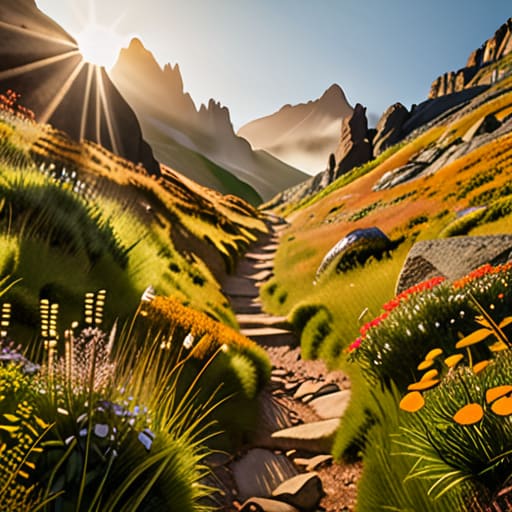
I’ve learned the hard way that a trail map can be a bit of a liar if you don’t know how to read between the lines. Back when I was managing construction sites, I learned to respect the terrain, and I bring that same mindset to the woods. When you look at trail difficulty ratings, try to look past the simple “easy” or “hard” labels. A “moderate” trail might be perfectly flat but could stretch for ten miles, which is a different kind of challenge than a short, steep climb. I always tell myself to choose the path based on how much I actually want to see rather than how much I want to sweat.
It’s easy to get caught up in the gear talk, but don’t let the technicalities intimidate you. While having the right hiking footwear recommendations in your pocket helps prevent a twisted ankle, no amount of expensive equipment can replace a bit of common sense. If a sign says a path is technical, it usually means the ground is uneven or rocky. I prefer to pick paths where the difficulty allows me to keep my eyes on the canopy rather than constantly staring at my feet.
A Few Small Ways to Make the Journey Better
- Pack more than just the basics; I always keep a small, sturdy notebook and a pencil in my pocket. There’s something about sitting on a fallen log and sketching a particular bend in a creek that makes the scenery stick in your mind far better than a quick photo ever could.
- Don’t be afraid to leave the map in your pack for a bit. While I wouldn’t suggest getting truly lost, there is a certain magic in following a well-worn path simply because it looks like it leads somewhere quiet and undisturbed.
- Listen to the silence between the sounds. Most people head out to hike for the exercise, but I find the real value is in the pauses—the way the wind moves through the pines or the rhythmic crunch of gravel under your boots. It’s a good way to clear the cobwebs.
- Treat your feet with respect. I’ve learned the hard way that a heavy, unyielding boot is the enemy of a long walk. Find something broken-in and reliable; your joints will thank you when you’re trying to enjoy a sunset later in the afternoon.
- Always plan for a slow finish. I like to pick trails that end near a small town or a quiet roadside diner. There is no better way to cap off a day in the woods than with a warm meal and a comfortable chair to reflect on where you’ve been.
A Few Things to Carry With You
Leave the stopwatch at home; a trail isn’t a track to be timed, but a path to be experienced at your own steady pace.
Pack more than just water—bring a small notebook or a camera to capture those quiet, fleeting details that most people miss.
Listen to your body and the terrain, choosing paths that invite you to linger rather than those that simply demand you reach the end.
The True Purpose of the Path
A trail isn’t a distance to be conquered or a metric of how much ground you can cover before sunset; it’s simply an invitation to step out of the rush and notice how the light hits the moss or how the air changes when you finally leave the pavement behind.
Bernard Oyelaran
Taking the Long Way Home
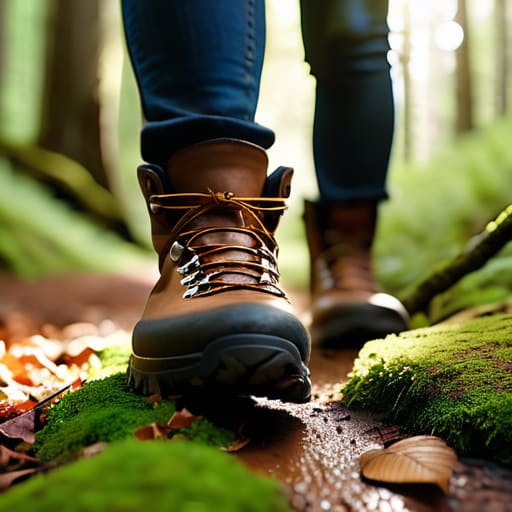
As I sit here by the window, sketching the way the light hits the oak trees outside, I’m reminded that hiking isn’t about checking a box or conquering a peak. We’ve talked about finding that sense of peace in the scenery and learning to read the trail markers at our own pace, rather than racing against a stopwatch. Whether you are navigating a steep incline or a gentle, winding path through the woods, the goal remains the same: to connect with the earth beneath your boots and the air in your lungs. Remember, the difficulty rating on a map is just a suggestion; the true measure of a hike is how much of it you actually managed to notice along the way.
So, the next time you lace up your boots, I hope you leave your sense of urgency at the trailhead. Don’t worry about the miles per hour or the summit photos that everyone else seems so obsessed with. Instead, look for that one particular patch of wildflowers or the way the shadows stretch across the dirt in the late afternoon. Life has a way of getting loud and cluttered, but the trail offers a rare kind of silence if you are willing to listen. Just take it one step at a time, and remember that the best views aren’t always at the top, but in the quiet moments found somewhere in between.
Frequently Asked Questions
What kind of footwear would you recommend for someone who prefers a steady, easy pace rather than a strenuous climb?
If you aren’t looking to scale any mountains, there’s no need to lug around those heavy, stiff mountaineering boots. For a steady stroll, I’ve found that a sturdy pair of walking shoes or light trail runners works best. You want something with a bit of cushion for the soles and a decent grip, but enough flexibility to let your feet move naturally. Comfort is king when the goal is simply to enjoy the scenery.
How do I know if a particular trail will have enough quiet spots to actually sit and enjoy the scenery?
I’ve learned to look past the mileage and focus on the “visual landmarks” in trail descriptions. If a map mentions a lookout, a creek bend, or an old stone bridge, that’s a good sign. I also tend to avoid the “scenic loops” that are popular on social media; those are usually too crowded for contemplation. Instead, I look for trails with varied terrain—the little nooks and crannies where you can tuck yourself away.
Are there any specific times of day when the light is best for sketching or taking photos along the path?
If you’re looking to capture that perfect light, I always aim for the “golden hours”—that soft, honeyed glow just after sunrise or right before the sun dips below the horizon. It makes the textures of the bark and the sweep of the hills look almost tactile. Midday light can be a bit harsh and unforgiving, so I usually find a shady spot to eat my sandwich and wait for the shadows to stretch out and soften.
