I was sitting in a small, sun-drenched plaza in Florence last spring, watching a young couple frantically cross-referencing a color-coded spreadsheet on their phone while their espresso grew cold and forgotten. They were so consumed by the mechanics of itinerary planning that they seemed to have completely missed the way the light was hitting the terracotta rooftops. It struck me then that we’ve turned traveling into a high-stakes engineering project, where the goal is to maximize efficiency rather than to actually experience the place. We treat our precious time like a construction deadline to be met, instead of a gift to be unwrapped.
I’m not here to give you a rigid blueprint or a list of “must-see” landmarks that you’ll only view through a camera lens. Instead, I want to share a different approach—one built on the idea that the best parts of a journey are often the ones you didn’t see coming. I’ll show you how to structure your days so you can stay organized without losing your soul to a schedule, leaving plenty of room for spontaneous detours and long, slow lunches.
Table of Contents
A Simple Travel Itinerary Template for Slow Mornings

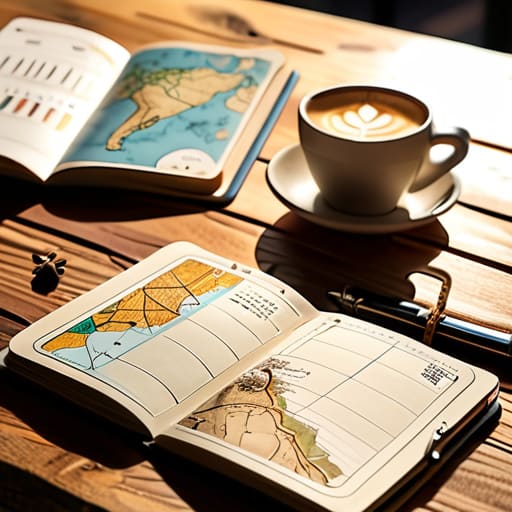
I’ve never been much for the rigid, minute-by-minute schedules that seem to drive most modern travelers. In my engineering days, a schedule was a contract, but in travel, a schedule should be a suggestion. When I sit down with my notebook to sketch out a travel itinerary template, I don’t look for ways to cram more into a day. Instead, I try to build in “white space.” I like to pick one anchor point—perhaps a museum or a specific landmark—and then leave the rest of the afternoon wide open. This prevents that frantic feeling of chasing a clock and allows for those unexpected moments of stillness that make a trip worthwhile.
Rather than worrying about efficient vacation scheduling that treats a city like a checklist, I prefer a loose framework. I might note a morning stroll through a local market and a specific bistro for lunch, but I leave the afternoon to chance. If I find a quiet courtyard or a shop with interesting vintage lenses, I want the freedom to stay there as long as I like. By focusing on a few meaningful landmarks rather than exhaustive tourist attraction mapping, you ensure your journey feels like a discovery rather than a chore.
Mastering Daily Travel Logistics Without Losing Your Peace
Managing the moving parts of a trip shouldn’t feel like a second job. Back when I was managing construction sites, I lived by the clock, but I’ve learned that applying that same rigidity to a holiday is a recipe for burnout. The secret to handling daily travel logistics isn’t about accounting for every minute; it’s about grouping things together so you aren’t constantly fighting transit. I like to look at a map and find a single neighborhood that holds interest, rather than trying to crisscross a city in a single afternoon.
When I sit down with my notebook to sketch out a plan, I focus on logical clusters rather than a strict timeline. Instead of obsessing over an optimized sightseeing route that forces you to sprint from monument to monument, I aim for a loose flow. I might note a museum in the morning and a specific bakery nearby for lunch, but I leave the afternoon wide open. This way, you have a sense of direction without feeling like a passenger in your own life. It’s about having a framework that supports your freedom, rather than a cage that restricts it.
Five Ways to Plan Without Losing the Magic
- Build in “buffer zones” for the unexpected. I used to plan every minute of a project back in my engineering days, but travel isn’t a construction site. If you schedule a museum visit for 10:00 AM, don’t be upset if you find a charming bookstore at 9:30 AM that keeps you there for an hour. Leave gaps in your day for those lovely, unplanned detours.
- Pick one “anchor” per day. Instead of trying to see five landmarks, choose one significant thing you truly want to experience—be it a specific cathedral or a historic bridge. Once that’s done, let the rest of the day breathe. It takes the pressure off and turns a checklist into a genuine experience.
- Follow your appetite, not just a map. Some of my best memories aren’t from monuments, but from sitting in a sun-drenched plaza with a bowl of local pasta. When planning, don’t just look for sights; look for neighborhoods known for their food. A good lunch can often be the highlight of the entire afternoon.
- Group your stops by neighborhood to save your legs. There’s no sense in crisscrossing a city three times in one day. It’s much more peaceful to wander through one district, soaking in the architecture and the local rhythm, rather than spending half your journey staring at the back of a bus driver’s head.
- Pack a notebook, not just a guidebook. As I sit in a cafe, I find it much more rewarding to sketch a view or jot down a thought than to constantly check a screen. Use your itinerary as a loose guide, but let your own observations and the quiet moments guide your actual journey.
Lessons from the Road: Finding the Balance
Build your schedule around anchor points—like a specific breakfast or a sunset view—rather than a rigid list of sights, giving you the freedom to linger where you feel most at home.
Treat logistics like the foundation of a bridge; get them solid and settled early so you don’t have to worry about them once you’re actually out enjoying the scenery.
Leave the “white space” in your notebook and your day; the best memories rarely come from the landmarks you planned to see, but from the quiet corners you found by accident.
The Purpose of a Plan
A good itinerary shouldn’t be a rigid blueprint for a construction site; it should be more like a loose sketch in my notebook—providing just enough structure to keep you moving, but leaving plenty of white space for the unexpected sunlight or a sudden craving for a long, quiet lunch.
Bernard Oyelaran
The Heart of the Journey

As you sit down with your notebook to map out your next adventure, remember that the goal isn’t to build a rigid blueprint, but to create a framework that supports your curiosity. We’ve talked about leaving room for those slow, unscripted mornings and finding ways to handle the logistics so they don’t weigh you down like a heavy pack. By balancing a bit of structure with a healthy dose of flexibility, you ensure that you aren’t just checking off landmarks, but actually experiencing the soul of a place. An itinerary should serve you, not the other way around; it is merely the scaffolding that allows the real beauty of travel to take shape.
In the end, the most meaningful moments rarely happen when we are rushing to catch a train or meeting a strict deadline. They happen in the quiet gaps—the extra hour spent sketching a crumbling stone wall or the unexpected conversation over a shared plate of pasta in a dim corner cafe. Don’t be afraid to discard the plan when something more interesting catches your eye. After all, we don’t travel to conquer destinations; we travel to be changed by them. So, pack your bags, keep your eyes open, and remember to savor the view.
Frequently Asked Questions
How do I know when I've planned too much for a single day?
You’ll know you’ve gone too far when you start looking at your watch more than the view. If you find yourself checking your phone to see how much time is left before the next “scheduled” activity, or if the idea of a long, lingering lunch feels like a chore rather than a treat, you’ve overbooked. When the logistics start feeling like a heavy lift instead of a gentle guide, it’s time to cross something off and just sit.
Should I book my meals in advance, or is it better to just see where the afternoon takes me?
If you’re heading somewhere truly special—a place with only one or two renowned bistros—go ahead and book a table. It saves the heartache of a hungry, wandering afternoon. But for most days? Leave it to chance. There is a particular kind of magic in following the scent of fresh bread or the hum of a lively terrace. Let your appetite be your compass; some of my best memories started with a spontaneous seat at a corner table.
How can I keep my travel plans flexible enough to handle a sudden change in weather or a long, unplanned walk?
I’ve learned the hard way that a rigid schedule is just a recipe for frustration. My rule of thumb is to plan only one “anchor” for the day—perhaps a specific museum or a dinner reservation—and leave the rest of the hours wide open. If a sudden downpour hits, you can duck into a bookstore or a quiet cafe without feeling like you’ve failed your plan. Leave room for the detour; that’s usually where the real magic happens.
