
I was sitting in a small, sun-drenched cafe in coastal Portugal last Tuesday, watching the steam curl off my tea, when I noticed a young woman at the next table scrolling through her phone with a look of pure exhaustion. She was reading about some neon-colored powder promising to “reprogram her biology,” a marketing term that made me want to roll my eyes right into my saucer. It seems like everywhere you turn these days, people are trying to sell you a magic pill, wrapping the concept of adaptogens in layers of expensive, scientific-sounding jargon that feels more like a sales pitch than actual wellness. To my mind, if you need a PhD and a platinum credit card to understand how to find your balance, the system is fundamentally broken.
I’m not here to sell you a miracle cure or a complicated ritual that requires a specialized laboratory. Instead, I want to share what I’ve learned from a life of steady work and slow travel: how these plants can actually help you find your footing when the world feels a bit too loud. I promise to skip the hype and give you a plain-spoken guide to using adaptogens to help your body find its natural rhythm. We’ll look at what they are, how they work, and how to incorporate them into a life that values quiet strength over constant hustle.
Table of Contents
The Herbal Adaptogen Mechanism of Action and Inner Peace

I’ve spent much of my life looking at how things are built—how steel and concrete hold up against the elements. It turns out our bodies work in much the same way, though the “blueprints” are a bit more subtle. When I look into the herbal adaptogen mechanism of action, I see it as a sort of biological leveling tool. Instead of a sudden spike or a crash, these plants seem to help the body find its center. They work by nudging the endocrine system support systems, helping us maintain a steady state even when the world feels a bit too loud.
It isn’t about a quick fix or a temporary rush; it’s about long-term stability. By assisting with cortisol regulation benefits, these herbs help prevent that feeling of being completely “wired but tired” that so many of us carry. For me, it’s like fine-tuning an old Leica camera—you aren’t forcing the lens, you’re just adjusting the mechanism so the image comes into focus. It’s a gentle way of helping the body manage its own internal rhythm, allowing us to stay present for the views that actually matter.
Natural Stress Relief Herbs for Savoring the Slow Moments
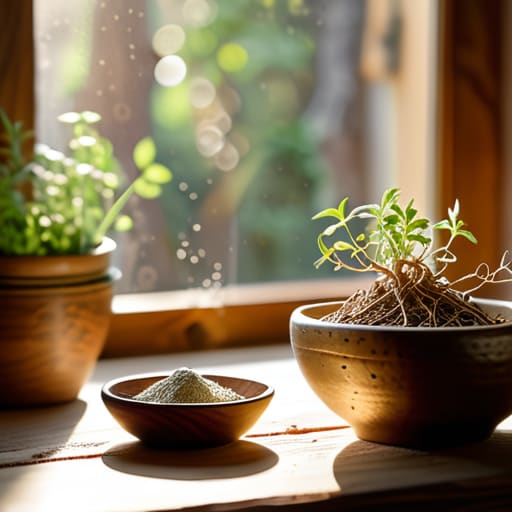
When I was managing construction sites back in the day, I used to think “stress relief” meant a stiff drink or a long nap. But as I’ve slowed down, I’ve realized that true calm comes from supporting the body from the inside out. I’ve been experimenting with a few natural stress relief herbs lately, specifically Ashwagandha. It’s a bit of a game-changer for those mornings when my mind feels like it’s racing three steps ahead of my coffee. It seems to provide a steady kind of endocrine system support that helps me stay grounded, rather than just masking the jitters.
Then there is Holy Basil, or Tulsi, which I’ve taken to sipping as a warm tea while I sketch in my notebook. There is something about the ritual of it—the steam rising, the gentle aroma—that signals to my brain that the workday is over. It’s one of those small ways of managing adrenal fatigue naturally without feeling like you’re taking a heavy-handed medicine. These aren’t quick fixes, but rather quiet companions that help me maintain a sense of steady equilibrium throughout the day.
A Few Gentle Ways to Bring These Herbs Into Your Daily Rhythm
- Don’t treat them like a quick fix or a shot of espresso; adaptogens work best when you treat them like a slow-simmering stew, giving your body time to settle into their rhythm over a few weeks.
- I’ve found that stirring a bit of ashwagandha into a warm cup of milk before bed is a lovely ritual—it’s less about the chemistry and more about signaling to your mind that the day’s work is done.
- Keep an eye on how you feel, rather than just following a strict schedule; if you notice a certain herb makes you feel a bit too “bright” or restless, listen to your body and dial it back.
- Quality matters more than quantity, so skip the bargain bins and look for reputable sources; it’s much like restoring an old Leica—you want the real deal if you want it to last.
- Use these herbs as an excuse to pause; whether it’s steeping a tea or mixing a powder, let that small moment of preparation be your cue to sit down, breathe, and just be.
A Few Small Reminders for the Road
Adaptogens aren’t a quick fix or a magic pill; think of them more like a steady hand on a rudder, helping you stay upright when the waters get a bit choppy.
Don’t feel like you have to overhaul your entire life overnight—sometimes just adding a bit of ashwagandha to your evening ritual is enough to help you settle into the moment.
Remember that these herbs work best when paired with the real stuff, like a quiet walk or a decent meal, helping your body find its natural rhythm again.
Finding a Quiet Rhythm
I’ve learned through years of managing heavy machinery and even longer years of watching the seasons change that you can’t force a thing to settle; you can only provide the right environment for it to find its own balance. To me, adaptogens feel a bit like that—not a sudden fix, but a gentle, steady hand helping the body remember how to breathe when the world gets too loud.
Bernard Oyelaran
Finding Your Own Rhythm
As I sit here in this little cafe, watching the sunlight stretch across the cobblestones, I’m reminded that finding balance isn’t about a single magic fix. We’ve talked about how these remarkable herbs work with our bodies to steady the ship, whether it’s through the calming influence of Ashwagandha or the steadying hand of Holy Basil. It isn’t about forcing ourselves to be perfectly calm all the time—that’s an impossible engineering feat, even for me—but rather about building a bit of resilience into our daily routines. By incorporating these natural tools, we aren’t just managing stress; we are giving our systems the grace they need to weather the storms without breaking.
At the end of the day, though, an adaptogen is just a companion to the real work of living well. It can help quiet the noise, but it’s up to us to actually listen to what that silence is trying to tell us. Don’t get so caught up in the pursuit of “optimization” that you forget to actually inhabit your own life. Take the long way home, sip your tea while it’s still warm, and remember that true wellness is found in the pauses. Life moves fast enough as it is; there is no need to rush through the quiet moments that make it all worthwhile.
Frequently Asked Questions
How long does it actually take to feel a difference, or is this something that requires a bit of patience?
Now, don’t expect a miracle overnight. I used to think everything needed an immediate fix, but these herbs aren’t like a quick cup of coffee. They work more like the slow restoration of an old Leica camera—it’s a gradual process of bringing things back into alignment. Most folks notice a subtle shift after a few weeks of steady use. It requires a bit of patience, but that’s usually when the real beauty shows up.
Are there any specific times of day when I should be taking these, or can I just stir them into my morning coffee?
That’s a fair question. I usually find that timing depends on what you’re looking for. If you’re using something like Ashwagandha to steady your nerves, a little bit in your evening tea can be quite soothing. As for the coffee, you can certainly stir some in, but be mindful—some adaptogens can be a bit earthy and might clash with your morning roast. I prefer a quiet moment with warm water instead.
Is it safe to mix these herbs with my regular medications, or should I check with my doctor first?
That’s a vital question, and I’m glad you asked it. While I find a lot of peace in these natural remedies, I’m a retired engineer—I know better than anyone that even the best-laid plans need a proper safety check. Since herbs can interact with prescriptions in ways we don’t always see, please do have a quick chat with your doctor first. It’s better to be certain before you start your journey.
