Category: Travel

  • Exploring New Cities on Foot

    Exploring New Cities on Foot

    I was sitting in a small, sun-drenched plaza in Florence last spring, clutching my notebook and watching a group of tourists scramble past a centuries-old fountain. They were all huddled around a guide, frantically checking their watches and rushing from one landmark to the next, looking more exhausted than enlightened. It struck me then that most walking tours have become little more than high-speed obstacle courses designed to check boxes on a list. We’ve traded the soul of a city for a frantic race to see everything without actually feeling anything at all.

    I’m not interested in those breathless marathons, and I suspect you aren’t either. In the pages ahead, I want to share how you can approach these journeys differently—by seeking out the quiet corners and the stories that aren’t printed on every glossy brochure. I’ll offer you my own practical, no-nonsense approach to finding the true rhythm of a place, ensuring your next stroll is less about the distance covered and more about the moments that actually stay with you.

    Table of Contents

    Finding Peace Along Scenic Walking Paths

    Finding Peace Along Scenic Walking Paths.

    There is a particular kind of stillness you can only find when you step off the main thoroughfares and onto the scenic walking paths that skirt the edges of a town. I’ve found that while the crowds gather around the famous monuments, the real soul of a place often hides in the shade of an old oak tree or along a winding riverbank. I usually pull out my notebook here, letting the rhythm of my footsteps dictate how long I stay. It’s not about hitting a certain mileage; it’s about noticing how the light hits the water or the way the moss clings to the stones.

    When I’m putting together my own self-guided walking itineraries, I tend to avoid the heavy-handed, scripted routes. Instead, I look for those quiet stretches where the only sound is the crunch of gravel underfoot. There is something deeply restorative about a slow stroll through a landscape that hasn’t been paved over for efficiency. It reminds me that the world doesn’t need to be conquered—it just needs to be witnessed.

    Tracing Old Stories on Historical Walking Tours

    Tracing Old Stories on Historical Walking Tours

    There is something deeply grounding about standing on a cobblestone street and realizing that, a hundred years ago, someone else stood exactly where you are, perhaps feeling the same afternoon sun on their neck. When I set out on historical walking tours, I’m not looking for a frantic checklist of monuments or a hurried lecture from a guide. Instead, I look for the ghosts of the past in the architecture—the way a limestone lintel has weathered or how a narrow alleyway was designed to catch a specific breeze.

    I’ve found that the most rewarding way to experience a city’s soul is through self-guided walking itineraries that allow for a bit of aimless drifting. I like to pick a starting point, perhaps a weathered statue or an old town hall, and then simply follow my curiosity. Sometimes that leads me to a quiet courtyard that isn’t mentioned in any guidebook, or a small bakery that has been using the same sourdough starter since the Great War. It’s in these unplanned detours that the real history reveals itself, tucked away in the quiet corners that the crowds usually miss.

    A Few Lessons from My Own Wandering

    • Leave the rigid itinerary at home. I’ve found that the best parts of a walking tour aren’t the monuments listed in the brochure, but the little side streets you stumble upon when you decide to take a detour just because the light looks right.
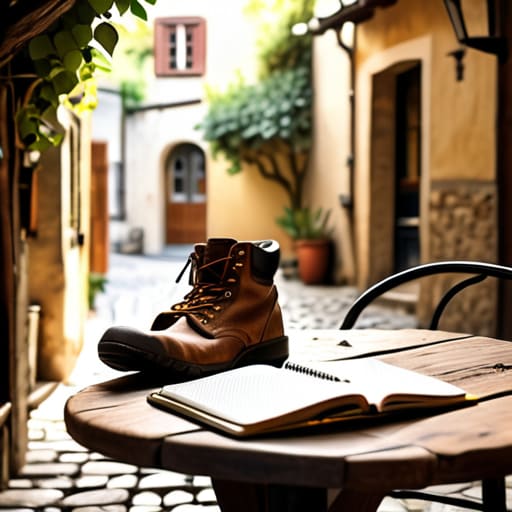
    • Pack for the reality of the road, not the ideal. A sturdy pair of broken-in boots and a light layer are worth more than any fancy gadget. I never head out without my leather notebook and a pencil; there’s something about sketching a doorway that makes you see it more clearly than a photo ever could.
    • Listen more than you talk. Whether it’s a guide sharing local lore or just the rhythm of the city around you, there is a certain kind of wisdom found in silence. Let the surroundings settle into your bones before you rush to the next landmark.
    • Treat your hunger as a compass. Don’t just look for the most popular cafe on the main drag. Instead, look for the place where the locals are sitting quietly, perhaps a small bistro tucked away in a corner. A slow meal is the perfect punctuation mark to a long walk.
    • Carry a little extra patience. Sometimes a path is blocked, or a sudden rain shower turns a stroll into a scramble. I’ve learned to just pull my collar up, find a dry spot under an awning, and enjoy the view of the rain. The detour is often where the real story begins.

    A Few Thoughts Before You Lace Up Your Boots

    Don’t feel pressured to see everything on a map; the best parts of a walk are often the unplanned detours where you find a quiet bench or a view worth sketching.

    Let the history breathe. Instead of rushing to the next monument, take a moment to stand still and imagine the lives that were lived on the very ground beneath your feet.

    Pack light, but pack well. A sturdy pair of shoes and a bit of patience are far more important than a heavy guidebook or a rigid itinerary.

    The Rhythm of the Road

    A walking tour isn’t about checking landmarks off a list; it’s about the way the light hits an old brick wall or the sudden, quiet magic of a side street you weren’t even looking for. It’s about letting your feet set the pace so your soul can finally catch up.

    Bernard Oyelaran

    The Beauty of the Slow Path

    Discovering The Beauty of the Slow Path.

    As I look back on these different ways to move through a new place, it strikes me that a walking tour is rarely about the destination or even the landmarks themselves. Whether you are seeking the quiet solace of a winding forest trail or digging into the heavy, layered history of an old city square, the real value lies in the rhythm of your own footsteps. We’ve talked about finding peace in nature and uncovering the echoes of the past, but the common thread is the same: you have to be willing to leave the map behind every once in a while. It’s in those unplanned detours—the ones where you stop to sketch a crumbling stone wall or watch the light hit a café window—that the true character of a place finally reveals itself to you.

    So, my advice to you is simple: don’t feel pressured to see everything on the itinerary. If you find a bench that looks inviting, sit a while. If a side street catches your eye, wander down it. We spend so much of our lives rushing toward the next big thing that we forget how to inhabit the present moment. I’ve found that the most meaningful parts of my travels aren’t the famous monuments, but the quiet, unscripted moments found between them. Put your phone away, take a deep breath, and just allow yourself to wander. You might be surprised at what you find.

    Frequently Asked Questions

    How do you decide which walking tours are worth the time and which ones are just too rushed?

    I’ve learned to look past the glossy brochures. If a tour promises to hit ten landmarks in ninety minutes, I pass it by; that’s not a stroll, it’s a marathon. I look for smaller groups and guides who seem more interested in a good story than a stopwatch. A worthwhile tour should leave you with more questions and a bit of quiet space to breathe, rather than just a headache and a checklist.

    What kind of gear or comfortable footwear do you recommend for someone who wants to wander for hours without feeling the ache in their feet?

    I’ve learned the hard way that cheap shoes are a recipe for a ruined afternoon. After thirty years on construction sites, I swear by a sturdy, broken-in pair of leather walking boots or high-quality trail runners with good arch support. Avoid anything too stiff; you want flexibility. I also always pack a few extra pairs of merino wool socks. They keep your feet dry and prevent those nasty blisters that can derail a perfectly good stroll.

    Are there ways to enjoy a walking tour solo without feeling like you're missing out on the shared experience?

    I used to worry about that myself, especially when I first started traveling on my own. But honestly? There’s a certain magic in being a solo observer. When you aren’t caught up in a group’s conversation, you notice the way the light hits a crumbling brick wall or the specific scent of a bakery on a corner. Grab a good pair of headphones, keep your notebook handy, and let the city be your companion.

  • Finding the Right Place to Stay

    Finding the Right Place to Stay

    I remember sitting in a cramped, fluorescent-lit lobby in downtown Chicago years ago, staring at a computer screen that seemed determined to make my life difficult. I was trying to manage a simple hotel booking for a site inspection, but I found myself trapped in a loop of “special offers” and “limited time deals” that felt more like a high-pressure sales pitch than a service. It’s a bit maddening, isn’t it? We’ve reached a point where the digital process of finding a place to rest has become so cluttered with noise that it actually drains the joy right out of the anticipation of the trip itself.

    I’m not here to teach you how to play the algorithms or hunt for some elusive, secret discount code that requires a PhD to find. Instead, I want to share what I’ve learned from years of traveling with a heavy camera bag and a desire for peace: how to navigate the process with intentionality and ease. I’ll show you how to look past the shiny marketing photos to find a room that actually feels like a sanctuary, ensuring that when you finally turn the key, the only thing on your agenda is savoring the view.

    Table of Contents

    Finding the Best Time to Book Hotels for Quiet Mornings

    Finding the Best Time to Book Hotels for Quiet Mornings

    I’ve learned over the years that timing is everything, much like waiting for the right light to hit a landscape through a Leica lens. If you’re looking for those stillness-filled mornings where the only sound is the distant chime of a church bell, you shouldn’t just grab the first room that pops up on a screen. I’ve found that the best time to book hotels often falls well in advance of the season, allowing you to secure those specific rooms facing the courtyard or the garden rather than the noisy main road.

    That said, there is a certain quiet thrill in waiting. Occasionally, I’ll keep an eye out for last minute accommodation deals if I’m already in a new town and feeling particularly aimless. However, I always make sure to check the hotel cancellation policies before I commit. There’s no sense in rushing a decision and losing your peace of mind because you’re locked into a rigid schedule. I prefer to leave a little breathing room in my plans; it allows the trip to unfold naturally, rather than feeling like another project on a deadline.

    Navigating Online Travel Agency Comparison With a Calm Mind

    I’ve found that staring at a dozen different tabs on a laptop can feel a bit like staring at a chaotic construction site—all noise and no direction. When you sit down for an online travel agency comparison, it’s easy to let the flashing “limited time offer” banners get under your skin. I’ve learned to close the laptop for a moment, pour a cup of tea, and remind myself that there is no prize for being the fastest clicker. The goal isn’t just to find the lowest number on the screen, but to find a place that feels right.

    As I sift through the options, I make it a point to look past the bright colors and focus on the fine print. I always check the hotel cancellation policies first; having that bit of breathing room provides a peace of mind that no discount can buy. If plans change—as they often do when you’re traveling at a slower pace—you don’t want to feel tethered to a rigid decision. Take your time, weigh the options, and remember that the best decisions are rarely made in a rush.

    A Few Simple Ways to Make Sure Your Stay Is Worth the Journey

    • Don’t be afraid to pick up the phone and call the front desk directly. Sometimes, a five-minute conversation with a real person can get you a room with a view of the courtyard instead of the parking lot, and it usually feels a lot more personal than clicking through a screen.
    • Look past the glossy professional photos and hunt for the guest reviews that mention the little things—the sound of the street outside, the comfort of the chairs, or how the morning light hits the breakfast nook. Those are the details that actually make a room feel like a home.
    • Avoid the temptation to book the cheapest possible option just because it’s there. A hotel that’s a bit more expensive but offers a quiet corner or a reliable service is worth every extra cent when you’re trying to find some peace.
    • Check the cancellation policy twice, but don’t let it make you anxious. I like to have a little bit of breathing room in my plans, just in case I decide to stay an extra day in a town that has captured my heart.
    • When you’re looking at different sites, take a moment to breathe and step away from the screen. There’s no need to rush into a decision; the best rooms are often found when you stop treating travel like a transaction and start treating it like an invitation.

    A Few Notes for the Road Ahead

    Don’t let the flashing red “only 2 rooms left!” timers rattle you; those are just digital tricks to make you hurry, and there’s no sense in rushing a decision that’s meant to bring you peace.

    Look past the flashy photos of infinity pools and focus instead on the reviews that mention the quietness of the halls or the way the light hits the breakfast nook.

    Keep a little extra flexibility in your schedule, because sometimes the best way to secure a truly restful stay is to be willing to shift your plans by a day or two.

    The Art of the Reservation

    Booking a room shouldn’t feel like a frantic race against a ticking clock; it should feel like the first quiet step of a long, meaningful journey. Don’t just look for the lowest price—look for the place where you can finally hear yourself think.

    Bernard Oyelaran

    The Art of Letting Go

    Mastering The Art of Letting Go.

    At the end of the day, booking a hotel isn’t just about checking boxes on a digital screen or hunting for the lowest possible fare. It is about the groundwork you lay for your own peace of mind. Whether you are timing your reservations to catch those soft, golden morning hours or carefully weighing your options across different sites to find a place that feels right, remember that the logistics are merely the prelude. By taking a steady, methodical approach—much like I used to when reviewing blueprints for a bridge—you ensure that the technicalities don’t crowd out the actual experience. The goal is to secure your sanctuary so that once you arrive, the only thing left to do is exist in the space you’ve chosen.

    As I sit here in this little cafe, sketching the way the light hits the cobblestones, I am reminded that the best parts of travel are never found in a confirmation email. They are found in the stillness of a room that feels like home, the first sip of coffee overlooking a new horizon, and the freedom of having nothing on the agenda but observation. Don’t let the pursuit of the “perfect deal” turn into a frantic race. Instead, treat your planning as a slow unfolding. Once the booking is done, close the laptop, breathe deeply, and prepare yourself to simply see the world.

    Frequently Asked Questions

    Is it better to book directly with the hotel to ensure a more personal connection, or do those comparison sites actually save me some peace of mind?

    It’s a bit of a tug-of-war, isn’t it? Those comparison sites are handy for seeing the landscape at a glance—it’s like surveying a site before you break ground. But if you’re looking for a real connection, I always find it’s better to call the hotel directly. There’s a certain warmth in speaking to someone who actually manages the place. It ensures you aren’t just a confirmation number, but a guest they’re truly prepared to welcome.

    How can I tell if a hotel's "quiet" reputation is genuine or just something they've polished up for the website?

    I’ve learned the hard way that “tranquil” on a website often means “we have a thin wall and a busy lobby.” To find the truth, skip the marketing copy and head straight for the recent guest photos—look for shots of the actual street outside or the view from the balcony. Better yet, check the maps for nearby construction or nightlife. If the reviews mention a “peaceful atmosphere” more than once, it’s usually the real deal.

    When I'm looking at all those different booking dates, how do I find that sweet spot between a good price and a time when the crowds aren't rushing through the lobby?

    It’s a bit like finding the right structural balance in a bridge; you’re looking for stability between cost and comfort. I’ve found that mid-week stays—Tuesday or Wednesday—usually offer the gentlest rhythm. The lobby is quiet, the staff isn’t frazzled, and the prices tend to settle down. Avoid the Friday rush if you can. Aim for those shoulder days when the world feels a little more still and the price feels just right.

  • Ways to Organize Your Travel Itinerary

    Ways to Organize Your Travel Itinerary

    I was sitting in a small, sun-drenched plaza in Florence last spring, watching a young couple frantically cross-referencing a color-coded spreadsheet on their phone while their espresso grew cold and forgotten. They were so consumed by the mechanics of itinerary planning that they seemed to have completely missed the way the light was hitting the terracotta rooftops. It struck me then that we’ve turned traveling into a high-stakes engineering project, where the goal is to maximize efficiency rather than to actually experience the place. We treat our precious time like a construction deadline to be met, instead of a gift to be unwrapped.

    I’m not here to give you a rigid blueprint or a list of “must-see” landmarks that you’ll only view through a camera lens. Instead, I want to share a different approach—one built on the idea that the best parts of a journey are often the ones you didn’t see coming. I’ll show you how to structure your days so you can stay organized without losing your soul to a schedule, leaving plenty of room for spontaneous detours and long, slow lunches.

    Table of Contents

    A Simple Travel Itinerary Template for Slow Mornings

    A Simple Travel Itinerary Template for Slow Mornings

    I’ve never been much for the rigid, minute-by-minute schedules that seem to drive most modern travelers. In my engineering days, a schedule was a contract, but in travel, a schedule should be a suggestion. When I sit down with my notebook to sketch out a travel itinerary template, I don’t look for ways to cram more into a day. Instead, I try to build in “white space.” I like to pick one anchor point—perhaps a museum or a specific landmark—and then leave the rest of the afternoon wide open. This prevents that frantic feeling of chasing a clock and allows for those unexpected moments of stillness that make a trip worthwhile.

    Rather than worrying about efficient vacation scheduling that treats a city like a checklist, I prefer a loose framework. I might note a morning stroll through a local market and a specific bistro for lunch, but I leave the afternoon to chance. If I find a quiet courtyard or a shop with interesting vintage lenses, I want the freedom to stay there as long as I like. By focusing on a few meaningful landmarks rather than exhaustive tourist attraction mapping, you ensure your journey feels like a discovery rather than a chore.

    Mastering Daily Travel Logistics Without Losing Your Peace

    Mastering Daily Travel Logistics Without Losing Your Peace

    Managing the moving parts of a trip shouldn’t feel like a second job. Back when I was managing construction sites, I lived by the clock, but I’ve learned that applying that same rigidity to a holiday is a recipe for burnout. The secret to handling daily travel logistics isn’t about accounting for every minute; it’s about grouping things together so you aren’t constantly fighting transit. I like to look at a map and find a single neighborhood that holds interest, rather than trying to crisscross a city in a single afternoon.

    When I sit down with my notebook to sketch out a plan, I focus on logical clusters rather than a strict timeline. Instead of obsessing over an optimized sightseeing route that forces you to sprint from monument to monument, I aim for a loose flow. I might note a museum in the morning and a specific bakery nearby for lunch, but I leave the afternoon wide open. This way, you have a sense of direction without feeling like a passenger in your own life. It’s about having a framework that supports your freedom, rather than a cage that restricts it.

    Five Ways to Plan Without Losing the Magic

    • Build in “buffer zones” for the unexpected. I used to plan every minute of a project back in my engineering days, but travel isn’t a construction site. If you schedule a museum visit for 10:00 AM, don’t be upset if you find a charming bookstore at 9:30 AM that keeps you there for an hour. Leave gaps in your day for those lovely, unplanned detours.
    • Pick one “anchor” per day. Instead of trying to see five landmarks, choose one significant thing you truly want to experience—be it a specific cathedral or a historic bridge. Once that’s done, let the rest of the day breathe. It takes the pressure off and turns a checklist into a genuine experience.
    • Follow your appetite, not just a map. Some of my best memories aren’t from monuments, but from sitting in a sun-drenched plaza with a bowl of local pasta. When planning, don’t just look for sights; look for neighborhoods known for their food. A good lunch can often be the highlight of the entire afternoon.
    • Group your stops by neighborhood to save your legs. There’s no sense in crisscrossing a city three times in one day. It’s much more peaceful to wander through one district, soaking in the architecture and the local rhythm, rather than spending half your journey staring at the back of a bus driver’s head.
    • Pack a notebook, not just a guidebook. As I sit in a cafe, I find it much more rewarding to sketch a view or jot down a thought than to constantly check a screen. Use your itinerary as a loose guide, but let your own observations and the quiet moments guide your actual journey.

    Lessons from the Road: Finding the Balance

    Build your schedule around anchor points—like a specific breakfast or a sunset view—rather than a rigid list of sights, giving you the freedom to linger where you feel most at home.

    Treat logistics like the foundation of a bridge; get them solid and settled early so you don’t have to worry about them once you’re actually out enjoying the scenery.

    Leave the “white space” in your notebook and your day; the best memories rarely come from the landmarks you planned to see, but from the quiet corners you found by accident.

    The Purpose of a Plan

    A good itinerary shouldn’t be a rigid blueprint for a construction site; it should be more like a loose sketch in my notebook—providing just enough structure to keep you moving, but leaving plenty of white space for the unexpected sunlight or a sudden craving for a long, quiet lunch.

    Bernard Oyelaran

    The Heart of the Journey

    Planning adventures: The Heart of the Journey.

    As you sit down with your notebook to map out your next adventure, remember that the goal isn’t to build a rigid blueprint, but to create a framework that supports your curiosity. We’ve talked about leaving room for those slow, unscripted mornings and finding ways to handle the logistics so they don’t weigh you down like a heavy pack. By balancing a bit of structure with a healthy dose of flexibility, you ensure that you aren’t just checking off landmarks, but actually experiencing the soul of a place. An itinerary should serve you, not the other way around; it is merely the scaffolding that allows the real beauty of travel to take shape.

    In the end, the most meaningful moments rarely happen when we are rushing to catch a train or meeting a strict deadline. They happen in the quiet gaps—the extra hour spent sketching a crumbling stone wall or the unexpected conversation over a shared plate of pasta in a dim corner cafe. Don’t be afraid to discard the plan when something more interesting catches your eye. After all, we don’t travel to conquer destinations; we travel to be changed by them. So, pack your bags, keep your eyes open, and remember to savor the view.

    Frequently Asked Questions

    How do I know when I've planned too much for a single day?

    You’ll know you’ve gone too far when you start looking at your watch more than the view. If you find yourself checking your phone to see how much time is left before the next “scheduled” activity, or if the idea of a long, lingering lunch feels like a chore rather than a treat, you’ve overbooked. When the logistics start feeling like a heavy lift instead of a gentle guide, it’s time to cross something off and just sit.

    Should I book my meals in advance, or is it better to just see where the afternoon takes me?

    If you’re heading somewhere truly special—a place with only one or two renowned bistros—go ahead and book a table. It saves the heartache of a hungry, wandering afternoon. But for most days? Leave it to chance. There is a particular kind of magic in following the scent of fresh bread or the hum of a lively terrace. Let your appetite be your compass; some of my best memories started with a spontaneous seat at a corner table.

    How can I keep my travel plans flexible enough to handle a sudden change in weather or a long, unplanned walk?

    I’ve learned the hard way that a rigid schedule is just a recipe for frustration. My rule of thumb is to plan only one “anchor” for the day—perhaps a specific museum or a dinner reservation—and leave the rest of the hours wide open. If a sudden downpour hits, you can duck into a bookstore or a quiet cafe without feeling like you’ve failed your plan. Leave room for the detour; that’s usually where the real magic happens.

  • A Guide to Visiting World Famous Museums

    A Guide to Visiting World Famous Museums

    I’ve spent a lifetime looking at blueprints and structural integrity, so I have a low tolerance for things that are unnecessarily complicated. I’ve noticed a trend lately where people walk into a gallery and immediately feel overwhelmed, as if they need a PhD just to look at a painting. They scramble for a pricey, digital museum guide that pings incessantly in their pocket, turning a moment of quiet reflection into a frantic race to check off a list of “must-see” artifacts. To me, that’s not art appreciation; it’s just efficiently consuming data, and it misses the whole point of being there.

    I’m not here to give you a lecture or a technical manual. Instead, I want to share how you can use a museum guide—whether it’s a printed pamphlet or a seasoned docent—to actually connect with the history on the walls. I’ll show you how to filter out the noise so you can find those small, quiet details that truly matter. My goal is to help you move through the halls at your own pace, ensuring you leave feeling enriched rather than just exhausted.

    Table of Contents

    Art Appreciation Techniques for the Quiet Observer

    Art Appreciation Techniques for the Quiet Observer.

    When I first started working in engineering, I was trained to look for flaws, for the structural weakness in a bridge or a beam. I had to unlearn that habit when I stepped into a gallery. To truly practice art appreciation techniques, you have to stop looking for what’s “wrong” and start looking for what’s felt. I find it helpful to pick just one painting—not the most famous one in the room, but the one that catches your eye—and sit with it for ten minutes. Don’t worry about the dates or the heavy-handed labels; just watch how the light hits the brushstrokes.

    Sometimes, I’ll seek out some curator insights via the audio guides to understand the “why” behind a piece, but I try not to let the facts drown out my own intuition. It’s a bit like my camera restoration work; you can know every technical specification of a Leica, but that doesn’t tell you how the light will look through the lens. If you find yourself feeling overwhelmed by the crowds, just find a quiet corner, pull out your notebook, and let the art settle in.

    Museum Visitor Tips to Avoid the Rush

    Museum Visitor Tips to Avoid the Rush.

    If you find yourself caught in a sea of school groups or tour buses, my first piece of advice is to change your timing. Most people descend upon these places between eleven and two, chasing the same highlights. I’ve found that arriving just as the doors creak open, or lingering toward the final hour, allows the silence to return. It’s in those quiet stretches that you can truly appreciate the nuances of historical artifact preservation—seeing the way the light hits a weathered stone or a delicate textile without someone’s elbow in your ribs.

    Don’t feel obligated to see everything. A common mistake is trying to check every wing off a list, which only leads to fatigue. Instead, I prefer to pick one small gallery and settle in. If the institution offers them, seek out some curator insights through audio guides or small pamphlets; they provide a lovely bit of context that makes the viewing feel more like a conversation and less like a chore. Sometimes, the most profound connection happens when you stop moving and just let the stillness settle.

    A Few Ways to Make the Guide Work for You

    • Don’t feel obligated to read every single placard from start to finish. Sometimes, a guide provides just enough context to spark an interest, and then it’s better to put the book down and actually look at the brushstrokes.
    • If you’re using an audio guide, keep the volume low and the pace slow. It shouldn’t feel like a lecture in a classroom; think of it more like a quiet companion whispering a bit of history in your ear while you wander.
    • Use the guide to find the “anchor” pieces—the big, famous works—but then use it to hunt for the small, overlooked sketches or ceramics nearby. The real magic often happens in the corners the crowds miss.
    • I’ve found that if a guide mentions a specific era or a certain type of lighting, it’s worth pausing to see if you can spot it yourself. It turns the visit into a bit of a scavenger hunt for the senses.
    • If you find yourself getting overwhelmed by too much information, close the guide entirely. A museum shouldn’t feel like a test you need to pass; if the facts aren’t settling in, just let the atmosphere take over for a while.

    A Few Things to Carry With You

    Leave the checklist at home; you don’t need to see every single painting to have a meaningful afternoon.

    Find a bench, sit for a while, and let the atmosphere of the room settle into your bones before moving on.

    Trust your own eyes over the plaque on the wall—if a piece speaks to you, stay with it, even if the guide says otherwise.

    Finding the Thread

    A museum guide shouldn’t be a checklist of facts to memorize, but rather a steady hand to hold while you wander; it’s there to help you find the quiet thread connecting a piece of stone or canvas to the human heart beating behind it.

    Bernard Oyelaran

    Finding Your Own Rhythm

    Finding Your Own Rhythm in art appreciation.

    At the end of the day, a museum guide shouldn’t be a checklist that dictates your pace or a script you feel forced to memorize. Whether you are using a formal audio tour to ground yourself in the history or simply letting your eyes wander from one brushstroke to the next, the goal is the same: to engage deeply rather than merely seeing. Remember to lean into those art appreciation techniques we discussed, keep your movement steady to avoid the midday crowds, and don’t be afraid to sit on a bench for twenty minutes just staring at a single canvas. It’s about making space for the details to actually speak to you.

    As I sit here in this little cafe near the museum entrance, sketching the light hitting my coffee cup, I’m reminded that the best part of any journey isn’t the destination, but the quiet moments of clarity we find along the way. Museums are more than just buildings full of old things; they are sanctuaries of stillness in a world that won’t stop shouting. So, the next time you find yourself standing before a masterpiece, take a deep breath and just be there. Don’t worry about the miles you have left to walk or the exhibits you haven’t seen yet. Just savor the view right in front of you.

    Frequently Asked Questions

    Is it better to rely on the official audio guides provided at the entrance, or should I just wander and let my own intuition lead the way?

    Now, this is a bit of a balancing act. If you’re looking for the hard facts—the dates, the names, the technicalities—the official audio guide is a fine tool. But if you want to actually feel the art, I’ve found it’s better to wander first. Let your eyes wander, let your intuition pull you toward a certain shade of blue or a strange texture. Once you’ve made a connection, then reach for the guide to see what it has to say.

    How do I find those quiet, tucked-away corners of a museum where I can actually sit and sketch without feeling like I'm in someone's way?

    Look, the main galleries are fine for a quick glance, but if you’ve got your notebook out, steer clear of the “hits.” Instead, head for the smaller, satellite wings or the rooms dedicated to niche subjects—they’re almost always quieter. I’ve found that finding a bench near a window or tucked into a corner of a less-visited period room works wonders. Just settle in, find your light, and let the rest of the crowd drift by.

    Are there certain times of the week when the crowds thin out enough to actually hear myself think while I'm looking at the exhibits?

    If you’re looking for that rare bit of solitude, steer clear of the weekends and those bright Tuesday afternoons when school groups tend to descend. In my experience, Tuesday mornings—right as the doors swing open—or a rainy Thursday afternoon are your best bets. There’s something special about a quiet museum on a weekday; the air feels stiller, and you can actually hear your own footsteps as you wander.

  • Finding the Best Luxury Accommodations

    Finding the Best Luxury Accommodations

    I was sitting in a velvet armchair in a lobby that cost more than my first three cars combined, staring at a gold-leafed ceiling, and feeling absolutely nothing. Most luxury hotel reviews you’ll find online will tell you about the thread count of the sheets or the prestige of the concierge, but they rarely mention the hollow feeling of a place that prioritizes spectacle over soul. I’ve spent thirty years looking at the bones of structures, and I’ve learned that a building can be architecturally perfect yet feel entirely lifeless if it doesn’t know how to welcome a person.

    In the pages that follow, I’m not going to bore you with a checklist of amenities or fancy adjectives. Instead, I want to share what actually matters when you’re looking for a sanctuary: the way the morning light hits your breakfast table, the quietness of a well-designed hallway, and whether the staff treats you like a guest or a transaction. I promise to provide honest, unvarnished perspectives on these high-end stays, focusing on the small, human details that turn a mere hotel room into a place where you can finally breathe deeply.

    Table of Contents

    Luxury Hotel Reviews: At a Glance

    A collection of curated guides that help a traveler find those rare, quiet corners of the world where luxury meets genuine soul.

    Overall Rating: 8/10

    Key Specs

    • Focus: Slow travel and meaningful experiences
    • Tone: Observational and unhurried

    Pros

    • Prioritizes the atmosphere and the "feeling" of a place over mere thread counts
    • Helps uncover hidden gems that aren't just flashy, but actually restorative

    Cons

    • Might feel a bit too slow for those looking for a high-octane, tourist-heavy itinerary
    • Occasionally focuses so much on the quiet moments that the practical logistics feel secondary

    First Impressions Design

    Understated elegance and First Impressions Design.

    Stepping through the heavy oak doors, I felt that familiar, immediate shift in atmosphere. It wasn’t just the scent of sandalwood or the hushed acoustics; it was the sense that the frantic pace of the outside world had simply ceased to exist. As a man who spent decades looking at the structural integrity of bridges and highways, I tend to notice the way a space holds a person. Here, the architecture didn’t shout for attention. Instead, it leaned into a quiet, understated elegance that reminded me of the old libraries I used to frequent back in Ann Arbor.

    The lobby avoided the flashy, hollow trends I often see in modern upscale hospitality trends. There were no neon accents or jarring geometries. Instead, they used natural stone and soft, warm lighting to create a sense of permanence. I found myself sitting in a high-backed velvet chair for a good twenty minutes, just watching how the light moved across the floorboards. It’s rare to find a place that understands that true luxury is often found in the absence of noise. Even as guests drifted in and out, the design managed to feel both grand and deeply intimate, setting a standard that felt less like a performance and more like a well-earned sanctuary.

    Key Features in Action

    Luxury concierge services: Key Features in Action.

    It wasn’t until I actually sat down in the lounge that the true value of the property became clear. I’ve spent a lifetime looking at how things are built—the bones of a structure—but here, the focus was on how the service felt. I found myself testing the limits of their luxury concierge services by asking for something a bit unconventional: a quiet spot nearby to sketch the riverbank without the crowds. Instead of a rehearsed, scripted response, the staff offered a hand-drawn map of local paths that most tourists completely overlook.

    That kind of attention to detail is what separates a mere building from a true sanctuary. Later, during dinner, I noticed how the staff navigated the room; they weren’t hovering, yet my water glass was never empty, and the bread arrived exactly when the conversation dipped. It’s a subtle dance that aligns perfectly with modern upscale hospitality trends, where the goal is to feel cared for without feeling watched. I spent nearly two hours just watching the light shift across the dining room table, realizing that the real luxury wasn’t the gold leaf on the ceiling, but the permission to be still.

    Real World Performance

    Real World Performance of five star accommodation.

    It’s one thing to look at glossy brochures, but it’s quite another to see how a place holds up when the sun goes down and the real rhythm of travel sets in. For me, the true test of any stay isn’t the marble in the lobby, but how the staff handles the small, unscripted moments. During my stay, I found that the property didn’t just meet the expected five star accommodation standards; it anticipated them.

    When I asked the desk for a recommendation for a quiet spot to sketch the coastline, the staff didn’t just point to a map. They suggested a specific bench tucked away from the main path, away from the midday crowds. That kind of intuition is what separates a mere building from a true sanctuary. I also put their luxury concierge services to the test, requesting a last-minute reservation at a local bistro that was notoriously difficult to get into. They didn’t just make the call; they ensured the host knew I was coming and even arranged for a quiet corner table.

    In my decades of engineering, I learned that a structure is only as good as its maintenance and its ability to function under pressure. This hotel operates like a well-oiled machine, yet it never feels clinical. It feels human.

    Comparison With Alternatives

    Now, I’ve spent enough years on construction sites to know that a blueprint is only as good as the materials used to build it. The same holds true when you’re weighing your options for a getaway. I’ve stayed in plenty of places that claim to meet the highest five star accommodation standards, but there is a vast difference between a hotel that is merely expensive and one that actually understands the art of hospitality.

    Compared to the more rigid, corporate-feeling chains I encountered last year in the city, this property feels fundamentally different. While many large-scale resorts focus on a sort of polished perfection that can feel a bit sterile, this place leans into something more soulful. I found that while other high-end spots rely heavily on flashy, tech-driven gadgets to impress, the value here lies in the human element—the way a staff member remembers your name or how the light hits the breakfast nook.

    Some of the more mainstream exclusive resort experiences can feel a bit like a choreographed performance, almost as if you’re watching a play rather than living your life. Here, however, the service is seamless without being intrusive. It doesn’t feel like they are trying to sell you a lifestyle; they are simply providing the quiet space needed to actually enjoy it.

    Who Is This Product for

    I’ve spent a good portion of my life looking at blueprints and structural integrity, so I tend to look at travel through a similar lens. I’m not interested in the flash or the gold-plated faucets just for the sake of showing off. I’m looking for the soul of a place.

    Because of that, I think this particular experience is best suited for the traveler who has finally realized that time is their most precious commodity. If you are someone who finds genuine joy in the quiet precision of luxury concierge services—the kind that anticipates you need a taxi before you’ve even reached for your wallet—then you will feel right at home here. It’s for those who want to step out of the frantic pace of modern life and into something that feels intentionally paced.

    It isn’t quite for the backpacker looking to save a buck, nor is it for the high-octane business traveler who is constantly checking their watch. Instead, this is for the person seeking exclusive resort experiences that allow for deep reflection. Whether you are a retiree like myself, finally seeing the world without a deadline, or a couple looking to reconnect away from the noise, this setting honors the art of simply being present.

    Value for Money Final Verdict

    When I look at the bill at the end of a stay, I don’t just see a number; I look for the weight of the experience. In my years managing construction crews, I learned early on that you truly pay for the integrity of the foundation. The same applies here. While the price tag for this level of stay is certainly steep, you aren’t just paying for a soft bed and a high thread count. You are paying for the seamlessness of the service and the absence of friction.

    The true worth lies in the unseen details—the way the staff anticipates your need for a quiet corner or how the luxury concierge services manage to secure a table at a bistro that’s been booked for months. If a hotel provides nothing more than a shiny lobby, it isn’t worth the premium. But when the hospitality feels intuitive, it becomes an investment in your own peace of mind.

    Ultimately, this isn’t a place for those looking to check boxes or follow the latest upscale hospitality trends just for the sake of prestige. It is for the traveler who understands that time is our most precious commodity. If you are looking to trade the chaos of the world for a few days of absolute stillness, this is a worthy investment in yourself.

    What I Look For When the World Slows Down

    • The Sound of Silence: A luxury hotel shouldn’t just look expensive; it should feel quiet. I pay close attention to whether the heavy drapes actually muffle the street noise or if the hallway footsteps keep you from truly settling into your own thoughts.
    • The Texture of the Details: As an engineer, I appreciate how things are built. I look past the gold leaf and check the weight of the silverware, the grain of the wood, and the way a door closes with a solid, satisfying thud rather than a hollow rattle.
    • Service That Anticipates, Not Interrupts: There is a fine line between attentive and intrusive. The best stays are those where a fresh pot of tea appears just as you realize you’re thirsty, but the staff never makes you feel like you’re being watched.
    • The Ritual of the Morning: A hotel’s true character often reveals itself at breakfast. I look for a place that treats a simple meal with reverence—freshly pressed linens, sunlight hitting the table just right, and coffee that tastes like it was brewed with intention.
    • A Sense of Place: I have little interest in hotels that could be anywhere in the world. I want to see the local history reflected in the art on the walls or the ingredients on the menu; a hotel should feel like a gateway to its surroundings, not a bubble disconnected from them.

    A Few Final Thoughts From My Notebook

    It isn’t just about the thread count or the marble in the lobby; it’s about the way the space allows you to finally set your shoulders down and just exist.

    While the price tag is certainly steep, you aren’t just paying for a room—you’re paying for the rare luxury of uninterrupted silence and a pace of life that feels human again.

    If you are looking for a high-energy hub to check off a bucket list, look elsewhere, but if you need a place to sit, sketch, and remember who you are, this is it.

    Beyond the Polished Surface

    A true luxury review isn’t about counting the threads in the linens or the number of stars in the lobby; it’s about whether the space allows you to finally set down your heavy bag, sit still, and feel the world slowing down just enough for you to catch your breath.

    Bernard Oyelaran

    A Final Thought Before I Depart

    Looking back on my time here, it isn’t the thread count of the linens or the polished marble in the lobby that stays with me. It was the way the morning light hit the breakfast table and the seamless, quiet way the staff anticipated my need for a moment of solitude. While the amenities are certainly impressive and the service is top-tier, the true value of this stay lay in the effortless marriage of comfort and character. It is rare to find a place that manages to feel both grand and deeply personal, but this hotel succeeds by focusing on the small, often overlooked details that make a guest feel truly seen.

    As I pack my notebook and my Leica, I find myself thinking about the difference between merely visiting a place and actually experiencing it. We spend so much of our lives rushing toward the next milestone, the next meeting, or the next destination, that we often forget to inhabit the present. Whether you choose to book a room here or find your own sanctuary elsewhere, I hope you remember to savor the stillness. Don’t just check in and check out; stay a while, watch the shadows stretch across the floor, and let the world slow down just enough for you to catch your breath.

    Frequently Asked Questions

    Does the quietness of the room actually hold up when the hotel is at full capacity?

    I’ll be honest, I was skeptical. I’ve stayed in plenty of places where “luxury” just means expensive wallpaper that does nothing to stop the sound of a neighbor’s heavy footsteps. But here, even with the hotel humming at full capacity, the silence held. I sat in my armchair with my notebook, listening for that telltale hallway chatter, and heard nothing but the wind. It’s rare, but the peace actually holds up.

    Is the service genuinely attentive, or does it feel a bit too rehearsed and impersonal?

    It’s a fine line, isn’t it? In my years managing crews, I learned that there’s a world of difference between a polished script and genuine care. Here, the service leans toward the polished side, which might feel a bit stiff at first. However, it isn’t robotic. When I mentioned a slight smudge on my vintage Leica, the staff didn’t just nod; they actually listened. It’s professional, yes, but it has a heartbeat.

    For someone traveling at a slower pace, are there enough comfortable nooks and quiet corners to simply sit and read?

    I spent a good hour tucked into a velvet armchair by the floor-to-ceiling windows in the library wing. There’s something about the way the light hits the wood grain there that makes it impossible to rush. Between the quiet alcoves near the garden and the small, sun-drenched nooks in the breakfast room, I found plenty of places to lose myself in a book. It’s a sanctuary for anyone looking to simply exist.

  • Exploring the European Continent by Train

    Exploring the European Continent by Train

    I remember sitting in a bustling station outside of Lyon last autumn, the smell of damp stone and burnt espresso hanging in the air, watching a young man frantically pace beside a pile of luggage. He was staring at his phone, sweating through his shirt, trying to navigate a complicated digital ticket system that seemed designed to frustrate rather than assist. It struck me then that so much of the modern advice regarding train travel europe is focused on the wrong things—efficiency, speed, and “optimizing” every single minute. People treat these journeys like a series of logistical hurdles to be cleared, rather than the actual heart of the trip.

    I’m not here to sell you on some high-speed, breathless itinerary that leaves you too exhausted to enjoy your dinner. Instead, I want to share what I’ve learned from years of wandering through these landscapes at a much more deliberate pace. I’ll give you the honest, unvarnished truth about how to navigate the rails without losing your mind, focusing on the quiet connections and the small, overlooked stations that make the journey worthwhile. We’re going to skip the hype and focus on how to actually savor the ride.

    Table of Contents

    Finding Freedom With Eurail Pass Benefits and Quiet Rhythms

    Finding Freedom With Eurail Pass Benefits and Quiet Rhythms.

    There’s a certain weightlessness that comes with holding a Eurail pass in your hand. For someone like me, who spent decades worrying about project timelines and rigid schedules, the flexibility is a revelation. You aren’t tethered to a specific departure time or a frantic dash to a terminal; instead, you can simply wander into a station and see where the next departure leads. While some travelers debate the merits of Interrail vs point-to-point tickets, I’ve found that the true value lies in the lack of pressure. It allows you to change your mind—to stay an extra afternoon in a sun-drenched village or to hop on a whim because the light looks particularly good for a sketch.

    Of course, there is a bit of logic to be applied, much like the old engineering principles I used to live by. When you’re budgeting for European train trips, it’s worth remembering that the pass isn’t just a ticket; it’s an invitation to slow down. I often find myself opting for the best European sleeper trains when the distance is great, turning a long haul into a quiet, rolling night of rest. There is something deeply restorative about waking up to a new landscape rolling past your window, feeling as though the world is unfolding just for you.

    Interrail vs Point to Point Tickets Choosing Your Own Pace

    Interrail vs Point to Point Tickets Choosing Your Own Pace

    Deciding between an Interrail pass and buying individual tickets is a bit like deciding whether to follow a blueprint or simply let the wind take you. If you’re someone who likes to know exactly where your feet will land each morning, booking specific tickets in advance can be quite efficient. It’s a solid strategy for budgeting for European train trips, as those early-bird fares are often much kinder to the wallet. However, there is a certain rigidity to it that can feel a bit like my old engineering days—everything planned, everything measured, and very little room for a spontaneous detour when a village looks particularly inviting from the window.

    On the other hand, weighing Interrail vs point-to-point tickets often comes down to how much you value the freedom to change your mind. With a pass, I find I can sit in a sun-drenched station in Provence, sketch a few lines in my notebook, and decide on a whim to head toward the coast instead of the mountains. You lose a little bit of that granular cost control, but you gain the ability to follow your curiosity without feeling like you’re breaking a schedule.

    A Few Small Truths for the Rails

    • Pack light, and I mean truly light. I’ve learned the hard way that wrestling a massive suitcase up narrow station stairs is no way to start a morning. A sturdy, well-worn rucksack is your best friend; it keeps your hands free for your camera or a good book.
    • Embrace the art of the station cafe. Don’t feel the need to sprint for the platform the moment your train is announced. Find a small table, order a coffee, and watch the world go by for twenty minutes. Those quiet observations are often better than the destination itself.
    • Keep a physical map or a printed itinerary tucked in your notebook. Technology is a marvel, certainly, but a phone battery dying in the middle of the French countryside is a stress no one needs. There’s a certain peace in knowing exactly where you are without a glowing screen.
    • Don’t be afraid of the “wrong” direction. Sometimes, the most beautiful views aren’t found in the grand capitals, but in the small, unnamed stops where the locals get off to buy fresh bread. If a station looks charming, get off and walk a bit.
    • Pack a small kit for the long stretches. A good pair of noise-canceling headphones, a heavy sweater for the air conditioning, and perhaps a small sketchbook. These aren’t just accessories; they are the tools that turn a mere transit period into a moment of genuine reflection.

    A Few Reminders for the Road Ahead

    Don’t let the schedule dictate your mood; if a particular station feels special, or a view out the window is too beautiful to miss, give yourself permission to linger.

    Choose your tickets based on the rhythm you want to keep, whether that’s the flexibility of a pass or the steady certainty of a single, long-planned route.

    Pack light, bring a good book, and remember that the most meaningful parts of the trip often happen in the quiet gaps between the destinations.

    The View from the Window Seat

    There is a particular kind of peace you can only find when you stop checking your watch and start watching the light change over the Alps; on a train, you aren’t just moving between places, you’re finally giving yourself permission to arrive.

    Bernard Oyelaran

    The View from the Last Station

    The View from the Last Station.

    As I sit here in a small café in Lyon, looking over my notes, I realize that choosing between a Eurail pass or individual tickets isn’t just about the math or the logistics of the journey. It’s about deciding how much of yourself you want to leave to chance. Whether you prefer the unfettered flexibility of a pass that lets you wander into a random station when the light looks just right, or the structured certainty of a point-to-point ticket, the goal remains the same. You aren’t just moving from one coordinate to another; you are navigating the delicate balance between planning and presence, ensuring that the mechanics of travel never overshadow the beauty of the destination.

    In the end, I hope you remember that the most important part of your European rail adventure won’t be found in a guidebook or a digital itinerary. It will be found in those unplanned moments—the way the golden hour light hits the Tuscan hills through a dusty window, or the shared nod of a stranger in a quiet dining car. Don’t be in such a hurry to check every city off your list that you forget to actually be where you are. Pack your bags, grab a sturdy pair of walking shoes, and remember: the journey is the destination, even if you never quite reach the end of the line.

    Frequently Asked Questions

    How do I handle the logistics of heavy luggage when moving between different train stations?

    I’ll be honest: nothing kills the spirit of a slow journey quite like wrestling a heavy suitcase up a flight of stone stairs. My rule is simple—pack light. If you must bring more, stick to sturdy, four-wheeled spinners that glide. I always try to book stations with elevators or ramps, and I never schedule tight connections. Give yourself an extra thirty minutes just to breathe and move your gear without the frantic rush.

    Are there specific times of day or certain routes that are better for avoiding the crowds and finding those quiet moments?

    If you want to escape the rush, aim for those early morning departures—around 6:30 or 7:00 AM. There’s a particular stillness in a station before the world wakes up. I’ve found that secondary regional lines, rather than the high-speed corridors, offer the best views and the fewest crowds. They move a bit slower, sure, but that’s exactly the point. It gives you time to pull out your notebook and just… be.

    Do I need to make seat reservations in advance for the high-speed lines, or can I just hop on and find a spot?

    If you’re planning to hop on those sleek high-speed lines—the TGV or the Eurostar, for instance—you can’t quite just wander on. They do require a seat reservation, and I’d suggest booking those a bit ahead of time. There’s nothing quite as jarring as standing in a crowded vestibule with your camera gear when you were expecting a quiet corner and a view. Secure your seat early; it keeps the journey steady.

  • Creating Travel Rituals for Better Wellbeing

    Creating Travel Rituals for Better Wellbeing

    I was sitting in a bustling plaza in Florence last spring, watching a young man frantically check his watch while trying to snap the perfect, filtered photo of his espresso. He was surrounded by the most beautiful architecture in the world, yet he looked like he was running a marathon through a minefield. It struck me then that we’ve been sold a lie about what it means to truly experience a place. People treat travel rituals like a checklist of expensive excursions or high-speed itineraries designed to squeeze every last drop of “content” out of a city. But if you’re rushing from one monument to the next just to say you were there, you aren’t traveling; you’re just moving.

    I’m not interested in telling you which luxury spas to book or which five-star tours are worth your time. Instead, I want to share the quiet, unpretentious habits I’ve gathered over decades of wandering—the kind of travel rituals that actually allow you to breathe. I’ll tell you how I use my old notebook to ground myself, why I always seek out the same corner table for breakfast, and how to find the soul of a city by simply slowing your pace.

    Table of Contents

    Embracing the Slow Travel Philosophy in Every Step

    Embracing the Slow Travel Philosophy in Every Step.

    I’ve learned over the years that the best way to see a place isn’t by checking off a list of monuments, but by letting the place settle into you. This is the heart of the slow travel philosophy: the decision to stop treating a map like a checklist and start treating it like an invitation. When I was managing construction sites, everything was about the deadline, the efficiency, and the rush to the finish line. But out here, on these winding European backroads, I’ve found that the real magic happens when you intentionally choose the longer route.

    It’s about building small, intentional journey habits that anchor you to the present. For me, that might mean sitting on the same park bench for an hour, sketching the way the light hits a stone fountain, or simply watching the locals go about their morning errands. It isn’t about being productive; it’s about being present. By resisting the urge to constantly move, you create the space necessary for true cultural immersion rituals to take root, turning a mere vacation into something much more profound.

    Finding Peace Through Mindful Travel Practices

    Finding Peace Through Mindful Travel Practices.

    I’ve found that the most profound moments rarely happen when I’m checking items off a list. Instead, they happen when I lean into certain mindful travel practices that force me to stay put. For me, that means leaving the phone in the hotel safe for at least a few hours each afternoon. It’s a bit of a digital detox while traveling, sure, but the reward is immense. Without the constant ping of notifications, my eyes finally start to wander toward the texture of a limestone wall or the specific way the light hits a cobblestone street at dusk.

    I also make it a point to incorporate small, intentional habits into my mornings. Rather than rushing to a famous landmark, I’ll find a local bakery, sit at a small table, and just observe. It’s part of my personal travel wellness routines—allowing the senses to wake up before the mind starts planning. There is a certain quiet dignity in simply being a spectator to a local’s morning routine. It reminds me that I’m not just a consumer of a destination, but a temporary guest in a living, breathing world.

    My Little Rituals for Staying Grounded

    • I’ve learned to make the first hour of any new morning mine. Before I check a map or look for the local sights, I find a small cafe, order a coffee, and just sit. There’s something about watching the locals go about their business that helps me settle into the rhythm of a new place.
    • I always keep my old leather notebook handy. Whenever I find a view that stops me in my tracks—even if it’s just the way the light hits an old stone wall—I sit down to sketch it. It forces me to look at the details rather than just snapping a quick, mindless photo.
    • I try to make a habit of the “long walk without a destination.” I’ll pick a direction and just wander for an hour. You’d be surprised at the small bakeries or quiet courtyards you find when you aren’t constantly checking your watch or trying to hit a landmark.
    • I’ve made it a rule to eat at least one meal a day in complete silence. No phone, no book, just the food and the surroundings. It turns a simple lunch into a way to really taste what the region has to offer, rather than just fueling up for the next stop.
    • Before I turn in for the night, I take a moment to write down three small things I noticed that day. It doesn’t have to be anything grand; maybe it was the smell of rain on hot pavement or the kindness of a shopkeeper. It keeps my eyes peeled for those little moments the next morning.

    Lessons from the Road

    Stop trying to see everything at once; you’ll find much more by choosing one street corner and truly seeing it.

    Let your appetite guide your itinerary, because a slow meal in a local cafe often teaches you more than a museum ever could.

    Keep a notebook handy to capture the small things—the way the light hits a stone wall or the sound of a market—before they slip away.

    The Value of the Pause

    We spend so much of our lives trying to cross things off a list, but the real magic of travel isn’t found in the miles covered; it’s found in the quiet ritual of sitting in a new café, sketching a stranger, and letting the world unfold at its own pace.

    Bernard Oyelaran

    The Quiet Joy of the Journey

    The Quiet Joy of the Journey.

    Looking back on these rituals, I realize they aren’t just about managing time or staying organized; they are about reclaiming it. Whether it’s the way we choose to approach a new city with a slow, steady pace, or the simple act of sitting in a local cafe to watch the morning light hit the cobblestones, these habits serve as an anchor. By prioritizing mindful observation and intentional pauses, we transform a mere itinerary of sights into a collection of genuine experiences. We move away from the frantic urge to check boxes and instead focus on the texture of the moment, ensuring that no destination is merely a backdrop for a photograph, but a place that truly lives within us.

    As I sit here in this small courtyard, sketching the curve of an old stone archway, I’m reminded that the best parts of travel are rarely the grand monuments. They are the quiet, unscripted interludes found in the steam of a morning coffee or the steady rhythm of a long walk through an unfamiliar neighborhood. My advice is simple: don’t be in such a hurry to reach the next landmark that you forget to breathe in the air of the one you are currently in. Life, much like a well-composed photograph, is best captured when we stop rushing the shutter and simply allow the beauty of the world to unfold at its own natural speed.

    Frequently Asked Questions

    How do you maintain these slow rituals when you're traveling with family or a group that's in a hurry?

    That’s the real challenge, isn’t it? When you’re traveling with a group, you can’t always demand the world stop spinning just for you. I’ve learned to find my quiet moments in the margins. If the family is rushing to a museum, I might linger ten minutes longer at a sidewalk cafe or find a bench to sketch a single tree. It’s about carving out small, private pockets of stillness without slowing everyone else down.

    Do you have any specific rituals for when you're feeling overwhelmed by the chaos of a new city or airport?

    When the airports get too loud or the city feels like it’s moving a gear too fast, I retreat to my notebook. I’ll find a bench—ideally near a window or a bit of greenery—and just sit. I’ll sketch whatever is in front of me, even if it’s just the way the light hits a coffee cup. It forces my eyes to settle and my breathing to slow. It reminds me I’m a spectator, not a participant in the rush.

    Are there certain items you always keep in your bag to help you stay grounded and present while you're on the move?

    I never head out without my leather-bound notebook and a well-worn fountain pen; sketching a courtyard or just jotting down the smell of rain helps anchor me. I also always tuck a small, analog camera into my bag. There’s something about the deliberate act of winding film that forces me to stop, breathe, and really look at a scene before I capture it. It keeps me from just rushing through.

  • How to Enjoy Solo Dining Experiences

    How to Enjoy Solo Dining Experiences

    I remember sitting in a bustling bistro in downtown Chicago last autumn, clutching my leather notebook while the rain streaked against the window. I watched a young man at the next table fidgeting incessantly with his phone, clearly terrified that the patrons passing by might notice he was eating alone. It struck me then that we’ve been sold this lie that solo dining is a sign of loneliness or, worse, a lack of social standing. People treat a table for one like a problem to be solved or a social deficit to be hidden, when in reality, it is one of the few times in this frantic life when you can actually hear yourself think.

    I’m not here to give you a list of trendy “lifestyle hacks” or tell you how to turn a meal into a performance for your followers. Instead, I want to share what I’ve learned from years of wandering through quiet corners of the world, one meal at a time. I’ll offer you some straightforward, no-nonsense observations on how to navigate a restaurant alone without feeling like an outsider. My goal is to help you reclaim that lost art of sitting still, savoring your food, and finding the quiet dignity in your own company.

    Table of Contents

    Mindful Eating Practices for a Truly Savored Meal

    Mindful Eating Practices for a Truly Savored Meal

    When I first started taking myself out to lunch, I’d often find my eyes darting around the room, checking to see if anyone was judging my solitary state. It’s a common hurdle, and for many, overcoming social anxiety eating out is the hardest part of the journey. But once you settle in, you realize that the real trick isn’t about how you look to others, but how you show up for yourself. I’ve learned to treat these moments as a ritual rather than a chore.

    I make it a point to put my phone away entirely. There is no sense in scrolling through news feeds when there is a perfectly good plate of food in front of you. Instead, I practice a few simple mindful eating practices: I notice the texture of the crust, the way the steam rises from a bowl, and the subtle interplay of spices. I find that by focusing on the sensory details, the meal becomes an anchor. It transforms a simple lunch into a moment of genuine presence, allowing me to actually taste the care the chef put into the dish.

    Overcoming Social Anxiety Eating Out With Gentle Grace

    Overcoming Social Anxiety Eating Out With Gentle Grace

    I’ll be the first to admit that when I first started venturing out on my own, my heart would hammer against my ribs like a trapped bird. I’d find myself scanning the room, convinced that every waiter and fellow diner was judging my solitude. But I’ve learned that most people are far too wrapped up in their own lives to notice a man quietly enjoying a bowl of stew. If you’re struggling with overcoming social anxiety eating out, try starting small. Choose a local cafe during a quiet hour rather than a bustling bistro at peak time. It’s much easier to find your footing when the room isn’t a whirlwind of noise.

    Another trick I’ve tucked into my notebook is to give my hands something to do. I often bring my leather-bound journal or even a small camera to tinker with; it acts as a sort of silent companion. Having a focal point helps bridge that awkward gap between arriving and eating. If you follow a few simple table for one tips—like requesting a seat at the bar or a quiet corner nook—you’ll find that the space begins to feel less like a stage and more like a sanctuary.

    A Few Simple Ways to Make Your Own Company Feel Like a Gift

    • Pick a spot with a view, even if it’s just a window looking out onto a busy street corner. There is something grounding about watching the world move through a pane of glass while you remain perfectly still with your coffee.
    • Bring along a low-stakes companion, like that leather-bound notebook of mine or a well-worn paperback. It gives your hands something to do and provides a gentle anchor if you feel the urge to check your phone.
    • Don’t be afraid to ask the server for their personal recommendation. Engaging in a brief, meaningful exchange about the menu can turn a solitary meal into a shared human moment without the pressure of a full conversation.
    • Choose a seat that feels like a sanctuary. I’ve found that a small booth or a quiet corner table offers a sense of privacy that allows you to truly sink into your own thoughts.
    • Treat the meal like an event rather than a task to be completed. Order the extra side, linger over the dessert, and allow yourself the luxury of time; after all, there is no deadline for enjoying a good piece of sourdough.

    A Few Small Reminders for Your Next Solo Outing

    Don’t view a table for one as a sign of solitude, but as a hard-won opportunity to finally hear your own thoughts without the noise of conversation.

    Bring along a companion for your eyes—whether it’s a well-worn book or my trusty leather notebook—to give your hands something to do while your mind wanders.

    Give yourself permission to linger; the true joy of dining alone isn’t found in the speed of the service, but in the slow, quiet space between the first bite and the final sip.

    The Solitary Feast

    “There is a certain dignity in sitting alone with a plate of good food; it is the one time in a busy life when you aren’t performing for anyone else, but simply listening to the quiet conversation between your senses and the meal.”

    Bernard Oyelaran

    Finding Your Own Rhythm

    Finding Your Own Rhythm while solo dining.

    As I sit here in this little cafe, sketching the way the light hits my coffee cup, I’m reminded that solo dining is less about the food and more about the intentionality we bring to the table. We’ve talked about the practicalities—from practicing mindfulness to quietening those inner voices of social anxiety—but the true essence lies in reclaiming your time. Whether you are focusing on the textures of a well-cooked meal or simply allowing yourself to exist without the need to entertain anyone else, you are practicing a form of self-respect that is increasingly rare in our loud, hurried world.

    So, the next time you find yourself standing before a restaurant door, feeling that slight hesitation, I encourage you to take a breath and step inside. Don’t look for a large group or a distraction; instead, look for that quiet corner where you can simply be. Life moves fast enough as it is, and we spend so much of it performing for others. Treat a solo meal as a small, sacred rebellion against the rush. After all, there is a profound kind of freedom found in realizing that you are excellent company.

    Frequently Asked Questions

    How do you handle it when a restaurant tries to seat you at a loud, communal table when you were hoping for a quiet corner?

    I’ve been there, and I know that sinking feeling when you’re craving stillness and you’re met with a boisterous communal bench. I’ve learned it’s best to speak up early, but with a gentle touch. I’ll simply say, “I was actually hoping for a bit of a quieter spot to settle in, if you have one available?” Most folks are happy to oblige. If not, I find a pair of earplugs and my notebook can work wonders.

    Are there certain types of cuisines or types of establishments that are more welcoming to someone dining alone?

    I’ve found that small, family-run bistros or bustling ramen shops are wonderful for a solo traveler. There’s no pressure to perform there; the focus is on the steam rising from the bowl and the chef’s craft. If you’re feeling a bit more exposed, a quiet café with a window seat is a safe harbor. It gives you a view to sketch in my notebook and a gentle way to observe the world without being observed.

    What are some good ways to occupy my hands or mind if I feel a bit restless during a longer meal?

    I’ve found that a bit of sketching in my leather notebook helps immensely. If you aren’t an artist, even just doodling the pattern on the tablecloth can ground you. Otherwise, I find great comfort in a good book or simply observing the room—watching how the light hits a glass or how a waiter moves. It’s not about staying “busy,” but giving your hands a gentle task so your mind can finally settle.

  • The Benefits of Taking a Staycation

    The Benefits of Taking a Staycation

    I was sitting on my back porch last Tuesday, watching the light catch the dust motes in the garden, when I realized how much we’ve been sold a lie about what it means to truly rest. People talk about staycations as if they’re some sort of budget-friendly compromise—a consolation prize for those who couldn’t afford a flight to Tuscany or a villa in Provence. They treat it like a chore, a way to “optimize” a week off without the hassle of airports. But to me, that’s missing the entire point. A real staycation isn’t about saving a buck; it’s about reclaiming your time from a world that demands you always be moving toward the next big thing.

    I’m not here to give you a list of flashy tourist traps or “hacks” to make your living room feel like a five-star resort. Instead, I want to share what I’ve learned about the quiet art of staying put. I’ll show you how to turn your own backyard into a place of genuine discovery and how to find the extraordinary details in the places you usually walk right past. We’re going to focus on the slow, intentional way to actually recharge, one long walk and one good meal at a time.

    Table of Contents

    Recharging at Home Through Slow Mornings and Long Walks

    Recharging at Home Through Slow Mornings and Long Walks

    There is a specific kind of magic in a morning where the only deadline is the time the coffee goes cold. I used to spend my years rushing from construction sites to boardrooms, always looking at my watch. Now, I’ve learned that recharging at home doesn’t require a plane ticket; it just requires a willingness to be still. I find myself sitting on the back porch, watching the mist lift off the grass, and sketching the way the light hits the old oak tree in my notebook. It’s a quiet sort of luxury that costs nothing but a little bit of patience.

    When the walls start to feel a bit too familiar, I take to the trails. I don’t need a grand weekend getaway near me to feel like an explorer; I just need a pair of sturdy boots and a new path. I’ve started treating my own county like a foreign land, hunting for local hidden gems—a crumbling stone bridge or a creek that runs clearer than I remember. These little micro-adventures remind me that the world is still full of wonder, even if you never leave your zip code.

    Discovering Local Hidden Gems in Your Own Backyard

    Discovering Local Hidden Gems in Your Own Backyard

    I’ve always found it funny how we spend months planning a grand expedition across the ocean, only to realize we haven’t truly seen the town we live in. Last Tuesday, I decided to treat my own county like a foreign land. I took my old Leica, tucked my notebook into my pocket, and drove toward that old stone bridge on the edge of the valley I’d passed a thousand times but never actually stopped to look at. It turns out, some of the best local hidden gems aren’t found in guidebooks, but in the quiet corners we usually bypass on our way to somewhere “important.”

    These little micro-adventures don’t require a heavy suitcase or a complicated itinerary. Sometimes, it’s as simple as visiting that small, family-run bakery three towns over, or hiking a trail that’s been sitting on my mental list for years. There is a certain dignity in exploring your own geography without the pressure of a ticking clock. When you stop treating your surroundings like a mere backdrop for your commute, you start to see the texture of the place—the way the light hits the grain silos at dusk or the specific shade of green in the creek bed.

    A Few Simple Ways to Make the Most of Staying Put

    • Treat your home like a guest house. It sounds a bit silly, but I’ve found that if I clear the clutter off the kitchen table and put away the stack of mail I’ve been ignoring, the whole house feels less like a chore and more like a sanctuary.
    • Set a rule about the “digital noise.” I try to leave my phone in a drawer for at least a few hours every afternoon. There is a certain kind of peace you can only find when you aren’t constantly being interrupted by a buzzing pocket.
    • Visit that one local spot you always drive past but never actually stop at. Whether it’s the old bakery on the corner or that small botanical garden, treat it with the same curiosity you’d give a landmark in a foreign city.
    • Lean into the ritual of a slow meal. Instead of grabbing something quick, I find a lot of joy in spending an hour preparing something simple—maybe a fresh loaf of bread or a slow-simmered stew—and actually sitting down to enjoy it without any distractions.
    • Keep a notebook handy. Even if you aren’t an artist like me, jotting down a few thoughts about the way the light hits your garden or the smell of the air after a rainstorm helps you realize that nothing is truly ordinary if you look closely enough.

    A Few Small Reminders for Your Slow Days

    Don’t feel the need to fill every hour with a plan; sometimes the best part of a staycation is simply having nowhere to be and nothing to prove.

    Treat your own neighborhood like a place you’re visiting for the first time—look up at the architecture and notice the way the light hits the trees.

    Prioritize the sensory details, whether it’s the steam rising from a fresh cup of coffee or the weight of a good book in your hands, to truly ground yourself in the moment.

    ## The Wisdom of Staying Put

    “We spend so much of our lives rushing toward the next horizon that we forget the most beautiful views are often just a few steps away from our own front door, waiting for us to finally slow down enough to see them.”

    Bernard Oyelaran

    The Quiet Joy of Staying Put

    The Quiet Joy of Staying Put.

    Looking back on these ideas, it strikes me that a staycation isn’t about checking items off a bucket list or finding ways to be “productive” with our downtime. It is really about the simple shift in perspective—learning to see the familiar through a new lens. Whether it’s that long, aimless walk through the neighborhood park or finally sitting down to enjoy a local cafe you’ve driven past a thousand times, the goal is to stop rushing. By embracing slow mornings and seeking out those little local treasures, we turn our own zip code into a destination, proving that you don’t need a passport to find something worth seeing.

    As I sit here in my garden, sketching the way the afternoon light hits the old oak tree, I am reminded that the best adventures often require the least amount of luggage. We spend so much of our lives planning for the “next big thing” that we often forget to inhabit the space we are currently standing in. So, my advice is simple: don’t wait for a plane ticket to permit yourself to rest. Give yourself permission to simply be. After all, a life well-lived isn’t measured by the miles traveled, but by the depth of the moments we actually took the time to notice.

    Frequently Asked Questions

    How do you actually disconnect from the daily grind when your office or your chores are just a few steps away?

    It’s a trick of the mind, really. When the laundry pile is staring you down or the laptop is sitting right there on the kitchen table, you have to create a physical boundary. I’ve found that closing the office door—or even just covering my desk with a linen cloth—helps. But more importantly, I leave my phone in a drawer. If you don’t intentionally step away from the noise, you’re never truly home.

    Are there ways to make a staycation feel like a real getaway without spending a fortune on fancy renovations or new gear?

    It’s not about the things you buy, but the way you treat your time. I’ve found that a real shift happens when you simply clear the clutter—both physical and mental. Put the phone in a drawer, dim the lights, and maybe use the “good” china just because it’s Tuesday. When you stop treating your home like a workshop or a chore list and start treating it like a sanctuary, the magic starts to show.

    How do you balance the desire to be productive around the house with the need to truly rest and do nothing at all?

    I used to approach my home like one of my old engineering projects—if there was a task, it had to be completed. But I’ve learned that a house isn’t a job site. I try to set a “boundary of intention.” If I’m fixing a leaky faucet, I’m doing it with purpose. But once the tools are put away, the work is done. I give myself permission to just sit with my notebook and let the chores wait.

  • The Significance of Spiritual Travel

    The Significance of Spiritual Travel

    I was sitting in a small, dusty cafe in Kyoto last spring, watching the sunlight hit a chipped ceramic tea bowl, when I realized something. Most people treat spiritual travel like a high-stakes construction project—they arrive with a rigid itinerary, a checklist of sacred sites, and a desperate need to “achieve” enlightenment by Tuesday. They treat peace like a destination you can reach if you just buy the right plane ticket or attend the most expensive retreat. But after thirty years of managing complex infrastructure, I’ve learned that the most important things in life aren’t built with blueprints and deadlines; they are found when you finally stop trying to control the outcome.

    In this series, I’m not going to sell you on some mystical, life-altering transformation that requires a pilgrimage to the Himalayas. Instead, I want to share what I’ve learned about finding meaning through the lens of a traveler who prefers a steady pace. I’ll offer you some honest, no-nonsense observations on how to navigate the world with more intention. We’ll talk about how to embrace the quiet, unplanned moments that actually make a journey worthwhile, and why the best kind of spiritual travel usually happens when you finally decide to just sit still and listen.

    Table of Contents

    Mindful Journey Planning for a Soul Searching Destination

    Mindful Journey Planning for a Soul Searching Destination

    When I was managing construction sites, my planning was all about efficiency—minimizing downtime and hitting deadlines. But when it comes to seeking out soul searching destinations, I’ve learned that the old rules don’t apply. If you pack your itinerary too tight, you’ll find yourself checking your watch instead of checking in with yourself. I’ve found that the most meaningful parts of a trip often happen in the gaps between the “must-see” landmarks. Instead of a checklist, try building in intentional breathing room.

    True mindful journey planning isn’t about finding the cheapest flight or the most popular hotel; it’s about choosing places that allow you to be still. Whether you are looking into meditation retreats worldwide or simply a quiet village in the mountains, ask yourself if the pace of the destination matches the pace of your heart. I always keep my notebook handy for this reason. I don’t just plan where I’m going; I try to imagine the quiet moments I might find there—the way the light hits a stone wall or the sound of a distant bell.

    Seeking Inner Peace and Exploration in Quiet Corners

    Seeking Inner Peace and Exploration in Quiet Corners

    I’ve found that the most profound moments rarely happen at the famous landmarks or the crowded tourist hubs. Instead, they happen when you stumble upon a small, sun-drenched courtyard or a quiet trail that isn’t on any map. For me, it’s about those soul searching destinations that don’t demand your attention with bright lights, but rather invite it with a gentle hush. I remember sitting on a weathered stone bench in a small village in the Tuscan hills, just watching the light shift across the olive groves. There was no itinerary, no ticking clock—just the steady rhythm of the afternoon.

    It is in these quiet corners that we truly find the space for inner peace and exploration. When the noise of our daily lives finally fades, we can actually hear our own thoughts again. Whether you are attending one of the many meditation retreats worldwide or simply sitting by a mountain stream with your sketchbook, the goal is the same: to be present. These are the transformative travel experiences that stay with you long after the dust has settled on your boots, reminding us that the world is much larger than our worries.

    A Few Lessons Learned from the Slow Road

    • Leave the itinerary loose. I used to live by a stopwatch back when I was managing construction sites, but you can’t schedule a moment of clarity. If a particular street corner or a small village chapel calls to you, stay a while. The best parts of a journey are often the ones you didn’t plan for.
    • Pack for the soul, not just the suitcase. Bring that notebook I’m always fussing over. There is something about the physical act of putting pen to paper—sketching a weathered stone wall or jotting down how the light hits a valley—that anchors you to the present moment far better than a smartphone ever could.
    • Eat where the locals linger. You can tell a lot about the spirit of a place by how people treat their meals. Find those small, family-run spots where the conversation is slow and the bread is fresh. A shared meal is often the shortest distance between being a stranger and feeling at home.
    • Embrace the silence of the walk. We spend so much of our lives rushing from point A to point B, but the real magic happens in the transit. Walk without headphones. Listen to the wind in the trees or the rhythm of your own footsteps; it’s in that quiet space that you actually start to hear yourself think.
    • Respect the local rhythm. Every place has its own heartbeat, its own way of breathing. Don’t try to force your pace onto a destination. If the town takes a long siesta in the afternoon, take one too. To truly find peace in a new place, you have to learn to move at its speed, not yours.

    A Few Thoughts to Carry in Your Pocket

    Leave the rigid itinerary at home; the most meaningful discoveries usually happen when you allow yourself the grace to wander off the beaten path without a deadline.

    Prioritize presence over landmarks; it is far better to spend an hour sitting on a single stone bench watching the light change than to rush through five cathedrals just to check them off a list.

    Pack for the journey, not just the destination; bring that notebook of yours and a comfortable pair of walking shoes, because the soul is best fed when you have the tools to truly notice the world around you.

    The True Compass of a Journey

    “A spiritual journey isn’t found in the stamps on your passport or the mileage on your odometer; it’s found in those quiet, unscripted minutes when you finally stop rushing long enough to actually hear your own thoughts.”

    Bernard Oyelaran

    The Journey Home

    Reflecting on The Journey Home.

    As I sit here in this little cafe, sketching the way the light hits the cobblestones, I’m reminded that spiritual travel isn’t about checking off a list of famous shrines or mountains. It’s about the intentionality we bring to the path—from the way we plan our departures to the way we sit in silence in a quiet corner of a foreign town. Whether you are seeking clarity through a structured pilgrimage or simply finding yourself in the rhythm of a long, aimless walk, the goal is the same: to unplug from the noise and reconnect with what actually matters. We’ve talked about planning with purpose and finding peace in the stillness, but the true work begins when you realize that the destination is merely a backdrop for the internal shifts occurring within.

    Ultimately, I’ve learned that you don’t need a plane ticket to begin this kind of exploration. While there is something profound about seeing a sunrise over an ancient temple, the ability to find the sacred is something you carry in your pocket like a well-worn compass. Don’t wait for the “perfect” trip to start looking for meaning. Instead, try to treat every morning like a new discovery and every meal like a quiet ceremony. Life is far too short to spend it rushing toward the next big thing; instead, I hope you find the courage to slow down and simply be present in the beautiful, ordinary moments that are already waiting for you.

    Frequently Asked Questions

    How do I balance the desire to see famous landmarks with the need to actually find some quiet time for reflection?

    I used to think a trip was a checklist of monuments, but I’ve learned that’s just another way of racing. My rule of thumb? Pick one “big” thing a day. See the cathedral or the ruins in the morning, then leave the crowds behind by noon. Find a small café or a park bench nearby, pull out my notebook, and just sit. The landmarks are for the eyes; the quiet is for the soul.

    Is it possible to experience a sense of spiritual connection even if I'm not traveling to a traditionally religious site?

    Absolutely. I’ve found that some of my most profound moments didn’t happen in a cathedral, but sitting on a weathered bench overlooking a quiet lake in Michigan. You don’t need a shrine to find something sacred; you just need to be present. Whether it’s the way the light hits a mountain ridge or the steam rising from a morning coffee, connection is found in the stillness, not just the destination.

    How much should I plan my itinerary ahead of time versus leaving room for the unexpected moments that seem to define these trips?

    I’ve learned the hard way that a rigid schedule is the enemy of discovery. If you over-plan, you’re just managing a project, not traveling. I like to map out the “must-sees”—a specific temple or a certain trailhead—but I leave the afternoons wide open. Leave room for the detour that leads to a hidden bakery or a conversation with a local. Those unplanned detours are usually where the real soul of a trip hides.