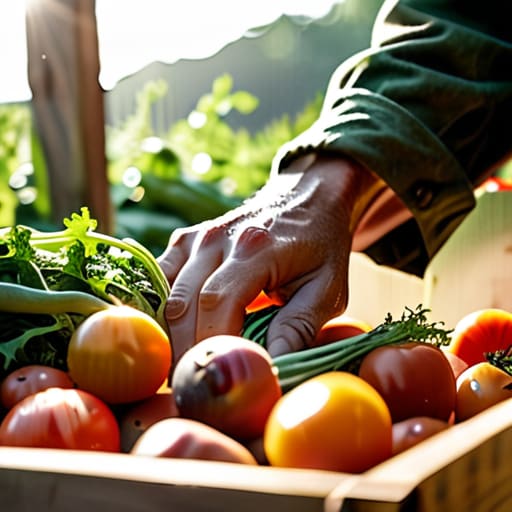
I remember sitting on a weathered wooden bench at a roadside stand in rural Michigan last autumn, holding a tomato that felt heavy and warm from the sun. It wasn’t the polished, wax-coated sphere you see in those high-end grocery stores—the kind that look like they were designed in a lab rather than grown in dirt. There’s a certain pretension in the way people talk about local agriculture these days, treating it like some exclusive, expensive club for the elite. But to me, it’s never been about the price tag or the fancy labels; it’s about that honest connection to the earth and the simple, unadorned truth of a season’s work.
I’m not here to sell you on a lifestyle trend or some complicated manifesto about global food systems. Instead, I want to share what I’ve learned from years of slow travel and even slower meals: how to find the real thing without the headache. I’ll be sharing my own practical observations on how to spot quality, where to look, and why taking the long way to the farm is always worth the detour.
Table of Contents
Finding Grace in Sustainable Farming Practices
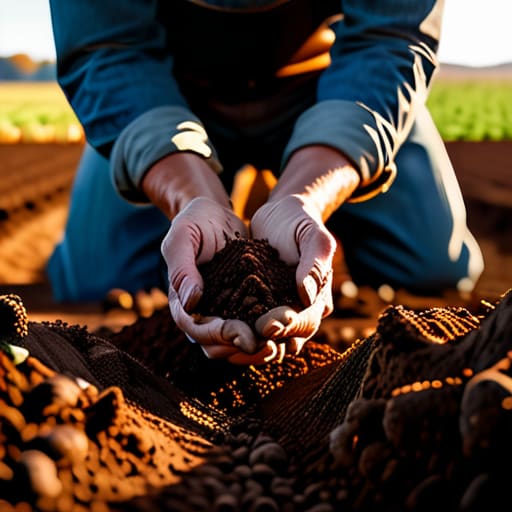
I remember standing on the edge of a field in Iowa last autumn, watching a farmer check the soil with a reverence that reminded me of how I used to inspect a bridge foundation. It wasn’t just about the dirt; it was about the stewardship. There is a quiet dignity in sustainable farming practices that goes beyond mere production. When a grower chooses to rotate crops or work with the natural rhythm of the land rather than fighting against it, they aren’t just growing food—they are preserving a legacy. It’s a slow, methodical way of working that resonates with me, especially now that I’ve left the frantic pace of engineering behind.
There is also a profound sense of connection found in the farm to table movement. It isn’t about fancy menus or expensive bistros; it’s about the simple joy of knowing your heirloom tomatoes weren’t flown halfway around the world in a refrigerated crate. When we prioritize these smaller, more intentional systems, we’re doing more than just eating well. We are participating in a cycle of care that keeps our communities resilient and our landscapes vibrant.
The Hidden Beauty of Agricultural Biodiversity
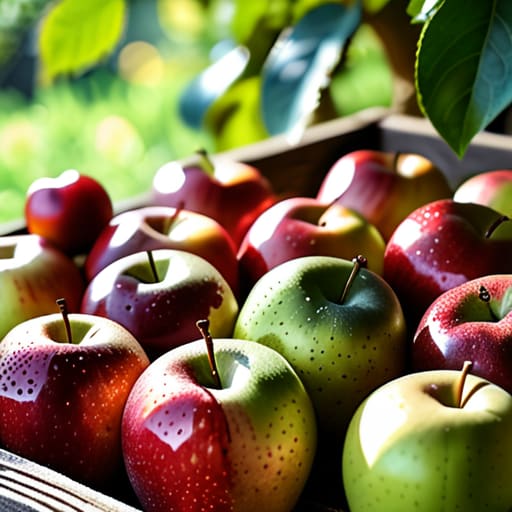
I was sitting on a low stone wall near a small orchard last Tuesday, sketching the way the light hit a cluster of heirloom apples, when I realized how much I’ve missed the variety of the natural world. In my engineering days, everything was about standardization—uniformity was the goal. But out here, I’m learning that there is a profound, messy beauty in the unexpected. When we embrace agricultural biodiversity, we aren’t just preserving old seeds; we are protecting a kaleidoscope of colors, shapes, and flavors that a supermarket shelf could never hope to replicate.
There is a certain magic in discovering a purple carrot or a tomato that looks more like a bumpy, crimson jewel than the perfect red spheres we’ve been conditioned to expect. These variations are more than just curiosities; they are the heartbeat of supporting local food systems that can withstand the whims of nature. When a farm grows a wide tapestry of crops rather than a single monoculture, it creates a resilience that feels much like the steady, enduring structures I used to build—only this kind of strength is living, breathing, and constantly evolving.
Small Ways to Bring the Farm Closer to Your Table
- Visit your local farmers’ market, not just for the groceries, but for the conversation. There’s a world of difference in a tomato when you can ask the person who grew it exactly how much sun it saw this morning.
- Embrace the seasons instead of fighting them. It takes a bit of patience to wait for the real corn or the first crisp apples, but those flavors carry a sense of time and place that a supermarket shelf simply can’t replicate.
- Look for the “ugly” produce. A carrot that’s a bit crooked or a pepper with a strange shape isn’t a defect; it’s just a sign of a life lived in real soil rather than a controlled laboratory.
- Start a small herb garden on your windowsill. Even if you don’t have an acre of land, the simple act of tending to a few basil plants connects you to the rhythm of growth and the quiet joy of a fresh harvest.
- Support the small-scale growers in your own backyard. When we choose the local orchard over the massive distribution center, we aren’t just buying food; we are helping to keep the landscape of our community intact for the next generation.
Lessons from the Field
When we choose to eat what’s grown nearby, we aren’t just buying groceries; we’re participating in a quiet, vital rhythm that keeps our communities whole.
Real richness isn’t found in a perfectly uniform supermarket tomato, but in the messy, beautiful variety of crops that tell the true story of the season.
Taking the time to understand where our food begins allows us to move through the world with a little more gratitude and a lot more intention.
The Connection in Every Bite
When I sit down to a plate of vegetables grown in the valley just a few miles from where I’m staying, I don’t just taste the season; I feel a quiet, steady connection to the earth and the patient hands that coaxed life from it.
Bernard Oyelaran
A Taste of What Matters
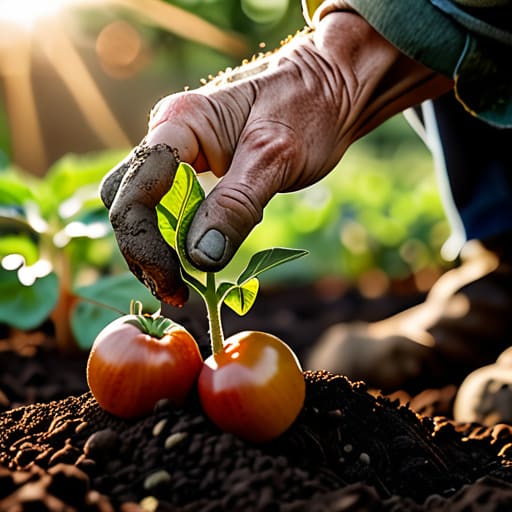
Looking back on our conversation, it’s clear that local agriculture is about much more than just the food on our plates. It is a delicate tapestry woven from sustainable practices that respect the earth and a rich biodiversity that keeps our landscapes vibrant. When we choose to support the farmer down the road, we aren’t just buying a head of lettuce or a bushel of apples; we are investing in the resilience of our own backyard and honoring the hard work that goes into every harvest. It’s a way of closing the loop, ensuring that the soil remains healthy for the generations that will follow us, long after my own notebook has been filled.
As I sit here by the window, watching the light change over the trees, I’m reminded that we don’t need to do anything grand to make a difference. Sometimes, the most profound impact comes from the simple, quiet choice to slow down and eat with intention. Next time you find yourself at a local market or a roadside stand, take a moment to breathe it all in. Notice the texture of the skin on a peach or the scent of fresh herbs in the air. In those small, mindful connections to the land, I believe we find a sense of peace that no fast-paced world can ever truly provide.
Frequently Asked Questions
How can I tell if a local farm is truly practicing sustainable methods or if it's just clever marketing?
It’s a fair question, and one I’ve asked myself while wandering through farmers’ markets. Don’t just look for the word “organic” on a sign; look for the details. Ask them about their soil or how they manage pests. A farmer who truly cares will speak about their land with a certain reverence, not just a sales pitch. If they can tell you about the rotation of their crops or the health of their pollinators, you’re likely seeing the real thing.
Is it actually possible to maintain a balanced diet year-round when I'm relying solely on what's grown nearby?
It’s a fair question, and honestly, it requires a bit of a shift in how we think about our plates. You can’t expect summer peaches in the middle of a Michigan January, that’s for certain. But it’s less about having everything all at once and more about learning the rhythm of the seasons. It means leaning on hearty root vegetables and preserved goods when the frost hits. It’s a challenge, sure, but there’s a certain peace in eating with the calendar.
What are some practical ways to start supporting these small-scale farmers without it becoming a massive logistical headache in my weekly routine?
I used to think supporting local meant a whole afternoon of planning, but I’ve found a simpler way. Start small. Most local farms have a CSA program—a weekly box of whatever is in season—that delivers right to a central pickup point. It takes the guesswork out of grocery shopping. Or, just pick one Saturday a month for the farmer’s market. It’s less about a perfect system and more about making a little room for them.
