Category: Lifestyle

  • How Journaling Improves Mental Wellbeing

    How Journaling Improves Mental Wellbeing

    I was sitting in a small café in Bruges last Tuesday, watching the rain slick the cobblestones, when I saw a young man hunched over a tablet, tapping away at a “productivity app” designed to optimize his mindfulness. It struck me how much we’ve overcomplicated something as simple as a pen and paper. People talk about journaling benefits as if they’re some sort of complex psychological hack or a high-tech way to re-engineer your brain, but that’s just nonsense. You don’t need a subscription service or a specialized curriculum to find peace; you just need a quiet moment and the willingness to be honest with yourself.

    I’m not here to sell you on a life-altering productivity system or a way to “crush your goals.” Instead, I want to share what I’ve learned from decades of carrying a notebook through construction sites and across foreign borders. I’ll be sharing the real, unvarnished truth about how putting ink to paper can help you clear the mental fog and actually notice the world around you. We’re going to skip the fluff and focus on how a simple daily habit can help you find a little more stillness in a world that refuses to stop rushing.

    Table of Contents

    Finding Calm in the Morning Pages Routine

    Finding Calm in the Morning Pages Routine.

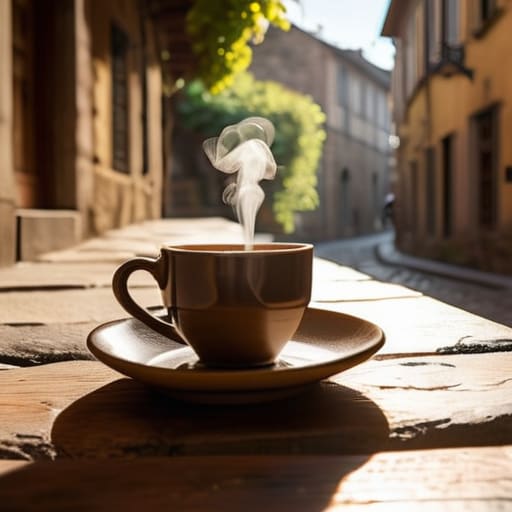
    There is a particular kind of stillness that exists just before the rest of the world wakes up. I’ve found that if I can catch that window—usually with a lukewarm cup of coffee in hand—I can settle into a morning pages routine that sets the tone for everything else. It isn’t about being profound or writing something worthy of a museum; in fact, most of it is just me rambling about the dream I had or the way the light is hitting the oak tree outside my window.

    The real magic happens when I stop trying to edit myself. By letting the pen move without judgment, I often find a sense of daily journaling for anxiety relief that I didn’t know I needed. It’s as if the ink acts as a sieve, catching all the jagged, nervous thoughts that usually clutter my mind and leaving behind something much smoother. By the time I close my notebook, the mental fog has lifted, and I feel ready to face the day, one steady step at a time.

    Mindfulness and Expressive Writing for a Gentler Soul

    Mindfulness and Expressive Writing for a Gentler Soul

    There is a certain weight that comes with age, a collection of small worries and quiet anxieties that tend to settle in the joints like a damp chill. For a long time, I tried to engineer my way out of these feelings, treating my mind like a structural problem that needed a quick fix. But I’ve learned that you can’t patch a restless spirit with logic alone. I’ve found that mindfulness and expressive writing offer a different kind of stability. Instead of trying to solve the problem, I simply sit with it. I describe the way the light hits the oak tree outside my window or the specific, heavy ache in my shoulders after a long walk.

    By putting these sensations into words, I find a sense of emotional regulation through writing that I never quite achieved through sheer willpower. It isn’t about producing a masterpiece or a coherent historical record; it’s about the release. When I scribble down the things that are weighing on me, they seem to lose their grip. The pen moves, the ink flows, and suddenly, the things that felt insurmountable an hour ago feel a little more manageable.

    A Few Simple Ways to Make the Pen Your Friend

    • Don’t worry about the grammar or making it sound like a textbook. I spent decades writing precise engineering reports where every comma mattered, but when I sit down with my notebook, I let the sentences wander. If it’s messy, it’s honest, and that’s all that matters.
    • Keep a small notebook close at hand, much like I do when I’m out sketching. You don’t need a desk and a lamp to write; sometimes the best insights come when you’re sitting on a park bench or waiting for a coffee, just capturing a single thought before it drifts away.
    • Try writing about the small things—the way the light hits the trees or the taste of a particularly good sourdough. We often wait for “big” life events to write about, but I’ve found that documenting the quiet, ordinary details is what actually helps us feel present.
    • Use your journal to offload the mental clutter. If my mind is racing with a dozen different worries, I find that scribbling them down on paper acts like a pressure valve, letting the steam out so I can breathe a little easier.
    • Make it a ritual, but don’t let it become a chore. Whether it’s ten minutes with your morning tea or a few lines before bed, let it be a moment of grace for yourself rather than another task on a never-ending to-do list.

    A Few Thoughts to Carry With You

    Don’t worry about making it perfect or sounding smart; just let the pen move and see what comes out on the page.

    Use your journal as a way to anchor yourself in the present, whether you’re sitting in a crowded cafe or a quiet park.

    Treat your writing like a slow walk—there’s no need to rush toward a conclusion when the simple act of noticing is enough.

    ## The Quiet Clarity of the Page

    “I’ve found that when I sit down with my notebook, the chaos of the day begins to settle, much like the silt in a riverbed after the current slows; writing isn’t about recording every event, but about clearing the view so you can finally see what matters.”

    Bernard Oyelaran

    A Final Note from the Bench

    A Final Note from the Bench journaling.

    Looking back over these pages, it’s clear that journaling isn’t about producing a masterpiece or keeping a perfect record of events. Whether it’s the discipline of those early morning pages or the quiet release of expressive writing, the real value lies in the act of pausing. We’ve talked about how it anchors us in the present and offers a way to untangle the knots in our minds. For me, it has become a way to bridge the gap between the busy world outside and the steady rhythm of my own heart. It’s a simple tool, but it’s one that helps us reclaim our own time from the rush of everyday life.

    If you’re feeling hesitant, don’t worry about the ink blots or the messy handwriting; just pick up a pen and let it go. You don’t need a grand plan, just a few minutes and a quiet corner. I’ve found that when I stop trying to write something “important” and just start noticing the small things—the way the light hits a coffee cup or the texture of a leaf—the world starts to feel a bit more gentle and manageable. So, grab a notebook, find a comfortable seat, and remember that life is meant to be savored, one written word at a time.

    Frequently Asked Questions

    I’ve always been a bit of a perfectionist; does it really matter if my handwriting is messy or if my thoughts don't make much sense when I'm writing them down?

    Not in the slightest. In my engineering days, I lived by blueprints where every line had to be precise, but a journal isn’t a technical drawing. It’s more like a sketch of a landscape—it doesn’t need to be perfect to capture the feeling of the place. If your handwriting is a bit of a scrawl or your thoughts wander, let them. The magic isn’t in the neatness; it’s in the honesty of the moment.

    Is there a particular time of day that works best for this, or can I just pull out my notebook whenever the mood strikes me?

    To be honest, I’ve found that there’s no wrong time to pick up a pen. Some days, it’s that quiet moment before the coffee is even poured; other days, it’s sitting on a park bench when a particular view catches my eye. While a routine can help, don’t let the clock become another thing you’re racing against. Just pull out your notebook whenever the mood strikes. The best time is simply whenever you need it.

    I'm worried about looking back on these pages years from now—is it better to keep these thoughts private in a locked diary, or is there value in sharing them with others?

    That’s a question that gets to the heart of why we write. Personally, I keep my notebook tucked away in my jacket pocket; those sketches and scribbles are just for me. There’s a certain freedom in knowing no one is watching. However, if you find a way to share—perhaps through a letter or a small blog—it can turn a solitary reflection into a bridge to someone else. Do what feels most honest to you.

  • Planning a Restorative Weekend Getaway

    Planning a Restorative Weekend Getaway

    I was sitting in a crowded terminal last month, watching a young couple frantically scroll through a color-coded spreadsheet on their phones, trying to squeeze every ounce of “value” out of a forty-eight-hour trip. It struck me then that we’ve turned the idea of a weekend getaway into just another high-stakes project to be managed, complete with checklists and frantic pacing. We spend so much time planning the perfect itinerary that we end up arriving at our destination already exhausted. If you’re traveling just to check boxes and snap the same photos as everyone else, you aren’t actually escaping anything; you’re just moving your stress to a different zip code.

    I’m not here to sell you on luxury resorts or the latest “must-see” tourist traps that require a reservation three months in advance. Instead, I want to share how I find my way back to myself through the simple things: a quiet trail, a local diner with character, and the freedom to change plans on a whim. I promise to offer you nothing but honest, unhurried advice on how to actually reclaim your time. We’re going to focus on finding those small, meaningful pockets of peace that make a short trip feel like a lifetime of rest.

    Table of Contents

    Scenic Nature Escapes for a Quiet Mind

    Scenic Nature Escapes for a Quiet Mind

    There is something about the rhythm of a winding road that settles the mind. I’ve found that the best scenic nature escapes don’t require a flight or a complex itinerary; often, they are simply the hidden pockets of green tucked just beyond the highway. Last month, I found myself pulling over near a state park I’d passed a dozen times without a second thought. I sat by a creek for an hour, just watching the light filter through the oaks, and realized I hadn’t felt that still in years. It reminded me that we don’t always need to cross oceans to find peace.

    If you are looking for road trip destinations near me that offer more than just a quick drive, I suggest looking toward the smaller, overlooked state forests or coastal preserves. These spots are perfect for those seeking budget-friendly weekend trips where the main expense is a good loaf of sourdough and a bit of cheese for a lakeside lunch. You don’t need a grand plan. Just find a trail, find a view, and let the world go on without you for a while.

    Last Minute Travel Planning Without the Rush

    Last Minute Travel Planning Without the Rush

    I used to think that a successful trip required months of spreadsheets and color-coded binders—a habit from my engineering days that left very little room for actual joy. But these days, I’ve learned that the best adventures often happen when you stop overthinking the logistics. If you find yourself craving a change of scenery on a Tuesday, don’t let the pressure of a perfect schedule stop you. Instead of scouring the internet for exhaustive weekend itinerary examples, just pick a direction and drive. Sometimes, the most rewarding road trip destinations near me are the ones I never bothered to research because I was too busy looking at a map.

    The secret to successful last-minute travel planning is to embrace a certain level of spontaneity. Pack a sturdy bag, grab your notebook, and focus on the destination rather than the transit. I’ve found that when you strip away the rigid timelines, you leave room for the unexpected—a small roadside diner with the perfect blueberry pancakes or a quiet overlook you wouldn’t have found in a guidebook. It’s about trading the checklist for the experience.

    A Few Simple Ways to Keep the Peace

    • Leave the rigid itinerary at home. I used to think every hour needed a purpose, but now I find that the best moments happen when you leave room for a detour or a long, unplanned lunch.
    • Pack light, but pack right. A heavy suitcase is just more weight to carry through a charming cobblestone street or a dusty trail; stick to the essentials and leave the “what-ifs” behind.
    • Seek out the local haunts instead of the landmarks. Skip the crowded tourist traps and find that small, family-run bistro where the owner knows the daily special by heart.
    • Bring a way to capture the quiet. Whether it’s my old Leica or just a simple sketchbook, having a way to document a view helps you actually sit with it rather than just glancing at it.
    • Make the journey part of the destination. Don’t rush to get there; enjoy the changing landscape through the window and let the transition from the city to the country settle your nerves.

    A Few Things to Carry With You

    Leave the rigid itinerary at home; instead, pack enough flexibility to follow a winding trail or stay an extra hour at a cafe if the light hits the table just right.

    Prioritize the sensory details—the weight of a good book, the smell of pine, or the crunch of a fresh crust—over the need to check every landmark off a list.

    Remember that the goal isn’t to see everything, but to feel something, so give yourself permission to do absolutely nothing at all.

    The True Purpose of Leaving

    A weekend getaway isn’t about checking a new city off a list or rushing to see every landmark; it’s about giving yourself permission to sit still long enough to actually see where you are.

    Bernard Oyelaran

    Finding the Rhythm of the Road

    Finding the Rhythm of the Road.

    At the end of the day, a successful weekend getaway isn’t measured by the number of landmarks you check off a list or the mileage you put on the odometer. It’s about the quiet moments found in a hidden forest trail and the peace of mind that comes from a plan that doesn’t feel like a chore. Whether you are seeking the stillness of the woods or learning to travel without the heavy weight of a rigid itinerary, the goal remains the same: to step away from the noise and find a little bit of breathing room. Remember, the most important part of the trip is simply giving yourself permission to be present.

    As I sit here by the window, sketching the way the light hits the trees, I’m reminded that we spend far too much of our lives rushing toward the next big thing. We treat time like a resource to be spent rather than a gift to be enjoyed. So, when you finally pack that bag and head out, I hope you leave the frantic pace behind. Don’t worry about being “productive” on your time off. Instead, find a small town with a decent cafe, a view that makes you stop in your tracks, and a sense of wonder that reminds you why we travel in the first place. Slow down, my friends; the world is much more beautiful when you aren’t racing past it.

    Frequently Asked Questions

    What are some good ways to find those quiet, tucked-away spots that aren't crowded with tourists?

    I’ve learned that the best spots rarely show up on a top-ten list. I usually ditch the mainstream guidebooks and look for the local diner or the small-town hardware store; if you ask the folks there where they go to clear their heads, they’ll point you toward a trail or a view the tourists haven’t found yet. Sometimes, just driving down a road that looks interesting is enough to find something special.

    How do you balance wanting to see things with the urge to just sit still and do nothing?

    I used to think I had to check every landmark off a list to make a trip “successful.” But lately, I’ve learned that the best way to balance the two is to treat stillness as part of the itinerary. I’ll visit a historic site in the morning, but I leave my afternoons open. I find a bench or a quiet cafe, pull out my notebook, and just exist. Seeing things is fine, but truly being there is better.

    Are there any particular types of food or local eateries I should look for when I'm trying to slow down?

    Look for the places that don’t have neon signs or printed menus. I’ve always found that the best meals are tucked away in small, family-run diners or roadside cafes where the cook actually knows the regulars. Seek out whatever is local and seasonal—a fresh peach from a farm stand or a bowl of soup made from that morning’s market haul. If the chairs are a bit worn and the service is unhurried, you’ve found gold.

  • Finding Joy in Seasonal Comfort Foods

    Finding Joy in Seasonal Comfort Foods

    I remember sitting in a drafty site trailer back in ’88, the wind howling across a half-finished bridge project in northern Michigan. My hands were cracked from the cold, and my head was spinning with structural calculations that just wouldn’t settle. I didn’t need a gourmet meal or some trendy, deconstructed fusion dish to feel human again. All I needed was a heavy ceramic mug of thick, slightly burnt beef stew that my wife had packed in a thermos. That’s the real truth about comfort food: it isn’t about culinary prestige or expensive ingredients. It’s about that sudden, quiet warmth that settles in your chest and tells you that, for a moment, everything is going to be alright.

    I’m not here to give you a list of complicated recipes that require a chemistry degree and three hours of prep work. Instead, I want to share the kind of honest, unpretentious wisdom that comes from a life spent appreciating the simple mechanics of a good meal. We’re going to look at the staples that actually nourish the soul, focusing on the textures and flavors that bring us back to ourselves when the world gets a little too loud.

    Table of Contents

    Nostalgic Meal Ideas That Feel Like a Warm Embrace

    Nostalgic Meal Ideas That Feel Like a Warm Embrace

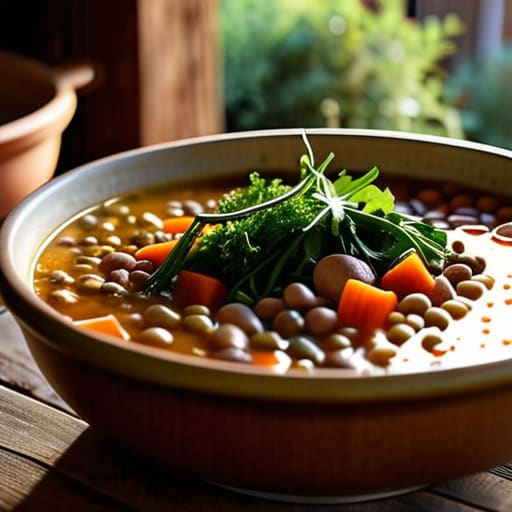
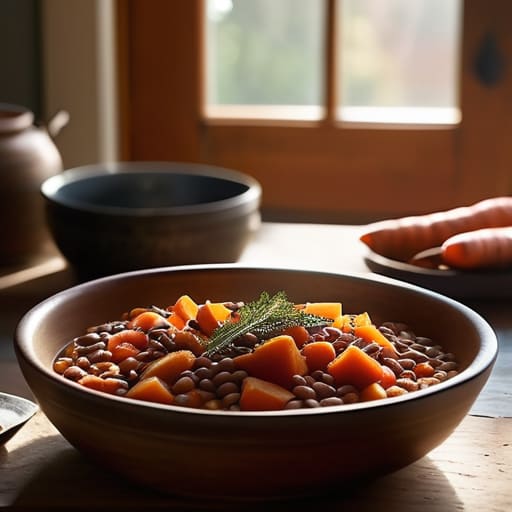
    I often find myself thinking back to my mother’s kitchen in Ann Arbor, where the air always seemed to hold a certain weight—the scent of rosemary and slow-simmering beef. There is something deeply grounding about revisiting classic family recipes when the world feels a bit too loud. For me, it’s a bowl of beef stew, the kind that sits on the stove for hours until the carrots are tender enough to melt. It isn’t about the complexity of the technique; it’s about the patience required to let the flavors truly settle into one another.

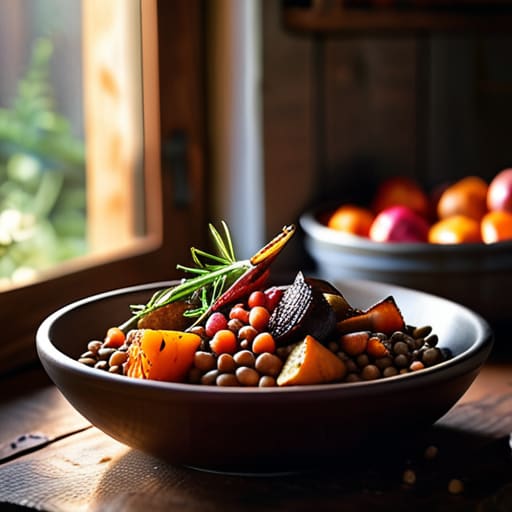
    When I’m traveling and find myself in a new town, I look for those same quiet rhythms. Sometimes, it’s as simple as a tray of roasted root vegetables or a batch of thick, crusty bread shared over a wooden table. These hearty homemade dinners act as a sort of anchor. They remind me that even when we are far from home, we can recreate that sense of safety through the simple, repetitive motions of chopping, stirring, and waiting. It’s a way of tending to the soul one bite at a time.

    The Slow Magic Found in Hearty Homemade Dinners

    The Slow Magic Found in Hearty Homemade Dinners.

    There is a specific kind of rhythm to preparing hearty homemade dinners that you just can’t find in a drive-thru window. It starts with the steady thud of a knife against a wooden cutting board and the rhythmic simmering of a pot on the stove. When I was managing construction sites, everything was about speed and efficiency—hitting deadlines, moving earth, meeting quotas. But lately, I’ve found that the most rewarding work happens when I’m standing in a quiet kitchen, letting a pot of beef stew bubble away for hours. There is a meditative quality to it; as the aromas begin to fill the house, the frantic pace of the day simply seems to dissolve.

    I often find myself leaning into these classic family recipes that my mother used to make, the ones that require a bit of patience and a lot of seasoning. It isn’t just about satisfying hunger; it’s about the ritual of it all. Whether I’m layering vegetables for a roast or letting a slow cooker do its quiet work in the background, these meals act as an anchor. They remind me that some things—the best things—simply cannot be rushed.

    Small Ways to Bring a Little More Soul to Your Table

    • Don’t be afraid to let things simmer. Whether it’s a pot of beans or a slow-cooked ragu, the best flavors—and the best moments—usually require a bit of patience and a lot of time.
    • Choose the ingredients that tell a story. I find that using a tomato from the local farmer’s market or a specific spice my mother used makes the meal feel less like fuel and more like a memory.
    • Put the phone in another room. It’s hard to truly savor the texture of a crusty loaf of bread or the warmth of a soup when you’re distracted by a glowing screen. Give your meal the respect of your full attention.
    • Embrace the imperfections. A slightly burnt edge on a grilled cheese or a mismatched set of ceramic bowls doesn’t ruin a meal; it makes it feel lived-in and real, much like a well-worn camera.
    • Cook for the sake of the process, not just the result. There is a quiet, meditative rhythm in chopping vegetables or stirring a pot that can settle a restless mind long before the first bite is even taken.

    A Few Thoughts to Carry With You

    Don’t worry about the perfection of the recipe; it’s the intention and the slow pace of the cooking that truly seasons the soul.

    Use mealtime as an anchor to pull yourself out of the rush of the day and back into the present moment.

    Remember that the best comfort often comes from the simplest ingredients, served with a side of quiet reflection.

    The Quiet Wisdom of a Full Plate

    We often look for comfort in grand gestures or big changes, but I’ve found it’s much more reliable in the steam rising from a bowl of soup or the familiar weight of a heavy ceramic mug; it’s the small, steady flavors that remind us we are home, even when we’re far away.

    Bernard Oyelaran

    A Final Seat at the Table

    A Final Seat at the Table comfort.

    As I look back on everything we’ve discussed—from those nostalgic recipes that transport us back to our childhood kitchens to the quiet, meditative process of simmering a slow-cooked stew—it becomes clear that comfort food is about much more than just calories. It is about the intentionality we bring to the table. Whether it is a dish that tastes like a hug from a grandmother or a hearty meal we labored over on a rainy Tuesday, these foods serve as anchors. They remind us that even when the world feels chaotic and loud, there is a profound, steadying power in the simple act of nourishing ourselves with something made with care.

    So, my advice to you is this: don’t wait for a special occasion to seek out that warmth. If you’ve had a long day or a heavy week, don’t just grab something quick and mindless. Instead, find a recipe that speaks to your soul, pull up a chair, and really taste it. Let the steam hit your face and the flavors settle your spirit. Life moves far too fast to rush through our most restorative moments. Take your time, savor the details, and remember that sometimes, the most important work we do is simply slowing down enough to enjoy a good meal.

    Frequently Asked Questions

    How can I recreate those childhood flavors when I don't have the original family recipes?

    It’s a tricky thing, trying to chase a ghost of a flavor. When the recipe card is lost to time, I find it best to start with the senses. I’ll sit in a quiet kitchen and try to remember: was it the sharp tang of rosemary or the heavy sweetness of browned butter? Don’t aim for perfection. Just cook with intention, experiment with small amounts, and let your memory guide your hands. Usually, the heart knows the way.

    Is there a way to make these heavier, comforting meals a bit lighter without losing that sense of soul?

    It’s a delicate balance, isn’t it? I’ve found that you don’t have to strip the soul out of a dish just to lighten it up. I often swap heavy creams for a bit of Greek yogurt or a splash of vegetable stock, and I’ve learned that roasting vegetables instead of frying them keeps that deep, earthy flavor intact. It’s about adjusting the mechanics, not the heart of the meal.

    How do you find the time to cook these slow meals when life starts feeling a bit too rushed?

    To be honest, I don’t find the time; I make it. When things get frantic, I treat cooking like a scheduled inspection on a job site—it’s non-negotiable. I’ve learned to embrace the “slow” by prepping a little extra on Sundays, or simply letting a pot simmer while I sit and sketch in my notebook. It’s not another chore on a list; it’s the very thing that stops the clock.

  • Embracing the Principles of Slow Living

    Embracing the Principles of Slow Living

    I was sitting in a small café in Florence yesterday, watching a young man try to photograph his espresso with a smartphone while simultaneously checking his watch every thirty seconds. It struck me how much the modern concept of slow living has been hijacked by people selling expensive linen sheets and curated, minimalist aesthetics that look more like a sterile hospital wing than a home. You don’t need a thousand-dollar wardrobe or a silent retreat in the mountains to actually feel present. For me, it’s much simpler than that—it’s about the grit and the grace found in the middle of a messy, unscripted afternoon.

    I’m not here to sell you a lifestyle brand or a list of complicated rituals that require a subscription. What I want to share is what I’ve learned from thirty years of managing heavy machinery and a lifetime of chasing the right light through a vintage lens. I’ll be offering some straightforward, practical ways to reclaim your time, whether that’s through the way you prepare a simple meal or how you choose to walk through a park. This isn’t about perfection; it’s about noticing the details before they slip away.

    Table of Contents

    Embracing Simplicity Through Mindful Daily Routines

    Embracing Simplicity Through Mindful Daily Routines.

    I’ve found that the most profound changes don’t come from grand gestures, but from the small, quiet ways we structure our mornings. For years, I used to rush through my breakfast, eyes glued to a news feed, feeling behind before the day had even truly begun. Now, I make a point of practicing mindful daily routines that ground me. I sit by the window with my coffee, watching the steam rise and the light hit the oak tree in the yard. There is a certain peace in realizing that the world won’t stop turning just because I took twenty minutes to simply be.

    This shift has also led me toward embracing simplicity in my physical surroundings. I used to think more was better—more gadgets, more books, more clutter. But as I’ve spent more time tinkering with my old Leica cameras, I’ve realized how much weight we carry when we cling to things we don’t need. By focusing on quality over quantity, I’ve found a sense of freedom that no shopping spree could ever provide. It’s about making room for what actually matters.

    Digital Detox Techniques to Reclaim Your Evening View

    Digital Detox Techniques to Reclaim Your Evening View

    I’ve noticed that once the sun dips below the horizon, my instinct is to reach for my phone, scrolling through endless streams of news or photos that don’t really mean much to me. It’s a hard habit to break, but I’ve found that implementing a few digital detox techniques can completely change the temperature of an evening. Instead of letting a backlit screen dictate my mood, I’ve started placing my phone in a kitchen drawer around 7:00 PM. It’s a small act of embracing simplicity, but it creates a boundary that allows the rest of the house to feel quiet again.

    With the digital noise silenced, I find myself turning to my workbench to tinker with an old Leica lens or simply sitting by the window with my notebook. There is a profound sense of peace in watching the shadows stretch across the floor without the urge to photograph it for an audience. These moments are the cornerstone of my slow living philosophy; they remind me that the best parts of the day don’t require a battery or a Wi-Fi connection. They just require us to be truly present.

    A Few Ways I’ve Learned to Unclench My Shoulders

    • Stop treating your morning coffee like fuel for a race. Instead of gulping it down while checking your emails, sit by the window. Feel the warmth of the mug against your palms and just watch the birds for five minutes. It’s a small thing, but it sets a much gentler tone for the day.
    • Take the scenic route, even when you’re in a hurry. I’ve found that the shortcut through the main thoroughfare is rarely worth the few minutes saved. Walking through the park or taking the back roads lets you notice the way the light hits the trees or the smell of rain on the pavement.
    • Keep a physical notebook handy. I carry mine everywhere. There’s something about the tactile resistance of pen on paper that forces you to slow your thoughts down. If you see a particularly striking shadow or a quiet corner of a cafe, sketch it or write a single sentence. It anchors you to the moment.
    • Cook one meal a day without any distractions. No television in the background, no podcasts, no scrolling. Just the sound of the knife on the cutting board and the scent of garlic hitting the pan. It turns a chore into a quiet ritual of sorts.
    • Learn to embrace the “do nothing” windows. We’ve been conditioned to feel guilty if we aren’t being productive, but there is immense value in sitting on a porch swing or a park bench and simply existing. You don’t always need a destination or a goal; sometimes, the goal is just to be present.

    A Few Things I've Learned Along the Way

    Don’t wait for a grand vacation to find peace; look for it in the steam rising from your morning coffee or the way the light hits the trees at dusk.

    It is okay to be “unproductive” for an hour or two—sometimes the most important work you can do is simply sitting still and letting your mind wander.

    Protect your quiet hours fiercely, because the world will always try to rush you if you don’t set the pace yourself.

    The View from the Slow Lane

    We spend our whole lives building bridges to get to the next destination, but we often forget that the most important part of the journey is the quiet moment when you finally stop, sit down, and realize you’ve already arrived.

    Bernard Oyelaran

    The View from the Porch

    The View from the Porch at dusk.

    Looking back on everything we’ve discussed, it isn’t about making massive, sweeping changes to your life overnight. It’s much more subtle than that. It’s about those small, intentional shifts—finding a bit of rhythm in your morning coffee, setting aside the screens to actually look at the sky as it turns purple at dusk, and learning to say no to the frantic pace that society seems to demand of us. We’ve talked about reclaiming our evenings and simplifying our routines, but really, we are just talking about reclaiming our time. When we stop rushing, we finally give ourselves permission to actually inhabit the lives we’ve worked so hard to build.

    As I sit here in this little cafe, sketching the way the light hits the cobblestones outside, I’m reminded that the best parts of life aren’t found at the finish line. They are found in the pauses. You don’t need a grand plan or a plane ticket to start living more slowly; you just need the courage to stop running. So, my advice is simple: take the long way home today. Notice the color of the leaves, taste your food, and let the world spin on without you for a little while. You might find that the world is much more beautiful when you aren’t trying to outrun it.

    Frequently Asked Questions

    How do you manage to slow down when your job or family life demands that you keep moving at a fast pace?

    I used to think being “busy” was a badge of honor, especially back when I was managing construction sites. But I’ve learned that you can’t wait for the chaos to stop before you breathe; you have to find the pockets of stillness right in the middle of it. For me, it’s about those tiny, non-negotiable rituals—like taking five minutes to actually taste my coffee before the house wakes up, or sketching a tree while I wait for a meeting to start.

    Are there specific ways to practice slow living that don't require a lot of money or a complete change in lifestyle?

    You don’t need a plane ticket or a fancy retreat to find this kind of peace. For me, it’s the small, free things. It’s choosing to walk the long way to the post office instead of driving, or sitting on the porch with a cup of coffee before the house wakes up. Just pick one thing you do every day and do it ten percent slower. That’s where the magic hides.

    How can I tell the difference between being productive and just being busy all the time?

    I used to think a full calendar meant a successful life, especially back when I was managing construction sites. But there’s a difference between building something that lasts and just moving dirt around. Productivity is about the foundation—the meaningful work that actually moves the needle. Being “busy” is just the noise of the machinery. If you finish your day feeling hollow instead of settled, you weren’t being productive; you were just rushing.