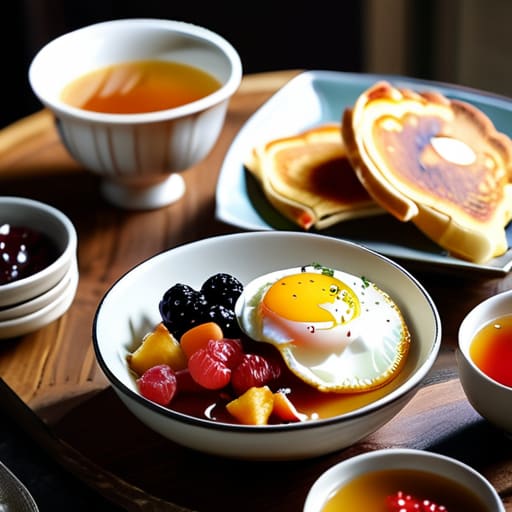
I remember sitting on a drafty construction site in northern Michigan back in ’88, the kind of morning where the frost clings to your boots and the wind cuts right through your jacket. We didn’t have fancy avocado toasts or those overpriced, deconstructed smoothie bowls you see in the city nowadays. We had heavy ceramic mugs of black coffee and thick slices of sourdough, eaten standing up amidst the roar of diesel engines. To me, those rugged breakfast traditions weren’t about following a trend; they were about fuel and fellowship before the real work began.
I’m not here to sell you on some complicated, expensive morning routine that requires a dozen specialized gadgets. Instead, I want to share what I’ve gathered from my travels and my own quiet mornings—the kind that actually nourish the soul. I’ll be walking you through how different cultures find their footing at the start of the day, focusing on the simple, honest rituals that turn a mere meal into a moment of stillness. We’re going to look at how to reclaim your morning, one bite at a time.
Table of Contents
Tracing the History of Breakfast Rituals Through Time
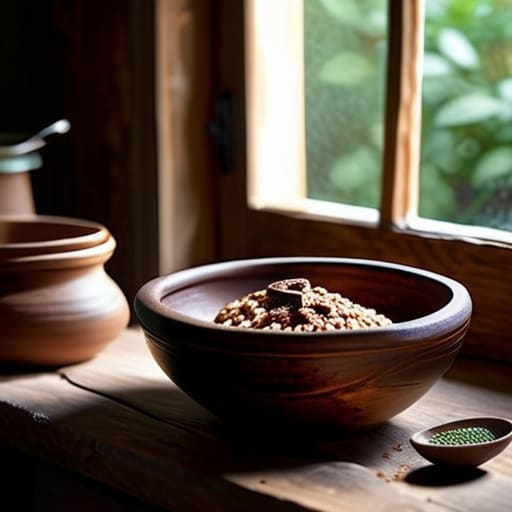
When I sit down with my notebook to sketch a particularly interesting storefront, I often find myself wondering how the people sitting at the next table arrived at their current morning habits. The history of breakfast rituals isn’t found in textbooks so much as it is etched into the very way we use our kitchens. For much of human history, the first meal wasn’t a choice of lifestyle, but a matter of necessity—a heavy, functional fuel meant to sustain laborers through grueling daylight hours. In the old days, a morning meal was less about “brunch” and more about survival, often consisting of whatever grains or stews could be repurposed from the night before.
As societies shifted from the fields to the factories, we began to see a fascinating split in savory vs sweet breakfast cultures. In some corners of the map, the morning became a time for hearty, salt-cured meats and eggs to prepare for physical toil, while in others, it evolved into a lighter, more delicate affair of pastries and tea. It’s a slow, winding evolution, but it reminds me that even our most mundane daily habits are actually echoes of our ancestors’ struggles and triumphs.
Finding Stillness in Cultural Breakfast Customs
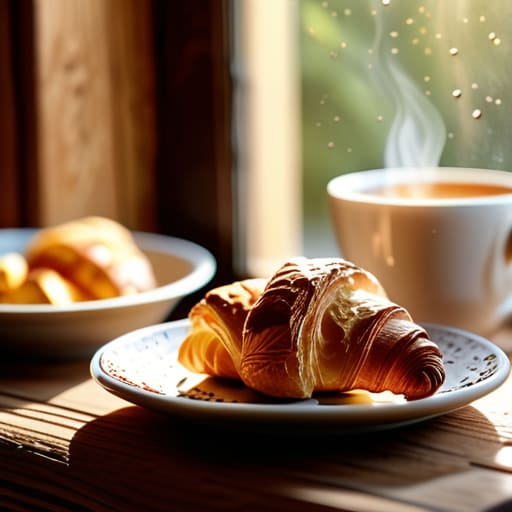
When I sit in a small café in a foreign city, I find myself less interested in the menu and more in the rhythm of the room. There is a profound sense of grounding in observing cultural breakfast customs firsthand. In many parts of the world, the morning isn’t a frantic dash toward a laptop; it is a deliberate ceremony. Whether it’s the rhythmic clinking of spoons against porcelain in a Parisian bistro or the slow, communal pouring of tea in a quiet courtyard, these moments act as a necessary anchor before the day’s demands take hold.
I’ve noticed that the divide between savory vs sweet breakfast cultures often tells you everything you need to know about a place’s soul. In some regions, the morning is defined by the hearty, salt-of-the-earth warmth of congee or shakshuka, designed to sustain a person through manual labor. In others, it is a light, sugary affair meant to gently nudge the senses awake. To me, these typical morning food habits aren’t just about nutrition; they are a shared language of stillness that reminds us to breathe.
Small Ways to Bring a Little Morning Intentionality to Your Own Table
- Don’t reach for the phone before the first sip. I’ve found that the world feels a lot less frantic when you spend those first ten minutes just watching the light change on your coffee mug instead of scrolling through headlines.
- Embrace the ritual of a single, well-made thing. Whether it’s the slow pour of a French press or the careful slicing of a fresh orange, focusing on one small task can turn a rushed meal into a moment of genuine peace.
- Reclaim the art of the long breakfast. We often treat breakfast like a pit stop on the way to somewhere else, but if you can, treat it like a destination. Sit down, use a real napkin, and let the meal breathe.
- Incorporate a bit of sensory history. I like to occasionally use my grandmother’s old heavy ceramic bowls or cook something from a recipe my father used to make. It connects the morning to something larger than the present moment.
- Notice the details of your surroundings. While I’m sketching in my notebook, I’ve realized that even the way the steam rises from a bowl of porridge has its own quiet beauty. Try to look at your breakfast not just as fuel, but as a scene worth observing.
A Few Thoughts to Carry with You
Don’t let the morning become another item on a checklist; treat your first meal as a deliberate pause before the world starts demanding things from you.
Whether it’s a heavy stew or a simple piece of toast, the food we eat at dawn is a thread that connects us to those who sat at the same table centuries before us.
Look for the small, sensory details—the steam rising from a mug or the crunch of crust—and let them ground you in the present moment.
The Soul of the Morning
“A breakfast tradition is more than just a way to fuel the body; it’s a quiet, rhythmic anchor that tells us we have permission to exist, if only for a few moments, before the rest of the world demands our attention.”
Bernard Oyelaran
The Slowest Part of the Day
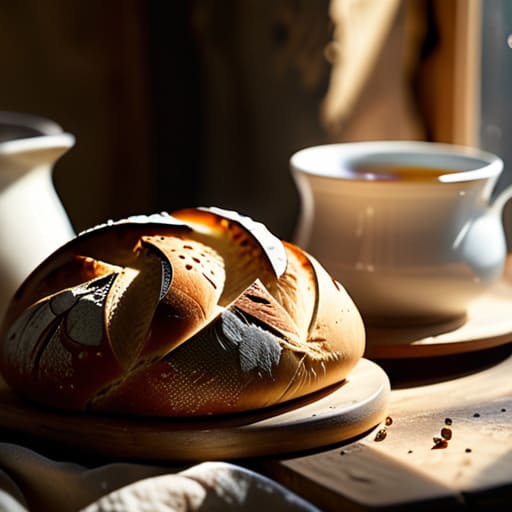
Looking back at how these rituals have shifted from mere survival to something much more profound, it’s clear that breakfast is rarely just about the calories. Whether it’s the heavy, hearty grains that fueled laborers in centuries past or the delicate, shared pastries of a modern European cafe, these traditions serve as a tether to our shared humanity. We’ve seen how time and geography shape what we put on our plates, but the underlying thread remains the same: a momentary pause before the world demands our full attention. It is in these small, repetitive acts—the pouring of tea, the slicing of bread—that we find a sense of continuity and comfort that transcends borders.
As I sit here by the window, sketching the way the morning light hits my coffee mug, I’m reminded that we don’t need to travel the globe to find meaning. We only need to be present for the meal in front of us. My advice to you is simple: tomorrow morning, don’t just eat to fuel up and run out the door. Instead, treat your breakfast as a sanctuary. Take an extra minute to notice the steam rising from your bowl or the way a piece of toast crunches. In a world that is constantly trying to speed us up, there is a quiet, rebellious joy in simply slowing down.
Frequently Asked Questions
How have modern, fast-paced lifestyles changed the way these traditional morning rituals are practiced today?
It’s a bit of a heartbreak, really. We’ve traded the slow simmer of porridge for the frantic grab of a granola bar in a moving car. I see it often—people staring at screens while they swallow their coffee, missing the very sunlight they’re waking up for. We’ve turned the morning from a sacred pause into a checklist. We’re fueling up to run, rather than sitting down to live.
Are there specific breakfast ingredients that have remained unchanged for centuries in certain parts of the world?
It’s funny how some things simply refuse to change, no matter how much the world rushes by. In the high mountains of Ethiopia, teff flour has been the heartbeat of their morning injera for centuries. Or think of the simple, honest grains in a bowl of congee in East Asia—it’s the same comforting warmth their great-grandparents felt. These ingredients aren’t just food; they are anchors, keeping us connected to the hands that prepared them long ago.
How much of our breakfast culture is shaped by what was historically available locally versus what was traded globally?
It’s a bit of both, really. For most of history, you ate what grew in the dirt right outside your door—hard grains, local eggs, whatever the season allowed. That’s where the soul of a breakfast comes from. But once those trade routes opened up, everything changed. Suddenly, a bit of sugar or a handful of coffee beans could transform a simple morning porridge into something much more complex. It’s that blend of local roots and global wanderlust that makes every morning plate so interesting.
