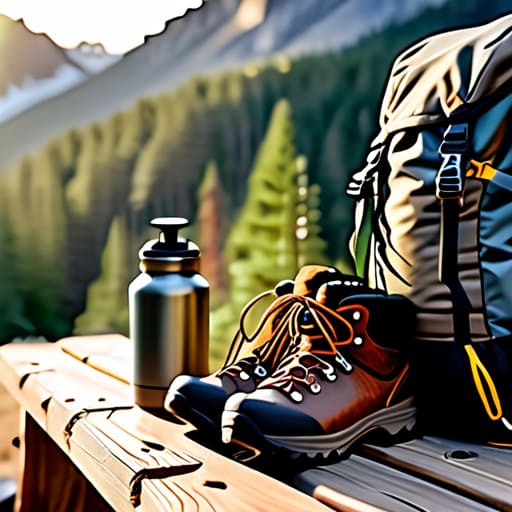
I remember sitting in a dusty gear shop in the Cascades a few years back, watching a young man try to convince a retiree that he needed a three-thousand-dollar, ultra-lightweight titanium stove and a backpack that cost more than my first truck. It’s a racket, plain and simple. All that high-tech marketing makes you feel like you can’t even step onto a trail without a degree in materials science, but the truth is, most of that expensive hiking gear is just noise. I’ve spent thirty years managing complex builds where the most important thing was the integrity of the foundation, and the woods are no different. You don’t need a gadget for every breeze; you just need things that work when the weather turns sour.
I’m not here to sell you on the latest trends or tell you that you need to weigh your socks to be a “real” outdoorsman. Instead, I want to share what I’ve learned from decades of walking, often with a heavy pack and a heavy heart, finding my way back to myself. I’ll give you the straight talk on what actually matters—the things that keep your feet dry and your spirit steady—so you can spend less time worrying about your kit and more time noticing the view.
Table of Contents
Finding Comfort in Moisture Wicking Clothing for Trails
I remember my early days on construction sites in Michigan, wearing heavy cotton shirts that would soak up sweat and stay heavy and cold against my skin all afternoon. It was a miserable sensation, and I’ve found that the same discomfort follows you onto the trail. When you’re focused on the rhythm of your breath or the way the light hits the canopy, the last thing you want to be thinking about is a damp shirt clinging to your back. Investing in quality moisture-wicking clothing for trails changed that for me. It’s not about being fancy; it’s about staying dry enough to actually enjoy the walk rather than fighting your own clothes.
Modern fabrics do something quite remarkable—they pull that perspiration away from your skin and let it evaporate. It sounds technical, but the feeling is simple: you just feel lighter and more comfortable. For those just starting out, finding the best hiking gear for beginners often means prioritizing these little comforts. You don’t need a mountain of equipment, but a good synthetic or merino wool base layer is a small investment that pays dividends in peace of mind. After all, comfort is the foundation of a long, contemplative stroll.
The Best Hiking Gear for Beginners to Savor the Journey
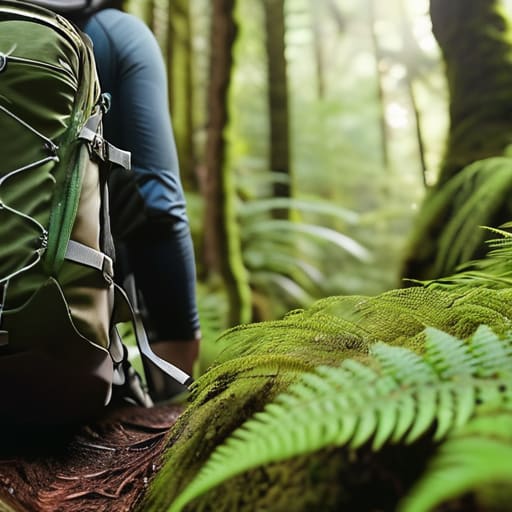
When I first started taking these walks, I thought more was always better. I’d pack my bag until the straps dug into my shoulders, thinking I was being prepared. I quickly learned that the best hiking gear for beginners isn’t about how much you can carry, but how much you can leave behind. You want to find that sweet spot where your pack feels like a gentle companion rather than a heavy burden. If you’re constantly fighting your own equipment, you’ll miss the way the light hits the ferns or the sound of the creek nearby.
I’ve found that investing in a few pieces of waterproof hiking apparel is worth every penny. There is nothing quite like being caught in a sudden afternoon shower and realizing you’re perfectly dry, allowing you to just sit and watch the rain fall. It transforms a potential nuisance into a quiet, meditative moment. Just keep things simple: a sturdy pair of boots, a reliable way to find your path, and enough layers to keep the chill at bay. It’s about freedom of movement, not just utility.
A Few Small Essentials That Make a Big Difference
- Don’t skimp on your footwear. I’ve learned the hard way that a cheap pair of sneakers can turn a beautiful afternoon into a lesson in blisters. Find something with a solid grip and enough cushion to let you focus on the scenery rather than your aching arches.
- Pack a sturdy, reliable water bottle—something that doesn’t leak in your bag. Staying hydrated isn’t just about thirst; it keeps your mind clear so you can actually appreciate the quiet moments on the trail.
- Always carry a lightweight, windproof layer, even if the morning looks bright. The weather in the hills has a way of changing its mind, and there’s nothing quite as unsettling as a sudden chill when you’re miles from the trailhead.
- Keep a small, waterproof bag or even just a simple plastic sleeve for your notebook and camera. I’ve had more than one sketch ruined by a sudden drizzle, and those little memories are too precious to lose to a bit of rain.
- Bring a simple, reliable snack that doesn’t require much effort. A handful of nuts or a piece of dried fruit might seem small, but that little boost of energy can be the difference between a tired trek and a truly restorative walk.
A Few Final Thoughts Before You Hit the Trail
Don’t get caught up in the pursuit of the fanciest, most expensive gadgets; focus instead on what keeps you comfortable and present in the moment.
Remember that your gear is merely a tool to help you engage with the world, so choose pieces that feel reliable and don’t weigh down your spirit.
Most importantly, pack enough room in your bag for a small notebook or a camera, because the best part of the hike is often the quiet view you find along the way.
## On the Purpose of What We Carry
“We don’t pack our bags to conquer the mountain, but to ensure that nothing—not a blister or a sudden chill—pulls our attention away from the quiet beauty of the path beneath our feet.”
Bernard Oyelaran
The View from the Trailhead
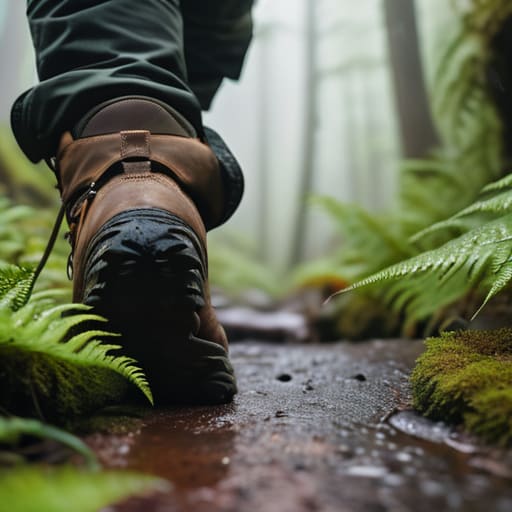
At the end of the day, getting your gear right isn’t about checking off a list of expensive gadgets or trying to look like a professional mountaineer. It’s about the practicalities—ensuring your clothes keep you dry, your boots don’t give you blisters, and your pack doesn’t become a burden halfway up a ridge. When you invest in a few reliable essentials, you aren’t just buying equipment; you are removing the distractions that pull your attention away from the path. The goal is to have gear that works so quietly in the background that you eventually forget you’re even wearing it.
As I sit here in my notebook, sketching the way the light hits the treeline, I’m reminded that the best gear is ultimately the kind that lets you be present. Don’t let the pursuit of the “perfect” setup stop you from stepping out the front door. Whether it’s a well-worn pair of sneakers or a sturdy walking stick, what matters most is that you get out there and experience the quiet magic of the woods. The trail doesn’t care how much your jacket cost; it only cares that you showed up to see it. So, lace up, take a deep breath, and just start walking.
Frequently Asked Questions
How much weight should I actually be carrying if I want to enjoy the walk rather than just struggling to finish it?
I’ve learned the hard way that a heavy pack turns a scenic stroll into a chore. For a day hike, I aim to keep my load under ten or fifteen pounds. If you’re carrying more than twenty percent of your body weight, you aren’t looking at the trees; you’re looking at your boots. Pack only the essentials—water, a snack, and a light layer. Leave the “just in case” gadgets at home so you can actually enjoy the view.
Are those expensive, high-tech boots really worth the investment, or can I get by with something more practical?
I’ve learned that you don’t need the most expensive, neon-colored boots on the shelf to enjoy a good trail. I’d rather spend my money on a decent meal after a long trek. However, don’t skimp on support. A sturdy, broken-in pair of boots is worth every penny—not for the bells and whistles, but for the way they protect your ankles and keep your feet dry. Comfort is what lets you focus on the view.
How do I pack my gear so I can easily reach my notebook or camera when a view catches my eye?
I’ve learned the hard way that if I have to dig through a cavernous pack every time the light hits a ridge just right, the moment is gone. I keep my leather notebook in a side mesh pocket and my camera in a small, padded sling right at my hip. It’s about accessibility. You want your hands free for balance, but your treasures within arm’s reach so you can capture the quiet before it shifts.
