Category: Food

  • Refreshing Salad Ideas for Summer

    Refreshing Salad Ideas for Summer

    There is a particular kind of heaviness that settles in during the peak of July, a sort of humid lethargy that makes the thought of a heavy, cooked meal feel almost impossible. I’ve found that when the sun hangs heavy in the sky, my appetite shifts; I no longer crave the hearty stews or roasted meats that sustained me during the colder months. Instead, I find myself searching for something that feels as light as a breeze and as refreshing as a cold stream. Finding the right balance in summer salads—something that actually satisfies rather than just sitting there as a pile of wilted leaves—can be a surprisingly difficult task when you’re tired of the same old predictable recipes.

    I’ve spent the last few weeks wandering through local farmers’ markets, letting the colors of the seasonal produce guide my notebook sketches and my menu. In this post, I want to share five specific combinations that have become my personal staples for these long, golden afternoons. These aren’t just quick fixes; they are intentional compositions of flavor and texture designed to help you slow down and savor the season. From bright, acidic notes to the creamy comfort of a ripe peach, these five ideas will change the way you approach your summer lunch.

    Table of Contents

    The Heirloom Tomato Ritual

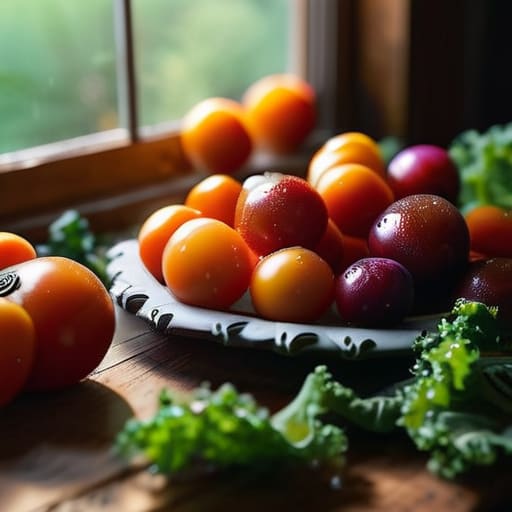
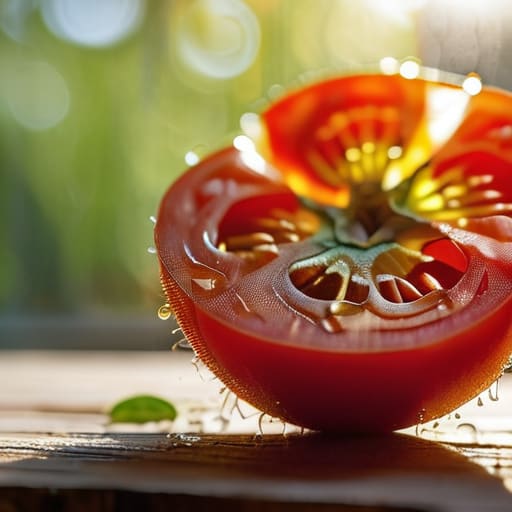
    The Heirloom Tomato Ritual with sea salt.

    There is a specific kind of magic in a tomato that hasn’t been shipped across three time zones in a refrigerated truck. When I find a basket of those heavy, unevenly shaped heirlooms at the local farmer’s market, I feel like I’ve struck gold. I like to slice them thick, let them sit for a moment to release their juices, and simply finish them with a sprinkle of coarse sea salt and a drizzle of really good olive oil.

    Watermelon and Feta Harmony

    Watermelon and Feta Harmony with fresh mint.

    I used to think fruit belonged in a bowl for dessert, but then I discovered the cooling power of watermelon paired with something salty. The contrast is striking—the sweetness of the melon hitting the sharp, creamy tang of the feta cheese. It’s a sensory tug-of-war that somehow finds a perfect middle ground, especially when you add a few torn leaves of fresh mint.

    The Garden Cucumber Crunch

    The Garden Cucumber Crunch salad with onions.

    Growing up, my mother always kept a bowl of sliced cucumbers in the icebox, and that memory stays with me. For a proper summer salad, I prefer using those smaller Persian cucumbers because they have a much thinner skin and a delicate crunch that doesn’t require peeling. I toss them with a bit of red onion and a splash of white wine vinegar to give it a bit of a bite.

    I’ve found that a good corn salad is essentially the taste of a Midwestern summer captured in a bowl. There is something deeply satisfying about eating corn that was still in the field just a few hours ago. I like to char the kernels slightly in a pan to bring out that smoky, caramelized sweetness before tossing them with lime juice and a bit of cilantro.

    Stone Fruit and Arugula Sophistication

    When the peaches and nectarines start to soften and perfume the air, I can’t resist adding them to my greens. The peppery bite of arugula provides a wonderful backdrop for the luscious, honey-like sweetness of a sliced peach. It’s a combination that feels a bit more intentional and thoughtful, something I enjoy when I have a little more time to linger over a meal.

    A Few Final Thoughts Before You Step Outside

    Don’t worry about perfection; a salad is at its best when it feels a bit rustic and unstudied, much like a well-loved landscape.

    Use these meals as an excuse to put the phone away, sit in the shade, and actually taste the season.

    Remember that the simplest ingredients—a ripe tomato or a handful of fresh herbs—are often the ones that tell the most beautiful stories.

    The Art of the Slow Lunch

    A summer salad isn’t just about nutrition; it’s about the way a cold tomato tastes against the heat of the afternoon, and the permission it gives you to finally sit down, put your feet up, and just be.

    Bernard Oyelaran

    A Final Bite of Summer

    As I look back over these five different ways to dress up a bowl, I’m reminded that a salad is rarely just about the greens. Whether it’s the salty bite of feta in a watermelon mix or the earthy crunch of a grain-based bowl, each recipe is really an invitation to embrace the season. We’ve talked about textures, the importance of a bright vinaigrette, and how a bit of seasonal fruit can transform something mundane into something memorable. It isn’t about following a strict culinary formula; it’s about finding that perfect balance of flavor that makes you want to linger at the table just a little bit longer.

    At the end of the day, my goal isn’t to turn you into a gourmet chef, but to encourage you to find a bit of peace in your kitchen. There is a quiet sort of magic in slicing a ripe tomato or tossing fresh herbs into a bowl while the afternoon sun hits the tabletop. Don’t be in such a hurry to finish your meal that you forget to taste it. Take a moment to notice the colors, the scents, and the way the light shifts as you eat. After all, life is best enjoyed when we slow down to savor the small, delicious details.

    Frequently Asked Questions

    What’s the best way to keep these salads from getting soggy if I'm packing one for a picnic or a long afternoon out?

    I’ve learned the hard way that a soggy salad is a heartbreak no one needs. When I’m packing a lunch for a long afternoon of sketching, I always keep the dressing in a small, separate jar. Toss the greens with the vinaigrette only when you’re actually ready to sit down and eat. If you’re using hearty things like chickpeas or cucumbers, layer them at the bottom of the container; they don’t mind the moisture as much.

    Are there any particular dressings you’ve found that really bring out the flavor without overpowering the fresh vegetables?

    I’ve always found that less is usually more. When the vegetables are truly fresh, you don’t want to drown them in something heavy or sugary. I tend to stick to a simple, bright vinaigrette—just good olive oil, a splash of sherry vinegar, and a pinch of sea salt. Sometimes, a squeeze of lemon and a bit of cracked black pepper is all it takes to let the garden’s natural sweetness take center stage.

    I find myself craving something a bit more substantial—is there a simple way to add protein to these without losing that light, summer feel?

    I know that feeling well. When the sun is high, the last thing you want is a heavy, leaden meal that makes you want to nap immediately. For me, it’s all about adding protein that feels as light as the breeze. A handful of chilled, salted chickpeas, some flaked tuna, or even a few cubes of feta can add that necessary substance without weighing you down. It keeps you satisfied, but still light on your feet.

  • Tips for Gluten Free Cooking

    Tips for Gluten Free Cooking

    I remember sitting in a small bistro in Florence last autumn, watching a young man stare despondently at a menu because he couldn’t find a single thing to eat. It struck me then how much we’ve turned gluten free cooking into this high-stakes, expensive ordeal filled with strange powders and laboratory-made substitutes that taste more like cardboard than food. We’ve been told that if we want to eat well without wheat, we have to spend a fortune on specialty aisles and follow recipes that look like complex engineering blueprints. It’s a lot of noise, and frankly, it’s exhausting.

    I’m not here to sell you on fancy, processed flour blends that cost a week’s worth of groceries. Instead, I want to share what I’ve learned by slowing down and getting back to the basics of what actually tastes good. I’ll be offering you some straightforward, common-sense approaches to the kitchen—the kind of practical wisdom you can use without needing a chemistry degree. My goal is to help you rediscover the joy of a simple, hearty meal, proving that you don’t need to sacrifice flavor to find peace on your plate.

    Table of Contents

    Discovering Joy Through Naturally Gluten Free Foods

    Discovering Joy Through Naturally Gluten Free Foods

    I’ve found that the easiest way to ease into this way of eating is to stop looking for replacements and start looking at what’s already there. For years, I thought a meal wasn’t complete without a heavy roll or a thick slice of bread on the side. But lately, I’ve been leaning into naturally gluten free foods—the kind that don’t require a chemistry degree to understand. There is a certain honesty in a roasted sweet potato, a bowl of steaming quinoa, or a simple pan of seared salmon and seasonal vegetables. These ingredients don’t try to mimic anything else; they simply are what they are.

    When I sit down at my small wooden table with my notebook, I find myself appreciating the textures of these whole foods more than I ever did with processed goods. Instead of fussing over complex alternative grains for cooking to replicate a sourdough, I’ve learned to embrace the nutty richness of buckwheat or the lightness of millet. It turns a meal from a chore of substitution into a genuine exploration of flavor. It’s about finding that quiet satisfaction in a plate that feels both nourishing and uncomplicated.

    Curating Your Soulful Gluten Free Pantry Staples

    Curating Your Soulful Gluten Free Pantry Staples

    Setting up a kitchen after deciding to step away from wheat can feel a bit like surveying a new construction site; you need a solid foundation before you can build anything meaningful. I’ve found that the secret isn’t in finding perfect replicas of the bread I used to eat, but in gathering a collection of alternative grains for cooking that actually have some character. I keep a steady supply of quinoa, buckwheat, and perhaps a jar of good polenta on hand. These aren’t just substitutes; they are ingredients with their own stories, textures, and histories to tell.

    When I’m browsing the local market, I’ve learned to take my time, often sitting on a bench just to observe the rhythm of the aisles. I’ve become quite adept at reading food labels for gluten, looking past the flashy marketing to see what’s truly inside. It’s a slow process, but there is a certain quiet satisfaction in knowing exactly what is going into my body. I also make sure to keep my dedicated wooden spoons and cutting boards tucked away—a little bit of cross contamination prevention goes a long way in keeping the peace in my kitchen.

    Small Rituals for a Flour-Free Kitchen

    • Don’t go hunting for replacements right away; instead, lean into the ingredients that never needed changing in the first place. A roasted sweet potato or a bowl of hearty lentils doesn’t need a fancy substitute to feel complete.
    • Treat your new flour blends like a delicate instrument. When I’m working with almond or coconut flours, I’ve learned you can’t just rush the mixing like you would with standard wheat. It requires a gentler touch and a bit more patience.
    • Keep a close eye on the small things, much like I do when I’m cleaning the gears of an old Leica. Check the labels on your spices and broths; sometimes the gluten hides in the most unexpected corners, tucked away in a thickener or a stabilizer.
    • Embrace the texture. Sometimes, a gluten-free crust might be a little more crumbly or a bread a bit denser than what we grew up with. Don’t fight it. Sit down, pour a cup of tea, and appreciate the unique character of what you’ve created.
    • Season with your heart, not just a recipe. When you aren’t relying on the heavy structure of gluten, the true flavors of your herbs and oils can really sing. Take a moment to smell the rosemary or the garlic before it hits the pan—it’s the best part.

    A Few Things to Carry With You

    Don’t let the absence of wheat feel like a loss; instead, look at your plate as a new canvas for the vibrant, honest flavors that nature provided from the start.

    Treat your pantry like a well-kept workshop—keep only the staples that truly nourish you, and take pride in the quality of the ingredients you choose to bring home.

    Above all, remember that the goal isn’t perfection on a plate, but the quiet satisfaction of a meal prepared with intention and eaten without haste.

    ## A Lesson from the Kitchen Table

    “Cooking without gluten isn’t about what you’re stripping away from the plate; it’s about finally having the time to notice the honest, earthy textures of the ingredients that were there all along.”

    Bernard Oyelaran

    Finding Your Rhythm in the Kitchen

    Finding Your Rhythm in the Kitchen.

    As I sit here in this small cafe in Florence, watching the light shift across the cobblestones, I’m reminded that transitioning to a gluten-free way of life doesn’t have to feel like a series of subtractions. We’ve talked about leaning into the bounty of nature—those vibrant, whole foods that require very little intervention—and the importance of building a pantry that feels like a well-stocked toolkit rather than a collection of restrictions. Whether it’s the earthy richness of quinoa or the simple reliability of a good almond flour, these ingredients are merely new tools to help you build something beautiful. It isn’t about what you’re missing; it’s about relearning the textures and flavors that truly nourish your body.

    If there is one thing my years in engineering taught me, it’s that the most enduring structures are built with patience and attention to detail. The same applies to your kitchen. Don’t let a failed loaf of bread or a gritty sauce discourage you. Instead, take a breath, clean your workspace, and try again tomorrow. Cooking is a practice, not a performance. My hope is that you find more than just a way to eat; I hope you find a new kind of peace in the ritual of preparation. Slow down, enjoy the scent of the spices, and remember that the best meals are seasoned with presence.

    Frequently Asked Questions

    How do I find those hearty, textured grains that don't feel like I'm just eating sawdust?

    That’s the million-dollar question, isn’t it? I remember my first few weeks feeling like I was chewing on nothing but cardboard. The secret is to look past the processed “replacement” bags and seek out the whole grains that have lived a real life. Look for buckwheat, quinoa, or even sorghum. They have a wonderful, earthy bite to them. Don’t be afraid of a little texture; that’s where the soul of the meal lives.

    Are there any simple ways to make gluten-free bread that actually tastes like something from a real bakery?

    The secret, I’ve found, isn’t in a complex recipe, but in patience and moisture. Most gluten-free breads turn out like bricks because we rush them. Try adding a bit of psyllium husk for that chewy, elastic pull, and don’t be afraid of a little extra hydration. Most importantly, let the dough rest. Just like a good landscape, bread needs time to settle before it’s truly ready to be appreciated.

    When I'm traveling and away from my own kitchen, how do I find decent, soulful meals that aren't just processed substitutes?

    When I’m off the beaten path, I’ve learned to stop looking for “gluten-free” signs and start looking for real food. I steer clear of the modern cafes and head straight for the local markets or family-run bistros. I look for menus that celebrate things like roasted vegetables, fresh fish, or a hearty bowl of rice and beans. If the ingredients look like they came from the earth rather than a factory, you’re usually in good hands.

  • How to Take Better Food Photos

    How to Take Better Food Photos

    I was sitting in a small, sun-drenched cafe in Tuscany last autumn, watching a young man spend twenty minutes rearranging his pasta dish with tweezers just to get the perfect shot. He was so preoccupied with the lighting and the angle of his smartphone that by the time he actually took a bite, the sauce had congealed and the steam had long since vanished. It struck me then that we’ve turned food photography into this high-stakes, sterile performance, when it should really be about capturing the soul of a moment. We get so caught up in the technical perfection that we forget the meal was meant to be eaten, not just curated for an audience.

    I’m not here to tell you which thousand-dollar lens to buy or how to master complex studio lighting in your kitchen. Instead, I want to share what I’ve learned from years of looking through old analog viewfinders and sketching in my notebook: how to capture the honest beauty of a meal. I’ll show you how to work with the light you already have and how to find the story in the crumbs and the shadows. We’re going to focus on the simple, steady way to take photos that actually make you feel the warmth of the kitchen.

    Table of Contents

    Mastering Composition in Food Photography to Capture Quiet Moments

    Mastering Composition in Food Photography to Capture Quiet Moments

    When I’m sitting at a small bistro table, I’ve learned that the best shots rarely come from a perfectly staged set. Instead, they come from observing how the light interacts with the objects around me. To get that sense of intimacy, I often lean into composition in food photography by looking for natural lines—the curve of a spoon or the way a napkin falls casually across the wood. It isn’t about being perfect; it’s about finding a sense of balance that feels earned rather than manufactured.

    I find that playing with the depth of field in food shots is the quickest way to pull a viewer into the moment. By blurring out the bustling cafe in the background and focusing solely on the texture of a crusty piece of sourdough, you invite people to experience the meal as you are. You don’t need fancy equipment to achieve this; sometimes, just moving a little closer and letting the focus soften around the edges is enough to capture that quiet, solitary feeling of a midday meal.

    Finding the Perfect Depth of Field in Food Shots

    Finding the Perfect Depth of Field in Food Shots

    When I first started tinkering with my old Leica, I learned that not everything needs to be sharp to be meaningful. In fact, sometimes the blur is where the magic lives. When you’re playing with depth of field in food shots, you aren’t just choosing what to focus on; you’re telling the viewer where to rest their eyes. If you’re photographing a crusty loaf of sourdough, you want that focus to land right on the jagged, flour-dusted edge, letting the rest of the table melt into a soft, creamy haze.

    It can be a bit finicky at first, especially when you’re dialing in your camera settings for food. I’ve found that opening up your aperture—getting that f-stop number as low as your lens will allow—is the best way to isolate a single, beautiful detail, like a stray crumb or a bead of condensation on a glass. It creates a sense of intimacy, as if you’re leaning in close to share a secret with the plate. Don’t be afraid of a little softness; it’s often the quietest parts of the frame that provide the most comfort.

    A Few Lessons Learned Between Bites and Shutter Clicks

    • Don’t be afraid of a little mess. A few stray crumbs on a wooden table or a slight smudge of sauce on the rim of a plate tells a story. It shows that the food was actually enjoyed, rather than just being a sterile prop for a picture.
    • Watch the light, but don’t chase it too hard. I’ve found that the best shots happen when you find a patch of soft, indirect sunlight near a window. Avoid that harsh, midday glare; it’s too unforgiving and tends to wash out the very textures you’re trying to celebrate.
    • Think about the hands that prepared the meal. Sometimes, a shot feels hollow until you add a human element—a hand reaching for a piece of bread or a pitcher pouring tea. It reminds us that food is a connection between people, not just an object.
    • Pay attention to the colors of the season. If I’m eating a hearty stew in November, I want my frame to feel warm and heavy. If it’s a crisp summer salad, let the greens pop against a bright, airy background. Let the palette match the mood of the meal.
    • Slow down and look at the small things before you press the button. Is there a wisp of steam rising from the coffee? Does the glaze on the fruit catch the light? Take a moment to really see the details with your own eyes first; your camera will be better for it.

    A Few Reminders Before You Set Down Your Camera

    Don’t get so caught up in the technicalities of aperture and shutter speed that you forget to actually taste the food; the best shots come when you’re truly connected to the meal.

    Always look for the light, but don’t fight it—if a window provides a soft, natural glow, let that be your guide rather than reaching for a harsh, artificial flash.

    Keep your eyes moving between the plate and the surroundings, because sometimes the most telling part of a story is the worn wooden table or the half-empty coffee cup sitting just out of focus.

    ## Beyond the Surface

    “When you’re holding that camera, try to remember that you aren’t just documenting a plate of food; you’re trying to capture the warmth of the room, the steam that tells of a kitchen in motion, and the quiet dignity of a meal shared. A photograph should feel less like a technical achievement and more like a memory you can almost taste.”

    Bernard Oyelaran

    The Last Bite and the Final Frame

    The Last Bite and the Final Frame.

    As I sit here in this little café, looking back at the notes in my leather notebook, I’m reminded that good food photography isn’t about technical perfection or expensive gear. It’s about how we’ve learned to see the subject. We’ve talked about how a thoughtful composition can guide the eye, how the right depth of field can pull a single, steaming morsel out of a cluttered table, and how the light—that fickle, beautiful light—can make or break a shot. When you combine these elements, you aren’t just documenting a meal; you are capturing the essence of an experience that would otherwise vanish the moment the last bite is taken.

    At the end of the day, my advice is simple: put the camera down every once in a while. Use these techniques to honor the chef and the ingredients, but don’t let the pursuit of the “perfect shot” rob you of the actual flavor. The most meaningful photographs are often the ones where you were truly present in the moment. So, go out there, find a quiet corner, and tell the story of your meal with patience and grace. After all, the goal isn’t just to feed the eyes, but to nourish the soul through the lens.

    Frequently Asked Questions

    How do I capture the texture of a meal without making the photo look overly processed or artificial?

    The trick is to stop chasing that hyper-real, plastic look you see on social media. I’ve found that side-lighting—using a window instead of a bright flash—is your best friend. It casts soft shadows that reveal the crags in a crusty loaf or the glisten of oil without blowing out the details. Let the natural imperfections show. A little bit of grit and shadow is what actually makes a meal feel real.

    What can I do when I'm eating at a crowded restaurant and don't have the space to set up a proper scene?

    When the table is cramped and the waiter is hovering, don’t fight the chaos—lean into it. I’ve found that a tight, top-down shot (what the kids call “flat lay”) works wonders in tight quarters. It turns a cluttered table into an intentional pattern of plates and glasses. Or, just focus on one small detail—a single fork resting against a bowl. It keeps the shot intimate and avoids the mess of the crowd.

    Is it better to rely on the natural light coming through a window, or should I invest in a little extra lighting for those dim, cozy evening meals?

    If you’re just starting out, lean into that window light. There’s a softness to it—a way it catches the rim of a coffee cup or the texture of a crusty loaf—that artificial lights struggle to mimic. It feels honest. But if you find yourself sitting down for a quiet dinner as the sun dips low, don’t be afraid to pick up a small, warm lamp. Just keep it soft; we’re looking for atmosphere, not a spotlight.

  • Convenient One Pan Dinner Ideas

    Convenient One Pan Dinner Ideas

    I spent most of my career managing construction sites where everything was about efficiency, timelines, and keeping a thousand moving parts in sync. But lately, I’ve realized that the most important part of my day isn’t how much I get done, but how much I actually notice. There is a certain frantic energy in modern cooking—the mountain of pots, the cluttered counters, and the feeling that you’re racing against the clock just to eat. I found myself searching for a way to reclaim my evenings, and that is where I discovered the understated grace of one pan dinners. It turns out, you don’t need a kitchen full of gadgets to make something soulful; sometimes, you just need a single, reliable skillet and a little bit of patience.

    In the following notes, I’ve gathered five of my favorite ways to approach these simple meals. I won’t give you complicated recipes that require a degree in chemistry, but rather, I want to share the essence of the meal—the specific combinations that allow you to spend less time scrubbing dishes and more time watching the light change through the window. From hearty seasonal vegetables to proteins that soak up every bit of flavor, these five ideas will show you how to turn a quick meal into a moment of quiet intention.

    Table of Contents

    Lemon-Thyme Roasted Chicken and Root Vegetables

    Lemon-Thyme Roasted Chicken and Root Vegetables.

    There is something deeply grounding about the scent of rosemary and thyme wafting through a kitchen as the oven does the heavy lifting. I find that a single heavy cast-iron skillet is all you really need to pull this together. You simply nestle chicken thighs amongst chunks of parsnips and carrots, drizzle them with a bit of olive oil, and let the heat work its quiet magic. It’s a meal that doesn’t demand your constant attention, allowing you to perhaps pick up that old Leica of mine and clean the lens instead.

    Mediterranean Shrimp and Zucchini Skillet

    Mediterranean Shrimp and Zucchini Skillet pan.

    On those afternoons when the sun hangs a little lower and the air feels heavy, I find myself reaching for something lighter, something that doesn’t feel like a chore to prepare. A quick sauté of shrimp, sliced zucchini, and cherry tomatoes in a wide pan is my go-to. It’s a vibrant, colorful affair that reminds me of the small seaside bistros I visited during my travels through Italy. You don’t need much—just a bit of garlic, a squeeze of lemon, and a pinch of sea salt.

    Sausage and Autumnal Cabbage Sauté

    Sausage and Autumnal Cabbage Sauté in skillet.

    When the wind picks up and the leaves start their descent, my appetite shifts toward something a bit more robust. I often pull out a heavy skillet to brown some thick slices of smoked sausage alongside a heap of shredded cabbage. There is a wonderful, unpretentious satisfaction in watching the cabbage soften and turn golden in the rendered fat. It’s a rustic dish, the kind of meal that feels like it belongs in a small cottage in the Midwest.

    Sun-Dried Tomato and Spinach Orzo

    Occasionally, I crave something that feels a bit more refined, yet still requires nothing more than a single pot and a steady hand. Cooking orzo directly in the pan with a bit of broth and sun-dried tomatoes creates a texture that is almost creamy, without the need for heavy creams or complicated techniques. It’s a gentle way to cook, letting the starch from the pasta build a rich base that holds everything together.

    Beef and Bell Pepper Fajita Skillet

    Even in retirement, I find that I still appreciate a bit of texture and a bit of a “crunch.” A quick sear of sliced steak and colorful bell peppers in a hot pan is a wonderful way to shake off a sluggish afternoon. There is a certain auditory joy in the sizzle of the meat hitting the hot metal—a sound that signals something good is on its way. It’s a meal that feels social, even if I’m just eating it alone at my small wooden table.

    A Few Final Thoughts Before You Head to the Kitchen

    Don’t let the pursuit of a “perfect” meal get in the way of a peaceful one; sometimes the simplest ingredients, when given a moment of your attention, are the most rewarding.

    The real benefit of a one-pan dinner isn’t just the lack of dishes, but the extra time it buys you to sit by the window, watch the light change, and actually enjoy your food.

    Cooking shouldn’t feel like another project on a checklist—treat it as a way to slow your pace and find a little bit of quiet in the middle of a busy week.

    The Beauty of Less

    I’ve spent a lifetime managing complex blueprints and heavy machinery, so I’ve learned to appreciate the elegance of simplicity. There is a profound relief in a one-pan meal; it isn’t just about the lack of dishes, but about clearing away the clutter so you can finally focus on the flavor and the quiet of the evening.

    Bernard Oyelaran

    A Final Thought from the Kitchen

    As I look back over these five simple meals, I’m reminded that cooking doesn’t always need to be a grand production or a complicated architectural feat. Whether it’s the way the juices from a roasted chicken soak into a bed of root vegetables or the simple, rhythmic sizzle of shrimp and peppers in a heavy skillet, these one-pan dinners offer a way to nourish ourselves without the exhaustion of a mountain of dishes. We’ve talked about balancing textures, managing heat, and letting the ingredients speak for themselves, but the real secret is that these meals are designed to serve you, not the other way around. They are about stripping away the noise so you can focus on what actually matters: the flavor and the feeling of being fed.

    At the end of the day, I hope these recipes give you permission to step away from the frantic pace of the modern world. There is no prize for spending three hours cleaning a kitchen after a meal that was rushed through in twenty minutes. Instead, I invite you to embrace the quiet efficiency of a single pan, pour yourself a glass of something cold, and just be present in your own home. Life is far too short to spend it all standing over a sink. Take a seat, enjoy the warmth of the meal, and remember that sometimes, the most profound moments are found in the simplest of preparations.

    Frequently Asked Questions

    Do I need to worry about the vegetables getting too soft if I'm cooking them in the same pan as the meat?

    That’s a fair concern, and I’ve certainly overcooked a few things in my time. The trick is all in the timing. I usually start with the meat to get that nice sear, then pull it aside or set it on a plate. I’ll toss the harder vegetables—like carrots or potatoes—in first. Once they’ve softened a bit, I add the greens. It’s all about layering the textures so nothing turns to mush.

    Is it possible to make these meals a bit more substantial if I'm feeling particularly hungry after a long walk?

    If a long walk has left your stomach growling more than usual, don’t be afraid to lean into the heartiness. I often find that adding a crusty piece of sourdough bread to soak up the juices, or perhaps a dollop of Greek yogurt or a soft-boiled egg on top, makes all the difference. It’s about adding substance without losing that simple, one-pan soul. Just a little extra fuel for the next journey.

    What kind of cast iron or heavy-bottomed pans do you find work best for getting that nice, even sear without sticking?

    In my years managing job sites, I learned that the right tool makes all the difference, and the same goes for the kitchen. I’ve always found that a well-seasoned Lodge cast iron skillet is hard to beat—it’s rugged and holds heat like a dream. If you prefer something a bit lighter, a heavy-bottomed stainless steel pan works wonders for a sear, provided you don’t rush the temperature. Just let the pan get warm first.

  • Delicious Ways to Use Avocado

    Delicious Ways to Use Avocado

    I’ve spent most of my life looking at blueprints and structural steel, things that are rigid, heavy, and demand your absolute attention. But lately, I’ve found myself drawn to the opposite—the soft, the fleeting, and the simple. There is a certain frustration in the modern rush, isn’t there? We often find ourselves standing in the grocery aisle, staring at a pile of avocados, wondering how to make something so humble feel like a proper event rather than just another chore on a checklist. It’s easy to let breakfast become a mindless habit, but I’ve found that searching for the right avocado recipes is actually a search for a way to reclaim those quiet, stolen moments of the morning.

    In the following notes, I want to share five ways I’ve learned to treat this fruit with the respect it deserves. I won’t be giving you anything overly complicated or fussy; my kitchen has never been one for theatrics. Instead, I’ll walk you through five distinct avocado recipes that focus on texture, timing, and true flavor. Whether you’re looking for a way to fuel a long walk or simply want to sit by the window and watch the world go by, these ideas will help you turn a simple ingredient into a small, delicious sanctuary.

    Table of Contents

    The Simple Perfection of Smashed Toast

    The Simple Perfection of Smashed Toast.

    There is something profoundly grounding about the ritual of making toast in the early hours. I find that when I take the time to select a truly ripe avocado, the process becomes almost meditative. I like to mash it roughly in a small ceramic bowl, leaving some chunks intact for texture, and then spread it thick over a slice of sourdough that has been toasted until it’s just the right shade of golden brown.

    A Creamy Avocado and Lime Salad

    A Creamy Avocado and Lime Salad.

    When I was traveling through the coastal towns last summer, I noticed how much a bit of acidity could transform a heavy meal. I’ve started making a small avocado salad to accompany my lunches, especially when the weather turns warm. I dice the fruit into neat cubes—a habit left over from my engineering days where precision always mattered—and toss them with thinly sliced radishes and red onion.

    Avocado and Poached Egg Breakfast Bowls

    Avocado and Poached Egg Breakfast Bowls.

    On those mornings when I have a bit more time to linger over a book, I prepare a breakfast bowl that feels a little more substantial. I start with a base of warm quinoa or even just a handful of bitter greens. Then, I add thick slices of avocado and a perfectly poached egg. There is a particular kind of visual satisfaction in watching that golden yolk break and run into the creamy green of the fruit.
    The Guacamole That Takes Its Time

    I’ve learned that you can’t rush a good guacamole; it’s a dish that demands you pay attention to the details. I avoid the pre-made tubs you see in the grocery stores; they lack the soul of something made by hand. I prefer to use a stone mortar and pestle to crush garlic and chilies before adding the avocado. This method releases the essential oils and creates a much deeper flavor profile.

    Avocado and Smoked Salmon Rye

    Occasionally, I’ll prepare something that feels a bit more elegant, even if I’m just eating it alone at my kitchen table. A thick slice of dark, dense rye bread topped with smashed avocado and a ribbon of smoked salmon is a combination I never tire of. The saltiness of the fish plays so well against the buttery texture of the avocado, creating a balance that is quite sophisticated.

    A Few Final Thoughts for the Road

    Don’t worry about perfection; a slightly bruised avocado often makes for the creamiest spread, and there is a certain charm in a meal that isn’t “picture perfect.”

    Use these recipes as an excuse to sit still for ten minutes—turn off the radio, put down the phone, and just enjoy the texture and the quiet.

    Remember that the best ingredients don’t need much help; a pinch of sea salt and a squeeze of lemon are often all the company a good avocado needs.

    ## The Simple Geometry of a Good Meal

    “I’ve spent a lifetime looking at blueprints and structural integrity, but there is a different kind of perfection found in a simple avocado toast—the way the creamy texture meets the crunch of the bread, reminding you that the best things in life don’t need much engineering, just a bit of patience and the right moment to enjoy them.”

    Bernard Oyelaran

    A Final Thought Over Coffee

    Whether you found yourself drawn to the crunch of avocado toast on sourdough or the creamy, cooling comfort of a classic guacamole, I hope these ideas have given you a bit of culinary inspiration. From the quick, bright flavors of a morning breakfast to the more substantial, savory preparations that can anchor a lunch, the beauty of the avocado lies in its remarkable versatility. It isn’t just a fruit; it is a canvas. By playing with simple additions like a pinch of sea salt, a squeeze of lime, or a drizzle of good olive oil, you can transform a basic ingredient into something that truly feels like a small, intentional feast.

    As I sit here in this little café, watching the shadows lengthen across the cobblestones, I am reminded that the best things in life rarely require a complicated blueprint. Much like the vintage cameras I spend my afternoons tinkering with, the most rewarding experiences often come from working with simple, reliable tools and taking the time to get the details right. Don’t feel the need to rush through your meal or follow a recipe to the letter. Instead, let the flavors guide you, and remember that savoring the moment is just as important as the food on your plate. Slow down, enjoy the texture, and find the joy in the quiet bite.

    Frequently Asked Questions

    How can I tell if an avocado is perfectly ripe without bruising it while I'm at the market?

    When I’m at the market, I never go for the squeeze. That’s how you end up with a bruised mess. Instead, I look for the color—a deep, dark forest green is usually a good sign. But the real secret is the stem. If you can gently flick the tiny little nub at the top and see a hint of bright green underneath, it’s perfect. If it’s brown, it’s likely gone too far.

    Are there any good ways to keep sliced avocado from turning that unappetizing brown color if I don't use it all at once?

    It’s a bit of a heartbreak, isn’t it? You prepare something beautiful, only to find it looking a bit weathered by the time you return to it. I’ve found that a quick squeeze of lime juice works wonders—the acidity acts like a shield. If you’re saving half an avocado, leave the pit in, press a bit of plastic wrap directly against the flesh to keep the air out, and tuck it in the fridge.

    What are some simple ways to use avocado in a warm meal, rather than just on cold toast or in salads?

    I’ve found that avocado actually plays quite nicely with heat, provided you don’t overdo it. I often slice a few pieces into a bowl of steaming congee or a hearty lentil stew right before serving; the warmth softens the fruit into a silky, buttery texture that coats the spoon. You might also try folding diced avocado into a warm omelet or topping a spicy bowl of ramen. It adds a lovely, cooling richness to the heat.

  • Refreshing Smoothie Recipes for Wellness

    Refreshing Smoothie Recipes for Wellness

    I used to think that breakfast was just another task to check off a list before heading out to a construction site, something to be swallowed in a hurry between meetings. But retirement has taught me that the way we start our morning sets the entire tone for the hours that follow. Too often, we rush through our nutrition, treating food like fuel for a machine rather than something to be enjoyed. I found myself searching for a way to nourish my body without sacrificing those quiet, contemplative moments I’ve come to cherish, which eventually led me down a rabbit hole of perfecting my own simple smoothie recipes.

    In the following pages, I want to share five of my personal favorites that have become staples in my morning routine. These aren’t your typical, complicated health-store concoctions; rather, they are thoughtful combinations designed to help you savor the morning one sip at a time. Whether you are looking for something bright and citrusy to wake up your senses or something creamy and grounding to steady your spirit, these recipes will show you that a healthy start can be a truly delightful ritual.

    Table of Contents

    The Morning Orchard

    Sunlit apples in The Morning Orchard.

    There is something deeply restorative about the scent of crisp apples in the early light. I like to start my day with a blend that feels less like a quick fuel stop and more like a walk through a sunlit grove. I combine a sliced Granny Smith apple with a handful of oats and a dash of cinnamon, which brings a certain warmth to the glass that reminds me of autumn mornings back in Michigan.

    Deep Woods Berry Blend

    Creamy Deep Woods Berry Blend smoothie.

    Some days, I find myself craving something a bit more vibrant to shake off the cobwebs. This particular recipe uses a mix of blueberries and blackberries, colors so deep they almost look like ink on a page. I find that adding a bit of Greek yogurt gives it a creamy weight that makes the whole experience feel much more intentional and satisfying.

    Golden Fields and Ginger

    Golden Fields and Ginger mango drink.

    Whenever I feel a bit sluggish, I turn to this bright, golden concoction. It’s a combination of mango and a tiny, sharp knob of fresh ginger that provides a subtle heat at the back of the throat. It feels like drinking a bit of captured sunshine, which is exactly what one needs when the clouds are hanging low over the landscape.

    The Verdant Garden Path

    I’ll admit, I wasn’t always a fan of green drinks, but I’ve grown to appreciate the clean, honest taste of spinach and pear. There is a certain unpretentious quality to a smoothie that relies on leafy greens and simple fruit. It tastes like the garden after a heavy rain—fresh, cool, and remarkably revitalizing.

    Nutty Twilight Cocoa

    Occasionally, I find myself wanting something that feels a bit more indulgent, especially on those overcast afternoons when a bit of comfort is in order. This recipe uses unsweetened cocoa powder, a ripe banana, and a spoonful of almond butter. It’s thick, rich, and carries a comforting aroma that reminds me of old libraries and dark wood.

    A Few Final Thoughts Before You Head Out

    Don’t treat your breakfast like a chore to be checked off a list; let the flavors linger and use the time to simply be present.

    Whether you’re using a high-speed blender or a simple spoon, the quality of the ingredients matters far more than the speed of the preparation.

    If you find yourself rushing through these recipes, take a breath and remember that the morning is meant to be savored, not conquered.

    The Art of the Slow Sip

    A smoothie shouldn’t be a fuel injection to get you through a frantic morning; it should be a quiet ritual, a way to taste the season in a single glass while the rest of the world is still rushing to catch up.

    Bernard Oyelaran

    A Final Sip and a Moment of Stillness

    As I sit here in the garden, watching the light shift across the patio, I find myself reflecting on these simple concoctions. Whether you found yourself drawn to the deep, earthy tones of the spinach and berry blend or preferred the bright, tropical lift of the mango recipes, the core idea remains the same. It isn’t about following a strict nutritional blueprint or checking a box on a wellness list; it is about the intentionality of nourishment. By choosing fresh ingredients and taking the time to blend them properly, you are doing more than just preparing a drink—you are practicing a small, daily ritual of self-care and presence.

    I hope these recipes serve as a gentle nudge to step away from the rush of the morning. We often treat breakfast as an obstacle to be overcome before the real work begins, but I’ve learned that there is profound value in the quiet. Next time you reach for the blender, don’t do it while checking your emails or rushing out the door. Instead, pull up a chair, feel the weight of the glass in your hand, and savor the stillness. After all, a life well-lived is often found in these small, delicious, and unhurried pauses.

    Frequently Asked Questions

    Can I use frozen fruit instead of fresh to make these a bit easier on my morning routine?

    You certainly can. In fact, I’ve found that using frozen fruit is a bit of a blessing for those of us trying to keep things simple. It saves you the trouble of chopping, and the frozen pieces give the smoothie a lovely, thick texture—almost like a soft sorbet. Just be sure to let them sit for a minute if they’re a bit too icy. It’s one less thing to rush through.

    Are there any particular types of milk or liquid bases you’ve found work best without overpowering the fruit?

    I’ve found that if you want the fruit to truly sing, less is often more. I usually lean toward unsweetened almond milk; it has a subtle, nutty finish that stays in the background. If I’m feeling a bit more indulgent, a splash of coconut water adds a lovely, tropical brightness without the heaviness of dairy. Honestly, sometimes just plain filtered water is best—it lets the character of a ripe peach or berry take center stage.

    How do you keep the texture from getting too thin if you're planning to sip it slowly over a long breakfast?

    I’ve found that if you’re planning to linger over a drink while watching the birds or sketching, you can’t rely on just fruit and juice. I usually add a spoonful of chia seeds or a bit of Greek yogurt; they act like a little anchor for the texture. If you’re in a rush, a handful of ice helps, but for a slow morning, those thicker ingredients keep it from turning into flavored water halfway through.

  • How to Use Spices and Herbs

    How to Use Spices and Herbs

    I remember sitting in a small, sun-drenched kitchen in Provence years ago, watching an old woman crush dried thyme between her fingers. There was no fancy gadget, no expensive “gourmet kit” from a high-end department store—just the raw, pungent scent of earth and sun filling the air. It struck me then how much we’ve overcomplicated things. Nowadays, people seem to think you need a chemistry degree or a hundred-dollar spice rack to make a decent meal, but the truth is that spices and herbs aren’t about complexity; they are about connection.

    I’m not here to sell you on some overpriced, artisanal blend that promises to change your life overnight. Instead, I want to share what I’ve learned from decades of trial, error, and a fair amount of burnt pots. I’ll show you how to identify the real heavy lifters in your pantry and how to use them with a bit of common sense. My goal is simple: to help you find that quiet, flavorful balance that makes a simple bowl of stew feel like a hard-won reward at the end of a long day.

    Table of Contents

    Essential Spice Rack Staples for Quiet Evenings

    Essential Spice Rack Staples for Quiet Evenings.

    When the sun begins to dip below the horizon and the house grows quiet, I find myself drawn to the kitchen, not for a grand feast, but for something simple and grounding. I keep a few essential spice rack staples within easy reach for these moments. A jar of high-quality smoked paprika and a tin of whole cumin seeds are my constants. There is something deeply meditative about the aromatic cooking properties of these spices; just cracking the lid and letting the scent drift up can signal to my mind that the workday is officially over.

    I’ve learned over the years that the debate of dried vs fresh herbs isn’t about which is better, but about when to use them. For a slow-simmering stew on a rainy Tuesday, I rely on the concentrated punch of dried thyme. But if I’m just tossing a bit of lemon and olive oil over some roasted vegetables, I’ll reach for the fresh basil I tucked into the fridge. It’s these small, sensory choices that turn a basic meal into a quiet ritual of intentional living.

    Aromatic Cooking Properties That Invite Stillness

    Aromatic Cooking Properties That Invite Stillness.

    There is a certain kind of magic that happens when you stop treating seasoning as a chore and start seeing it as a sensory experience. When I’m standing over a simmering pot, I try to focus on the aromatic cooking properties that fill the kitchen. It isn’t just about the taste on the tongue; it’s about the way the steam carries a scent that can instantly ground you. I’ve found that the sharp, bright scent of thyme can pull me out of a wandering mind, forcing me back into the present moment, right there in the kitchen.

    Understanding the nuances of dried vs fresh herbs is where that quiet connection really begins. A dried bay leaf offers a steady, low-frequency hum of flavor that builds beautifully over an hour of slow cooking, whereas a handful of torn mint or basil provides a sudden, vibrant burst of life. I like to think of it as layering a landscape—one provides the foundation, and the other provides the light. When you learn to respect those different rhythms, cooking stops being a task and becomes a way to find stillness amidst the noise of the day.

    Small Rituals to Bring Out the Best in Your Pantry

    • Treat your spices like old camera lenses; they need care to perform. Keep your jars away from the heat of the stove and the direct sunlight of the window, or you’ll find that the vibrant oils turn dull and dusty before you even get a chance to use them.
    • Don’t be afraid to use your senses before you even turn on the burner. Take a moment to rub a bit of dried thyme between your thumb and forefinger or give a peppercorn a quick crack; if the scent doesn’t reach you, it’s time to replace it.
    • Timing is everything, much like the structural integrity of a bridge. Hard spices like cinnamon or cloves can go in early to simmer and build a foundation, but delicate herbs like parsley or basil should be added at the very last second to keep their bright, living character.
    • Invest in a decent mortar and pestle. There is a certain, meditative rhythm to grinding whole cumin seeds by hand that a mechanical grinder simply cannot replicate, and the flavor released is far more honest.
    • Stop measuring everything with such clinical precision. A pinch of smoked paprika or a handful of rosemary isn’t a math problem to be solved; it’s a conversation between you and the ingredients, and you should adjust as you go.

    A Few Small Reminders for Your Kitchen

    Don’t feel pressured to stock a hundred different jars; a few reliable, high-quality spices used with intention are worth more than a cluttered cabinet of dust.

    Treat the preparation of your herbs as a sensory ritual—crush the leaves, smell the oils, and let the aroma ground you before the heat even touches the pan.

    Use spices not just to mask or mask flavors, but to create a sense of place and a moment of quiet reflection in your daily routine.

    The Soul in the Jar

    A spice isn’t just an ingredient to mask a dull meal; it’s a way to pull a moment out of the rush and hold it still, much like the way a single scent can bring a whole afternoon back to life.

    Bernard Oyelaran

    The Seasoning of a Life Well-Lived

    The Seasoning of a Life Well-Lived.

    As I sit here at this small wooden table, looking over my notes, it strikes me how much these little jars of color and scent actually do for us. We’ve talked about the foundational staples that keep a pantry ready for a rainy afternoon and how the specific, aromatic properties of herbs like rosemary or thyme can actually change the very atmosphere of a room. It isn’t just about masking the taste of a mediocre stew; it is about using these small, natural elements to ground ourselves. Whether you are reaching for a pinch of smoked paprika to add depth to a simple meal or bruising fresh mint to brighten a summer tea, you are participating in a quiet ritual of care.

    At the end of the day, I hope you don’t view your spice rack as just another chore or a list of ingredients to check off. Instead, try to see it as a collection of tools for mindfulness. The next time you find yourself rushing through a recipe, I encourage you to stop. Lean in, catch the scent of the cumin, and let it remind you that you are exactly where you need to be. Life moves fast enough as it is; there is no need to hurry through the parts that are meant to be tasted.

    Frequently Asked Questions

    How can I tell if my dried herbs have lost their potency and are just sitting there collecting dust?

    I’ve learned the hard way that a spice jar can look perfectly fine while being utterly lifeless. The simplest test is the scent. Take a pinch of that dried thyme and rub it between your fingers; if it doesn’t release a sharp, unmistakable aroma that hits you right in the chest, it’s time to let it go. If it smells like nothing more than dusty paper, it’s just taking up space in your pantry.

    Is there a way to use these spices to make simple, everyday meals feel a bit more special without needing a complicated recipe?

    You don’t need a culinary degree or a kitchen full of gadgets to make a meal feel significant. I often find that a simple bowl of lentils or a piece of toasted sourdough becomes something more if I just pause. Try blooming a pinch of cumin in a bit of warm oil before adding your vegetables, or finishing a soup with a dusting of smoked paprika. It’s those small, intentional layers that turn a quick bite into a moment.

    Do you have any tips for storing them so they keep their scent and flavor for the long haul?

    I’ve learned the hard way that a spice cabinet can be a graveyard for flavor if you aren’t careful. Keep your jars away from the heat of the stove and the direct glare of the window; light and steam are the enemies of a good scent. I prefer small glass jars, tucked away in a cool, dark pantry. And please, don’t use those tiny measuring spoons directly over the pot—the steam ruins everything.

  • Why People Choose Organic Food

    Why People Choose Organic Food

    I remember sitting on a weathered wooden bench in a small village outside of Florence last autumn, staring at a plate of heirloom tomatoes that looked more like works of art than mere groceries. They weren’t polished or perfect like the waxen spheres you find in a supermarket aisle; they were knobby, slightly uneven, and smelled intensely of sun and soil. That was the moment I realized that much of the modern conversation around organic food has become far too loud and, frankly, a bit ridiculous. We’ve turned something as simple as honest farming into a high-priced status symbol, wrapped in glossy marketing that makes you feel like you need a PhD just to buy a head of lettuce.

    I’m not here to sell you on some expensive lifestyle trend or tell you that you need to overhaul your entire pantry overnight. My goal is much simpler: I want to share what I’ve learned about finding real substance in what we eat without breaking the bank or losing our minds. I’ll be sharing some straight-shooting, practical ways to navigate the aisles, focusing on what actually matters so you can get back to the important part—savoring the meal.

    Table of Contents

    The Deep Wisdom of Soil Health and Biodiversity

    The Deep Wisdom of Soil Health and Biodiversity

    I spent most of my career looking at blueprints and concrete, focusing on the rigid strength of structures. But lately, my attention has shifted to something far more complex and, frankly, more impressive: the living architecture beneath our feet. When we talk about soil health and biodiversity, we aren’t just discussing dirt; we are talking about a bustling, microscopic city that sustains everything we eat. In a conventional field, the soil often feels tired, treated more like a sterile medium to hold a plant upright. But when a farmer embraces sustainable agriculture practices, the ground becomes a sponge—rich, dark, and teeming with life that breathes alongside the crops.

    There is a profound, quiet intelligence in a field that isn’t forced into submission by heavy chemicals. By following certified organic standards, growers allow the natural cycle of rotation and composting to do the heavy lifting. It’s a bit like restoring one of my old Leica cameras; you can’t just force the gears to turn with brute strength. You have to respect the delicate mechanisms and the history of the machine. When the soil is healthy, the plants don’t just grow; they flourish, carrying that vitality directly into the fruit on your plate.

    Tracing the Gentle Path of Eco Friendly Food Sourcing

    Tracing the Gentle Path of Eco Friendly Food Sourcing

    I’ve found that the best way to understand where my dinner comes from is to simply follow the trail of the hands that grew it. Lately, I’ve been making a point to skip the fluorescent aisles of the big-box supermarkets in favor of the local farmer’s markets. There is a profound difference in the energy of a place when you can speak directly to the person who tended the rows. When I ask about their sustainable agriculture practices, I’m not looking for a lecture; I’m looking for a connection. I want to know if the rain was kind this year or if the heirloom carrots grew a bit crooked because of the soil.

    Choosing to support these smaller, more intentional systems is a form of quiet activism. It’s about more than just the label on a crate; it’s about participating in a cycle that respects the land rather than just extracting from it. Navigating the nuances of organic vs conventional produce can feel overwhelming at times, but I’ve learned that the real reward is in the transparency. When you know the story behind the seed, the meal feels a little more substantial, and the world feels a little more connected.

    Small Ways to Bring the Harvest Closer to Home

    • Don’t feel pressured to overhaul your entire pantry overnight; start by picking up one or two staples, like eggs or seasonal greens, from a local organic source and see how much more vibrant they feel on your plate.
    • Get into the habit of visiting your local farmer’s market on a Saturday morning—there is something about talking to the person who actually grew your carrots that makes the food taste a little more honest.
    • Learn to embrace the “imperfect” look of organic produce; a slightly crooked cucumber or a tomato with a strange shape isn’t a flaw, it’s just a sign that it grew according to its own natural rhythm rather than a chemical blueprint.
    • Keep an eye on the seasons rather than the supermarket shelves, because eating organic is most rewarding when you follow what the earth is actually offering you at that exact moment in time.
    • Use your senses as your primary guide—trust your nose and your hands to find the freshest items, because when food is grown without the heavy-handed shortcuts, the scent and texture usually tell the whole story.

    Small Lessons from a Slower Plate

    Choosing organic isn’t about following a trend; it’s about honoring the soil and the quiet, complex life beneath our feet that makes everything grow.

    When we seek out food grown with care, we aren’t just buying groceries—we’re participating in a slower, more intentional way of living that respects the seasons.

    Taking the time to notice the real flavor of seasonal produce reminds us that the best things in life aren’t rushed, they’re nurtured.

    The Connection in Every Bite

    “When I sit down with a plate of food grown the old way, I don’t just taste the ingredients; I feel the patience of the seasons and the quiet strength of the soil, reminding me that the best things in life are never rushed.”

    Bernard Oyelaran

    A Final Thought from the Table

    A Final Thought from the Table.

    Looking back at how far we’ve traveled in these pages, it becomes clear that choosing organic isn’t just about a label on a grocery store shelf. It is about recognizing the delicate connection between the health of our soil, the diversity of our ecosystems, and the very nourishment that sustains us. When we opt for food grown with respect for the land rather than through sheer chemical force, we are supporting a gentle cycle of stewardship that honors the earth. We are choosing to prioritize the long-term vitality of our planet over the short-term convenience of industrial speed, ensuring that the landscapes we love remain vibrant for the generations coming up behind us.

    As I sit here in this little café, sketching the way the light hits my half-eaten crust of bread, I am reminded that every meal is an opportunity to vote for the kind of world we want to live in. You don’t have to change your entire life overnight; just start by noticing the flavor, the texture, and the story behind what you eat. It’s a small, quiet way to reconnect with the world around you. So, the next time you sit down to eat, I hope you take a moment to just breathe and savor. After all, the most important ingredient in any meal is the intention we bring to the table.

    Frequently Asked Questions

    How can I tell if a local farmer's market is truly organic or just using the label to charge a premium?

    It’s a fair question, and one I’ve asked myself more than once while wandering the stalls. Don’t just look for the sticker; look for the hands. Talk to the folks behind the crates. A real organic farmer usually has a story about their soil or their compost, not just a price list. If they can’t tell you how they manage pests or where their seeds come from, they might just be riding the trend.

    Is the extra cost of organic produce really worth it when I'm shopping on a fixed retirement budget?

    I’ll be honest—I’ve had to sit with my grocery budget more than once lately. It’s a real concern when you’re living on a fixed income. But I’ve found that it’s not about buying everything organic; it’s about being intentional. I save on the basics—oats, rice, or seasonal root vegetables—so I can afford the organic berries or greens. To me, that extra few cents feels like a small, worthy investment in feeling well.

    Does choosing organic actually make a measurable difference in the flavor and texture of what I'm eating?

    I’ve found that it absolutely does, though it’s more of a subtle shift than a sudden shock. When I sit down with a basket of organic heirloom tomatoes, they have a certain weight and a concentrated sweetness that mass-produced ones just lack. It’s the difference between eating something designed for transport and eating something grown for taste. There’s a structural integrity to the vegetables—a real snap to a carrot—that tells you they weren’t rushed.

  • Essential Tips for Home Baking

    Essential Tips for Home Baking

    I remember sitting in my small kitchen back in Ann Arbor, staring at a collapsed, gummy loaf of bread that looked more like a construction mishap than a meal. I had followed every high-tech, gadget-heavy instruction the magazines threw at me, yet I still ended up with a mess. It’s frustrating how much modern advice focuses on buying the most expensive stand mixer or a digital scale that costs more than my first car, when the real secret to success lies in the basics. Most of the baking tips you find online these days are just noise designed to sell you more kitchen clutter, rather than teaching you how to actually feel the dough.

    I’m not here to sell you on fancy equipment or complicated chemistry sets. Instead, I want to share the steady, practical wisdom I’ve gathered from years of trial, error, and plenty of flour-dusted afternoons. I’ll provide you with honest, experience-based advice that focuses on patience, temperature, and the simple rhythm of the process. My goal is to help you move past the stress of perfection and find the quiet joy that comes from making something truly delicious with your own two hands.

    Table of Contents

    Measuring Flour Accurately a Lesson in Patience

    Measuring Flour Accurately a Lesson in Patience

    I remember back when I was managing bridge construction sites, we had a saying: “measure twice, cut once.” It’s a principle that applies just as much to a kitchen counter as it does to a steel girder. One of the most frequent common baking mistakes to avoid is the habit of scooping the flour directly from the bag with a measuring cup. When you do that, you pack the flour down, squeezing out the air and leaving you with far more than the recipe intended. It’s a subtle error, but it can turn a light, airy sponge into something dense and unyielding.

    Instead, I’ve learned to embrace a slower method. Use a spoon to gently fluff the flour and sprinkle it into your measuring cup until it overflows, then level it off with the back of a knife. It takes an extra thirty seconds, but measuring flour accurately is worth the small investment of time. It’s much like restoring one of my old Leica cameras; if you rush the delicate parts, the whole mechanism suffers. Taking that moment to be precise ensures the texture is exactly what it should be.

    Leavening Agent Functions the Magic of Hidden Breath

    Leavening Agent Functions the Magic of Hidden Breath

    I remember watching my father work in his workshop; he’d say that the most important parts of a machine are often the ones you can’t see. Baking is much the same. While we spend so much time fussing over the flour, the true soul of the loaf lies in the leavening agent functions—that quiet, invisible alchemy that turns a heavy lump of dough into something light and airy. Whether it’s the slow, rhythmic expansion of a sourdough starter or the sudden, spirited lift of baking powder, these agents are essentially providing the bread with its hidden breath.

    It’s easy to view these as mere additives, but they require a certain respect. I’ve learned through many a failed loaf that rushing this stage is one of those common baking mistakes to avoid. If you try to compensate for a lack of rise by cranking up the heat, you’ll find yourself with a crust that’s burnt and a center that’s still stubbornly dense. You have to trust the process and let the yeast do its work, undisturbed, much like letting a landscape settle before you pick up your camera to capture it.

    A Few More Quiet Lessons from the Kitchen Counter

    • Don’t rush the temperature; let your butter reach that soft, room-temperature state naturally. I’ve learned the hard way that trying to melt it in the microwave just to save a few minutes ruins the delicate air we’re trying to build into the dough.
    • Treat your ingredients like old friends—get them to know each other before the real work begins. Bringing your eggs and milk to room temperature isn’t just a technicality; it prevents the batter from breaking, ensuring a smooth, steady rise.
    • Resist the urge to peer through the oven glass every five minutes. It’s tempting, but every time you crack that door, you let out the very warmth and moisture the bread needs to grow. Trust the process and the timer instead.
    • Sift your dry ingredients not just for texture, but for peace of mind. It’s a rhythmic, meditative task that ensures no stubborn lumps interrupt the flow of your mixing, much like clearing a path before starting a long walk.
    • Learn to listen to the crust. A truly well-baked loaf often “sings”—a series of tiny, delicate crackles as it cools on the rack. It’s the sound of a job done with patience, and it’s one of my favorite little rewards.

    Lessons from the Kitchen Counter

    Trust the process, not the clock; baking is a slow dialogue between you and your ingredients, and rushing it only leads to a hollow result.

    Precision isn’t about being rigid, it’s about respect—respecting the chemistry that turns simple flour and water into something soulful.

    Pay attention to the small things, like the way the dough feels under your palms or the scent of yeast waking up, because those are the moments where the real magic happens.

    ## The Rhythm of the Dough

    Baking isn’t about following a set of rigid instructions to reach a finish line; it’s about learning to listen to the dough and respecting the time it takes to become something beautiful.

    Bernard Oyelaran

    The Final Ingredient

    Precision is The Final Ingredient in baking.

    At the end of the day, baking isn’t just about following a set of rigid instructions or hitting specific chemical benchmarks. It’s about understanding the relationship between the weight of your flour and the delicate, invisible lift provided by your yeast. When you take the time to measure with intention and respect the biological rhythm of your leavening agents, you aren’t just making food; you are building a foundation. These small, technical adjustments might seem trivial when you’re staring at a pile of ingredients, but they are the difference between a heavy, forgotten loaf and something that truly sings on the palate. Remember, precision is the quiet partner of flavor.

    As you pull that warm tray from the oven, I hope you resist the urge to immediately slice into it. Instead, I encourage you to stand there for a moment in the quiet of your kitchen. Listen to the crust crackle as it cools and breathe in that scent that only a patient baker can truly appreciate. Baking is a wonderful reminder that the best things in life cannot be rushed or forced; they require our presence and our patience. So, take a seat, grab a cup of tea, and savor the stillness that comes with a job well done. After all, the most important thing we bake is the memory of the afternoon itself.

    Frequently Asked Questions

    I’ve always struggled with the texture of my loaves; how can I tell if I’ve over-worked the dough during the kneading process?

    I used to think more effort always meant a better result, but dough is a bit like a living thing—it knows when you’re being too heavy-handed. If your bread feels tough or rubbery, rather than soft and springy, you’ve likely over-worked it. Look for the “windowpane test”: stretch a small piece of dough; it should become thin and translucent without tearing. If it snaps back aggressively or feels tight and angry, give it a rest.

    Is it worth the extra effort to use a kitchen scale, or can I truly get by with those standard measuring cups?

    If you’re looking for consistency, get a scale. I spent years working with blueprints where a fraction of an inch mattered; baking is much the same. When you scoop flour with a cup, you’re often packing it down, adding more than you realize. A scale takes the guesswork out of it. It’s a small investment of effort that saves a lot of heartache—and a lot of wasted ingredients—in the long run.

    When the kitchen gets a bit too warm in the summer, how does that affect the way my dough rises?

    The heat can be a bit of a trickster. When the kitchen warms up, those little yeast organisms get a bit too excited, working much faster than they would in a cool basement. Your dough might rise quickly, but keep a close eye on it; it can overproof and lose its structure before you even realize it. If it’s a sweltering afternoon, I find it best to move the bowl to a cooler corner or even the fridge to steady things.

  • Best Sources of Vegetarian Protein

    Best Sources of Vegetarian Protein

    I remember sitting in a cramped site trailer back in ’94, surrounded by blueprints and the smell of stale coffee, listening to a foreman swear that you couldn’t build anything sturdy without a slab of beef. It’s a sentiment that hasn’t aged well, and frankly, it’s the same nonsense I see today in those flashy, neon-colored fitness magazines. They try to make vegetarian protein sound like some complicated chemical equation or a luxury item you can only find in a specialty health store. To my mind, that’s just unnecessary noise. You don’t need a laboratory or a massive budget to fuel your body; you just need to understand the simple, honest ingredients that have been sitting in our pantries for generations.

    I’m not here to sell you on any miracle powders or expensive, processed meat substitutes that taste like wet cardboard. Instead, I want to share what I’ve learned through years of slow cooking and intentional eating. I’ll show you how to find real strength in the basics—things like lentils, beans, and grains—that nourish you without the fuss. My goal is to help you build a plate that is as reliable and well-constructed as a good bridge, focusing on sustained energy and the simple joy of a meal well-made.

    Table of Contents

    The Gentle Art of Mastering Amino Acid Profiles in Plants

    The Gentle Art of Mastering Amino Acid Profiles in Plants

    Back when I was overseeing construction sites, we always talked about the integrity of materials—how different components had to work in harmony to support a heavy load. I’ve come to realize that eating is much the same. When we talk about amino acid profiles in plants, it isn’t about complex chemistry or obsessing over numbers; it’s about ensuring the “building blocks” are all present to keep the structure sound.

    I used to think you had to be a professional athlete to care about this, but I’ve learned that even a quiet afternoon of mindful eating requires a bit of balance. You don’t need to engineer every single meal to be perfect, but pairing things like grains with legumes and pulses nutrition makes the process feel much more seamless. For instance, a simple bowl of rice and beans isn’t just a comfort food; it’s a way of ensuring you’re getting those essential amino acids for vegetarians without any unnecessary fuss. It’s a slow, steady way to nourish the body, much like the way a well-maintained bridge relies on the strength of every individual bolt.

    Finding Completeness in Slow Cooked Legumes and Pulses Nutrition

    Finding Completeness in Slow Cooked Legumes and Pulses Nutrition

    There is something deeply grounding about the ritual of soaking dried beans overnight. I find myself standing in my kitchen, watching the water rise in the bowl, thinking about how much patience these tiny seeds require to truly open up. When it comes to legumes and pulses nutrition, there is no shortcut that can replace the slow, steady simmer of a heavy pot. Whether it’s a batch of earthy lentils or a hearty cannellini bean, the process forces you to settle into the rhythm of the kitchen.

    As I’ve learned through my own transition to a more plant-focused plate, you don’t need to rush to find complete protein sources. By pairing a slow-cooked lentil stew with a bit of grain, or even just enjoying a bowl of chickpeas, you are naturally assembling the building blocks your body needs. It isn’t about the frantic calculations one might find in a vegetarian bodybuilding diet; it’s about the quiet satisfaction of knowing that a well-prepared meal provides everything necessary to sustain a long afternoon walk or a morning spent tinkering with my old Leica.

    Small Adjustments for a Sustained Strength

    • Don’t feel the need to get it perfect in every single bite. I’ve learned that as long as I’m eating a variety of things throughout the day—some nuts here, some grains there—my body finds its own balance. It’s less about the math and more about the variety.
    • Keep a jar of toasted pumpkin seeds or hemp hearts on the kitchen counter. I find myself reaching for them like a habit, sprinkling them over whatever is on my plate to add a bit of texture and a steady bit of protein without much fuss.
    • Treat your grains as more than just a side dish. I like to cook a batch of quinoa or farro on Sunday afternoons; they serve as a sturdy, reliable foundation for a meal when I’m too tired to think too hard during the week.
    • Embrace the ritual of the soak. When I’m working with dried beans, I let them soak overnight in a quiet corner of the kitchen. It’s a slow process, but it makes them much easier on the digestion and brings out a much better flavor.
    • Listen to your body’s rhythm rather than a rigid meal plan. Some days I need the heavy, grounding feeling of a lentil stew, and other days a simple handful of almonds and a piece of fruit will do. There is no one right way, only what feels right in the moment.

    Notes from My Kitchen Table

    Don’t let the science of amino acids intimidate you; think of it like building a bridge—it’s just about ensuring you have all the right components working together in harmony.

    There is no rush to perfect your diet overnight, so focus on the simple, rhythmic joy of soaking beans or simmering lentils, letting the nutrition unfold naturally.

    True strength comes from variety and patience, whether you’re exploring new grains or revisiting the old reliable staples that have nourished you for years.

    ## The Quiet Strength of the Plate

    “I’ve learned that building strength doesn’t always require the rush of a heavy meal; sometimes, it’s found in the slow, steady nourishment of a well-seasoned lentil stew, reminding us that even the simplest ingredients can sustain us if we give them the time they deserve.”

    Bernard Oyelaran

    Finding Balance in the Quiet Moments

    Finding Balance in the Quiet Moments.

    Looking back at everything we’ve discussed, it’s clear that moving toward a plant-based way of eating isn’t about following a rigid set of rules or counting every single gram of nitrogen. It is really about understanding how to work with the ingredients nature provides. Whether it’s the careful pairing of grains and legumes to ensure you’re getting a full spectrum of amino acids, or the patience required to let a pot of lentils simmer until they are perfectly tender, it all comes down to intentionality. When we stop viewing protein as a mere chemical requirement and start seeing it as a collection of textures and flavors, the whole experience changes. We move away from the stress of “getting it right” and toward the simple joy of nourishing our bodies with what the earth offers.

    As I sit here in this small café, watching the afternoon light stretch across the wooden table, I’m reminded that the best things in life usually require a bit of patience. Transitioning your diet doesn’t have to be a sudden, jarring shift; it can be as gradual and steady as the changing seasons. Take a walk, breathe deeply, and let your meals be a way to reconnect with the world around you. At the end of the day, I’ve found that true wellness isn’t found in a supplement bottle or a complicated spreadsheet, but in the quiet satisfaction of a meal made with care and eaten without haste.

    Frequently Asked Questions

    If I'm not used to eating so many legumes, how can I introduce them into my diet without making my stomach feel a bit unsettled?

    I remember when I first tried to swap my usual heavy breakfasts for more beans and lentils; my stomach certainly wasn’t on board. The trick, I found, is patience. Start small—just a spoonful of lentils in your soup or a few chickpeas in a salad. And please, don’t skip the soaking. Letting them sit in water overnight, then rinsing them well, does wonders. It’s all about giving your body time to adjust to the rhythm.

    Is it really necessary to worry about combining specific foods at every single meal, or can I just focus on eating a variety throughout the day?

    To be honest, I used to fret over it quite a bit, much like I used to obsess over structural tolerances back in my engineering days. But I’ve learned that you don’t need to engineer every single plate to perfection. As long as you’re enjoying a good variety of grains, beans, and greens throughout the day, your body will find its balance. It’s much more about the steady rhythm of your diet than any single meal.

    For someone who enjoys the simplicity of a quick meal, are there any easy, plant-based protein options that don't require hours of soaking and simmering?

    I completely understand. Sometimes, after a long walk, you just want to sit down without a mountain of dishes to wash. I often lean on canned chickpeas or lentils—just rinse them well and they’re ready for a salad or a quick sauté. Even a handful of hemp seeds or some smoked tofu can add that necessary substance to a meal in minutes. There’s no shame in choosing the path of least resistance sometimes.