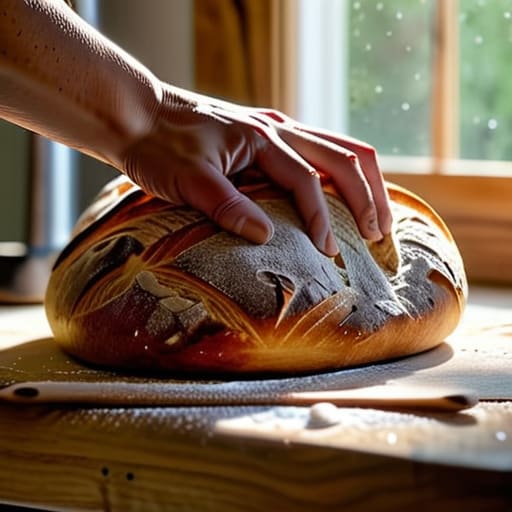
I remember sitting in my small kitchen back in Michigan, watching the flour dust dance in a stray beam of afternoon light, feeling completely defeated by a recipe that promised “perfection” but delivered nothing but a dense, heavy brick. Most people will tell you that baking bread requires a laboratory-grade scale, a sourdough starter with a pedigree, or some expensive, high-tech gadgetry that costs more than a decent set of vintage lenses. They make it out to be this intimidating, scientific mountain to climb, but frankly, that’s just nonsense. To me, baking bread isn’t about precision engineering or following a hundred-step manual; it’s about the simple, rhythmic connection between your hands and the dough.
I’m not here to sell you on a lifestyle or teach you how to master some complex French technique that takes all day. Instead, I want to share the honest, unpretentious way I’ve learned to approach a loaf—the kind of way that focuses on the feel of the dough and the patience of the rise. I’ll show you how to strip away the fluff and get back to the soul of the process, so you can stop worrying about the math and start enjoying the smell of a crust cooling on your counter.
Table of Contents
A Sourdough Starter Guide for Patient Souls

Now, if you’re looking to dive into the deep end, you’ll eventually find yourself face-to-face with a sourdough starter. I like to think of it less like a recipe and more like a slow-moving companion. You aren’t just mixing flour and water; you are cultivating a living thing. When I first started, I tried to rush it, thinking I could force the magic to happen overnight. That was my first mistake. A proper sourdough starter guide isn’t about strict measurements as much as it is about learning to listen to the bubbles and the scent of the jar.
You’ll need to experiment with different flour types for bread making, perhaps starting with a sturdy rye or a simple whole wheat to give those wild yeasts something substantial to chew on. It takes a bit of rhythm—a daily feeding, a bit of patience, and a watchful eye. There is something deeply grounding about this part of the process. It reminds me of the old bridge projects I used to manage; you can’t skip the foundation and expect the structure to hold. You just have to give it time to breathe.
Choosing the Right Flour Types for Bread Making
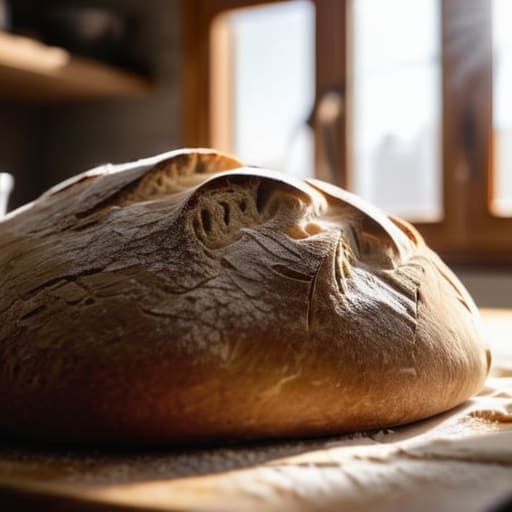
I’ve learned through years of tinkering with old Leica cameras that the smallest details often dictate the final result. The same holds true when you’re standing in the kitchen, staring at a bag of flour. You can’t just grab whatever is on sale and expect magic. When exploring different flour types for bread making, I’ve found that the protein content is everything. If you want that sturdy, structural integrity that holds a loaf together during the long rise, you’ll want a high-protein bread flour. It provides the strength needed for the gluten network to develop, acting much like the foundation of a well-built bridge.
If you prefer something a bit more rustic, perhaps with a deeper, more complex flavor, don’t be afraid to experiment with whole wheat or rye. These flours add a wonderful weight to the crumb, though they can be a bit more temperamental. I often find that blending a bit of strong white flour with a touch of whole grain creates a beautifully balanced loaf—one that has character without being overly dense. It’s a bit of a dance between strength and soul, and finding that sweet spot is part of the joy.
A Few Lessons Learned from Flour-Dusted Hands
- Don’t be afraid of a little mess; a countertop covered in a fine dusting of flour is just a sign that something good is happening.
- Listen to the dough rather than the clock. Sometimes it needs another hour to find its strength, and sometimes it’s ready before you think it is.
- Temperature is everything. A drafty kitchen can stall your progress, so find a warm, quiet corner where the dough can rest undisturbed.
- Resist the urge to slice into a loaf while it’s still steaming. I know it smells heavenly, but the bread is still finishing its work inside, and it needs that time to set.
- Trust your hands. There is a specific, elastic feeling to well-developed gluten that no recipe can truly describe, but your fingers will know it when they feel it.
Lessons From the Flour and the Fire
Respect the rhythm of the dough; it won’t rise faster just because you’re in a hurry, so learn to enjoy the waiting.
Don’t be afraid of a little mess or a failed loaf, because even a dense boule teaches you something about the patience required for a perfect crust.
The best part of baking isn’t the finished product, but the quiet, sensory magic of the process—the scent of yeast and the warmth of the oven.
## The Rhythm of the Rise
There is a particular kind of peace found in the waiting; you can’t force the yeast to hurry, and you can’t command the crust to crisp—you simply have to tend the dough, keep your hands steady, and trust that the best things in life require a bit of patience and a lot of warmth.
Bernard Oyelaran
The Patience of the Oven
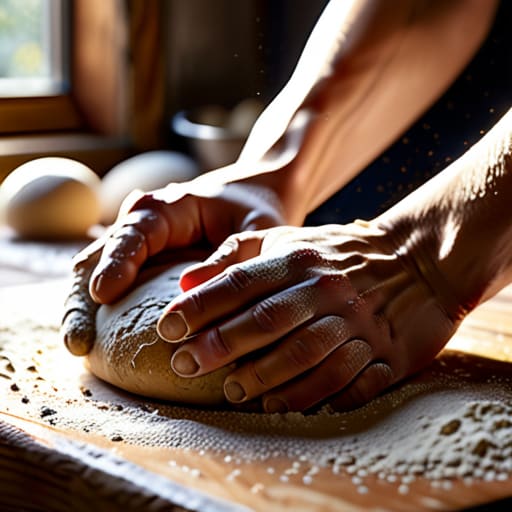
At the end of the day, baking bread is less about following a strict blueprint and more about listening to the ingredients. We’ve talked about the living, breathing nature of a sourdough starter and how the right flour provides the necessary foundation for a sturdy crumb. It isn’t always perfect—sometimes the crust is a bit too thick, or the center stays a little too dense—but that is part of the process. You can’t force the yeast to work faster than it wants to, and you can’t rush the chemistry of the oven. Once you stop fighting the clock and start trusting the rhythm of the dough, you’ll find that the mistakes often have a character all their own.
As I sit here at my small wooden table, watching the steam rise from a fresh slice, I’m reminded of why I started writing these notes in the first place. We spend so much of our lives sprinting toward the next deadline, the next milestone, or the next big achievement. But there is a profound, quiet dignity in the simple act of waiting for something to rise. I hope that when you finally pull your loaf from the heat, you don’t just see food, but a moment of stillness you carved out for yourself. Take a breath, enjoy the warmth, and remember that the best things in life simply require time.
Frequently Asked Questions
How do I know if my kitchen is too cold for the dough to rise properly?
If the dough feels sluggish, like it’s reluctant to wake up, your kitchen might be playing tricks on you. I’ve found that if the dough stays firm and cool to the touch after an hour, the chill is winning. Don’t panic; just tuck it into a turned-off oven with a bowl of steaming water nearby. Let the warmth find it. Sometimes, a little extra coziness is all the dough needs to find its rhythm.
Is it worth investing in a heavy Dutch oven, or can I get a good crust with my old baking pans?
Now, I’ve spent my fair share of years working with tools that were built to last, so I understand the hesitation. If your old pans have served you well, they aren’t a crime. But if you’re looking for that thick, crackling crust—the kind that sings when you tap it—there’s something about the heavy heat of a Dutch oven. It traps the steam just right. It’s an investment, sure, but one worth making for the soul.
What should I do if my bread comes out looking more like a brick than a loaf?
Don’t let a heavy loaf discourage you; even the best engineers have a structural failure now and then. Usually, a “brick” means the dough didn’t get enough time to rise, or perhaps it was handled a bit too roughly. Check your yeast, or if you’re using sourdough, give that starter another day to wake up. Most importantly, don’t rush the proofing. Let the dough sit undisturbed. Patience is the most vital ingredient.
