Category: Food

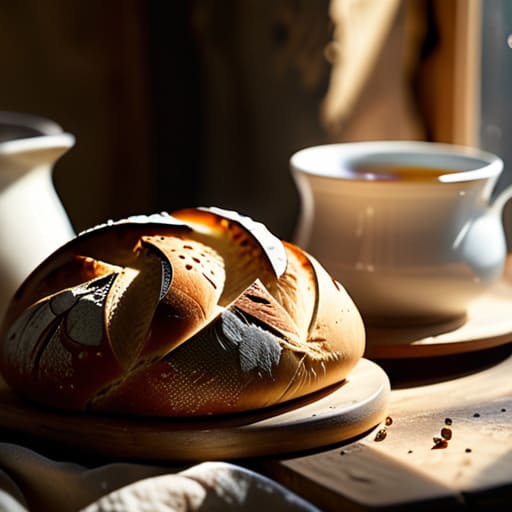
  • Fundamentals of Baking Fresh Bread

    Fundamentals of Baking Fresh Bread

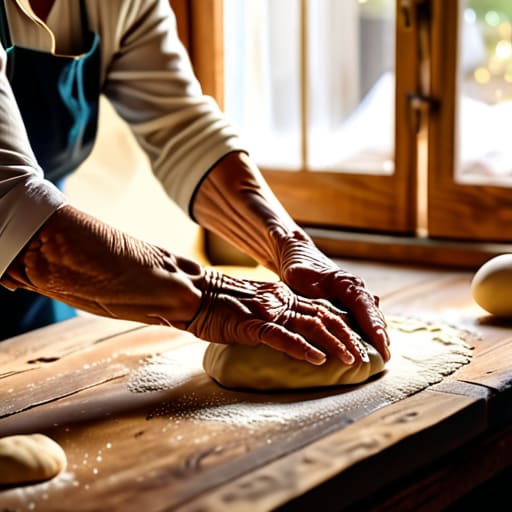
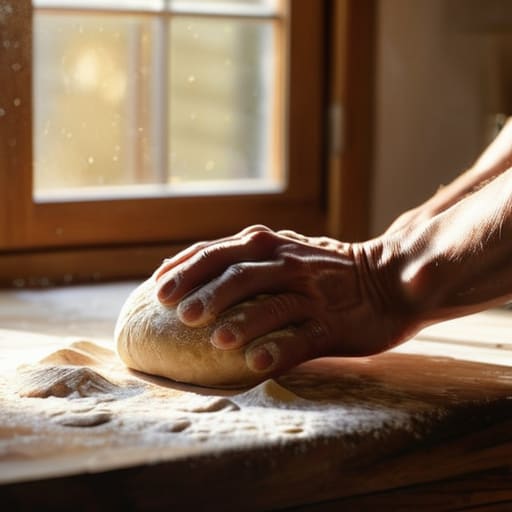
    I remember sitting in my small kitchen back in Michigan, watching the flour dust dance in a stray beam of afternoon light, feeling completely defeated by a recipe that promised “perfection” but delivered nothing but a dense, heavy brick. Most people will tell you that baking bread requires a laboratory-grade scale, a sourdough starter with a pedigree, or some expensive, high-tech gadgetry that costs more than a decent set of vintage lenses. They make it out to be this intimidating, scientific mountain to climb, but frankly, that’s just nonsense. To me, baking bread isn’t about precision engineering or following a hundred-step manual; it’s about the simple, rhythmic connection between your hands and the dough.

    I’m not here to sell you on a lifestyle or teach you how to master some complex French technique that takes all day. Instead, I want to share the honest, unpretentious way I’ve learned to approach a loaf—the kind of way that focuses on the feel of the dough and the patience of the rise. I’ll show you how to strip away the fluff and get back to the soul of the process, so you can stop worrying about the math and start enjoying the smell of a crust cooling on your counter.

    Table of Contents

    A Sourdough Starter Guide for Patient Souls

    A Sourdough Starter Guide for Patient Souls

    Now, if you’re looking to dive into the deep end, you’ll eventually find yourself face-to-face with a sourdough starter. I like to think of it less like a recipe and more like a slow-moving companion. You aren’t just mixing flour and water; you are cultivating a living thing. When I first started, I tried to rush it, thinking I could force the magic to happen overnight. That was my first mistake. A proper sourdough starter guide isn’t about strict measurements as much as it is about learning to listen to the bubbles and the scent of the jar.

    You’ll need to experiment with different flour types for bread making, perhaps starting with a sturdy rye or a simple whole wheat to give those wild yeasts something substantial to chew on. It takes a bit of rhythm—a daily feeding, a bit of patience, and a watchful eye. There is something deeply grounding about this part of the process. It reminds me of the old bridge projects I used to manage; you can’t skip the foundation and expect the structure to hold. You just have to give it time to breathe.

    Choosing the Right Flour Types for Bread Making

    Choosing the Right Flour Types for Bread Making.

    I’ve learned through years of tinkering with old Leica cameras that the smallest details often dictate the final result. The same holds true when you’re standing in the kitchen, staring at a bag of flour. You can’t just grab whatever is on sale and expect magic. When exploring different flour types for bread making, I’ve found that the protein content is everything. If you want that sturdy, structural integrity that holds a loaf together during the long rise, you’ll want a high-protein bread flour. It provides the strength needed for the gluten network to develop, acting much like the foundation of a well-built bridge.

    If you prefer something a bit more rustic, perhaps with a deeper, more complex flavor, don’t be afraid to experiment with whole wheat or rye. These flours add a wonderful weight to the crumb, though they can be a bit more temperamental. I often find that blending a bit of strong white flour with a touch of whole grain creates a beautifully balanced loaf—one that has character without being overly dense. It’s a bit of a dance between strength and soul, and finding that sweet spot is part of the joy.

    A Few Lessons Learned from Flour-Dusted Hands

    • Don’t be afraid of a little mess; a countertop covered in a fine dusting of flour is just a sign that something good is happening.
    • Listen to the dough rather than the clock. Sometimes it needs another hour to find its strength, and sometimes it’s ready before you think it is.
    • Temperature is everything. A drafty kitchen can stall your progress, so find a warm, quiet corner where the dough can rest undisturbed.
    • Resist the urge to slice into a loaf while it’s still steaming. I know it smells heavenly, but the bread is still finishing its work inside, and it needs that time to set.
    • Trust your hands. There is a specific, elastic feeling to well-developed gluten that no recipe can truly describe, but your fingers will know it when they feel it.

    Lessons From the Flour and the Fire

    Respect the rhythm of the dough; it won’t rise faster just because you’re in a hurry, so learn to enjoy the waiting.

    Don’t be afraid of a little mess or a failed loaf, because even a dense boule teaches you something about the patience required for a perfect crust.

    The best part of baking isn’t the finished product, but the quiet, sensory magic of the process—the scent of yeast and the warmth of the oven.

    ## The Rhythm of the Rise

    There is a particular kind of peace found in the waiting; you can’t force the yeast to hurry, and you can’t command the crust to crisp—you simply have to tend the dough, keep your hands steady, and trust that the best things in life require a bit of patience and a lot of warmth.

    Bernard Oyelaran

    The Patience of the Oven

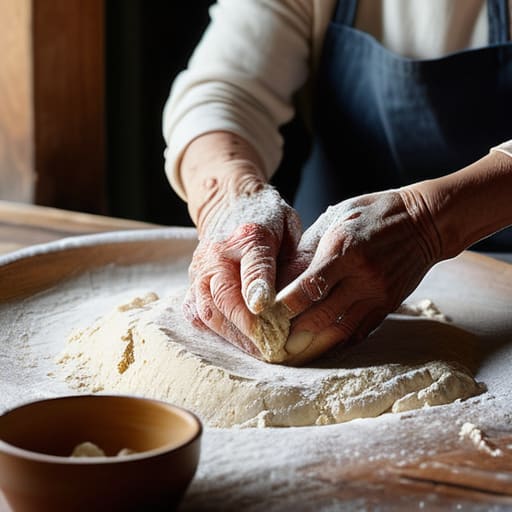
    The Patience of the Oven baking bread.

    At the end of the day, baking bread is less about following a strict blueprint and more about listening to the ingredients. We’ve talked about the living, breathing nature of a sourdough starter and how the right flour provides the necessary foundation for a sturdy crumb. It isn’t always perfect—sometimes the crust is a bit too thick, or the center stays a little too dense—but that is part of the process. You can’t force the yeast to work faster than it wants to, and you can’t rush the chemistry of the oven. Once you stop fighting the clock and start trusting the rhythm of the dough, you’ll find that the mistakes often have a character all their own.

    As I sit here at my small wooden table, watching the steam rise from a fresh slice, I’m reminded of why I started writing these notes in the first place. We spend so much of our lives sprinting toward the next deadline, the next milestone, or the next big achievement. But there is a profound, quiet dignity in the simple act of waiting for something to rise. I hope that when you finally pull your loaf from the heat, you don’t just see food, but a moment of stillness you carved out for yourself. Take a breath, enjoy the warmth, and remember that the best things in life simply require time.
    Frequently Asked Questions

    How do I know if my kitchen is too cold for the dough to rise properly?

    If the dough feels sluggish, like it’s reluctant to wake up, your kitchen might be playing tricks on you. I’ve found that if the dough stays firm and cool to the touch after an hour, the chill is winning. Don’t panic; just tuck it into a turned-off oven with a bowl of steaming water nearby. Let the warmth find it. Sometimes, a little extra coziness is all the dough needs to find its rhythm.

    Is it worth investing in a heavy Dutch oven, or can I get a good crust with my old baking pans?

    Now, I’ve spent my fair share of years working with tools that were built to last, so I understand the hesitation. If your old pans have served you well, they aren’t a crime. But if you’re looking for that thick, crackling crust—the kind that sings when you tap it—there’s something about the heavy heat of a Dutch oven. It traps the steam just right. It’s an investment, sure, but one worth making for the soul.

    What should I do if my bread comes out looking more like a brick than a loaf?

    Don’t let a heavy loaf discourage you; even the best engineers have a structural failure now and then. Usually, a “brick” means the dough didn’t get enough time to rise, or perhaps it was handled a bit too roughly. Check your yeast, or if you’re using sourdough, give that starter another day to wake up. Most importantly, don’t rush the proofing. Let the dough sit undisturbed. Patience is the most vital ingredient.

  • Creative Ways to Make Tacos

    Creative Ways to Make Tacos

    I spent most of my career looking at blueprints and concrete pours, always focused on the finished structure and the ticking clock. But lately, I’ve found that the most rewarding projects don’t require a hard hat; they just require a bit of patience and a hungry stomach. There is something incredibly frantic about the way we approach dinner these days—grabbing something processed or rushing through a meal just to check it off a list. I think we’ve lost the art of the slow simmer, especially when it comes to finding truly soulful taco recipes that actually respect the ingredients. We often trade depth of flavor for mere convenience, and frankly, it’s a disservice to our palates.

    In the following notes, I want to share five specific ways I’ve learned to approach this humble dish. I won’t be giving you anything overly complicated or flashy, but rather a collection of methods that prioritize texture and tradition. From the way you char a tortilla to the slow-cooked magic of a well-seasoned protein, these five ideas will help you transform a simple Tuesday night into a quiet celebration of flavor. Let’s slow things down and make something worth savoring.

    Table of Contents

    The Slow-Simmered Carnitas Ritual

    The Slow-Simmered Carnitas Ritual with tender pork.

    There is something deeply satisfying about a recipe that refuses to be rushed. When I first stumbled upon a small cantina in Oaxaca, I realized that real carnitas aren’t about speed; they are about the patience of the simmer. You take a good cut of pork, seasoned simply with salt and perhaps a bit of orange zest, and let it sit in its own juices until the meat becomes so tender it practically whispers when you pull it apart with a fork.

    Coastal Simplicity with Fresh Fish

    Coastal Simplicity with Fresh Fish tacos.

    After years of managing heavy construction sites, I learned to appreciate things that are light and uncomplicated. These fish tacos remind me of the breezy afternoons I spent near the coast, where the salt air makes everything taste better. You don’t need a pantry full of spices; you just need freshness. A piece of white fish, lightly seasoned and seared just enough to keep the moisture inside, is all the foundation you truly need.

    Earthy Roasted Cauliflower for Quiet Evenings

    Earthy Roasted Cauliflower for Quiet Evenings

    Not every meal needs to be a heavy affair, and sometimes my body just craves something grounded and vegetable-forward. I’ve found that roasting cauliflower with a heavy hand of cumin and smoked paprika creates a texture that is surprisingly hearty. It’s a wonderful way to turn a simple head of cauliflower into something that feels substantial and intentional.

    The Sunday Afternoon Barbacoa

    If there is one recipe that embodies the spirit of a slow Sunday, it is undoubtedly barbacoa. This is the kind of dish that fills the entire house with a warm, inviting aroma long before you even think about sitting down to eat. It requires a bit of prep work—chopping onions, prepping chilies, and selecting the right cut of beef—but the reward is well worth the effort.

    Smoky Black Bean and Sweet Potato Harmony

    There is a beautiful balance to be found between the sweetness of a roasted sweet potato and the deep, smoky notes of seasoned black beans. I often turn to this combination when I want something that feels nurturing and wholesome. It’s a vegetarian option that never feels like an afterthought; rather, it feels like a celebration of what the earth provides.

    A Few Final Thoughts Before You Start

    Don’t get hung up on perfection; whether it’s a slightly charred tortilla or a bit of extra spice, the best tacos come from cooking with intention rather than following a strict blueprint.

    Remember that the magic is in the contrast—the crunch of a fresh radish against a slow-cooked meat, or the coolness of crema against a spicy salsa—so don’t be afraid to play with textures.

    Most importantly, set the table, pour a drink, and leave your phone in the other room; a taco is meant to be a slow experience, not something you eat while rushing to the next thing on your list.

    The Soul of the Shell

    A taco isn’t just a quick meal to grab on the run; it’s a small, handheld celebration. When you take the time to char the corn, season the meat properly, and let the flavors sit together, you aren’t just cooking—you’re practicing the art of slowing down.

    Bernard Oyelaran

    The Best Ingredient is Time

    Looking back at these five different approaches, it’s clear that a taco is much more than just a quick meal thrown together between errands. Whether you’re leaning into the smoky, slow-cooked richness of carnitas or the bright, sharp snap of a fresh shrimp taco, the common thread is the intention you bring to the kitchen. From the way you season your proteins to the careful layering of salsas and fresh herbs, each recipe offers a different way to slow down. It isn’t about following a strict set of instructions to the letter; it’s about finding that perfect balance of textures and temperatures that makes a simple tortilla feel like a feast.

    As I sit here in this little courtyard, watching the light fade behind the mountains and finishing the last bite of my lunch, I’m reminded that these small culinary rituals are what make travel and life so rich. Don’t feel pressured to master them all at once or to host a grand fiesta every single time. Just pick one, find a quiet corner, and really taste the lime and salt. In the end, the recipe is just a map; the real joy is found in the quiet, delicious moments we create for ourselves along the way.

    Frequently Asked Questions

    What’s the best way to keep the tortillas warm without them getting soggy or stiff while I'm prepping the fillings?

    I’ve learned the hard way that nothing ruins a good taco faster than a cold, stiff tortilla. I usually keep a heavy cast-iron skillet warm on the back burner, then nestle my stack of tortillas inside a clean, thick kitchen towel. It’s like a little warm cocoon. If you’re feeling extra careful, wrap them in foil before the towel. It keeps the steam in just enough to stay soft without making them a soggy mess.

    If I'm looking to make these a bit healthier, can I swap out the heavy fats without losing that essential, comforting flavor?

    You can certainly lighten things up without losing the soul of the meal. I’ve found that if you swap heavy sour cream for a bit of Greek yogurt or mashed avocado, you still get that creamy texture. Also, try using leaner cuts of meat, but don’t skimp on the spices—cumin, smoked paprika, and a squeeze of fresh lime do the heavy lifting. It’s about the aromatics, not the grease, that brings the comfort.

    I've always struggled with seasoning—is there a specific way to toast the spices to really bring out the aroma?

    You’ve hit on something important there. I used to rush through the prep work, but I’ve learned that spices are a bit like old film—they need a little warmth to really show their true colors. Try tossing your whole cumin seeds or dried chilies into a dry skillet over medium heat for just a minute or two. Once the aroma starts to fill the kitchen, pull them off immediately. It makes all the difference.

  • Soothing Soup Recipes for Wellness

    Soothing Soup Recipes for Wellness

    I remember sitting in a drafty site trailer back in ’88, the wind whipping off the lake and rattling the corrugated metal walls. My hands were cracked from the cold, and the blueprints in front of me felt more like a burden than a plan. Then, a coworker slid a chipped ceramic mug across the desk—a simple, steaming vegetable broth that smelled of thyme and patience. It wasn’t fancy, and it certainly wasn’t a gourmet reduction, but those comforting soups have a way of anchoring you when the world feels like it’s spinning a bit too fast. They don’t need gold flakes or complicated foams; they just need time and a little bit of soul.

    I’m not here to give you a list of trendy, over-engineered recipes that require a trip to a specialty market just to find one obscure spice. Instead, I want to share the honest, unpretentious methods I’ve gathered over the years for making a pot that actually heals. We’re going to focus on the basics: the slow simmer, the right aromatics, and the kind of steady heat that turns simple ingredients into something meaningful. My goal is to help you find that same sense of quiet refuge in your own kitchen.

    Table of Contents

    The Quiet Magic of Nutritious Homemade Broths

    The Quiet Magic of Nutritious Homemade Broths

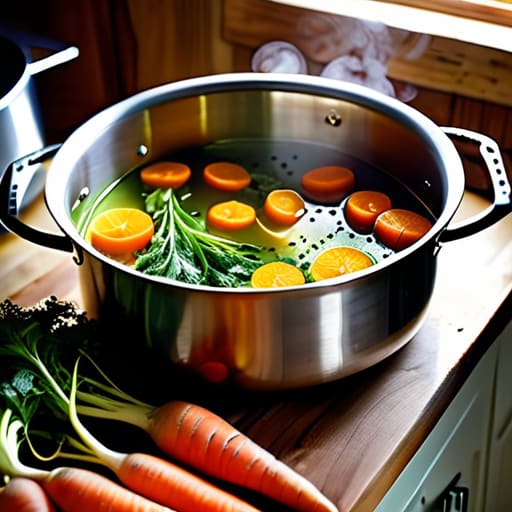
    I’ve always found a certain meditative quality in the slow simmer of a stockpot. Back when I was managing construction sites, I rarely had the patience for it, but these days, I find that making nutritious homemade broths is much like restoring one of my old Leica cameras—it requires patience, a steady hand, and an appreciation for the foundational elements. You can’t rush a good bone broth or a deep vegetable stock; you have to let the heat do the quiet work of extracting every bit of character from the ingredients.

    There is a profound sense of satisfaction in watching a few humble scraps of marrow bones, carrots, and onions transform into something golden and restorative. It’s the backbone of all the best soul warming soup recipes I’ve come to love. When I’m sitting by the window, sketching the frost on the glass, I often find myself thinking about how these liquid foundations are the true essence of winter comfort food ideas. It isn’t just about filling a stomach; it’s about building a base of flavor that feels like a warm embrace from the inside out.

    Savoring Slow Winter Comfort Food Ideas

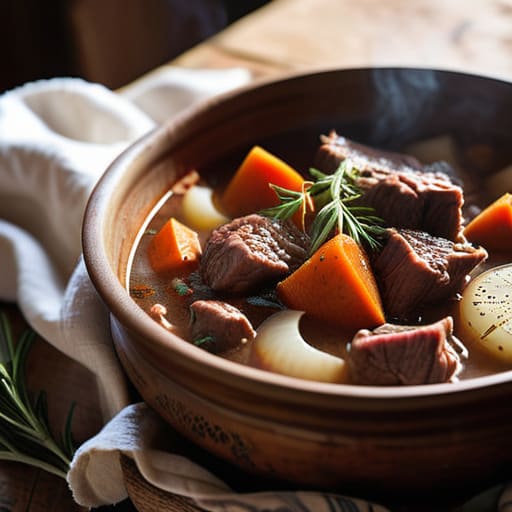
    Savoring slow winter comfort food ideas stew.

    There is a certain rhythm to a kitchen during the colder months, a slow dance of chopping and simmering that feels more like a ritual than a chore. I find that the best winter comfort food ideas don’t require a complicated recipe or a pantry full of exotic spices. Instead, they rely on patience. I often find myself leaning over a heavy cast-iron pot, watching the steam rise, thinking about how much better a meal tastes when you haven’t rushed the process. There is something deeply grounding about a thick lentil stew or a rustic potato leek soup that sits heavy and warm in your stomach.

    If you aren’t looking to spend the entire afternoon hovering over a stove, I’ve found that easy one-pot soup meals are a wonderful way to keep the chill at bay without the stress. A simple pot of minestrone, loaded with whatever seasonal vegetables are sitting in the crisper drawer, can become a masterpiece if you just let it sit. It’s about those hearty vegetable soup variations that grow richer with every hour they simmer. It isn’t about perfection; it’s about the quiet satisfaction of a meal that feeds more than just your hunger.

    A Few Small Ways to Make Your Soup Feel Like Home

    • Don’t be afraid to let it sit. Much like a well-built bridge needs time to settle, a soup often tastes its best the next day after the flavors have had a chance to truly get acquainted with one another.
    • Keep a few good crusty loaves on hand. There is a particular kind of simple joy in using a piece of sourdough to sweep up the very last bit of broth from the bottom of a bowl.
    • Mind the texture. I’ve found that a little bit of contrast—maybe some toasted seeds or a handful of fresh herbs added right at the end—keeps things from feeling one-note and heavy.
    • Invest in a heavy pot. In my engineering days, I learned that the right materials make all the difference; a sturdy Dutch oven distributes heat evenly, ensuring nothing scorches while you’re busy watching the world go by.
    • Season with intention. A splash of bright lemon juice or a tiny drop of vinegar right before serving can wake up a heavy stew, much like a sudden burst of sunlight through a gray winter sky.

    A Few Small Reminders for the Kitchen

    Don’t rush the process; a broth that has simmered on the stove for hours carries a depth of flavor that a quick fix simply can’t replicate.

    Keep your pantry stocked with the basics—good onions, hearty root vegetables, and dried herbs—so you’re always ready to turn a quiet afternoon into a nourishing one.

    Remember that the best part of a meal isn’t just the nutrition, but the stillness it affords you to sit, reflect, and truly taste what you’ve made.

    ## A Lesson from the Steam

    There is a certain kind of patience required to make a truly good soup; you can’t rush the flavors, much like you can’t rush a landscape into being. You just have to sit there, watch the steam rise, and wait for the ingredients to finally find their way to one another.

    Bernard Oyelaran

    A Final Sip of Stillness

    A Final Sip of Stillness, nourishing soup.

    As I sit here by the window, watching the frost creep across the glass, I’m reminded that making a good soup is really about more than just following a recipe. It’s the patience required to let a broth simmer until the flavors truly marry, and the intentionality of choosing ingredients that nourish both the body and the spirit. Whether you are building a foundation with a rich, homemade stock or simply letting a pot of hearty vegetables bubble away on the stove, you are doing more than just cooking. You are creating a sanctuary in a bowl, a way to reclaim your time from a world that always seems to be in a hurry.

    So, the next time the wind starts to howl or the gray clouds settle in for the afternoon, I hope you’ll find a reason to turn on the stove. Don’t worry about perfection or the fancy garnishes you see in those glossy magazines. Just focus on the warmth, the aroma, and the simple act of slowing down. Life can be loud and demanding, but there is a profound, quiet dignity in a well-timed meal. Take a spoon, find a comfortable chair, and just breathe. You’ve earned this moment of peace.

    Frequently Asked Questions

    How do you keep a homemade broth from tasting too heavy or overwhelming?

    It’s a common trap, isn’t it? You spend hours over the stove and end up with something that feels more like a chore to eat than a comfort. I’ve found that a bright splash of acid—a squeeze of fresh lemon or a teaspoon of apple cider vinegar—right at the end works wonders. It cuts through that heavy fat and wakes the whole pot up. A bit of fresh herbs, too, helps keep things light.

    Are there any specific tools or old-fashioned methods you recommend for getting the best flavor out of seasonal vegetables?

    I’ve always found that patience is the best tool in any kitchen. If you want to really draw out the sweetness in a winter squash or a root vegetable, skip the high-heat roasting and try a slow braise in a heavy cast-iron Dutch oven. There’s something about the steady, even heat of iron that coaxes out flavors a modern pan just can’t reach. It’s a bit more work, but the depth it adds is worth every minute.

    When you're traveling and don't have a full kitchen, how do you find that sense of comfort in a simple meal?

    When I’m on the road, I’ve learned not to chase a five-star menu. Instead, I look for the little local spots—the kind of place where the steam from a single bowl of broth hits the window. Even without a kitchen, I find comfort by seeking out something simple and hot. A local vegetable soup or a hearty stew from a corner cafe does more than just fill my stomach; it grounds me.

  • Essential Homemade Sauce Recipes

    Essential Homemade Sauce Recipes

    I remember sitting in a cramped site trailer halfway through a bridge project in Michigan, staring at a lukewarm, pre-packaged meal that tasted more like cardboard than food. It was one of those days where everything felt rushed and hollow, and I realized then that a meal is only as good as the soul you put into it. Most people treat cooking like another deadline to meet, reaching for those complicated, ingredient-heavy sauce recipes that require a degree in chemistry and a grocery list longer than a blueprint. They think you need exotic spices and three hours of frantic whisking to make something worthwhile, but they’ve missed the point entirely.

    I’m not interested in the culinary theater or the expensive, unnecessary fluff you see on those flashy cooking shows. What I want to share with you are a few honest, reliable ways to bring a dish to life without losing your peace of mind. These are the kinds of sauce recipes I’ve gathered over the years—simple, sturdy, and designed to be savored. I promise to give you nothing but the essentials, focusing on flavors that actually matter so you can spend less time hovering over a stove and more time enjoying the view.

    Table of Contents

    Mastering Culinary Sauce Making Techniques One Simmer at a Time

    Mastering Culinary Sauce Making Techniques One Simmer at a Time

    In my years managing construction sites, I learned that a structure is only as reliable as its foundation. Cooking is much the same. You can have the finest cuts of meat or the freshest vegetables, but without a proper base, the meal lacks soul. When I look at different base sauce recipes, I see them as the blueprints of a dish. Whether you are starting with a simple roux or a reduction of stock, the goal is to build layers of flavor that don’t just sit on top of the food, but actually integrate with it.

    I’ve found that the real magic happens when you stop watching the clock and start watching the pot. Mastering these culinary sauce making techniques requires a bit of patience—the kind of patience I used to spend waiting for concrete to cure. You have to watch for the way a liquid thickens or how the color deepens from a pale cream to a rich, golden hue. It’s a slow process, but there is a profound peace in watching a sauce transform under a gentle flame. It reminds me that the best things in life require a bit of time.

    Base Sauce Recipes That Form the Foundation of a Quiet Evening

    Base Sauce Recipes That Form the Foundation of a Quiet Evening

    There is a certain comfort in knowing that once you have a few reliable foundations in your pantry, the rest of the evening tends to unfold with much less stress. I often find that starting with a simple, classic tomato reduction or a velvety béchamel can transform a basic meal into something that feels truly intentional. These base sauce recipes aren’t just about flavor; they are about creating a sense of stability in the kitchen. When I’m sitting by the window watching the light fade, I like to think of these sauces as the steady architecture of a good meal—much like the structural beams I used to oversee in my engineering days.

    Once you have mastered these basics, you can begin to experiment with easy sauce variations to suit your mood. A dash of smoked paprika in a cream sauce or a handful of fresh basil in a red reduction can completely change the character of the dish without requiring a frantic amount of effort. It’s about finding that balance between simplicity and depth, allowing the ingredients to speak for themselves while you simply enjoy the process of creation.

    Small Gestures for a Deeper Flavor

    • Don’t be afraid to let things sit. Just like waiting for the right light to capture a landscape with my old Leica, a sauce often needs time to settle. A quick simmer is fine for a Tuesday, but a slow, low heat allows the flavors to truly introduce themselves to one another.
    • Keep your pantry stocked with the basics, but look closer at the details. A splash of high-quality vinegar or a pinch of coarse sea salt can be the difference between a sauce that merely coats a meal and one that actually makes you stop and take a breath.
    • Watch the texture, not just the clock. I spent years watching how concrete set, and cooking is much the same. Use your spoon to feel the weight of the sauce; it should coat the back of it smoothly, like a gentle mist over a quiet lake, rather than running off like water.
    • Trust your senses over a measuring spoon. Recipes are wonderful guides, but they aren’t the law. Taste as you go. If a sauce feels a bit hollow, it might need a touch of fat—a knob of butter or a swirl of olive oil—to give it some soul.
    • Clean as you go, but don’t rush it. There is a certain peace in tidying a kitchen while something is simmering on the stove. It prevents the chaos of a messy workspace from stealing the joy out of the meal you’re about to enjoy.

    A Few Thoughts to Carry With You to the Kitchen

    Don’t let the clock dictate your cooking; the most profound flavors often emerge only when you give a sauce the grace of time and a gentle simmer.

    Treat your ingredients like the details in a landscape—each one has a specific role to play, and it’s the careful layering of those small elements that creates a masterpiece.

    Remember that a sauce isn’t just a way to coat food, but a way to slow down the meal and turn a simple dinner into a moment worth savoring.

    ## The Soul in the Simmer

    “A recipe is just a set of instructions, but a sauce—that is where the patience lives. It’s the quiet alchemy of watching colors deepen and aromas bloom, reminding us that the most meaningful things in life rarely happen all at once.”

    Bernard Oyelaran

    Finding Your Own Rhythm in the Kitchen

    Finding Your Own Rhythm in the Kitchen.

    As we pull our chairs up to the table, I hope these recipes serve as more than just instructions on a page. We’ve looked at how a steady simmer can transform simple ingredients into something profound, and how mastering those foundational bases gives you the freedom to wander creatively. Whether you are whisking a silky cream sauce or letting a tomato reduction deepen in color, remember that the goal isn’t perfection; it’s about understanding the patience required to coax out true flavor. Once you grasp the basics of heat and timing, you’ll find that you aren’t just following a recipe—you are building a culinary toolkit that stays with you long after the stove is turned off.

    At the end of the day, the best sauce isn’t the one that looks most impressive in a photograph, but the one that makes you pause mid-bite to simply exist in the moment. I’ve spent a lifetime managing rigid structures and deadlines, but I’ve learned that the most rewarding things—much like a well-developed sauce—require a bit of gentle, unhurried attention. So, the next time you find yourself rushing through a meal, I encourage you to slow down. Grab a spoon, taste your progress, and remember that life is best enjoyed one small, flavorful spoonful at a time.

    Frequently Asked Questions

    Is there a way to make these sauces ahead of time so I don't feel rushed when I sit down to eat?

    That’s a wonderful question, and honestly, it’s one of my favorite ways to approach a meal. I’ve found that preparing a batch of sauce on a quiet Sunday afternoon—when there’s no pressure—makes the actual dinner feel much more intentional. Most of these sauces actually settle and deepen in flavor if they sit in the fridge for a day or two. It takes the frantic edge off the evening, leaving you more time to simply sit and enjoy.

    How can I tell if a sauce has simmered long enough to get that deep, rich flavor without overdoing it?

    It’s a bit like waiting for the light to hit a landscape just right—you can’t force it, you can only observe. I usually look for two things: the scent and the viscosity. When that sharp, raw smell of onions or garlic softens into something sweet and mellow, you’re getting close. Then, watch the surface. When the bubbles slow down and turn heavy, like a lazy summer afternoon, that’s when the soul of the sauce has finally arrived.

    If I've made a mistake and the sauce is a bit too thin or too salty, is there a gentle way to fix it?

    Don’t let a little mishap sour your evening; even the best meals have their hiccups. If your sauce is running a bit thin, just give it more time over a low flame—letting it simmer slowly allows the flavors to concentrate and the texture to find itself. If it’s turned a bit too salty, try adding a small, peeled potato to simmer with it, or a splash of cream to soften the edge. Just breathe, and keep stirring.

  • How to Cook With Ancient Grains

    How to Cook With Ancient Grains

    I was sitting in a small, sun-drenched cafe in Florence last Tuesday, watching a young man struggle with a bowl of what the menu called a “superfood medley.” He was staring at his plate as if it were a complex blueprint for a bridge, clearly baffled by the textures and the price tag. It reminded me how much we’ve overcomplicated things lately; we’ve taken simple, honest ingredients like ancient grains and wrapped them in layers of marketing nonsense and pretension. To be honest, I’m tired of seeing these staples treated like some mystical discovery rather than what they actually are: dependable, hardworking food that has sustained people for centuries.

    I’m not here to sell you on a lifestyle trend or a way to “optimize” your biology. Instead, I want to share what I’ve learned through years of slow travel and even slower meals. I’ll show you how to recognize the real stuff, how to cook it without making a mess of your kitchen, and why a simple bowl of farro or spelt can be the most grounding part of your entire day. No hype, no jargon—just honest food for a life lived at a better pace.

    Table of Contents

    Finding Peace in Ancient Grains vs Modern Grains

    Finding Peace in Ancient Grains vs Modern Grains

    I remember the days on construction sites when everything was about speed—getting the concrete poured, the steel set, and the project finished ahead of schedule. We were always racing against the clock. It’s a bit like how our modern food system works; we’ve traded character for convenience, settling for highly processed, stripped-down flours that get the job done quickly but leave us feeling hollow. When I look at the comparison of ancient grains vs modern grains, I see a similar divide. Modern wheat has been engineered for massive yields and easy processing, but it lacks the soul and the substance of the older varieties.

    There is a certain honesty in things that take their time to grow. When I sit down with a bowl of warm millet or a handful of amaranth, I’m reminded that true nourishment isn’t rushed. These older seeds carry a superfood nutritional profile that hasn’t been diluted by industrial demands. They offer a texture that demands you chew, a flavor that demands you notice, and a sense of stability that a piece of white toast simply can’t provide. It’s a small, edible way to reconnect with a slower pace of life.

    The Superfood Nutritional Profile of a Gentle Life

    The Superfood Nutritional Profile of a Gentle Life.

    I’ve never been one for the flashy, neon-colored labels you see in the supermarket aisles, promising instant miracles. To me, the true superfood nutritional profile isn’t found in a pill or a processed powder, but in the quiet integrity of a bowl of warm millet. When I sit down with a steaming dish of amaranth, I’m not just eating; I’m fueling myself with something that has survived the test of time. These tiny seeds are packed with more than just calories; they offer a steady, slow-burning energy that keeps my mind clear during a long afternoon of tinkering with my old Leica cameras.

    There is a certain honesty in these fiber-rich grain varieties that modern, highly processed wheat simply lacks. I find that choosing these older staples helps me avoid that mid-afternoon slump that used to plague my working years. Whether it’s the earthy depth of quinoa or the subtle sweetness of sorghum, these foods seem to respect the body’s natural rhythm. It’s a way of practicing whole grain health benefits without making it a chore; it’s just about choosing ingredients that feel as substantial and enduring as the landscapes I try to sketch.

    A Few Simple Ways to Bring These Grains into Your Daily Rhythm

    • Don’t feel you have to overhaul your entire pantry overnight. Start small, perhaps by swapping your morning oatmeal for a bowl of warm, nutty spelt or buckwheat. It’s a gentle way to let your palate adjust to those deeper, more honest flavors.
    • Patience is your best friend when cooking these. Unlike the quick-fix grains we’re used to, things like farro or barley take a bit more time on the stove. I find there’s something quite meditative about watching the water simmer while the kitchen begins to smell of earth and grain.
    • Use them as a canvas for what’s in season. A handful of quinoa tossed with roasted root vegetables or a bit of wild rice mixed with autumn squash makes for a meal that feels intentional rather than rushed.
    • Keep a little jar of toasted amaranth or millet on hand. They add a wonderful, subtle crunch to a simple yogurt or a piece of fruit, making even a quick snack feel like a moment worth pausing for.
    • Remember that these grains are meant to be enjoyed, not just “consumed.” When you sit down with a bowl, leave the phone in the other room. Let the texture and the warmth be the focus of your meal.

    Small Lessons from the Grain

    Choosing ancient grains isn’t just about nutrition; it’s about choosing a slower, more intentional way of eating that honors the time it takes to grow and prepare real food.

    Embracing these hearty, unrefined textures helps us reconnect with the earth and find a sense of grounding that modern, processed convenience often strips away.

    Let your meals be an invitation to pause—use the simple act of chewing a piece of spelt or farro as a reminder to step out of the rush and back into the present moment.

    A Lesson in Patience

    “Modern life tries to rush everything, even our food, but these old grains don’t care for our hurry; they demand a bit of patience and a slower simmer, reminding us that the best things in life aren’t built for speed, but for substance.”

    Bernard Oyelaran

    A Final Thought Before the Next Meal

    A Final Thought Before the Next Meal.

    Looking back at what we’ve discussed, it’s clear that choosing ancient grains is about much more than just checking off a nutritional box. It’s a conscious decision to step away from the highly processed, rushed convenience of the modern world and return to something more honest and substantial. By embracing the complex textures of spelt, millet, or farro, we aren’t just feeding our bodies with essential minerals and slow-burning energy; we are reclaiming a connection to the earth and a slower way of living. It is a way to bridge the gap between the frantic pace of today and the steady, reliable rhythms of the past.

    As I sit here in this small cafe, watching the light shift across my notebook, I’m reminded that our lives are built from these small, intentional choices. You don’t need to overhaul your entire pantry overnight to make a difference. Just start with one bowl, one meal, and one moment of true presence. Whether it’s the nutty crunch of amaranth or the comforting weight of a hearty grain porridge, let it be an invitation to sit still. After all, we aren’t just consuming fuel; we are gathering the strength to savor the view.

    Frequently Asked Questions

    Since I'm not used to the heavier texture of grains like farro or spelt, are there any tips for preparing them so they aren't too tough on the teeth?

    I remember my first encounter with spelt; I thought I’d bitten into a handful of pebbles. If the texture feels a bit too stubborn, try soaking the grains overnight in cold water before cooking. It softens the outer hull beautifully. Also, don’t be afraid to let them simmer a little longer than the package suggests—a bit of extra time in the pot goes a long way toward a gentle, tender bite.

    I find myself wandering into local markets more often these days; is there a simple way to tell if these grains are truly whole and unprocessed?

    I’ve learned that the best way to tell is to trust your hands and your eyes. When I’m browsing the stalls, I look for texture; truly whole grains like spelt or rye shouldn’t look uniform or polished like the stuff in a plastic bag. They should have a bit of character—varying shapes, a dusty finish, and a certain weight. If it looks too perfect, it’s likely been stripped of its soul.

    For someone who enjoys a slow morning, which of these grains work best for a warm, comforting porridge rather than just being tossed into a salad?

    If you’re looking to start your morning with a bit of stillness, I’d steer you toward steel-cut oats or farro. There’s a real, honest satisfaction in the way steel-cut oats bloom on the stove; they take their time, but the texture is worth the wait. Farro is lovely too—it has a wonderful, nutty chew that feels substantial. Both make for a warm, grounding bowl that invites you to just sit and breathe.

  • Understanding Basic Food Pairings

    Understanding Basic Food Pairings

    I was sitting in a cramped bistro in Florence last Tuesday, watching a young man spend ten minutes lecturing his companion on the “molecular synergy” of their appetizers. He was talking about food pairings as if he were reading a structural blueprint for a suspension bridge, using words that felt far too heavy for a simple plate of olives and cheese. It struck me then how much we’ve lost to the theatrics of dining. We’ve turned something as primal and beautiful as eating into a high-stakes exam, forgetting that the best combinations aren’t found in a textbook, but in the quiet harmony of flavors that just work.

    I’m not here to teach you the chemistry of a reduction or how to impress a critic with expensive wine. My goal is much simpler: I want to help you find those reliable, soulful food pairings that make a meal feel like a warm conversation. I’ll be sharing the combinations I’ve discovered through years of slow travels and long, wandering afternoons—the kind of pairings that don’t require a degree to appreciate, just a willingness to slow down and truly taste.

    Table of Contents

    Finding Harmony in Complementary vs Contrasting Flavors

    Finding Harmony in Complementary vs Contrasting Flavors.

    When I was working on bridge sites, I learned that a structure needs both tension and support to stand. Cooking feels much the same way. You can approach a meal by looking for complementary vs contrasting flavors to create that same kind of stability. Sometimes, you want everything to sing in the same key—think of a rich, slow-simmered beef stew where the deep, earthy notes of mushrooms lean into the meat. It’s all about those umami and savory combinations that make you want to sit a little longer at the table.

    Other times, the magic happens when things clash just enough to wake you up. I find that a heavy, creamy risotto can feel a bit overwhelming if it isn’t interrupted by something bright. That’s where the acid and fat balance comes into play; a squeeze of lemon or a splash of vinegar acts like a sudden breeze on a humid afternoon, cutting through the richness and clearing the palate. It’s not about being perfect; it’s about finding that little spark of friction that makes the whole experience feel truly alive.

    The Gentle Dance of Acid and Fat Balance

    The Gentle Dance of Acid and Fat Balance.

    I remember sitting in a small bistro in coastal Italy last spring, watching the chef prepare a simple dish of pan-seared sea bass drizzled with a bright lemon vinaigrette. It struck me then how much of the magic lies in the acid and fat balance. Without that sharp, citrusy bite, the rich oils of the fish might feel heavy, almost overwhelming to the palate. But when they meet, the acid acts like a gust of fresh wind, cutting right through the richness and lifting the whole experience.

    It’s a bit like my work with old cameras; you need the weight of the brass to feel substantial, but you need the precision of the lens to bring the clarity. In cooking, a heavy cream sauce or a piece of fatty pork requires a counterpoint—perhaps a splash of vinegar or a squeeze of lime—to keep things from feeling stagnant. When you master this, you aren’t just eating; you are engaging with the sensory perception of taste in a way that makes you truly feel alive. It’s about finding that equilibrium where nothing feels too heavy or too sharp.

    A Few Lessons Learned from My Own Kitchen and Table

    • Don’t be afraid of a little salt and sweetness working together. I’ve found that a tiny pinch of sea salt on a slice of ripe melon or a drizzle of honey over some aged goat cheese does more for the flavor than any fancy technique ever could.
    • Trust your nose before your tongue. If you’re looking at a heavy, earthy stew, your instincts will likely tell you it needs something bright—like a squeeze of lemon or a sprig of fresh parsley—to lift the whole thing up.
    • Texture is a flavor all its own. A meal can be delicious, but it feels incomplete if everything is the same consistency. Always try to pair something soft, like a creamy polenta, with something that has a bit of a crunch, like toasted walnuts.
    • Let the star of the show breathe. If you’ve prepared a beautiful, slow-roasted piece of beef, don’t drown it in a dozen different sauces. Pick one companion—maybe a sharp horseradish or a simple red wine reduction—that lets the meat speak for itself.
    • Practice the art of the palate cleanser. Between heavy courses, a simple sip of sparkling water or a small piece of crisp apple can reset your senses so you can truly appreciate the next flavor rather than just rushing to the finish line.

    A Few Notes to Carry with You

    Don’t be afraid of a little tension on the plate; sometimes the best part of a meal is the way a sharp, bright citrus cuts right through a heavy, creamy sauce.

    Think of flavors like old friends—some are meant to blend seamlessly into one another, while others are meant to stand out and spark a bit of conversation.

    Most importantly, trust your own palate over any rulebook; if a combination brings you a moment of quiet joy, then it is exactly the right pairing.

    The Rhythm of the Table

    “A truly great meal isn’t just a collection of ingredients; it’s more like a well-built bridge. You need the heavy, structural elements of salt and fat, but they only hold their weight if you have the delicate, bright tension of something acidic to keep the whole thing from feeling too burdensome.”

    Bernard Oyelaran

    A Final Note from the Table

    A Final Note from the Table.

    As I sit here in this little café, watching the afternoon light stretch across the floor, I’m reminded that mastering food pairings isn’t about following a rigid set of rules or memorizing complex culinary chemistry. It’s really just about understanding the delicate balance between opposites and allies. Whether you are leaning into the comfort of complementary flavors or finding that sudden, bright spark through a contrast of acid and fat, you are essentially composing a small piece of music on your palate. It takes a bit of practice to recognize when a heavy cream needs a citrus lift or when a salty cheese needs a drop of honey, but once you start noticing these patterns, the world of flavor begins to open up in ways you never expected.

    At the end of the day, I hope you don’t let the technicalities get in the way of the pleasure. Don’t be afraid to experiment, to fail, or to end up with a combination that makes no sense on paper but tastes like pure magic to you. Food is meant to be lived, not just analyzed. So, the next time you sit down to a meal, I encourage you to put down your phone, take a deep breath, and really listen to what the ingredients are telling you. Life is far too short to rush through a good meal, and there is so much beauty to be found in the simple, quiet harmony of a perfectly paired bite.

    Frequently Asked Questions

    How can I start practicing these pairings without feeling overwhelmed by complicated recipes?

    Don’t go looking for a culinary textbook. Just start small, right at your own kitchen table. Next time you’re having a simple piece of toast, try a smear of something salty like feta against a drizzle of honey. Or if you’re eating a heavy stew, squeeze a bit of lemon over it. You don’t need a recipe to notice how a little brightness cuts through the richness. Just listen to your palate; it knows.

    Are there any simple rules of thumb for pairing a good bottle of wine with a home-cooked meal?

    Now, don’t let the wine lists at the shop intimidate you. I’ve found that the simplest rule is to match the weight of the meal to the weight of the wine. A light, leafy salad calls for something bright and crisp, like a Sauvignon Blanc, while a hearty beef stew needs a wine with a bit more backbone, perhaps a Cabernet. If you’re unsure, just remember: let the food lead the way.

    Does the texture of a food matter as much as the flavor when trying to find a good match?

    Texture is everything. I’ve learned that a meal can have perfect seasoning, but if it’s all one mushy consistency, your palate gets bored. Think of it like a good landscape; you need the jagged cliffs to appreciate the soft valley. A bit of crunch from a toasted walnut or the snap of a fresh radish provides a necessary rhythm. It keeps you engaged, making each bite a new discovery rather than just a repetitive task.

  • Nutritious Snack Ideas for Work

    Nutritious Snack Ideas for Work

    I was sitting in a small courtyard in Florence yesterday, watching the sunlight dance across the cobblestones, when I realized how often we treat eating as a chore to be completed rather than a moment to be enjoyed. Most of us fall into the trap of grabbing something processed and mindless just to quiet a growling stomach, which is a crying shame. We’ve lost the art of the pause, often settling for those neon-colored, crinkly wrappers that offer nothing but a quick spike and a long crash. I’ve spent a lot of my retirement thinking about how much better life feels when we seek out better snack ideas—things that actually nourish us and invite us to sit still for a moment.

    In the following notes, I want to share five simple, honest ways to refuel without losing your sense of calm. These aren’t complicated recipes or expensive health trends; they are merely small, thoughtful ways to bridge the gap between meals. I’ll walk you through a few of my personal favorites that I’ve found work perfectly whether you are sketching in a park or sitting on a quiet porch. My hope is that these suggestions will help you find a bit of sustenance and stillness in the middle of your busiest hours.

    Table of Contents

    A Handful of Salt and Crunch

    A Handful of Salt and Crunch almonds.

    There is something deeply satisfying about a simple bowl of roasted almonds, especially if they’ve been tossed with just a bit of sea salt and maybe a hint of rosemary. I find that when I’m out in the field—or these days, just sitting in a park sketching a particularly stubborn oak tree—a handful of these provides a steady sort of energy that keeps the afternoon jitters at bay. It isn’t about fueling up for a marathon; it’s about having something substantial to nibble on while you watch the world go by.

    The Quiet Comfort of Fruit and Cheese

    The Quiet Comfort of Fruit and Cheese.

    Whenever I find myself lingering a little too long at a local farmer’s market, I always make sure to pick up a wedge of sharp cheddar and a piece of seasonal fruit. There is a wonderful, uncomplicated harmony between the saltiness of a well-aged cheese and the bright, natural sweetness of a crisp apple or a ripe pear. It feels less like “snacking” and more like a miniature, solitary feast.

    Warmth in a Small Cup

    Warmth in a small cup of tea.

    Sometimes, a snack doesn’t need to be solid at all. On those slightly brisk mornings when the mist is still clinging to the riverbanks, I find that a warm cup of herbal tea accompanied by a few pieces of dark chocolate is my absolute favorite companion. The heat of the mug against my palms is almost as restorative as the drink itself. It’s a way to warm the soul before the day truly begins its heavy lifting.

    The Rustic Appeal of Whole Grain Crackers

    I have a particular fondness for those thick, seeded crackers that look like they were baked in a stone oven. They have a certain sturdy integrity to them that I’ve always appreciated, much like the well-built bridges I used to oversee. They aren’t overly fancy, but they have a depth of flavor that comes from real ingredients—oats, flax, perhaps a bit of cracked pepper.

    Greek Yogurt with a Touch of Honey

    On the days when I feel a bit more restless, I find that a small bowl of plain Greek yogurt can be incredibly settling. It has a weight to it that feels substantial without being heavy. I like to drizzle a little local honey over the top—the kind that’s still a bit cloudy and smells of wildflowers—and maybe toss in a few berries if they are in season. It is a gentle way to nourish yourself.

    A Few Final Thoughts Before You Head Out

    Don’t let a snack become just another task on your to-do list; treat it as a small, intentional pause in your day.

    Focus on real, simple ingredients that actually satisfy, rather than reaching for something processed just because it’s convenient.

    Whether it’s a handful of nuts or a piece of fruit, find a quiet corner to sit and actually taste what you’re eating.

    On the Art of the Midday Bite

    A snack shouldn’t be something you shove in your mouth while checking your watch; it should be a brief, quiet intermission—a handful of something real that lets you catch your breath before the afternoon begins.

    Bernard Oyelaran

    A Final Thought on the Small Things

    At the end of the day, whether you are reaching for a handful of salted almonds, a crisp slice of apple, or a bit of sharp cheese, the goal isn’t just to quiet a growling stomach. It is about breaking that cycle of mindless, rushed consumption that seems to define our modern lives. By choosing simple, whole ingredients over those crinkly, over-processed wrappers, you are doing more than just fueling your body; you are practicing a form of intentionality. These small bites—these little moments of nourishment—serve as a gentle reminder to stop and breathe amidst the noise of a busy afternoon.

    I’ve learned through many years of managing heavy machinery and even more years of quiet walks that the most significant things often happen in the pauses. We spend so much of our lives rushing toward the next big milestone, the next deadline, or the next destination, that we forget to actually inhabit the present. So, the next time you feel that mid-day slump hitting, I encourage you to step away from your desk or your phone. Find a patch of sunlight, sit down, and really taste what you are eating. Life is far too short to be lived in a hurry, and it is certainly too beautiful to be missed because you were too busy to grab a snack and enjoy the view.

    Frequently Asked Questions

    Are there any simple snack pairings that don't require a kitchen or much prep work while I'm out exploring?

    When I’m out with my Leica, I try to keep things simple. I usually pack a small container of salted almonds and a few dried apricots; the salt and sweetness hit just right when you’ve been walking for miles. Another favorite is a sharp cheddar cheese wedge paired with a crisp apple. No knives or prep needed—just pull them from your bag, find a bench, and enjoy the view while you eat.

    How can I keep my snacks from getting crushed or messy in a small bag during a long walk?

    I’ve learned the hard way that a bag of smashed crackers is a poor companion for a scenic stroll. I’ve started using small, hard-sided tins—the kind I use for my camera lenses—to keep things like nuts or dried fruit intact. If you’re carrying something softer, like a piece of fruit, tuck it into a side pocket rather than the bottom of the bag. It keeps the pressure off and the mess at bay.

    What are some better, more substantial alternatives to the typical processed snacks if I'm feeling particularly hungry between meals?

    When the hunger hits a bit harder than a simple craving, I find it’s best to skip the crinkly plastic bags of chips. I usually reach for something with a bit of real substance—maybe a thick slice of sourdough topped with smashed avocado and a pinch of sea salt, or a handful of walnuts paired with a bit of sharp cheddar. It’s about eating something that actually feels like food, rather than just something to keep your hands busy.

  • Delicious Low Carb Meal Ideas

    Delicious Low Carb Meal Ideas

    I was sitting in a small cafe in Florence last spring, watching a young man struggle with a tiny, sad-looking salad that was supposedly part of a “premium wellness plan.” It cost more than my first car’s tires and looked about as satisfying as a handful of gravel. It got me thinking about how much nonsense we’ve been fed regarding low carb meals. Somewhere along the line, we decided that eating well had to mean expensive powders, complicated math, and meals that leave you feeling utterly hollow. It’s a ridiculous way to live, and frankly, it’s an insult to the art of cooking.

    I’m not here to sell you on some magic pill or a way to turn your kitchen into a laboratory. Instead, I want to share what I’ve learned through years of practical living: that real, nourishing food should be simple, hearty, and actually taste like something. I’ll be sharing my own tried-and-true approach to low carb meals that focuses on real ingredients and slow, intentional preparation. No hype, no expensive gimmicks—just honest food that keeps you steady and satisfied.

    Table of Contents

    Savoring Low Glycemic Index Foods for a Calmer Mind

    Savoring Low Glycemic Index Foods for a Calmer Mind

    I’ve noticed that when I rush through a heavy, sugary lunch, my mind feels like a cluttered construction site—noisy, frantic, and impossible to organize. Lately, I’ve been leaning more into low glycemic index foods to keep that mental fog at bay. There is a certain quietude that comes with choosing a handful of walnuts or a bowl of leafy greens over something processed. It’s not about restriction for the sake of a scale; it’s about finding a steady rhythm. When your blood sugar doesn’t spike and crash like a poorly designed bridge, you find you have much more patience for the small things, like the way the light hits the trees in the late afternoon.

    I’ve found that focusing on healthy fats for satiety helps me stay present. Instead of reaching for a quick snack that leaves me feeling hollow an hour later, I opt for something substantial—perhaps a piece of salmon or some avocado. It turns eating from a chore into a deliberate act of care. When the body is fueled steadily, the mind seems to follow suit, settling into a much more contemplative and calm state.

    High Protein Low Carb Recipes to Nourish the Soul

    High Protein Low Carb Recipes to Nourish the Soul

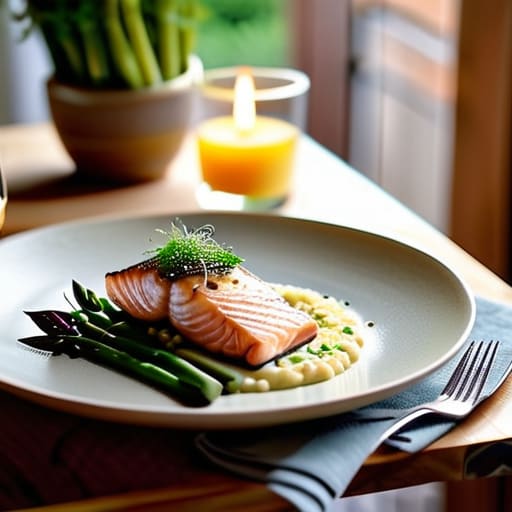
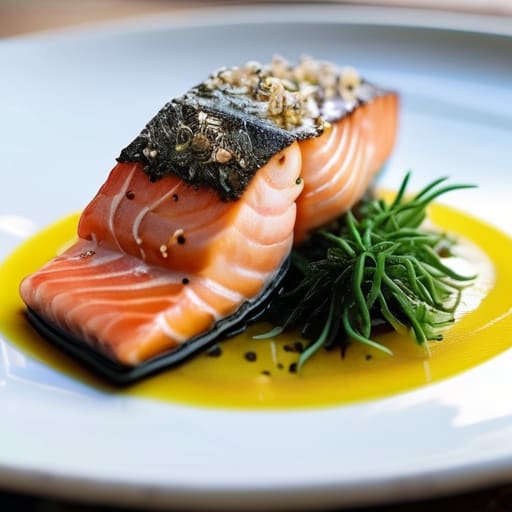
    There is something deeply grounding about a meal that truly satisfies, rather than one that leaves you searching for a snack an hour later. For me, that satisfaction usually comes from a plate centered around a well-seared piece of protein. I’ve found that leaning into high protein low carb recipes—like a simple pan-seared salmon with a side of buttery asparagus—does more than just manage my energy; it feels like a way of honoring my body. When I’m not traveling, I find a quiet rhythm in my kitchen, focusing on the textures and the slow sizzle of the pan.

    I’ve also learned that success in this way of eating isn’t about rigid math, though I do keep a loose eye on my net carb calculation to stay on track. It’s more about the preparation. I’ve started practicing a bit of ketogenic diet meal prep on Sunday afternoons, not because I’m in a rush, but because it allows me to enjoy a peaceful, structured week. Having a roasted chicken or a hearty herb-crusted steak ready to go means I can spend my evenings sketching in my notebook rather than hovering over a stove.

    A Few Simple Ways to Keep Things Steady and Simple

    • Don’t overcomplicate the plate; I’ve found that a piece of roasted salmon and a handful of sautéed greens is far more satisfying than any complicated recipe you’ll find in a glossy magazine.
    • Keep a few reliable staples on hand, like almonds or hard-boiled eggs, so that when the afternoon rush hits, you aren’t tempted to grab something processed just because you’re in a hurry.
    • Pay attention to the colors on your plate—if your meal is all one shade of brown, you’re likely missing out on the nutrients that keep your energy levels from dipping.
    • Treat fats as a friend rather than a foe; a little bit of good olive oil or a slice of avocado can turn a light meal into something that actually makes you feel full and content.
    • Listen to your body’s rhythm instead of a clock; sometimes the best way to manage your carb intake is simply to eat until you are satisfied, not until you are stuffed, and then step outside for a short walk.

    Small Steps Toward a More Intentional Plate

    Don’t view low-carb eating as a restriction, but as an opportunity to trade heavy, rushed processed foods for ingredients that actually respect your body’s rhythm.

    Focus on the quality of your proteins and fats; when you nourish yourself with real, whole foods, you’ll find your energy stays steady enough to enjoy a long afternoon walk.

    Use your mealtime as a quiet anchor in your day—sit down, put away the distractions, and let the simple act of eating well remind you to slow down.

    The Quiet Strength of a Simple Plate

    “I’ve learned that cutting back on the heavy starches isn’t about restriction or following a strict rulebook; it’s about clearing away the noise so you can finally taste the actual ingredients and feel the steady, quiet energy that comes from eating with intention.”

    Bernard Oyelaran

    Finding Your Own Rhythm

    Finding Your Own Rhythm Through Nourishment

    As we’ve looked at through these various meals, transitioning to a lower carb way of eating isn’t about deprivation or following a strict, clinical checklist. It’s really about the intentional choice to fuel your body with things that sustain you rather than things that merely fill you up. Whether you are leaning into the steady energy of low-glycemic grains, the deep satisfaction of a well-seasoned protein, or the simple crunch of fresh vegetables, you are building a foundation for a more stable day. It’s about finding that sweet spot where nourishment meets simplicity, ensuring that your food works for you, rather than leaving you feeling rushed or depleted by the afternoon.

    At the end of the day, I hope you remember that these recipes are just tools in your kit. You don’t need to be perfect; you just need to be present. If you find yourself straying from the path, don’t fret—just turn your attention back to the next meal and enjoy it. Life is far too short to spend it worrying about every single gram of sugar when there is so much beauty to be found in a quiet kitchen and a warm plate. So, take your time, sit down, and savor the slow progress of a life well-lived, one delicious, mindful bite at a time.

    Frequently Asked Questions

    How do I keep things interesting with low carb meals so I don't feel like I'm just eating the same few things every week?

    The trick is to stop thinking about “diet food” and start thinking about spices and textures. I’ve found that a simple piece of roasted salmon feels entirely different if it’s rubbed with lemon and rosemary one night, and topped with a spicy salsa the next. Keep a well-stocked pantry of dried herbs and good olive oil. It’s the small, flavorful details—much like the fine gears in one of my old cameras—that keep things from feeling repetitive.

    Are there certain ways to prepare these meals that make them feel a bit more comforting and "home-cooked" rather than just functional?

    It’s easy to let food become just fuel, but that’s a missed opportunity. I’ve found that it’s all in the slow approach—roasting vegetables in olive oil until they’re caramelized, or letting a simple chicken stew simmer on the stove while I sketch. It’s the warmth of the steam and the aroma filling the kitchen that turns a “functional” meal into something that feels like home. Don’t rush the process; the patience is part of the flavor.

    Is it possible to enjoy a low carb lifestyle without feeling like I'm missing out on the simple pleasures of a good, hearty meal?

    It’s a fair question, and one I asked myself when I first started shifting my habits. We often mistake “low carb” for “deprivation,” but that’s a mistake. To me, a hearty meal isn’t about the heavy starch; it’s about the richness of the ingredients. A slow-roasted piece of salmon or a thick, savory stew of seasonal vegetables can feel just as indulgent as any pasta dish. It’s about the quality, not the volume.

  • Easy Appetizer Ideas for Hosting

    Easy Appetizer Ideas for Hosting

    I was sitting in a small cafe in coastal Portugal last Tuesday, watching the light shift across the cobblestones, when I realized how often we rush through the best parts of a gathering. We tend to treat the beginning of a meal as a mere formality—a quick hurdle to clear before the heavy lifting of the main course arrives. But in my experience, the true soul of a dinner party lives in those quiet, lingering moments at the start. Finding the right appetizer ideas isn’t just about filling stomachs; it’s about setting the tempo for the entire evening and giving people a reason to settle in.

    In the following notes, I’ve gathered five of my favorite ways to ease into a meal. These aren’t fussy, over-engineered dishes that require you to spend the whole night stuck in the kitchen; rather, they are simple, thoughtful selections designed to spark conversation. I’ll share a few of my personal go-to’s that focus on texture and seasonal flavors, ensuring your guests feel welcomed the moment they take their first bite. Let’s slow things down and start with something small.

    Table of Contents

    Crusty Bread and Aged Cheese

    Crusty Bread and Aged Cheese on plate.

    There is something fundamentally honest about a thick slice of sourdough paired with a wedge of sharp, aged cheddar. I remember sitting in a small village in the Loire Valley, watching the light change over the vineyards, and realizing that the simplest things are often the most profoundly satisfying. You don’t need fancy preparations when the ingredients themselves have a story to tell.

    Olives and Marinated Lemons

    Bowl of Olives and Marinated Lemons.

    I’ve found that a small bowl of salt-cured olives can act as a wonderful anchor for an evening. They provide that sharp, briny hit that wakes up the palate without overwhelming it. I usually opt for the larger, meaty varieties—the kind that require a bit of intentional eating rather than just swallowing them whole.

    Warm Roasted Nuts

    Bowl of seasoned warm roasted nuts.

    If you want to make a house feel welcoming, the scent of toasted nuts is a secret weapon. A handful of almonds or walnuts, lightly tossed in sea salt and perhaps a touch of smoked paprika, can transform a quiet room. I find that the warmth of the nuts makes people feel immediately at ease, as if they’ve stepped into a well-loved study rather than a formal dining room.

    Seasonal Fruit and Honey

    Sometimes, the best way to start a meal is to lean into the sweetness of the season. A plate of sliced pears or figs, drizzled with a bit of wildflower honey, is a gentle way to transition from the day into the evening. It’s a delicate balance of flavors that feels unhurried and thoughtful.

    Simple Vegetable Crudités

    We often overcomplicate things with heavy dips and complicated presentations, but a few crisp radishes or heirloom carrots can be quite striking. I prefer vegetables that still have a bit of their earthiness intact. There is a certain rugged beauty in a garden-fresh vegetable that a supermarket version simply cannot replicate.

    A Few Final Thoughts Before You Begin

    Don’t let the preparation turn into a chore; the best appetizers are the ones that let you stay at the table with your guests rather than stuck in the kitchen.

    Focus on the textures and the simple, honest flavors that invite people to linger over their drinks and their conversation.

    Remember that a little bit of care in how you present a small plate can turn a quick snack into a meaningful moment of connection.

    The Art of the Prelude

    An appetizer shouldn’t be a distraction from the meal to come; it should be a quiet invitation to sit down, stay a while, and finally notice the company you’re in.

    Bernard Oyelaran

    The Beauty of the Small Bite

    Whether you find yourself reaching for the sharp tang of a well-aged cheese or the simple, earthy crunch of toasted crostini, the goal isn’t to fill a plate, but to set a mood. These small bites—from the warmth of a baked brie to the brightness of a seasonal bruschetta—serve as the necessary bridge between the arrival of a guest and the heavy lifting of the main course. They are the quiet signals that tell everyone around the table to finally set down their phones and pick up a conversation. It’s about selecting flavors that invite people to linger, rather than rushing them toward the next course.

    As I sit here in this little cafe, sketching the way the light hits the cobblestones, I’m reminded that life’s best moments rarely happen during the grand gestures. They happen in the pauses. They happen in the shared laughter over a plate of olives or the quiet appreciation of a perfectly seasoned cracker. Don’t feel pressured to make your spread look like something out of a glossy magazine; instead, aim for something that feels honest and welcoming. After all, the most important ingredient in any gathering isn’t found in the pantry, but in the intention to slow down and truly be present with one another.

    Frequently Asked Questions

    How do I balance these small bites so I don't end up too full before the main course actually arrives?

    That’s the eternal struggle, isn’t it? I’ve certainly overindulged on cheese and crackers before the roast even hit the table. My rule of thumb is to treat appetizers like a prelude, not the main event. Stick to one or two light bites, and perhaps keep a glass of water nearby to pace yourself. Think of it as a gentle nudge to the appetite, rather than a full-blown feast. Slow down; the main course isn’t going anywhere.

    Are there any simple ways to prepare these ahead of time so I'm not stuck in the kitchen instead of sitting with my guests?

    I’ve learned the hard way that a host shouldn’t be a ghost in their own home. For most of these, I find the trick is in the assembly. Chop your vegetables or prepare your spreads a few hours early and keep them in the fridge. If it involves heat, do the heavy lifting before the first guest knocks. That way, when the evening arrives, you’re holding a glass of wine, not a spatula.

    What kind of drinks would you suggest pairing with these sorts of flavors to keep the evening feeling relaxed?

    I’ve always found that the right drink should complement the food, not compete with it. For these lighter bites, I usually reach for a crisp, chilled Sauvignon Blanc or perhaps a dry sparkling cider; the acidity cuts through the richness beautifully. If you prefer something without the alcohol, a simple sparkling water with a squeeze of fresh lime and a sprig of mint is just as refreshing. The goal is to stay hydrated and relaxed.

  • Classic Homemade Dessert Ideas

    Classic Homemade Dessert Ideas

    I’ve spent most of my life looking at blueprints and structural integrity, ensuring that everything was built to last and perfectly precise. But lately, I’ve realized that the most important things in life aren’t always the ones made of steel and concrete; sometimes, they are the fleeting, sweet moments we create in our own kitchens. We live in such a hurried world, constantly rushing from one task to the next, that we often forget the simple joy of a slow afternoon spent with a bowl of sugar and a bit of flour. I find that searching for the perfect dessert recipes shouldn’t be another chore on a never-ending to-do list, but rather an invitation to pause and breathe.

    In the following notes, I’ve gathered five of my favorite ways to bring a little bit of sweetness into your routine. These aren’t complicated or fussy instructions meant to overwhelm you; instead, they are simple, soul-warming dessert recipes designed to be enjoyed one bite at a time. I want to show you how a bit of warmth from the oven can turn a mundane Tuesday into something truly special. Let’s slow down together and find the magic in the making.

    Table of Contents

    Warmth in a Bowl: Apple Crisp

    Warmth in a Bowl: Apple Crisp dessert.

    There is something about the scent of cinnamon and baked apples that feels like a warm hug on a crisp autumn afternoon. I remember watching my mother peel apples in the kitchen, the rhythmic scritch-scritch of the peeler acting as the soundtrack to our Sunday afternoons. This isn’t the kind of dessert you rush through; it’s one that demands you wait for the bubbling juices to settle before you take that first, perfect bite.

    The Quiet Elegance of Lemon Tart

    The Quiet Elegance of Lemon Tart.

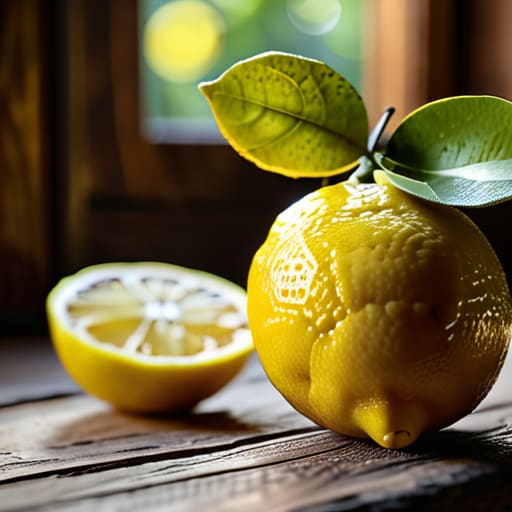
    Sometimes, when the world feels a bit too heavy or cluttered, I find myself craving something sharp and clean to reset my senses. A lemon tart is exactly that—a bright, citrusy cleansing of the palate. It doesn’t need much fanfare; a simple, buttery shortcrust pastry and a smooth, tangy curd are more than enough to make an afternoon feel special.

    Simple Chocolate Mousse

    Creamy, homemade Simple Chocolate Mousse.

    I’ve never been one for overly complicated confectionery that requires a degree in chemistry to master. To me, a proper chocolate mousse is about the purity of ingredients. High-quality dark chocolate, a few eggs, and a bit of cream—that’s all you really need to create something that feels like a luxury.

    Old-Fashioned Vanilla Bean Pudding

    In my years managing construction sites, I learned that the most reliable structures are often the simplest. The same applies to dessert. A thick, creamy vanilla bean pudding is a staple in my repertoire because it is unfailingly comforting. It reminds me of simpler times, before everything became so fast-paced and digitized.

    Berry Galette: The Beauty of Imperfection

    If you’re someone who gets frustrated when things don’t look “picture perfect,” then the galette is your best friend. Unlike a formal pie, a galette is meant to look a bit rustic and wandered. You simply pile your seasonal berries into the center of a dough disc and fold the edges over in a way that feels natural to your hands.

    A Few Final Thoughts Before You Head to the Kitchen

    Don’t let the pursuit of perfection get in the way of the process; sometimes the most delicious things come from a slightly messy counter and a relaxed spirit.

    Use these recipes as an excuse to put your phone away and truly engage with the textures, scents, and quiet joy of creating something by hand.

    Remember that dessert isn’t just about the sugar—it’s about the pause it creates in your day, giving you a moment to simply be.

    A Lesson in Patience

    A recipe for something sweet is rarely just about the sugar or the flour; it is an invitation to stand still in your own kitchen, to watch the batter change texture, and to realize that the best things in life are always worth the wait.

    Bernard Oyelaran

    A Final Spoonful of Peace

    As I sit here in this little cafe, watching the light shift across the cobblestones, I find myself thinking back to the recipes we’ve discussed. Whether you find yourself reaching for the tart brightness of a lemon tart or the deep, grounding warmth of a chocolate lava cake, the goal isn’t just to satisfy a craving. It is about the process—the way the flour feels between your fingers or the gentle rhythm of folding batter. Each of these treats, from the simple fruit crumbles to the more intricate pastries, serves as a small, edible reminder that we are allowed to stop and enjoy the fruits of our labor. Taking the time to bake is, in many ways, a way of tending to your own spirit.

    I’ve learned over the years, both on construction sites and in my own kitchen, that the best things in life rarely happen when we are rushing. We spend so much of our time looking toward the next milestone that we forget to taste the sugar on our tongues right now. So, the next time you decide to whip up something sweet, I hope you don’t just eat it standing up over the sink. Sit down. Find a quiet corner. Let the world wait for a few minutes while you savor the sweetness. After all, a little bit of dessert is often just a quiet way to say thank you to yourself for making it through another day.

    Frequently Asked Questions

    Do I really need to use high-quality vanilla extract, or will the store brand do the trick for these recipes?

    That’s a fair question. In my engineering days, we obsessed over the grade of every bolt, but in the kitchen, it’s more about the soul of the dish. For these specific recipes, a decent store brand will do just fine. However, if you find a bottle of the real stuff—pure extract, not that imitation syrup—use it. It’s like a well-maintained vintage lens; it just brings a certain clarity to the flavor that you can’t quite replicate.

    Is there a way to make these desserts a bit lighter if I'm looking for something less heavy after a big dinner?

    I understand that feeling completely. After a hearty meal, sometimes you just want a gentle finish rather than something that sits heavy in your stomach. If you’re looking to lighten things up, I often find that swapping heavy creams for a dollop of Greek yogurt or even a bit of whipped coconut milk works wonders. Or, simply lean into fresh, seasonal fruit—a few berries or sliced peaches can provide that sweetness without the weight.

    Can these be prepared a day in advance, or is it better to make them fresh to catch that perfect texture?

    That’s a fair question. For most of these, I find that a little patience goes a long way. The fruit crumbles and the citrus tarts actually benefit from sitting overnight; it lets those flavors settle and marry properly. However, if you’re looking for that crisp, delicate snap in a pastry, I’d suggest keeping the final assembly for the day of. There’s no harm in prepping the components early, as long as you save the finishing touch for the moment you’re ready to sit down and enjoy.