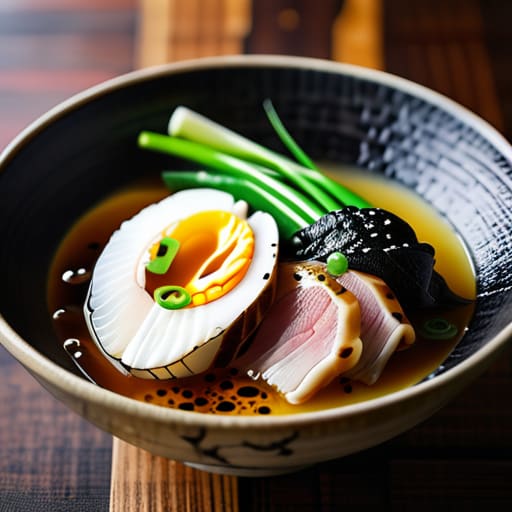
I remember sitting in a drafty site trailer back in ’88, staring at a lukewarm bowl of instant noodles while the rain lashed against the window. There was something about that salty, heavy steam—a deep, lingering richness that seemed to ground me even when the project was falling apart. I didn’t know the term for it then, but I was chasing that elusive umami flavor that makes a simple meal feel like a proper anchor for the soul. It isn’t just about salt or spice; it’s that savory weight that sits on your tongue and tells your brain it’s time to finally settle in.
I’m not here to lecture you on the molecular chemistry of glutamates or sell you some overpriced, artisanal powder that promises to change your life. Instead, I want to share what I’ve learned from decades of slow meals and even slower walks through local markets. I’ll show you how to find that soul-satisfying depth in everyday ingredients, without the culinary pretension. We’re going to look at how to build real, honest flavor that makes you want to put down your phone, pick up a spoon, and just breathe.
Table of Contents
The Fifth Taste Sensation a Slow Dance for the Palate
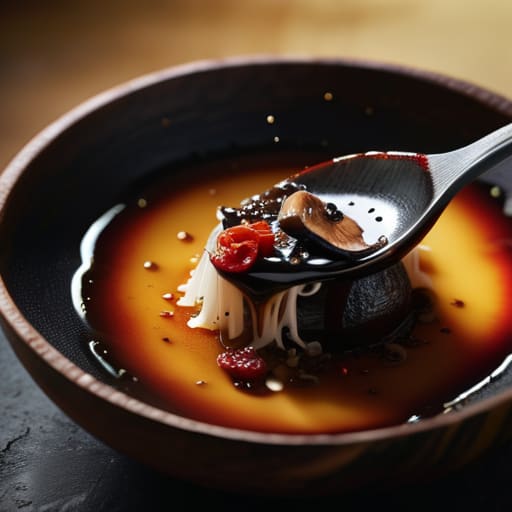
The Fifth Taste Sensation: A Slow Dance for the Palate
I remember sitting in a small trattoria in Tuscany, watching the chef toss handfuls of aged Parmigiano-Reggiano into a simmering ragù. It wasn’t just the salt that hit me; it was a profound, lingering depth that seemed to anchor the entire meal. That is the essence of the fifth taste sensation. Unlike the sharp sting of salt or the sudden brightness of citrus, this sensation doesn’t demand your attention with a shout. Instead, it works like a low, steady hum in the background, building a foundation of savory flavor profiles that make a dish feel complete.
It is a bit of a scientific marvel, really. At its heart, we are reacting to glutamate in food—an amino acid that our bodies have evolved to recognize as a signal of nourishment. Whether it’s the slow fermentation of soy sauce or the concentrated essence of a sun-dried tomato, these natural umami sources provide a sense of satisfaction that simple seasoning can’t touch. It’s less about adding a new ingredient and more about enhancing food richness to find that elusive, soulful balance.
Glutamate in Food the Hidden Soul of a Good Meal
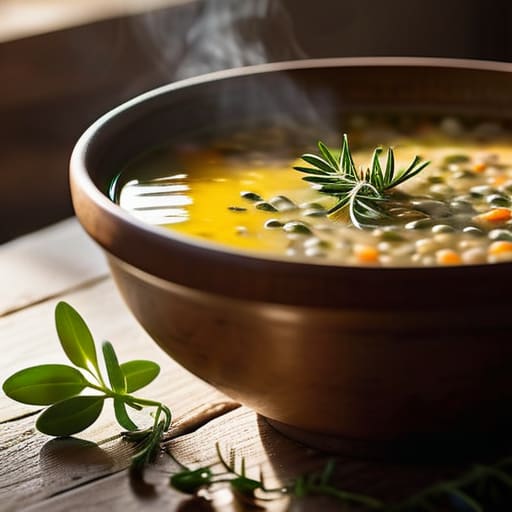
Now, if we peel back the curtain a bit, we find the actual engine behind that sensation: glutamate. It’s a bit of a scientific term, I know, but I like to think of it as the hidden soul of a good meal. In my years managing construction sites, I learned that a structure is only as good as its foundation; similarly, glutamate provides the structural integrity for our taste buds. When we talk about glutamate in food, we aren’t just talking about chemistry; we are talking about the very essence that makes a simple bowl of lentil soup feel like a warm embrace.
I remember sitting in a small trattoria in Tuscany, watching the chef simmer a ragù for hours. He wasn’t chasing a trend; he was simply coaxing out the natural umami sources tucked away in aged Parmigiano and sun-dried tomatoes. It’s a slow process of enhancing food richness through patience rather than additives. There is a profound difference between a meal that merely fills your stomach and one that truly speaks to you, and that distinction almost always lies in how these savory elements are allowed to develop.
Five Ways to Invite a Little More Depth to Your Table
- Don’t be afraid of the aged stuff. Whether it’s a wedge of Parmigiano-Reggiano or a bit of sharp, funky cheddar, the time spent sitting in a cellar is exactly what builds that deep, savory backbone we’re looking for.
- Let things simmer longer than the recipe suggests. I’ve learned from years of watching things settle that a slow-cooked broth or a ragu left to bubble on the back burner develops a richness that you simply cannot rush with a timer.
- Keep a few “secret weapons” in the pantry. A small bottle of soy sauce, some miso paste, or even a dash of Worcestershire can act like a steady hand guiding a dish toward that perfect, rounded finish when it feels like something is missing.
- Look for the magic in dried ingredients. There is something wonderful about how sun-dried tomatoes or dried shiitake mushrooms concentrate their essence; they bring a concentrated punch of soul to a dish that fresh ingredients sometimes lack.
- Layer your flavors instead of stacking them. Instead of hitting the palate all at once, try building the umami in stages—start with a sautéed onion, add a splash of wine, and finish with a dusting of nutritional yeast or grated cheese to create a sense of depth.
A Few Small Reminders for Your Next Meal
Don’t rush the process; the most profound depths of flavor, like that rich umami, usually come from things that have been given time to simmer, age, or simply sit still.
Train your palate to look for the “hidden soul” of a dish—it’s often not the brightest spice that makes a meal memorable, but that steady, savory foundation that keeps you coming back for another bite.
Use your meals as an excuse to slow down; when you truly notice the complexity of what’s on your plate, you’re doing more than just eating, you’re practicing the art of being present.
## The Soul of the Simmer
“Umami isn’t a loud, demanding flavor that shouts for your attention; it’s more like a well-worn leather chair or a steady, familiar hand on your shoulder—it’s the quiet, savory depth that settles into your bones and makes you realize you aren’t just eating, you’re truly being nourished.”
Bernard Oyelaran
The Lasting Aftertaste
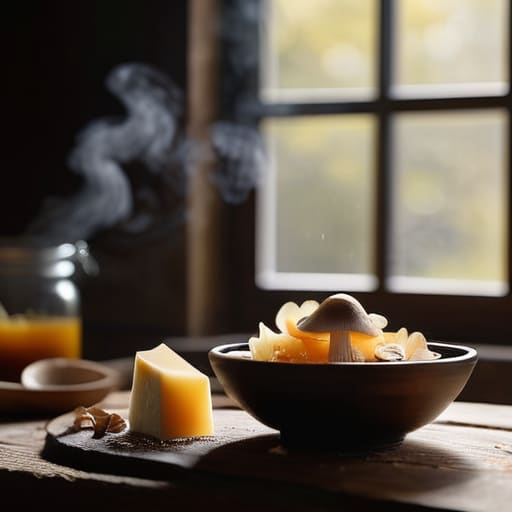
When we strip away the complex science of glutamate and the technicalities of the five basic tastes, we are left with something much more elemental. Umami isn’t just a chemical reaction on the tongue; it is the connective tissue of a well-composed dish. It is what bridges the gap between a collection of ingredients and a truly soulful meal. Whether it’s the deep, earthy richness of a slow-simmered mushroom broth or the subtle, salty depth of a well-aged parmesan, these flavors work behind the scenes to provide a sense of fullness and satisfaction that salt or sugar alone simply cannot achieve. It is the quiet foundation upon which great cooking is built.
As I sit here in this small cafe, sketching the way the light hits my coffee cup, I am reminded that life, much like a good stew, requires time to develop its true character. We often spend our days chasing the loud, bright, and immediate flavors of life—the thrills and the rushes—while completely overlooking the deep, savory undertones that actually sustain us. My advice is simple: don’t be afraid to linger over the subtle things. Next time you sit down to eat, don’t just swallow; truly listen to what the food is telling you. There is a profound kind of peace to be found in the depth of a single, perfectly balanced bite.
Frequently Asked Questions
How can I start incorporating more of these deep, savory flavors into my everyday cooking without it feeling overwhelming?
Don’t feel like you need to overhaul your entire pantry overnight. Start small, the way I approach a delicate camera repair—one steady movement at a time. Keep a jar of dried mushrooms or a bottle of high-quality soy sauce on hand. A tiny splash in a stew or a sprinkle of aged parmesan over roasted vegetables can transform a simple meal. It’s about those small, intentional additions that build depth without effort.
Are there certain ingredients that work together to naturally boost that umami sensation in a dish?
It’s a bit like engineering; sometimes you need the right combination of components to make a structure truly hold. I’ve found that pairing ingredients rich in different types of amino acids creates a synergy that’s much greater than the sum of its parts. Try a dash of parmesan over some sautéed mushrooms, or a bit of soy sauce in a slow-cooked tomato ragu. It’s that layering of flavors that really brings a dish to life.
Is there a way to tell if a meal is lacking that "soulful" depth just by the way it smells or looks?
It’s funny you ask, because I often find myself leaning in before I even pick up a fork. A meal lacking that soul usually looks “flat”—the colors are bright but one-dimensional, like a photograph without shadows. As for the scent, it’s often too sharp or fleeting. A truly deep meal has a heavy, rounded aroma that seems to linger in the air, much like the smell of rain on warm pavement.
