Category: Food

  • Why People Choose Organic Food

    Why People Choose Organic Food

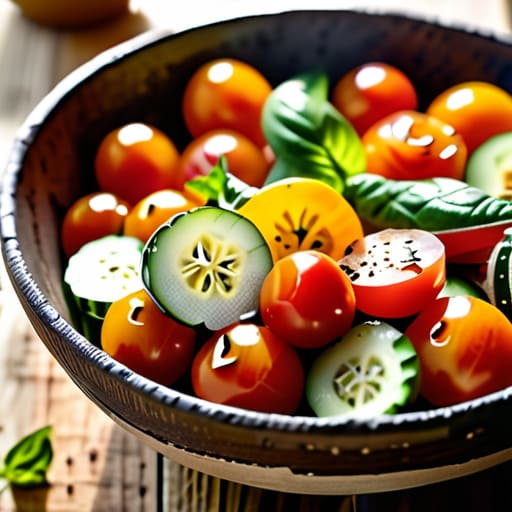
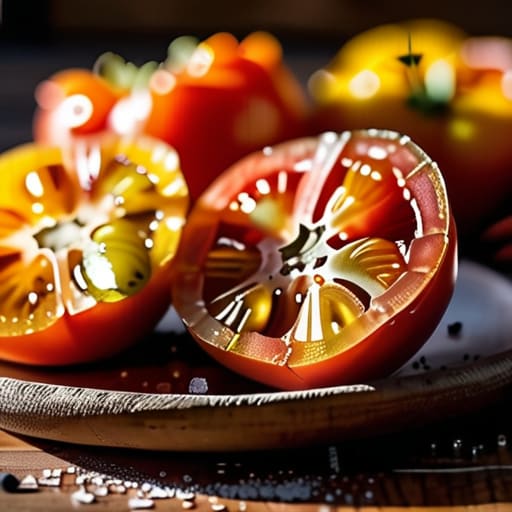
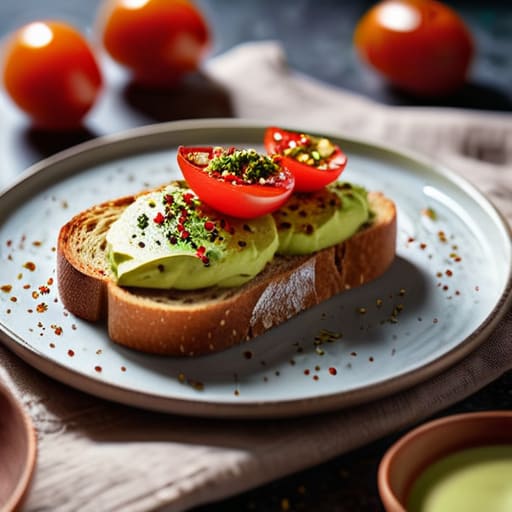
    I remember sitting on a weathered wooden bench in a small village outside of Florence last autumn, staring at a plate of heirloom tomatoes that looked more like works of art than mere groceries. They weren’t polished or perfect like the waxen spheres you find in a supermarket aisle; they were knobby, slightly uneven, and smelled intensely of sun and soil. That was the moment I realized that much of the modern conversation around organic food has become far too loud and, frankly, a bit ridiculous. We’ve turned something as simple as honest farming into a high-priced status symbol, wrapped in glossy marketing that makes you feel like you need a PhD just to buy a head of lettuce.

    I’m not here to sell you on some expensive lifestyle trend or tell you that you need to overhaul your entire pantry overnight. My goal is much simpler: I want to share what I’ve learned about finding real substance in what we eat without breaking the bank or losing our minds. I’ll be sharing some straight-shooting, practical ways to navigate the aisles, focusing on what actually matters so you can get back to the important part—savoring the meal.

    Table of Contents

    The Deep Wisdom of Soil Health and Biodiversity

    The Deep Wisdom of Soil Health and Biodiversity

    I spent most of my career looking at blueprints and concrete, focusing on the rigid strength of structures. But lately, my attention has shifted to something far more complex and, frankly, more impressive: the living architecture beneath our feet. When we talk about soil health and biodiversity, we aren’t just discussing dirt; we are talking about a bustling, microscopic city that sustains everything we eat. In a conventional field, the soil often feels tired, treated more like a sterile medium to hold a plant upright. But when a farmer embraces sustainable agriculture practices, the ground becomes a sponge—rich, dark, and teeming with life that breathes alongside the crops.

    There is a profound, quiet intelligence in a field that isn’t forced into submission by heavy chemicals. By following certified organic standards, growers allow the natural cycle of rotation and composting to do the heavy lifting. It’s a bit like restoring one of my old Leica cameras; you can’t just force the gears to turn with brute strength. You have to respect the delicate mechanisms and the history of the machine. When the soil is healthy, the plants don’t just grow; they flourish, carrying that vitality directly into the fruit on your plate.

    Tracing the Gentle Path of Eco Friendly Food Sourcing

    Tracing the Gentle Path of Eco Friendly Food Sourcing

    I’ve found that the best way to understand where my dinner comes from is to simply follow the trail of the hands that grew it. Lately, I’ve been making a point to skip the fluorescent aisles of the big-box supermarkets in favor of the local farmer’s markets. There is a profound difference in the energy of a place when you can speak directly to the person who tended the rows. When I ask about their sustainable agriculture practices, I’m not looking for a lecture; I’m looking for a connection. I want to know if the rain was kind this year or if the heirloom carrots grew a bit crooked because of the soil.

    Choosing to support these smaller, more intentional systems is a form of quiet activism. It’s about more than just the label on a crate; it’s about participating in a cycle that respects the land rather than just extracting from it. Navigating the nuances of organic vs conventional produce can feel overwhelming at times, but I’ve learned that the real reward is in the transparency. When you know the story behind the seed, the meal feels a little more substantial, and the world feels a little more connected.

    Small Ways to Bring the Harvest Closer to Home

    • Don’t feel pressured to overhaul your entire pantry overnight; start by picking up one or two staples, like eggs or seasonal greens, from a local organic source and see how much more vibrant they feel on your plate.
    • Get into the habit of visiting your local farmer’s market on a Saturday morning—there is something about talking to the person who actually grew your carrots that makes the food taste a little more honest.
    • Learn to embrace the “imperfect” look of organic produce; a slightly crooked cucumber or a tomato with a strange shape isn’t a flaw, it’s just a sign that it grew according to its own natural rhythm rather than a chemical blueprint.
    • Keep an eye on the seasons rather than the supermarket shelves, because eating organic is most rewarding when you follow what the earth is actually offering you at that exact moment in time.
    • Use your senses as your primary guide—trust your nose and your hands to find the freshest items, because when food is grown without the heavy-handed shortcuts, the scent and texture usually tell the whole story.

    Small Lessons from a Slower Plate

    Choosing organic isn’t about following a trend; it’s about honoring the soil and the quiet, complex life beneath our feet that makes everything grow.

    When we seek out food grown with care, we aren’t just buying groceries—we’re participating in a slower, more intentional way of living that respects the seasons.

    Taking the time to notice the real flavor of seasonal produce reminds us that the best things in life aren’t rushed, they’re nurtured.

    The Connection in Every Bite

    “When I sit down with a plate of food grown the old way, I don’t just taste the ingredients; I feel the patience of the seasons and the quiet strength of the soil, reminding me that the best things in life are never rushed.”

    Bernard Oyelaran

    A Final Thought from the Table

    A Final Thought from the Table.

    Looking back at how far we’ve traveled in these pages, it becomes clear that choosing organic isn’t just about a label on a grocery store shelf. It is about recognizing the delicate connection between the health of our soil, the diversity of our ecosystems, and the very nourishment that sustains us. When we opt for food grown with respect for the land rather than through sheer chemical force, we are supporting a gentle cycle of stewardship that honors the earth. We are choosing to prioritize the long-term vitality of our planet over the short-term convenience of industrial speed, ensuring that the landscapes we love remain vibrant for the generations coming up behind us.

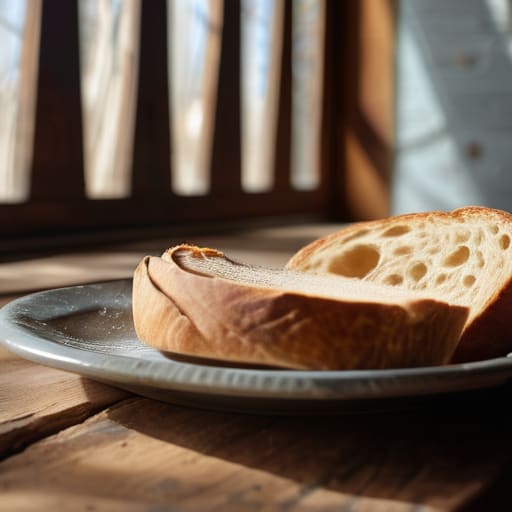
    As I sit here in this little café, sketching the way the light hits my half-eaten crust of bread, I am reminded that every meal is an opportunity to vote for the kind of world we want to live in. You don’t have to change your entire life overnight; just start by noticing the flavor, the texture, and the story behind what you eat. It’s a small, quiet way to reconnect with the world around you. So, the next time you sit down to eat, I hope you take a moment to just breathe and savor. After all, the most important ingredient in any meal is the intention we bring to the table.

    Frequently Asked Questions

    How can I tell if a local farmer's market is truly organic or just using the label to charge a premium?

    It’s a fair question, and one I’ve asked myself more than once while wandering the stalls. Don’t just look for the sticker; look for the hands. Talk to the folks behind the crates. A real organic farmer usually has a story about their soil or their compost, not just a price list. If they can’t tell you how they manage pests or where their seeds come from, they might just be riding the trend.

    Is the extra cost of organic produce really worth it when I'm shopping on a fixed retirement budget?

    I’ll be honest—I’ve had to sit with my grocery budget more than once lately. It’s a real concern when you’re living on a fixed income. But I’ve found that it’s not about buying everything organic; it’s about being intentional. I save on the basics—oats, rice, or seasonal root vegetables—so I can afford the organic berries or greens. To me, that extra few cents feels like a small, worthy investment in feeling well.

    Does choosing organic actually make a measurable difference in the flavor and texture of what I'm eating?

    I’ve found that it absolutely does, though it’s more of a subtle shift than a sudden shock. When I sit down with a basket of organic heirloom tomatoes, they have a certain weight and a concentrated sweetness that mass-produced ones just lack. It’s the difference between eating something designed for transport and eating something grown for taste. There’s a structural integrity to the vegetables—a real snap to a carrot—that tells you they weren’t rushed.

  • Essential Tips for Home Baking

    Essential Tips for Home Baking

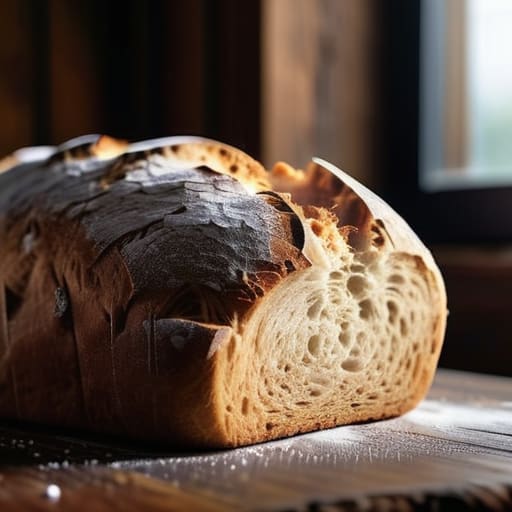
    I remember sitting in my small kitchen back in Ann Arbor, staring at a collapsed, gummy loaf of bread that looked more like a construction mishap than a meal. I had followed every high-tech, gadget-heavy instruction the magazines threw at me, yet I still ended up with a mess. It’s frustrating how much modern advice focuses on buying the most expensive stand mixer or a digital scale that costs more than my first car, when the real secret to success lies in the basics. Most of the baking tips you find online these days are just noise designed to sell you more kitchen clutter, rather than teaching you how to actually feel the dough.

    I’m not here to sell you on fancy equipment or complicated chemistry sets. Instead, I want to share the steady, practical wisdom I’ve gathered from years of trial, error, and plenty of flour-dusted afternoons. I’ll provide you with honest, experience-based advice that focuses on patience, temperature, and the simple rhythm of the process. My goal is to help you move past the stress of perfection and find the quiet joy that comes from making something truly delicious with your own two hands.

    Table of Contents

    Measuring Flour Accurately a Lesson in Patience

    Measuring Flour Accurately a Lesson in Patience

    I remember back when I was managing bridge construction sites, we had a saying: “measure twice, cut once.” It’s a principle that applies just as much to a kitchen counter as it does to a steel girder. One of the most frequent common baking mistakes to avoid is the habit of scooping the flour directly from the bag with a measuring cup. When you do that, you pack the flour down, squeezing out the air and leaving you with far more than the recipe intended. It’s a subtle error, but it can turn a light, airy sponge into something dense and unyielding.

    Instead, I’ve learned to embrace a slower method. Use a spoon to gently fluff the flour and sprinkle it into your measuring cup until it overflows, then level it off with the back of a knife. It takes an extra thirty seconds, but measuring flour accurately is worth the small investment of time. It’s much like restoring one of my old Leica cameras; if you rush the delicate parts, the whole mechanism suffers. Taking that moment to be precise ensures the texture is exactly what it should be.

    Leavening Agent Functions the Magic of Hidden Breath

    Leavening Agent Functions the Magic of Hidden Breath

    I remember watching my father work in his workshop; he’d say that the most important parts of a machine are often the ones you can’t see. Baking is much the same. While we spend so much time fussing over the flour, the true soul of the loaf lies in the leavening agent functions—that quiet, invisible alchemy that turns a heavy lump of dough into something light and airy. Whether it’s the slow, rhythmic expansion of a sourdough starter or the sudden, spirited lift of baking powder, these agents are essentially providing the bread with its hidden breath.

    It’s easy to view these as mere additives, but they require a certain respect. I’ve learned through many a failed loaf that rushing this stage is one of those common baking mistakes to avoid. If you try to compensate for a lack of rise by cranking up the heat, you’ll find yourself with a crust that’s burnt and a center that’s still stubbornly dense. You have to trust the process and let the yeast do its work, undisturbed, much like letting a landscape settle before you pick up your camera to capture it.

    A Few More Quiet Lessons from the Kitchen Counter

    • Don’t rush the temperature; let your butter reach that soft, room-temperature state naturally. I’ve learned the hard way that trying to melt it in the microwave just to save a few minutes ruins the delicate air we’re trying to build into the dough.
    • Treat your ingredients like old friends—get them to know each other before the real work begins. Bringing your eggs and milk to room temperature isn’t just a technicality; it prevents the batter from breaking, ensuring a smooth, steady rise.
    • Resist the urge to peer through the oven glass every five minutes. It’s tempting, but every time you crack that door, you let out the very warmth and moisture the bread needs to grow. Trust the process and the timer instead.
    • Sift your dry ingredients not just for texture, but for peace of mind. It’s a rhythmic, meditative task that ensures no stubborn lumps interrupt the flow of your mixing, much like clearing a path before starting a long walk.
    • Learn to listen to the crust. A truly well-baked loaf often “sings”—a series of tiny, delicate crackles as it cools on the rack. It’s the sound of a job done with patience, and it’s one of my favorite little rewards.

    Lessons from the Kitchen Counter

    Trust the process, not the clock; baking is a slow dialogue between you and your ingredients, and rushing it only leads to a hollow result.

    Precision isn’t about being rigid, it’s about respect—respecting the chemistry that turns simple flour and water into something soulful.

    Pay attention to the small things, like the way the dough feels under your palms or the scent of yeast waking up, because those are the moments where the real magic happens.

    ## The Rhythm of the Dough

    Baking isn’t about following a set of rigid instructions to reach a finish line; it’s about learning to listen to the dough and respecting the time it takes to become something beautiful.

    Bernard Oyelaran

    The Final Ingredient

    Precision is The Final Ingredient in baking.

    At the end of the day, baking isn’t just about following a set of rigid instructions or hitting specific chemical benchmarks. It’s about understanding the relationship between the weight of your flour and the delicate, invisible lift provided by your yeast. When you take the time to measure with intention and respect the biological rhythm of your leavening agents, you aren’t just making food; you are building a foundation. These small, technical adjustments might seem trivial when you’re staring at a pile of ingredients, but they are the difference between a heavy, forgotten loaf and something that truly sings on the palate. Remember, precision is the quiet partner of flavor.

    As you pull that warm tray from the oven, I hope you resist the urge to immediately slice into it. Instead, I encourage you to stand there for a moment in the quiet of your kitchen. Listen to the crust crackle as it cools and breathe in that scent that only a patient baker can truly appreciate. Baking is a wonderful reminder that the best things in life cannot be rushed or forced; they require our presence and our patience. So, take a seat, grab a cup of tea, and savor the stillness that comes with a job well done. After all, the most important thing we bake is the memory of the afternoon itself.

    Frequently Asked Questions

    I’ve always struggled with the texture of my loaves; how can I tell if I’ve over-worked the dough during the kneading process?

    I used to think more effort always meant a better result, but dough is a bit like a living thing—it knows when you’re being too heavy-handed. If your bread feels tough or rubbery, rather than soft and springy, you’ve likely over-worked it. Look for the “windowpane test”: stretch a small piece of dough; it should become thin and translucent without tearing. If it snaps back aggressively or feels tight and angry, give it a rest.

    Is it worth the extra effort to use a kitchen scale, or can I truly get by with those standard measuring cups?

    If you’re looking for consistency, get a scale. I spent years working with blueprints where a fraction of an inch mattered; baking is much the same. When you scoop flour with a cup, you’re often packing it down, adding more than you realize. A scale takes the guesswork out of it. It’s a small investment of effort that saves a lot of heartache—and a lot of wasted ingredients—in the long run.

    When the kitchen gets a bit too warm in the summer, how does that affect the way my dough rises?

    The heat can be a bit of a trickster. When the kitchen warms up, those little yeast organisms get a bit too excited, working much faster than they would in a cool basement. Your dough might rise quickly, but keep a close eye on it; it can overproof and lose its structure before you even realize it. If it’s a sweltering afternoon, I find it best to move the bowl to a cooler corner or even the fridge to steady things.

  • Best Sources of Vegetarian Protein

    Best Sources of Vegetarian Protein

    I remember sitting in a cramped site trailer back in ’94, surrounded by blueprints and the smell of stale coffee, listening to a foreman swear that you couldn’t build anything sturdy without a slab of beef. It’s a sentiment that hasn’t aged well, and frankly, it’s the same nonsense I see today in those flashy, neon-colored fitness magazines. They try to make vegetarian protein sound like some complicated chemical equation or a luxury item you can only find in a specialty health store. To my mind, that’s just unnecessary noise. You don’t need a laboratory or a massive budget to fuel your body; you just need to understand the simple, honest ingredients that have been sitting in our pantries for generations.

    I’m not here to sell you on any miracle powders or expensive, processed meat substitutes that taste like wet cardboard. Instead, I want to share what I’ve learned through years of slow cooking and intentional eating. I’ll show you how to find real strength in the basics—things like lentils, beans, and grains—that nourish you without the fuss. My goal is to help you build a plate that is as reliable and well-constructed as a good bridge, focusing on sustained energy and the simple joy of a meal well-made.

    Table of Contents

    The Gentle Art of Mastering Amino Acid Profiles in Plants

    The Gentle Art of Mastering Amino Acid Profiles in Plants

    Back when I was overseeing construction sites, we always talked about the integrity of materials—how different components had to work in harmony to support a heavy load. I’ve come to realize that eating is much the same. When we talk about amino acid profiles in plants, it isn’t about complex chemistry or obsessing over numbers; it’s about ensuring the “building blocks” are all present to keep the structure sound.

    I used to think you had to be a professional athlete to care about this, but I’ve learned that even a quiet afternoon of mindful eating requires a bit of balance. You don’t need to engineer every single meal to be perfect, but pairing things like grains with legumes and pulses nutrition makes the process feel much more seamless. For instance, a simple bowl of rice and beans isn’t just a comfort food; it’s a way of ensuring you’re getting those essential amino acids for vegetarians without any unnecessary fuss. It’s a slow, steady way to nourish the body, much like the way a well-maintained bridge relies on the strength of every individual bolt.

    Finding Completeness in Slow Cooked Legumes and Pulses Nutrition

    Finding Completeness in Slow Cooked Legumes and Pulses Nutrition

    There is something deeply grounding about the ritual of soaking dried beans overnight. I find myself standing in my kitchen, watching the water rise in the bowl, thinking about how much patience these tiny seeds require to truly open up. When it comes to legumes and pulses nutrition, there is no shortcut that can replace the slow, steady simmer of a heavy pot. Whether it’s a batch of earthy lentils or a hearty cannellini bean, the process forces you to settle into the rhythm of the kitchen.

    As I’ve learned through my own transition to a more plant-focused plate, you don’t need to rush to find complete protein sources. By pairing a slow-cooked lentil stew with a bit of grain, or even just enjoying a bowl of chickpeas, you are naturally assembling the building blocks your body needs. It isn’t about the frantic calculations one might find in a vegetarian bodybuilding diet; it’s about the quiet satisfaction of knowing that a well-prepared meal provides everything necessary to sustain a long afternoon walk or a morning spent tinkering with my old Leica.

    Small Adjustments for a Sustained Strength

    • Don’t feel the need to get it perfect in every single bite. I’ve learned that as long as I’m eating a variety of things throughout the day—some nuts here, some grains there—my body finds its own balance. It’s less about the math and more about the variety.
    • Keep a jar of toasted pumpkin seeds or hemp hearts on the kitchen counter. I find myself reaching for them like a habit, sprinkling them over whatever is on my plate to add a bit of texture and a steady bit of protein without much fuss.
    • Treat your grains as more than just a side dish. I like to cook a batch of quinoa or farro on Sunday afternoons; they serve as a sturdy, reliable foundation for a meal when I’m too tired to think too hard during the week.
    • Embrace the ritual of the soak. When I’m working with dried beans, I let them soak overnight in a quiet corner of the kitchen. It’s a slow process, but it makes them much easier on the digestion and brings out a much better flavor.
    • Listen to your body’s rhythm rather than a rigid meal plan. Some days I need the heavy, grounding feeling of a lentil stew, and other days a simple handful of almonds and a piece of fruit will do. There is no one right way, only what feels right in the moment.

    Notes from My Kitchen Table

    Don’t let the science of amino acids intimidate you; think of it like building a bridge—it’s just about ensuring you have all the right components working together in harmony.

    There is no rush to perfect your diet overnight, so focus on the simple, rhythmic joy of soaking beans or simmering lentils, letting the nutrition unfold naturally.

    True strength comes from variety and patience, whether you’re exploring new grains or revisiting the old reliable staples that have nourished you for years.

    ## The Quiet Strength of the Plate

    “I’ve learned that building strength doesn’t always require the rush of a heavy meal; sometimes, it’s found in the slow, steady nourishment of a well-seasoned lentil stew, reminding us that even the simplest ingredients can sustain us if we give them the time they deserve.”

    Bernard Oyelaran

    Finding Balance in the Quiet Moments

    Finding Balance in the Quiet Moments.

    Looking back at everything we’ve discussed, it’s clear that moving toward a plant-based way of eating isn’t about following a rigid set of rules or counting every single gram of nitrogen. It is really about understanding how to work with the ingredients nature provides. Whether it’s the careful pairing of grains and legumes to ensure you’re getting a full spectrum of amino acids, or the patience required to let a pot of lentils simmer until they are perfectly tender, it all comes down to intentionality. When we stop viewing protein as a mere chemical requirement and start seeing it as a collection of textures and flavors, the whole experience changes. We move away from the stress of “getting it right” and toward the simple joy of nourishing our bodies with what the earth offers.

    As I sit here in this small café, watching the afternoon light stretch across the wooden table, I’m reminded that the best things in life usually require a bit of patience. Transitioning your diet doesn’t have to be a sudden, jarring shift; it can be as gradual and steady as the changing seasons. Take a walk, breathe deeply, and let your meals be a way to reconnect with the world around you. At the end of the day, I’ve found that true wellness isn’t found in a supplement bottle or a complicated spreadsheet, but in the quiet satisfaction of a meal made with care and eaten without haste.

    Frequently Asked Questions

    If I'm not used to eating so many legumes, how can I introduce them into my diet without making my stomach feel a bit unsettled?

    I remember when I first tried to swap my usual heavy breakfasts for more beans and lentils; my stomach certainly wasn’t on board. The trick, I found, is patience. Start small—just a spoonful of lentils in your soup or a few chickpeas in a salad. And please, don’t skip the soaking. Letting them sit in water overnight, then rinsing them well, does wonders. It’s all about giving your body time to adjust to the rhythm.

    Is it really necessary to worry about combining specific foods at every single meal, or can I just focus on eating a variety throughout the day?

    To be honest, I used to fret over it quite a bit, much like I used to obsess over structural tolerances back in my engineering days. But I’ve learned that you don’t need to engineer every single plate to perfection. As long as you’re enjoying a good variety of grains, beans, and greens throughout the day, your body will find its balance. It’s much more about the steady rhythm of your diet than any single meal.

    For someone who enjoys the simplicity of a quick meal, are there any easy, plant-based protein options that don't require hours of soaking and simmering?

    I completely understand. Sometimes, after a long walk, you just want to sit down without a mountain of dishes to wash. I often lean on canned chickpeas or lentils—just rinse them well and they’re ready for a salad or a quick sauté. Even a handful of hemp seeds or some smoked tofu can add that necessary substance to a meal in minutes. There’s no shame in choosing the path of least resistance sometimes.