Habits That Promote Better Sleep Quality

I spent thirty years managing construction sites where the noise never stopped, and I used to think that if I just worked harder, I could outrun my exhaustion. I’ve seen all the modern gadgets being pushed on us lately—those expensive, glowing sleep trackers and high-tech mattresses that promise to revolutionize your life. To be honest, most of it is just expensive noise. We’ve turned the simple act of resting into a complex engineering problem that requires a subscription service, when in reality, improving sleep isn’t about adding more technology to your bedroom; it’s about stripping the chaos away.

I’m not here to sell you a miracle supplement or a piece of smart furniture. Instead, I want to share what I’ve learned by slowing down and listening to my own body during this quieter chapter of my life. I’ll be sharing a few practical, no-nonsense habits that have helped me find stillness again, from the way I wind down my evening to the simple rituals that signal to my brain that the day is done. We’re going to focus on the basics—the kind of steady, reliable wisdom that actually works when the lights go out.

Table of Contents

Softening the Light to Aid Melatonin Production Naturally

Softening the Light to Aid Melatonin Production Naturally

I’ve found that as the sun dips below the horizon, my transition into the evening should be just as gradual as the twilight itself. For years, I lived by the harsh, buzzing glow of fluorescent office lights and the sharp glare of my computer screen, never realizing how much that constant brightness was messing with my internal clock. Now, I make a point to dim the overheads well before I intend to turn in. By swapping out those bright bulbs for warmer, amber-toned lamps, I’m helping my body manage melatonin production naturally. It’s a small shift, but it signals to my brain that the workday is officially over.

It’s also worth being mindful of the devices we carry in our pockets. We often forget the blue light exposure effects that come from scrolling through news feeds right before bed; that artificial glare is a thief of rest. Instead of reaching for my phone, I prefer to sit by a small reading lamp, perhaps sketching a quick study in my notebook or turning the pages of a well-worn book. Creating this kind of gentle atmosphere allows the mind to settle, making the eventual drift into slumber feel less like a struggle and more like a quiet homecoming.

Tending Your Sleep Environment Optimization Like a Garden
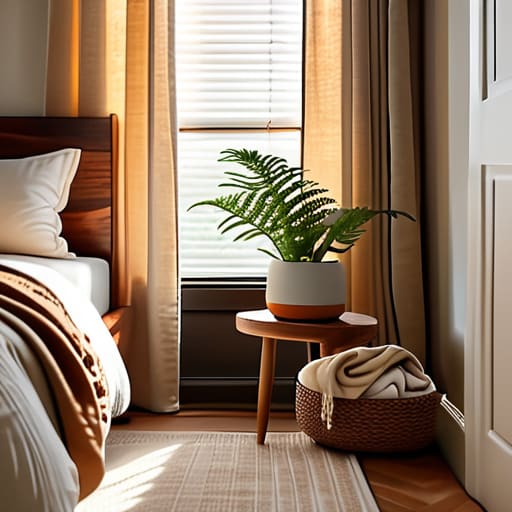
Tending Your Sleep Environment Optimization Like a Garden.

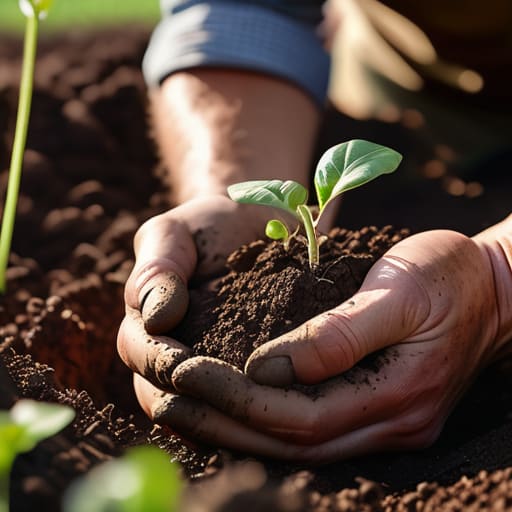
I’ve always found that a well-tended garden requires more than just seeds; it needs the right soil, the right shade, and a bit of patience. I look at my bedroom the same way. For years, I treated my sleep space like a mere utility room—a place to crash after a long day of site visits. But I’ve learned that true sleep environment optimization is about more than just a decent mattress. It’s about creating a sanctuary that signals to your brain that the work day is officially over.

I started by stripping away the clutter. A messy nightstand or a pile of blueprints on the desk can create a subtle, nagging mental noise. Now, I keep the room cool and quiet, much like the stillness of a forest at dawn. I also pay close attention to minimizing blue light exposure effects by swapping out harsh overhead bulbs for warm, amber-toned lamps. It’s a small change, but it helps settle the mind. When you treat your surroundings with intention, you aren’t just preparing for rest; you are cultivating the very conditions your body needs to heal.

Five Small Ways to Quiet the Mind Before Bed

  • Treat your evening caffeine like a bridge that shouldn’t be crossed too late; I’ve found that switching to a warm chamomile tea after 3:00 PM keeps my heart rate steady and my mind ready for rest.
  • Find a rhythm in your movements, perhaps a slow walk around the block or some light stretching, to signal to your body that the heavy lifting of the day is officially over.
  • Leave the digital noise at the door by setting aside your phone at least an hour before sleep; instead, pick up that old paperback or perhaps spend a few minutes sketching in my leather notebook.
  • Don’t force the slumber, but rather invite it; if you find yourself tossing and turning, get up and sit quietly in a dim room until the restlessness passes, rather than fighting a losing battle with the clock.
  • Establish a predictable “closing ceremony” for your day, whether it’s a warm bath or a few minutes of quiet reflection, to tell your brain that the world can wait until tomorrow.

A Few Thoughts to Carry With You

Think of your evening ritual as a slow descent rather than a sudden stop; let the lights dim and the pace of your house settle long before your head hits the pillow.

Treat your bedroom like a sanctuary for rest, keeping it cool and quiet, much like the way one might prepare a workspace for a delicate task.

Don’t be too hard on yourself if some nights are restless; sometimes the best thing you can do is simply breathe and wait for the morning to arrive.

The Quiet Transition

Sleep isn’t a switch you flip at the end of a long day; it’s more like the slow, golden descent of the sun—a gradual softening of the world that requires us to stop rushing and finally let the day settle.

Bernard Oyelaran

The Quiet Descent into Rest

The Quiet Descent into Rest sanctuary.

As I sit here by the window, watching the shadows stretch across my desk, I’m reminded that rest isn’t something you can force; it’s something you invite. We’ve talked about the practicalities—dimming the lamps to let your body find its natural rhythm and tending to your bedroom like a well-kept garden. Whether it’s the temperature of the air or the absence of that harsh, blue light from a screen, these small adjustments act as gentle signals to your nervous system. It isn’t about perfection or following a rigid engineering manual, but rather about creating a sanctuary where the day can finally fold itself up and tuck itself away.

At the end of the day, I’ve learned that we spend far too much of our lives rushing toward the next task, often at the expense of our own peace. Sleep is perhaps the most profound way we can honor ourselves. Don’t view these changes as another chore on an endless to-do list, but as a way to reclaim your stillness. As you turn off the lamp tonight, try to let go of the day’s heavy lifting. Let the world spin on without you for a few hours, and remember that tomorrow will wait as long as you need it to.

Frequently Asked Questions

Is it worth investing in a heavy weighted blanket, or is that just another modern gadget I don't really need?

I’ve often wondered if we’re just buying our way out of problems these days, but the weighted blanket is one I’d actually defend. There’s something about that gentle, steady pressure—much like a heavy quilt from my grandmother’s house—that seems to quiet a racing mind. If you struggle to settle into yourself at night, it’s worth the investment. It isn’t a gadget; it’s just a way to feel a bit more grounded.

I’ve heard people talk about "digital sunsets," but how do you actually stop the urge to check the news before bed?

I used to do the same thing—scrolling through headlines until my eyes burned. It’s a hard habit to break because the news feels urgent, even when it isn’t. I found that if I leave my phone in the kitchen charger an hour before bed, the temptation fades. Instead, I reach for that old Leica or my notebook. If you give your hands something tactile to do, the digital itch starts to subside.

Does the temperature of the room really make that much of a difference, or am I overthinking the details?

You aren’t overthinking it at all. In my engineering days, we knew that even a slight shift in thermal equilibrium could change the entire integrity of a system. Sleep is much the same. I’ve found that a room that’s a bit too warm acts like a heavy wool blanket you can’t shake off—it keeps your mind restless. Aim for a cool, crisp air; it signals to your body that it’s finally time to settle.
Connecting With Food Through Sustainable Travel

I was sitting in a small café in the Loire Valley last Tuesday, sketching the way the light hit a weathered stone wall, when I realized how much we’ve overcomplicated the idea of eating well. Everywhere you look lately, people talk about sustainable food as if it’s some expensive, high-tech puzzle that requires a PhD and a massive bank account to solve. They make it sound like a luxury reserved for the elite, wrapped in fancy labels and priced far beyond the reach of a regular person just trying to get through a Tuesday. It’s a lot of noise and marketing, and frankly, it’s exhausting.

I’m not here to sell you on some expensive lifestyle trend or a list of impossible rules. Instead, I want to share what I’ve learned by slowing down and actually looking at where our meals come from. I’ll be sharing some straightforward, practical ways to embrace sustainable food that focus on simplicity and seasonal rhythms rather than perfection. We’re going to talk about real food, real people, and how you can make better choices without losing your mind—or your budget—in the process.

Table of Contents

The Gentle Grace of Seasonal Eating Benefits

The Gentle Grace of Seasonal Eating Benefits.

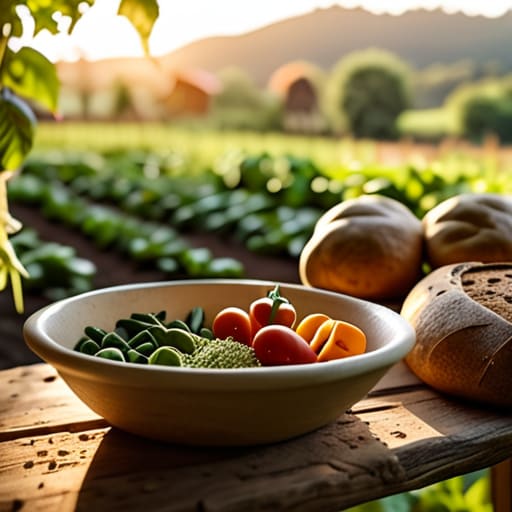
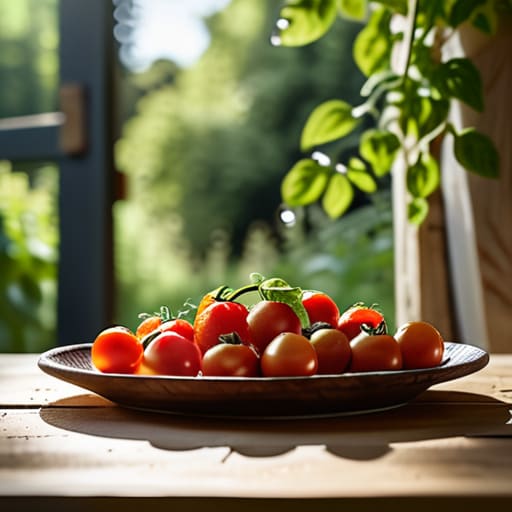
There is a certain quiet satisfaction in knowing that what is on my plate was meant to be there right now. When I sit down at a small bistro in the countryside, I don’t look for exotic imports; I look for what the earth is currently offering. Embracing the seasonal eating benefits means more than just getting better flavor—though, believe me, a tomato grown in the peak of July tastes nothing like one shipped from halfway across the globe in a plastic crate. It’s about aligning my own rhythm with the natural world.

Beyond the taste, there is a profound sense of peace that comes from simplifying my choices. By focusing on what is local and in season, I find myself naturally reducing food waste at home because I am buying ingredients that are actually at their best, rather than forcing them to last through a long, artificial shelf life. It turns a mundane chore like grocery shopping into a way to participate in something larger. It isn’t about being perfect or following a strict set of rules; it’s just about making a conscious effort to honor the cycle of the seasons.

Why Regenerative Agriculture Practices Heal the Soul

Why Regenerative Agriculture Practices Heal the Soul

I spent most of my career looking at blueprints and concrete, focusing on how to build things that last. But lately, I’ve found myself thinking more about how we restore what’s already there. There is something deeply restorative about supporting regenerative agriculture practices. When a farmer works with the land rather than against it—nurturing the soil instead of just stripping it for yield—you can almost feel that intention in the food. It’s a different kind of engineering, one that works in harmony with nature’s own rhythms.

Eating food grown this way feels like a quiet act of repair. It’s not just about the chemistry of the soil; it’s about the connection we reclaim to the earth. When I sit at a small wooden table in a new town, tasting a tomato that actually tastes like the dirt it grew in, I realize that healing the land and healing ourselves are often the same pursuit. It turns a simple meal into a way of participating in a larger, more thoughtful cycle of life.

Small Steps Toward a More Meaningful Plate

  • Start by looking at what’s actually growing nearby. I’ve found that when I stop hunting for strawberries in December and start embracing the hearty root vegetables of winter, the food just tastes more honest.
  • Visit your local farmer’s market, not just for the groceries, but for the conversation. There’s a certain kind of peace that comes from shaking the hand of the person who actually pulled your carrots out of the dirt.
  • Learn to love the “ugly” produce. A bruised apple or a crooked carrot doesn’t lack character; it’s just proof that it grew in real soil without being pampered by a factory.
  • Cook in smaller batches more often. It keeps your kitchen from feeling like a warehouse and encourages you to really focus on the textures and aromas of a single, well-made meal.
  • Keep a little notebook of what you eat and how it makes you feel. Much like my sketches of the landscape, noting which seasonal meals brought you a bit of quiet joy helps you find your way back to what truly nourishes you.

Small Steps Toward a Fuller Table

Stop looking for perfection in the grocery aisle and start looking for the rhythm of the seasons; eating what is currently growing is the simplest way to reconnect with the earth.

Realize that supporting regenerative farming isn’t just a political statement or a scientific necessity, but a way to honor the soil that feeds us and the hands that tend it.

Make a conscious effort to slow down during your meals, because when we choose food grown with intention, we aren’t just eating—we are participating in something much larger than ourselves.

A Lesson from the Soil

“I’ve learned that when you respect the rhythm of the land, the food rewards you with a depth of flavor that no supermarket shelf can ever replicate; it’s a quiet conversation between the earth and the table.”

Bernard Oyelaran

A Final Thought from the Table

A Final Thought from the Table.

Looking back at what we’ve discussed, it’s clear that sustainable food is about much more than just a list of ingredients or a set of environmental standards. It’s about the connection between the soil, the farmer, and the person sitting at the table. By choosing to eat with the seasons and supporting regenerative practices, we aren’t just protecting the land; we are reclaiming a sense of rhythm and purpose that modern life so often strips away. It turns a simple chore—like grocery shopping—into a meaningful act of stewardship that honors both the earth and our own well-being.

As I sit here in this small cafe, watching the light shift across the cobblestones, I’m reminded that we don’t need to change the whole world overnight to make a difference. We just need to be more intentional with the choices we make right in front of us. Whether it’s buying a crate of heirloom tomatoes from a local grower or simply taking a moment to appreciate the texture of a piece of crusty, artisanal bread, these small decisions add up. So, the next time you sit down to eat, I encourage you to slow down and truly taste the story behind your meal. You might find that the most nourishing thing on your plate is the peace that comes with being truly present.

Frequently Asked Questions

How can I start incorporating more sustainable choices into my diet without feeling overwhelmed or breaking my budget?

Don’t try to overhaul your entire pantry overnight; that’s a recipe for frustration. Start small, like choosing one local vegetable at the farmer’s market each week, or swapping out a processed snack for something simple like seasonal fruit. I’ve found that buying staples in bulk and cooking more from scratch actually keeps the budget steady. It isn’t about perfection—it’s just about making one better choice at a time.

Are there specific local markets or community programs you've found that make it easier to access truly seasonal produce?

I’ve found that the best way to start is by hunting down your local farmers’ market, ideally on a Saturday morning when the air is still cool. I tend to gravitate toward the smaller stalls—the ones where the farmer can actually tell you the name of the soil their carrots grew in. I also joined a local CSA (Community Supported Agriculture) program; it’s a wonderful way to let the season dictate your menu.

Beyond just the environmental impact, have you noticed a real difference in the flavor of food grown through these slower, more natural methods?

Oh, absolutely. It’s like the difference between a recorded symphony and a live performance in a small hall. When I pick up a tomato from a local farmer’s market—one that actually spent time ripening on the vine rather than being rushed to a shipping container—the flavor is startling. It’s deep, complex, and carries a certain brightness. You can actually taste the soil and the sun. It makes you realize how much we’ve missed by rushing.

The Social Significance of Tapas Dining in Spain

I was sitting in a cramped, overly polished bistro in Madrid last autumn, watching a group of tourists stress over a menu that looked more like a math equation than a list of food. They were so preoccupied with the “correct” order of operations and the sheer cost of every little dish that they completely missed the point of tapas dining. It had become this frantic, high-stakes performance instead of what it was meant to be: a simple, unhurried way to taste a bit of everything. To me, that’s a complete waste of a perfectly good evening.

I’m not here to give you a lecture on etiquette or a guide to the most expensive spots in town. Instead, I want to share how you can actually use the concept of small plates to slow down and breathe. I’ll walk you through the practical side of things—how to choose your dishes without the headache and how to turn a meal into a genuine moment of connection. My goal is to help you navigate the experience so you can stop worrying about the logistics and start focusing on the flavors and the company.

Table of Contents

Finding Soul in Traditional Spanish Appetizers

Finding Soul in Traditional Spanish Appetizers.

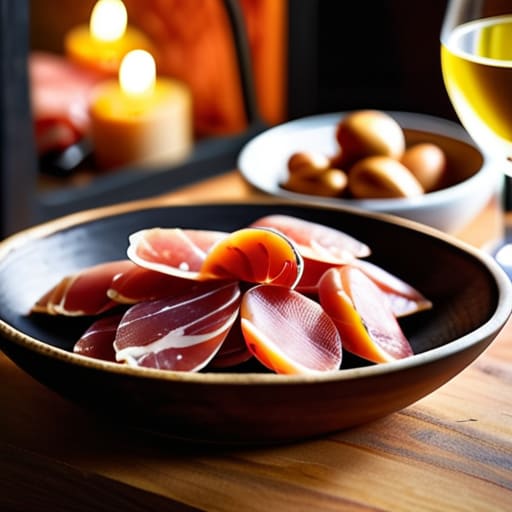
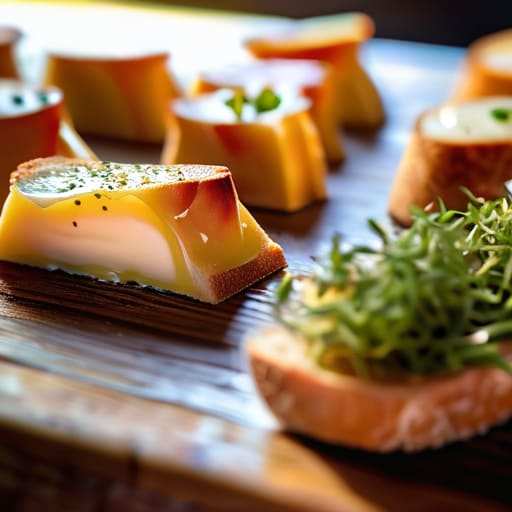
There is a certain honesty in a dish that doesn’t try too hard. When I sit down in a dimly lit corner of a tavern in Seville, I’m not looking for culinary acrobatics; I’m looking for the soul of the place. The best traditional Spanish appetizers usually rely on just a handful of authentic tapas ingredients—a splash of good olive oil, a pinch of sea salt, or a slice of aged Manchego. There is a profound beauty in how a simple plate of Marcona almonds or some salt-cured jamón can tell the story of the land it came from.

As I sit here sketching the way the light hits my glass, I’ve noticed that the real magic lies in the rhythm of the meal. You’ll often hear people debate tapas vs pintxos, but to me, the distinction matters less than the spirit of the act. Whether it’s a small snack on a piece of bread or a warm dish of gambas al ajillo, it’s all about that shared connection. It’s a way of eating that demands you stay present, one small, flavorful bite at a time.

Navigating the Soft Nuances of Tapas vs Pintxos

Now, if you find yourself wandering through the narrow, cobblestone streets of San Sebastián, you might notice a subtle shift in how people eat. This is where the distinction between tapas vs pintxos becomes more than just a linguistic quirk; it’s a different rhythm of life. While tapas are often served as small plates to be shared among a group at a table, pintxos are those little architectural wonders perched atop a slice of bread, held together by a toothpick. I’ve found that while tapas invite a long, seated conversation, pintxos encourage a certain playful movement, hopping from one crowded bar to the next to find that one perfect bite.

Understanding this bit of social dining etiquette makes the whole experience much smoother. With tapas, you’re looking for a steady anchor for your evening—perhaps a shared plate of garlic prawns or patatas bravas. With pintxos, it’s more of a scavenger hunt. You don’t sit down for an hour; you grab a small glass of cider, pick your treasures, and keep moving. It’s a beautiful, chaotic dance that reminds me why I love traveling: it forces you to be entirely present in the moment.

A Few Lessons Learned from a Half-Empty Plate

  • Don’t be afraid to stand. In many of the smaller, more authentic spots, the stools are narrow and the tables are non-existent. Embrace the bustle; there’s a certain energy in standing shoulder-to-shoulder with locals that you just won’t find in a cushioned booth.
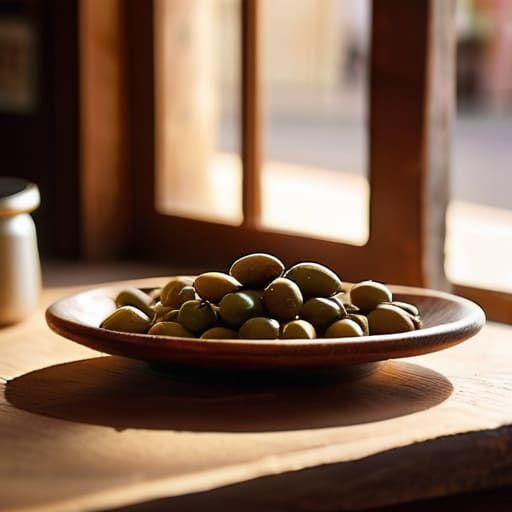
  • Order in waves, not all at once. The beauty of tapas is the rhythm. Start with something light, like olives or a bit of Manchego, and let the next round happen naturally as the conversation flows. It keeps the meal from feeling like a marathon.
  • Follow the crowd, but use your eyes. If you see a group of locals huddled around a specific counter, take note. They usually know which kitchen is turning out the best croquetas that afternoon.
  • Keep a little extra cash in your pocket. Many of the best little holes-in-the-wall prefer the simplicity of coins and small bills, and it makes the process of hopping from one bar to the next much smoother.
  • Put the phone away. I know it’s tempting to snap a photo of every beautiful plate, but once or twice is plenty. The real magic of a tapas crawl is in the shared laughter and the way the flavors linger long after the plate is cleared.

A Few Thoughts to Carry With You

Don’t let the menu overwhelm you; the best way to experience tapas is to order a little bit of everything and let your palate lead the way.

Remember that the setting matters just as much as the food—look for those small, tucked-away spots where the conversation flows as easily as the wine.

Treat the meal as an event, not a task. Put the phone away, lean into the company you’re with, and let the afternoon unfold at its own pace.

The Rhythm of the Table

Tapas aren’t just small plates of food; they are an invitation to stop checking your watch and start checking in with the people across from you. It’s the slow, beautiful realization that a meal doesn’t have to be a destination, but a way to wander through a conversation, one shared bite at a time.

Bernard Oyelaran

The Beauty of the Shared Plate

The Beauty of the Shared Plate.

As I sit here in this little corner cafe, sketching the way the afternoon light hits my empty olive dish, I’m reminded that tapas is so much more than just a culinary style. It’s a way of navigating the world. We’ve looked at how the traditional Spanish appetizers carry the weight of history, and how the subtle shift from tapas to the more intricate pintxos can change the entire rhythm of an evening. Whether you are standing at a crowded bar in San Sebastián or sitting quietly at a wooden table in Madrid, the goal remains the same: to embrace a variety of flavors and a sense of community. It isn’t about filling your stomach; it is about nourishing the spirit through small, intentional bites.

If there is one thing I have learned from my years of managing heavy machinery and tight deadlines, it is that we often miss the best parts of life because we are too busy looking at the clock. Tapas dining is a gentle protest against that rush. It invites you to linger, to talk, and to let the conversation flow as easily as the wine. So, the next time you find yourself at a table, I urge you to put your phone away and simply be present. Don’t just eat; savor the moment, one small plate at a time.

Frequently Asked Questions

Is it better to stick to one lively bar for a few rounds, or is the real magic in moving from place to place?

There’s a certain comfort in finding a lively corner, settling in, and letting the staff get to know your name. But if you ask me, the real magic happens when you keep moving. I like to call it a slow stroll with a purpose. Each new doorway offers a different scent, a different light, and a different rhythm. Wander a bit, try one thing, and then let the evening carry you elsewhere.

How much should I expect to spend if I'm looking for a full meal rather than just a quick snack?

Now, if you’re looking to turn a few nibbles into a proper, soul-warming meal, you’ll want to budget a bit more. I’ve found that once you move past the quick snacks and start ordering several substantial plates—perhaps some garlic prawns followed by a hearty portion of Iberico pork—along with a decent carafe of house wine, you should expect to spend somewhere between thirty and fifty euros per person. It’s worth every cent for the company and the pace.

Are there certain types of tapas I should look out for if I'm traveling through smaller, more rural towns?

When you drift away from the bustling cities and into the smaller villages, look for what the locals call “tapas de la casa”—the house specialties. You’ll find less flash and more heart here. Keep an eye out for seasonal preserves, local cheeses, or perhaps a simple plate of cured meats that taste of the very hills surrounding you. These aren’t just snacks; they are a direct map of the local landscape.

Using Yoga to Manage Daily Stress

I remember sitting in my truck outside a massive construction site back in ’94, my hands shaking slightly from too much caffeine and the sheer weight of a million-dollar deadline looming over me. I used to think that if I just worked harder or planned more precisely, I could outrun that tightness in my chest, but I was wrong. People try to sell you these expensive, high-tech retreats or complicated spiritual journeys as the only way to find peace, but frankly, that’s just more noise. The truth is, finding effective yoga for stress doesn’t require a designer mat or a mountain top; it’s really just about reclaiming your own breath when the world gets too loud.

I’m not here to teach you how to twist yourself into a pretzel or spout any nonsense about chakras. I want to share what I’ve learned from a life of heavy lifting and high stakes: how to use a few simple, grounded movements to quiet the mind. I promise to give you a straightforward approach to movement that fits into a real, busy life. We aren’t racing toward perfection here; we’re just looking for a little more stillness in the chaos.

Table of Contents

The Quiet Magic of Cortisol Reduction Through Yoga

The Quiet Magic of Cortisol Reduction Through Yoga

I remember back in my engineering days, when a project deadline loomed, my body would feel like a bridge under too much tension—tight, vibrating, and ready to snap. That’s essentially what happens when stress stays lodged in our systems. We talk about it often, but the science behind cortisol reduction through yoga is what really struck me when I started this journey. It isn’t just about stretching muscles; it’s about signaling to your internal chemistry that the storm has passed.

When you settle into gentle restorative yoga poses, you aren’t just resting; you are actively inviting your nervous system to downshift. I’ve found that by focusing on the rhythm of my breathing, I can almost feel that frantic, buzzing energy begin to settle. It’s a way of tapping into the mind-body connection benefits that we so often ignore in our rush to stay productive. Instead of fighting against the tension, you learn to breathe right through it, letting the stillness do the heavy lifting for you.

Finding Calm via Mind Body Connection Benefits

Finding Calm via Mind Body Connection Benefits

I’ve spent much of my life focused on the structural integrity of bridges and highways—making sure everything was rigid and held fast against the elements. But as I’ve gotten older, I’ve realized that humans aren’t built like steel and concrete. We can’t just brace ourselves against tension indefinitely without eventually cracking. This is where the mind-body connection benefits really start to settle in for me. When I’m on the mat, I’m not just stretching my hamstrings; I’m learning to listen to the subtle signals my body sends when my mind is spinning too fast.

It’s a strange, wonderful thing to realize that a simple physical movement can quiet a racing thought. I often find that focusing on breathwork for anxiety relief acts like a manual override for my nervous system. By syncing my inhales with a slow, steady movement, I can almost feel the static in my head begin to clear. It isn’t about achieving some perfect, pretzel-like posture; it’s about that quiet moment of recognition when you realize your shoulders have finally dropped away from your ears and you are, for once, truly present.

A Few Simple Ways to Bring the Practice Home

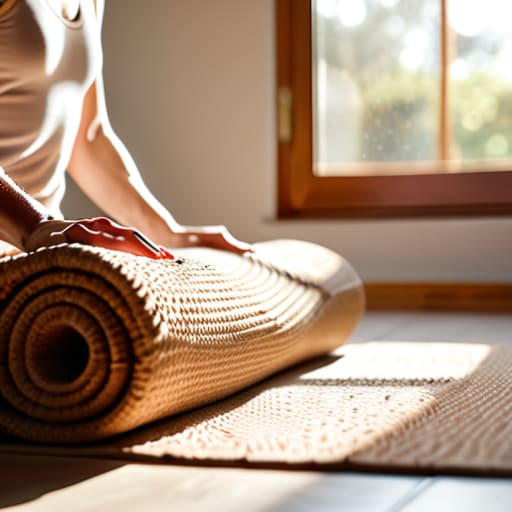
  • Don’t worry about the fancy gear or a studio membership; just find a quiet corner of your living room and a bit of floor space. Even a worn-out rug will do, as long as it’s a place where you feel you can truly let your guard down.
  • Keep your movements slow and intentional, much like the way I approach restoring an old Leica. There is no prize for finishing a sequence quickly, so focus more on the sensation of your muscles stretching than on how much time has passed on the clock.
  • Pay close attention to your breath—that’s your anchor. When your mind starts racing toward tomorrow’s chores or yesterday’s regrets, just bring your focus back to the steady rise and fall of your chest. It’s the simplest way to find your center again.
  • Start with the basics, like a gentle Child’s Pose or a seated stretch. You don’t need to be a contortionist to reap the benefits; sometimes the most profound relief comes from the simplest, most grounded postures.
  • Treat your practice like a conversation with yourself rather than a workout. If you’re feeling particularly weary, listen to your body and dial it back. The goal isn’t to push through the tension, but to gently unwrap it.

A Few Things to Carry With You

You don’t need a perfect pose or an hour of silence to see the benefits; even five minutes of focused breathing in a quiet corner can act like a reset button for a cluttered mind.

Treat your practice like one of my old camera restorations—it’s not about the finished product, but about the patience and the steady, careful attention you give to the process.

Listen to your body’s rhythm rather than forcing a movement; sometimes the most productive thing you can do for your wellbeing is to simply slow down and exist in the stretch.

A Different Kind of Engineering

“In my old life, I was always focused on how to make structures withstand the heavy pressure of the world. But I’ve learned that we aren’t made of steel and concrete; we’re much more delicate. Yoga isn’t about forcing your body into a shape, it’s about building a quiet kind of internal strength that lets the pressure pass right through you without breaking anything.”

Bernard Oyelaran

Finding Your Own Pace

Yoga for finding your own pace.

As I look back on everything we’ve discussed, it’s clear that yoga isn’t about achieving a perfect pose or twisting yourself into a pretzel. It’s really about the mechanics of how we handle the pressure of the world. By understanding how we can lower those cortisol levels and reconnect the mind to the body, we move away from that frantic, “always-on” state that so many of us fall into. Whether it’s a deep stretch after a long day or a few moments of focused breathing, you are essentially recalibrating your internal compass to find your way back to center.

I’ve learned over the years, both on construction sites and in quiet gardens, that you can’t rush a foundation into setting; it needs time and stillness to hold. Your well-being is much the same. Don’t treat your practice like another chore on a never-ending to-do list. Instead, treat it like that first sip of coffee in the morning or the way the light hits a landscape through an old camera lens. Just show up for yourself, even if it’s only for five minutes. In the end, it isn’t about how flexible you are, but about how much peace you can carry with you when you finally step off the mat and back into the world.

Frequently Asked Questions

Do I really need to be flexible or able to touch my toes to see any benefits?

Not in the slightest. I’ve spent plenty of mornings feeling as stiff as a rusted bridge joint, and I can tell you, the mat doesn’t care about your reach. If you can’t touch your toes, don’t sweat it; just reach as far as feels honest. The goal isn’t to become a contortionist, but to find a bit of space in your own skin. It’s about the breath, not the bend.

How much time do I actually need to set aside each day to feel a difference in my stress levels?

I used to think everything required a massive blueprint and a rigid schedule, but I’ve learned that’s not how peace works. You don’t need an hour-long session to see a change. Honestly, even fifteen minutes of intentional movement can shift your entire perspective. It’s about consistency, not duration. Just find a small pocket of time—maybe before the coffee is even finished—and let yourself settle into the stretch. Small, steady steps always win.

Can I practice these movements at home on my own, or is it better to join a guided class?

Honestly, there’s no wrong answer here, but I’ve found that it depends on what your soul is asking for. If you’re feeling a bit lost, a guided class provides a lovely bit of structure and a sense of community. But if you just need to retreat into yourself, there is something deeply restorative about rolling out a mat in your own living room, in your own time, without any pressure to keep up with anyone else.

Discovering Culture Through Local Food Tours

I was sitting in a crowded plaza in Florence last spring, watching a group of tourists shuffle along like they were on a factory assembly line, clutching printed itineraries and checking their watches every thirty seconds. They were part of one of those polished, high-priced local food tours that promised the “authentic soul of Italy” but mostly just delivered overpriced appetizers and a lecture from a guide who sounded like he was reading a textbook. It felt wrong. To me, food isn’t something you check off a list between museum visits; it’s the rhythm of the city itself, something you should feel in your bones, not something you rush through to make a reservation.

I’m not interested in the glossy brochures or the companies that treat dining like a scheduled pit stop. In the pages ahead, I want to share how you can find the real deal—the kind of meals that happen when you follow the scent of toasted spices down a side alley or sit on a rickety stool in a kitchen that hasn’t changed in forty years. I’ll give you my honest, no-nonsense take on how to navigate local food tours so you can spend less time following a flag and more time savoring the details.

Table of Contents

Finding Connection Through Authentic Street Food Experiences

Finding Connection Through Authentic Street Food Experiences

Finding Connection Through Authentic Street Food Experiences

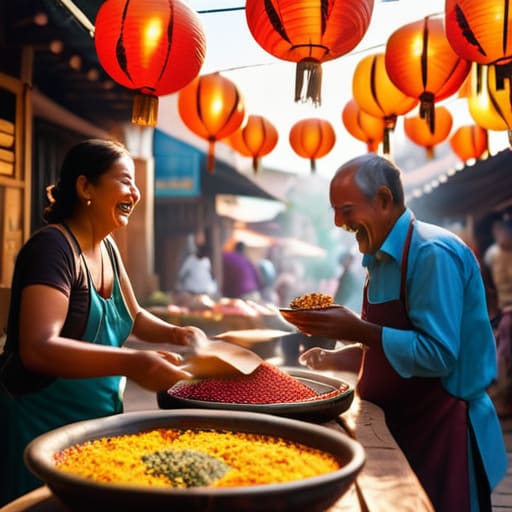
I’ve always found that the best way to understand a place isn’t by staring at a monument, but by standing on a crowded corner, waiting for a paper plate of something steaming and delicious. There is a certain magic in these authentic street food experiences that a white-tablecloth restaurant simply cannot replicate. When you’re standing shoulder-to-shoulder with locals, sharing a cramped wooden bench or a bit of sidewalk space, the barriers of language and culture seem to melt away. It’s just people, hungry and happy, finding common ground over a shared spice or a perfectly grilled skewer.

I tend to steer clear of the polished, pre-packaged itineraries that most travelers lean on. Instead, I look for those hidden gem eateries tucked into alleyways where the menu is handwritten and the chef is likely the owner. These are the moments where true cultural immersion through food happens—not through a guidebook, but through the sensory overload of sizzling pans and the rhythmic calls of vendors. It’s unscripted, a bit chaotic, and entirely beautiful.

The Quiet Joy of Cultural Immersion Through Food

The Quiet Joy of Cultural Immersion Through Food.

There is a particular kind of magic that happens when you stop looking at a map and start following your nose. I’ve found that the most meaningful moments of cultural immersion through food don’t happen in the grand, polished dining rooms that make it into the glossy magazines. Instead, they happen in the steam of a roadside stall or the shared laughter over a communal table in a cramped kitchen. It’s about that sudden, unscripted realization that you aren’t just a spectator anymore; you are part of the rhythm of the place.

I often find myself ducking into hidden gem eateries simply because the light hits the storefront a certain way, or because the scent of toasted spices feels like an invitation. These aren’t just stops on a checklist; they are small, delicious anchors that hold you to the present moment. When you sit there, perhaps with my old notebook open on the table, you realize that these flavors are the true language of a culture. You don’t need a translator when a perfectly seasoned broth tells you everything you need to know about the history and the heart of the people living right in front of you.

A Few Notes from the Table: How to Make the Most of Your Culinary Wanderings

  • Leave the itinerary at the hotel. The best bites usually happen when you stop following a map and start following your nose, or better yet, the advice of a local shopkeeper who looks like they’ve been standing behind that counter for forty years.
  • Pack a small notebook, not just for food, but for the people. I’ve found that jotting down the name of a spice or the way a vendor smiles makes the memory of the meal stick much longer than a digital photo ever could.
  • Don’t be afraid of the humble stalls. While the fancy, sit-down establishments have their place, there is a particular kind of magic in standing on a street corner, eating something out of a paper bowl, and feeling the pulse of the city around you.
  • Embrace the language barrier with a bit of grace. You don’t need to be fluent to show respect; a simple nod, a smile, and a sincere “thank you” in their tongue go a long way when you’re sharing a table with a stranger.
  • Slow your pace. If you try to hit five different food stops in two hours, you aren’t eating; you’re just refueling. Pick a few spots, sit down, watch the world go by, and actually taste the history in every bite.

Lessons from the Table

Don’t be afraid to wander away from the main squares; the best stories—and the best flavors—are usually found in the quiet side streets where the locals actually eat.

Use every meal as an opportunity to listen; a shared dish can often open doors to conversations that a guidebook could never provide.

Remember that the goal isn’t to check every restaurant off a list, but to let one good meal and a slow afternoon teach you something about the soul of a place.

The True Map of a City

“A guidebook can tell you where the landmarks are, but a local food tour shows you where the soul resides; it’s found in the steam rising from a roadside stall and the shared nod of a stranger over a bowl of something wonderful.”

Bernard Oyelaran

A Final Seat at the Table

A Final Seat at the Table cafe.

As I sit here in this small cafe, sketching the way the light hits my empty espresso cup, I’m reminded of everything we’ve discussed. Whether it’s the sudden, vibrant burst of spice from a street vendor’s stall or the quiet dignity of a family-run kitchen that has served the same recipe for generations, these tours are about so much more than just filling a plate. They are about the unseen threads that connect us to people we might never have met otherwise. We’ve seen how food acts as a bridge, turning a strange city into a familiar home and transforming a simple meal into a deeply personal connection to a new culture.

So, when you find yourself planning your next journey, I urge you to resist the urge to check every landmark off a list. Instead, leave a little room in your itinerary for the unplanned stops and the slow, lingering lunches. Don’t just visit a place; let it taste like something you’ll remember for years. At the end of the day, the most beautiful parts of travel aren’t found in the grand monuments, but in the quiet, delicious moments that happen when you finally decide to slow down and stay a while.

Frequently Asked Questions

How can I tell if a food tour is actually connecting me with locals, or if it's just another polished performance for tourists?

It’s a fair question, and one I ask myself every time I pull out my notebook. Look for the cracks in the polish. If the guide is reciting a rehearsed script in a pristine plaza, walk away. I prefer the spots where the menu isn’t translated into five languages and the proprietor is more interested in the quality of their broth than your camera lens. If you see locals sitting there, unbothered by the crowd, you’ve found the real thing.

Is it worth skipping the big organized tours to just wander the markets on my own, or am I going to miss the best hidden gems?

I’ll tell you this: the organized tours have their place, but they often follow a script. If you want the real soul of a place, you have to be willing to get a little lost. Grab a notebook, find a stall with a line of locals, and just sit. You might miss a “top-rated” landmark, but you’ll find something better—a flavor or a conversation that wasn’t on anyone’s itinerary.

How do I balance wanting to try everything with the need to actually sit down and enjoy the pace of the journey?

I used to approach projects with a checklist, thinking more was always better. But I’ve learned that a menu isn’t a marathon. My rule of thumb? Pick two “must-try” spots for the day, and leave the rest to chance. If you try to taste everything, you end up tasting nothing but haste. Give yourself permission to sit, watch the light change, and just be. The food tastes better when you aren’t racing the clock.

Choosing the Best Time to Visit Destinations

I was sitting in a small cafe in Vermont last October, watching a group of tourists scramble through the woods, clutching printed itineraries and checking their watches every thirty seconds. They were so preoccupied with hitting every “must-see” viewpoint that they missed the way the light hit the maples or the smell of woodsmoke drifting from a nearby chimney. It struck me then that most people treat seasonal travel like a construction deadline—something to be managed, optimized, and checked off a list. They chase the peak colors or the perfect snow, but in their rush to catch the season, they completely miss the point of being there at all.

I’m not interested in helping you build a more efficient itinerary or finding the most Instagrammable way to see the autumn leaves. Instead, I want to share what I’ve learned about traveling with intention. I’ll offer you some plain-spoken, experience-based advice on how to embrace seasonal travel without the frantic pace. My goal is to help you find those quiet, meaningful pockets of time where the scenery matters less than the stillness you find within it.

Table of Contents

The Quiet Charm of Shoulder Season Advantages

The Quiet Charm of Shoulder Season Advantages.

There is a particular kind of magic that happens when the summer crowds finally thin out and the frantic energy of high season begins to ebb. I’ve always found that the most rewarding trips occur during those transitional months—what many call the shoulder season advantages. When you step off a train or out of a car in a place that isn’t currently being overrun by tour groups, the atmosphere changes. You aren’t fighting for a seat at a local bistro or jostling for a view of a monument; instead, you get to actually speak to the proprietor or watch the light hit a cobblestone street without a sea of selfie sticks in the way.

Beyond the peace and quiet, there is a practical side to this timing that appeals to my engineering brain. Choosing these optimal travel windows allows for a bit of travel budget optimization without sacrificing the quality of the experience. You’ll often find that boutique hotels and local guesthouses offer a more personal touch when they aren’t operating at maximum capacity. It gives you the breathing room to linger over a long lunch or spend an extra hour sketching a particularly interesting facade, knowing that the world isn’t quite in such a hurry.

Optimal Travel Windows for a Slower Pace

Optimal Travel Windows for a Slower Pace

When I was managing construction sites, everything was about the clock—deadlines, efficiency, and beating the frost. But traveling has taught me the opposite. To truly find those optimal travel windows, I’ve learned to look past the glossy brochures that promise summer sun and instead look at the calendar through a different lens. For me, that often means arriving in a new place just as the crowds are thinning out, perhaps in that sweet spot in late September when the air turns crisp but the warmth hasn’t quite vanished.

It isn’t just about avoiding the lines at museums, though that is a lovely perk. It’s really about climate-based destination selection that respects your own rhythm. I find that if I plan my trips around these quieter stretches, I have the headspace to actually sit in a courtyard and sketch, rather than rushing to the next landmark before the sun goes down. There is a certain peace in knowing you aren’t competing with a thousand other travelers for the same view. By embracing these shifts, you aren’t just saving money; you are reclaiming your time.

A Few Lessons Learned from the Road

  • Pack for the transitions, not just the destination. I’ve learned the hard way that a sudden autumn chill or a late spring rain can ruin a good afternoon if you aren’t prepared. A sturdy, lightweight layer and a reliable pair of walking shoes are worth more than any fancy gadget.
  • Let the weather dictate your schedule, not a guidebook. If a morning brings a soft mist over the hills, don’t fight it to reach a landmark. Sit in a local café, pull out your notebook, and watch how the light changes. The best views often happen when you aren’t looking for them.
  • Seek out the local rhythms rather than the tourist calendars. There is a certain magic in arriving when the locals are going about their business, rather than when the crowds are descending. You’ll find the real soul of a place in the quiet moments between the big events.
  • Always carry a way to capture the small things. Whether it’s my old Leica or just a pencil and a scrap of paper, don’t let a beautiful moment pass without trying to hold onto it. It’s the tiny details—the way a shadow falls across a cobblestone street—that stay with you long after the trip ends.
  • Leave room for the unplanned detour. The most memorable parts of my travels haven’t been the famous monuments, but the small bakeries I stumbled upon because I took a wrong turn. If you plan every minute, you leave no space for serendipity to find you.

A Few Things to Carry With You

Don’t let a rigid itinerary dictate your day; leave room for a sudden rain shower or a local cafe that looks too inviting to pass up.

Pack light and choose quality over quantity, much like a well-maintained camera—you only need the essentials that serve a real purpose.

Remember that the best views aren’t always the famous landmarks, but the way the light hits a quiet street just as the sun begins to dip.

The Rhythm of the Road

“Most people travel to check boxes and cross off landmarks, but the real magic happens when you stop fighting the calendar and start moving with it; there is a profound sort of peace found in visiting a place just as it is shedding one skin and preparing for the next.”

Bernard Oyelaran

Finding Your Own Rhythm

Finding Your Own Rhythm in travel.

As I look back on these different ways to approach the calendar, I’m reminded that there is no single “correct” time to see the world. Whether you find yourself drawn to the quiet, empty streets of the shoulder season or you prefer the crisp, biting air of a late autumn morning, the goal remains the same: to move through a place without feeling like you are merely checking boxes. By choosing your windows with intention, you trade the frantic energy of the crowds for something much more precious—the ability to actually connect with the soul of a destination. It isn’t about seeing the most landmarks in the fewest days; it’s about finding those unhurried moments where the scenery finally settles into your memory.

At the end of the day, my old engineering mind tells me that the most stable structures are built slowly, and I think travel is much the same. Don’t feel pressured to chase the peak summer sun if your heart is calling for a misty morning in a sleepy coastal town. The world doesn’t stop turning just because you decided to sit on a park bench for an hour to watch the light change. So, pack your bags, leave the itinerary a little loose, and remember that the best views aren’t always found at the top of a crowded tourist trail, but in the quiet spaces in between.

Frequently Asked Questions

How do you handle the unpredictable weather when traveling during those quieter shoulder seasons?

I’ve learned the hard way that you can’t engineer the weather, no matter how much you’d like to. I always pack a sturdy, lightweight raincoat and a few extra wool socks—it’s funny how a bit of dampness can sour a good day. My rule is simple: if the clouds roll in, don’t fight it. Find a local café with a good view, open my notebook, and enjoy the rhythm of the rain.

Are there certain destinations where the "off-season" might actually be too quiet or lacking in local charm?

It’s a fair question, and one I’ve pondered while sitting in many a half-empty plaza. There are certainly places where the “off-season” feels less like peace and more like a ghost town. In some coastal villages or mountain resorts, the local charm is tied directly to the bustle; when the shops shutter and the cafes go dark, you lose that vital heartbeat. If the soul of a place is its people, you don’t want to arrive when they’ve all gone home.

Do you have any tips for finding authentic, local meals when the main tourist hubs are less active?

I’ve learned that the best meals aren’t found on a map, but by following your nose and your curiosity. When the crowds thin out, I step away from the main squares and look for where the locals are congregating—usually a small, unassuming spot with a few worn chairs and a handwritten menu. If you see a place where people are eating heartily and not checking their phones, pull up a chair. That’s where the soul is.

The Art of Moroccan Hospitality and Guest Rituals

I remember sitting on a low, hand-carved stool in a dusty alleyway in Fes, my old Leica resting heavy against my chest, when I realized I had completely misread the room. I had expected some grand, choreographed performance of luxury—the kind you see in glossy travel brochures—but true moroccan hospitality isn’t a staged event for tourists. It was much simpler and far more profound: it was the smell of slow-simmering lamb, the steam rising from a chipped teapot, and the calloused hand of a shopkeeper guiding me toward a seat as if I were an old friend returning home. It wasn’t about the price of the riad, but about the unhurried grace of a stranger who simply refuses to let you pass by hungry.

I’m not here to sell you on five-star resorts or the polished version of culture found in guidebooks. Instead, I want to share what I’ve learned from the ground up—the real, unvarnished moments that happen when you actually stop moving. I’ll guide you through the etiquette of the tea pour, how to navigate a shared meal without feeling rushed, and how to truly embrace the slow pace that defines this beautiful way of life.

Table of Contents

The Rhythmic Grace of the Traditional Moroccan Tea Ceremony

The Rhythmic Grace of the Traditional Moroccan Tea Ceremony.

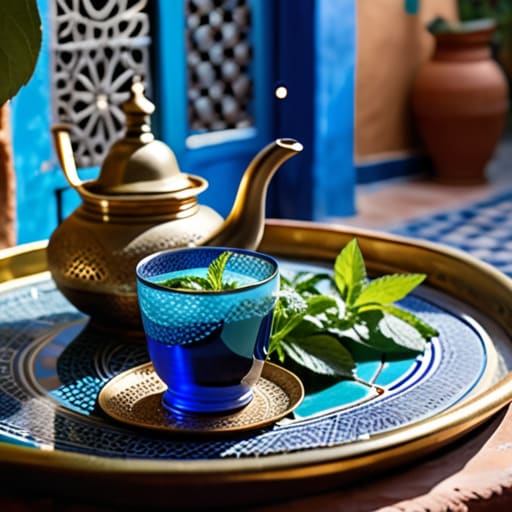
I sat there in a small courtyard in Chefchaouen, my notebook resting on my knee, watching the host prepare for what felt less like a drink and more like a performance. There is a specific, practiced rhythm to the traditional Moroccan tea ceremony that demands your full attention. It begins with the scent—a heavy, sweet cloud of fresh spearmint and gunpowder green tea that seems to settle the very air around you. He didn’t rush; he moved with the steady precision I used to appreciate in a well-constructed blueprint, measuring out the leaves and sugar with a quiet, practiced dignity.

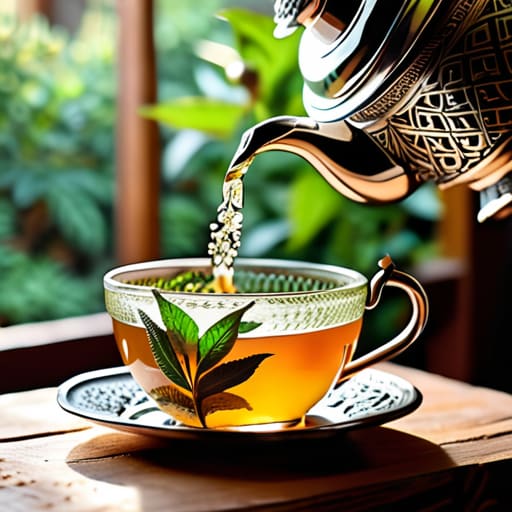
The real magic, however, happens during the pour. He lifted the silver teapot high above the glass, a distance that would make any clumsy hand tremble, creating a thin, aerated stream that frothed perfectly at the surface. This Moroccan tea pouring technique isn’t just for show; it’s a way of aerating the tea and creating that essential layer of foam. As I watched the amber liquid catch the afternoon light, I realized that in these moments, time doesn’t just slow down—it seems to stop entirely.

Understanding the Cultural Significance of Mint Tea

Understanding the Cultural Significance of Mint Tea.

To the uninitiated, it might just look like a sugary infusion of green tea and fresh sprigs, but to understand the true cultural significance of mint tea is to understand the very heartbeat of North African social norms. It isn’t something you gulp down while checking your watch; it is a social contract. When a host offers you a glass, they aren’t just quenching your thirst—they are offering you their time and their respect. In my years managing construction crews, I learned that you can’t build anything lasting without a bit of rapport, and here, that rapport is built one steaming glass at a time.

There is a certain rhythm to the hospitality that I find deeply grounding. Whether you are in a bustling riad or a quiet village home, the Moroccan guest hosting traditions dictate a pace that demands your full presence. You don’t rush the tea, and you certainly don’t rush the conversation. It’s a beautiful, slow dance of politeness that reminds me why I started traveling this way in the first place: to realize that the most important things in life usually happen when we finally stop rushing.

A Few Lessons in the Art of Lingering

  • Don’t rush the pour. When you’re offered tea, resist the urge to check your watch or reach for your phone. The ceremony is slow for a reason; it’s an invitation to settle in, and rushing through it is like trying to read a book by sprinting through the pages.
  • Accept the first offering with grace. Even if you aren’t particularly thirsty, taking that first steaming glass is a gesture of respect toward your host. It’s less about the liquid and more about acknowledging the effort they’ve made to welcome you into their space.
  • Embrace the “extra” helping. In Morocco, hospitality is often measured in refills. If a host keeps offering more, it isn’t a test of your appetite; it’s their way of showing they value your presence. Accepting a second or third glass is a quiet way of saying, “I’m enjoying this company.”
  • Leave the door (and the table) slightly ajar. The best conversations happen in the gaps between the food and the tea. Don’t be afraid to let the meal stretch long into the afternoon. Some of my best sketches were done while sitting around a table long after the tagine had been cleared away.
  • Watch the small gestures. Hospitality here isn’t found in a formal service manual; it’s in the way a host moves to ensure you have the best seat or how they carefully arrange the sweets. Notice these little details—they are the real heartbeat of the culture.

Lessons from the Table

Hospitality in Morocco isn’t a checklist of services; it’s a genuine, slow-paced exchange of warmth that turns a stranger into a guest through the simple act of sharing a meal.

The tea ceremony serves as a vital social anchor, teaching us that the most meaningful connections often happen when we stop rushing and start listening.

To truly experience the heart of the culture, one must embrace the art of lingering—finding the beauty in the steam of a glass and the quiet company of those around you.

## A Lesson in Presence

I’ve spent my life measuring things in steel and concrete, but in Morocco, I’m learning to measure a life by the length of a conversation and the warmth of a shared plate. Hospitality here isn’t a polite gesture; it’s an invitation to finally stop rushing and simply be.

Bernard Oyelaran

The Heart of the Matter

The Heart of the Matter: Moroccan hospitality.

As I sit here in this small courtyard, my leather-bound notebook resting beside a nearly empty glass of tea, I realize that Moroccan hospitality isn’t found in a guidebook or a list of etiquette rules. It is found in the steam rising from a tagine, the deliberate, practiced pour of the mint tea, and the way a stranger’s eyes light up when they invite you to sit. It is a complex tapestry woven from generosity and presence, reminding us that the rituals of sharing food and drink are much more than just sustenance. They are the very threads that hold a community together, turning a simple meal into a profound act of connection.

If there is one thing I have learned from my travels—and perhaps from a lifetime of watching how things are built and maintained—it is that the most lasting structures aren’t made of steel or concrete, but of human kindness. We spend so much of our lives rushing toward the next milestone, always looking at the clock, that we forget how to truly be present with one another. Morocco has taught me to embrace the pause. So, the next time you find yourself in a new place, don’t just pass through. Stop, sit down, and let the world slow down to the pace of a shared cup of tea.

Frequently Asked Questions

How much of the hospitality is a formal tradition versus a genuine, spontaneous gesture from locals?

To be honest, I spent a few days sitting in a small café in Chefchaouen just watching people, and it’s a bit of both. There’s certainly a ritual to the tea—the pouring height, the sugar, the timing—that feels very much like a practiced tradition. But the warmth behind it? That’s entirely real. It isn’t a performance for tourists; it’s a genuine, spontaneous desire to share a moment of stillness with a stranger.

Are there certain social rules or etiquette I should follow when I'm invited into someone's home for a meal?

When you’re invited into a Moroccan home, remember that you aren’t just a guest; you’re a gift. It’s polite to accept the initial offering of tea, even if you’re full—it’s more about the connection than the thirst. If you’re eating with your hands, use only your right; it’s a small detail, but it shows respect for their traditions. Most importantly, don’t rush. Sit, linger, and let the conversation flow as slowly as the tea.

Is it considered impolite to decline a second glass of tea if I've already had enough?

It’s a delicate thing, isn’t it? In my years of traveling, I’ve found that hospitality here is a gentle tug-of-war. If you’re truly full, you don’t have to force it, but a polite, warm refusal is key. A small smile and a hand over your heart while saying “Shukran” (thank you) goes a long way. It’s less about the liquid in the glass and more about acknowledging the kindness behind the pour.

Tips for Gluten Free Cooking

I remember sitting in a small bistro in Florence last autumn, watching a young man stare despondently at a menu because he couldn’t find a single thing to eat. It struck me then how much we’ve turned gluten free cooking into this high-stakes, expensive ordeal filled with strange powders and laboratory-made substitutes that taste more like cardboard than food. We’ve been told that if we want to eat well without wheat, we have to spend a fortune on specialty aisles and follow recipes that look like complex engineering blueprints. It’s a lot of noise, and frankly, it’s exhausting.

I’m not here to sell you on fancy, processed flour blends that cost a week’s worth of groceries. Instead, I want to share what I’ve learned by slowing down and getting back to the basics of what actually tastes good. I’ll be offering you some straightforward, common-sense approaches to the kitchen—the kind of practical wisdom you can use without needing a chemistry degree. My goal is to help you rediscover the joy of a simple, hearty meal, proving that you don’t need to sacrifice flavor to find peace on your plate.

Table of Contents

Discovering Joy Through Naturally Gluten Free Foods

Discovering Joy Through Naturally Gluten Free Foods

I’ve found that the easiest way to ease into this way of eating is to stop looking for replacements and start looking at what’s already there. For years, I thought a meal wasn’t complete without a heavy roll or a thick slice of bread on the side. But lately, I’ve been leaning into naturally gluten free foods—the kind that don’t require a chemistry degree to understand. There is a certain honesty in a roasted sweet potato, a bowl of steaming quinoa, or a simple pan of seared salmon and seasonal vegetables. These ingredients don’t try to mimic anything else; they simply are what they are.

When I sit down at my small wooden table with my notebook, I find myself appreciating the textures of these whole foods more than I ever did with processed goods. Instead of fussing over complex alternative grains for cooking to replicate a sourdough, I’ve learned to embrace the nutty richness of buckwheat or the lightness of millet. It turns a meal from a chore of substitution into a genuine exploration of flavor. It’s about finding that quiet satisfaction in a plate that feels both nourishing and uncomplicated.

Curating Your Soulful Gluten Free Pantry Staples

Curating Your Soulful Gluten Free Pantry Staples

Setting up a kitchen after deciding to step away from wheat can feel a bit like surveying a new construction site; you need a solid foundation before you can build anything meaningful. I’ve found that the secret isn’t in finding perfect replicas of the bread I used to eat, but in gathering a collection of alternative grains for cooking that actually have some character. I keep a steady supply of quinoa, buckwheat, and perhaps a jar of good polenta on hand. These aren’t just substitutes; they are ingredients with their own stories, textures, and histories to tell.

When I’m browsing the local market, I’ve learned to take my time, often sitting on a bench just to observe the rhythm of the aisles. I’ve become quite adept at reading food labels for gluten, looking past the flashy marketing to see what’s truly inside. It’s a slow process, but there is a certain quiet satisfaction in knowing exactly what is going into my body. I also make sure to keep my dedicated wooden spoons and cutting boards tucked away—a little bit of cross contamination prevention goes a long way in keeping the peace in my kitchen.

Small Rituals for a Flour-Free Kitchen

  • Don’t go hunting for replacements right away; instead, lean into the ingredients that never needed changing in the first place. A roasted sweet potato or a bowl of hearty lentils doesn’t need a fancy substitute to feel complete.
  • Treat your new flour blends like a delicate instrument. When I’m working with almond or coconut flours, I’ve learned you can’t just rush the mixing like you would with standard wheat. It requires a gentler touch and a bit more patience.
  • Keep a close eye on the small things, much like I do when I’m cleaning the gears of an old Leica. Check the labels on your spices and broths; sometimes the gluten hides in the most unexpected corners, tucked away in a thickener or a stabilizer.
  • Embrace the texture. Sometimes, a gluten-free crust might be a little more crumbly or a bread a bit denser than what we grew up with. Don’t fight it. Sit down, pour a cup of tea, and appreciate the unique character of what you’ve created.
  • Season with your heart, not just a recipe. When you aren’t relying on the heavy structure of gluten, the true flavors of your herbs and oils can really sing. Take a moment to smell the rosemary or the garlic before it hits the pan—it’s the best part.

A Few Things to Carry With You

Don’t let the absence of wheat feel like a loss; instead, look at your plate as a new canvas for the vibrant, honest flavors that nature provided from the start.

Treat your pantry like a well-kept workshop—keep only the staples that truly nourish you, and take pride in the quality of the ingredients you choose to bring home.

Above all, remember that the goal isn’t perfection on a plate, but the quiet satisfaction of a meal prepared with intention and eaten without haste.

## A Lesson from the Kitchen Table

“Cooking without gluten isn’t about what you’re stripping away from the plate; it’s about finally having the time to notice the honest, earthy textures of the ingredients that were there all along.”

Bernard Oyelaran

Finding Your Rhythm in the Kitchen

Finding Your Rhythm in the Kitchen.

As I sit here in this small cafe in Florence, watching the light shift across the cobblestones, I’m reminded that transitioning to a gluten-free way of life doesn’t have to feel like a series of subtractions. We’ve talked about leaning into the bounty of nature—those vibrant, whole foods that require very little intervention—and the importance of building a pantry that feels like a well-stocked toolkit rather than a collection of restrictions. Whether it’s the earthy richness of quinoa or the simple reliability of a good almond flour, these ingredients are merely new tools to help you build something beautiful. It isn’t about what you’re missing; it’s about relearning the textures and flavors that truly nourish your body.

If there is one thing my years in engineering taught me, it’s that the most enduring structures are built with patience and attention to detail. The same applies to your kitchen. Don’t let a failed loaf of bread or a gritty sauce discourage you. Instead, take a breath, clean your workspace, and try again tomorrow. Cooking is a practice, not a performance. My hope is that you find more than just a way to eat; I hope you find a new kind of peace in the ritual of preparation. Slow down, enjoy the scent of the spices, and remember that the best meals are seasoned with presence.

Frequently Asked Questions

How do I find those hearty, textured grains that don't feel like I'm just eating sawdust?

That’s the million-dollar question, isn’t it? I remember my first few weeks feeling like I was chewing on nothing but cardboard. The secret is to look past the processed “replacement” bags and seek out the whole grains that have lived a real life. Look for buckwheat, quinoa, or even sorghum. They have a wonderful, earthy bite to them. Don’t be afraid of a little texture; that’s where the soul of the meal lives.

Are there any simple ways to make gluten-free bread that actually tastes like something from a real bakery?

The secret, I’ve found, isn’t in a complex recipe, but in patience and moisture. Most gluten-free breads turn out like bricks because we rush them. Try adding a bit of psyllium husk for that chewy, elastic pull, and don’t be afraid of a little extra hydration. Most importantly, let the dough rest. Just like a good landscape, bread needs time to settle before it’s truly ready to be appreciated.

When I'm traveling and away from my own kitchen, how do I find decent, soulful meals that aren't just processed substitutes?

When I’m off the beaten path, I’ve learned to stop looking for “gluten-free” signs and start looking for real food. I steer clear of the modern cafes and head straight for the local markets or family-run bistros. I look for menus that celebrate things like roasted vegetables, fresh fish, or a hearty bowl of rice and beans. If the ingredients look like they came from the earth rather than a factory, you’re usually in good hands.

Using Creative Expression to Support Mental Health

I was sitting in a small café in Bruges last Tuesday, watching a young man try to film a sunset with a high-end smartphone, his face tight with frustration because the lighting wasn’t “perfect.” It struck me how much we’ve been sold a bill of goods regarding creative expression. We’ve been led to believe that you need expensive gadgets, a formal degree, or some sort of divine spark to truly make something meaningful. To my mind, that’s absolute nonsense. Real creativity isn’t about the gear you own; it’s about the way you choose to look at the world around you when everyone else is looking at their watches.

I’m not here to give you a lecture on art theory or sell you a course on how to become a master painter overnight. Instead, I want to talk about how we can use simple, tactile hobbies—like sketching in a notebook or tinkering with an old Leica—to reclaim our sense of wonder. I’ll be sharing some honest, unpretentious ways to weave more creative expression into your daily routine, focusing on the process rather than the result. My goal is to help you find that same quiet satisfaction I feel when a shutter clicks just right.

Table of Contents

Finding Your Creative Voice in the Quiet Moments

Finding Your Creative Voice in the Quiet Moments.

I’ve found that my best ideas rarely come when I’m sitting at a desk, staring intently at a blank page or a complex blueprint. Instead, they tend to arrive when I’m sitting on a weathered park bench, watching the light shift across a lake, or fiddling with the delicate gears of an old Leica camera. There is a profound sense of mindfulness and artistic creation that happens when you stop trying to force an outcome and simply allow yourself to observe. When the world slows down, the noise in your head tends to quiet as well, making room for something much more authentic to emerge.

For me, this isn’t about producing a masterpiece to hang in a gallery; it’s about the simple act of finding your creative voice through the things you love. Sometimes, that voice is found in the scratch of a pencil against my leather notebook or the way a certain shadow falls across a stone wall. It’s a way of processing the world. When life feels a bit too heavy or cluttered, leaning into these small, quiet acts of making can feel like a long, deep breath for the soul.

The Psychological Benefits of Creativity and Calm

The Psychological Benefits of Creativity and Calm.

I’ve noticed that when I sit down with my notebook or tinker with the gears of an old Leica, the constant hum of worry in my head just… settles. It’s not that the world stops being noisy, but my internal volume dials down. There is a profound emotional release through art that I didn’t quite appreciate during my years managing construction sites. Back then, I was always looking at the finish line, the deadline, the structural integrity. Now, I realize that the act of making something—even if it’s just a messy sketch of a diner breakfast—serves as a way to process the day without needing a single word.

It isn’t about being a master of any craft; it’s about the quiet rhythm of the process itself. I’ve found that the psychological benefits of creativity often stem from this very lack of pressure. When you aren’t trying to impress anyone, you stumble into a state of flow that feels remarkably like meditation. It’s a way of mindfulness and artistic creation working in tandem, allowing you to anchor yourself in the present moment. For me, that’s where the real healing happens—in the steady, unhurried space between the thought and the stroke.

A Few Simple Ways to Let the Creativity Flow

  • Put away the phone and grab something tactile. Whether it’s a charcoal pencil, a piece of wood, or even just a fountain pen, there is a certain magic in the way your hands feel when they are actually making something real.
  • Stop worrying about the end result. When I’m working on an old Leica camera, I’m not thinking about the perfect shot; I’m just enjoying the click of the shutter and the way the gears mesh. Do the same with your hobby—let it be messy.
  • Find a regular “quiet spot.” For me, it’s a particular bench by the lake. Having a dedicated space where the world slows down helps your mind realize it’s finally safe to wander and dream.
  • Observe the small things. Next time you’re sitting at a cafe, don’t just scroll through your newsfeed. Look at how the light hits the coffee steam or the way the shadows stretch across the pavement. Those details are the seeds of every good idea.
  • Don’t wait for inspiration to strike like lightning. Creativity is more like a slow-growing garden; you have to show up every day, even if it’s just for ten minutes, to tend to it.

A Few Things to Carry With You

Don’t wait for a grand occasion or a studio to start creating; a simple sketch in a notebook or a thoughtful note can be just as meaningful as a masterpiece.

Let your creative pursuits be a way to slow down rather than another task on your to-do list—the goal is the process, not the finished product.

Use these quiet moments of expression to reconnect with yourself, allowing the rhythm of your hands to quiet the noise of a busy world.

The Art of Noticing

“Creative expression isn’t about producing a masterpiece for a gallery; it’s more like the steady hand required to fix an old Leica—it’s about the patience to look closely, the willingness to get your hands a little dirty, and the quiet joy of seeing something clearly for the very first time.”

Bernard Oyelaran

A Final Thought from the Porch

A Final Thought from the Porch.

As I look back on what we’ve discussed, it’s clear that creativity isn’t some lofty, unreachable mountain reserved for the “gifted.” It’s much closer to the ground than that. Whether it’s the way you arrange the vegetables on a dinner plate, the steady rhythm of a morning walk, or the way you carefully sketch a crumbling stone wall in your notebook, you are engaging with the world. We’ve seen how these small acts of expression act as an anchor, providing a much-needed buffer against the noise of a frantic life and offering a way to reclaim our internal sense of calm. It really comes down to the simple realization that creating something is a way of truly seeing.

So, my advice to you is this: don’t wait for a grand inspiration to strike before you begin. Don’t worry about whether your sketches are precise or if your writing is profound. Just pick up the pen, the brush, or the camera, and let yourself be a beginner again. There is a profound, quiet dignity in the attempt. Life moves fast enough as it is; don’t let it blur past you without leaving a mark. Find your own way to slow the clock down, and remember that the beauty is often found in the process, not just the finished piece.

Frequently Asked Questions

How do I start being creative if I feel like I don't have a "natural talent" for it?

I used to think the same thing when I first picked up a camera. I thought you had to be born with an “eye” for it. But honestly? Talent is a bit of a trap. It makes us afraid to be bad at something. Don’t aim for a masterpiece; just aim to notice. Pick up a pencil or a spoon and just play. Creativity isn’t about being good; it’s just about being present.

Is it possible to find time for these quiet, creative moments even when life feels incredibly busy?

I used to think I needed a whole afternoon set aside for something meaningful, but that’s a trap. If I waited for a clear schedule, I’d never pick up my camera or my notebook. The trick is to find the gaps. It’s ten minutes with a sketchpad while waiting for coffee, or noticing the light hitting a brick wall on your walk to the car. Don’t wait for time; just steal it.

Do I need to produce something beautiful, or is the act of creating enough on its own?

I used to think that if a project didn’t result in something polished and structurally sound, it was a waste of time. But after years of sketching in this little notebook, I’ve learned better. The beauty isn’t in the final product; it’s in the way your mind settles when you’re focused on the task. If the act of creating brings you a bit of peace, then you’ve already succeeded. The “result” is just a souvenir.

Incorporating Self Care Into Your Busy Life

I’ve seen enough marketing gloss to know that most people treat “self care rituals” like they’re something you have to buy in a fancy glass bottle or schedule between back-to-back meetings. They make it sound like a luxury—something reserved for people with endless bank accounts and a surplus of time. But after thirty years of managing construction crews and high-stakes infrastructure projects, I’ve learned that true restoration doesn’t come from a spa day or a $50 scented candle. It’s much simpler than that. Most of the modern advice out there is just noise designed to make you feel like you’re failing if you aren’t constantly optimizing your soul.

I’m not here to sell you on a lifestyle overhaul or a complicated ten-step routine. Instead, I want to share what I’ve gathered from a lifetime of long walks and quiet mornings: the small, unpretentious habits that actually keep a man steady when the world gets loud. I’ll be talking about the kind of practical, grounded practices that cost nothing but a bit of intention. My goal is to help you find your own way to slow down and notice the small things, because that is where the real healing happens.

Table of Contents

Morning Wellness Routines for a Slower Start

Morning wellness routines for a slower start.

I’ve found that the way we greet the sun sets the tone for everything that follows. In my engineering days, I used to wake up to the shrill, aggressive blare of an alarm, immediately bracing myself for the day’s structural demands. These days, I prefer a gentler approach. I’ve learned that establishing simple morning wellness routines—like sitting on the porch with a heavy ceramic mug of coffee—prevents that frantic feeling from taking root. There is something deeply grounding about watching the mist lift off the grass before the rest of the world starts its engines.

Instead of reaching for my phone to check the news or emails, I spend a few minutes with my leather notebook. I might sketch the silhouette of an oak tree or simply jot down three things I’m grateful for. These small mindfulness practices for stress relief don’t take much time, but they act like a steady foundation for a building. They ensure that when the inevitable chaos of the day arrives, I have a bit of internal stability to lean on.

Holistic Wellness Habits Found in a Long Walk

Holistic wellness habits found in a long walk.

There is a specific kind of clarity that only comes when your boots hit the dirt and the world begins to move at the pace of your own breath. I’ve found that a long walk is perhaps the most underrated of all holistic wellness habits. It isn’t about hitting a certain step count or tracking a heart rate on a glowing screen; rather, it’s about the rhythmic movement of your feet and the way the air feels against your skin. When I’m out on the trail, the heavy, cluttered thoughts that tend to pile up during the week start to settle, much like the dust after a heavy rain.

I often find myself stopping to look at the way the light filters through the canopy or the intricate patterns of frost on a stone. These small moments act as natural mindfulness practices for stress relief, pulling my attention away from yesterday’s regrets and tomorrow’s anxieties. It’s a way of grounding myself in the present. By the time I turn back toward home, the mental fog has usually lifted, leaving me with a sense of quiet composure that no amount of sitting still could ever provide.

Small Anchors to Keep You Steady

  • Put the phone in a drawer for twenty minutes during your meal. There is a certain kind of peace that comes from actually seeing the steam rise from your soup without the distraction of a glowing screen.
  • Keep a physical notebook nearby, even if you aren’t an artist. Jotting down a single thing you noticed that day—the way the light hit a brick wall or the smell of rain—forces you to actually inhabit the moment.
  • Find a “quiet spot” in your own neighborhood. It doesn’t have to be a park; it could just be a specific bench or a corner of your porch. Make it your designated place for doing absolutely nothing at all.
  • Learn the rhythm of a manual task. Whether it’s cleaning a camera lens or tending to a single potted plant, there is a meditative quality to working with your hands that a digital life just can’t replicate.
  • Practice the art of the slow sip. Whether it’s coffee in the morning or a glass of wine in the evening, don’t just gulp it down to get to the next thing. Let the warmth settle. It’s a small way of telling yourself that you are worth the time.

Small Lessons from a Slower Pace

True wellness isn’t found in a grand gesture or an expensive retreat, but in the quiet intention you bring to a morning cup of coffee or a walk through the neighborhood.

Don’t be afraid to disconnect from the rush; sometimes the most productive thing you can do for your spirit is to sit still and simply observe the world around you.

Treat your daily rituals like a well-built structure—give them a solid foundation of patience and consistency, and they will support you when life gets heavy.

The Quiet Work of Staying Whole

Self-care isn’t some grand, expensive project you have to manage; it’s more like the steady maintenance of an old bridge. It’s those small, quiet moments—a slow cup of coffee, a bit of time with a good book, or simply breathing in the morning air—that keep the structure of your spirit from weathering away.

Bernard Oyelaran

Finding Your Own Rhythm

Finding Your Own Rhythm through mindful habits.

As I look back on everything we’ve discussed, from those quiet morning rituals to the simple clarity found on a long afternoon stroll, I’m reminded that self-care isn’t some grand, expensive production. It isn’t about buying the latest gadgets or following a rigid, demanding schedule that only adds more stress to your plate. Instead, it’s about the small, intentional choices—the way you hold your coffee mug, the decision to leave the phone in your pocket while you walk, or simply allowing yourself the grace to breathe. Whether it’s a slow meal or a moment of stillness, these habits are the foundation of a life well-lived.

If there is one thing I’ve learned in my years of managing chaotic construction sites and now navigating the quiet of retirement, it’s that we cannot pour from an empty cup. We spend so much of our lives rushing toward the next milestone that we forget to inhabit the space we are currently in. My hope for you is that you don’t just read these words, but that you actually take the time to linger. Don’t be afraid to slow down; the world will still be there when you get back. After all, life is found in the details, not in the speed at which we pass them by.

Frequently Asked Questions

How do you find time for these small rituals when your daily schedule feels completely overwhelming?

I used to think I needed a wide-open afternoon to find peace, but that’s a luxury we rarely have. Now, I look for the “cracks” in the day. It’s not about adding more to the list; it’s about changing how you handle what’s already there. If you’re stuck in traffic, don’t reach for the news—just listen to the rain or a quiet song. It’s about reclaiming those tiny, stolen moments.

Do you think these habits need to be elaborate, or can they really be as simple as sitting quietly with a cup of tea?

Oh, they can be as simple as that. In fact, I think they ought to be. When I was managing construction sites, I thought everything required a complex blueprint to work. But retirement has taught me otherwise. If you need a three-hour ritual to feel centered, you’re just adding another task to your list. A quiet moment with a cup of tea—just watching the steam rise—is plenty. It’s the stillness that counts.

How do you stay consistent with these routines when you're traveling or away from the comfort of your own home?

I’ve found that the trick isn’t about recreating my home exactly, but about carrying the same spirit with me. I pack my little leather notebook and my favorite pen—those are my anchors. Whether I’m in a bustling train station or a quiet village, I look for one small thing to notice, like the way the light hits a stone wall. If I can find a quiet corner for a meal and a moment to sketch, I feel right at home.