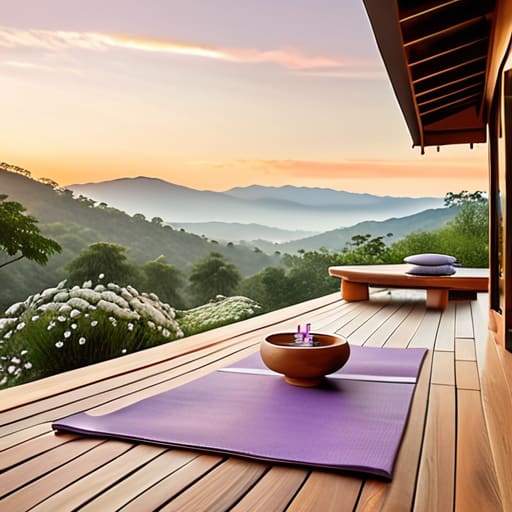
I’ve seen enough glossy brochures to know that most people think a wellness retreat requires a mountain of debt and a wardrobe of expensive linen yoga gear. They market these things as some sort of spiritual overhaul, involving green juices that taste like lawn clippings and schedules so rigid they’d make a civil engineer wince. But if you ask me, the idea that you need to fly halfway across the world to “find yourself” is a bit of a nonsense concept. Real peace isn’t something you buy at a high-end resort; it’s something you reclaim when you finally stop running.
In the pages ahead, I’m not going to sell you on any expensive miracles or complicated rituals. Instead, I want to share what I’ve learned about finding a true wellness retreat in the simplest of ways—whether that’s through a quiet morning in a local park or a meal eaten without the distraction of a smartphone. I’ll give you my honest, no-nonsense take on how to actually slow down and breathe, focusing on the small, tangible things that actually make a person feel whole again.
Table of Contents
Finding Stillness in Mindfulness Meditation Retreats
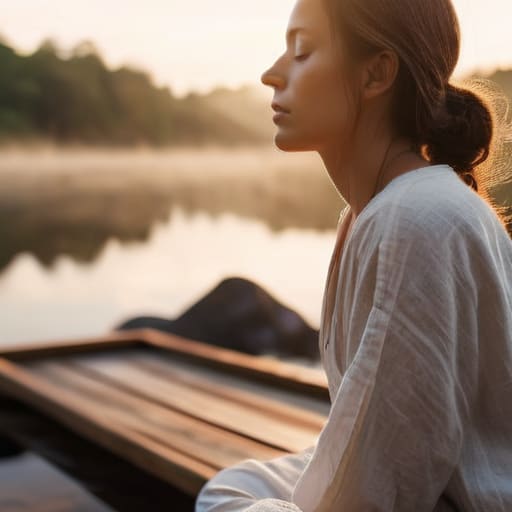
I’ll be honest, the idea of sitting perfectly still for hours sounded more like a chore than a remedy when I first considered it. My career was built on movement—blueprints, construction sites, and the constant hum of machinery. But there is something about these mindfulness meditation retreats that forces a different kind of discipline. It isn’t about clearing your head of every single thought; that’s an impossible task. It’s more about sitting with the noise until it eventually settles, much like the silt in a riverbed after the current slows down.
I found that the real value wasn’t in some grand epiphany, but in the quiet intervals between the sessions. There is a certain grace in being part of a digital detox destination, where the absence of a ringing phone allows you to actually hear the wind through the pines. Without the constant pull of a screen, my focus shifted back to the basics: the weight of my breath and the steady rhythm of my own heart. It turns out, sometimes the most productive thing you can do is absolutely nothing at all.
Seeking Quietude at Digital Detox Destinations
I’ll be the first to admit that my phone has become a bit of a tether. Even now, in retirement, I find myself reflexively checking the news or looking for a photo of a bridge I saw earlier. It’s a restless habit, a sort of phantom itch. That’s why I find myself drawn to digital detox destinations—places where the Wi-Fi signal is weak, but the connection to the ground beneath your feet feels much stronger. There is something profoundly liberating about handing over your devices at the front desk and realizing that the world hasn’t stopped spinning just because you aren’t scrolling through it.
It isn’t about being a hermit; it’s about reclaiming your attention. Without the constant ping of notifications, your senses begin to sharpen in ways you might have forgotten. You start to notice the way the light hits a cedar tree or the specific, rhythmic sound of a nearby stream. These holistic healing experiences aren’t about grand transformations; they are simply about clearing the static so you can finally hear yourself think again. It’s a quiet sort of reclamation, one small moment at a time.
A Few Things I've Learned About Not Making a Mess of It
- Don’t overschedule your days. I’ve seen folks arrive at these places with a printed itinerary tighter than a bridge truss, and they spend the whole time checking their watches. If the retreat offers a quiet hour, take it—even if you feel like you “should” be doing something else.
- Pack things that feel like home, not things that look good for a photo. A worn-in sweater or a pair of socks that have seen better days will do more for your peace of mind than a brand-new set of designer athletic gear.
- Leave the “fixing” to the professionals. You aren’t there to solve every problem you’ve ever had in a single weekend. Approach it more like a slow walk through a park; you’re just there to observe, not to rebuild the whole landscape.
- Bring a way to record your thoughts that doesn’t require a battery. I always bring my old leather notebook. There’s something about the scratch of a pen on paper that helps a thought settle in a way a glowing screen never could.
- Eat when you’re hungry, but eat slowly. If they serve a meal that looks simple—maybe just some local bread and seasonal fruit—don’t rush through it to get to the next activity. Sit. Look at the light on the table. Taste the food. That’s where the real rest happens.
Lessons from the Slow Path
A retreat shouldn’t be another item on your to-do list; it’s a chance to finally stop checking the clock and just exist.
True rejuvenation rarely comes from a fancy spa treatment, but rather from the simple luxury of a quiet meal and a view that doesn’t change for hours.
Whether it’s sitting in silence or putting your phone in a drawer, the goal is to rediscover the small, beautiful details you’ve been rushing past.
## The True Purpose of Stepping Away
“A wellness retreat isn’t some grand, expensive overhaul of your soul; it’s really just a way to give yourself permission to stop running and finally sit still long enough to hear your own thoughts over the noise of the world.”
Bernard Oyelaran
Bringing the Quiet Home
Whether you find yourself sitting in silence during a meditation retreat or finally setting your phone aside in a cabin deep in the woods, the goal isn’t to become a different person. It’s really just about stripping away the noise so you can hear yourself think again. We’ve talked about the power of mindfulness and the necessity of a digital break, but at the end of the day, these retreats are just tools. They are meant to help us remember that peace isn’t something you find in a brochure; it’s something you cultivate by intentionally stepping out of the rush.
As I sit here in this little cafe, sketching the way the light hits my coffee cup, I realize you don’t actually need a plane ticket to find your own version of a retreat. You can find it in the steam rising from a bowl of soup or the way the wind moves through the trees during a Tuesday afternoon stroll. Don’t wait for a scheduled vacation to reclaim your spirit. Just remember to slow down and notice the details, because life is happening right now, in the small, unhurried moments we so often overlook.
Frequently Asked Questions
Do I really need to commit to a full week, or can I find that same sense of peace with just a weekend away?
I’ve often found that the length of the trip matters far less than the intention behind it. A full week can feel like a daunting commitment, especially if you’re still tethered to the usual stresses. For me, a well-planned weekend—one spent with a good book, a slow breakfast, and a long walk—can be just as restorative. It’s not about the duration; it’s about finally giving yourself permission to sit still.
How do I know if a retreat is actually about slowing down, or if it’s just another expensive way to follow a strict schedule?
Look for the gaps in the schedule. If every hour is accounted for with “optimized” activities, you aren’t at a retreat; you’re at a seminar. A real place for slowing down will have empty spaces—time meant for nothing more than sitting on a porch or wandering a trail. If the itinerary feels like a project management spreadsheet, run the other way. You want room to breathe, not a checklist to complete.
Is it possible to find these quiet moments at home, or do I truly need to get away to find that stillness?
You don’t need a plane ticket or a fancy reservation to find that stillness. Honestly, sometimes the hardest part of getting away is just trying to leave your own worries behind. I’ve found that peace is more about a change in tempo than a change in scenery. It’s in the way you brew your morning coffee or how you sit on your own porch without checking your phone. You can build your own sanctuary, one quiet moment at a time.
