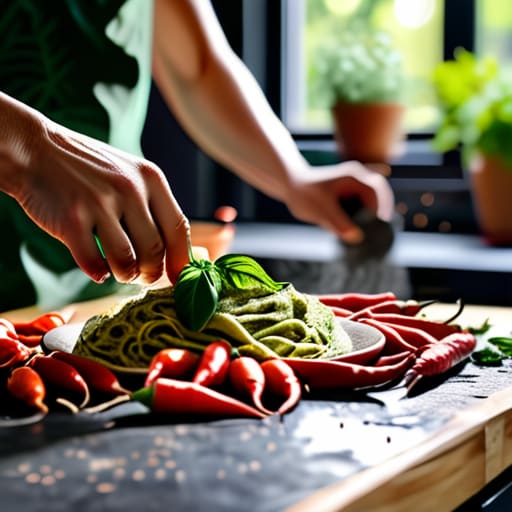
I was sitting in a cramped kitchen in Florence last autumn, watching a young chef bark orders at a group of wide-eyed tourists. They were paying a small fortune for these high-end cooking classes, yet all they seemed to be doing was following a frantic, choreographed dance to avoid making a mess. It struck me then that most of these programs are more about the performance of being a chef than the actual soul of the food. We’ve turned something that should be a meditative, tactile joy into a high-pressure sprint, forgetting that the best meals usually come from a place of patience and steady hands.
I’m not interested in teaching you how to plate a dish like a piece of modern art or how to navigate a professional kitchen’s chaos. Instead, I want to share what I’ve learned from the small, quiet workshops that actually matter—the ones where you learn the rhythm of the knife and the importance of letting a sauce simmer without interference. I’ll guide you through finding the right kind of instruction, focusing on the honest, hands-on skills that turn a simple recipe into a lifelong companion.
Table of Contents
The Gentle Grace of Beginner Cooking Techniques
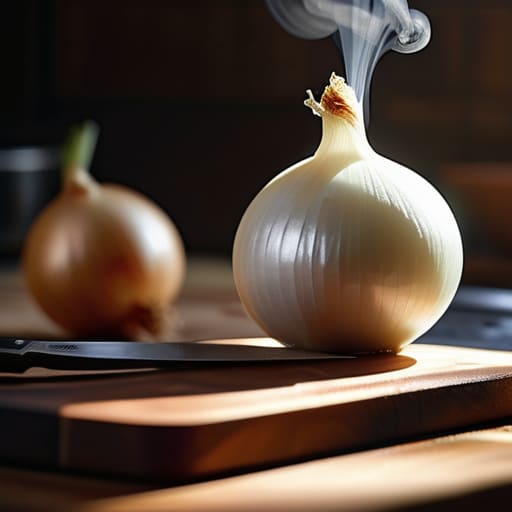
There is a specific kind of peace found in the repetitive motion of a knife against a wooden cutting board. When I first started looking into these sessions, I worried I’d be out of my depth, but I quickly realized that beginner cooking techniques aren’t about complexity; they are about rhythm. It’s the steady dice-dice-dice of an onion or the patient simmer of a stock that settles the mind. You aren’t just preparing food; you are learning to be present in the moment.
I’ve found that the best hands-on cooking experiences don’t feel like a lecture in a stuffy classroom. Instead, they feel more like a conversation. You might start with something as simple as mastering the heat of a pan, but before you know it, you’re understanding how salt and acid can transform a dish. There is a profound, quiet satisfaction in moving from a state of uncertainty to a place where you can trust your own hands. It’s a slow build, much like restoring an old camera, where every small adjustment leads to a clearer, more beautiful result.
Savoring Hands on Cooking Experiences One Bite at a Time
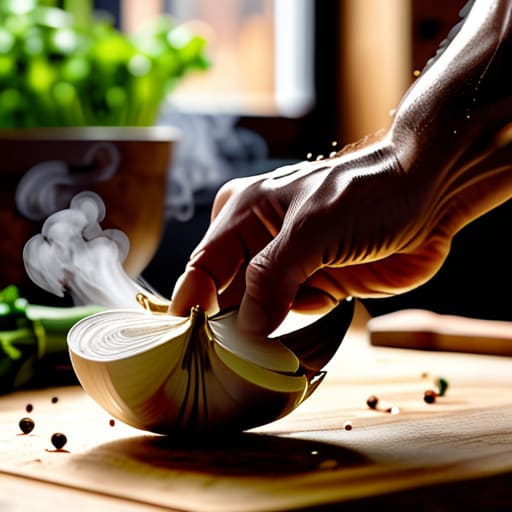
There is a peculiar kind of magic that happens when you stop reading recipes and start actually feeling the ingredients. I remember my first time stepping into a proper culinary workshop curriculum; I was so worried about the timing that I nearly missed the scent of garlic hitting the warm oil. But that is the beauty of these hands-on cooking experiences. You aren’t just following a set of instructions on a screen; you are learning the language of heat and texture. It’s about the weight of the knife in your hand and the rhythmic sound of a steady chop.
When you receive professional chef instruction, the goal isn’t to turn you into a frantic line cook, but to give you the confidence to trust your senses. I’ve found that the most profound lessons don’t come from memorizing measurements, but from understanding how a splash of acid or a pinch of salt can completely transform a dish. It turns the act of cooking from a chore into a form of mindful meditation. By the time you sit down to eat what you’ve crafted, you aren’t just full—you are truly nourished.
A Few Small Lessons from the Kitchen Counter
- Don’t worry about the mess. A countertop covered in flour and vegetable scraps is just a sign that something real is happening; embrace the clutter as part of the process.
- Focus on the rhythm, not the clock. Instead of rushing to finish a recipe, pay attention to the steady tap-tap-tap of the knife or the way a sauce begins to simmer.
- Bring an open mind and a hungry stomach. You aren’t just there to learn a technique; you’re there to taste new things and perhaps find a new favorite ingredient.
- Ask the “why” behind the “how.” If an instructor tells you to sear a piece of meat, ask them why it matters. Understanding the reason makes the skill stick much better than just following orders.
- Take notes in your own way. I always find it helpful to jot down a quick observation in my notebook—not just the measurements, but how a certain spice smelled or how the light hit the dining room.
Lessons from the Kitchen Counter
Don’t worry about the perfection of the final dish; focus instead on the steady rhythm of the knife and the smell of fresh herbs.
Cooking is a sensory experience that demands your presence, pulling you away from the digital noise and back into the moment.
The best part of learning a new recipe isn’t just the meal itself, but the shared quiet of a kitchen where time seems to stand still.
## A Lesson Beyond the Recipe
“A cooking class isn’t really about memorizing a list of ingredients or mastering a complex sauce; it’s about the quiet satisfaction of finally understanding the rhythm of the knife and the patience required to let a good meal actually breathe.”
Bernard Oyelaran
A Final Seat at the Table
Looking back on everything we’ve discussed, it’s clear that a cooking class is about much more than just mastering a knife skill or learning how to deglaze a pan. It’s about the way a well-taught technique can turn a chore into a meditative rhythm, and how the shared experience of a kitchen can bridge the gap between strangers. Whether you are focusing on the delicate grace of a new method or simply soaking in the sensory joy of fresh ingredients, you are investing in a way to reclaim your time. These classes provide the structure we often lack in our busy lives, allowing us to move from the chaos of the day into the steady, intentional pace of creation.
As I sit here in this little cafe, sketching the way the light hits my coffee cup, I am reminded that the best things in life rarely happen in a hurry. Cooking is much like my old camera restoration projects; it requires patience, a steady hand, and a willingness to sometimes make a mess before things click into place. Don’t worry about being perfect or following a recipe to the letter. Instead, I encourage you to embrace the imperfection and find the joy in the process itself. After all, the most memorable meals aren’t always the most complex ones, but the ones where we finally learned to slow down and truly taste the world around us.
Frequently Asked Questions
Do I need to bring my own professional knives, or does the kitchen usually provide everything?
Don’t worry about lugging your own kit around. In my experience, most kitchens provide everything you’ll need, from sturdy chef’s knives to the heavy cast iron. It’s actually a bit of a relief—it lets you focus on the rhythm of the chopping rather than worrying about your precious tools. If you have a favorite paring knife you simply can’t live without, feel free to bring it, but otherwise, just show up ready to cook.
Are these classes more about following a strict recipe, or is there room to experiment and find my own rhythm?
That’s a fair question. In my experience, a good class shouldn’t feel like a blueprint for a bridge—rigid and unforgiving. While you’ll certainly learn the foundational “why” behind a technique, the best instructors encourage you to listen to the ingredients rather than just the clock. Once you understand the basics, there’s plenty of room to toss in an extra clove of garlic or a pinch of something fragrant. It’s about finding your own tempo.
Is it better to sign up for a single afternoon session, or should I look into a multi-week course to really get the hang of things?
It really depends on what you’re looking for. If you just want a lovely afternoon to escape the noise and try something new, a single session is a wonderful treat. But, if you truly want to feel the rhythm of the knife and the confidence of a seasoned cook, I’d suggest the multi-week course. There’s a certain quiet mastery that only comes with repetition and time. Slow and steady wins the flavor, every time.
