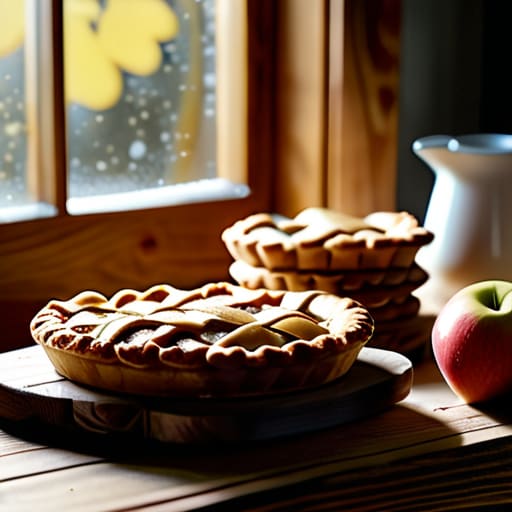
Classic Homemade Dessert Ideas

I’ve spent most of my life looking at blueprints and structural integrity, ensuring that everything was built to last and perfectly precise. But lately, I’ve realized that the most important things in life aren’t always the ones made of steel and concrete; sometimes, they are the fleeting, sweet moments we create in our own kitchens. We live in such a hurried world, constantly rushing from one task to the next, that we often forget the simple joy of a slow afternoon spent with a bowl of sugar and a bit of flour. I find that searching for the perfect dessert recipes shouldn’t be another chore on a never-ending to-do list, but rather an invitation to pause and breathe.

In the following notes, I’ve gathered five of my favorite ways to bring a little bit of sweetness into your routine. These aren’t complicated or fussy instructions meant to overwhelm you; instead, they are simple, soul-warming dessert recipes designed to be enjoyed one bite at a time. I want to show you how a bit of warmth from the oven can turn a mundane Tuesday into something truly special. Let’s slow down together and find the magic in the making.

Table of Contents

Warmth in a Bowl: Apple Crisp
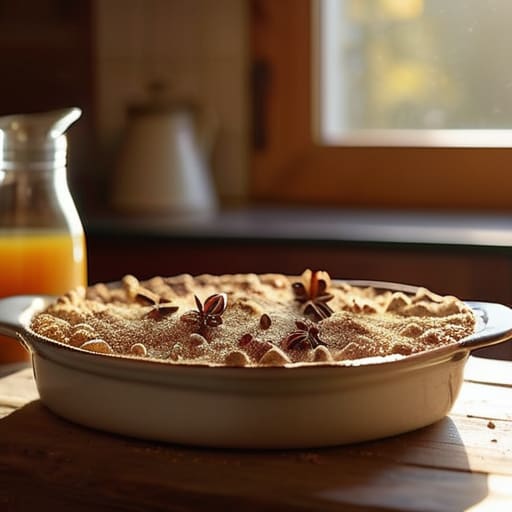
Warmth in a Bowl: Apple Crisp dessert.

There is something about the scent of cinnamon and baked apples that feels like a warm hug on a crisp autumn afternoon. I remember watching my mother peel apples in the kitchen, the rhythmic scritch-scritch of the peeler acting as the soundtrack to our Sunday afternoons. This isn’t the kind of dessert you rush through; it’s one that demands you wait for the bubbling juices to settle before you take that first, perfect bite.

The Quiet Elegance of Lemon Tart

The Quiet Elegance of Lemon Tart.

Sometimes, when the world feels a bit too heavy or cluttered, I find myself craving something sharp and clean to reset my senses. A lemon tart is exactly that—a bright, citrusy cleansing of the palate. It doesn’t need much fanfare; a simple, buttery shortcrust pastry and a smooth, tangy curd are more than enough to make an afternoon feel special.

Simple Chocolate Mousse

Creamy, homemade Simple Chocolate Mousse.

I’ve never been one for overly complicated confectionery that requires a degree in chemistry to master. To me, a proper chocolate mousse is about the purity of ingredients. High-quality dark chocolate, a few eggs, and a bit of cream—that’s all you really need to create something that feels like a luxury.

Old-Fashioned Vanilla Bean Pudding

In my years managing construction sites, I learned that the most reliable structures are often the simplest. The same applies to dessert. A thick, creamy vanilla bean pudding is a staple in my repertoire because it is unfailingly comforting. It reminds me of simpler times, before everything became so fast-paced and digitized.

Berry Galette: The Beauty of Imperfection

If you’re someone who gets frustrated when things don’t look “picture perfect,” then the galette is your best friend. Unlike a formal pie, a galette is meant to look a bit rustic and wandered. You simply pile your seasonal berries into the center of a dough disc and fold the edges over in a way that feels natural to your hands.

A Few Final Thoughts Before You Head to the Kitchen

Don’t let the pursuit of perfection get in the way of the process; sometimes the most delicious things come from a slightly messy counter and a relaxed spirit.

Use these recipes as an excuse to put your phone away and truly engage with the textures, scents, and quiet joy of creating something by hand.

Remember that dessert isn’t just about the sugar—it’s about the pause it creates in your day, giving you a moment to simply be.

A Lesson in Patience

A recipe for something sweet is rarely just about the sugar or the flour; it is an invitation to stand still in your own kitchen, to watch the batter change texture, and to realize that the best things in life are always worth the wait.

Bernard Oyelaran

A Final Spoonful of Peace

As I sit here in this little cafe, watching the light shift across the cobblestones, I find myself thinking back to the recipes we’ve discussed. Whether you find yourself reaching for the tart brightness of a lemon tart or the deep, grounding warmth of a chocolate lava cake, the goal isn’t just to satisfy a craving. It is about the process—the way the flour feels between your fingers or the gentle rhythm of folding batter. Each of these treats, from the simple fruit crumbles to the more intricate pastries, serves as a small, edible reminder that we are allowed to stop and enjoy the fruits of our labor. Taking the time to bake is, in many ways, a way of tending to your own spirit.

I’ve learned over the years, both on construction sites and in my own kitchen, that the best things in life rarely happen when we are rushing. We spend so much of our time looking toward the next milestone that we forget to taste the sugar on our tongues right now. So, the next time you decide to whip up something sweet, I hope you don’t just eat it standing up over the sink. Sit down. Find a quiet corner. Let the world wait for a few minutes while you savor the sweetness. After all, a little bit of dessert is often just a quiet way to say thank you to yourself for making it through another day.

Frequently Asked Questions

Do I really need to use high-quality vanilla extract, or will the store brand do the trick for these recipes?

That’s a fair question. In my engineering days, we obsessed over the grade of every bolt, but in the kitchen, it’s more about the soul of the dish. For these specific recipes, a decent store brand will do just fine. However, if you find a bottle of the real stuff—pure extract, not that imitation syrup—use it. It’s like a well-maintained vintage lens; it just brings a certain clarity to the flavor that you can’t quite replicate.

Is there a way to make these desserts a bit lighter if I'm looking for something less heavy after a big dinner?

I understand that feeling completely. After a hearty meal, sometimes you just want a gentle finish rather than something that sits heavy in your stomach. If you’re looking to lighten things up, I often find that swapping heavy creams for a dollop of Greek yogurt or even a bit of whipped coconut milk works wonders. Or, simply lean into fresh, seasonal fruit—a few berries or sliced peaches can provide that sweetness without the weight.

Can these be prepared a day in advance, or is it better to make them fresh to catch that perfect texture?

That’s a fair question. For most of these, I find that a little patience goes a long way. The fruit crumbles and the citrus tarts actually benefit from sitting overnight; it lets those flavors settle and marry properly. However, if you’re looking for that crisp, delicate snap in a pastry, I’d suggest keeping the final assembly for the day of. There’s no harm in prepping the components early, as long as you save the finishing touch for the moment you’re ready to sit down and enjoy.
Mastering the Fundamentals of Cooking

I remember sitting in my small apartment back in Ann Arbor, staring at a cookbook that looked more like a chemistry textbook than a guide to making dinner. It was filled with intimidating French terms and lists of specialized gadgets that seemed more important than the food itself. All that fuss made me feel like I was failing at something as simple as feeding myself, when in reality, the true cooking basics don’t require a culinary degree or a kitchen full of expensive stainless steel. I spent years managing complex infrastructure projects where precision was everything, but I’ve learned that a kitchen is less about rigid blueprints and more about learning the rhythm of the ingredients.

I’m not here to teach you how to make a soufflé or how to impress a food critic. Instead, I want to share the practical, unpretentious fundamentals that actually matter when you’re standing over a hot stove at the end of a long day. We’re going to focus on the steady, reliable skills—the kind that turn a few humble vegetables and a bit of patience into a meal that truly nourishes you. My promise to you is simple: no hype, no unnecessary complexity, just the honest, foundational steps you need to find peace in your own kitchen.

Table of Contents

Finding Calm Through the Importance of Mise en Place

Finding Calm Through the Importance of Mise en Place

There is a particular kind of peace that comes from a cleared countertop and a tidy workspace. In my engineering days, we called it preparation, but in the kitchen, I’ve come to see it as a form of meditation. I call it mise en place—a French term that essentially means “everything in its place.” Before I even think about turning on the stove, I take my time measuring out the spices and dicing the vegetables. It’s a ritual that prevents that frantic, mid-meal scramble where you’re searching for the salt while the garlic is already turning bitter in the pan.

By honoring the mise en place importance, you shift the focus from the stress of the clock to the joy of the process. When your ingredients are prepped and waiting in small bowls, you aren’t just cooking; you are orchestrating. It gives you the mental space to focus on mastering heat control or simply watching the way the light hits the steam rising from a pot. It turns a chaotic chore into a deliberate, steady rhythm.

The Meditative Grace of Knife Skills for Beginners

The Meditative Grace of Knife Skills for Beginners

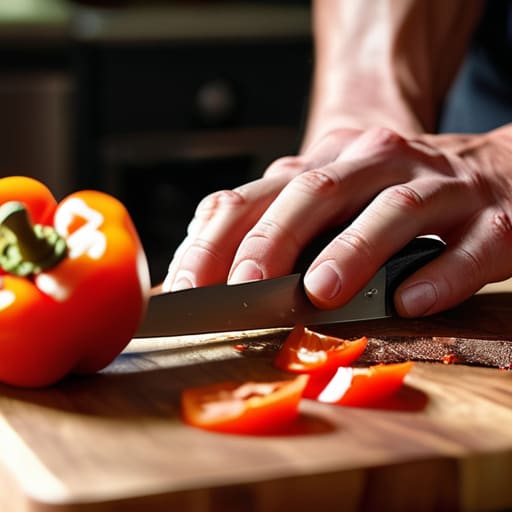
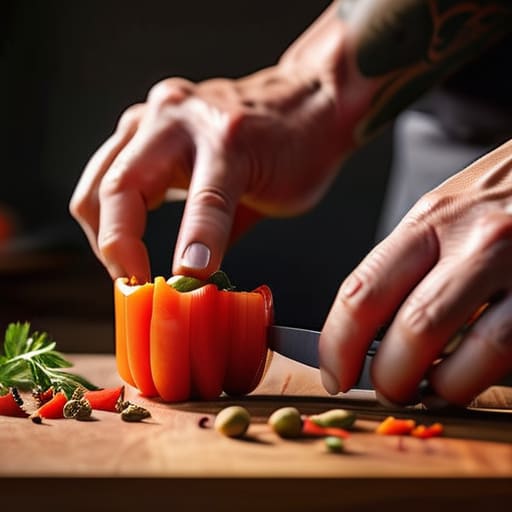
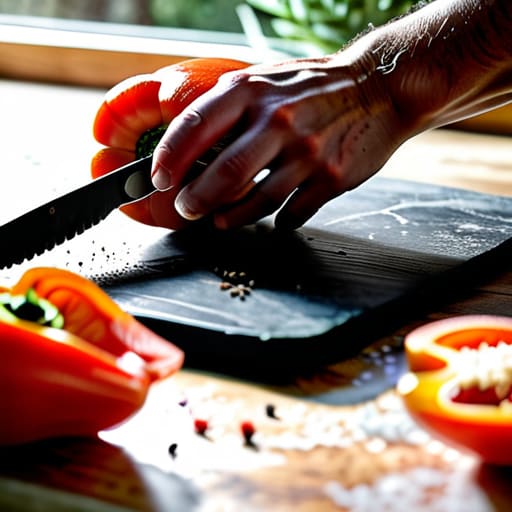
There is something deeply grounding about the rhythmic click-clack of a sharp blade against a wooden cutting board. When I first started out, I treated chopping like a chore to be finished as quickly as possible, but I’ve learned that’s a mistake. Now, I see it as a way to center myself. Developing proper knife skills for beginners isn’t just about speed; it’s about the steady, intentional movement of your hand and the focus required to keep your fingers tucked safely away. It’s a small, private dance between you and the ingredients.

As you practice, you’ll notice that the way you cut a vegetable changes how it cooks. A uniform dice ensures that everything hits the pan at the same time, which is one of those essential cooking techniques that makes the difference between a muddy stew and a vibrant meal. I often find myself lost in the pattern of it—the repetitive motion of slicing through a crisp bell pepper or dicing an onion—and suddenly, the worries of the day just seem to drift away. It’s a quiet sort of mastery that rewards you with both a beautiful plate and a calm mind.

The Small Rhythms That Make a Meal

  • Don’t be afraid of the salt. I used to think a heavy hand ruined a dish, but I’ve learned that a little salt is really just a way to wake up the flavors that are already there. Sprinkle it in stages, not just at the end, and let it work its way through the ingredients.
  • Learn the language of heat. A stove isn’t just an on-off switch; it’s a tool that requires a bit of intuition. Watch how the oil shimmers or how a bubble changes shape in a pan. If things are popping and spitting too aggressively, just turn it down and give it a moment to settle.
  • Respect the resting period. When you take a piece of meat off the heat, the temptation is to dive right in while it’s steaming. Resist that. Give it five, maybe ten minutes on the board. It’s a bit like waiting for a sunset—the best part happens when you let things sit for a second.
  • Keep your tasting spoon close. You can’t know if a sauce needs a squeeze of lemon or a pinch of pepper if you aren’t tasting as you go. It turns cooking from a set of instructions into a conversation between you and the pot.
  • Embrace the mess. A clean kitchen is nice, but a kitchen that’s been used is a sign of a life well-lived. Don’t let a pile of bowls in the sink ruin your appetite. Clean up as you can, but don’t let the chores steal the joy from the meal you just created.

Small Lessons from the Kitchen Counter

Don’t view preparation as a chore to get through; see it as the quietest, most grounding part of your day.

Treat your tools with respect, whether it’s a well-balanced knife or a heavy cast iron pan, and they’ll take much better care of you.

Remember that the goal isn’t a perfect plate for a photo, but the steady, rhythmic process of creating something with your own two hands.

The Soul of the Process

Cooking isn’t about following a set of rigid instructions to reach a finish line; it’s about learning to listen to the sizzle of the pan and the scent of the herbs, understanding that the real magic happens in the quiet, patient moments between the prep and the plate.

Bernard Oyelaran

The Quiet Joy of the Kitchen

The Quiet Joy of the Kitchen.

At the end of the day, mastering these basics isn’t really about producing a Michelin-star meal or impressing anyone at a dinner party. It’s about the preparation—the way a tidy workspace through mise en place clears your mind, and how the steady, rhythmic chop of a knife can act as a sort of anchor in a chaotic week. When you stop viewing cooking as a chore to be checked off a list and start seeing it as a series of small, intentional movements, the entire experience shifts. You move from merely following a recipe to truly understanding the rhythm of the ingredients in front of you.

So, the next time you find yourself standing before a cutting board, I encourage you to leave the timer and the frantic pace at the door. Don’t worry if the onions aren’t perfectly uniform or if the sauce takes a little longer than the book suggests. Just breathe, notice the scent of the garlic hitting the oil, and let the process unfold at its own speed. Cooking is one of the few places left where we can truly practice the art of lingering. After all, the best meals aren’t just defined by how they taste, but by the peace we find while making them.

Frequently Asked Questions

I've got all my ingredients prepped, but how do I know when I'm actually ready to start the heat without feeling rushed?

That’s the feeling of the clock ticking, isn’t it? My advice is to step back from the stove entirely for a moment. Once your ingredients are in their little bowls, take a breath. Check your workspace—is it clear? Is your pan ready? If everything is laid out and your mind feels steady, you aren’t rushing; you’re prepared. Only turn that dial when you feel like the conductor, not the passenger.

Is there a particular type of knife that's best for someone just starting out, or should I just stick to what I have in the drawer?

Honestly, don’t go out and buy a dozen fancy blades just yet. If you have a decent chef’s knife in that drawer, start there. A single, well-balanced eight-inch chef’s knife is the workhorse of any kitchen. It’s much better to learn the rhythm of one good tool than to struggle with a collection of mediocre ones. Just make sure it’s sharp; a dull blade is a clumsy, frustrating companion.

When I'm working through these basic techniques, how do I keep from getting overwhelmed if a recipe starts moving faster than I am?

That’s a fair question, and honestly, it’s where most of us stumble. When the heat starts climbing and the onions are sizzling faster than you can chop, the instinct is to panic. Don’t. Just turn the burner down. There is no rule saying you can’t pause. If the recipe feels like it’s sprinting, pull the pan off the heat for a minute. Breathe. The meal isn’t going anywhere, and it’s better to eat slowly than to rush and burn.

Managing Anxiety During International Travel

I remember sitting on a hard plastic chair in a terminal in Frankfurt three years ago, my palms sweating and my heart hammering against my ribs like a trapped bird. I wasn’t some young backpacker looking for a thrill; I was a retired engineer who had managed multi-million dollar bridge projects, yet I felt completely paralyzed by the sheer chaos of the gate changes and the rushing crowds. People talk about travel anxiety as if it’s some grand psychological puzzle that requires expensive retreats or complex breathing apps to solve, but they often miss the simple truth of it. It isn’t a flaw in your character; it’s just your body reacting to a world that has forgotten how to move at a human pace.

I’m not here to give you a list of clinical “coping mechanisms” or tell you to just “relax.” Instead, I want to share what I’ve learned from a few years of slow travel and a lot of trial and error. I’ll tell you how I use my old Leica to find focus, the importance of a well-timed meal, and how to reclaim your sense of calm when the world feels too loud. This is about finding your footing again so you can actually enjoy the view.

Table of Contents

Mindfulness for Travelers Savoring the Quiet Between Departures

Mindfulness for Travelers Savoring the Quiet Between Departures

I’ve found that the best way to handle that tightening in the chest isn’t to fight the noise of the terminal, but to lean into the small, tangible things right in front of you. Last week, while waiting for a delayed connection in Chicago, I sat by a window and simply watched the ground crew move like clockwork. Instead of scrolling through my phone, I pulled out my notebook and focused on the way the light hit the tarmac. Practicing a bit of mindfulness for travelers sounds a bit lofty, but it’s really just about anchoring yourself to the present. When you focus on the texture of your coffee cup or the weight of your bag, you give your mind a place to rest.

If you feel that familiar surge of panic rising, don’t try to outrun it. I’ve learned that anxiety relief during transit often comes from accepting the pause rather than fearing it. Treat the waiting period not as an obstacle, but as a deliberate intermission. Finding a quiet corner to breathe and observe the world can be a powerful tool for travel panic attack prevention, turning a moment of chaos into a moment of quiet observation.

Overcoming Fear of Flying With Gentle Breath

Overcoming Fear of Flying With Gentle Breath

I remember sitting in a cramped middle seat a few years back, my knuckles white against the armrests, watching the clouds churn below. My heart was hammering a rhythm that felt entirely too fast for the steady hum of the engines. In those moments, trying to think my way out of the fear is a losing battle; you can’t reason with a racing pulse. Instead, I’ve learned that the most effective tool for overcoming fear of flying isn’t found in a textbook, but in the simple, rhythmic rise and fall of my own chest.

When that familiar tightness creeps into my throat, I stop trying to control the plane and start focusing on my breath. I inhale slowly for four counts, hold it just for a second, and then let it out as if I’m exhaling the very tension holding me captive. It’s a small, private ritual—a way of anchoring myself to the present moment when the world feels like it’s tilting. This kind of gentle, steady breathing acts as a quiet stabilizer, providing a much-needed sense of anxiety relief during transit without drawing any attention to my struggle.

A Few Small Anchors for the Restless Soul

  • Pack a physical book or a notebook, something that requires your hands to move and your eyes to focus on something other than a screen. There is a certain grounding weight to paper that a smartphone just can’t mimic when the world feels a bit too fast.
  • Lean into the sensory details of your surroundings. Instead of worrying about the flight schedule, try to notice the specific shade of blue in the sky or the way the light hits the terminal floor. It’s much harder for anxiety to take root when you’re busy observing the small things.
  • Treat your transit time like a slow meal rather than a hurdle to clear. If you’re stuck in a station, find a decent little cafe, sit down, and actually taste your coffee. Making a conscious choice to linger can turn a stressful delay into a quiet moment of observation.
  • Keep a familiar scent or object close by—perhaps a small tin of tea or a particular hand cream. When the unfamiliarity of a new city or a crowded airport starts to feel overwhelming, that small, known scent can act like an old friend, reminding you that you are safe.
  • Schedule “nothing time” into your itinerary. We often make the mistake of trying to see everything at once, which only adds pressure. Give yourself permission to sit on a park bench for an hour and do absolutely nothing but watch the world go by.

A Few Things to Carry With You

Don’t try to fight the rush; instead, look for the small, steady things—the weight of your notebook, the steam rising from a coffee cup, or the way the light hits a terminal window—to anchor yourself when the world feels too fast.

Remember that your breath is a tool you always have on hand; it’s the simplest way to remind your body that, despite the noise and the altitude, you are safe and right where you need to be.

Treat the transit as part of the destination, not just a hurdle to clear, because there is often a quiet kind of beauty to be found in the waiting if you allow yourself the grace to simply sit and observe.

The View Beyond the Worry

“We spend so much time bracing ourselves for the turbulence of the journey that we forget the point of traveling isn’t to arrive safely, but to be present enough to notice the light changing over a new horizon.”

Bernard Oyelaran

Finding Your Rhythm on the Road

Finding Your Rhythm on the Road.

As I sit here in this little cafe, watching the light shift across the cobblestones, I’m reminded that managing travel anxiety isn’t about eliminating the nerves entirely. It’s about having a few tools in your pocket when the world feels a bit too loud. We’ve talked about finding those pockets of stillness in a crowded terminal and using the simple, steady rhythm of your breath to steady your hands when the plane begins its ascent. Whether it’s through mindfulness or just a deliberate focus on the present moment, these small adjustments allow us to stop fighting the journey and start participating in it. It is about learning to navigate the turbulence, both in the air and in our own minds, without losing our sense of self.

At the end of the day, I’ve learned that the destination is only half the story. If we spend the entire trip white-knuckling our way through the transit, we miss the very reason we set out in the first place. Don’t let the fear of the “how” rob you of the beauty of the “where.” Let the anxiety come if it must, but don’t let it take the driver’s seat. Instead, keep your eyes open for the small things—the steam rising from a hot cup of coffee or the way the sun hits a foreign skyline. Slow down, breathe deep, and remember that every mile traveled is simply another chance to savor the view.

Frequently Asked Questions

How do you manage that restless feeling in your chest when you're stuck in a long layover or a crowded terminal?

When that tightness settles in my chest during a long layover, I stop fighting the clock. I find a quiet corner—usually near a window if I can—and pull out my notebook. I’ll sketch the way the light hits a coffee cup or just watch the people passing by. It grounds me. I’ve learned that if you stop viewing the terminal as a cage and start seeing it as a place to simply be, the restlessness begins to fade.

Are there certain small, tangible things I can carry with me to help stay grounded when the pace of travel feels overwhelming?

I’ve found that having something physical to hold can act like an anchor when the world starts spinning too fast. I always keep my small, leather-bound notebook in my jacket pocket; the texture of the paper and the weight of the pen are incredibly grounding. Even something as simple as a smooth stone from a local river or a heavy, old-fashioned pocket watch can help. When things feel chaotic, just focus on that one tangible thing.

How do you find the patience to enjoy the scenery when you're more focused on just getting to your destination safely?

I used to be the same way—eyes glued to the flight tracker, heart racing until the wheels touched the tarmac. But I’ve learned that the destination is just a point on a map; the real life happens in the transit. When the worry creeps in, I pull out my notebook. I try to find one small, concrete thing to observe—the way the light hits a cloud or the pattern of the landscape below. It grounds me.

The Effects of Limiting Caffeine on Wellbeing

I remember sitting in the trailer of a massive highway construction site back in ’94, clutching a lukewarm thermos of coffee like it was my only lifeline. I thought that jittery, heart-pounding rush was just the price of doing business, a necessary fuel to keep the gears turning. But looking back, I realize I wasn’t actually more productive; I was just running faster in place. We’ve been sold this idea that we need constant chemical stimulation to face the day, and I’m tired of seeing people treat limiting caffeine like some complicated medical regimen or a punishing lifestyle overhaul. It shouldn’t be a battle of willpower against a dark roast; it should be about reclaiming your own natural rhythm.

I’m not here to give you a list of expensive wellness supplements or tell you to switch to some overpriced herbal tea that tastes like boiled hay. Instead, I want to share what I’ve learned through trial, error, and a lot of quiet mornings by the window. I’ll tell you how I managed the transition without losing my mind, and why finding a steady pace is far more rewarding than chasing that artificial spike.

Table of Contents

Navigating the fog of caffeine withdrawal symptoms.

I’ll be the first to admit that the first few days of reducing stimulant intake felt a bit like trying to navigate a construction site through a heavy Michigan fog. My head felt heavy, my focus was shot, and that familiar, dull ache behind my eyes wouldn’t quit. It’s one thing to read about caffeine withdrawal symptoms in a textbook, but it’s quite another to feel them while you’re trying to enjoy a quiet morning in a new city.

I found myself reaching for my old habits just to clear the mental cobwebs, but I forced myself to sit with the discomfort instead. I started paying closer attention to how my body was reacting, realizing that the jittery highs I was chasing were actually masking a deeper exhaustion. I began looking for natural energy boosters—like a brisk walk through the local park or a cold glass of water—to bridge the gap. It wasn’t easy, and there were moments I thought I’d missed my window, but I learned that the fog eventually lifts, leaving behind a much clearer, more steady sense of self.

Understanding the Cortisol and Caffeine Connection

Understanding the Cortisol and Caffeine Connection.

It took me a few weeks of tinkering with old camera shutters to realize that I was trying to force a mechanism that just wasn’t built for constant tension. Our bodies are much the same. I started reading up on the cortisol and caffeine connection, and it clicked: by constantly leaning on that morning brew, I was essentially hijacking my body’s own alarm system. Caffeine tricks the brain into thinking we are under stress, which keeps our cortisol levels hovering uncomfortably high long after the sun has come up.

Instead of riding that artificial wave, I’ve been trying to focus on improving my circadian rhythm by letting my natural rhythms take the lead. When you stop artificially spiking your stress hormones, you stop living in a state of perpetual “ready-for-action” that never actually arrives. It’s a bit like trying to run an engine at redline all day; eventually, something is going to rattle loose. I’m finding that by reducing stimulant intake, I’m actually teaching my body how to find its own steady, quiet strength again.

A Few Small Adjustments to Find Your Rhythm

  • Don’t try to quit cold turkey; that’s a recipe for a headache that’ll ruin a perfectly good afternoon. Instead, try cutting your intake by just half a cup every few days. It’s a slow process, much like letting concrete cure, but it’s far kinder to your system.
  • Swap that second or third cup of coffee for a warm mug of herbal tea. I’ve found that peppermint or chamomile gives me something to hold onto during those mid-morning lulls without the jittery spike that follows the caffeine.
  • Pay attention to your hydration. I used to think I was tired when I was actually just thirsty. Keeping a glass of cool water on the desk helps settle the cravings and keeps the brain fog at bay when the caffeine starts to wear off.
  • Timing is everything. I used to drink coffee right up until lunch, but I’ve learned that stopping by two in the afternoon makes a world of difference for my sleep. It’s much easier to enjoy a quiet evening when you aren’t fighting your own racing heart.
  • Find a new morning ritual that doesn’t involve a stimulant. Rather than reaching for the kettle immediately, I’ve started sitting on my porch for ten minutes with my notebook. Watching the light hit the trees is a much better way to wake up the soul than a shot of espresso.

Small Steps Toward a Calmer Rhythm

Don’t expect a sudden shift; treat the withdrawal like a slow structural repair, giving your body the grace and time it needs to adjust without rushing the process.

Listen to your body’s internal signals rather than forcing a caffeine fix, and try replacing that frantic energy with a quiet moment, like watching the morning light through a window.

Focus on managing your stress levels naturally by understanding how caffeine plays with your cortisol, aiming for a steady state of being rather than the artificial highs and lows.

The Quiet After the Buzz

“I spent years thinking that energy was something you had to manufacture with a steaming mug and a quick fix, but I’ve learned that true vitality isn’t found in the jittery rush of a caffeine spike; it’s found in the steady, quiet clarity that comes when you finally let your own rhythm take over.”

Bernard Oyelaran

Finding My Own Rhythm

Finding My Own Rhythm through caffeine reduction.

Looking back on the last few weeks, I’ve realized that cutting back on caffeine wasn’t just about avoiding the headaches or the midday jitters. It was about untangling myself from that constant, artificial sense of urgency. By understanding how much my morning brew was actually messing with my cortisol levels, I’ve been able to navigate those foggy withdrawal days with a bit more patience. It turns out that when you stop forcing your body into a state of high alert, you start to find a more natural, steady baseline that doesn’t require a stimulant to maintain. It’s been a process of trial and error, but the clarity I’ve gained is worth more than any caffeine kick.

As I sit here by the window, sketching the way the afternoon light hits the oak tree in my yard, I feel a sense of calm that I haven’t known in years. We spend so much of our lives trying to outrun the clock, using coffee as a sort of fuel to keep up with a world that never stops moving. But I’ve learned that there is a profound strength in slowing down. I hope you find your own way to reclaim those quiet moments. Whether it’s trading that third espresso for a long walk or simply sitting in silence, remember that the best parts of life aren’t found in the rush, but in the stillness.

Frequently Asked Questions

How do I manage the headaches and irritability without feeling like I'm losing my edge during the day?

It’s a tricky balance, isn’t it? I felt that same edge slipping away during my first week. My advice is to don’t go cold turkey; that’s just asking for trouble. Instead, try tapering down—maybe switch to half-caf for a while. And when that irritability starts to flare, step away from the desk. A short walk or even just some deep breaths can do more for your focus than a frantic caffeine fix ever could.

Are there specific herbal teas or natural alternatives that actually taste good and don't leave me feeling sluggish?

I’ve found that peppermint tea is a real lifesaver; it’s crisp, refreshing, and has a way of clearing the head without the jitters. If you’re looking for something a bit more grounding, a good ginger tea provides a lovely warmth that feels quite restorative. I also keep some rooibos on hand—it’s earthy and rich, almost like a black tea, but much kinder to my nervous system in the afternoons.

Should I try cutting it out all at once, or is it better to slowly taper down my intake over a few weeks?

Now, I’ve never been one for radical, overnight changes—I learned that the hard way managing construction sites. If you try to quit cold turkey, you’ll likely spend a week feeling like you’re walking through waist-deep mud. I’d suggest a slow taper. Maybe swap one cup for decaf or tea each week. It’s a bit more patience, sure, but it lets your system adjust without the sudden, jarring crash.

Refreshing Salad Ideas for Summer

There is a particular kind of heaviness that settles in during the peak of July, a sort of humid lethargy that makes the thought of a heavy, cooked meal feel almost impossible. I’ve found that when the sun hangs heavy in the sky, my appetite shifts; I no longer crave the hearty stews or roasted meats that sustained me during the colder months. Instead, I find myself searching for something that feels as light as a breeze and as refreshing as a cold stream. Finding the right balance in summer salads—something that actually satisfies rather than just sitting there as a pile of wilted leaves—can be a surprisingly difficult task when you’re tired of the same old predictable recipes.

I’ve spent the last few weeks wandering through local farmers’ markets, letting the colors of the seasonal produce guide my notebook sketches and my menu. In this post, I want to share five specific combinations that have become my personal staples for these long, golden afternoons. These aren’t just quick fixes; they are intentional compositions of flavor and texture designed to help you slow down and savor the season. From bright, acidic notes to the creamy comfort of a ripe peach, these five ideas will change the way you approach your summer lunch.

Table of Contents

The Heirloom Tomato Ritual

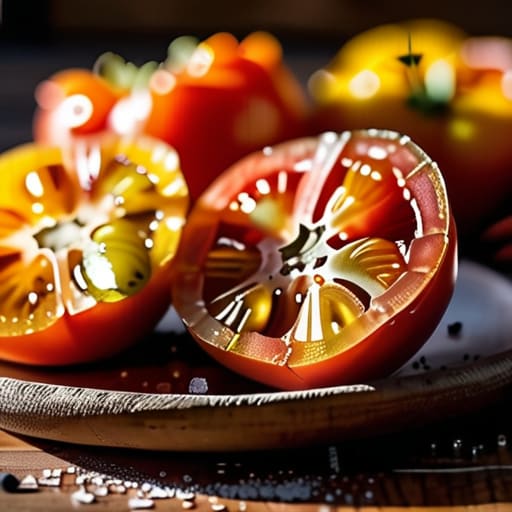
The Heirloom Tomato Ritual with sea salt.

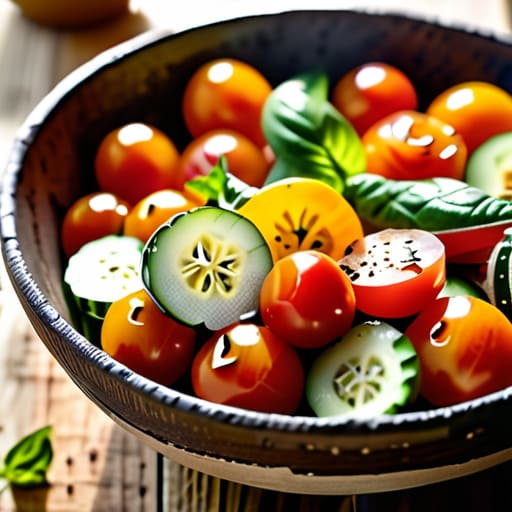
There is a specific kind of magic in a tomato that hasn’t been shipped across three time zones in a refrigerated truck. When I find a basket of those heavy, unevenly shaped heirlooms at the local farmer’s market, I feel like I’ve struck gold. I like to slice them thick, let them sit for a moment to release their juices, and simply finish them with a sprinkle of coarse sea salt and a drizzle of really good olive oil.

Watermelon and Feta Harmony

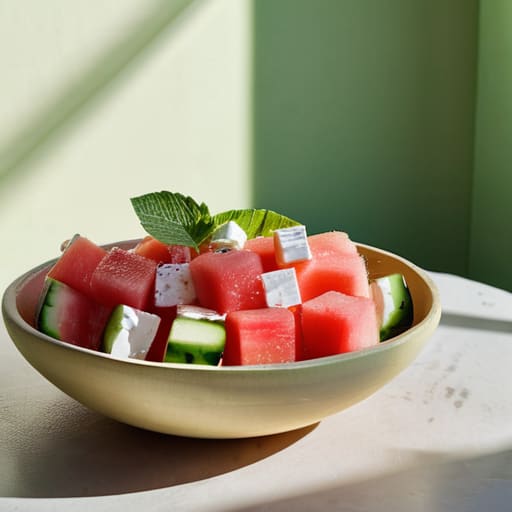
Watermelon and Feta Harmony with fresh mint.

I used to think fruit belonged in a bowl for dessert, but then I discovered the cooling power of watermelon paired with something salty. The contrast is striking—the sweetness of the melon hitting the sharp, creamy tang of the feta cheese. It’s a sensory tug-of-war that somehow finds a perfect middle ground, especially when you add a few torn leaves of fresh mint.

The Garden Cucumber Crunch

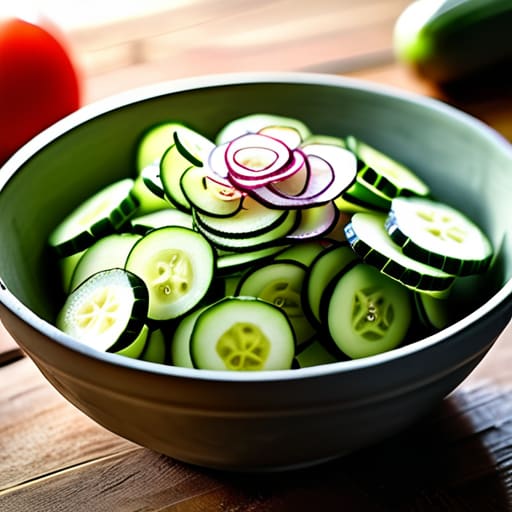
The Garden Cucumber Crunch salad with onions.

Growing up, my mother always kept a bowl of sliced cucumbers in the icebox, and that memory stays with me. For a proper summer salad, I prefer using those smaller Persian cucumbers because they have a much thinner skin and a delicate crunch that doesn’t require peeling. I toss them with a bit of red onion and a splash of white wine vinegar to give it a bit of a bite.

I’ve found that a good corn salad is essentially the taste of a Midwestern summer captured in a bowl. There is something deeply satisfying about eating corn that was still in the field just a few hours ago. I like to char the kernels slightly in a pan to bring out that smoky, caramelized sweetness before tossing them with lime juice and a bit of cilantro.

Stone Fruit and Arugula Sophistication

When the peaches and nectarines start to soften and perfume the air, I can’t resist adding them to my greens. The peppery bite of arugula provides a wonderful backdrop for the luscious, honey-like sweetness of a sliced peach. It’s a combination that feels a bit more intentional and thoughtful, something I enjoy when I have a little more time to linger over a meal.

A Few Final Thoughts Before You Step Outside

Don’t worry about perfection; a salad is at its best when it feels a bit rustic and unstudied, much like a well-loved landscape.

Use these meals as an excuse to put the phone away, sit in the shade, and actually taste the season.

Remember that the simplest ingredients—a ripe tomato or a handful of fresh herbs—are often the ones that tell the most beautiful stories.

The Art of the Slow Lunch

A summer salad isn’t just about nutrition; it’s about the way a cold tomato tastes against the heat of the afternoon, and the permission it gives you to finally sit down, put your feet up, and just be.

Bernard Oyelaran

A Final Bite of Summer

As I look back over these five different ways to dress up a bowl, I’m reminded that a salad is rarely just about the greens. Whether it’s the salty bite of feta in a watermelon mix or the earthy crunch of a grain-based bowl, each recipe is really an invitation to embrace the season. We’ve talked about textures, the importance of a bright vinaigrette, and how a bit of seasonal fruit can transform something mundane into something memorable. It isn’t about following a strict culinary formula; it’s about finding that perfect balance of flavor that makes you want to linger at the table just a little bit longer.

At the end of the day, my goal isn’t to turn you into a gourmet chef, but to encourage you to find a bit of peace in your kitchen. There is a quiet sort of magic in slicing a ripe tomato or tossing fresh herbs into a bowl while the afternoon sun hits the tabletop. Don’t be in such a hurry to finish your meal that you forget to taste it. Take a moment to notice the colors, the scents, and the way the light shifts as you eat. After all, life is best enjoyed when we slow down to savor the small, delicious details.

Frequently Asked Questions

What’s the best way to keep these salads from getting soggy if I'm packing one for a picnic or a long afternoon out?

I’ve learned the hard way that a soggy salad is a heartbreak no one needs. When I’m packing a lunch for a long afternoon of sketching, I always keep the dressing in a small, separate jar. Toss the greens with the vinaigrette only when you’re actually ready to sit down and eat. If you’re using hearty things like chickpeas or cucumbers, layer them at the bottom of the container; they don’t mind the moisture as much.

Are there any particular dressings you’ve found that really bring out the flavor without overpowering the fresh vegetables?

I’ve always found that less is usually more. When the vegetables are truly fresh, you don’t want to drown them in something heavy or sugary. I tend to stick to a simple, bright vinaigrette—just good olive oil, a splash of sherry vinegar, and a pinch of sea salt. Sometimes, a squeeze of lemon and a bit of cracked black pepper is all it takes to let the garden’s natural sweetness take center stage.

I find myself craving something a bit more substantial—is there a simple way to add protein to these without losing that light, summer feel?

I know that feeling well. When the sun is high, the last thing you want is a heavy, leaden meal that makes you want to nap immediately. For me, it’s all about adding protein that feels as light as the breeze. A handful of chilled, salted chickpeas, some flaked tuna, or even a few cubes of feta can add that necessary substance without weighing you down. It keeps you satisfied, but still light on your feet.

Habits That Promote Better Sleep Quality

I spent thirty years managing construction sites where the noise never stopped, and I used to think that if I just worked harder, I could outrun my exhaustion. I’ve seen all the modern gadgets being pushed on us lately—those expensive, glowing sleep trackers and high-tech mattresses that promise to revolutionize your life. To be honest, most of it is just expensive noise. We’ve turned the simple act of resting into a complex engineering problem that requires a subscription service, when in reality, improving sleep isn’t about adding more technology to your bedroom; it’s about stripping the chaos away.

I’m not here to sell you a miracle supplement or a piece of smart furniture. Instead, I want to share what I’ve learned by slowing down and listening to my own body during this quieter chapter of my life. I’ll be sharing a few practical, no-nonsense habits that have helped me find stillness again, from the way I wind down my evening to the simple rituals that signal to my brain that the day is done. We’re going to focus on the basics—the kind of steady, reliable wisdom that actually works when the lights go out.

Table of Contents

Softening the Light to Aid Melatonin Production Naturally

Softening the Light to Aid Melatonin Production Naturally

I’ve found that as the sun dips below the horizon, my transition into the evening should be just as gradual as the twilight itself. For years, I lived by the harsh, buzzing glow of fluorescent office lights and the sharp glare of my computer screen, never realizing how much that constant brightness was messing with my internal clock. Now, I make a point to dim the overheads well before I intend to turn in. By swapping out those bright bulbs for warmer, amber-toned lamps, I’m helping my body manage melatonin production naturally. It’s a small shift, but it signals to my brain that the workday is officially over.

It’s also worth being mindful of the devices we carry in our pockets. We often forget the blue light exposure effects that come from scrolling through news feeds right before bed; that artificial glare is a thief of rest. Instead of reaching for my phone, I prefer to sit by a small reading lamp, perhaps sketching a quick study in my notebook or turning the pages of a well-worn book. Creating this kind of gentle atmosphere allows the mind to settle, making the eventual drift into slumber feel less like a struggle and more like a quiet homecoming.

Tending Your Sleep Environment Optimization Like a Garden

Tending Your Sleep Environment Optimization Like a Garden.

I’ve always found that a well-tended garden requires more than just seeds; it needs the right soil, the right shade, and a bit of patience. I look at my bedroom the same way. For years, I treated my sleep space like a mere utility room—a place to crash after a long day of site visits. But I’ve learned that true sleep environment optimization is about more than just a decent mattress. It’s about creating a sanctuary that signals to your brain that the work day is officially over.

I started by stripping away the clutter. A messy nightstand or a pile of blueprints on the desk can create a subtle, nagging mental noise. Now, I keep the room cool and quiet, much like the stillness of a forest at dawn. I also pay close attention to minimizing blue light exposure effects by swapping out harsh overhead bulbs for warm, amber-toned lamps. It’s a small change, but it helps settle the mind. When you treat your surroundings with intention, you aren’t just preparing for rest; you are cultivating the very conditions your body needs to heal.

Five Small Ways to Quiet the Mind Before Bed

  • Treat your evening caffeine like a bridge that shouldn’t be crossed too late; I’ve found that switching to a warm chamomile tea after 3:00 PM keeps my heart rate steady and my mind ready for rest.
  • Find a rhythm in your movements, perhaps a slow walk around the block or some light stretching, to signal to your body that the heavy lifting of the day is officially over.
  • Leave the digital noise at the door by setting aside your phone at least an hour before sleep; instead, pick up that old paperback or perhaps spend a few minutes sketching in my leather notebook.
  • Don’t force the slumber, but rather invite it; if you find yourself tossing and turning, get up and sit quietly in a dim room until the restlessness passes, rather than fighting a losing battle with the clock.
  • Establish a predictable “closing ceremony” for your day, whether it’s a warm bath or a few minutes of quiet reflection, to tell your brain that the world can wait until tomorrow.

A Few Thoughts to Carry With You

Think of your evening ritual as a slow descent rather than a sudden stop; let the lights dim and the pace of your house settle long before your head hits the pillow.

Treat your bedroom like a sanctuary for rest, keeping it cool and quiet, much like the way one might prepare a workspace for a delicate task.

Don’t be too hard on yourself if some nights are restless; sometimes the best thing you can do is simply breathe and wait for the morning to arrive.

The Quiet Transition

Sleep isn’t a switch you flip at the end of a long day; it’s more like the slow, golden descent of the sun—a gradual softening of the world that requires us to stop rushing and finally let the day settle.

Bernard Oyelaran

The Quiet Descent into Rest

The Quiet Descent into Rest sanctuary.

As I sit here by the window, watching the shadows stretch across my desk, I’m reminded that rest isn’t something you can force; it’s something you invite. We’ve talked about the practicalities—dimming the lamps to let your body find its natural rhythm and tending to your bedroom like a well-kept garden. Whether it’s the temperature of the air or the absence of that harsh, blue light from a screen, these small adjustments act as gentle signals to your nervous system. It isn’t about perfection or following a rigid engineering manual, but rather about creating a sanctuary where the day can finally fold itself up and tuck itself away.

At the end of the day, I’ve learned that we spend far too much of our lives rushing toward the next task, often at the expense of our own peace. Sleep is perhaps the most profound way we can honor ourselves. Don’t view these changes as another chore on an endless to-do list, but as a way to reclaim your stillness. As you turn off the lamp tonight, try to let go of the day’s heavy lifting. Let the world spin on without you for a few hours, and remember that tomorrow will wait as long as you need it to.

Frequently Asked Questions

Is it worth investing in a heavy weighted blanket, or is that just another modern gadget I don't really need?

I’ve often wondered if we’re just buying our way out of problems these days, but the weighted blanket is one I’d actually defend. There’s something about that gentle, steady pressure—much like a heavy quilt from my grandmother’s house—that seems to quiet a racing mind. If you struggle to settle into yourself at night, it’s worth the investment. It isn’t a gadget; it’s just a way to feel a bit more grounded.

I’ve heard people talk about "digital sunsets," but how do you actually stop the urge to check the news before bed?

I used to do the same thing—scrolling through headlines until my eyes burned. It’s a hard habit to break because the news feels urgent, even when it isn’t. I found that if I leave my phone in the kitchen charger an hour before bed, the temptation fades. Instead, I reach for that old Leica or my notebook. If you give your hands something tactile to do, the digital itch starts to subside.

Does the temperature of the room really make that much of a difference, or am I overthinking the details?

You aren’t overthinking it at all. In my engineering days, we knew that even a slight shift in thermal equilibrium could change the entire integrity of a system. Sleep is much the same. I’ve found that a room that’s a bit too warm acts like a heavy wool blanket you can’t shake off—it keeps your mind restless. Aim for a cool, crisp air; it signals to your body that it’s finally time to settle.

Connecting With Food Through Sustainable Travel

I was sitting in a small café in the Loire Valley last Tuesday, sketching the way the light hit a weathered stone wall, when I realized how much we’ve overcomplicated the idea of eating well. Everywhere you look lately, people talk about sustainable food as if it’s some expensive, high-tech puzzle that requires a PhD and a massive bank account to solve. They make it sound like a luxury reserved for the elite, wrapped in fancy labels and priced far beyond the reach of a regular person just trying to get through a Tuesday. It’s a lot of noise and marketing, and frankly, it’s exhausting.

I’m not here to sell you on some expensive lifestyle trend or a list of impossible rules. Instead, I want to share what I’ve learned by slowing down and actually looking at where our meals come from. I’ll be sharing some straightforward, practical ways to embrace sustainable food that focus on simplicity and seasonal rhythms rather than perfection. We’re going to talk about real food, real people, and how you can make better choices without losing your mind—or your budget—in the process.

Table of Contents

The Gentle Grace of Seasonal Eating Benefits

The Gentle Grace of Seasonal Eating Benefits.

There is a certain quiet satisfaction in knowing that what is on my plate was meant to be there right now. When I sit down at a small bistro in the countryside, I don’t look for exotic imports; I look for what the earth is currently offering. Embracing the seasonal eating benefits means more than just getting better flavor—though, believe me, a tomato grown in the peak of July tastes nothing like one shipped from halfway across the globe in a plastic crate. It’s about aligning my own rhythm with the natural world.

Beyond the taste, there is a profound sense of peace that comes from simplifying my choices. By focusing on what is local and in season, I find myself naturally reducing food waste at home because I am buying ingredients that are actually at their best, rather than forcing them to last through a long, artificial shelf life. It turns a mundane chore like grocery shopping into a way to participate in something larger. It isn’t about being perfect or following a strict set of rules; it’s just about making a conscious effort to honor the cycle of the seasons.

Why Regenerative Agriculture Practices Heal the Soul

Why Regenerative Agriculture Practices Heal the Soul

I spent most of my career looking at blueprints and concrete, focusing on how to build things that last. But lately, I’ve found myself thinking more about how we restore what’s already there. There is something deeply restorative about supporting regenerative agriculture practices. When a farmer works with the land rather than against it—nurturing the soil instead of just stripping it for yield—you can almost feel that intention in the food. It’s a different kind of engineering, one that works in harmony with nature’s own rhythms.

Eating food grown this way feels like a quiet act of repair. It’s not just about the chemistry of the soil; it’s about the connection we reclaim to the earth. When I sit at a small wooden table in a new town, tasting a tomato that actually tastes like the dirt it grew in, I realize that healing the land and healing ourselves are often the same pursuit. It turns a simple meal into a way of participating in a larger, more thoughtful cycle of life.

Small Steps Toward a More Meaningful Plate

  • Start by looking at what’s actually growing nearby. I’ve found that when I stop hunting for strawberries in December and start embracing the hearty root vegetables of winter, the food just tastes more honest.
  • Visit your local farmer’s market, not just for the groceries, but for the conversation. There’s a certain kind of peace that comes from shaking the hand of the person who actually pulled your carrots out of the dirt.
  • Learn to love the “ugly” produce. A bruised apple or a crooked carrot doesn’t lack character; it’s just proof that it grew in real soil without being pampered by a factory.
  • Cook in smaller batches more often. It keeps your kitchen from feeling like a warehouse and encourages you to really focus on the textures and aromas of a single, well-made meal.
  • Keep a little notebook of what you eat and how it makes you feel. Much like my sketches of the landscape, noting which seasonal meals brought you a bit of quiet joy helps you find your way back to what truly nourishes you.

Small Steps Toward a Fuller Table

Stop looking for perfection in the grocery aisle and start looking for the rhythm of the seasons; eating what is currently growing is the simplest way to reconnect with the earth.

Realize that supporting regenerative farming isn’t just a political statement or a scientific necessity, but a way to honor the soil that feeds us and the hands that tend it.

Make a conscious effort to slow down during your meals, because when we choose food grown with intention, we aren’t just eating—we are participating in something much larger than ourselves.

A Lesson from the Soil

“I’ve learned that when you respect the rhythm of the land, the food rewards you with a depth of flavor that no supermarket shelf can ever replicate; it’s a quiet conversation between the earth and the table.”

Bernard Oyelaran

A Final Thought from the Table

A Final Thought from the Table.

Looking back at what we’ve discussed, it’s clear that sustainable food is about much more than just a list of ingredients or a set of environmental standards. It’s about the connection between the soil, the farmer, and the person sitting at the table. By choosing to eat with the seasons and supporting regenerative practices, we aren’t just protecting the land; we are reclaiming a sense of rhythm and purpose that modern life so often strips away. It turns a simple chore—like grocery shopping—into a meaningful act of stewardship that honors both the earth and our own well-being.

As I sit here in this small cafe, watching the light shift across the cobblestones, I’m reminded that we don’t need to change the whole world overnight to make a difference. We just need to be more intentional with the choices we make right in front of us. Whether it’s buying a crate of heirloom tomatoes from a local grower or simply taking a moment to appreciate the texture of a piece of crusty, artisanal bread, these small decisions add up. So, the next time you sit down to eat, I encourage you to slow down and truly taste the story behind your meal. You might find that the most nourishing thing on your plate is the peace that comes with being truly present.

Frequently Asked Questions

How can I start incorporating more sustainable choices into my diet without feeling overwhelmed or breaking my budget?

Don’t try to overhaul your entire pantry overnight; that’s a recipe for frustration. Start small, like choosing one local vegetable at the farmer’s market each week, or swapping out a processed snack for something simple like seasonal fruit. I’ve found that buying staples in bulk and cooking more from scratch actually keeps the budget steady. It isn’t about perfection—it’s just about making one better choice at a time.

Are there specific local markets or community programs you've found that make it easier to access truly seasonal produce?

I’ve found that the best way to start is by hunting down your local farmers’ market, ideally on a Saturday morning when the air is still cool. I tend to gravitate toward the smaller stalls—the ones where the farmer can actually tell you the name of the soil their carrots grew in. I also joined a local CSA (Community Supported Agriculture) program; it’s a wonderful way to let the season dictate your menu.

Beyond just the environmental impact, have you noticed a real difference in the flavor of food grown through these slower, more natural methods?

Oh, absolutely. It’s like the difference between a recorded symphony and a live performance in a small hall. When I pick up a tomato from a local farmer’s market—one that actually spent time ripening on the vine rather than being rushed to a shipping container—the flavor is startling. It’s deep, complex, and carries a certain brightness. You can actually taste the soil and the sun. It makes you realize how much we’ve missed by rushing.

The Social Significance of Tapas Dining in Spain

I was sitting in a cramped, overly polished bistro in Madrid last autumn, watching a group of tourists stress over a menu that looked more like a math equation than a list of food. They were so preoccupied with the “correct” order of operations and the sheer cost of every little dish that they completely missed the point of tapas dining. It had become this frantic, high-stakes performance instead of what it was meant to be: a simple, unhurried way to taste a bit of everything. To me, that’s a complete waste of a perfectly good evening.

I’m not here to give you a lecture on etiquette or a guide to the most expensive spots in town. Instead, I want to share how you can actually use the concept of small plates to slow down and breathe. I’ll walk you through the practical side of things—how to choose your dishes without the headache and how to turn a meal into a genuine moment of connection. My goal is to help you navigate the experience so you can stop worrying about the logistics and start focusing on the flavors and the company.

Table of Contents

Finding Soul in Traditional Spanish Appetizers

Finding Soul in Traditional Spanish Appetizers.

There is a certain honesty in a dish that doesn’t try too hard. When I sit down in a dimly lit corner of a tavern in Seville, I’m not looking for culinary acrobatics; I’m looking for the soul of the place. The best traditional Spanish appetizers usually rely on just a handful of authentic tapas ingredients—a splash of good olive oil, a pinch of sea salt, or a slice of aged Manchego. There is a profound beauty in how a simple plate of Marcona almonds or some salt-cured jamón can tell the story of the land it came from.

As I sit here sketching the way the light hits my glass, I’ve noticed that the real magic lies in the rhythm of the meal. You’ll often hear people debate tapas vs pintxos, but to me, the distinction matters less than the spirit of the act. Whether it’s a small snack on a piece of bread or a warm dish of gambas al ajillo, it’s all about that shared connection. It’s a way of eating that demands you stay present, one small, flavorful bite at a time.

Navigating the Soft Nuances of Tapas vs Pintxos

Now, if you find yourself wandering through the narrow, cobblestone streets of San Sebastián, you might notice a subtle shift in how people eat. This is where the distinction between tapas vs pintxos becomes more than just a linguistic quirk; it’s a different rhythm of life. While tapas are often served as small plates to be shared among a group at a table, pintxos are those little architectural wonders perched atop a slice of bread, held together by a toothpick. I’ve found that while tapas invite a long, seated conversation, pintxos encourage a certain playful movement, hopping from one crowded bar to the next to find that one perfect bite.

Understanding this bit of social dining etiquette makes the whole experience much smoother. With tapas, you’re looking for a steady anchor for your evening—perhaps a shared plate of garlic prawns or patatas bravas. With pintxos, it’s more of a scavenger hunt. You don’t sit down for an hour; you grab a small glass of cider, pick your treasures, and keep moving. It’s a beautiful, chaotic dance that reminds me why I love traveling: it forces you to be entirely present in the moment.

A Few Lessons Learned from a Half-Empty Plate

  • Don’t be afraid to stand. In many of the smaller, more authentic spots, the stools are narrow and the tables are non-existent. Embrace the bustle; there’s a certain energy in standing shoulder-to-shoulder with locals that you just won’t find in a cushioned booth.
  • Order in waves, not all at once. The beauty of tapas is the rhythm. Start with something light, like olives or a bit of Manchego, and let the next round happen naturally as the conversation flows. It keeps the meal from feeling like a marathon.
  • Follow the crowd, but use your eyes. If you see a group of locals huddled around a specific counter, take note. They usually know which kitchen is turning out the best croquetas that afternoon.
  • Keep a little extra cash in your pocket. Many of the best little holes-in-the-wall prefer the simplicity of coins and small bills, and it makes the process of hopping from one bar to the next much smoother.
  • Put the phone away. I know it’s tempting to snap a photo of every beautiful plate, but once or twice is plenty. The real magic of a tapas crawl is in the shared laughter and the way the flavors linger long after the plate is cleared.

A Few Thoughts to Carry With You

Don’t let the menu overwhelm you; the best way to experience tapas is to order a little bit of everything and let your palate lead the way.

Remember that the setting matters just as much as the food—look for those small, tucked-away spots where the conversation flows as easily as the wine.

Treat the meal as an event, not a task. Put the phone away, lean into the company you’re with, and let the afternoon unfold at its own pace.

The Rhythm of the Table

Tapas aren’t just small plates of food; they are an invitation to stop checking your watch and start checking in with the people across from you. It’s the slow, beautiful realization that a meal doesn’t have to be a destination, but a way to wander through a conversation, one shared bite at a time.

Bernard Oyelaran

The Beauty of the Shared Plate

The Beauty of the Shared Plate.

As I sit here in this little corner cafe, sketching the way the afternoon light hits my empty olive dish, I’m reminded that tapas is so much more than just a culinary style. It’s a way of navigating the world. We’ve looked at how the traditional Spanish appetizers carry the weight of history, and how the subtle shift from tapas to the more intricate pintxos can change the entire rhythm of an evening. Whether you are standing at a crowded bar in San Sebastián or sitting quietly at a wooden table in Madrid, the goal remains the same: to embrace a variety of flavors and a sense of community. It isn’t about filling your stomach; it is about nourishing the spirit through small, intentional bites.

If there is one thing I have learned from my years of managing heavy machinery and tight deadlines, it is that we often miss the best parts of life because we are too busy looking at the clock. Tapas dining is a gentle protest against that rush. It invites you to linger, to talk, and to let the conversation flow as easily as the wine. So, the next time you find yourself at a table, I urge you to put your phone away and simply be present. Don’t just eat; savor the moment, one small plate at a time.

Frequently Asked Questions

Is it better to stick to one lively bar for a few rounds, or is the real magic in moving from place to place?

There’s a certain comfort in finding a lively corner, settling in, and letting the staff get to know your name. But if you ask me, the real magic happens when you keep moving. I like to call it a slow stroll with a purpose. Each new doorway offers a different scent, a different light, and a different rhythm. Wander a bit, try one thing, and then let the evening carry you elsewhere.

How much should I expect to spend if I'm looking for a full meal rather than just a quick snack?

Now, if you’re looking to turn a few nibbles into a proper, soul-warming meal, you’ll want to budget a bit more. I’ve found that once you move past the quick snacks and start ordering several substantial plates—perhaps some garlic prawns followed by a hearty portion of Iberico pork—along with a decent carafe of house wine, you should expect to spend somewhere between thirty and fifty euros per person. It’s worth every cent for the company and the pace.

Are there certain types of tapas I should look out for if I'm traveling through smaller, more rural towns?

When you drift away from the bustling cities and into the smaller villages, look for what the locals call “tapas de la casa”—the house specialties. You’ll find less flash and more heart here. Keep an eye out for seasonal preserves, local cheeses, or perhaps a simple plate of cured meats that taste of the very hills surrounding you. These aren’t just snacks; they are a direct map of the local landscape.

Using Yoga to Manage Daily Stress

I remember sitting in my truck outside a massive construction site back in ’94, my hands shaking slightly from too much caffeine and the sheer weight of a million-dollar deadline looming over me. I used to think that if I just worked harder or planned more precisely, I could outrun that tightness in my chest, but I was wrong. People try to sell you these expensive, high-tech retreats or complicated spiritual journeys as the only way to find peace, but frankly, that’s just more noise. The truth is, finding effective yoga for stress doesn’t require a designer mat or a mountain top; it’s really just about reclaiming your own breath when the world gets too loud.

I’m not here to teach you how to twist yourself into a pretzel or spout any nonsense about chakras. I want to share what I’ve learned from a life of heavy lifting and high stakes: how to use a few simple, grounded movements to quiet the mind. I promise to give you a straightforward approach to movement that fits into a real, busy life. We aren’t racing toward perfection here; we’re just looking for a little more stillness in the chaos.

Table of Contents

The Quiet Magic of Cortisol Reduction Through Yoga

The Quiet Magic of Cortisol Reduction Through Yoga

I remember back in my engineering days, when a project deadline loomed, my body would feel like a bridge under too much tension—tight, vibrating, and ready to snap. That’s essentially what happens when stress stays lodged in our systems. We talk about it often, but the science behind cortisol reduction through yoga is what really struck me when I started this journey. It isn’t just about stretching muscles; it’s about signaling to your internal chemistry that the storm has passed.

When you settle into gentle restorative yoga poses, you aren’t just resting; you are actively inviting your nervous system to downshift. I’ve found that by focusing on the rhythm of my breathing, I can almost feel that frantic, buzzing energy begin to settle. It’s a way of tapping into the mind-body connection benefits that we so often ignore in our rush to stay productive. Instead of fighting against the tension, you learn to breathe right through it, letting the stillness do the heavy lifting for you.

Finding Calm via Mind Body Connection Benefits

Finding Calm via Mind Body Connection Benefits

I’ve spent much of my life focused on the structural integrity of bridges and highways—making sure everything was rigid and held fast against the elements. But as I’ve gotten older, I’ve realized that humans aren’t built like steel and concrete. We can’t just brace ourselves against tension indefinitely without eventually cracking. This is where the mind-body connection benefits really start to settle in for me. When I’m on the mat, I’m not just stretching my hamstrings; I’m learning to listen to the subtle signals my body sends when my mind is spinning too fast.

It’s a strange, wonderful thing to realize that a simple physical movement can quiet a racing thought. I often find that focusing on breathwork for anxiety relief acts like a manual override for my nervous system. By syncing my inhales with a slow, steady movement, I can almost feel the static in my head begin to clear. It isn’t about achieving some perfect, pretzel-like posture; it’s about that quiet moment of recognition when you realize your shoulders have finally dropped away from your ears and you are, for once, truly present.

A Few Simple Ways to Bring the Practice Home

  • Don’t worry about the fancy gear or a studio membership; just find a quiet corner of your living room and a bit of floor space. Even a worn-out rug will do, as long as it’s a place where you feel you can truly let your guard down.
  • Keep your movements slow and intentional, much like the way I approach restoring an old Leica. There is no prize for finishing a sequence quickly, so focus more on the sensation of your muscles stretching than on how much time has passed on the clock.
  • Pay close attention to your breath—that’s your anchor. When your mind starts racing toward tomorrow’s chores or yesterday’s regrets, just bring your focus back to the steady rise and fall of your chest. It’s the simplest way to find your center again.
  • Start with the basics, like a gentle Child’s Pose or a seated stretch. You don’t need to be a contortionist to reap the benefits; sometimes the most profound relief comes from the simplest, most grounded postures.
  • Treat your practice like a conversation with yourself rather than a workout. If you’re feeling particularly weary, listen to your body and dial it back. The goal isn’t to push through the tension, but to gently unwrap it.

A Few Things to Carry With You

You don’t need a perfect pose or an hour of silence to see the benefits; even five minutes of focused breathing in a quiet corner can act like a reset button for a cluttered mind.

Treat your practice like one of my old camera restorations—it’s not about the finished product, but about the patience and the steady, careful attention you give to the process.

Listen to your body’s rhythm rather than forcing a movement; sometimes the most productive thing you can do for your wellbeing is to simply slow down and exist in the stretch.

A Different Kind of Engineering

“In my old life, I was always focused on how to make structures withstand the heavy pressure of the world. But I’ve learned that we aren’t made of steel and concrete; we’re much more delicate. Yoga isn’t about forcing your body into a shape, it’s about building a quiet kind of internal strength that lets the pressure pass right through you without breaking anything.”

Bernard Oyelaran

Finding Your Own Pace

Yoga for finding your own pace.

As I look back on everything we’ve discussed, it’s clear that yoga isn’t about achieving a perfect pose or twisting yourself into a pretzel. It’s really about the mechanics of how we handle the pressure of the world. By understanding how we can lower those cortisol levels and reconnect the mind to the body, we move away from that frantic, “always-on” state that so many of us fall into. Whether it’s a deep stretch after a long day or a few moments of focused breathing, you are essentially recalibrating your internal compass to find your way back to center.

I’ve learned over the years, both on construction sites and in quiet gardens, that you can’t rush a foundation into setting; it needs time and stillness to hold. Your well-being is much the same. Don’t treat your practice like another chore on a never-ending to-do list. Instead, treat it like that first sip of coffee in the morning or the way the light hits a landscape through an old camera lens. Just show up for yourself, even if it’s only for five minutes. In the end, it isn’t about how flexible you are, but about how much peace you can carry with you when you finally step off the mat and back into the world.

Frequently Asked Questions

Do I really need to be flexible or able to touch my toes to see any benefits?

Not in the slightest. I’ve spent plenty of mornings feeling as stiff as a rusted bridge joint, and I can tell you, the mat doesn’t care about your reach. If you can’t touch your toes, don’t sweat it; just reach as far as feels honest. The goal isn’t to become a contortionist, but to find a bit of space in your own skin. It’s about the breath, not the bend.

How much time do I actually need to set aside each day to feel a difference in my stress levels?

I used to think everything required a massive blueprint and a rigid schedule, but I’ve learned that’s not how peace works. You don’t need an hour-long session to see a change. Honestly, even fifteen minutes of intentional movement can shift your entire perspective. It’s about consistency, not duration. Just find a small pocket of time—maybe before the coffee is even finished—and let yourself settle into the stretch. Small, steady steps always win.

Can I practice these movements at home on my own, or is it better to join a guided class?

Honestly, there’s no wrong answer here, but I’ve found that it depends on what your soul is asking for. If you’re feeling a bit lost, a guided class provides a lovely bit of structure and a sense of community. But if you just need to retreat into yourself, there is something deeply restorative about rolling out a mat in your own living room, in your own time, without any pressure to keep up with anyone else.

Discovering Culture Through Local Food Tours

I was sitting in a crowded plaza in Florence last spring, watching a group of tourists shuffle along like they were on a factory assembly line, clutching printed itineraries and checking their watches every thirty seconds. They were part of one of those polished, high-priced local food tours that promised the “authentic soul of Italy” but mostly just delivered overpriced appetizers and a lecture from a guide who sounded like he was reading a textbook. It felt wrong. To me, food isn’t something you check off a list between museum visits; it’s the rhythm of the city itself, something you should feel in your bones, not something you rush through to make a reservation.

I’m not interested in the glossy brochures or the companies that treat dining like a scheduled pit stop. In the pages ahead, I want to share how you can find the real deal—the kind of meals that happen when you follow the scent of toasted spices down a side alley or sit on a rickety stool in a kitchen that hasn’t changed in forty years. I’ll give you my honest, no-nonsense take on how to navigate local food tours so you can spend less time following a flag and more time savoring the details.

Table of Contents

Finding Connection Through Authentic Street Food Experiences

Finding Connection Through Authentic Street Food Experiences

Finding Connection Through Authentic Street Food Experiences

I’ve always found that the best way to understand a place isn’t by staring at a monument, but by standing on a crowded corner, waiting for a paper plate of something steaming and delicious. There is a certain magic in these authentic street food experiences that a white-tablecloth restaurant simply cannot replicate. When you’re standing shoulder-to-shoulder with locals, sharing a cramped wooden bench or a bit of sidewalk space, the barriers of language and culture seem to melt away. It’s just people, hungry and happy, finding common ground over a shared spice or a perfectly grilled skewer.

I tend to steer clear of the polished, pre-packaged itineraries that most travelers lean on. Instead, I look for those hidden gem eateries tucked into alleyways where the menu is handwritten and the chef is likely the owner. These are the moments where true cultural immersion through food happens—not through a guidebook, but through the sensory overload of sizzling pans and the rhythmic calls of vendors. It’s unscripted, a bit chaotic, and entirely beautiful.

The Quiet Joy of Cultural Immersion Through Food

The Quiet Joy of Cultural Immersion Through Food.

There is a particular kind of magic that happens when you stop looking at a map and start following your nose. I’ve found that the most meaningful moments of cultural immersion through food don’t happen in the grand, polished dining rooms that make it into the glossy magazines. Instead, they happen in the steam of a roadside stall or the shared laughter over a communal table in a cramped kitchen. It’s about that sudden, unscripted realization that you aren’t just a spectator anymore; you are part of the rhythm of the place.

I often find myself ducking into hidden gem eateries simply because the light hits the storefront a certain way, or because the scent of toasted spices feels like an invitation. These aren’t just stops on a checklist; they are small, delicious anchors that hold you to the present moment. When you sit there, perhaps with my old notebook open on the table, you realize that these flavors are the true language of a culture. You don’t need a translator when a perfectly seasoned broth tells you everything you need to know about the history and the heart of the people living right in front of you.

A Few Notes from the Table: How to Make the Most of Your Culinary Wanderings

  • Leave the itinerary at the hotel. The best bites usually happen when you stop following a map and start following your nose, or better yet, the advice of a local shopkeeper who looks like they’ve been standing behind that counter for forty years.
  • Pack a small notebook, not just for food, but for the people. I’ve found that jotting down the name of a spice or the way a vendor smiles makes the memory of the meal stick much longer than a digital photo ever could.
  • Don’t be afraid of the humble stalls. While the fancy, sit-down establishments have their place, there is a particular kind of magic in standing on a street corner, eating something out of a paper bowl, and feeling the pulse of the city around you.
  • Embrace the language barrier with a bit of grace. You don’t need to be fluent to show respect; a simple nod, a smile, and a sincere “thank you” in their tongue go a long way when you’re sharing a table with a stranger.
  • Slow your pace. If you try to hit five different food stops in two hours, you aren’t eating; you’re just refueling. Pick a few spots, sit down, watch the world go by, and actually taste the history in every bite.

Lessons from the Table

Don’t be afraid to wander away from the main squares; the best stories—and the best flavors—are usually found in the quiet side streets where the locals actually eat.

Use every meal as an opportunity to listen; a shared dish can often open doors to conversations that a guidebook could never provide.

Remember that the goal isn’t to check every restaurant off a list, but to let one good meal and a slow afternoon teach you something about the soul of a place.

The True Map of a City

“A guidebook can tell you where the landmarks are, but a local food tour shows you where the soul resides; it’s found in the steam rising from a roadside stall and the shared nod of a stranger over a bowl of something wonderful.”

Bernard Oyelaran

A Final Seat at the Table

A Final Seat at the Table cafe.

As I sit here in this small cafe, sketching the way the light hits my empty espresso cup, I’m reminded of everything we’ve discussed. Whether it’s the sudden, vibrant burst of spice from a street vendor’s stall or the quiet dignity of a family-run kitchen that has served the same recipe for generations, these tours are about so much more than just filling a plate. They are about the unseen threads that connect us to people we might never have met otherwise. We’ve seen how food acts as a bridge, turning a strange city into a familiar home and transforming a simple meal into a deeply personal connection to a new culture.

So, when you find yourself planning your next journey, I urge you to resist the urge to check every landmark off a list. Instead, leave a little room in your itinerary for the unplanned stops and the slow, lingering lunches. Don’t just visit a place; let it taste like something you’ll remember for years. At the end of the day, the most beautiful parts of travel aren’t found in the grand monuments, but in the quiet, delicious moments that happen when you finally decide to slow down and stay a while.

Frequently Asked Questions

How can I tell if a food tour is actually connecting me with locals, or if it's just another polished performance for tourists?

It’s a fair question, and one I ask myself every time I pull out my notebook. Look for the cracks in the polish. If the guide is reciting a rehearsed script in a pristine plaza, walk away. I prefer the spots where the menu isn’t translated into five languages and the proprietor is more interested in the quality of their broth than your camera lens. If you see locals sitting there, unbothered by the crowd, you’ve found the real thing.

Is it worth skipping the big organized tours to just wander the markets on my own, or am I going to miss the best hidden gems?

I’ll tell you this: the organized tours have their place, but they often follow a script. If you want the real soul of a place, you have to be willing to get a little lost. Grab a notebook, find a stall with a line of locals, and just sit. You might miss a “top-rated” landmark, but you’ll find something better—a flavor or a conversation that wasn’t on anyone’s itinerary.

How do I balance wanting to try everything with the need to actually sit down and enjoy the pace of the journey?

I used to approach projects with a checklist, thinking more was always better. But I’ve learned that a menu isn’t a marathon. My rule of thumb? Pick two “must-try” spots for the day, and leave the rest to chance. If you try to taste everything, you end up tasting nothing but haste. Give yourself permission to sit, watch the light change, and just be. The food tastes better when you aren’t racing the clock.