I remember sitting in my small apartment back in Ann Arbor, staring at a cookbook that looked more like a chemistry textbook than a guide to making dinner. It was filled with intimidating French terms and lists of specialized gadgets that seemed more important than the food itself. All that fuss made me feel like I was failing at something as simple as feeding myself, when in reality, the true cooking basics don’t require a culinary degree or a kitchen full of expensive stainless steel. I spent years managing complex infrastructure projects where precision was everything, but I’ve learned that a kitchen is less about rigid blueprints and more about learning the rhythm of the ingredients.
I’m not here to teach you how to make a soufflé or how to impress a food critic. Instead, I want to share the practical, unpretentious fundamentals that actually matter when you’re standing over a hot stove at the end of a long day. We’re going to focus on the steady, reliable skills—the kind that turn a few humble vegetables and a bit of patience into a meal that truly nourishes you. My promise to you is simple: no hype, no unnecessary complexity, just the honest, foundational steps you need to find peace in your own kitchen.
Table of Contents
Finding Calm Through the Importance of Mise en Place
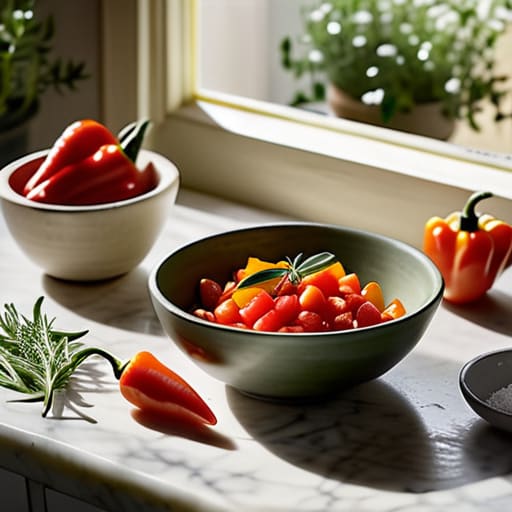
There is a particular kind of peace that comes from a cleared countertop and a tidy workspace. In my engineering days, we called it preparation, but in the kitchen, I’ve come to see it as a form of meditation. I call it mise en place—a French term that essentially means “everything in its place.” Before I even think about turning on the stove, I take my time measuring out the spices and dicing the vegetables. It’s a ritual that prevents that frantic, mid-meal scramble where you’re searching for the salt while the garlic is already turning bitter in the pan.
By honoring the mise en place importance, you shift the focus from the stress of the clock to the joy of the process. When your ingredients are prepped and waiting in small bowls, you aren’t just cooking; you are orchestrating. It gives you the mental space to focus on mastering heat control or simply watching the way the light hits the steam rising from a pot. It turns a chaotic chore into a deliberate, steady rhythm.
The Meditative Grace of Knife Skills for Beginners
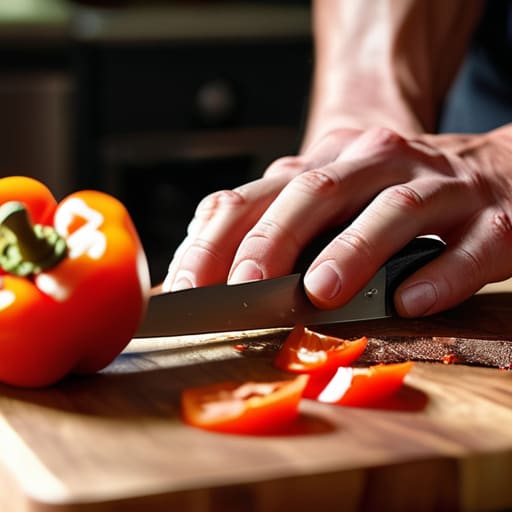
There is something deeply grounding about the rhythmic click-clack of a sharp blade against a wooden cutting board. When I first started out, I treated chopping like a chore to be finished as quickly as possible, but I’ve learned that’s a mistake. Now, I see it as a way to center myself. Developing proper knife skills for beginners isn’t just about speed; it’s about the steady, intentional movement of your hand and the focus required to keep your fingers tucked safely away. It’s a small, private dance between you and the ingredients.
As you practice, you’ll notice that the way you cut a vegetable changes how it cooks. A uniform dice ensures that everything hits the pan at the same time, which is one of those essential cooking techniques that makes the difference between a muddy stew and a vibrant meal. I often find myself lost in the pattern of it—the repetitive motion of slicing through a crisp bell pepper or dicing an onion—and suddenly, the worries of the day just seem to drift away. It’s a quiet sort of mastery that rewards you with both a beautiful plate and a calm mind.
The Small Rhythms That Make a Meal
- Don’t be afraid of the salt. I used to think a heavy hand ruined a dish, but I’ve learned that a little salt is really just a way to wake up the flavors that are already there. Sprinkle it in stages, not just at the end, and let it work its way through the ingredients.
- Learn the language of heat. A stove isn’t just an on-off switch; it’s a tool that requires a bit of intuition. Watch how the oil shimmers or how a bubble changes shape in a pan. If things are popping and spitting too aggressively, just turn it down and give it a moment to settle.
- Respect the resting period. When you take a piece of meat off the heat, the temptation is to dive right in while it’s steaming. Resist that. Give it five, maybe ten minutes on the board. It’s a bit like waiting for a sunset—the best part happens when you let things sit for a second.
- Keep your tasting spoon close. You can’t know if a sauce needs a squeeze of lemon or a pinch of pepper if you aren’t tasting as you go. It turns cooking from a set of instructions into a conversation between you and the pot.
- Embrace the mess. A clean kitchen is nice, but a kitchen that’s been used is a sign of a life well-lived. Don’t let a pile of bowls in the sink ruin your appetite. Clean up as you can, but don’t let the chores steal the joy from the meal you just created.
Small Lessons from the Kitchen Counter
Don’t view preparation as a chore to get through; see it as the quietest, most grounding part of your day.
Treat your tools with respect, whether it’s a well-balanced knife or a heavy cast iron pan, and they’ll take much better care of you.
Remember that the goal isn’t a perfect plate for a photo, but the steady, rhythmic process of creating something with your own two hands.
The Soul of the Process
Cooking isn’t about following a set of rigid instructions to reach a finish line; it’s about learning to listen to the sizzle of the pan and the scent of the herbs, understanding that the real magic happens in the quiet, patient moments between the prep and the plate.
Bernard Oyelaran
The Quiet Joy of the Kitchen
At the end of the day, mastering these basics isn’t really about producing a Michelin-star meal or impressing anyone at a dinner party. It’s about the preparation—the way a tidy workspace through mise en place clears your mind, and how the steady, rhythmic chop of a knife can act as a sort of anchor in a chaotic week. When you stop viewing cooking as a chore to be checked off a list and start seeing it as a series of small, intentional movements, the entire experience shifts. You move from merely following a recipe to truly understanding the rhythm of the ingredients in front of you.
So, the next time you find yourself standing before a cutting board, I encourage you to leave the timer and the frantic pace at the door. Don’t worry if the onions aren’t perfectly uniform or if the sauce takes a little longer than the book suggests. Just breathe, notice the scent of the garlic hitting the oil, and let the process unfold at its own speed. Cooking is one of the few places left where we can truly practice the art of lingering. After all, the best meals aren’t just defined by how they taste, but by the peace we find while making them.
Frequently Asked Questions
I've got all my ingredients prepped, but how do I know when I'm actually ready to start the heat without feeling rushed?
That’s the feeling of the clock ticking, isn’t it? My advice is to step back from the stove entirely for a moment. Once your ingredients are in their little bowls, take a breath. Check your workspace—is it clear? Is your pan ready? If everything is laid out and your mind feels steady, you aren’t rushing; you’re prepared. Only turn that dial when you feel like the conductor, not the passenger.
Is there a particular type of knife that's best for someone just starting out, or should I just stick to what I have in the drawer?
Honestly, don’t go out and buy a dozen fancy blades just yet. If you have a decent chef’s knife in that drawer, start there. A single, well-balanced eight-inch chef’s knife is the workhorse of any kitchen. It’s much better to learn the rhythm of one good tool than to struggle with a collection of mediocre ones. Just make sure it’s sharp; a dull blade is a clumsy, frustrating companion.
When I'm working through these basic techniques, how do I keep from getting overwhelmed if a recipe starts moving faster than I am?
That’s a fair question, and honestly, it’s where most of us stumble. When the heat starts climbing and the onions are sizzling faster than you can chop, the instinct is to panic. Don’t. Just turn the burner down. There is no rule saying you can’t pause. If the recipe feels like it’s sprinting, pull the pan off the heat for a minute. Breathe. The meal isn’t going anywhere, and it’s better to eat slowly than to rush and burn.
