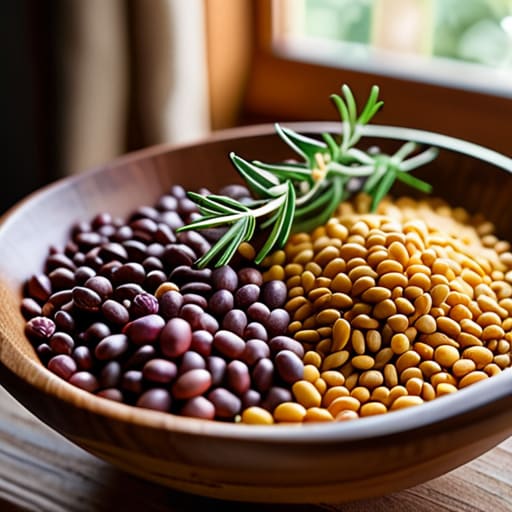
How to Cook With Ancient Grains

I was sitting in a small, sun-drenched cafe in Florence last Tuesday, watching a young man struggle with a bowl of what the menu called a “superfood medley.” He was staring at his plate as if it were a complex blueprint for a bridge, clearly baffled by the textures and the price tag. It reminded me how much we’ve overcomplicated things lately; we’ve taken simple, honest ingredients like ancient grains and wrapped them in layers of marketing nonsense and pretension. To be honest, I’m tired of seeing these staples treated like some mystical discovery rather than what they actually are: dependable, hardworking food that has sustained people for centuries.

I’m not here to sell you on a lifestyle trend or a way to “optimize” your biology. Instead, I want to share what I’ve learned through years of slow travel and even slower meals. I’ll show you how to recognize the real stuff, how to cook it without making a mess of your kitchen, and why a simple bowl of farro or spelt can be the most grounding part of your entire day. No hype, no jargon—just honest food for a life lived at a better pace.

Table of Contents

Finding Peace in Ancient Grains vs Modern Grains
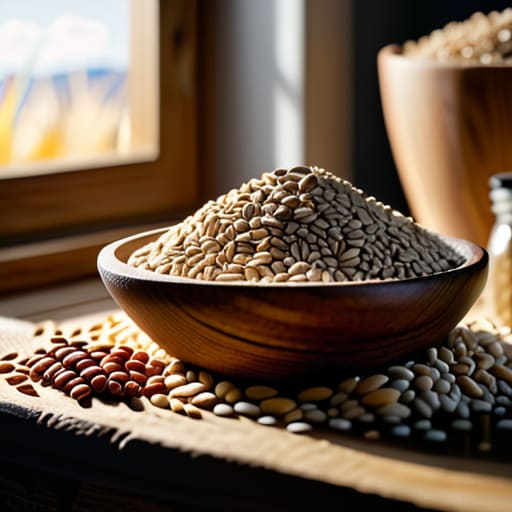
Finding Peace in Ancient Grains vs Modern Grains

I remember the days on construction sites when everything was about speed—getting the concrete poured, the steel set, and the project finished ahead of schedule. We were always racing against the clock. It’s a bit like how our modern food system works; we’ve traded character for convenience, settling for highly processed, stripped-down flours that get the job done quickly but leave us feeling hollow. When I look at the comparison of ancient grains vs modern grains, I see a similar divide. Modern wheat has been engineered for massive yields and easy processing, but it lacks the soul and the substance of the older varieties.

There is a certain honesty in things that take their time to grow. When I sit down with a bowl of warm millet or a handful of amaranth, I’m reminded that true nourishment isn’t rushed. These older seeds carry a superfood nutritional profile that hasn’t been diluted by industrial demands. They offer a texture that demands you chew, a flavor that demands you notice, and a sense of stability that a piece of white toast simply can’t provide. It’s a small, edible way to reconnect with a slower pace of life.

The Superfood Nutritional Profile of a Gentle Life
The Superfood Nutritional Profile of a Gentle Life.

I’ve never been one for the flashy, neon-colored labels you see in the supermarket aisles, promising instant miracles. To me, the true superfood nutritional profile isn’t found in a pill or a processed powder, but in the quiet integrity of a bowl of warm millet. When I sit down with a steaming dish of amaranth, I’m not just eating; I’m fueling myself with something that has survived the test of time. These tiny seeds are packed with more than just calories; they offer a steady, slow-burning energy that keeps my mind clear during a long afternoon of tinkering with my old Leica cameras.

There is a certain honesty in these fiber-rich grain varieties that modern, highly processed wheat simply lacks. I find that choosing these older staples helps me avoid that mid-afternoon slump that used to plague my working years. Whether it’s the earthy depth of quinoa or the subtle sweetness of sorghum, these foods seem to respect the body’s natural rhythm. It’s a way of practicing whole grain health benefits without making it a chore; it’s just about choosing ingredients that feel as substantial and enduring as the landscapes I try to sketch.

A Few Simple Ways to Bring These Grains into Your Daily Rhythm

  • Don’t feel you have to overhaul your entire pantry overnight. Start small, perhaps by swapping your morning oatmeal for a bowl of warm, nutty spelt or buckwheat. It’s a gentle way to let your palate adjust to those deeper, more honest flavors.
  • Patience is your best friend when cooking these. Unlike the quick-fix grains we’re used to, things like farro or barley take a bit more time on the stove. I find there’s something quite meditative about watching the water simmer while the kitchen begins to smell of earth and grain.
  • Use them as a canvas for what’s in season. A handful of quinoa tossed with roasted root vegetables or a bit of wild rice mixed with autumn squash makes for a meal that feels intentional rather than rushed.
  • Keep a little jar of toasted amaranth or millet on hand. They add a wonderful, subtle crunch to a simple yogurt or a piece of fruit, making even a quick snack feel like a moment worth pausing for.
  • Remember that these grains are meant to be enjoyed, not just “consumed.” When you sit down with a bowl, leave the phone in the other room. Let the texture and the warmth be the focus of your meal.

Small Lessons from the Grain

Choosing ancient grains isn’t just about nutrition; it’s about choosing a slower, more intentional way of eating that honors the time it takes to grow and prepare real food.

Embracing these hearty, unrefined textures helps us reconnect with the earth and find a sense of grounding that modern, processed convenience often strips away.

Let your meals be an invitation to pause—use the simple act of chewing a piece of spelt or farro as a reminder to step out of the rush and back into the present moment.

A Lesson in Patience

“Modern life tries to rush everything, even our food, but these old grains don’t care for our hurry; they demand a bit of patience and a slower simmer, reminding us that the best things in life aren’t built for speed, but for substance.”

Bernard Oyelaran

A Final Thought Before the Next Meal
A Final Thought Before the Next Meal.

Looking back at what we’ve discussed, it’s clear that choosing ancient grains is about much more than just checking off a nutritional box. It’s a conscious decision to step away from the highly processed, rushed convenience of the modern world and return to something more honest and substantial. By embracing the complex textures of spelt, millet, or farro, we aren’t just feeding our bodies with essential minerals and slow-burning energy; we are reclaiming a connection to the earth and a slower way of living. It is a way to bridge the gap between the frantic pace of today and the steady, reliable rhythms of the past.

As I sit here in this small cafe, watching the light shift across my notebook, I’m reminded that our lives are built from these small, intentional choices. You don’t need to overhaul your entire pantry overnight to make a difference. Just start with one bowl, one meal, and one moment of true presence. Whether it’s the nutty crunch of amaranth or the comforting weight of a hearty grain porridge, let it be an invitation to sit still. After all, we aren’t just consuming fuel; we are gathering the strength to savor the view.

Frequently Asked Questions

Since I'm not used to the heavier texture of grains like farro or spelt, are there any tips for preparing them so they aren't too tough on the teeth?

I remember my first encounter with spelt; I thought I’d bitten into a handful of pebbles. If the texture feels a bit too stubborn, try soaking the grains overnight in cold water before cooking. It softens the outer hull beautifully. Also, don’t be afraid to let them simmer a little longer than the package suggests—a bit of extra time in the pot goes a long way toward a gentle, tender bite.

I find myself wandering into local markets more often these days; is there a simple way to tell if these grains are truly whole and unprocessed?

I’ve learned that the best way to tell is to trust your hands and your eyes. When I’m browsing the stalls, I look for texture; truly whole grains like spelt or rye shouldn’t look uniform or polished like the stuff in a plastic bag. They should have a bit of character—varying shapes, a dusty finish, and a certain weight. If it looks too perfect, it’s likely been stripped of its soul.

For someone who enjoys a slow morning, which of these grains work best for a warm, comforting porridge rather than just being tossed into a salad?

If you’re looking to start your morning with a bit of stillness, I’d steer you toward steel-cut oats or farro. There’s a real, honest satisfaction in the way steel-cut oats bloom on the stove; they take their time, but the texture is worth the wait. Farro is lovely too—it has a wonderful, nutty chew that feels substantial. Both make for a warm, grounding bowl that invites you to just sit and breathe.
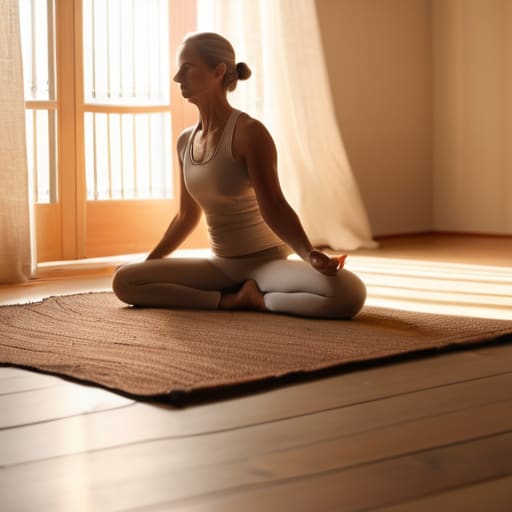
Starting Your Day With Morning Yoga

I’ll be honest with you: when I first heard the term “morning yoga,” I rolled my eyes harder than a rusted gear on an old Leica. I pictured those expensive, high-tech studios with the neon lights and the instructors telling you to “align your chakras” while you struggle to touch your toes. To a retired engineer who spent decades dealing with the hard, unyielding realities of steel and concrete, that whole scene felt like a lot of unnecessary fluff. I didn’t need a designer mat or a subscription to a wellness app to find some peace; I just needed a way to stop my joints from creaking like a settling foundation the moment I stepped out of bed.

I’m not here to sell you on a spiritual transformation or a way to become a human pretzel. What I want to share is how a few simple, unpretentious movements have become my way of claiming the day before the rest of the world starts shouting. I’ve stripped away the jargon and the hype to focus on what actually works for a body that’s seen its fair share of miles. This is about using practical movement to find a little bit of stillness, ensuring that when I finally sit down with my coffee, I’m actually present enough to enjoy it.

Table of Contents

A Gentle Morning Stretches Ritual to Savor

A Gentle Morning Stretches Ritual to Savor.

I don’t expect to end up in a complicated pose or twisting myself into a pretzel. For me, it’s really just about a few gentle morning stretches to shake off the stiffness that comes with age. I usually start right there on the rug, letting my spine lengthen slowly. There is something deeply grounding about focusing on the sensation of my breath before the rest of the world starts demanding my attention. It’s less about the workout and more about a mindful morning movement that signals to my body that the day has officially begun.

Once I feel a bit more fluid, I like to move through a few slow, deliberate motions. I’ve found that incorporating a simplified version of the sun salutation helps quite a bit; the sun salutation benefits are hard to deny when you’re trying to wake up your muscles without overtaxing them. It isn’t a race to reach the finish line, but rather a way to find a bit of yoga for joint mobility that carries me through my morning walk. I just take it one movement at a time, enjoying the quiet.

Sun Salutation Benefits for a Quiet Soul

Sun Salutation Benefits for a Quiet Soul

I used to think that movement had to be strenuous to count—something that left you breathless and sweating before the first cup of coffee. But as I’ve gotten older, I’ve learned that there is a profound difference between working your body and simply waking it up. This is where the sun salutation comes in. It isn’t about perfect form or looking like a gymnast; for me, it’s a rhythmic way to greet the light. Incorporating these flows into a morning yoga routine for beginners allows you to find a steady cadence that mirrors the rising sun itself.

There is a particular magic in the way the sequence flows from one pose to the next. As I move through the transitions, I feel a sense of mindful morning movement that settles the mental clutter from the night before. Beyond the physical stretch, the real sun salutation benefits lie in that quiet internal shift—a gradual awakening of the senses. It provides a natural yoga for energy boost that feels much more sustainable than a caffeine jolt, leaving me steady and ready to observe the world with clear eyes.

A Few Simple Ways to Keep Your Practice Grounded

  • Don’t worry about the fancy poses you see on those glowing screens; just focus on how your muscles feel when you reach for the sky. If it feels good, you’re doing it right.
  • Keep your mat in a spot where the morning light hits just right. There’s something about that soft, early sun that makes it much easier to stay present and quiet.
  • Treat your breath like a steady metronome. I’ve found that matching my movement to a slow, rhythmic inhale and exhale keeps my mind from racing toward the day’s to-do list.
  • Listen to your body’s “engine,” so to speak. Some mornings you’ll feel as sturdy as a bridge, and other days you’ll feel a bit creaky—and both are perfectly fine.
  • Keep a small glass of water and your notebook nearby. If a particularly good thought or a sense of peace hits you mid-stretch, you can jot it down before the world gets too loud.

A Few Thoughts to Carry With You

Don’t worry about being flexible or looking like a professional; it’s more about how the movement feels in your own body than how it looks to anyone else.

Treat your morning practice like a slow cup of coffee—something to be savored and respected, rather than another task to check off a list.

Use these quiet moments to anchor yourself before the world starts rushing in, giving you a little bit of steady ground to stand on all day long.

The Quiet Before the Rush

I used to think productivity was about how much ground you could cover before noon, but these morning stretches have taught me something different; it’s about finding a bit of steady ground within yourself before the rest of the world starts pulling at you.

Bernard Oyelaran

Finding Your Own Rhythm

Finding Your Own Rhythm through morning stretches.

As I sit here with my notebook, watching the light shift across the floor, I’m reminded that these morning stretches aren’t about hitting a certain pose or achieving perfect flexibility. It’s really just about the intentional transition from sleep to wakefulness. Whether you are moving through a full sun salutation or simply reaching for the ceiling to feel the stretch in your spine, the goal is the same: to acknowledge your body and give it a moment of grace before the world starts demanding things from you. We’ve talked about the physical benefits and the mental clarity that comes with it, but at its heart, it is simply about creating a small pocket of peace in an otherwise frantic schedule.

If you’re feeling hesitant to start, my advice is to keep it simple. You don’t need a fancy studio or a complicated routine; you just need a bit of floor space and the willingness to be still. Life has a way of moving far too fast, and if we aren’t careful, we spend our entire lives sprinting toward a finish line that doesn’t exist. Use these quiet moments to anchor yourself in the present. After all, the most important part of the day isn’t what you accomplish by noon, but how you choose to greet the morning.

Frequently Asked Questions

Do I really need a fancy mat and expensive gear to get started, or can I just use the rug in my living room?

Honestly, you don’t need a single piece of fancy equipment to start. I’ve spent plenty of mornings practicing right on the rug in my living room, and it’s worked just fine. If the surface is stable and doesn’t slide, that’s all that matters. Don’t let the thought of buying expensive gear become another thing on your to-do list. Just find a quiet patch of floor and begin. The practice is in the movement, not the mat.

Is it possible to do these stretches if my joints feel a bit stiff from years of hard work?

Oh, I know that feeling well. After thirty years of hauling gear and managing job sites, my knees and lower back certainly have a way of reminding me of the work I’ve done. Please, don’t push through sharp pain. Think of it more like warming up an old engine; move slowly, listen to what your body is telling you, and only go as far as feels comfortable. It’s about the movement, not the flexibility.

How long should I actually spend on this before it starts feeling like another chore on my to-do list?

That’s a fair question. I used to approach everything like an engineering project—fixed timelines, strict deadlines. But if you start timing your stretches with a stopwatch, you’ve already lost the point. Don’t aim for a perfect hour. Even fifteen minutes of quiet movement is plenty. If it starts feeling like a box to check, stop. Walk away. Come back when it feels less like a task and more like a gift.

The Calming Influence of Zen Gardening Principles

I spent thirty years looking at blueprints and managing massive concrete pours, so I have a low tolerance for anything that feels like unnecessary fluff. Lately, I’ve seen a lot of folks treating zen gardening like it’s some high-priced, mystical ritual that requires expensive imported stones and a degree in philosophy just to get started. It’s a bit ridiculous, isn’t it? You don’t need a mountain retreat or a designer budget to find a bit of peace; you just need a patch of dirt and the willingness to actually sit still for five minutes.

In the pages ahead, I’m not going to sell you on any complicated spiritual enlightenment or overpriced landscaping trends. Instead, I want to share what I’ve learned from my own quiet mornings spent with a rake in hand. I’ll give you the straightforward, practical side of zen gardening—the kind of honest, hands-on approach that focuses on the rhythm of the work rather than the perfection of the result. We’re going to look at how to build a small sanctuary that serves your soul, not your social media feed.

Table of Contents

Finding Mindfulness Through Gardening in the Morning Light

Finding Mindfulness Through Gardening in the Morning Light

There is a particular kind of stillness that only exists at six in the morning, just as the sun begins to pull the mist off the ground. I usually find myself out there with a cup of black coffee, watching how the light hits the stones. There is something about the way the early rays catch the edges of the rocks that makes you realize why zen garden rock placement isn’t just about aesthetics; it’s about balance. When the world is still asleep, you aren’t rushing to meet a deadline or manage a crew. You are simply present with the earth.

As I begin the work, I find that the repetitive motion of the rake becomes a sort of moving meditation. I don’t aim for perfection, but I do pay attention to the raking sand patterns meaning—the way a single line can represent a ripple in a pond or the steady flow of a river. It’s a way of practicing mindfulness through gardening without ever having to sit still in a formal pose. By the time the sun is fully up, my mind feels as clear and uncluttered as the garden itself.

Minimalist Garden Aesthetics and the Beauty of Less

Minimalist Garden Aesthetics and the Beauty of Less

There’s a tendency in our modern world to think that more is better—more gadgets, more noise, more clutter. But as I’ve spent more time sitting by my small garden patch, I’ve realized that there is a profound strength in restraint. When I look at the minimalist garden aesthetics that define these spaces, I don’t see emptiness; I see intention. It’s about stripping away the distractions until only the essential remains.

I’ve been studying some of the traditional dry landscape design principles lately, trying to apply them to my own little corner of the world. It isn’t just about tidiness; it’s about the way a single, weathered stone can command the attention of an entire space. I find myself spending long stretches just considering the zen garden rock placement, wondering how the weight of a stone might balance the lightness of the gravel around it. There is a quiet dignity in a garden that doesn’t feel the need to shout for your attention, but instead waits patiently for you to notice its subtle, steady rhythm.

A Few Lessons from the Rake and the Stone

  • Don’t rush the patterns. When I’m working on the gravel, I find that if I try to finish the whole garden at once, the lines end up jagged and frantic. It’s better to focus on one single, sweeping curve at a time.
  • Choose your stones with intention. In my engineering days, we looked for stability and function; here, I look for character. Find a rock that looks like it has a story to tell, and place it where it feels like it has always belonged.
  • Embrace the imperfections. A perfectly symmetrical garden feels sterile, almost like a blueprint. I’ve learned to leave a little space for the moss to creep in or for a leaf to fall; that’s where the real life is.
  • Listen to the silence. Zen gardening isn’t just about what your eyes see, but what your ears pick up. The sound of the rake dragging through the grit is a steady, grounding rhythm that helps clear the mental clutter.
  • Keep your tools simple and well-tended. There is a quiet satisfaction in using a wooden rake that fits well in your hands. If you treat your tools with respect, the work itself becomes a much more meditative experience.

Lessons from the Rake and the Stone

It isn’t about the perfection of the pattern, but the steady, rhythmic movement of the work itself that settles the mind.

By stripping away the clutter and focusing on a few well-placed stones or plants, we learn to appreciate the space between things.

True stillness doesn’t come from escaping the world, but from finding a quiet corner within it where we can finally just sit and observe.

The Lesson in the Rake

I used to think engineering was about imposing order on chaos, but sitting here with a rake in hand, I’ve learned that a Zen garden isn’t about controlling nature—it’s about finally learning how to sit still long enough to listen to it.

Bernard Oyelaran

The Quiet After the Rake

Zen garden representing The Quiet After the Rake.

Looking back at everything we’ve discussed, it’s clear that Zen gardening isn’t really about the stones or the sand themselves, but about what happens inside you while you’re tending to them. Whether it’s the way the morning light catches the dew on a single moss patch or the intentional choice to leave a space empty rather than filling it with clutter, these practices serve a much larger purpose. We’ve seen how the morning rhythm can ground us and how a minimalist approach allows the true essence of nature to breathe. It isn’t about achieving some perfect, magazine-ready landscape; it is about the deliberate act of slowing down to meet the world exactly where it is.
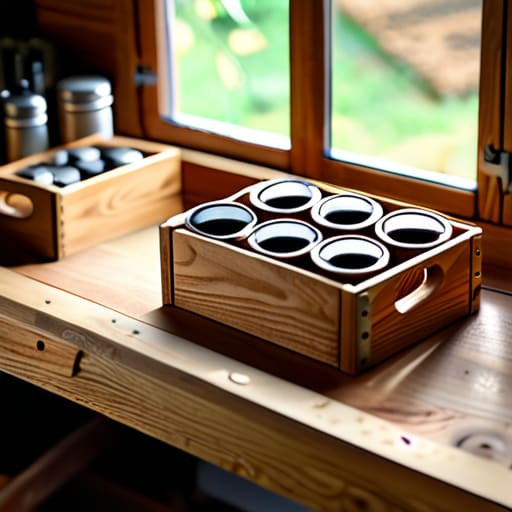
As I sit here with my notebook, watching the shadows lengthen across my own small garden patch, I’m reminded that we can’t always control the chaos of the world outside our gates. We can, however, control how we cultivate our own small corner of it. I hope that as you step out into your own garden—no matter how large or small—you remember to leave room for the unexpected. Don’t be in such a hurry to finish the task that you forget to simply exist within it. After all, the most important thing we grow isn’t the garden, but the peace we find while we are working.

Frequently Asked Questions

How much space do I actually need to start a small rock garden if I don't have a large backyard?

You don’t need a sprawling estate to find peace in the sand. I’ve seen men try to manage massive landscapes only to lose themselves in the upkeep, and frankly, that’s not the goal. Even a small corner of a patio or a simple wooden planter box on a balcony can hold a world of stillness. It’s about the intention you bring to the space, not the square footage. Just a small, quiet patch is plenty.

Is it necessary to have specific types of stones and sand, or can I use what I find in my own neighborhood?

To be honest, I don’t think you need to go out and buy anything fancy. In my engineering days, we focused on precision, but in the garden, I’ve learned that character matters more than perfection. If you find a smooth river stone or a handful of interesting gravel right in your own backyard, use it. There’s a certain soul in using what’s already there; it makes the garden feel like it truly belongs to the land.

How much time does it really take to maintain these gardens once they are set up?

That’s a fair question, and one I often ask myself before starting any new project. Once the heavy lifting—the digging and the stone placement—is done, the maintenance is surprisingly light. It’s less about “work” and more about a gentle ritual. A bit of raking every few days to smooth the patterns and a quick sweep of the paths is usually enough. It’s a quiet, ten-minute conversation with your garden, rather than a chore.

Exploring the European Continent by Train

I remember sitting in a bustling station outside of Lyon last autumn, the smell of damp stone and burnt espresso hanging in the air, watching a young man frantically pace beside a pile of luggage. He was staring at his phone, sweating through his shirt, trying to navigate a complicated digital ticket system that seemed designed to frustrate rather than assist. It struck me then that so much of the modern advice regarding train travel europe is focused on the wrong things—efficiency, speed, and “optimizing” every single minute. People treat these journeys like a series of logistical hurdles to be cleared, rather than the actual heart of the trip.

I’m not here to sell you on some high-speed, breathless itinerary that leaves you too exhausted to enjoy your dinner. Instead, I want to share what I’ve learned from years of wandering through these landscapes at a much more deliberate pace. I’ll give you the honest, unvarnished truth about how to navigate the rails without losing your mind, focusing on the quiet connections and the small, overlooked stations that make the journey worthwhile. We’re going to skip the hype and focus on how to actually savor the ride.

Table of Contents

Finding Freedom With Eurail Pass Benefits and Quiet Rhythms

Finding Freedom With Eurail Pass Benefits and Quiet Rhythms.

There’s a certain weightlessness that comes with holding a Eurail pass in your hand. For someone like me, who spent decades worrying about project timelines and rigid schedules, the flexibility is a revelation. You aren’t tethered to a specific departure time or a frantic dash to a terminal; instead, you can simply wander into a station and see where the next departure leads. While some travelers debate the merits of Interrail vs point-to-point tickets, I’ve found that the true value lies in the lack of pressure. It allows you to change your mind—to stay an extra afternoon in a sun-drenched village or to hop on a whim because the light looks particularly good for a sketch.

Of course, there is a bit of logic to be applied, much like the old engineering principles I used to live by. When you’re budgeting for European train trips, it’s worth remembering that the pass isn’t just a ticket; it’s an invitation to slow down. I often find myself opting for the best European sleeper trains when the distance is great, turning a long haul into a quiet, rolling night of rest. There is something deeply restorative about waking up to a new landscape rolling past your window, feeling as though the world is unfolding just for you.

Interrail vs Point to Point Tickets Choosing Your Own Pace

Interrail vs Point to Point Tickets Choosing Your Own Pace

Deciding between an Interrail pass and buying individual tickets is a bit like deciding whether to follow a blueprint or simply let the wind take you. If you’re someone who likes to know exactly where your feet will land each morning, booking specific tickets in advance can be quite efficient. It’s a solid strategy for budgeting for European train trips, as those early-bird fares are often much kinder to the wallet. However, there is a certain rigidity to it that can feel a bit like my old engineering days—everything planned, everything measured, and very little room for a spontaneous detour when a village looks particularly inviting from the window.

On the other hand, weighing Interrail vs point-to-point tickets often comes down to how much you value the freedom to change your mind. With a pass, I find I can sit in a sun-drenched station in Provence, sketch a few lines in my notebook, and decide on a whim to head toward the coast instead of the mountains. You lose a little bit of that granular cost control, but you gain the ability to follow your curiosity without feeling like you’re breaking a schedule.

A Few Small Truths for the Rails

  • Pack light, and I mean truly light. I’ve learned the hard way that wrestling a massive suitcase up narrow station stairs is no way to start a morning. A sturdy, well-worn rucksack is your best friend; it keeps your hands free for your camera or a good book.
  • Embrace the art of the station cafe. Don’t feel the need to sprint for the platform the moment your train is announced. Find a small table, order a coffee, and watch the world go by for twenty minutes. Those quiet observations are often better than the destination itself.
  • Keep a physical map or a printed itinerary tucked in your notebook. Technology is a marvel, certainly, but a phone battery dying in the middle of the French countryside is a stress no one needs. There’s a certain peace in knowing exactly where you are without a glowing screen.
  • Don’t be afraid of the “wrong” direction. Sometimes, the most beautiful views aren’t found in the grand capitals, but in the small, unnamed stops where the locals get off to buy fresh bread. If a station looks charming, get off and walk a bit.
  • Pack a small kit for the long stretches. A good pair of noise-canceling headphones, a heavy sweater for the air conditioning, and perhaps a small sketchbook. These aren’t just accessories; they are the tools that turn a mere transit period into a moment of genuine reflection.

A Few Reminders for the Road Ahead

Don’t let the schedule dictate your mood; if a particular station feels special, or a view out the window is too beautiful to miss, give yourself permission to linger.

Choose your tickets based on the rhythm you want to keep, whether that’s the flexibility of a pass or the steady certainty of a single, long-planned route.

Pack light, bring a good book, and remember that the most meaningful parts of the trip often happen in the quiet gaps between the destinations.

The View from the Window Seat

There is a particular kind of peace you can only find when you stop checking your watch and start watching the light change over the Alps; on a train, you aren’t just moving between places, you’re finally giving yourself permission to arrive.

Bernard Oyelaran

The View from the Last Station

The View from the Last Station.

As I sit here in a small café in Lyon, looking over my notes, I realize that choosing between a Eurail pass or individual tickets isn’t just about the math or the logistics of the journey. It’s about deciding how much of yourself you want to leave to chance. Whether you prefer the unfettered flexibility of a pass that lets you wander into a random station when the light looks just right, or the structured certainty of a point-to-point ticket, the goal remains the same. You aren’t just moving from one coordinate to another; you are navigating the delicate balance between planning and presence, ensuring that the mechanics of travel never overshadow the beauty of the destination.

In the end, I hope you remember that the most important part of your European rail adventure won’t be found in a guidebook or a digital itinerary. It will be found in those unplanned moments—the way the golden hour light hits the Tuscan hills through a dusty window, or the shared nod of a stranger in a quiet dining car. Don’t be in such a hurry to check every city off your list that you forget to actually be where you are. Pack your bags, grab a sturdy pair of walking shoes, and remember: the journey is the destination, even if you never quite reach the end of the line.

Frequently Asked Questions

How do I handle the logistics of heavy luggage when moving between different train stations?

I’ll be honest: nothing kills the spirit of a slow journey quite like wrestling a heavy suitcase up a flight of stone stairs. My rule is simple—pack light. If you must bring more, stick to sturdy, four-wheeled spinners that glide. I always try to book stations with elevators or ramps, and I never schedule tight connections. Give yourself an extra thirty minutes just to breathe and move your gear without the frantic rush.

Are there specific times of day or certain routes that are better for avoiding the crowds and finding those quiet moments?

If you want to escape the rush, aim for those early morning departures—around 6:30 or 7:00 AM. There’s a particular stillness in a station before the world wakes up. I’ve found that secondary regional lines, rather than the high-speed corridors, offer the best views and the fewest crowds. They move a bit slower, sure, but that’s exactly the point. It gives you time to pull out your notebook and just… be.

Do I need to make seat reservations in advance for the high-speed lines, or can I just hop on and find a spot?

If you’re planning to hop on those sleek high-speed lines—the TGV or the Eurostar, for instance—you can’t quite just wander on. They do require a seat reservation, and I’d suggest booking those a bit ahead of time. There’s nothing quite as jarring as standing in a crowded vestibule with your camera gear when you were expecting a quiet corner and a view. Secure your seat early; it keeps the journey steady.

The Cultural Heritage of Artisan Bread Making

I remember sitting in my workshop last Tuesday, the scent of flour and yeast hanging heavy in the air, much like the dust used to settle over a construction site at the end of a long shift. I was staring at a loaf that looked more like a dense, uninspired brick than anything remotely edible. It’s easy to get discouraged when you realize that artisan bread making isn’t just about following a recipe printed on a glossy page; it’s about the feel of the dough under your palms and the patience to wait when your stomach is telling you to hurry.

I’m not here to sell you on some expensive, high-tech gadget or a dozen specialized tools you’ll never use. My goal is to strip away the pretension and get back to the basics of what actually works. I want to share the honest, unvarnished lessons I’ve learned through trial, error, and a fair amount of wasted flour. We’re going to focus on the steady rhythm of the process, ensuring that when you finally pull that golden, crackling loaf from your oven, it’s a moment of genuine reward rather than a stressful chore.

Table of Contents

Nurturing Wild Yeast Cultivation Like a Quiet Friend

Nurturing Wild Yeast Cultivation Like a Quiet Friend

Nurturing a starter isn’t like following a blueprint for a bridge; there’s no rigid set of tolerances to hit. Instead, it feels more like tending to a small, living companion. I’ve found that wild yeast cultivation requires a certain level of patience that my younger, more hurried self would have lacked. You feed it, you watch for those tiny bubbles, and you learn to read its temperament. Some days it seems eager and lively; other days, it’s sluggish, perhaps needing a bit more warmth or a different kind of flour to find its footing.

I often find myself sitting at my kitchen table, sketching the way the light hits the flour dust in the air, thinking about how much this process mirrors the slow rhythm of a good life. There is a profound sense of connection in the long fermentation process, where time does the heavy lifting that no machine could ever replicate. You aren’t just making food; you are participating in a slow, ancient conversation between the air, the grain, and your own steady hands.

The Patience Found in a Long Fermentation Process

The Patience Found in a Long Fermentation Process.

There is a particular kind of stillness that settles over a kitchen when you commit to a long fermentation process. In my engineering days, we were always fighting the clock, pushing crews to meet deadlines and beat the elements. But bread doesn’t care about your schedule. It moves at its own pace, dictated by temperature and time. I’ve found that letting the dough sit in the cool of the refrigerator overnight does more than just develop those complex, tangy flavors; it teaches you a lesson in letting go of control.

As the hours pass, you stop checking your watch and start watching the dough. You look for those tiny, rhythmic bubbles signaling life. Dealing with a high hydration dough can be a bit temperamental—it’s sticky, unruly, and seems to have a mind of its own—but there is a profound satisfaction in working with something so alive. It requires a gentle touch and a steady hand, much like the slow restoration of one of my old Leica cameras. You can’t force the result; you can only provide the right environment and wait for the magic to happen.

Small Lessons from a Flour-Dusted Countertop

  • Don’t be afraid to get your hands dirty. There’s a certain tactile honesty in feeling the dough; you can sense its strength and its readiness through your fingertips in a way a kitchen timer never could.
  • Invest in a decent scale rather than relying on measuring cups. In my engineering days, precision was everything, and I’ve found that bread is much more forgiving when you treat the flour and water with a bit of mathematical respect.
  • Learn to listen to the crust. When you pull a loaf from the oven, listen for that faint, rhythmic crackling—the “song” of the bread. It’s a small, fleeting reward for all those hours of waiting.
  • Temperature is your silent partner. A drafty kitchen or a sudden heatwave will change the rhythm of your dough, so keep a close eye on the environment; it’s just as much an ingredient as the salt is.
  • Forgive yourself when a loaf fails. I’ve had many a dense, heavy brick come out of my oven, but even a failed loaf makes for decent toast. The goal isn’t perfection; it’s the practice.

Lessons from the Flour and the Fire

Respect the clock, but listen to the dough; timing is a suggestion, but the texture of the bread will tell you when it’s truly ready.

Embrace the mess and the unpredictability, for the most beautiful crusts often come from the moments where things didn’t go exactly to plan.

Find joy in the sensory details—the dusting of flour on the counter, the scent of yeast in the air, and the rhythmic sound of a crust crackling as it cools.

The Lesson in the Crust

“In my engineering days, I was always chasing deadlines and rigid tolerances, but a loaf of sourdough doesn’t care about your schedule; it teaches you that true substance only comes when you stop trying to force the result and start listening to the rhythm of the flour and the water.”

Bernard Oyelaran

The Final Crust

Golden sourdough loaf, The Final Crust.

When you finally pull that loaf from the oven, you aren’t just looking at a piece of food; you are looking at the culmination of a slow, deliberate process. From the delicate dance of nurturing your wild yeast to the quiet, necessary hours of a long fermentation, every step has been an exercise in intentionality. It is easy to get caught up in the modern urge to find the fastest route from A to B, but bread teaches us that the shortcuts often lead to a hollow result. By respecting the biology of the dough and the natural rhythm of time, you create something that possesses a depth of flavor and a soul that a store-bought loaf simply cannot mimic.

As I sit here at this small wooden table, watching the steam rise from a fresh slice, I am reminded of why I started writing these notes in the first place. Making bread is a way to reclaim your attention from a world that is constantly trying to steal it. It is a way to practice being present, one fold of the dough at a time. I hope that as you move into your own kitchen, you find more than just a recipe; I hope you find a moment of stillness. Remember, the goal isn’t perfection—it’s the simple joy of a warm crust and a quiet afternoon.

Frequently Asked Questions

How do I know if my sourdough starter is actually healthy enough to bake with, or if it's just sitting there dormant?

It’s a bit like checking the pulse of an old friend. You’re looking for signs of life, not just stillness. I usually look for those tiny, celebratory bubbles clinging to the sides of the jar. If it’s doubled in size after a feeding and smells more like a bright, tangy yogurt rather than something sharp or sour, it’s ready. If it’s active and bubbly, it’s got the spirit to bake.

Is it really necessary to use a Dutch oven, or can I achieve that same crusty texture in a regular home oven?

You don’t strictly need a Dutch oven, though I’ll admit it’s a fine piece of kit. If you’re looking to skip it, the trick is mimicking that trapped steam. I usually place a heavy pan on the bottom rack and pour in some boiling water right after the loaf goes in. It’s a bit more work, and you have to be careful with the steam, but it gets you that lovely, crackling crust.

What should I do if my dough feels too sticky to handle—should I keep adding flour, or is there a better way to manage it?

It’s tempting to reach for the flour bag when things get messy, but resist that urge. Adding too much flour is like over-engineering a bridge with unnecessary weight; you’ll end up with a heavy, dense loaf. Instead, try a few “slap and folds” on the counter or just give it some time. Often, the dough just needs a little more strength and hydration to find its rhythm. Trust the process; let the hands do the work.

Understanding the Concept of Body Neutrality

I was sitting in a small cafe in Florence yesterday, watching a young woman stare intensely into her compact mirror, her expression one of pure frustration. It struck me how much energy we waste trying to force ourselves into a state of “body positivity,” as if we’re supposed to wake up every morning and fall head-over-heels in love with every wrinkle or scar. It feels like a lot of unnecessary heavy lifting. To my mind, the real relief isn’t found in forced adoration, but in the quieter, more practical concept of body neutrality. It’s the idea that your body doesn’t have to be a masterpiece to be useful.

I’m not here to sell you a new fitness regime or a complicated psychological framework. Instead, I want to share what I’ve learned through years of seeing how much more life we can enjoy when we stop treating our physical selves like a construction project that’s constantly behind schedule. I’ll be sharing some straightforward, common-sense perspectives on how to stop fighting your reflection and start focusing on what your body actually allows you to do—like walking through a sunlit park or enjoying a well-made meal.

Table of Contents

The Quiet Shift From Body Positivity vs Body Neutrality

The Quiet Shift From Body Positivity vs Body Neutrality

For a long time, I thought the goal was to look in the mirror and force a smile, convincing myself that every wrinkle or change in shape was a masterpiece. That’s the spirit of body positivity, and while it’s well-intentioned, it can feel like a lot of heavy lifting. It’s exhausting to constantly perform happiness about your appearance. I’ve found that the distinction between body positivity vs body neutrality is really about the difference between a loud celebration and a quiet, steady peace.

Instead of trying to love how my reflection looks every single morning, I’ve started leaning into a more functional approach to body image. I think about my legs not as something to be judged, but as the sturdy pillars that carried me up a steep trail in the Ozarks last Tuesday. It’s about unconditional self-acceptance—not because I’m perfect, but because I am present. When I stop treating my physical self as a project to be managed and start seeing it as the vessel that allows me to taste good food and see beautiful sunsets, the pressure simply begins to lift.

A Functional Approach to Body Image and Its Grace

A Functional Approach to Body Image and Its Grace

I’ve spent most of my life looking at structures—bridges, dams, and roads. In engineering, we don’t care if a steel beam is “pretty” in a conventional sense; we care if it holds the weight and serves its purpose. I’ve started applying that same logic to myself. Instead of waking up and trying to force myself to love every wrinkle or curve, I’m leaning into a functional approach to body image. It’s about acknowledging that my legs, though perhaps not as sturdy as they were at thirty, are the very things that carry me through the cobblestone streets of a new city.

This shift isn’t about ignoring how I look, but rather refusing to make my appearance my entire identity. When I’m out sketching in my notebook, I’m not thinking about how my stomach looks in a linen shirt; I’m thinking about the steady breath in my lungs and the strength in my hands as I hold the pencil. By focusing on what my body does rather than how it performs for others, I find a sense of unconditional self-acceptance that feels much more permanent than the fleeting highs of traditional beauty standards.

Small Ways to Reconnect with the Vessel That Carries You

  • Stop treating your body like a renovation project. When I’m working on an old Leica camera, I don’t demand it look brand new; I just want it to function so I can capture the light. Try viewing your body the same way—it’s a tool for experiencing the world, not a sculpture to be constantly polished.
  • Focus on what your limbs can actually do. Instead of looking in the mirror and tallying up what you don’t like, take a walk and notice how your legs carry you up a hill, or how your hands are steady enough to hold a warm cup of coffee. Gratitude for function often silences the critic in our heads.
  • Practice “neutral observation” during your morning routine. If you catch yourself spiraling into a critique while brushing your teeth, try to pivot to a simple, factual statement. “These are my arms,” or “This is my back.” It sounds simple, perhaps even a bit dull, but stripping away the judgment takes the sting out of the reflection.
  • Let your clothes be your servants, not your masters. I’ve learned that a well-fitted pair of trousers is far more valuable than a fashionable pair that makes me feel constricted and self-conscious. Choose garments that allow you to move through a meal or a museum without a second thought about how you look in them.
  • Find joy in sensory experiences rather than visual ones. A truly great meal or the feeling of a cool breeze on a summer evening doesn’t require you to look a certain way to enjoy it. When you focus on the taste, the scent, or the texture of life, you move your attention away from your appearance and back into the present moment.

Small Reminders for the Path Ahead

Stop treating your body like a project that needs constant fixing; instead, try viewing it as the reliable vessel that allows you to taste a good meal or walk through a quiet forest.

You don’t have to force yourself to love every reflection in the mirror to find peace; it is enough to simply respect your body for the work it does to carry you through each day.

When the noise of self-criticism gets too loud, return to the basics—a long walk, a steady breath, and the simple gratitude of being present in the world.

## A Different Way to Look in the Mirror

“I’ve learned through years of repairing old machinery that a thing doesn’t need to be beautiful to be vital; it just needs to work, to endure, and to carry you where you need to go. Perhaps we should treat ourselves with that same quiet respect—not as a project to be polished, but as the steady vessel that allows us to taste a good meal and walk through a sunset.”

Bernard Oyelaran

Finding Peace in the Middle Ground

Finding Peace in the Middle Ground.

Looking back at what we’ve discussed, it’s clear that body neutrality isn’t about forcing yourself to love every curve or flaw in the mirror. It’s much simpler—and perhaps much more liberating—than that. We’ve moved away from the exhausting pressure of constant positivity and toward a more functional appreciation of what we are. By viewing our bodies as the sturdy, reliable vessels that carry us through a scenic hike or a long-awaited dinner with old friends, we stop treating ourselves like projects that need constant fixing. We learn to focus on what our bodies do for us, rather than just how they appear to the rest of the world.

As I sit here in this small café, watching the light change across the cobblestones, I’m reminded that the most beautiful things in life aren’t always the most polished. They are the things that work, the things that endure, and the things that allow us to experience the world. So, if you find yourself caught in that old cycle of self-criticism, I encourage you to just take a breath and step outside. Let your body be the bridge to your next great meal or your next quiet view. Life is far too short to spend it at war with the very thing that allows you to savor it.

Frequently Asked Questions

If I'm not trying to love how I look, how do I stop the constant habit of criticizing myself in the mirror?

It’s a tough habit to break, isn’t it? I think of it like those old cameras I restore; I don’t need to love every scratch on the casing to appreciate the way it captures light. When you catch yourself critiquing, try to pivot. Instead of judging the reflection, just acknowledge it as the vessel that allows you to walk through a park or taste a good meal. Focus on what it does, not how it looks.

Does body neutrality mean I should just stop caring about my health or how I present myself to the world?

Not at all. I think of it like maintaining one of my old Leica cameras. I don’t obsess over every microscopic scratch on the casing, but I certainly wouldn’t leave it out in the rain or neglect the lens. Caring for your health isn’t about chasing a perfect image; it’s about keeping the vessel steady so you can actually enjoy the walk. You’re tending to the tool, not performing for an audience.

How do I practice this mindset when I'm in social situations where everyone else seems focused on appearance and trends?

It’s easy to feel like an outlier when the conversation turns to the latest trends or how someone looks. When that happens, I try to anchor myself in the present. I focus on the weight of my coffee mug, the texture of the tablecloth, or the genuine laugh of the person across from me. Instead of joining the critique, I listen for the stories behind the faces. It’s much more rewarding.

Understanding Basic Food Pairings

I was sitting in a cramped bistro in Florence last Tuesday, watching a young man spend ten minutes lecturing his companion on the “molecular synergy” of their appetizers. He was talking about food pairings as if he were reading a structural blueprint for a suspension bridge, using words that felt far too heavy for a simple plate of olives and cheese. It struck me then how much we’ve lost to the theatrics of dining. We’ve turned something as primal and beautiful as eating into a high-stakes exam, forgetting that the best combinations aren’t found in a textbook, but in the quiet harmony of flavors that just work.

I’m not here to teach you the chemistry of a reduction or how to impress a critic with expensive wine. My goal is much simpler: I want to help you find those reliable, soulful food pairings that make a meal feel like a warm conversation. I’ll be sharing the combinations I’ve discovered through years of slow travels and long, wandering afternoons—the kind of pairings that don’t require a degree to appreciate, just a willingness to slow down and truly taste.

Table of Contents

Finding Harmony in Complementary vs Contrasting Flavors

Finding Harmony in Complementary vs Contrasting Flavors.

When I was working on bridge sites, I learned that a structure needs both tension and support to stand. Cooking feels much the same way. You can approach a meal by looking for complementary vs contrasting flavors to create that same kind of stability. Sometimes, you want everything to sing in the same key—think of a rich, slow-simmered beef stew where the deep, earthy notes of mushrooms lean into the meat. It’s all about those umami and savory combinations that make you want to sit a little longer at the table.

Other times, the magic happens when things clash just enough to wake you up. I find that a heavy, creamy risotto can feel a bit overwhelming if it isn’t interrupted by something bright. That’s where the acid and fat balance comes into play; a squeeze of lemon or a splash of vinegar acts like a sudden breeze on a humid afternoon, cutting through the richness and clearing the palate. It’s not about being perfect; it’s about finding that little spark of friction that makes the whole experience feel truly alive.

The Gentle Dance of Acid and Fat Balance

The Gentle Dance of Acid and Fat Balance.

I remember sitting in a small bistro in coastal Italy last spring, watching the chef prepare a simple dish of pan-seared sea bass drizzled with a bright lemon vinaigrette. It struck me then how much of the magic lies in the acid and fat balance. Without that sharp, citrusy bite, the rich oils of the fish might feel heavy, almost overwhelming to the palate. But when they meet, the acid acts like a gust of fresh wind, cutting right through the richness and lifting the whole experience.

It’s a bit like my work with old cameras; you need the weight of the brass to feel substantial, but you need the precision of the lens to bring the clarity. In cooking, a heavy cream sauce or a piece of fatty pork requires a counterpoint—perhaps a splash of vinegar or a squeeze of lime—to keep things from feeling stagnant. When you master this, you aren’t just eating; you are engaging with the sensory perception of taste in a way that makes you truly feel alive. It’s about finding that equilibrium where nothing feels too heavy or too sharp.

A Few Lessons Learned from My Own Kitchen and Table

  • Don’t be afraid of a little salt and sweetness working together. I’ve found that a tiny pinch of sea salt on a slice of ripe melon or a drizzle of honey over some aged goat cheese does more for the flavor than any fancy technique ever could.
  • Trust your nose before your tongue. If you’re looking at a heavy, earthy stew, your instincts will likely tell you it needs something bright—like a squeeze of lemon or a sprig of fresh parsley—to lift the whole thing up.
  • Texture is a flavor all its own. A meal can be delicious, but it feels incomplete if everything is the same consistency. Always try to pair something soft, like a creamy polenta, with something that has a bit of a crunch, like toasted walnuts.
  • Let the star of the show breathe. If you’ve prepared a beautiful, slow-roasted piece of beef, don’t drown it in a dozen different sauces. Pick one companion—maybe a sharp horseradish or a simple red wine reduction—that lets the meat speak for itself.
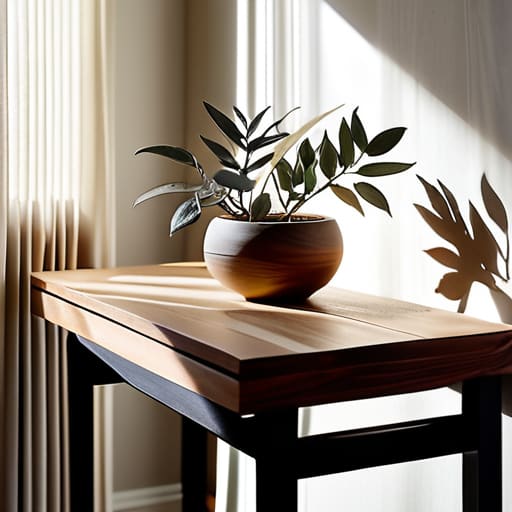
  • Practice the art of the palate cleanser. Between heavy courses, a simple sip of sparkling water or a small piece of crisp apple can reset your senses so you can truly appreciate the next flavor rather than just rushing to the finish line.

A Few Notes to Carry with You

Don’t be afraid of a little tension on the plate; sometimes the best part of a meal is the way a sharp, bright citrus cuts right through a heavy, creamy sauce.

Think of flavors like old friends—some are meant to blend seamlessly into one another, while others are meant to stand out and spark a bit of conversation.

Most importantly, trust your own palate over any rulebook; if a combination brings you a moment of quiet joy, then it is exactly the right pairing.

The Rhythm of the Table

“A truly great meal isn’t just a collection of ingredients; it’s more like a well-built bridge. You need the heavy, structural elements of salt and fat, but they only hold their weight if you have the delicate, bright tension of something acidic to keep the whole thing from feeling too burdensome.”

Bernard Oyelaran

A Final Note from the Table

A Final Note from the Table.

As I sit here in this little café, watching the afternoon light stretch across the floor, I’m reminded that mastering food pairings isn’t about following a rigid set of rules or memorizing complex culinary chemistry. It’s really just about understanding the delicate balance between opposites and allies. Whether you are leaning into the comfort of complementary flavors or finding that sudden, bright spark through a contrast of acid and fat, you are essentially composing a small piece of music on your palate. It takes a bit of practice to recognize when a heavy cream needs a citrus lift or when a salty cheese needs a drop of honey, but once you start noticing these patterns, the world of flavor begins to open up in ways you never expected.

At the end of the day, I hope you don’t let the technicalities get in the way of the pleasure. Don’t be afraid to experiment, to fail, or to end up with a combination that makes no sense on paper but tastes like pure magic to you. Food is meant to be lived, not just analyzed. So, the next time you sit down to a meal, I encourage you to put down your phone, take a deep breath, and really listen to what the ingredients are telling you. Life is far too short to rush through a good meal, and there is so much beauty to be found in the simple, quiet harmony of a perfectly paired bite.

Frequently Asked Questions

How can I start practicing these pairings without feeling overwhelmed by complicated recipes?

Don’t go looking for a culinary textbook. Just start small, right at your own kitchen table. Next time you’re having a simple piece of toast, try a smear of something salty like feta against a drizzle of honey. Or if you’re eating a heavy stew, squeeze a bit of lemon over it. You don’t need a recipe to notice how a little brightness cuts through the richness. Just listen to your palate; it knows.

Are there any simple rules of thumb for pairing a good bottle of wine with a home-cooked meal?

Now, don’t let the wine lists at the shop intimidate you. I’ve found that the simplest rule is to match the weight of the meal to the weight of the wine. A light, leafy salad calls for something bright and crisp, like a Sauvignon Blanc, while a hearty beef stew needs a wine with a bit more backbone, perhaps a Cabernet. If you’re unsure, just remember: let the food lead the way.

Does the texture of a food matter as much as the flavor when trying to find a good match?

Texture is everything. I’ve learned that a meal can have perfect seasoning, but if it’s all one mushy consistency, your palate gets bored. Think of it like a good landscape; you need the jagged cliffs to appreciate the soft valley. A bit of crunch from a toasted walnut or the snap of a fresh radish provides a necessary rhythm. It keeps you engaged, making each bite a new discovery rather than just a repetitive task.

Creating Travel Rituals for Better Wellbeing

I was sitting in a bustling plaza in Florence last spring, watching a young man frantically check his watch while trying to snap the perfect, filtered photo of his espresso. He was surrounded by the most beautiful architecture in the world, yet he looked like he was running a marathon through a minefield. It struck me then that we’ve been sold a lie about what it means to truly experience a place. People treat travel rituals like a checklist of expensive excursions or high-speed itineraries designed to squeeze every last drop of “content” out of a city. But if you’re rushing from one monument to the next just to say you were there, you aren’t traveling; you’re just moving.

I’m not interested in telling you which luxury spas to book or which five-star tours are worth your time. Instead, I want to share the quiet, unpretentious habits I’ve gathered over decades of wandering—the kind of travel rituals that actually allow you to breathe. I’ll tell you how I use my old notebook to ground myself, why I always seek out the same corner table for breakfast, and how to find the soul of a city by simply slowing your pace.
Table of Contents

Embracing the Slow Travel Philosophy in Every Step

Embracing the Slow Travel Philosophy in Every Step.

I’ve learned over the years that the best way to see a place isn’t by checking off a list of monuments, but by letting the place settle into you. This is the heart of the slow travel philosophy: the decision to stop treating a map like a checklist and start treating it like an invitation. When I was managing construction sites, everything was about the deadline, the efficiency, and the rush to the finish line. But out here, on these winding European backroads, I’ve found that the real magic happens when you intentionally choose the longer route.

It’s about building small, intentional journey habits that anchor you to the present. For me, that might mean sitting on the same park bench for an hour, sketching the way the light hits a stone fountain, or simply watching the locals go about their morning errands. It isn’t about being productive; it’s about being present. By resisting the urge to constantly move, you create the space necessary for true cultural immersion rituals to take root, turning a mere vacation into something much more profound.

Finding Peace Through Mindful Travel Practices

Finding Peace Through Mindful Travel Practices.

I’ve found that the most profound moments rarely happen when I’m checking items off a list. Instead, they happen when I lean into certain mindful travel practices that force me to stay put. For me, that means leaving the phone in the hotel safe for at least a few hours each afternoon. It’s a bit of a digital detox while traveling, sure, but the reward is immense. Without the constant ping of notifications, my eyes finally start to wander toward the texture of a limestone wall or the specific way the light hits a cobblestone street at dusk.

I also make it a point to incorporate small, intentional habits into my mornings. Rather than rushing to a famous landmark, I’ll find a local bakery, sit at a small table, and just observe. It’s part of my personal travel wellness routines—allowing the senses to wake up before the mind starts planning. There is a certain quiet dignity in simply being a spectator to a local’s morning routine. It reminds me that I’m not just a consumer of a destination, but a temporary guest in a living, breathing world.

My Little Rituals for Staying Grounded

  • I’ve learned to make the first hour of any new morning mine. Before I check a map or look for the local sights, I find a small cafe, order a coffee, and just sit. There’s something about watching the locals go about their business that helps me settle into the rhythm of a new place.
  • I always keep my old leather notebook handy. Whenever I find a view that stops me in my tracks—even if it’s just the way the light hits an old stone wall—I sit down to sketch it. It forces me to look at the details rather than just snapping a quick, mindless photo.
  • I try to make a habit of the “long walk without a destination.” I’ll pick a direction and just wander for an hour. You’d be surprised at the small bakeries or quiet courtyards you find when you aren’t constantly checking your watch or trying to hit a landmark.
  • I’ve made it a rule to eat at least one meal a day in complete silence. No phone, no book, just the food and the surroundings. It turns a simple lunch into a way to really taste what the region has to offer, rather than just fueling up for the next stop.
  • Before I turn in for the night, I take a moment to write down three small things I noticed that day. It doesn’t have to be anything grand; maybe it was the smell of rain on hot pavement or the kindness of a shopkeeper. It keeps my eyes peeled for those little moments the next morning.

Lessons from the Road

Stop trying to see everything at once; you’ll find much more by choosing one street corner and truly seeing it.

Let your appetite guide your itinerary, because a slow meal in a local cafe often teaches you more than a museum ever could.

Keep a notebook handy to capture the small things—the way the light hits a stone wall or the sound of a market—before they slip away.

The Value of the Pause

We spend so much of our lives trying to cross things off a list, but the real magic of travel isn’t found in the miles covered; it’s found in the quiet ritual of sitting in a new café, sketching a stranger, and letting the world unfold at its own pace.

Bernard Oyelaran

The Quiet Joy of the Journey

The Quiet Joy of the Journey.

Looking back on these rituals, I realize they aren’t just about managing time or staying organized; they are about reclaiming it. Whether it’s the way we choose to approach a new city with a slow, steady pace, or the simple act of sitting in a local cafe to watch the morning light hit the cobblestones, these habits serve as an anchor. By prioritizing mindful observation and intentional pauses, we transform a mere itinerary of sights into a collection of genuine experiences. We move away from the frantic urge to check boxes and instead focus on the texture of the moment, ensuring that no destination is merely a backdrop for a photograph, but a place that truly lives within us.

As I sit here in this small courtyard, sketching the curve of an old stone archway, I’m reminded that the best parts of travel are rarely the grand monuments. They are the quiet, unscripted interludes found in the steam of a morning coffee or the steady rhythm of a long walk through an unfamiliar neighborhood. My advice is simple: don’t be in such a hurry to reach the next landmark that you forget to breathe in the air of the one you are currently in. Life, much like a well-composed photograph, is best captured when we stop rushing the shutter and simply allow the beauty of the world to unfold at its own natural speed.

Frequently Asked Questions

How do you maintain these slow rituals when you're traveling with family or a group that's in a hurry?

That’s the real challenge, isn’t it? When you’re traveling with a group, you can’t always demand the world stop spinning just for you. I’ve learned to find my quiet moments in the margins. If the family is rushing to a museum, I might linger ten minutes longer at a sidewalk cafe or find a bench to sketch a single tree. It’s about carving out small, private pockets of stillness without slowing everyone else down.

Do you have any specific rituals for when you're feeling overwhelmed by the chaos of a new city or airport?

When the airports get too loud or the city feels like it’s moving a gear too fast, I retreat to my notebook. I’ll find a bench—ideally near a window or a bit of greenery—and just sit. I’ll sketch whatever is in front of me, even if it’s just the way the light hits a coffee cup. It forces my eyes to settle and my breathing to slow. It reminds me I’m a spectator, not a participant in the rush.

Are there certain items you always keep in your bag to help you stay grounded and present while you're on the move?

I never head out without my leather-bound notebook and a well-worn fountain pen; sketching a courtyard or just jotting down the smell of rain helps anchor me. I also always tuck a small, analog camera into my bag. There’s something about the deliberate act of winding film that forces me to stop, breathe, and really look at a scene before I capture it. It keeps me from just rushing through.

Simple Ways to Organize Your Living Space

I spent thirty years managing massive infrastructure projects, where every bolt and beam had a precise place, but nothing prepared me for the chaos of a cluttered living room. Most people will tell you that organizing your home requires a fleet of color-coded plastic bins and a subscription to some high-priced lifestyle magazine, but frankly, that’s just more noise. I’ve seen enough “perfect” setups to know that they often create more work than they solve. To me, a home shouldn’t look like a showroom; it should feel like a place where you can actually breathe.
I’m not here to sell you on a complicated system or a mountain of unnecessary gadgets. Instead, I want to share a few practical, common-sense ways to clear the physical clutter so you can focus on the things that actually matter. We’re going to look at this through the lens of intentionality—finding ways to tidy up that respect your time and your peace of mind. My goal is to help you create a bit of stillness in your own four walls, one small, manageable step at a time.

Table of Contents

Decluttering Room by Room to Find Your Quiet Center

Decluttering Room by Room to Find Your Quiet Center

I’ve always found that trying to tackle the entire house at once is a recipe for frustration. It’s like trying to bridge a wide river without a single support beam; you’ll just end up exhausted in the middle of the current. Instead, I’ve learned that decluttering room by room is the only way to keep your spirits up. I start with the smallest, least emotional corner—usually a single bookshelf or a junk drawer—and work outward. There is a quiet satisfaction in seeing one small area return to order, a tiny victory that provides the momentum needed for the next room.

When I move into the kitchen or the bedroom, I look for ways to create breathing room rather than just hiding things away. I’ve found that simple space saving storage solutions, like a few well-placed baskets or a sturdy wooden crate, can do wonders for clearing the visual noise. It isn’t about achieving some perfect, sterile showroom look; it’s about clearing enough surface area so that when I sit down with my notebook and a cup of tea, I’m not staring at a pile of mail or half-finished projects.

Space Saving Storage Solutions for a Slower Pace of Life

Space Saving Storage Solutions for a Slower Pace of Life.

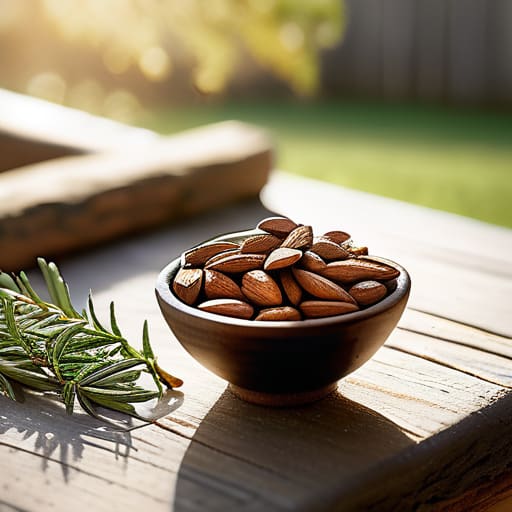
Once I finished clearing the surfaces, I realized that the real challenge isn’t just getting rid of things, but deciding where the things that remain actually belong. I’ve found that when we try to cram everything into the same drawer, we end up creating a different kind of chaos. Instead, I’ve started looking for space saving storage solutions that respect the architecture of a room rather than fighting against it. For instance, I’ve begun using small, wooden crates under my workbench to house my camera parts; they keep the clutter off the floor and make the tools easy to find when inspiration strikes.

It isn’t about having a showroom-perfect house, but about creating a sense of order that serves you. I often think of maintaining a tidy household much like the structural integrity of a bridge—it requires a solid foundation and a logical flow. If you use vertical space—simple floating shelves or even a sturdy basket tucked into a corner—you create more “breathing room” on your tables and counters. That extra bit of empty space is where the peace lives.

Small Habits for a More Peaceful Space

  • Keep only what serves a purpose or brings a bit of joy; if a gadget hasn’t seen the light of day in three years, it’s likely just taking up mental space along with the physical kind.
  • Designate a specific, permanent home for your most frequent companions—like your keys, your glasses, or that leather notebook—so you aren’t hunting for them when you’re trying to settle into a quiet moment.
  • Try the “one-in, one-out” rule to keep things from creeping back in; if a new book finds its way onto your shelf, let an old one find a new home or a donation box.
  • Clear your surfaces at the end of each day, even if it’s just the kitchen table, so you can wake up to a clean slate rather than yesterday’s leftovers and mail.
  • Don’t feel pressured to tackle everything at once; sometimes, just organizing a single drawer can provide enough of a sense of calm to carry you through the rest of the week.

A Few Thoughts to Carry With You

Don’t feel you have to finish everything in a single afternoon; it’s better to clear one small corner of a room and truly feel the peace it brings than to rush through the whole house and end up feeling exhausted.

Choose storage that serves your rhythm, favoring things that are easy to reach and easy to see, so you aren’t spending your precious quiet time hunting for misplaced items.

Remember that the goal isn’t a perfect, showroom-ready house, but rather a home that holds enough space for you to sit down, breathe, and enjoy a moment of stillness.

The Purpose of a Tidy Space

We don’t organize our homes just to satisfy some sense of order or to keep things neat; we do it to clear the clutter from our sight so we can finally see the light hitting the floorboards, or find the quiet space needed to sit with a good book and a warm cup of tea.

Bernard Oyelaran

Finding Peace in the Process

Finding Peace in the Process through organization.

At the end of the day, organizing your home isn’t about achieving some sterile, showroom perfection that you see in magazines. It’s really about the practical work we’ve discussed: clearing the clutter from each room to find your center and choosing storage solutions that actually serve your daily rhythm rather than complicating it. When we stop fighting against our belongings and start curating our surroundings, we create a foundation for a much calmer existence. It’s about making sure your physical space reflects the quiet intentionality you want to feel in your heart, ensuring that every object in your home has a place where it truly belongs.

As I sit here by the window, sketching the way the afternoon light hits my desk, I am reminded that a home is a living, breathing thing. It will never be “finished,” and perhaps that is a mercy. There will always be a drawer to tidy or a shelf to rearrange, but don’t let the upkeep become a chore that steals your joy. Instead, view these small acts of tending as a way to honor your sanctuary. Take a deep breath, enjoy the stillness you’ve created, and remember that the most important part of any home is the peace you find within its walls.

Frequently Asked Questions

How do I decide which sentimental items are worth keeping and which are just taking up space?

That’s the hardest part, isn’t it? I used to struggle with this, especially with old blueprints and relics from my engineering days. My rule is simple: if looking at an object brings a genuine smile or a quiet moment of reflection, it stays. But if you’re keeping something just out of a sense of guilt or “should,” it’s likely just heavy lifting for your spirit. Keep the memories; let go of the clutter.

Is there a way to stay organized without spending a fortune on fancy new bins and shelving?

You certainly don’t need to go chasing after those expensive, matching plastic bins at the big-box stores. Honestly, some of the best solutions I’ve found are the ones that were already sitting in my pantry or garage. An old wooden crate, a sturdy wicker basket, or even just repurposing some glass jars can work wonders. It’s more about creating a designated home for your things than buying something new to hold them.

What should I do if I feel overwhelmed and don't know where to start?

When the clutter starts feeling like a heavy fog, don’t try to clear the whole house at once. That’s how you lose your footing. Just pick one small corner—maybe just your bedside table or that one chair where the mail piles up. Clear it, wipe it down, and leave it. There is a quiet dignity in a single clean surface. Start there, and let the rest wait until tomorrow.

Nutritious Snack Ideas for Work

I was sitting in a small courtyard in Florence yesterday, watching the sunlight dance across the cobblestones, when I realized how often we treat eating as a chore to be completed rather than a moment to be enjoyed. Most of us fall into the trap of grabbing something processed and mindless just to quiet a growling stomach, which is a crying shame. We’ve lost the art of the pause, often settling for those neon-colored, crinkly wrappers that offer nothing but a quick spike and a long crash. I’ve spent a lot of my retirement thinking about how much better life feels when we seek out better snack ideas—things that actually nourish us and invite us to sit still for a moment.

In the following notes, I want to share five simple, honest ways to refuel without losing your sense of calm. These aren’t complicated recipes or expensive health trends; they are merely small, thoughtful ways to bridge the gap between meals. I’ll walk you through a few of my personal favorites that I’ve found work perfectly whether you are sketching in a park or sitting on a quiet porch. My hope is that these suggestions will help you find a bit of sustenance and stillness in the middle of your busiest hours.

Table of Contents

A Handful of Salt and Crunch

A Handful of Salt and Crunch almonds.

There is something deeply satisfying about a simple bowl of roasted almonds, especially if they’ve been tossed with just a bit of sea salt and maybe a hint of rosemary. I find that when I’m out in the field—or these days, just sitting in a park sketching a particularly stubborn oak tree—a handful of these provides a steady sort of energy that keeps the afternoon jitters at bay. It isn’t about fueling up for a marathon; it’s about having something substantial to nibble on while you watch the world go by.

The Quiet Comfort of Fruit and Cheese

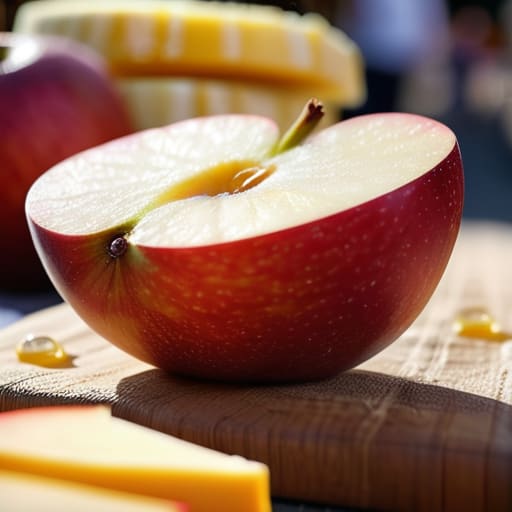
The Quiet Comfort of Fruit and Cheese.

Whenever I find myself lingering a little too long at a local farmer’s market, I always make sure to pick up a wedge of sharp cheddar and a piece of seasonal fruit. There is a wonderful, uncomplicated harmony between the saltiness of a well-aged cheese and the bright, natural sweetness of a crisp apple or a ripe pear. It feels less like “snacking” and more like a miniature, solitary feast.

Warmth in a Small Cup

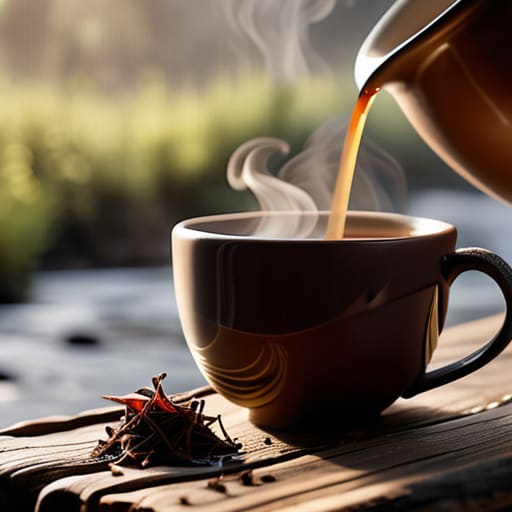
Warmth in a small cup of tea.

Sometimes, a snack doesn’t need to be solid at all. On those slightly brisk mornings when the mist is still clinging to the riverbanks, I find that a warm cup of herbal tea accompanied by a few pieces of dark chocolate is my absolute favorite companion. The heat of the mug against my palms is almost as restorative as the drink itself. It’s a way to warm the soul before the day truly begins its heavy lifting.

The Rustic Appeal of Whole Grain Crackers

I have a particular fondness for those thick, seeded crackers that look like they were baked in a stone oven. They have a certain sturdy integrity to them that I’ve always appreciated, much like the well-built bridges I used to oversee. They aren’t overly fancy, but they have a depth of flavor that comes from real ingredients—oats, flax, perhaps a bit of cracked pepper.

Greek Yogurt with a Touch of Honey

On the days when I feel a bit more restless, I find that a small bowl of plain Greek yogurt can be incredibly settling. It has a weight to it that feels substantial without being heavy. I like to drizzle a little local honey over the top—the kind that’s still a bit cloudy and smells of wildflowers—and maybe toss in a few berries if they are in season. It is a gentle way to nourish yourself.

A Few Final Thoughts Before You Head Out

Don’t let a snack become just another task on your to-do list; treat it as a small, intentional pause in your day.

Focus on real, simple ingredients that actually satisfy, rather than reaching for something processed just because it’s convenient.

Whether it’s a handful of nuts or a piece of fruit, find a quiet corner to sit and actually taste what you’re eating.

On the Art of the Midday Bite

A snack shouldn’t be something you shove in your mouth while checking your watch; it should be a brief, quiet intermission—a handful of something real that lets you catch your breath before the afternoon begins.

Bernard Oyelaran

A Final Thought on the Small Things

At the end of the day, whether you are reaching for a handful of salted almonds, a crisp slice of apple, or a bit of sharp cheese, the goal isn’t just to quiet a growling stomach. It is about breaking that cycle of mindless, rushed consumption that seems to define our modern lives. By choosing simple, whole ingredients over those crinkly, over-processed wrappers, you are doing more than just fueling your body; you are practicing a form of intentionality. These small bites—these little moments of nourishment—serve as a gentle reminder to stop and breathe amidst the noise of a busy afternoon.

I’ve learned through many years of managing heavy machinery and even more years of quiet walks that the most significant things often happen in the pauses. We spend so much of our lives rushing toward the next big milestone, the next deadline, or the next destination, that we forget to actually inhabit the present. So, the next time you feel that mid-day slump hitting, I encourage you to step away from your desk or your phone. Find a patch of sunlight, sit down, and really taste what you are eating. Life is far too short to be lived in a hurry, and it is certainly too beautiful to be missed because you were too busy to grab a snack and enjoy the view.

Frequently Asked Questions

Are there any simple snack pairings that don't require a kitchen or much prep work while I'm out exploring?

When I’m out with my Leica, I try to keep things simple. I usually pack a small container of salted almonds and a few dried apricots; the salt and sweetness hit just right when you’ve been walking for miles. Another favorite is a sharp cheddar cheese wedge paired with a crisp apple. No knives or prep needed—just pull them from your bag, find a bench, and enjoy the view while you eat.

How can I keep my snacks from getting crushed or messy in a small bag during a long walk?

I’ve learned the hard way that a bag of smashed crackers is a poor companion for a scenic stroll. I’ve started using small, hard-sided tins—the kind I use for my camera lenses—to keep things like nuts or dried fruit intact. If you’re carrying something softer, like a piece of fruit, tuck it into a side pocket rather than the bottom of the bag. It keeps the pressure off and the mess at bay.

What are some better, more substantial alternatives to the typical processed snacks if I'm feeling particularly hungry between meals?

When the hunger hits a bit harder than a simple craving, I find it’s best to skip the crinkly plastic bags of chips. I usually reach for something with a bit of real substance—maybe a thick slice of sourdough topped with smashed avocado and a pinch of sea salt, or a handful of walnuts paired with a bit of sharp cheddar. It’s about eating something that actually feels like food, rather than just something to keep your hands busy.