Author: Bernard Oyelaran

  • Planning Your First Hiking Adventure

    Planning Your First Hiking Adventure

    I was sitting on a damp granite ledge in the Upper Peninsula last Tuesday, nursing a lukewarm thermos of coffee and watching the mist roll off the pines, when I realized how much we’ve gotten wrong about the great outdoors. Most people treat hiking adventures like they’re training for a military expedition—obsessing over carbon-fiber trekking poles, GPS devices that cost more than my first car, and high-tech moisture-wicking gear that promises to defy the laws of nature. It’s all a bit much, isn’t it? We’ve turned a simple walk in the woods into a competitive sport where the goal is to conquer a summit rather than actually being present in the forest.

    I’m not here to sell you on the latest ultralight gear or tell you that you need to summit a peak every weekend to find yourself. Instead, I want to share what I’ve learned from years of wandering through the Midwest and beyond: that the real magic happens in the quiet intervals between the miles. I’ll be sharing some honest, practical thoughts on how to plan your own excursions, focusing on finding the right pace, the best views, and the kind of simple nourishment that keeps your spirit as steady as your footing.

    Table of Contents

    Finding Peace Through the Mental Health Benefits of Hiking

    Finding Peace Through the Mental Health Benefits of Hiking

    There is a particular kind of silence you can only find when the pavement ends and the canopy takes over. Back when I was managing construction sites, my mind was always a cluttered blueprint of deadlines and structural tolerances. Now, when I lace up my boots, I find that the noise simply… fades. It isn’t just about the exercise; the real mental health benefits of hiking lie in that rhythmic, steady movement that forces you to exist only in the present. You aren’t worrying about next quarter’s budget when you’re focused on the crunch of dried leaves underfoot or the way the light filters through the oaks.
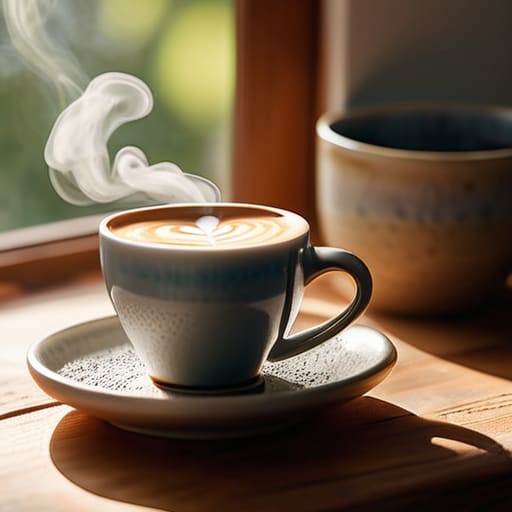
    I’ve learned that you don’t need to conquer a peak to find clarity. Sometimes, the most profound healing happens on a gentle loop through the woods, where the only goal is to breathe. It’s a way of unplugging the frantic machinery of the modern world. Instead of scrolling through a screen, I find myself looking at the intricate patterns of moss on a stone or the way a stream navigates a bend. It’s a slow, quiet reclamation of one’s own peace.

    Scenic Mountain Trekking Routes for the Wandering Soul

    Scenic Mountain Trekking Routes for the Wandering Soul

    When I think about the most soul-stirring paths I’ve encountered, I don’t think of the steepest climbs or the most grueling distances. Instead, I think of the way the light hits the granite in the High Sierras or the soft, damp scent of pine in the Blue Ridge Mountains. These scenic mountain trekking routes aren’t just lines on a map; they are invitations to lose oneself in the scale of the world. I’ve found that the best routes are often those that meander rather than sprint, offering plenty of places to pull out my notebook and sketch a jagged ridgeline or a particularly stubborn wildflower.

    Of course, finding that quiet connection with nature requires a bit of respect for the terrain. I’m a firm believer in a solid trail preparation checklist before heading into the backcountry. It isn’t about being an expert woodsman, but about having the peace of mind that comes from being prepared. When you aren’t worrying about whether your boots will hold or if you have enough water, you are finally free to actually look up and see the majesty passing you by.

    A Few Things I’ve Learned from My Boots and My Notebook

    • Pack light, but pack right. I used to think more gear meant more security, but after years of heavy packs, I’ve learned that a lighter load makes for a much better view. Stick to the essentials—a good map, plenty of water, and maybe that extra layer for when the wind picks up.
    • Don’t let the stopwatch dictate your pace. There is no prize for being the first one to the trailhead or the fastest to the summit. If you see a particular bend in the creek or a patch of wildflowers that catches your eye, stop. Sit. Let the world settle around you.
    • Respect the terrain, but don’t fear it. As an engineer, I have a natural respect for how things are built, including the mountains. Check the weather and the trail conditions before you head out, but once you’re on the path, trust your feet and stay mindful of where you step.
    • Carry a small way to record the moment. I never head out without my leather-bound notebook. Sometimes a quick sketch of a ridge or a few lines about the smell of the pine needles helps anchor the memory far better than a dozen hurried photos on a phone.
    • Always carry a little something extra for the soul. A good trail snack isn’t just fuel; it’s a ritual. Whether it’s a piece of sharp cheddar or a bit of dark chocolate, saving a small treat for a quiet moment on a ledge makes the entire journey feel like a celebration.

    A Few Notes for the Trail

    Forget the stopwatch; the goal isn’t to reach the peak first, but to notice the way the light hits the pine needles along the way.

    Pack more than just water and a map—bring a small snack and a moment of stillness to reward yourself for the climb.

    Let the trail do the heavy lifting for your mind, and don’t be afraid to sit a while when the view finally demands your full attention.

    The View from the Middle of Nowhere

    A trail isn’t a distance to be conquered or a box to be checked on a map; it’s just a path that leads you to a place where you can finally hear yourself think, usually somewhere between the third mile and a particularly good view.

    Bernard Oyelaran

    The Path Less Rushed

    Hiking through The Path Less Rushed.

    Looking back at everything we’ve discussed, it’s clear that hiking is about much more than just checking a trail off a list or reaching a summit before the sun goes down. Whether we are exploring those sweeping mountain vistas to clear our heads or simply walking through a local forest to find a bit of mental stillness, the goal remains the same. It isn’t about the mileage on your boots or the elevation gain on your watch; it is about reclaiming your time from a world that is always asking you to hurry. We’ve seen how the right route can soothe a restless mind and how a bit of nature can provide a perspective that no office cubicle ever could.

    As I sit here in this small cafe, sketching the way the light hits the trees outside, I’m reminded that the best part of any journey isn’t the destination, but the quiet intervals in between. So, when you lace up your boots this weekend, I urge you to leave the stopwatch at home. Don’t worry about being the fastest person on the trail. Instead, find a sturdy rock, sit for a moment, and let the world breathe around you. After all, the mountain isn’t going anywhere, and you’ll find much more beauty if you’re actually present to see it.

    Frequently Asked Questions

    What kind of gear should I pack if I want to take my time and enjoy the scenery rather than just rushing to the finish line?

    Forget the ultra-lightweight obsession. If you aren’t racing, you can afford a few extra pounds for comfort. Pack a lightweight folding stool or a decent sit-pad; there’s nothing quite like sitting on a rock to enjoy a view. Bring a proper thermos for tea, a real notebook for sketching, and perhaps an extra layer for when you linger. Most importantly, carry a slightly larger pack—it gives you room to breathe, and room for snacks.

    Are there certain trails that are easier on the knees for those of us who aren't as young as we used to be?

    I know that feeling well. My knees certainly don’t forgive me for a steep descent like they used to. I’ve found that looking for “rail trails” or old carriage paths is a game-changer; they tend to be much more level. If you’re heading into the woods, look for loops with minimal elevation gain. It’s not about the struggle of the climb; it’s about the steady rhythm of the walk and the view at the end.

    How do you find the best quiet spots along a trail to just sit, eat, and take in the view?

    I’ve learned that the best spots aren’t usually the ones marked on a map with a big red star. Those are for the crowds. Instead, look for a break in the treeline or a flat ledge just past a particularly steep climb. When you feel your pace naturally slacken, that’s your cue. Pull out the notebook, find a comfortable rock, and don’t be afraid to linger. The view is better when you aren’t rushing to the next waypoint.

  • Exploring New Cultures Through Food Tourism

    Exploring New Cultures Through Food Tourism

    I was sitting in a cramped, overpriced bistro in Florence last spring, staring at a menu that looked more like a legal document than a list of ingredients. Everyone around me was busy snapping photos of their plates, chasing the latest viral trend, but the food felt soulless. It struck me then that most people approach food tourism like they’re checking items off a frantic to-do list, rushing from one famous landmark to the next just to say they’ve eaten there. They’re missing the point entirely. Real connection doesn’t happen in a line for a Michelin star; it happens when you stumble upon a sun-drenched corner stall where the cook actually knows the farmer who grew the tomatoes.

    I’m not here to give you a list of the most “Instagrammable” spots or the trendiest eateries that will be forgotten by next season. Instead, I want to share how you can use food tourism as a way to actually slow down and see the world. I’ll be sharing my own quiet discoveries—the kind found in small village squares and local markets—to help you find the genuine heart of a place through its flavors.

    Table of Contents

    Seeking Authentic Street Food Experiences in Quiet Alleys

    Seeking Authentic Street Food Experiences in Quiet Alleys

    I’ve learned that the best meals rarely come with a printed menu or a polished brass sign. In fact, if you’re looking for the real heart of a city, you have to turn away from the main thoroughfares and head into the narrow, winding alleys where the pavement feels uneven underfoot. It was in a dim, narrow lane in Hanoi last autumn that I had my most memorable meal—just a plastic stool, a steaming bowl of noodles, and the rhythmic hum of a motorbike passing by. These authentic street food experiences aren’t about luxury; they are about the honest connection between a cook, their ingredients, and the person sitting right in front of them.

    There is a certain magic in finding a stall tucked between two weathered buildings, where the steam from a pot rises like morning mist. You won’t find these spots on most gourmet travel itineraries, and that’s exactly why they matter. When you sit there, watching the vendor work with practiced, rhythmic motions, you aren’t just eating; you are witnessing a living piece of cultural food heritage. It’s in these quiet, unscripted moments that the world finally feels like it’s moving at the right speed.

    Tracing Cultural Food Heritage Through Every Shared Meal

    Tracing Cultural Food Heritage Through Every Shared Meal

    There is a certain weight to a recipe that has been passed down through generations, a kind of gravity you can feel the moment you sit down at a family-run table. I’ve found that true cultural food heritage isn’t found in the glossy brochures or the high-priced tasting menus, but in the calloused hands of a grandmother stirring a pot of stew that hasn’t changed in fifty years. When I sit in these small, unassuming kitchens, I’m not just eating; I’m participating in a silent conversation between the past and the present.

    It’s easy to get caught up in the latest culinary destination trends, chasing whatever city is currently trending on social media, but that often misses the soul of a place. Instead, I prefer to look for the connections between the soil and the plate. There is something deeply grounding about seeing how a community honors its land through its cooking. Whether it’s a simple loaf of crusty bread or a complex spice blend, these flavors act as a map of a people’s history, reminding us that the most profound stories are often told through the simplest ingredients.

    A Few Lessons Learned from My Own Plate

    • Put down the guidebook for an hour. The best meals I’ve ever had didn’t come from a “top-rated” list; they came from following the scent of garlic and woodsmoke down a street I hadn’t even planned to walk down.
    • Look for the places where the locals are lingering. If you see a shop with a few worn-out stools and a crowd of people who seem to be in no rush at all, pull up a chair. That’s where the real soul of a city lives.
    • Don’t be afraid of the language barrier. A nod, a smile, and a hungry expression go a long way. Sometimes the most meaningful connection I’ve made wasn’t through words, but through the shared understanding of a perfectly seasoned stew.
    • Pack light, but bring your curiosity. You don’t need a heavy itinerary; you just need the willingness to try something that looks a bit strange or unfamiliar. That’s usually when the magic happens.
    • Keep a small notebook handy. Not just for recipes, but for the little things—the way the light hit the café table, or the sound of the market at dawn. Those details make the flavor linger long after you’ve gone home.

    Lessons from the Table and the Trail

    Don’t be afraid to wander off the main thoroughfare; the best flavors are rarely found where the tour buses park, but rather in those quiet, narrow alleys where the locals actually eat.

    Treat every meal as a conversation with history, understanding that a recipe passed down through generations tells a story far deeper than any guidebook ever could.

    Remember that the goal isn’t to check every restaurant off a list, but to give yourself permission to sit, linger, and truly taste the moment.

    ## The Heart of the Journey

    “A passport tells you where you’ve been, but a shared plate of something unfamiliar tells you who the people are. You don’t truly know a place until you’ve sat at its table and let the flavors tell you the stories that the guidebooks always seem to miss.”

    Bernard Oyelaran

    The Last Bite and the Long Walk Home

    Journal notes: The Last Bite and the Long Walk Home.

    As I look back on these notes in my leather-bound journal, I’m reminded that food tourism isn’t about checking a famous restaurant off a list or hunting down the most “Instagrammable” dish. It’s about those quiet moments we’ve discussed—the steam rising from a bowl in a hidden alleyway, the way a local grandmother’s hands move while she prepares a family recipe, and the unspoken history shared across a crowded table. Whether you are tracing heritage through a single spice or simply letting your feet lead you toward the smell of fresh bread, you are doing more than just eating; you are connecting with the soul of a place in a way that no guidebook could ever truly capture.

    So, the next time you find yourself in a new city, I urge you to put the map away for an hour. Don’t rush toward the landmark; instead, find a small, unassuming shop where the locals are gathered and just sit. Let the flavors settle, watch the world go by, and remember that the best part of any journey isn’t the destination, but the quiet, delicious pauses we take along the way. After all, a life well-lived is really just a collection of good meals and even better views.

    Frequently Asked Questions

    How do you find those quiet, tucked-away spots without accidentally ending up in a tourist trap?

    I’ve learned that the best way to avoid the bright neon signs and laminated menus is to simply follow the locals. If you see a place where the menu is handwritten and the crowd looks like they’re actually living their lives—not posing for photos—that’s your spot. I usually tuck my notebook away, walk a few blocks past the main square, and look for where the noise dies down. If it looks lived-in, it usually tastes better.

    Is it difficult to navigate local food customs or etiquette when you're just trying to enjoy a meal on your own?

    I’ll be honest—it can feel a bit daunting at first. There’s always that slight hesitation, wondering if I’m holding my utensils wrong or if I’m being too loud. But I’ve found that most folks are far more welcoming than we give them credit for. My rule of thumb? Just observe. Watch how the locals do it, take a slow breath, and remember: you’re there to savor the flavors, not to pass a test.

    How can I balance the desire to try everything with the need to actually slow down and savor the moment?

    It’s a tug-of-war I feel every time I land in a new city. My instinct is to check every restaurant off a list, but that’s just another kind of work. I’ve learned to set a “rule of one”: pick one standout thing to find each day, then leave the rest of the afternoon open. If I find a bench and a decent sandwich, I stay there. Don’t chase the menu; chase the stillness.

  • The Importance of Social Connection for Mental Health

    The Importance of Social Connection for Mental Health

    I was sitting in a small, sun-drenched café in Florence last Tuesday, watching a young man try to “network” with a group of locals using nothing but a smartphone and a frantic, rehearsed grin. It struck me how much we’ve overcomplicated the idea of social connection by turning it into some kind of high-stakes performance or a digital checklist to be completed. We’ve been sold this notion that staying “connected” means managing a constant stream of notifications or attending expensive mixers, when in reality, we’re all just starving for something real.

    I’m not here to give you a lecture on psychological theories or some complicated five-step plan to boost your engagement. Instead, I want to share what I’ve learned from thirty years of managing crews on loud construction sites and a lifetime of traveling slowly. I’ll be offering a few plain-spoken observations on how to find genuine warmth in the people around you, whether it’s through a shared meal or a simple, unhurried conversation. We’re going to look at how to strip away the noise and actually start noticing one another again.

    Table of Contents

    Building Meaningful Interpersonal Bonds Over a Shared Plate

    Building Meaningful Interpersonal Bonds Over a Shared Plate

    There is something about the ritual of setting a table that pulls people out of their own heads. I’ve found that when you sit across from someone with a warm plate of food between you, the barriers we build up during the day start to crumble. It isn’t about the complexity of the recipe; it’s about the rhythm of the conversation. In my engineering days, I was always looking at the big picture, the grand design. But lately, I’ve realized that building meaningful interpersonal bonds happens in the small, unscripted pauses between bites—the way a friend laughs at a shared memory or how a stranger becomes a regular at the corner bistro.

    We often underestimate how much a simple dinner can act as a shield against the world. We hear a lot about the psychological impact of isolation, and it’s a heavy thing to carry alone. However, I’ve always believed that a shared meal is one of the simplest, most effective ways of staying grounded. When we make the effort to sit down together, we aren’t just eating; we are reinforcing the invisible threads that keep us tethered to one another.

    The Quiet Importance of Social Support Networks

    The Quiet Importance of Social Support Networks

    It’s easy to think of support as something grand—a hero stepping in during a crisis—but in my experience, it’s much quieter than that. It’s the neighbor who notices your mail is piling up, or the friend who calls just to ask how your garden is doing. These small, steady threads are what actually make up the importance of social support networks. When life gets heavy, it isn’t always a big solution we need; sometimes, it’s just knowing there is a familiar voice on the other end of the line.

    I’ve seen firsthand how the psychological impact of isolation can settle in like a slow, damp chill. It doesn’t happen all at once, but rather through a gradual fading of those daily interactions that keep us grounded. We often mistake being “busy” for being “connected,” but there is a profound difference. True social wellness and mental health aren’t found in the noise of a crowd, but in the reliability of a few good people who show up when the world feels a little too loud or a little too empty.

    Five Small Ways to Lean Into the People Around You

    • Put the phone face down when you’re sitting across from someone. There is a certain kind of magic in looking a person in the eye and actually hearing the cadence of their voice without a screen buzzing between you.
    • Become a regular somewhere. Whether it’s the corner bakery or that little hardware shop downtown, there’s a quiet strength in being a familiar face. A simple “good morning” to the person behind the counter can anchor you to the community.
    • Don’t be afraid to ask for a little help. I spent years thinking a man should handle his own repairs, but I’ve learned that asking a neighbor for a hand with a heavy box often turns into a twenty-minute conversation that’s good for the soul.
    • Practice the art of the slow check-in. Instead of a rushed text, try a handwritten note or a brief, unhurried phone call. It shows people you aren’t just checking a box, but that you’re actually thinking of them.
    • Listen more than you speak. Sometimes, the greatest gift you can give another person is a quiet, attentive space where they feel heard. You’d be surprised how much beauty you find when you stop waiting for your turn to talk.

    A Few Things to Carry With You

    Don’t wait for a grand occasion to reach out; a simple, unhurried conversation over a coffee or a midday snack is often more nourishing than any planned event.

    Look for the people who make the world feel a little steadier, and make sure you’re offering that same sense of quiet strength back to them when they need it.

    Remember that connection isn’t about how many people you know, but about the depth of the moments you actually stop to share with the ones who matter.

    The Unseen Threads

    We spend so much time building bridges of steel and concrete, thinking that’s what holds a world together, but the real infrastructure of a life is found in the quiet, unscripted moments—a shared laugh over a lukewarm coffee or a long silence with an old friend that doesn’t need any filling.

    Bernard Oyelaran

    The Slow Path Home

    Building connections on The Slow Path Home.

    Looking back on everything we’ve discussed, it’s clear that connection isn’t some grand, monumental achievement like finishing a bridge or a highway. It’s much smaller and much more delicate than that. It’s found in the steady rhythm of a regular lunch with an old friend, the reliability of a neighbor who checks in when the snow gets too deep, and the simple grace of sitting across from someone and truly listening. We don’t need a massive social circle to feel anchored; we just need those few, sturdy threads that tie us to the people around us. Building these bonds takes time and a bit of patience, but it is the most important infrastructure we will ever maintain.

    As I sit here in this little cafe, watching the light shift across the wooden table, I’m reminded that we spend so much of our lives rushing toward the next big thing that we forget to inhabit the present. My advice is simple: don’t wait for a special occasion to reach out. Pick up the phone, knock on a door, or simply invite someone to share a quiet moment with you. Life moves a little faster than I’d like, but when we lean on one another, the pace feels just right. After all, the best views in this world are rarely meant to be seen alone.

    Frequently Asked Questions

    How do you find time to truly connect with people when life feels like it's constantly moving at a hundred miles an hour?

    You don’t find the time; you have to steal it. When things get frantic, I stop trying to schedule “events” and instead look for the small gaps. It’s calling a friend while the coffee brews or sitting on a park bench for ten minutes instead of scrolling through my phone. We often think connection requires a grand gesture, but usually, it’s just about choosing to pause and being truly present in those tiny, stolen moments.

    Is it possible to build these kinds of meaningful bonds when you're traveling alone or living in a new place?

    It’s a question I’ve asked myself more than a few times, especially sitting in a quiet café in a city where I don’t know a soul. The answer is a resounding yes, though it requires a bit of courage. You have to be willing to be the one who initiates. Sit at the communal table, ask the shopkeeper about their favorite local haunt, or simply offer a nod to the person sketching next to you. Connection often starts with the smallest, simplest gestures.

    How can we tell the difference between just being "busy" with people and actually feeling a sense of genuine connection?

    It’s the difference between a crowded room and a shared silence. Being “busy” is all noise—checking boxes, making plans, and rushing through small talk that leaves you feeling more drained than when you started. Genuine connection, though? That’s when the clock seems to stop. It’s that feeling of being truly heard, even if you aren’t saying much at all. If you leave an encounter feeling steady rather than scattered, you’ve found it.

  • Finding Joy in Seasonal Comfort Foods

    Finding Joy in Seasonal Comfort Foods

    I remember sitting in a drafty site trailer back in ’88, the wind howling across a half-finished bridge project in northern Michigan. My hands were cracked from the cold, and my head was spinning with structural calculations that just wouldn’t settle. I didn’t need a gourmet meal or some trendy, deconstructed fusion dish to feel human again. All I needed was a heavy ceramic mug of thick, slightly burnt beef stew that my wife had packed in a thermos. That’s the real truth about comfort food: it isn’t about culinary prestige or expensive ingredients. It’s about that sudden, quiet warmth that settles in your chest and tells you that, for a moment, everything is going to be alright.

    I’m not here to give you a list of complicated recipes that require a chemistry degree and three hours of prep work. Instead, I want to share the kind of honest, unpretentious wisdom that comes from a life spent appreciating the simple mechanics of a good meal. We’re going to look at the staples that actually nourish the soul, focusing on the textures and flavors that bring us back to ourselves when the world gets a little too loud.

    Table of Contents

    Nostalgic Meal Ideas That Feel Like a Warm Embrace

    Nostalgic Meal Ideas That Feel Like a Warm Embrace

    I often find myself thinking back to my mother’s kitchen in Ann Arbor, where the air always seemed to hold a certain weight—the scent of rosemary and slow-simmering beef. There is something deeply grounding about revisiting classic family recipes when the world feels a bit too loud. For me, it’s a bowl of beef stew, the kind that sits on the stove for hours until the carrots are tender enough to melt. It isn’t about the complexity of the technique; it’s about the patience required to let the flavors truly settle into one another.

    When I’m traveling and find myself in a new town, I look for those same quiet rhythms. Sometimes, it’s as simple as a tray of roasted root vegetables or a batch of thick, crusty bread shared over a wooden table. These hearty homemade dinners act as a sort of anchor. They remind me that even when we are far from home, we can recreate that sense of safety through the simple, repetitive motions of chopping, stirring, and waiting. It’s a way of tending to the soul one bite at a time.

    The Slow Magic Found in Hearty Homemade Dinners

    The Slow Magic Found in Hearty Homemade Dinners.

    There is a specific kind of rhythm to preparing hearty homemade dinners that you just can’t find in a drive-thru window. It starts with the steady thud of a knife against a wooden cutting board and the rhythmic simmering of a pot on the stove. When I was managing construction sites, everything was about speed and efficiency—hitting deadlines, moving earth, meeting quotas. But lately, I’ve found that the most rewarding work happens when I’m standing in a quiet kitchen, letting a pot of beef stew bubble away for hours. There is a meditative quality to it; as the aromas begin to fill the house, the frantic pace of the day simply seems to dissolve.

    I often find myself leaning into these classic family recipes that my mother used to make, the ones that require a bit of patience and a lot of seasoning. It isn’t just about satisfying hunger; it’s about the ritual of it all. Whether I’m layering vegetables for a roast or letting a slow cooker do its quiet work in the background, these meals act as an anchor. They remind me that some things—the best things—simply cannot be rushed.

    Small Ways to Bring a Little More Soul to Your Table

    • Don’t be afraid to let things simmer. Whether it’s a pot of beans or a slow-cooked ragu, the best flavors—and the best moments—usually require a bit of patience and a lot of time.
    • Choose the ingredients that tell a story. I find that using a tomato from the local farmer’s market or a specific spice my mother used makes the meal feel less like fuel and more like a memory.
    • Put the phone in another room. It’s hard to truly savor the texture of a crusty loaf of bread or the warmth of a soup when you’re distracted by a glowing screen. Give your meal the respect of your full attention.
    • Embrace the imperfections. A slightly burnt edge on a grilled cheese or a mismatched set of ceramic bowls doesn’t ruin a meal; it makes it feel lived-in and real, much like a well-worn camera.
    • Cook for the sake of the process, not just the result. There is a quiet, meditative rhythm in chopping vegetables or stirring a pot that can settle a restless mind long before the first bite is even taken.

    A Few Thoughts to Carry With You

    Don’t worry about the perfection of the recipe; it’s the intention and the slow pace of the cooking that truly seasons the soul.

    Use mealtime as an anchor to pull yourself out of the rush of the day and back into the present moment.

    Remember that the best comfort often comes from the simplest ingredients, served with a side of quiet reflection.

    The Quiet Wisdom of a Full Plate

    We often look for comfort in grand gestures or big changes, but I’ve found it’s much more reliable in the steam rising from a bowl of soup or the familiar weight of a heavy ceramic mug; it’s the small, steady flavors that remind us we are home, even when we’re far away.

    Bernard Oyelaran

    A Final Seat at the Table

    A Final Seat at the Table comfort.

    As I look back on everything we’ve discussed—from those nostalgic recipes that transport us back to our childhood kitchens to the quiet, meditative process of simmering a slow-cooked stew—it becomes clear that comfort food is about much more than just calories. It is about the intentionality we bring to the table. Whether it is a dish that tastes like a hug from a grandmother or a hearty meal we labored over on a rainy Tuesday, these foods serve as anchors. They remind us that even when the world feels chaotic and loud, there is a profound, steadying power in the simple act of nourishing ourselves with something made with care.

    So, my advice to you is this: don’t wait for a special occasion to seek out that warmth. If you’ve had a long day or a heavy week, don’t just grab something quick and mindless. Instead, find a recipe that speaks to your soul, pull up a chair, and really taste it. Let the steam hit your face and the flavors settle your spirit. Life moves far too fast to rush through our most restorative moments. Take your time, savor the details, and remember that sometimes, the most important work we do is simply slowing down enough to enjoy a good meal.

    Frequently Asked Questions

    How can I recreate those childhood flavors when I don't have the original family recipes?

    It’s a tricky thing, trying to chase a ghost of a flavor. When the recipe card is lost to time, I find it best to start with the senses. I’ll sit in a quiet kitchen and try to remember: was it the sharp tang of rosemary or the heavy sweetness of browned butter? Don’t aim for perfection. Just cook with intention, experiment with small amounts, and let your memory guide your hands. Usually, the heart knows the way.

    Is there a way to make these heavier, comforting meals a bit lighter without losing that sense of soul?

    It’s a delicate balance, isn’t it? I’ve found that you don’t have to strip the soul out of a dish just to lighten it up. I often swap heavy creams for a bit of Greek yogurt or a splash of vegetable stock, and I’ve learned that roasting vegetables instead of frying them keeps that deep, earthy flavor intact. It’s about adjusting the mechanics, not the heart of the meal.

    How do you find the time to cook these slow meals when life starts feeling a bit too rushed?

    To be honest, I don’t find the time; I make it. When things get frantic, I treat cooking like a scheduled inspection on a job site—it’s non-negotiable. I’ve learned to embrace the “slow” by prepping a little extra on Sundays, or simply letting a pot simmer while I sit and sketch in my notebook. It’s not another chore on a list; it’s the very thing that stops the clock.

  • Understanding the Concept of Hygge in Scandinavian Living

    Understanding the Concept of Hygge in Scandinavian Living

    I was sitting in a cramped cafe in Copenhagen last autumn, watching a young woman scroll through a lifestyle magazine, when I saw it: a glossy spread full of expensive, minimalist furniture and designer candles all claiming to be the essence of scandinavian hygge. It rubbed me the wrong way. To my mind, you don’t need a three-hundred-dollar ceramic mug or a perfectly curated living room to find peace. If you think you need to buy your way into coziness, you’ve completely missed the point of the whole concept.

    I’ve spent my life building things meant to last, and I’ve learned that the most meaningful things usually don’t come with a price tag. In this post, I want to strip away the marketing fluff and talk about what this lifestyle actually looks like when you’re living it. I’m going to share a few simple, no-nonsense ways to bring that sense of warmth into your own life—not through shopping, but through the way you linger over a cup of coffee or the way you settle into a quiet corner at dusk. We’re going to focus on the art of noticing, rather than the art of consuming.

    Table of Contents

    Embracing Hygge Lifestyle Principles in Every Quiet Moment

    Embracing Hygge Lifestyle Principles in Every Quiet Moment.

    I’ve found that applying hygge lifestyle principles doesn’t require a complete home renovation or a designer’s touch. It’s more about the intention behind how we inhabit our spaces. For me, it started with a single lamp. I realized that those harsh, overhead lights I used to rely on were doing nothing for my spirit. Now, I focus on warm lighting for hygge, opting for small lamps and a few well-placed candles that cast soft, dancing shadows across the room. It changes the entire energy of a space, turning a mere house into a sanctuary where the edges of the world feel a little softer.

    Even when I’m out sketching in a park, I try to bring that sense of presence with me. It’s about creating a sense of coziness within oneself, regardless of the setting. Whether it’s the weight of a heavy wool blanket during a rainy afternoon or the simple ritual of brewing a pot of tea, these small acts are what ground us. It isn’t about perfection; it’s about making sure the moments we do have are filled with a bit of warmth and quiet grace.

    Scandinavian Wellness Rituals for a Soulful Afternoon

    Scandinavian Wellness Rituals for a Soulful Afternoon.

    I’ve found that the best way to practice these scandinavian wellness rituals isn’t by following a rigid schedule, but by leaning into the natural rhythm of the afternoon. For me, that usually begins when the light starts to turn golden and thin. I’ll put away my engineering journals, set my Leica aside, and focus on the simple transition from doing to being. There is something deeply grounding about the ritual of brewing a pot of loose-leaf tea—the steam rising in the quiet, the weight of the ceramic mug, and the deliberate act of just sitting still while the world rushes on outside.

    It’s also about how we curate our immediate surroundings to support that stillness. I’m not one for flashy trends, but I’ve learned that warm lighting for hygge makes all the difference when the shadows grow long. I prefer a few well-placed lamps over the harsh glare of an overhead light; it softens the edges of the room and invites a sense of calm. When you pair that soft glow with a comfortable chair and a view of the garden, you aren’t just decorating—you are creating a sanctuary for your own thoughts.

    Small Ways to Bring a Little Warmth into Your Day

    • Light a single candle when the sun starts to dip. It isn’t about making the room bright; it’s about that soft, flickering glow that tells your brain it’s okay to finally stop working and just be.
    • Find your “comfort corner.” Whether it’s a worn-in armchair or a specific bench in the park, having one dedicated spot where the world feels a little smaller and more manageable makes all the difference.
    • Trade the screen for something tactile. I’ve found that putting my phone in a drawer and picking up my old Leica or a simple sketchbook helps me actually feel the texture of the afternoon rather than just scrolling through it.
    • Don’t overlook the power of a warm drink. There is a specific kind of peace found in the weight of a ceramic mug and the steam rising against your face—it’s a small, sensory anchor that keeps you grounded in the moment.
    • Practice the art of “slow gathering.” You don’t need a grand dinner party; just a quiet conversation over a simple meal, where no one is checking their watch and the conversation is allowed to wander wherever it needs to go.

    A Few Small Reminders for the Road Ahead

    Don’t wait for a special occasion to find comfort; the magic of hygge is in the small, daily things, like the weight of a well-worn book or the steam rising from a fresh cup of coffee.

    It is okay to turn off the noise of the world for a while; true wellness often starts with the courage to simply sit still and let the afternoon unfold at its own pace.

    Pay attention to the textures and the light around you, because when we stop rushing to the next task, we finally start noticing the beauty that was there all along.

    The Heart of the Matter

    “Hygge isn’t some fancy design trend you can buy off a shelf; it’s that quiet, steady warmth you feel when the world outside is rushing by, but you’ve finally found a reason to sit still, hold a warm mug, and just breathe.”

    Bernard Oyelaran

    Finding Your Own Quiet Rhythm

    Finding Your Own Quiet Rhythm in café.

    As I sit here in this little café, watching the rain streak against the window, I’m reminded that hygge isn’t some complex checklist or a collection of expensive items you need to buy. It’s really just about the intention behind the small things—the way we lean into the warmth of a thick wool sweater, the deliberate act of brewing a pot of tea, or the simple grace of choosing to be present when the world feels a bit too loud. Whether it’s through a mindful afternoon ritual or just creating a soft corner in your own home, it all boils down to cultivating comfort in the midst of the mundane.

    My time spent over drafting tables taught me a lot about structure, but it’s this slower way of living that has taught me about soul. Don’t feel like you have to overhaul your entire life to find this sense of peace; just look for the small gaps in your day where you can breathe. Perhaps it’s the way the light hits your favorite book, or the steady weight of a ceramic mug in your hands. My advice is simple: stop rushing toward the next thing and start savoring the now. After all, life happens in the pauses, not the sprints.

    Frequently Asked Questions

    How can I practice hygge when I'm traveling and don't have the comfort of my own home?

    I used to think comfort required my own four walls, but traveling has taught me otherwise. Hygge on the road is about creating small, portable anchors. It’s the ritual of finding a quiet corner in a local café, the weight of a heavy ceramic mug, or the way the light hits a cobblestone street at dusk. Don’t chase perfection; just find one small, sensory detail to linger on. That’s where the home is.

    Is it possible to find that sense of coziness in a busy, modern city, or does it require a quiet countryside setting?

    I used to think you needed a cabin in the woods for that, but I’ve learned better. Even in the middle of a concrete jungle, hygge is a state of mind, not a zip code. It’s finding that one corner booth in a dim cafe where the steam rises off your coffee, or the way the rain looks against a window while you’re tucked away inside. It’s about creating your own quiet pocket amidst the noise.

    How do you balance the desire to slow down with the practical responsibilities of daily life and work?

    It’s a constant tug-of-war, isn’t it? In my engineering days, I thought efficiency was everything. Now, I realize that “balance” isn’t about splitting your time perfectly; it’s about how present you are when you actually show up. I try to weave small pockets of stillness into the chores—like truly tasting my coffee before the emails start flying. You can’t stop the world from spinning, but you can choose when to step off for a moment.

  • Essential Tips for Home Baking

    Essential Tips for Home Baking

    I remember sitting in my small kitchen back in Ann Arbor, staring at a collapsed, gummy loaf of bread that looked more like a construction mishap than a meal. I had followed every high-tech, gadget-heavy instruction the magazines threw at me, yet I still ended up with a mess. It’s frustrating how much modern advice focuses on buying the most expensive stand mixer or a digital scale that costs more than my first car, when the real secret to success lies in the basics. Most of the baking tips you find online these days are just noise designed to sell you more kitchen clutter, rather than teaching you how to actually feel the dough.

    I’m not here to sell you on fancy equipment or complicated chemistry sets. Instead, I want to share the steady, practical wisdom I’ve gathered from years of trial, error, and plenty of flour-dusted afternoons. I’ll provide you with honest, experience-based advice that focuses on patience, temperature, and the simple rhythm of the process. My goal is to help you move past the stress of perfection and find the quiet joy that comes from making something truly delicious with your own two hands.

    Table of Contents

    Measuring Flour Accurately a Lesson in Patience

    Measuring Flour Accurately a Lesson in Patience

    I remember back when I was managing bridge construction sites, we had a saying: “measure twice, cut once.” It’s a principle that applies just as much to a kitchen counter as it does to a steel girder. One of the most frequent common baking mistakes to avoid is the habit of scooping the flour directly from the bag with a measuring cup. When you do that, you pack the flour down, squeezing out the air and leaving you with far more than the recipe intended. It’s a subtle error, but it can turn a light, airy sponge into something dense and unyielding.

    Instead, I’ve learned to embrace a slower method. Use a spoon to gently fluff the flour and sprinkle it into your measuring cup until it overflows, then level it off with the back of a knife. It takes an extra thirty seconds, but measuring flour accurately is worth the small investment of time. It’s much like restoring one of my old Leica cameras; if you rush the delicate parts, the whole mechanism suffers. Taking that moment to be precise ensures the texture is exactly what it should be.

    Leavening Agent Functions the Magic of Hidden Breath

    Leavening Agent Functions the Magic of Hidden Breath

    I remember watching my father work in his workshop; he’d say that the most important parts of a machine are often the ones you can’t see. Baking is much the same. While we spend so much time fussing over the flour, the true soul of the loaf lies in the leavening agent functions—that quiet, invisible alchemy that turns a heavy lump of dough into something light and airy. Whether it’s the slow, rhythmic expansion of a sourdough starter or the sudden, spirited lift of baking powder, these agents are essentially providing the bread with its hidden breath.

    It’s easy to view these as mere additives, but they require a certain respect. I’ve learned through many a failed loaf that rushing this stage is one of those common baking mistakes to avoid. If you try to compensate for a lack of rise by cranking up the heat, you’ll find yourself with a crust that’s burnt and a center that’s still stubbornly dense. You have to trust the process and let the yeast do its work, undisturbed, much like letting a landscape settle before you pick up your camera to capture it.

    A Few More Quiet Lessons from the Kitchen Counter

    • Don’t rush the temperature; let your butter reach that soft, room-temperature state naturally. I’ve learned the hard way that trying to melt it in the microwave just to save a few minutes ruins the delicate air we’re trying to build into the dough.
    • Treat your ingredients like old friends—get them to know each other before the real work begins. Bringing your eggs and milk to room temperature isn’t just a technicality; it prevents the batter from breaking, ensuring a smooth, steady rise.
    • Resist the urge to peer through the oven glass every five minutes. It’s tempting, but every time you crack that door, you let out the very warmth and moisture the bread needs to grow. Trust the process and the timer instead.
    • Sift your dry ingredients not just for texture, but for peace of mind. It’s a rhythmic, meditative task that ensures no stubborn lumps interrupt the flow of your mixing, much like clearing a path before starting a long walk.
    • Learn to listen to the crust. A truly well-baked loaf often “sings”—a series of tiny, delicate crackles as it cools on the rack. It’s the sound of a job done with patience, and it’s one of my favorite little rewards.

    Lessons from the Kitchen Counter

    Trust the process, not the clock; baking is a slow dialogue between you and your ingredients, and rushing it only leads to a hollow result.

    Precision isn’t about being rigid, it’s about respect—respecting the chemistry that turns simple flour and water into something soulful.

    Pay attention to the small things, like the way the dough feels under your palms or the scent of yeast waking up, because those are the moments where the real magic happens.

    ## The Rhythm of the Dough

    Baking isn’t about following a set of rigid instructions to reach a finish line; it’s about learning to listen to the dough and respecting the time it takes to become something beautiful.

    Bernard Oyelaran

    The Final Ingredient

    Precision is The Final Ingredient in baking.

    At the end of the day, baking isn’t just about following a set of rigid instructions or hitting specific chemical benchmarks. It’s about understanding the relationship between the weight of your flour and the delicate, invisible lift provided by your yeast. When you take the time to measure with intention and respect the biological rhythm of your leavening agents, you aren’t just making food; you are building a foundation. These small, technical adjustments might seem trivial when you’re staring at a pile of ingredients, but they are the difference between a heavy, forgotten loaf and something that truly sings on the palate. Remember, precision is the quiet partner of flavor.

    As you pull that warm tray from the oven, I hope you resist the urge to immediately slice into it. Instead, I encourage you to stand there for a moment in the quiet of your kitchen. Listen to the crust crackle as it cools and breathe in that scent that only a patient baker can truly appreciate. Baking is a wonderful reminder that the best things in life cannot be rushed or forced; they require our presence and our patience. So, take a seat, grab a cup of tea, and savor the stillness that comes with a job well done. After all, the most important thing we bake is the memory of the afternoon itself.

    Frequently Asked Questions

    I’ve always struggled with the texture of my loaves; how can I tell if I’ve over-worked the dough during the kneading process?

    I used to think more effort always meant a better result, but dough is a bit like a living thing—it knows when you’re being too heavy-handed. If your bread feels tough or rubbery, rather than soft and springy, you’ve likely over-worked it. Look for the “windowpane test”: stretch a small piece of dough; it should become thin and translucent without tearing. If it snaps back aggressively or feels tight and angry, give it a rest.

    Is it worth the extra effort to use a kitchen scale, or can I truly get by with those standard measuring cups?

    If you’re looking for consistency, get a scale. I spent years working with blueprints where a fraction of an inch mattered; baking is much the same. When you scoop flour with a cup, you’re often packing it down, adding more than you realize. A scale takes the guesswork out of it. It’s a small investment of effort that saves a lot of heartache—and a lot of wasted ingredients—in the long run.

    When the kitchen gets a bit too warm in the summer, how does that affect the way my dough rises?

    The heat can be a bit of a trickster. When the kitchen warms up, those little yeast organisms get a bit too excited, working much faster than they would in a cool basement. Your dough might rise quickly, but keep a close eye on it; it can overproof and lose its structure before you even realize it. If it’s a sweltering afternoon, I find it best to move the bowl to a cooler corner or even the fridge to steady things.

  • Embracing the Principles of Slow Living

    Embracing the Principles of Slow Living

    I was sitting in a small café in Florence yesterday, watching a young man try to photograph his espresso with a smartphone while simultaneously checking his watch every thirty seconds. It struck me how much the modern concept of slow living has been hijacked by people selling expensive linen sheets and curated, minimalist aesthetics that look more like a sterile hospital wing than a home. You don’t need a thousand-dollar wardrobe or a silent retreat in the mountains to actually feel present. For me, it’s much simpler than that—it’s about the grit and the grace found in the middle of a messy, unscripted afternoon.

    I’m not here to sell you a lifestyle brand or a list of complicated rituals that require a subscription. What I want to share is what I’ve learned from thirty years of managing heavy machinery and a lifetime of chasing the right light through a vintage lens. I’ll be offering some straightforward, practical ways to reclaim your time, whether that’s through the way you prepare a simple meal or how you choose to walk through a park. This isn’t about perfection; it’s about noticing the details before they slip away.

    Table of Contents

    Embracing Simplicity Through Mindful Daily Routines

    Embracing Simplicity Through Mindful Daily Routines.

    I’ve found that the most profound changes don’t come from grand gestures, but from the small, quiet ways we structure our mornings. For years, I used to rush through my breakfast, eyes glued to a news feed, feeling behind before the day had even truly begun. Now, I make a point of practicing mindful daily routines that ground me. I sit by the window with my coffee, watching the steam rise and the light hit the oak tree in the yard. There is a certain peace in realizing that the world won’t stop turning just because I took twenty minutes to simply be.

    This shift has also led me toward embracing simplicity in my physical surroundings. I used to think more was better—more gadgets, more books, more clutter. But as I’ve spent more time tinkering with my old Leica cameras, I’ve realized how much weight we carry when we cling to things we don’t need. By focusing on quality over quantity, I’ve found a sense of freedom that no shopping spree could ever provide. It’s about making room for what actually matters.

    Digital Detox Techniques to Reclaim Your Evening View

    Digital Detox Techniques to Reclaim Your Evening View

    I’ve noticed that once the sun dips below the horizon, my instinct is to reach for my phone, scrolling through endless streams of news or photos that don’t really mean much to me. It’s a hard habit to break, but I’ve found that implementing a few digital detox techniques can completely change the temperature of an evening. Instead of letting a backlit screen dictate my mood, I’ve started placing my phone in a kitchen drawer around 7:00 PM. It’s a small act of embracing simplicity, but it creates a boundary that allows the rest of the house to feel quiet again.

    With the digital noise silenced, I find myself turning to my workbench to tinker with an old Leica lens or simply sitting by the window with my notebook. There is a profound sense of peace in watching the shadows stretch across the floor without the urge to photograph it for an audience. These moments are the cornerstone of my slow living philosophy; they remind me that the best parts of the day don’t require a battery or a Wi-Fi connection. They just require us to be truly present.

    A Few Ways I’ve Learned to Unclench My Shoulders

    • Stop treating your morning coffee like fuel for a race. Instead of gulping it down while checking your emails, sit by the window. Feel the warmth of the mug against your palms and just watch the birds for five minutes. It’s a small thing, but it sets a much gentler tone for the day.
    • Take the scenic route, even when you’re in a hurry. I’ve found that the shortcut through the main thoroughfare is rarely worth the few minutes saved. Walking through the park or taking the back roads lets you notice the way the light hits the trees or the smell of rain on the pavement.
    • Keep a physical notebook handy. I carry mine everywhere. There’s something about the tactile resistance of pen on paper that forces you to slow your thoughts down. If you see a particularly striking shadow or a quiet corner of a cafe, sketch it or write a single sentence. It anchors you to the moment.
    • Cook one meal a day without any distractions. No television in the background, no podcasts, no scrolling. Just the sound of the knife on the cutting board and the scent of garlic hitting the pan. It turns a chore into a quiet ritual of sorts.
    • Learn to embrace the “do nothing” windows. We’ve been conditioned to feel guilty if we aren’t being productive, but there is immense value in sitting on a porch swing or a park bench and simply existing. You don’t always need a destination or a goal; sometimes, the goal is just to be present.

    A Few Things I've Learned Along the Way

    Don’t wait for a grand vacation to find peace; look for it in the steam rising from your morning coffee or the way the light hits the trees at dusk.

    It is okay to be “unproductive” for an hour or two—sometimes the most important work you can do is simply sitting still and letting your mind wander.

    Protect your quiet hours fiercely, because the world will always try to rush you if you don’t set the pace yourself.

    The View from the Slow Lane

    We spend our whole lives building bridges to get to the next destination, but we often forget that the most important part of the journey is the quiet moment when you finally stop, sit down, and realize you’ve already arrived.

    Bernard Oyelaran

    The View from the Porch

    The View from the Porch at dusk.

    Looking back on everything we’ve discussed, it isn’t about making massive, sweeping changes to your life overnight. It’s much more subtle than that. It’s about those small, intentional shifts—finding a bit of rhythm in your morning coffee, setting aside the screens to actually look at the sky as it turns purple at dusk, and learning to say no to the frantic pace that society seems to demand of us. We’ve talked about reclaiming our evenings and simplifying our routines, but really, we are just talking about reclaiming our time. When we stop rushing, we finally give ourselves permission to actually inhabit the lives we’ve worked so hard to build.

    As I sit here in this little cafe, sketching the way the light hits the cobblestones outside, I’m reminded that the best parts of life aren’t found at the finish line. They are found in the pauses. You don’t need a grand plan or a plane ticket to start living more slowly; you just need the courage to stop running. So, my advice is simple: take the long way home today. Notice the color of the leaves, taste your food, and let the world spin on without you for a little while. You might find that the world is much more beautiful when you aren’t trying to outrun it.

    Frequently Asked Questions

    How do you manage to slow down when your job or family life demands that you keep moving at a fast pace?

    I used to think being “busy” was a badge of honor, especially back when I was managing construction sites. But I’ve learned that you can’t wait for the chaos to stop before you breathe; you have to find the pockets of stillness right in the middle of it. For me, it’s about those tiny, non-negotiable rituals—like taking five minutes to actually taste my coffee before the house wakes up, or sketching a tree while I wait for a meeting to start.

    Are there specific ways to practice slow living that don't require a lot of money or a complete change in lifestyle?

    You don’t need a plane ticket or a fancy retreat to find this kind of peace. For me, it’s the small, free things. It’s choosing to walk the long way to the post office instead of driving, or sitting on the porch with a cup of coffee before the house wakes up. Just pick one thing you do every day and do it ten percent slower. That’s where the magic hides.

    How can I tell the difference between being productive and just being busy all the time?

    I used to think a full calendar meant a successful life, especially back when I was managing construction sites. But there’s a difference between building something that lasts and just moving dirt around. Productivity is about the foundation—the meaningful work that actually moves the needle. Being “busy” is just the noise of the machinery. If you finish your day feeling hollow instead of settled, you weren’t being productive; you were just rushing.

  • Practices for More Sustainable Travel

    Practices for More Sustainable Travel

    I was sitting in a crowded terminal last Tuesday, watching people scramble through security like they were competing in a sprint, and I couldn’t help but scoff at the glossy brochures nearby. They make eco friendly travel sound like some expensive, high-tech luxury—something you can only achieve if you buy a thousand-dollar bamboo suitcase or stay in a boutique resort that charges a premium for “green” labels. To my way of thinking, that’s all just marketing noise designed to make you feel guilty if you aren’t spending a fortune.

    I’m not here to sell you on some complicated lifestyle overhaul or a list of overpriced gadgets. Instead, I want to share what I’ve learned from years of navigating the world with nothing more than a sturdy pair of boots and a sense of curiosity. I’ll be offering some plain-spoken, practical ways to see the world while leaving it exactly as you found it. We’re going to focus on the small, meaningful choices—the kind that actually matter—so you can spend less time worrying about your footprint and more time actually enjoying the view.

    Table of Contents

    Low Impact Travel Tips for a Quieter Journey

    Low Impact Travel Tips for a Quieter Journey

    I’ve found that the best way to reduce my own impact isn’t through grand gestures, but through the small, intentional choices we make before we even leave the driveway. I always start by putting together a thoughtful eco-conscious packing list, opting for durable, multi-purpose items rather than a suitcase full of “just in case” gadgets. It keeps the weight down and the clutter to a minimum. I also try to look for sustainable accommodation options—those small, family-run guesthouses or inns that seem to care more about the local soil and community than a standardized corporate checklist.

    When it comes to getting around, I’ve learned to embrace the delay. Instead of catching every short-haul flight, I prefer the rhythm of a train or even a long, winding drive where I can actually see the topography changing. It’s a simple way to focus on carbon footprint reduction travel without feeling like I’m missing out. In fact, it’s often in those slow transitions—the quiet stretches between destinations—where I find the most room to sit with my notebook and truly observe the world passing by.

    Finding Peace in Sustainable Accommodation Options

    Finding Peace in Sustainable Accommodation Options.

    When I was managing construction sites, I learned early on that the foundation of any lasting structure is how well it respects the ground it sits on. I’ve found that same principle applies to where we lay our heads at night. Instead of reaching for the sterile, predictable comfort of a massive hotel chain, I’ve begun seeking out sustainable accommodation options that feel more like a guest house in a friend’s home. There is a profound difference between a room that simply exists and a space that breathes with its surroundings—perhaps a small lodge powered by the sun or a family-run inn that sources its breakfast from the garden just outside the window.

    Choosing these smaller, more intentional stays is a vital part of regenerative travel practices. It isn’t just about using fewer towels; it’s about ensuring our presence leaves a place a little more vibrant than we found it. I recently stayed at a small cottage where the owner spent the afternoon showing me how they managed their water runoff. It reminded me that when we choose to stay small, we aren’t just reducing our impact; we are actually participating in the local rhythm of life.

    A Few Small Ways to Tread Lightly

    • Pack light, and I mean truly light. I’ve learned the hard way that every extra pound in a rucksack is just more energy wasted. Stick to the essentials—a good pair of walking shoes, a sturdy notebook, and a few versatile layers. It makes the transit smoother and the burden lighter on both you and the world.
    • Eat where the locals eat, and try to follow the seasons. There’s a certain honesty in a meal grown in the soil you’re currently standing on. I find that skipping the big international chains in favor of a small, family-run bistro not only supports the community but usually results in a much more memorable flavor.
    • Leave the plastic water bottles behind. I always carry a single, well-worn stainless steel flask. It’s one less piece of clutter to manage, and there’s a quiet satisfaction in knowing you aren’t contributing to the sea of plastic that tends to pile up in tourist hubs.
    • Choose the scenic route over the fastest one. A train ride through the countryside or a slow ferry across a bay offers a perspective that a quick flight simply can’t match. It gives you time to actually see the places you’re passing through, rather than just seeing them as a blur through a pressurized window.
    • Respect the silence of the places you visit. Whether it’s a quiet forest trail or a cobblestone street in an old village, try to move through it with a sense of reverence. When we lower our volume, we tend to notice much more—the way the light hits a stone wall or the specific song of a local bird.

    A Few Small Reminders for the Road

    Don’t be afraid to trade the fast lane for the scenic route; taking a train or a local bus isn’t just better for the earth, it gives you a much-needed chance to actually see where you are.

    Look for the small, family-run inns and local guesthouses instead of the big chains, as they tend to respect the land and the local spirit a whole lot more.

    Pack light and bring what you can reuse, because the less clutter we carry, the more room we have in our minds to simply appreciate the view.

    The Weight of Our Footsteps

    Traveling sustainably isn’t about following a strict set of rules or checking boxes on a list; it’s about realizing that we are guests in these landscapes, and the best way to honor our host is to leave behind nothing but a few quiet memories and a lighter footprint.

    Bernard Oyelaran

    A Final Thought on the Path Ahead

    A Final Thought on the Path Ahead.

    As I look back on these notes, it becomes clear that traveling with a lighter footprint isn’t about making a list of sacrifices or following a rigid set of rules. It’s really just about the choices we make—choosing the local train over a quick flight, opting for a family-run guesthouse instead of a massive hotel chain, and being mindful of the small things, like the waste we leave behind. When we focus on low-impact habits and sustainable stays, we aren’t just protecting the scenery; we are actually engaging more deeply with the places we visit. We move from being mere spectators to being thoughtful guests in someone else’s home.

    At the end of the day, I think we all realize that the best journeys aren’t measured by how many miles we’ve covered or how many photos we’ve snapped, but by how much we’ve actually tasted and felt. The world is far too beautiful to rush through it like a checklist. So, the next time you find yourself planning a getaway, I encourage you to leave a little room for the unexpected. Slow down, breathe in the local air, and remember that the gentlest way is often the most rewarding one. After all, the goal isn’t just to see the world, but to ensure it stays wonderful for those who come after us.

    Frequently Asked Questions

    How do I balance the desire to see famous landmarks with the need to avoid the crowds and environmental strain they cause?

    It’s a tug-of-war, isn’t it? I used to think I had to see it all at once. Now, I try the “early bird or late sleeper” approach. Visit those famous spots at dawn when the light is soft and the crowds are still tucked in bed. Then, spend your afternoons wandering through the smaller, unnamed villages nearby. You get the icon, sure, but you find your soul in the quiet spaces between them.

    Are there ways to enjoy local, authentic cuisine without always relying on large, commercialized food chains?

    I’ve found that the best meals aren’t found on a map, but by following your nose. I like to wander away from the main squares and look for the places where the menus aren’t translated into five different languages. Look for the small, family-run spots with a few mismatched chairs and a chalkboard menu. If the locals are eating there, you’ve hit gold. It’s slower, sure, but the flavors tell a much truer story.

    When I'm traveling solo, what are some practical ways to stay sustainable without it feeling like a chore or an inconvenience?

    I’ve found that the easiest way to stay sustainable is to simply pack a little more thoughtfully. I always keep a sturdy water bottle and a light canvas bag in my rucksack; it saves me from the constant cycle of buying plastic while I’m out exploring. Also, try to eat at the local markets or small family-run cafes. It’s less effort than hunting for a chain, and the food always tastes more honest.

  • The Spiritual Essence of the Japanese Tea Ceremony

    The Spiritual Essence of the Japanese Tea Ceremony

    I remember sitting in a cramped, overly polished tea house in Kyoto last spring, feeling more like I was participating in a high-stakes engineering inspection than a moment of peace. Everyone around me seemed terrified of making a wrong move, treating the japanese tea ceremony as if it were some rigid, unbreakable set of laws rather than a way to connect. There’s a lot of nonsense out there claiming you need to master ancient, complex etiquette just to appreciate a bowl of matcha, but frankly, that’s just noise. To me, the ceremony isn’t about performing for an audience; it’s about the way the steam hits your face when the world outside finally goes quiet.

    I’m not here to give you a lecture on dusty traditions or tell you how much a formal set should cost. Instead, I want to share what I’ve learned about finding the actual soul of the experience—the parts that involve slowing your heart rate and noticing the texture of the ceramic in your hands. I’ll walk you through the honest, unpretentious side of the japanese tea ceremony, focusing on how you can use it to find a bit of stillness in your own busy life.

    Table of Contents

    Tracing the Chanoyu History and Philosophy

    Tracing the Chanoyu History and Philosophy.

    I sat there for a long while, watching the host’s movements, thinking about how much weight a single gesture can carry. It struck me that what we were witnessing wasn’t just a way to serve a drink, but a living map of chanoyu history and philosophy. It began centuries ago, evolving from simple medicinal roots into a deeply spiritual practice shaped by Zen Buddhism. It’s less about the caffeine and more about the intention behind the pour.

    As I looked around the small, dim space, I noticed how every element felt deliberate. The sparse decorations and the weathered texture of the walls weren’t accidental; they were a masterclass in wabi-sabi principles in tea, finding profound beauty in the imperfect and the aged. There is something incredibly grounding about that mindset. In my engineering days, we always chased the pristine and the perfect, but here, the cracks in a ceramic bowl or the unevenness of a stone path tell a much richer story. It reminds me that there is a certain dignity in things that have weathered the seasons.

    Finding Mindfulness in Tea Preparation

    Finding Mindfulness in Tea Preparation.

    Watching the host move is a bit like watching a well-oiled machine, though far more graceful than the heavy machinery I used to manage back in the day. There is a deliberate rhythm to every gesture, a way of tea etiquette that demands your full attention without ever feeling stiff. As I sat there, I found my eyes drifting to the way the light hit the steam, realizing that mindfulness in tea preparation isn’t about perfection, but about being entirely present in the movement.

    I found myself particularly drawn to the chawan tea bowl importance during the service. It wasn’t just a vessel; it was a piece of art that felt alive in the hands of the host. The bowl possessed a certain ruggedness, a nod to the wabi-sabi principles in tea that celebrate the beauty of things imperfect and weathered. It reminded me of my old Leica cameras—the scratches and the worn leather tell a better story than anything brand new ever could. In that small, quiet space, the world outside simply ceased to matter.

    Small Ways to Carry the Spirit of Tea Into Your Own Day

    • Don’t rush the preparation. Even if you aren’t whisking matcha in a formal tea room, take an extra minute to watch the water boil or feel the weight of your favorite ceramic mug. The magic is in the transition, not just the drink.
    • Notice the vessel in your hands. I’ve spent years tinkering with the mechanical precision of old cameras, but there is a different kind of beauty in a tea bowl that is slightly uneven or textured. Appreciate the craftsmanship and the way it fits your palm.
    • Practice the art of silence. We live in a world that is constantly shouting at us through screens and notifications. When you sit down with your tea, try to let the world fade into the background for just ten minutes. Let the silence be a guest at your table.
    • Pay attention to the seasons. A tea ceremony is deeply tied to the time of year. Try to match your tea ritual to the world outside—perhaps a lighter, more floral scent in the spring, or a heavier, more grounding brew when the autumn wind starts to bite.
    • Be fully present with your company. If you are sharing tea with a friend, put the phone away. Look at them, listen to the cadence of their voice, and treat the conversation with the same reverence you would give the tea itself.

    Lessons from the Tea Bowl

    It isn’t about the perfection of the ritual, but the presence you bring to it; the goal is to be entirely where your feet are.

    True beauty often lives in the “wabi-sabi”—the cracks, the uneven glaze, and the weathered edges of the tools we use every day.

    Slowing down to prepare something simple, like a bowl of tea, serves as a necessary anchor in a world that constantly asks us to hurry.

    A Lesson in the Slow Pour

    “I’ve spent most of my life looking at blueprints and deadlines, always racing toward the finished structure. But sitting there, watching the steady, deliberate rhythm of the tea master, I realized that the real beauty isn’t in the destination—it’s in the quiet, careful way we hold the moment before it slips away.”

    Bernard Oyelaran

    Taking the Stillness Home

    Taking the Stillness Home through tea.

    As I sat there, watching the last traces of steam vanish into the air, I realized that the tea ceremony isn’t just about the powdered matcha or the precision of the movements. It’s a culmination of centuries of philosophy—a way to bridge the gap between the frantic energy of the world and the quiet sanctuary of the present moment. We’ve looked at the deep roots of Chanoyu and the meditative rhythm of its preparation, but the true essence lies in the realization that every gesture matters. Whether it is the way a bowl is turned or the silence between two breaths, these small details are what ground us when everything else feels like it’s spinning out of control.

    I often find myself thinking about how we can carry this spirit back into our own messy, unscripted lives. You don’t need a dedicated tea room or a set of heirloom ceramics to find your own version of this peace. You can find it in the way you hold your morning coffee, or in the deliberate way you listen to a friend. My advice, if I can offer any, is to seek out your own small rituals. Life is far too short to spend it rushing from one task to the next without ever looking up. Slow down, take a breath, and savor the view.

    Frequently Asked Questions

    If I’m just a visitor sitting in on a ceremony, is there a specific way I should be sitting or behaving so I don't disrupt the quiet?

    Don’t fret too much about being perfect; the hosts generally appreciate the effort of a guest more than flawless technique. If you can, try to sit in the seiza position—kneeling with your tops of your feet flat on the floor—but if your legs go numb, just shift slightly. Most importantly, keep your movements deliberate and your voice low. Think of it like sketching in my notebook; it’s about being present and respectful of the silence.

    Do I need to know how to whisk the matcha myself, or is it more about the experience of watching the host work?

    To be honest, I spent my career worrying about how things were built, so I naturally wanted to know the mechanics. But sitting there, I realized it’s not about the technique—it’s about the rhythm. You don’t need to master the whisk to appreciate the grace of the movement. For me, the real magic lies in being a quiet observer, letting the host’s steady hands guide your own sense of calm.

    Are there certain types of sweets or seasonal treats I should look out for to better understand the ceremony's connection to the time of year?

    You’ll want to keep an eye out for wagashi. These aren’t just sweets; they are tiny, edible snapshots of the seasons. In spring, you might see delicate cherry blossom shapes; in autumn, perhaps a maple leaf rendered in sweet bean paste. They are designed to balance the bitterness of the matcha. To me, seeing a seasonal treat on the tray is like seeing the first sign of fall in the trees—it grounds you right in the moment.

  • Best Sources of Vegetarian Protein

    Best Sources of Vegetarian Protein

    I remember sitting in a cramped site trailer back in ’94, surrounded by blueprints and the smell of stale coffee, listening to a foreman swear that you couldn’t build anything sturdy without a slab of beef. It’s a sentiment that hasn’t aged well, and frankly, it’s the same nonsense I see today in those flashy, neon-colored fitness magazines. They try to make vegetarian protein sound like some complicated chemical equation or a luxury item you can only find in a specialty health store. To my mind, that’s just unnecessary noise. You don’t need a laboratory or a massive budget to fuel your body; you just need to understand the simple, honest ingredients that have been sitting in our pantries for generations.

    I’m not here to sell you on any miracle powders or expensive, processed meat substitutes that taste like wet cardboard. Instead, I want to share what I’ve learned through years of slow cooking and intentional eating. I’ll show you how to find real strength in the basics—things like lentils, beans, and grains—that nourish you without the fuss. My goal is to help you build a plate that is as reliable and well-constructed as a good bridge, focusing on sustained energy and the simple joy of a meal well-made.

    Table of Contents

    The Gentle Art of Mastering Amino Acid Profiles in Plants

    The Gentle Art of Mastering Amino Acid Profiles in Plants

    Back when I was overseeing construction sites, we always talked about the integrity of materials—how different components had to work in harmony to support a heavy load. I’ve come to realize that eating is much the same. When we talk about amino acid profiles in plants, it isn’t about complex chemistry or obsessing over numbers; it’s about ensuring the “building blocks” are all present to keep the structure sound.

    I used to think you had to be a professional athlete to care about this, but I’ve learned that even a quiet afternoon of mindful eating requires a bit of balance. You don’t need to engineer every single meal to be perfect, but pairing things like grains with legumes and pulses nutrition makes the process feel much more seamless. For instance, a simple bowl of rice and beans isn’t just a comfort food; it’s a way of ensuring you’re getting those essential amino acids for vegetarians without any unnecessary fuss. It’s a slow, steady way to nourish the body, much like the way a well-maintained bridge relies on the strength of every individual bolt.

    Finding Completeness in Slow Cooked Legumes and Pulses Nutrition

    Finding Completeness in Slow Cooked Legumes and Pulses Nutrition

    There is something deeply grounding about the ritual of soaking dried beans overnight. I find myself standing in my kitchen, watching the water rise in the bowl, thinking about how much patience these tiny seeds require to truly open up. When it comes to legumes and pulses nutrition, there is no shortcut that can replace the slow, steady simmer of a heavy pot. Whether it’s a batch of earthy lentils or a hearty cannellini bean, the process forces you to settle into the rhythm of the kitchen.

    As I’ve learned through my own transition to a more plant-focused plate, you don’t need to rush to find complete protein sources. By pairing a slow-cooked lentil stew with a bit of grain, or even just enjoying a bowl of chickpeas, you are naturally assembling the building blocks your body needs. It isn’t about the frantic calculations one might find in a vegetarian bodybuilding diet; it’s about the quiet satisfaction of knowing that a well-prepared meal provides everything necessary to sustain a long afternoon walk or a morning spent tinkering with my old Leica.

    Small Adjustments for a Sustained Strength

    • Don’t feel the need to get it perfect in every single bite. I’ve learned that as long as I’m eating a variety of things throughout the day—some nuts here, some grains there—my body finds its own balance. It’s less about the math and more about the variety.
    • Keep a jar of toasted pumpkin seeds or hemp hearts on the kitchen counter. I find myself reaching for them like a habit, sprinkling them over whatever is on my plate to add a bit of texture and a steady bit of protein without much fuss.
    • Treat your grains as more than just a side dish. I like to cook a batch of quinoa or farro on Sunday afternoons; they serve as a sturdy, reliable foundation for a meal when I’m too tired to think too hard during the week.
    • Embrace the ritual of the soak. When I’m working with dried beans, I let them soak overnight in a quiet corner of the kitchen. It’s a slow process, but it makes them much easier on the digestion and brings out a much better flavor.
    • Listen to your body’s rhythm rather than a rigid meal plan. Some days I need the heavy, grounding feeling of a lentil stew, and other days a simple handful of almonds and a piece of fruit will do. There is no one right way, only what feels right in the moment.

    Notes from My Kitchen Table

    Don’t let the science of amino acids intimidate you; think of it like building a bridge—it’s just about ensuring you have all the right components working together in harmony.

    There is no rush to perfect your diet overnight, so focus on the simple, rhythmic joy of soaking beans or simmering lentils, letting the nutrition unfold naturally.

    True strength comes from variety and patience, whether you’re exploring new grains or revisiting the old reliable staples that have nourished you for years.

    ## The Quiet Strength of the Plate

    “I’ve learned that building strength doesn’t always require the rush of a heavy meal; sometimes, it’s found in the slow, steady nourishment of a well-seasoned lentil stew, reminding us that even the simplest ingredients can sustain us if we give them the time they deserve.”

    Bernard Oyelaran

    Finding Balance in the Quiet Moments

    Finding Balance in the Quiet Moments.

    Looking back at everything we’ve discussed, it’s clear that moving toward a plant-based way of eating isn’t about following a rigid set of rules or counting every single gram of nitrogen. It is really about understanding how to work with the ingredients nature provides. Whether it’s the careful pairing of grains and legumes to ensure you’re getting a full spectrum of amino acids, or the patience required to let a pot of lentils simmer until they are perfectly tender, it all comes down to intentionality. When we stop viewing protein as a mere chemical requirement and start seeing it as a collection of textures and flavors, the whole experience changes. We move away from the stress of “getting it right” and toward the simple joy of nourishing our bodies with what the earth offers.

    As I sit here in this small café, watching the afternoon light stretch across the wooden table, I’m reminded that the best things in life usually require a bit of patience. Transitioning your diet doesn’t have to be a sudden, jarring shift; it can be as gradual and steady as the changing seasons. Take a walk, breathe deeply, and let your meals be a way to reconnect with the world around you. At the end of the day, I’ve found that true wellness isn’t found in a supplement bottle or a complicated spreadsheet, but in the quiet satisfaction of a meal made with care and eaten without haste.

    Frequently Asked Questions

    If I'm not used to eating so many legumes, how can I introduce them into my diet without making my stomach feel a bit unsettled?

    I remember when I first tried to swap my usual heavy breakfasts for more beans and lentils; my stomach certainly wasn’t on board. The trick, I found, is patience. Start small—just a spoonful of lentils in your soup or a few chickpeas in a salad. And please, don’t skip the soaking. Letting them sit in water overnight, then rinsing them well, does wonders. It’s all about giving your body time to adjust to the rhythm.

    Is it really necessary to worry about combining specific foods at every single meal, or can I just focus on eating a variety throughout the day?

    To be honest, I used to fret over it quite a bit, much like I used to obsess over structural tolerances back in my engineering days. But I’ve learned that you don’t need to engineer every single plate to perfection. As long as you’re enjoying a good variety of grains, beans, and greens throughout the day, your body will find its balance. It’s much more about the steady rhythm of your diet than any single meal.

    For someone who enjoys the simplicity of a quick meal, are there any easy, plant-based protein options that don't require hours of soaking and simmering?

    I completely understand. Sometimes, after a long walk, you just want to sit down without a mountain of dishes to wash. I often lean on canned chickpeas or lentils—just rinse them well and they’re ready for a salad or a quick sauté. Even a handful of hemp seeds or some smoked tofu can add that necessary substance to a meal in minutes. There’s no shame in choosing the path of least resistance sometimes.