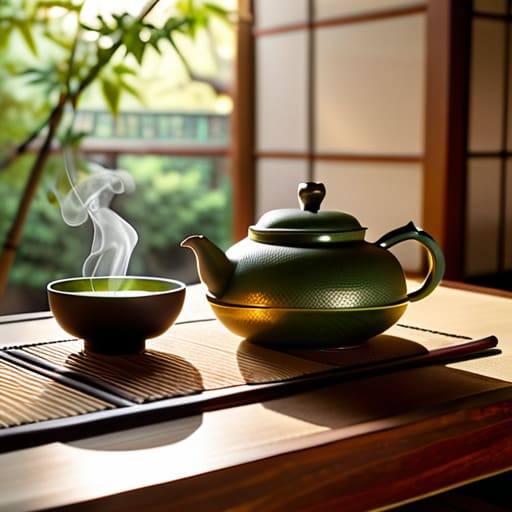
I remember sitting in a cramped, humid tea house in Kyoto last autumn, watching a master move with a precision that would make one of my old bridge-building crews look like a pack of toddlers. I had expected something stiff and perhaps a bit performative, but what I found was something much more profound. People often talk about tea ceremonies around the world as if they are these rigid, intimidating museum exhibits meant only for the elite or the highly trained. They get so caught up in the “correct” way to hold a cup or the exact temperature of the water that they completely miss the soul of the thing.
I’m not here to give you a lecture on etiquette or a list of expensive porcelain you’ll never use. Instead, I want to share what I’ve gathered from my own travels—the quiet, unvarnished truth about how different cultures use these rituals to simply stop and exist. I’ll walk you through the various ways people find stillness through tea, focusing on the actual feeling of the moment rather than the rules. My goal is to help you find that same sense of peace, whether you’re in a temple or just sitting on your own back porch.
Table of Contents
The Quiet Grace of Japanese Matcha Tea Ceremony
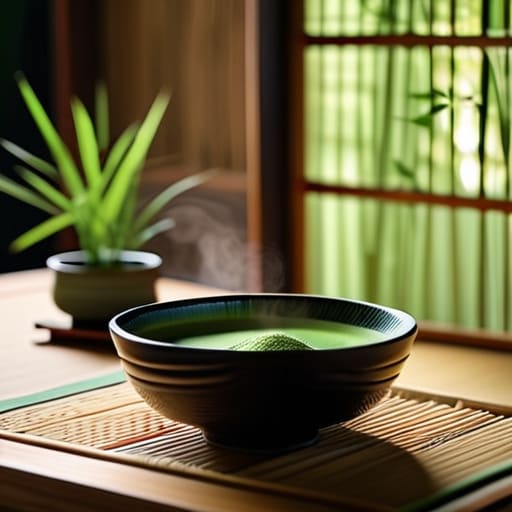
I found myself sitting on a tatami mat in a small tea house outside of Kyoto last autumn, the air smelling faintly of cedar and rain. Watching the practitioner prepare the bowl, I realized that the Japanese matcha tea ceremony isn’t really about the drink itself, but about the deliberate space created between people. There is a rhythmic, almost hypnotic precision to the way the bamboo whisk moves through the vibrant green powder. It’s a masterclass in intentionality; every movement is stripped of excess, leaving only what is necessary.
As I watched the steam rise in the dim light, I couldn’t help but reflect on the spiritual significance of tea rituals in our modern, frantic age. We are so used to gulping down caffeine while checking emails, yet here, time seems to fold in on itself. The bitterness of the matcha is balanced by a small, sugary sweet, a reminder that life requires both the sharp and the soft to be complete. It was one of those rare moments where I felt my pulse truly slow down, allowing me to simply be present in the quiet grace of the room.
Finding Spirit in Chinese Gongfu Tea Art
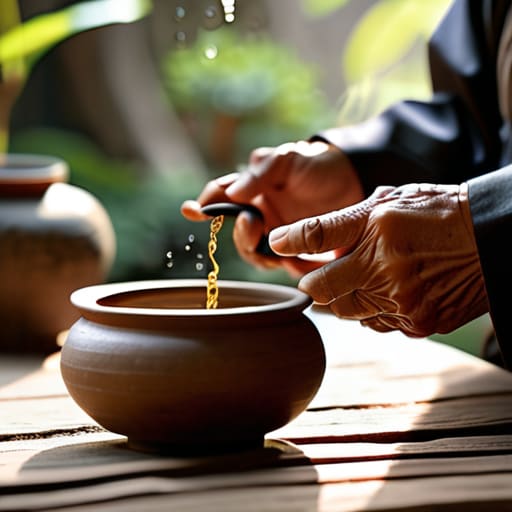
If the Japanese matcha ceremony is about stillness and a singular focus, then Chinese gongfu tea art is a dance of precision and constant motion. I sat in a small, sun-drenched courtyard in Fujian last spring, watching an elderly man prepare a pot of Oolong. He didn’t just brew tea; he choreographed it. Every movement—from the way he rinsed the small Yixing clay teapot to the rhythmic pouring of the water—felt deliberate, almost musical. It wasn’t about the rush of caffeine, but rather the intricate mastery of the process itself.
Unlike the more formal atmosphere I encountered during my studies of British afternoon tea etiquette, there is a raw, soulful connection to the elements here. You can see it in the way the steam curls around the tiny porcelain cups, catching the light just right. To me, it felt less like a performance and more like a conversation between the brewer and the leaves. It’s a reminder that even the most traditional tea brewing methods are really just ways to invite a little more intention into our afternoon.
A Few Lessons from My Travels and My Teacup
- Don’t rush the steep. I’ve learned that just like a well-built bridge, a good cup of tea needs time to settle and find its strength. Let the leaves do their work while you just sit there.
- Watch the hands, not just the cup. Whether it’s a master in Kyoto or a friend in a small village, there is a certain rhythm to how they pour and serve. It’s a silent language of respect that’s worth paying attention to.
- Leave the phone in your pocket. I used to be a man who lived by a schedule, but you can’t truly witness the steam rising or the way the light hits the ceramic if you’re busy checking emails. Be present.
- Embrace the imperfections. My old Leica cameras aren’t perfect, and neither are the handmade bowls I’ve encountered. A chipped rim or an uneven glaze often tells a much better story than something factory-made and flawless.
- Listen to the silence. In many traditions, the quiet moments between the pours are just as important as the tea itself. It’s in those pauses that you actually find the room to breathe.
Lessons from the Teacup
It isn’t about the caffeine or the drink itself, but the intentional pause it forces upon a busy day.
Whether it’s the precision of a Japanese ritual or the flow of Chinese Gongfu, there is profound beauty in honoring the process over the result.
Slowing down to notice the steam, the scent, and the warmth reminds us that the most meaningful moments are often the quietest ones.
The Common Thread
“Whether it is the precision of a Japanese whisk or the slow steam rising from a Chinese pot, these ceremonies aren’t really about the tea at all; they are about the courage to finally sit still and let the rest of the world wait.”
Bernard Oyelaran
The Common Thread in the Cup
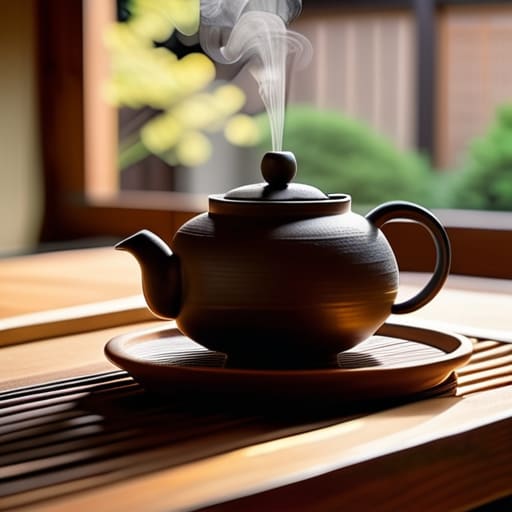
As I sit here in this small cafe, looking over my notes, I realize that whether we are observing the disciplined precision of a Japanese matcha whisk or the fluid, rhythmic movements of a Chinese Gongfu session, the essence remains the same. These traditions are more than just ways to prepare a beverage; they are structured invitations to step out of the rush. From the quiet temples of Kyoto to the bustling tea houses of Fujian, these ceremonies serve as a universal language of respect—for the leaf, for the water, and most importantly, for the person sitting across from you. It is a reminder that intentionality matters, even in the smallest of rituals.
I’ve spent much of my life looking at blueprints and structural steel, things built to last centuries, but I’ve learned that the most meaningful structures are often the ones we build in a single moment of stillness. You don’t need to travel across the globe or master an ancient art to find this peace. You can find it right in your own kitchen, if you simply decide to slow your hands and watch the steam rise from your favorite mug. My hope is that you take a moment today to find your own version of a ceremony. After all, life is far too short to drink your tea in a hurry.
Frequently Asked Questions
How much of the ritual is about the actual taste of the tea, and how much is just about the movement and the silence?
To be honest, I think the taste is only half the story. Don’t get me wrong—the tea should be excellent—but the real magic lies in the choreography of it all. There’s a profound peace in watching the steady hands and the intentional silence. It’s the ritual that prepares your palate, teaching you to be present so that when that first warm sip finally hits, you actually notice it.
If I wanted to try this at home without all the formal training, what’s the one piece of equipment that truly makes a difference?
If you’re looking to bring a bit of that ritual into your own kitchen without the heavy lifting of formal training, I’d say invest in a decent temperature-controlled kettle. It sounds technical—and my engineer brain loves it—but it’s about the details. Water that’s too hot can scorch the leaves and ruin a delicate moment. Having that precise control lets you focus on the steam and the scent, rather than worrying about the math.
Are these ceremonies mostly reserved for special occasions, or is there a way to weave that sense of stillness into a regular afternoon?
That’s a question I find myself asking often. While the formal ceremonies are certainly special events, I don’t think we need a ceremony to find that stillness. I’ve found that even a simple afternoon cup—made with a bit more intention and a little less rush—can do the trick. It’s not about the ritual itself, but about carving out those few minutes to just sit, breathe, and let the world wait for a moment.
