Foods That Support Cognitive Function

I was sitting in a small cafe in coastal Portugal last week, watching a young man scroll through his phone while picking at a bland, processed sandwich, when it hit me how much we’ve lost. We’ve been sold this idea that nutrition for brain health requires expensive powders, complicated supplements, or some high-tech “superfood” that costs a week’s wages. It’s all a bit much, isn’t it? All that noise and marketing just to tell us what our grandmothers already knew: that real, honest food is what keeps the gears turning. I spent thirty years managing complex infrastructure, and if there’s one thing I learned, it’s that you don’t need flashy gadgets to keep a bridge standing; you just need solid foundations.

I’m not here to sell you a miracle pill or a complicated dietary regimen that requires a PhD to follow. Instead, I want to share what I’ve discovered through years of slow travel and simple living—the kind of practical, common-sense wisdom that actually works when you’re trying to stay sharp and present. We’re going to look at how simple, whole ingredients can nourish your mind without turning your kitchen into a laboratory. No hype, no nonsense, just a straightforward way to eat that honors both your body and your peace of mind.

Table of Contents

Finding Clarity Through Neuroprotective Foods and Quiet Moments
Finding Clarity Through Neuroprotective Foods and Quiet Moments

I’ve found that my best thinking doesn’t happen while staring at a blueprint or a screen, but rather when I’m sitting quietly with a simple, honest meal. There is a profound connection between what we put on our plates and how we perceive the world around us. I’ve started leaning more heavily into an anti-inflammatory diet for brain health, focusing on things like fatty fish and handfuls of walnuts. It isn’t about following a strict medical regimen; it’s about choosing ingredients that feel like they belong in a body that wants to stay sharp and present.

When I’m out on a trail or sitting in a small cafe, I notice how much my mental fog lifts when I avoid those sugary, processed snacks that cause such erratic swings in glucose levels and mental focus. Instead, I reach for berries or a bit of dark chocolate. These small, deliberate choices act as a sort of quiet maintenance for the mind. To me, nourishing the brain is much like restoring one of my old Leica cameras—it requires patience, the right tools, and a deep respect for the delicate mechanics of how things actually work.

How an Anti Inflammatory Diet for Brain Peace Calms the Mind
How an Anti Inflammatory Diet for Brain Peace Calms the Mind

I’ve noticed that when I reach for something processed or sugary mid-afternoon, the mental fog rolls in like a heavy Midwestern mist. It’s not just a physical sluggishness; it’s a certain agitation in the mind. I’ve learned that managing my glucose levels and mental focus is much like maintaining an old bridge—you can’t ignore the small stresses until the whole structure begins to sway. By leaning into an anti-inflammatory diet for brain health, I’ve found a way to steady that internal rhythm.

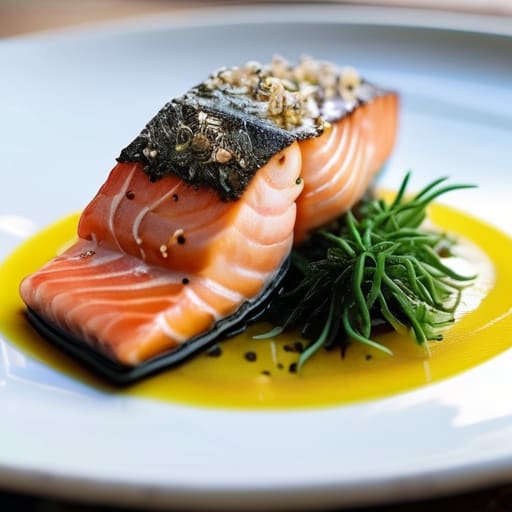
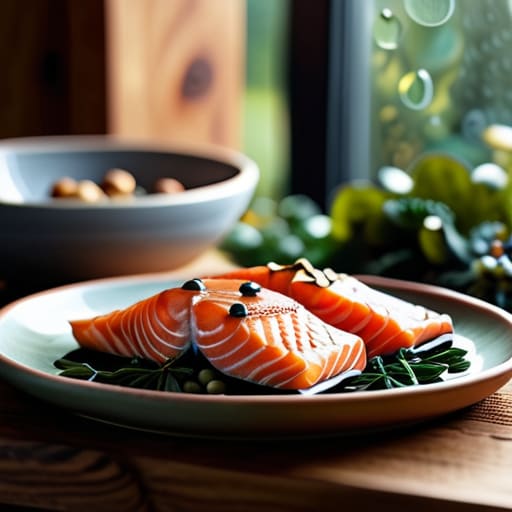
Instead of the usual quick fix of a doughnut or a heavy pastry, I’ve started reaching for things that feel more grounded. A handful of walnuts or a piece of salmon provides much more than just sustenance; it’s about providing the right building blocks. There is a quiet, steadying power in choosing neuroprotective foods that work with your body rather than against it. It isn’t about strict dieting or counting every single calorie; it’s simply about choosing ingredients that allow the mind to remain as calm and clear as a still lake at dawn.

Small Changes for a Sharper Mind

  • Don’t underestimate the power of a handful of walnuts; I like to keep a small jar by my sketching desk, and that steady bit of healthy fat feels like a quiet investment in my focus.
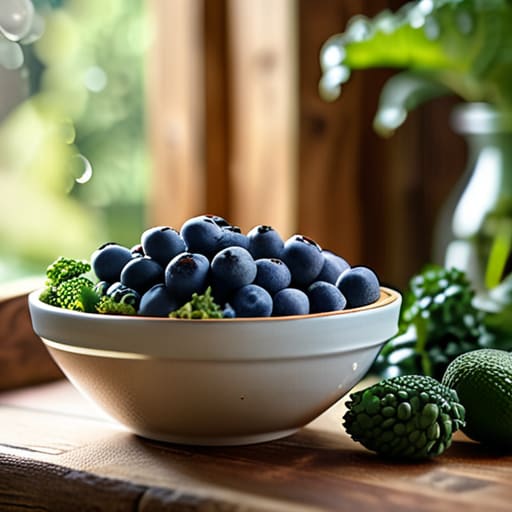
  • Try swapping the heavy, processed snacks for something colorful like blueberries or even a bit of dark chocolate—it’s much easier on the system and keeps the mental fog at bay.
  • Make sure you’re drinking enough water throughout the day, because even a little dehydration can make your thoughts feel as sluggish as a rusted gear in an old camera.
  • I’ve found that eating more leafy greens, like a simple spinach salad, provides a steady kind of energy that keeps my mind from wandering when I’m trying to observe the world.
  • Instead of eating while staring at a screen, try sitting quietly with your meal; the act of actually tasting your food helps you stay present and mindful, which is just as important as what’s on the plate.

Small Changes for a Clearer Mind

Don’t feel pressured to overhaul your entire pantry overnight; start by simply swapping out a processed snack for something real, like a handful of walnuts or a piece of dark chocolate, while you sit and watch the world go by.

Treat your meals as a form of mental maintenance rather than just fuel, focusing on colorful, whole foods that nourish your brain while giving you a much-needed excuse to step away from the screens.

Remember that what you eat is only half the battle; pairing those brain-healthy foods with a moment of stillness—a short walk or a quiet cup of tea—is what truly helps the mind settle and stay sharp.

## A Simple Truth for a Clear Mind

“We often treat our minds like high-performance engines that need constant fuel, but I’ve learned it’s more like tending a garden; you don’t just need the right nutrients, you need the patience to let them settle and the stillness to actually taste the clarity they provide.”

Bernard Oyelaran

A Final Thought from My Notebook
A Final Thought from My Notebook.

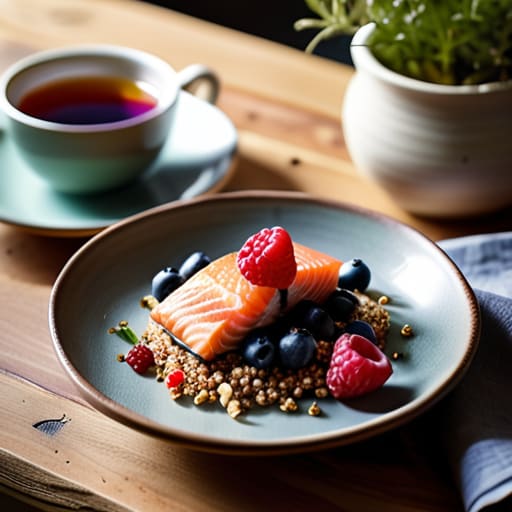
As I sit here at this small café table, looking over my scribbled notes, it all seems to come down to a simple balance. We’ve talked about the importance of fueling our minds with the right building blocks—those colorful berries, the healthy fats from a bit of salmon, and the steady energy of whole grains—but it isn’t just about the chemistry on the plate. It is about the intentionality we bring to the table. By choosing foods that fight inflammation and protect our neurological health, we aren’t just checking a box for longevity; we are actively preserving our ability to engage deeply with the world around us.

At the end of the day, I don’t want my legacy to be a list of perfectly optimized nutrients, but rather a life lived with a clear mind and a steady heart. Whether you are navigating a busy career or, like me, finding your rhythm in retirement, remember that your brain deserves your kindness. Don’t let the rush of modern life rob you of your mental clarity. Instead, take that extra moment to breathe, eat something real, and savor the quiet. After all, a well-nourished mind is the best lens through which to view the beauty of this life.

Frequently Asked Questions

Is it really necessary to change my whole diet, or can I just focus on adding a few specific things to my current meals?

Look, I’ve spent enough years managing construction sites to know that you don’t tear down a whole bridge just to fix a few cracks. You don’t need to overhaul your entire pantry overnight. For me, it’s more about the small, intentional additions. Maybe it’s tossing a handful of walnuts into your morning oatmeal or swapping the afternoon chips for some blueberries. It’s those little, steady shifts that really add up.

How much of a difference does the actual environment—like where and how I eat—make compared to just the food on the plate?

To be honest, the “where” matters just as much as the “what.” I’ve learned that bolting down a salad while staring at a flickering television screen isn’t the same as sitting by a sunlit window with a quiet garden view. When you eat in a calm, intentional space, your body actually settles. It allows you to truly taste the food and, more importantly, lets your mind rest. The setting is the seasoning for your soul.

Are there certain foods I should try to avoid altogether if I'm feeling particularly foggy or restless?

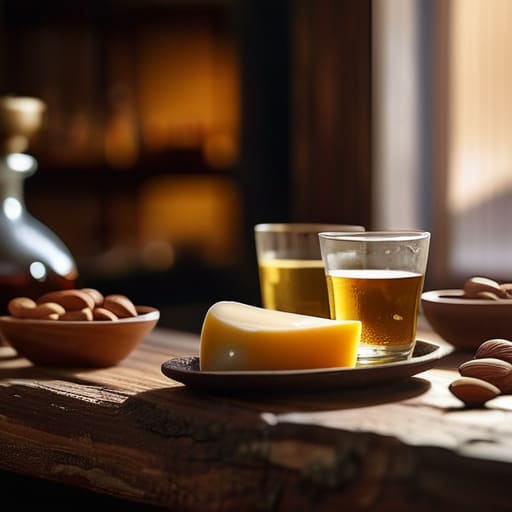
When the fog rolls in, I’ve learned that it’s often the things we rush through that cause the most trouble. I try to steer clear of those highly processed sugars and heavy, fried foods that leave me feeling sluggish and heavy. They might offer a quick spark, but the crash is always unkind to my focus. It’s better to skip the sugary pastries and stick to something steady, like a handful of almonds, to keep the mind calm.

The Difference Between Tapas and Pinchos

I was sitting in a crowded plaza in San Sebastián last Tuesday, watching a group of tourists frantically pointing at menus and arguing over what they thought were “authentic” experiences, when I realized something. People make such a fuss about the distinction between tapas and pinchos, treating it like some complex engineering problem that requires a manual to solve. They chase the most expensive-looking plates or the most “Instagrammable” spots, completely missing the point. To me, it isn’t about following a strict culinary hierarchy or paying a premium for a fancy name; it’s about that first bite of salty jamón or a perfectly seasoned mushroom that makes the rest of the world go quiet for a second.

I’m not here to give you a lecture or a list of overpriced tourist traps. Instead, I want to share what I’ve learned from wandering through narrow cobblestone streets with nothing but my notebook and a healthy appetite. I’ll show you how to navigate the real difference between tapas and pinchos by focusing on the soul of the snack rather than the price tag. My goal is simple: to help you find those quiet, delicious corners where the food is honest and the pace is just right.

Table of Contents

Unraveling the Difference Between Tapas and Pinchos

Unraveling the Difference Between Tapas and Pinchos.

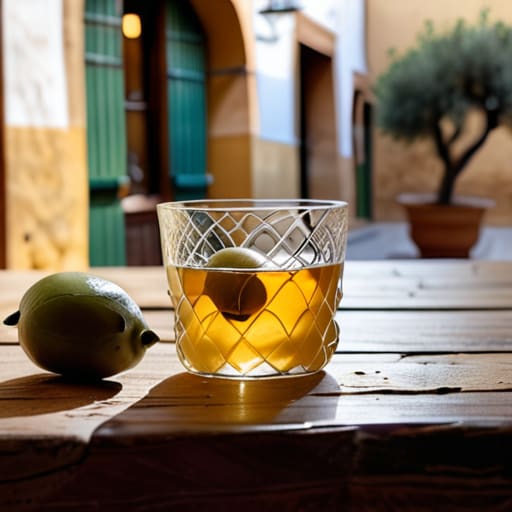
I remember sitting in a sun-drenched courtyard in Seville, watching a group of locals move from one bar to another with a grace that only comes from years of practice. That was my first real lesson in the difference between tapas and pinchos. You see, tapas aren’t always a specific dish; they are more of a gesture. Often, it’s a small, complimentary bite—a salty olive or a slice of Manchego—that arrives alongside your drink. It’s an invitation to linger, a way of saying, “Stay a while.”

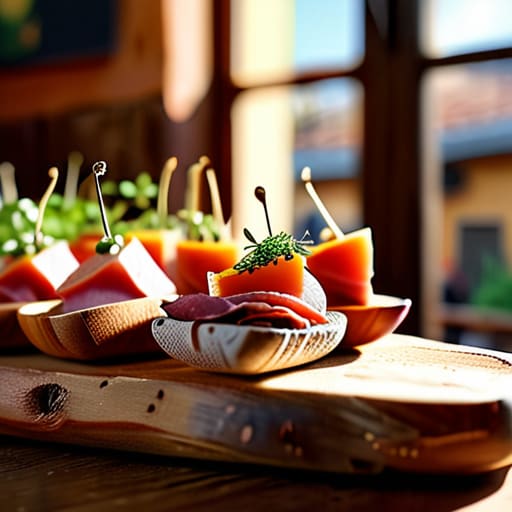
When I traveled north toward San Sebastián, the rhythm changed. The Basque pintxos culture is a different beast entirely. Here, the food isn’t just a side note; it’s the main event, often perched atop a crusty piece of bread and held together by a toothpick. These are substantial, miniature works of art. While tapas feel like a conversation, pintxos feel like a culinary exhibition. One is about the spirit of the gathering, and the other is about the sheer, delicious craftsmanship of the bite.

The Quiet Grace of Traditional Spanish Appetizers

The Quiet Grace of Traditional Spanish Appetizers

There is a specific kind of magic in the way a local bar functions when the sun begins to dip. It isn’t about the spectacle; it’s about the rhythm. You’ll see it in the way people lean against the worn wooden counters, nursing a small glass of vermouth while waiting for their order. These traditional Spanish appetizers aren’t just fuel for the body; they are the punctuation marks in a long, winding conversation. Whether it’s a simple plate of Marcona almonds or a slice of Manchego, there is a sense of purpose in the simplicity.

I’ve found that if you pay attention, you can see the heartbeat of the community in these small bites. In the north, the Basque pintxos culture turns every evening into a slow-motion parade of flavor, where the food is almost an art form perched atop a crusty piece of bread. It’s a far cry from the rushed, sit-down dinners I used to manage back in my engineering days. Here, time doesn’t feel like something to be conquered, but something to be shared and savored.

A Few Lessons Learned Between Bites and Barstools

  • Don’t be afraid to stand. In many of the smaller, more authentic spots, the magic happens standing at the bar. It keeps the energy moving and lets you soak in the local chatter without feeling like you’re taking up too much space.
  • Follow the crowd, not the menu. If you see a group of locals huddled around a specific corner of the bar or a certain plate that looks like it’s disappearing fast, that’s your cue. The best flavors are usually found where the noise is loudest.
  • Embrace the art of the stroll. Especially when it comes to pinchos, don’t feel pressured to sit down at a single establishment. The real joy is in the wander—moving from one small bar to the next, treating each stop like a new chapter in your afternoon.
  • Keep your eyes on the counter. Unlike a formal dinner where the food comes to you, the best pinchos are often displayed right there on the wood, ready to be grabbed. Take a moment to look at the textures and colors before you decide; it’s a feast for the eyes before it ever hits the palate.
  • Let the wine be your guide. You don’t need a sommelier to tell you what works. Just ask for a small glass of whatever the house is pouring. A crisp white or a light red is usually all you need to bridge the gap between one savory bite and the next.

A Few Things to Carry With You

Don’t worry about the technicalities; whether it’s a tapa or a pincho, the real goal is simply to sit, linger, and let the conversation flow as easily as the wine.

Look for the small, unpretentious spots where the locals gather—it’s usually there, amidst the clatter of plates and the hum of voices, that you’ll find the true heart of the meal.

Treat every small plate as an invitation to slow down and notice the details, from the texture of a crusty piece of bread to the way the afternoon light hits your glass.

The Art of the Small Plate

“I’ve learned that you don’t need a grand banquet to feel full; sometimes, it’s just a single, perfect pincho shared at a wooden bar that tells you everything you need to know about the soul of a place.”

Bernard Oyelaran

The Last Bite and the Long Walk Home

The Last Bite and the Long Walk Home.

At the end of the day, whether you find yourself leaning against a high bar counter with a plate of tapas or carefully selecting a single, perfect pincho from a wooden board, the distinction matters far less than the experience itself. We’ve looked at how tapas often serve as a shared conversation starter—a collection of flavors meant to be passed around—while pinchos offer that delightful, self-contained bite of artistry. One is a social dance, the other a quiet discovery. But regardless of the name on the menu, the essence remains the same: it is about intentional eating and honoring the craft of the local cook.

As I sit here in this small plaza, sketching the way the evening light hits the cobblestones, I’m reminded that these small plates are more than just food; they are an invitation. They invite us to stop checking our watches and start checking in with our senses. Don’t worry about following the local rules to a T or mastering the terminology. Just find a stool, order something that looks interesting, and let the world rush by without you. After all, the best way to truly see a new place isn’t through a camera lens or a guidebook, but through the slow, steady rhythm of a shared meal.

Frequently Asked Questions

Is there a particular time of day when it’s best to go out for pinchos versus traditional tapas?

If you’re looking for that classic pinchos experience, aim for the late evening. I’ve found the best energy is in the bars around 9:00 PM, when the locals are out and the counters are brimming with colorful skewers. Tapas, however, feel more suited to a mid-afternoon pause—perhaps a bit of shade and a quiet glass of sherry. One is a lively social ritual; the other, a gentle way to steady yourself.

Do I need to know how to count the little wooden skewers if I’m eating at a busy pinchos bar?

Don’t you worry about the math. In those lively, crowded bars, there’s a certain chaotic rhythm to it all that you just have to lean into. Usually, the bartender keeps a tally of your skewers as you set them on your napkin, and they’ll settle up at the end. Just focus on the flavor and the conversation. If you spend the whole time counting sticks, you’ll miss the very soul of the experience.

Are there certain regions in Spain where one style is more common than the other?

If you find yourself wandering through Spain, you’ll notice the landscape shifts just as much as the menu. Down in Andalusia, it’s all about the tapas—those shared plates that invite long, lingering conversations. But head north to the Basque Country, and you’ll find the pinchos reign supreme. There, the food is almost architectural, perched on crusty bread. It’s a wonderful bit of regional character; one invites you to settle in, the other to explore.

Comparing Tea Ceremonies Around the World

I remember sitting in a cramped, humid tea house in Kyoto last autumn, watching a master move with a precision that would make one of my old bridge-building crews look like a pack of toddlers. I had expected something stiff and perhaps a bit performative, but what I found was something much more profound. People often talk about tea ceremonies around the world as if they are these rigid, intimidating museum exhibits meant only for the elite or the highly trained. They get so caught up in the “correct” way to hold a cup or the exact temperature of the water that they completely miss the soul of the thing.

I’m not here to give you a lecture on etiquette or a list of expensive porcelain you’ll never use. Instead, I want to share what I’ve gathered from my own travels—the quiet, unvarnished truth about how different cultures use these rituals to simply stop and exist. I’ll walk you through the various ways people find stillness through tea, focusing on the actual feeling of the moment rather than the rules. My goal is to help you find that same sense of peace, whether you’re in a temple or just sitting on your own back porch.

Table of Contents

The Quiet Grace of Japanese Matcha Tea Ceremony

The Quiet Grace of Japanese Matcha Tea Ceremony

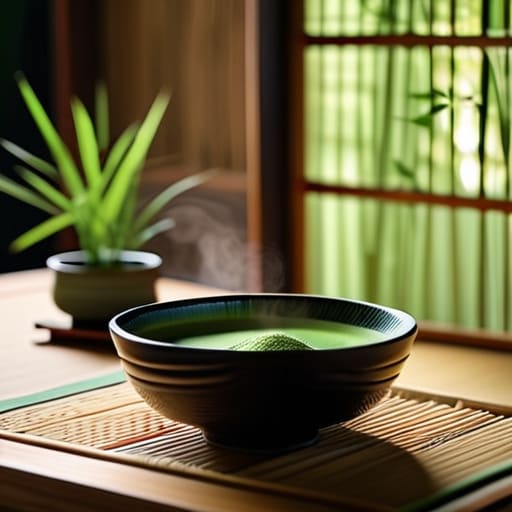
I found myself sitting on a tatami mat in a small tea house outside of Kyoto last autumn, the air smelling faintly of cedar and rain. Watching the practitioner prepare the bowl, I realized that the Japanese matcha tea ceremony isn’t really about the drink itself, but about the deliberate space created between people. There is a rhythmic, almost hypnotic precision to the way the bamboo whisk moves through the vibrant green powder. It’s a masterclass in intentionality; every movement is stripped of excess, leaving only what is necessary.

As I watched the steam rise in the dim light, I couldn’t help but reflect on the spiritual significance of tea rituals in our modern, frantic age. We are so used to gulping down caffeine while checking emails, yet here, time seems to fold in on itself. The bitterness of the matcha is balanced by a small, sugary sweet, a reminder that life requires both the sharp and the soft to be complete. It was one of those rare moments where I felt my pulse truly slow down, allowing me to simply be present in the quiet grace of the room.

Finding Spirit in Chinese Gongfu Tea Art

Finding Spirit in Chinese Gongfu Tea Art

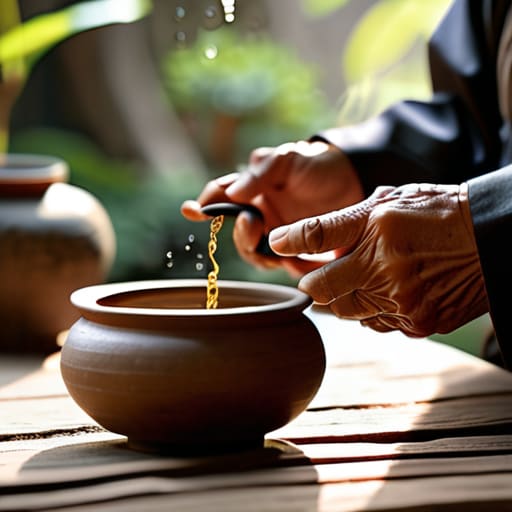
If the Japanese matcha ceremony is about stillness and a singular focus, then Chinese gongfu tea art is a dance of precision and constant motion. I sat in a small, sun-drenched courtyard in Fujian last spring, watching an elderly man prepare a pot of Oolong. He didn’t just brew tea; he choreographed it. Every movement—from the way he rinsed the small Yixing clay teapot to the rhythmic pouring of the water—felt deliberate, almost musical. It wasn’t about the rush of caffeine, but rather the intricate mastery of the process itself.

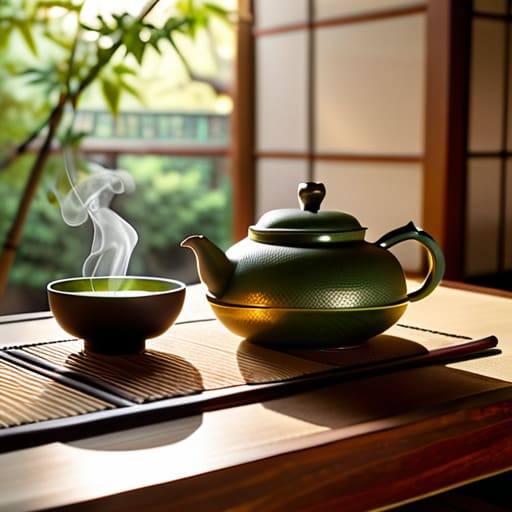
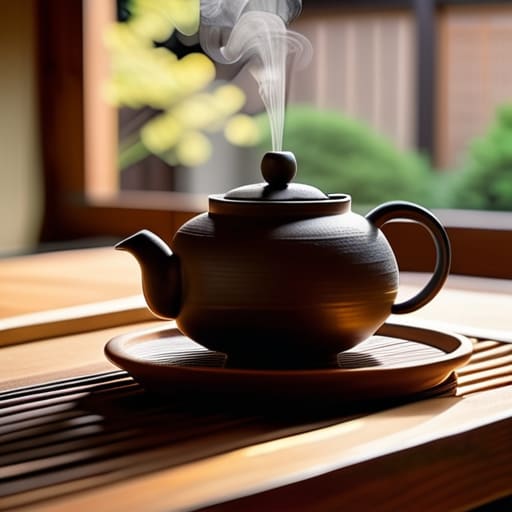
Unlike the more formal atmosphere I encountered during my studies of British afternoon tea etiquette, there is a raw, soulful connection to the elements here. You can see it in the way the steam curls around the tiny porcelain cups, catching the light just right. To me, it felt less like a performance and more like a conversation between the brewer and the leaves. It’s a reminder that even the most traditional tea brewing methods are really just ways to invite a little more intention into our afternoon.

A Few Lessons from My Travels and My Teacup

  • Don’t rush the steep. I’ve learned that just like a well-built bridge, a good cup of tea needs time to settle and find its strength. Let the leaves do their work while you just sit there.
  • Watch the hands, not just the cup. Whether it’s a master in Kyoto or a friend in a small village, there is a certain rhythm to how they pour and serve. It’s a silent language of respect that’s worth paying attention to.
  • Leave the phone in your pocket. I used to be a man who lived by a schedule, but you can’t truly witness the steam rising or the way the light hits the ceramic if you’re busy checking emails. Be present.
  • Embrace the imperfections. My old Leica cameras aren’t perfect, and neither are the handmade bowls I’ve encountered. A chipped rim or an uneven glaze often tells a much better story than something factory-made and flawless.
  • Listen to the silence. In many traditions, the quiet moments between the pours are just as important as the tea itself. It’s in those pauses that you actually find the room to breathe.

Lessons from the Teacup

It isn’t about the caffeine or the drink itself, but the intentional pause it forces upon a busy day.

Whether it’s the precision of a Japanese ritual or the flow of Chinese Gongfu, there is profound beauty in honoring the process over the result.

Slowing down to notice the steam, the scent, and the warmth reminds us that the most meaningful moments are often the quietest ones.

The Common Thread

“Whether it is the precision of a Japanese whisk or the slow steam rising from a Chinese pot, these ceremonies aren’t really about the tea at all; they are about the courage to finally sit still and let the rest of the world wait.”

Bernard Oyelaran

The Common Thread in the Cup

The Common Thread in the Cup.

As I sit here in this small cafe, looking over my notes, I realize that whether we are observing the disciplined precision of a Japanese matcha whisk or the fluid, rhythmic movements of a Chinese Gongfu session, the essence remains the same. These traditions are more than just ways to prepare a beverage; they are structured invitations to step out of the rush. From the quiet temples of Kyoto to the bustling tea houses of Fujian, these ceremonies serve as a universal language of respect—for the leaf, for the water, and most importantly, for the person sitting across from you. It is a reminder that intentionality matters, even in the smallest of rituals.

I’ve spent much of my life looking at blueprints and structural steel, things built to last centuries, but I’ve learned that the most meaningful structures are often the ones we build in a single moment of stillness. You don’t need to travel across the globe or master an ancient art to find this peace. You can find it right in your own kitchen, if you simply decide to slow your hands and watch the steam rise from your favorite mug. My hope is that you take a moment today to find your own version of a ceremony. After all, life is far too short to drink your tea in a hurry.

Frequently Asked Questions

How much of the ritual is about the actual taste of the tea, and how much is just about the movement and the silence?

To be honest, I think the taste is only half the story. Don’t get me wrong—the tea should be excellent—but the real magic lies in the choreography of it all. There’s a profound peace in watching the steady hands and the intentional silence. It’s the ritual that prepares your palate, teaching you to be present so that when that first warm sip finally hits, you actually notice it.

If I wanted to try this at home without all the formal training, what’s the one piece of equipment that truly makes a difference?

If you’re looking to bring a bit of that ritual into your own kitchen without the heavy lifting of formal training, I’d say invest in a decent temperature-controlled kettle. It sounds technical—and my engineer brain loves it—but it’s about the details. Water that’s too hot can scorch the leaves and ruin a delicate moment. Having that precise control lets you focus on the steam and the scent, rather than worrying about the math.

Are these ceremonies mostly reserved for special occasions, or is there a way to weave that sense of stillness into a regular afternoon?

That’s a question I find myself asking often. While the formal ceremonies are certainly special events, I don’t think we need a ceremony to find that stillness. I’ve found that even a simple afternoon cup—made with a bit more intention and a little less rush—can do the trick. It’s not about the ritual itself, but about carving out those few minutes to just sit, breathe, and let the world wait for a moment.

Selecting Scents to Aid Better Sleep

I remember sitting in my old office back in Detroit, staring at blueprints until my eyes burned, only to lie awake at night with my mind racing like a runaway freight train. I’ve seen all the flashy advertisements claiming that a single drop of magic liquid will instantly cure insomnia, and frankly, I’m tired of the nonsense. You don’t need a thousand-dollar diffuser or a subscription to some high-priced wellness club to find rest. I’ve learned the hard way that finding the right essential oils for sleep isn’t about following a trend; it’s about finding those simple, earthy scents that actually signal to your nervous system that the workday is officially over.

I’m not here to sell you a miracle or some complicated ritual that takes an hour to prepare. Instead, I want to share what has actually worked for me during those long, restless nights when the world felt a bit too loud. I’ll guide you through a few honest, tried-and-true combinations that I’ve tested in my own home. We’re going to keep this practical and straightforward, focusing on how to use these scents to help you finally settle into a quiet, much-needed peace.

Table of Contents

The Gentle Grace of Chamomile Oil for Relaxation

The Gentle Grace of Chamomile Oil for Relaxation

There is something remarkably grounding about the scent of chamomile. It isn’t sharp or demanding like citrus; rather, it has a soft, apple-like sweetness that feels like a heavy wool blanket on a chilly evening. Whenever my mind feels like it’s still running a marathon long after I’ve finished my dinner, I turn to this particular scent. I’ve found that the benefits of chamomile oil for relaxation aren’t just about the fragrance, but about the ritual of it. It signals to my brain that the day’s heavy lifting is done.

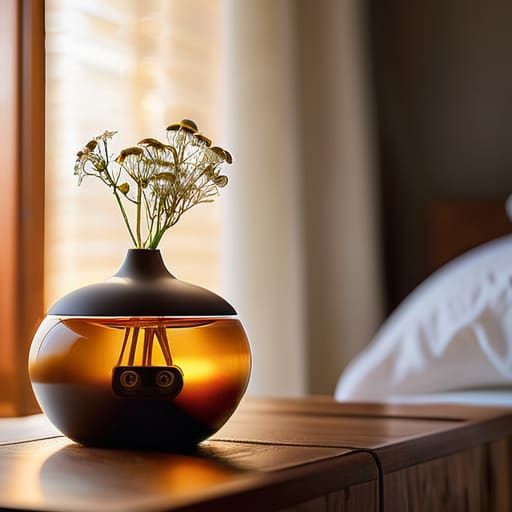
I usually find that using a diffuser for better sleep in the bedroom works wonders. I’ll set it up about twenty minutes before I intend to turn out the lights, letting the mist drift through the air like a quiet fog. It creates a little sanctuary of calm. It’s one of those simple, natural sleep aids for bedtime that doesn’t feel like a chore, but rather a gentle invitation to finally let go of the day’s blueprints and just breathe.

Natural Sleep Aids for Bedtime and Slowing Down

Natural Sleep Aids for Bedtime and Slowing Down

Beyond the soothing scent of chamomile, I’ve found that a little ritual goes a long way when the sun starts to dip. For me, it isn’t about a quick fix, but about signaling to my body that the workday is truly over. I often find myself using a diffuser for better sleep about thirty minutes before I head to the bedroom. It fills the air with a soft, subtle fragrance that acts like a gentle nudge to my nervous system, telling it that there is no more heavy lifting to be done today.

I’ve also experimented with a few different combinations, discovering that certain essential oil blends for deep sleep work better than others depending on the season. On a particularly restless night, a drop of sandalwood mixed with a hint of lavender feels like a warm blanket for the mind. It’s these small, intentional choices—the way the light hits the glass bottle or the slow drift of steam—that turn a simple routine into a moment of genuine peace. It’s quite remarkable how much a little scent can help anchor you to the present.

A Few Simple Ways to Bring These Scents into Your Evening Ritual

  • Don’t feel like you need a fancy setup; a simple ceramic diffuser in the corner of the bedroom is more than enough to let those soft scents drift through the air while you read.
  • If you aren’t a fan of machines, try adding just a drop or two of lavender to a cotton ball and tucking it inside your pillowcase—it’s a subtle, quiet way to invite calm.
  • I’ve found that a warm bath infused with a bit of cedarwood oil can act like a physical reset button, helping the tension of the day simply melt away into the water.
  • Treat your scent routine like a signal; when you smell that familiar lavender or chamomile, it tells your brain, “The work is done, and it is time to rest.”
  • Be mindful of the strength; a little goes a long way, and much like a good meal, you don’t want to overwhelm the senses—you want to gently coax them into stillness.

A Few Quiet Reminders Before You Close Your Eyes

Don’t rush the process; treat your bedtime routine like a slow walk through a familiar park, letting the scent of lavender or cedar signal to your body that the day’s work is done.

Listen to what your senses need—whether it’s the soft, floral note of chamomile or something woodier—and use those small aromas as an anchor to pull you away from a racing mind.

Remember that sleep isn’t a task to be conquered, but a gentle transition, and using natural oils is just one way to honor that necessary pause in our busy lives.

A Lesson in Stillness

“I’ve spent most of my life measuring things in steel and concrete, but I’ve learned that you can’t build a restful night with anything as heavy as a blueprint. Sometimes, it takes something as light as the scent of lavender drifting through an open window to finally convince a restless mind that the work is done for the day.”

Bernard Oyelaran

Finding Your Own Quiet Rhythm

Finding Your Own Quiet Rhythm through scent.

As I look back on everything we’ve discussed, it’s clear that finding rest isn’t about a complex scientific formula, but rather about creating a small, sensory ritual that signals the end of the day. Whether you find comfort in the soft, apple-like scent of chamomile or prefer the grounding, woody notes of cedarwood to steady your breathing, these oils are merely tools. They are simple ways to bridge the gap between the hectic demands of the afternoon and the stillness required for a deep, restorative slumber. It isn’t about perfection; it’s about finding those tiny, fragrant anchors that help pull you back to yourself when the world feels a bit too loud.

In my years managing construction sites, I learned that you can’t rush a foundation; it needs time to settle. Sleep is much the same. Don’t be too hard on yourself if you don’t drift off the moment the scent hits the air. Instead, treat these moments as an invitation to simply exist without an agenda. Put down the phone, pick up a book, or perhaps just watch the shadows stretch across your bedroom wall. At the end of the day, the goal isn’t just to sleep, but to honor the quiet transition from doing to being. Sleep well, my friends.

Frequently Asked Questions

Are there any specific ways to use these oils if I don't want to use a loud electric diffuser in my bedroom?

I’m with you on that. I can’t stand the hum of those electric diffusers when I’m trying to settle into a book. If you want something quieter, try putting a few drops of oil on a cotton ball and tucking it inside your pillowcase. Or, if you’re feeling a bit more indulgent, a warm bath with a bit of carrier oil is a wonderful way to let the scent drift up as you soak.

Since I have sensitive skin, is it safe to apply these oils directly, or should I be mixing them with a carrier oil first?

Now, listen close on this one—since you mentioned having sensitive skin, I’d urge you to be quite cautious. In my years managing crews, I learned that rushing into something without the right preparation usually leads to trouble. Please, don’t apply those oils directly to your skin. It’s much wiser to mix them with a carrier oil, like sweet almond or jojoba. It softens the impact and lets the scent settle in more gently.

Can I use these scents during the day to help with stress, or should I save them strictly for when I'm heading to bed?

That’s a fair question. Honestly, I don’t think you need to save them just for the moonlight. I’ve found that a quick whiff of lavender or cedar during a hectic afternoon can act like a little reset button. It’s not about prepping for sleep; it’s about finding a momentary pocket of stillness. If a scent helps you catch your breath while the world is rushing by, then use it.

Different Ways to Brew Coffee at Home

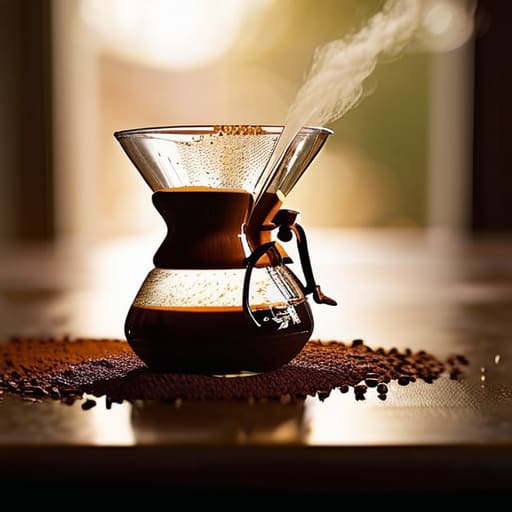
I remember sitting in a drafty site trailer back in ’94, surrounded by blueprints and the relentless hum of a generator, waiting for a cup of something that actually tasted like life. Back then, coffee brewing wasn’t about measuring the precise mineral content of your water or owning a gadget that cost more than my first truck; it was about that first, honest steam hitting your face before the chaos of the day took hold. Nowadays, I see people getting so lost in the technical jargon and expensive scales that they forget the point entirely. They’ve turned a simple morning ritual into a high-stakes chemistry exam, and frankly, it’s exhausting to watch.

I’m not here to sell you a fancy new machine or tell you that you need a degree in thermodynamics to enjoy a decent cup. Instead, I want to share what I’ve learned from years of slow mornings and even slower travels: how to master the art of coffee brewing without losing your peace of mind. I’ll show you the straightforward, no-nonsense ways to get a rich, soulful brew using nothing more than common sense and a little bit of patience.

Table of Contents

Mastering Extraction Time and Temperature for Perfect Stillness

Mastering Extraction Time and Temperature for Perfect Stillness

I’ve learned through years of tinkering with old mechanical parts that precision isn’t about being rigid; it’s about finding the sweet spot where everything clicks. When it comes to your morning cup, that sweet spot lies in the delicate balance of extraction time and temperature. If your water is scalding, you’ll pull out those harsh, bitter notes that strip the joy from the sip. But if it’s too cool, the brew feels thin and hollow, like a landscape lacking depth. I like to let my kettle sit for a minute or two after it whistles, letting the heat settle into something more gentle and inviting.

It’s a bit like sketching in my notebook—you can’t rush the lines if you want them to mean something. You have to pay attention to how the water interacts with the grounds. I often find that even a slight adjustment in the grind size importance can completely shift the coffee flavor profiles from a bright, citrusy morning wake-up to a deep, chocolatey comfort. It’s a slow dance of physics and patience, and honestly, watching it happen is half the pleasure.

The Gentle Dance of Grind Size Importance

The Gentle Dance of Grind Size Importance.

I remember when I used to think a bag of beans was just a bag of beans. In my engineering days, I was obsessed with precision, but I didn’t realize that precision could be so… tactile. When you sit down with your grinder, you aren’t just preparing a beverage; you are setting the stage. Understanding grind size importance is a bit like choosing the right grade of aggregate for a foundation—if the particles are too inconsistent, the whole structure of the flavor collapses.

If your grind is too coarse, like sea salt, the water rushes through too quickly, leaving you with a thin, sour cup that lacks any soul. But if you go too fine, it’s like trying to walk through thick mud; the water stalls, and you’re left with a bitter, over-extracted mess. I’ve found that finding that sweet spot—somewhere between fine sand and table salt—is where the magic happens. It’s about finding the balance that allows the true character of the bean to emerge. There is a quiet satisfaction in dialing it in, adjusting the dial just a hair, and waiting to see how the next cup transforms.

Small Adjustments for a Better Morning

  • Use water that’s just off the boil. If it’s too hot, you’ll scorch the grounds and end up with a bitter, unpleasant mess; if it’s too cool, the flavor stays locked away. Aim for that sweet spot where the steam is thick but not angry.
  • Invest in a proper scale rather than relying on scoops. In my engineering days, we knew that precision was the difference between a bridge that stood and one that didn’t. The same goes for your coffee—measuring by weight ensures your morning cup tastes exactly as you remember it.
  • Don’t neglect the rinse. I always take a moment to pour hot water through my paper filter before adding the grounds. It washes away that papery taste and warms up the carafe, making sure the heat stays where it belongs: in your mug.
  • Keep your beans tucked away in a cool, dark corner. Light and air are the enemies of a good roast. I treat my coffee beans like my vintage Leica lenses—they need a stable environment if they’re going to perform when it matters most.
  • Practice the art of the bloom. When you first pour a little water over the grounds, let them swell and bubble for thirty seconds. It’s a quiet, beautiful little ritual that releases the gases and prepares the coffee to give you its very best.

A Few Notes to Carry with You

Don’t treat your morning brew like a task on a checklist; treat it like a conversation between you and the beans.

If the coffee tastes a bit harsh or thin, don’t fret—just adjust your grind or your water temperature slightly tomorrow and try again.

Most importantly, remember that the perfect cup isn’t just about the chemistry, it’s about the quiet moment you carve out for yourself before the world starts rushing.

## The Quiet Rhythm of the Morning

A good cup of coffee isn’t something you manufacture; it’s something you negotiate with. You have to listen to the water, respect the grounds, and most importantly, give yourself the permission to wait.

Bernard Oyelaran

The Last Drop

Mastering the coffee ritual, The Last Drop.

At the end of the day, getting that perfect cup isn’t about following a rigid blueprint or obsessing over decimal points in a timer. It’s about understanding how those little variables—the coarseness of the grind, the steady heat of the water, and the patience of the extraction—all work together to create something meaningful. We’ve talked about the mechanics, but the real magic happens when you stop treating the kettle like a piece of industrial equipment and start treating it like a tool for connection. When you respect the physics of the bean, you aren’t just making caffeine; you are mastering the art of the ritual.

As I sit here at this small wooden table, watching the morning light stretch across my notebook, I’m reminded that the best things in life rarely happen when we are in a hurry. Whether you are dialing in a pour-over or just enjoying a simple mug of black coffee, I hope you find a reason to linger a little longer. Don’t let the rush of the world pull you away from that first, warm sip. Take a breath, feel the weight of the ceramic in your hands, and remember that the beauty is in the slowing down.

Frequently Asked Questions

If I'm using an older, manual grinder, how much does the consistency of the grind actually change the taste compared to those electric ones?

Truth be told, that’s where the real character shows up. An electric grinder is efficient, sure, but they often leave you with a mix of dust and boulders. With my old manual one, I take my time. It’s a bit more work, but I can feel the resistance change. A consistent, even grind means the water flows through every grain equally, preventing that bitter, uneven bite. It’s more about the ritual than the speed.

I find myself rushing through my morning routine; are there any specific ways to make the brewing process feel more like a ritual and less like a chore?

It’s easy to let the morning slip through your fingers like sand. To turn a chore into a ritual, try engaging your senses before the caffeine even hits. Don’t just dump the grounds; take a moment to inhale their scent. Listen to the rhythmic scrape of the spoon or the soft hiss of the water. I find that setting my notebook aside and simply watching the bloom rise makes the whole process feel intentional, rather than rushed.

When I'm traveling and staying in smaller places, what's the simplest way to get a decent cup without carrying all my heavy equipment?

When I’m away from my workbench and my usual setup, I’ve learned to lean on simplicity. I usually pack a small, lightweight pour-over dripper—the kind that folds flat in a bag. Pair that with a few pre-measured packets of high-quality ground coffee, and you’re set. It’s not about the gear; it’s about the ritual. Even in a tiny rental, that slow pour helps me feel right at home.

Choosing and Preparing Seafood Responsibly

I was sitting at a weathered wooden table in a coastal shack last Tuesday, watching a young man in a crisp white apron explain the “complex flavor profiles” of a single, overpriced scallop. It struck me then how much we’ve lost to the theater of fine dining. People treat ocean seafood like it’s some high-stakes puzzle to be solved with expensive sauces and pretentious terminology, when really, the best things from the sea don’t need a lecture. I’ve spent my life building bridges and managing heavy machinery; I have little patience for unnecessary complication. If the fish is fresh and the fire is right, you don’t need a sommelier to tell you it’s good.

I’m not here to give you a list of the most expensive tasting menus or guide you through the latest culinary trends. Instead, I want to share what I’ve learned from years of wandering coastal towns and sitting in quiet, salt-crusted kitchens. I’ll show you how to spot the real deal, how to appreciate the simple beauty of a well-cooked catch, and why the best meal of your life might just come from a paper basket on a pier.

Table of Contents

The Gentle Wisdom of Wild Caught vs Farmed Seafood

The Gentle Wisdom of Wild Caught vs Farmed Seafood.

I remember sitting in a small seaside café in Maine, watching the local fishermen haul in their nets. There was a certain honesty in the way they worked, a rhythm dictated by the seasons rather than a factory clock. It got me thinking about the growing debate surrounding wild-caught vs farmed seafood. To my mind, there is a profound difference in the soul of the food. Wild fish carry the essence of the currents and the deep, untamed spirit of the sea, whereas farmed varieties often feel a bit more… predictable.

Of course, it isn’t always a simple choice. While I find myself leaning toward the wild catch, I’ve learned that understanding the nuances is part of being a mindful traveler. One must consider things like ocean biodiversity and ecosystems to ensure our appetites don’t outpace nature’s ability to replenish itself. I often find myself checking a local seasonal seafood guide before I settle on a dish. It’s a small habit, but it helps me feel like I’m participating in a cycle of respect rather than just consumption. After all, eating well should never come at the cost of the very waters that sustain us.

Nourishing the Soul Through Seafood Nutritional Benefits

Nourishing the Soul Through Seafood Nutritional Benefits

I’ve always believed that what we put into our bodies should be as honest as the landscapes we admire. When I sit down with a piece of grilled salmon or a bowl of mussels, I’m not just looking for a full stomach; I’m looking for that steady, quiet energy that comes from eating something truly fundamental. The seafood nutritional benefits are well-documented, of course—the omega-3s and those essential minerals that keep the mind sharp—but to me, it feels more personal than a textbook definition. It’s about the vitality that comes from the sea itself.

Of course, being mindful means being aware of the nuances, like keeping an eye on mercury levels in fish to ensure our longevity matches our curiosity. I find that if I stick to smaller, seasonal catches, I can enjoy these gifts without a second thought. There is a certain peace in knowing that a meal can be both a feast for the senses and a way to sustain the body for the long walks ahead. It’s about nourishing the vessel so we can continue to witness the world.

A Few Simple Rules for Choosing the Best Catch

  • Don’t be afraid to ask questions. When you’re at a local market or a small seaside cafe, ask the person behind the counter where the fish came from and how it was caught. A good vendor is always happy to share the story of their morning’s haul.
  • Trust your senses over the fancy labels. A fresh piece of fish should smell like the clean, salty breeze of the ocean, not like anything heavy or overly “fishy.” If it looks dull or feels slimy, leave it on the ice and move along.
  • Follow the seasons, just as I do with my sketches. Just as certain light only hits the hills at dusk, certain seafood is only at its best during specific months. Eating what is naturally in season ensures better flavor and a lighter footprint on the waters.
  • Keep your preparations simple to honor the ingredient. When the ocean has done the hard work of providing something beautiful, you don’t need a mountain of heavy sauces. A bit of good olive oil, a squeeze of lemon, and a pinch of sea salt are often all that’s required.
  • Look for the small, local players. While the big grocery chains are convenient, there is a different kind of magic in finding a small-scale fisherman’s stall. It connects you to the rhythm of the tides in a way a supermarket aisle never could.

Small Morsels of Wisdom for Your Next Coastal Meal

When you find yourself at a seaside market, look for the stories behind the catch; choosing wild-caught isn’t just about the taste, it’s about respecting the natural rhythm of the sea.

Don’t view a seafood dinner as just fuel for the body, but as a way to nourish your mind with the essential nutrients that keep us steady and clear.

The best way to enjoy a meal is to let the world slow down around you, focusing on the texture of the food and the sound of the waves rather than the rush of the day.

The Connection Between Sea and Soul

When you sit down to a plate of fresh seafood, you aren’t just eating; you’re tasting the currents, the salt, and the patient rhythm of the ocean itself—it’s a reminder that some things simply cannot be rushed.

Bernard Oyelaran

A Final Taste of the Tide

A Final Taste of the Tide.

As I sit here by the window, watching the light shift across my notebook, I’m reminded that choosing what we eat is about more than just calories or convenience. We’ve talked about the importance of respecting the ocean’s natural rhythms by choosing wild-caught over farmed, and how those nutrient-dense oils and proteins do more than just fuel our bodies—they nourish our very essence. Whether it is the clean, sharp taste of a seasonal catch or the simple knowledge that your meal was sourced with integrity and care, every bite is a way of connecting to the vast, blue world that sustains us. It really comes down to making intentional choices that honor both our health and the sea.

In the end, I think the true magic of a seafood meal isn’t found in the complexity of the recipe, but in the stillness of the moment. It’s in the salt air, the sound of the waves, and the way a perfectly cooked piece of fish can ground you in the present. Don’t be in such a hurry to finish your plate that you miss the flavor or the feeling of being alive. I hope you find a moment soon to sit, slow down, and simply savor the gift of the ocean. After all, life is best enjoyed one bite at a time.

Frequently Asked Questions

How can I tell if the fish I'm buying at the local market was actually caught sustainably and not just labeled as such?

It’s a fair question, and honestly, a bit of a minefield these days. Labels can be slippery. If you’re at a local market, my advice is to skip the fancy stickers and talk to the person behind the counter. Ask them where the catch came from and how it was harvested. A real fisherman will be happy to tell you the story of the boat or the season. If they can’t give you a straight answer, I usually just move on.

Are there certain types of seafood that are better suited for a slow, home-cooked meal versus something quick and easy?

When I’m looking for a slow afternoon, I reach for something like a whole sea bass or thick halibut steaks. They demand your attention—the careful seasoning, the patience while they sear in a heavy pan. It’s a ritual. But if I’ve spent too much time sketching in the park and just want to eat, I’ll grab some fresh shrimp or scallops. They cook in a heartbeat, letting me get back to my notebook sooner.

When I'm traveling to a new coastal town, what are the best ways to find the most authentic, local seafood spots away from the tourist crowds?

I’ve learned that the best meals aren’t found on a glossy brochure, but by following the locals. When I arrive in a new coastal town, I skip the main pier and wander toward the working docks or the smaller side streets. I look for the places where the menu is short, the windows are a bit salt-crusted, and the patrons aren’t carrying maps. If you see a group of fishermen grabbing lunch, pull up a chair nearby.

Keeping Your Luggage Organized During Travel

I remember sitting on the edge of a narrow hotel bed in Florence last autumn, staring at a suitcase that looked more like a crime scene than a collection of belongings. I had spent forty minutes digging through a chaotic heap of fabric just to find a single clean pair of socks, feeling my blood pressure rise while the evening light faded beautifully outside my window. It was a frustrating reminder that poor packing organization doesn’t just waste space; it steals your peace of mind right when you should be settling in.

I’m not here to sell you on those expensive, neon-colored plastic cubes or some complicated system that requires a degree in logistics to operate. Instead, I want to share a few practical, tried-and-true methods I’ve gathered from decades of traveling—some learned the hard way on construction sites and others while wandering through quiet European villages. I promise to show you how to arrange your things so that you can spend less time wrestling with zippers and more time noticing the world around you.

Table of Contents

Minimalist Packing Techniques to Lighten Your Burden

Minimalist Packing Techniques to Lighten Your Burden

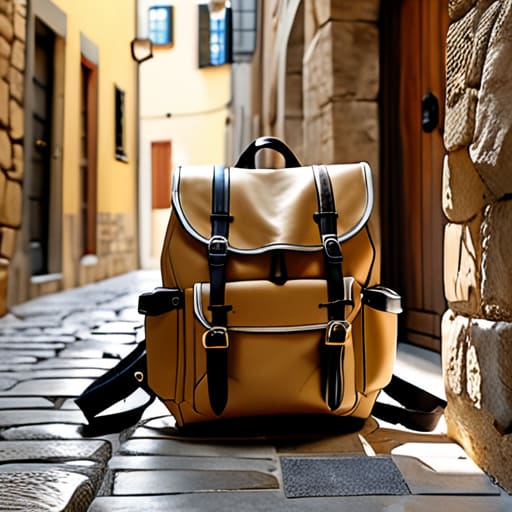
I’ve learned over the years, both in engineering and in my travels, that weight is often just a collection of things we don’t actually need. When I’m preparing for a trip, I try to approach my suitcase with the same precision I used for a blueprint, but with much less ego. I’ve found that minimalist packing techniques aren’t about deprivation; they are about freedom. The lighter the bag, the more easily I can wander down a cobblestone alley or find a quiet bench to sketch a passing landscape without feeling tethered to a heavy burden.

One of the most practical habits I’ve picked up is the debate of rolling vs folding clothes. I’ve found that rolling my cotton shirts and linens actually keeps the wrinkles at bay while utilizing every bit of nook and cranny in the bag. If you’re looking to shave off a few pounds, I highly recommend a few travel compression bags for your heavier items like sweaters. They do a marvelous job of squeezing out the excess air, leaving you with more room for that extra book or a small, local trinket you might find along the way.

An Efficient Suitcase Layout for a Calm Arrival

An Efficient Suitcase Layout for a Calm Arrival

Once you’ve decided on what truly needs to come along, the real work begins: arranging the pieces of your journey. I’ve found that a chaotic suitcase leads to a chaotic mind, especially when you’re navigating a busy train station or a cobblestone street. I like to think of my luggage like a well-planned bridge project—everything needs its proper foundation. I usually start with the heavier items, like my camera gear or a sturdy pair of walking shoes, tucked deep against the wheels. This keeps the weight centered and prevents the bag from tipping awkwardly.

When it comes to the smaller details, I’ve spent quite a bit of time debating the merits of rolling vs folding clothes. While folding looks neater in a drawer, rolling my linen shirts and cotton tees seems to save much more room and keeps the wrinkles at bay. For my more delicate items, I rely on a few travel compression bags to keep things tidy. It’s not about being rigid; it’s about creating an efficient suitcase layout so that when I finally arrive at my destination, I can simply unpack, sit down, and focus on the view rather than digging through a mountain of fabric.

A Few Small Habits for a Lighter Load

  • I’ve learned the hard way that a heavy bag is a heavy mind. Before you even touch a suitcase, lay everything out on the bed and ask yourself if that extra pair of shoes is truly worth the strain on your shoulders when you’re walking those cobblestone streets.
  • Group your things by the “rituals” of your day. Put your toiletries in one dedicated pouch and your chargers in another; there is a particular kind of peace that comes from knowing exactly where your glasses or your notebook is without having to dig through a mountain of cotton.
  • Roll your clothes instead of folding them. It’s a simple trick I picked up years ago, but it keeps things from wrinkling too badly and, more importantly, it lets you see everything you’ve packed at a single glance, like a well-organized blueprint.
  • Don’t forget a small, dedicated space for the things you pick up along the way. Whether it’s a smooth stone from a riverbed or a local postcard, having a little nook in your bag prevents your organized system from turning into a cluttered mess by day three.
  • Always leave a little “breathing room” in your luggage. I used to pack to the very brim, but now I leave a bit of empty space—not just for souvenirs, but to give my belongings a little room to settle so nothing feels crushed or rushed.

A Few Things to Carry With You

Don’t pack for every possible “what if” that might cross your mind; instead, pack for the person you want to be on this trip—someone who is ready to walk, eat, and observe.

Treat your suitcase like a well-managed project, where every item has its proper place, ensuring you aren’t digging through chaos when you should be looking for a quiet cafe.

Remember that the lightest load isn’t just about physical weight, but about the mental freedom that comes from knowing you have exactly what you need and nothing more.

The Weight of What We Carry

I’ve learned that a suitcase shouldn’t be a cluttered storage unit for everything you might possibly need; it should be a carefully curated collection of what will actually serve you, leaving plenty of room for the unexpected scenery and the quiet moments you haven’t even planned for yet.

Bernard Oyelaran

The Weight We Choose to Carry

Packing light: The Weight We Choose to Carry.

As I sit here at this small cafe in Porto, looking over my notes, I realize that organizing a suitcase is about much more than just finding a place for every sock. By embracing a minimalist approach and being intentional about how we layer our belongings, we aren’t just saving space; we are protecting our peace of mind. Whether it’s through the clever use of packing cubes or simply deciding that we don’t need three different heavy coats for a week in the sun, the goal is to arrive at our destination feeling light. When you don’t have to spend your first hour in a new city wrestling with a jammed zipper or digging through a chaotic mess, you have more energy to actually engage with the world around you.

At the end of the day, remember that the most important thing you bring with you isn’t tucked inside a compression bag. It’s your curiosity and your willingness to be present. Don’t let the logistics of travel become a barrier to the experience itself. Pack with care, keep things simple, and then leave the heavy lifting to the journey. Once that bag is zipped, let it go. Your task isn’t to manage your luggage; it’s to savor the view and find the beauty in the quiet, unplanned moments that await you just beyond the hotel door.

Frequently Asked Questions

How do you manage to keep your sketches and delicate camera gear safe from being crushed by your clothes?

I’ve learned the hard way that you can’t just toss a Leica into a pile of linen shirts and hope for the best. I always use a small, padded tech pouch for my lenses, tucked right in the center of my suitcase. For my leather notebook, I slip it into a dedicated side pocket or a sturdy folder. I treat my gear like the foundation of a bridge—it needs a solid, protected place to rest.

When you're traveling for a longer stretch, how do you decide which items are truly essential and which ones are just clutter?

I’ve learned that if I haven’t reached for something in my own house for a month, I certainly won’t need it halfway across the world. I sit with my notebook and make two columns: “Necessities” and “Comforts.” If it’s a “comfort”—like that extra heavy book or a third pair of shoes—it has to earn its spot by being truly vital to my peace of mind. If it’s just clutter, let it stay home.

Do you have a particular way of organizing your things so you aren't constantly digging through your bag in the middle of a quiet meal?

I’ve learned the hard way that digging through a cluttered bag is a quick way to ruin a peaceful moment. I swear by small, clear pouches—one for my camera lenses, one for my notebook and pens, and another for my medications. I keep these in the same spot every time. It keeps the chaos contained, so when I’m sitting at a quiet bistro, I can find exactly what I need without disturbing the stillness.