Choosing and Preparing Seafood Responsibly

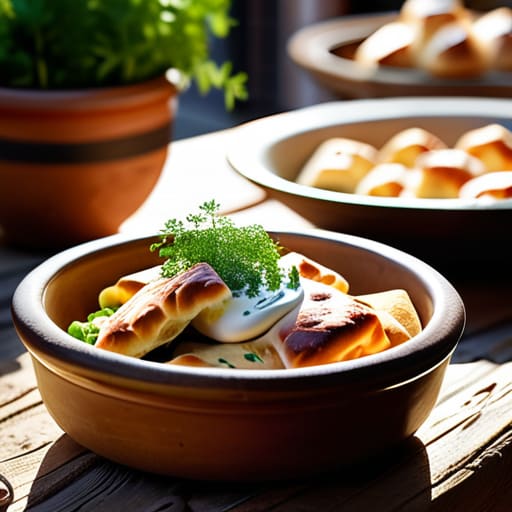
I was sitting at a weathered wooden table in a coastal shack last Tuesday, watching a young man in a crisp white apron explain the “complex flavor profiles” of a single, overpriced scallop. It struck me then how much we’ve lost to the theater of fine dining. People treat ocean seafood like it’s some high-stakes puzzle to be solved with expensive sauces and pretentious terminology, when really, the best things from the sea don’t need a lecture. I’ve spent my life building bridges and managing heavy machinery; I have little patience for unnecessary complication. If the fish is fresh and the fire is right, you don’t need a sommelier to tell you it’s good.

I’m not here to give you a list of the most expensive tasting menus or guide you through the latest culinary trends. Instead, I want to share what I’ve learned from years of wandering coastal towns and sitting in quiet, salt-crusted kitchens. I’ll show you how to spot the real deal, how to appreciate the simple beauty of a well-cooked catch, and why the best meal of your life might just come from a paper basket on a pier.

Table of Contents

The Gentle Wisdom of Wild Caught vs Farmed Seafood

The Gentle Wisdom of Wild Caught vs Farmed Seafood.

I remember sitting in a small seaside café in Maine, watching the local fishermen haul in their nets. There was a certain honesty in the way they worked, a rhythm dictated by the seasons rather than a factory clock. It got me thinking about the growing debate surrounding wild-caught vs farmed seafood. To my mind, there is a profound difference in the soul of the food. Wild fish carry the essence of the currents and the deep, untamed spirit of the sea, whereas farmed varieties often feel a bit more… predictable.

Of course, it isn’t always a simple choice. While I find myself leaning toward the wild catch, I’ve learned that understanding the nuances is part of being a mindful traveler. One must consider things like ocean biodiversity and ecosystems to ensure our appetites don’t outpace nature’s ability to replenish itself. I often find myself checking a local seasonal seafood guide before I settle on a dish. It’s a small habit, but it helps me feel like I’m participating in a cycle of respect rather than just consumption. After all, eating well should never come at the cost of the very waters that sustain us.

Nourishing the Soul Through Seafood Nutritional Benefits

Nourishing the Soul Through Seafood Nutritional Benefits

I’ve always believed that what we put into our bodies should be as honest as the landscapes we admire. When I sit down with a piece of grilled salmon or a bowl of mussels, I’m not just looking for a full stomach; I’m looking for that steady, quiet energy that comes from eating something truly fundamental. The seafood nutritional benefits are well-documented, of course—the omega-3s and those essential minerals that keep the mind sharp—but to me, it feels more personal than a textbook definition. It’s about the vitality that comes from the sea itself.

Of course, being mindful means being aware of the nuances, like keeping an eye on mercury levels in fish to ensure our longevity matches our curiosity. I find that if I stick to smaller, seasonal catches, I can enjoy these gifts without a second thought. There is a certain peace in knowing that a meal can be both a feast for the senses and a way to sustain the body for the long walks ahead. It’s about nourishing the vessel so we can continue to witness the world.

A Few Simple Rules for Choosing the Best Catch

  • Don’t be afraid to ask questions. When you’re at a local market or a small seaside cafe, ask the person behind the counter where the fish came from and how it was caught. A good vendor is always happy to share the story of their morning’s haul.
  • Trust your senses over the fancy labels. A fresh piece of fish should smell like the clean, salty breeze of the ocean, not like anything heavy or overly “fishy.” If it looks dull or feels slimy, leave it on the ice and move along.
  • Follow the seasons, just as I do with my sketches. Just as certain light only hits the hills at dusk, certain seafood is only at its best during specific months. Eating what is naturally in season ensures better flavor and a lighter footprint on the waters.
  • Keep your preparations simple to honor the ingredient. When the ocean has done the hard work of providing something beautiful, you don’t need a mountain of heavy sauces. A bit of good olive oil, a squeeze of lemon, and a pinch of sea salt are often all that’s required.
  • Look for the small, local players. While the big grocery chains are convenient, there is a different kind of magic in finding a small-scale fisherman’s stall. It connects you to the rhythm of the tides in a way a supermarket aisle never could.

Small Morsels of Wisdom for Your Next Coastal Meal

When you find yourself at a seaside market, look for the stories behind the catch; choosing wild-caught isn’t just about the taste, it’s about respecting the natural rhythm of the sea.

Don’t view a seafood dinner as just fuel for the body, but as a way to nourish your mind with the essential nutrients that keep us steady and clear.

The best way to enjoy a meal is to let the world slow down around you, focusing on the texture of the food and the sound of the waves rather than the rush of the day.

The Connection Between Sea and Soul

When you sit down to a plate of fresh seafood, you aren’t just eating; you’re tasting the currents, the salt, and the patient rhythm of the ocean itself—it’s a reminder that some things simply cannot be rushed.

Bernard Oyelaran

A Final Taste of the Tide

A Final Taste of the Tide.

As I sit here by the window, watching the light shift across my notebook, I’m reminded that choosing what we eat is about more than just calories or convenience. We’ve talked about the importance of respecting the ocean’s natural rhythms by choosing wild-caught over farmed, and how those nutrient-dense oils and proteins do more than just fuel our bodies—they nourish our very essence. Whether it is the clean, sharp taste of a seasonal catch or the simple knowledge that your meal was sourced with integrity and care, every bite is a way of connecting to the vast, blue world that sustains us. It really comes down to making intentional choices that honor both our health and the sea.
In the end, I think the true magic of a seafood meal isn’t found in the complexity of the recipe, but in the stillness of the moment. It’s in the salt air, the sound of the waves, and the way a perfectly cooked piece of fish can ground you in the present. Don’t be in such a hurry to finish your plate that you miss the flavor or the feeling of being alive. I hope you find a moment soon to sit, slow down, and simply savor the gift of the ocean. After all, life is best enjoyed one bite at a time.

Frequently Asked Questions

How can I tell if the fish I'm buying at the local market was actually caught sustainably and not just labeled as such?

It’s a fair question, and honestly, a bit of a minefield these days. Labels can be slippery. If you’re at a local market, my advice is to skip the fancy stickers and talk to the person behind the counter. Ask them where the catch came from and how it was harvested. A real fisherman will be happy to tell you the story of the boat or the season. If they can’t give you a straight answer, I usually just move on.

Are there certain types of seafood that are better suited for a slow, home-cooked meal versus something quick and easy?

When I’m looking for a slow afternoon, I reach for something like a whole sea bass or thick halibut steaks. They demand your attention—the careful seasoning, the patience while they sear in a heavy pan. It’s a ritual. But if I’ve spent too much time sketching in the park and just want to eat, I’ll grab some fresh shrimp or scallops. They cook in a heartbeat, letting me get back to my notebook sooner.

When I'm traveling to a new coastal town, what are the best ways to find the most authentic, local seafood spots away from the tourist crowds?

I’ve learned that the best meals aren’t found on a glossy brochure, but by following the locals. When I arrive in a new coastal town, I skip the main pier and wander toward the working docks or the smaller side streets. I look for the places where the menu is short, the windows are a bit salt-crusted, and the patrons aren’t carrying maps. If you see a group of fishermen grabbing lunch, pull up a chair nearby.

Keeping Your Luggage Organized During Travel

I remember sitting on the edge of a narrow hotel bed in Florence last autumn, staring at a suitcase that looked more like a crime scene than a collection of belongings. I had spent forty minutes digging through a chaotic heap of fabric just to find a single clean pair of socks, feeling my blood pressure rise while the evening light faded beautifully outside my window. It was a frustrating reminder that poor packing organization doesn’t just waste space; it steals your peace of mind right when you should be settling in.

I’m not here to sell you on those expensive, neon-colored plastic cubes or some complicated system that requires a degree in logistics to operate. Instead, I want to share a few practical, tried-and-true methods I’ve gathered from decades of traveling—some learned the hard way on construction sites and others while wandering through quiet European villages. I promise to show you how to arrange your things so that you can spend less time wrestling with zippers and more time noticing the world around you.

Table of Contents

Minimalist Packing Techniques to Lighten Your Burden

Minimalist Packing Techniques to Lighten Your Burden

I’ve learned over the years, both in engineering and in my travels, that weight is often just a collection of things we don’t actually need. When I’m preparing for a trip, I try to approach my suitcase with the same precision I used for a blueprint, but with much less ego. I’ve found that minimalist packing techniques aren’t about deprivation; they are about freedom. The lighter the bag, the more easily I can wander down a cobblestone alley or find a quiet bench to sketch a passing landscape without feeling tethered to a heavy burden.

One of the most practical habits I’ve picked up is the debate of rolling vs folding clothes. I’ve found that rolling my cotton shirts and linens actually keeps the wrinkles at bay while utilizing every bit of nook and cranny in the bag. If you’re looking to shave off a few pounds, I highly recommend a few travel compression bags for your heavier items like sweaters. They do a marvelous job of squeezing out the excess air, leaving you with more room for that extra book or a small, local trinket you might find along the way.

An Efficient Suitcase Layout for a Calm Arrival

An Efficient Suitcase Layout for a Calm Arrival

Once you’ve decided on what truly needs to come along, the real work begins: arranging the pieces of your journey. I’ve found that a chaotic suitcase leads to a chaotic mind, especially when you’re navigating a busy train station or a cobblestone street. I like to think of my luggage like a well-planned bridge project—everything needs its proper foundation. I usually start with the heavier items, like my camera gear or a sturdy pair of walking shoes, tucked deep against the wheels. This keeps the weight centered and prevents the bag from tipping awkwardly.

When it comes to the smaller details, I’ve spent quite a bit of time debating the merits of rolling vs folding clothes. While folding looks neater in a drawer, rolling my linen shirts and cotton tees seems to save much more room and keeps the wrinkles at bay. For my more delicate items, I rely on a few travel compression bags to keep things tidy. It’s not about being rigid; it’s about creating an efficient suitcase layout so that when I finally arrive at my destination, I can simply unpack, sit down, and focus on the view rather than digging through a mountain of fabric.

A Few Small Habits for a Lighter Load

  • I’ve learned the hard way that a heavy bag is a heavy mind. Before you even touch a suitcase, lay everything out on the bed and ask yourself if that extra pair of shoes is truly worth the strain on your shoulders when you’re walking those cobblestone streets.
  • Group your things by the “rituals” of your day. Put your toiletries in one dedicated pouch and your chargers in another; there is a particular kind of peace that comes from knowing exactly where your glasses or your notebook is without having to dig through a mountain of cotton.
  • Roll your clothes instead of folding them. It’s a simple trick I picked up years ago, but it keeps things from wrinkling too badly and, more importantly, it lets you see everything you’ve packed at a single glance, like a well-organized blueprint.
  • Don’t forget a small, dedicated space for the things you pick up along the way. Whether it’s a smooth stone from a riverbed or a local postcard, having a little nook in your bag prevents your organized system from turning into a cluttered mess by day three.
  • Always leave a little “breathing room” in your luggage. I used to pack to the very brim, but now I leave a bit of empty space—not just for souvenirs, but to give my belongings a little room to settle so nothing feels crushed or rushed.

A Few Things to Carry With You

Don’t pack for every possible “what if” that might cross your mind; instead, pack for the person you want to be on this trip—someone who is ready to walk, eat, and observe.

Treat your suitcase like a well-managed project, where every item has its proper place, ensuring you aren’t digging through chaos when you should be looking for a quiet cafe.

Remember that the lightest load isn’t just about physical weight, but about the mental freedom that comes from knowing you have exactly what you need and nothing more.

The Weight of What We Carry

I’ve learned that a suitcase shouldn’t be a cluttered storage unit for everything you might possibly need; it should be a carefully curated collection of what will actually serve you, leaving plenty of room for the unexpected scenery and the quiet moments you haven’t even planned for yet.

Bernard Oyelaran

The Weight We Choose to Carry

Packing light: The Weight We Choose to Carry.

As I sit here at this small cafe in Porto, looking over my notes, I realize that organizing a suitcase is about much more than just finding a place for every sock. By embracing a minimalist approach and being intentional about how we layer our belongings, we aren’t just saving space; we are protecting our peace of mind. Whether it’s through the clever use of packing cubes or simply deciding that we don’t need three different heavy coats for a week in the sun, the goal is to arrive at our destination feeling light. When you don’t have to spend your first hour in a new city wrestling with a jammed zipper or digging through a chaotic mess, you have more energy to actually engage with the world around you.

At the end of the day, remember that the most important thing you bring with you isn’t tucked inside a compression bag. It’s your curiosity and your willingness to be present. Don’t let the logistics of travel become a barrier to the experience itself. Pack with care, keep things simple, and then leave the heavy lifting to the journey. Once that bag is zipped, let it go. Your task isn’t to manage your luggage; it’s to savor the view and find the beauty in the quiet, unplanned moments that await you just beyond the hotel door.

Frequently Asked Questions

How do you manage to keep your sketches and delicate camera gear safe from being crushed by your clothes?

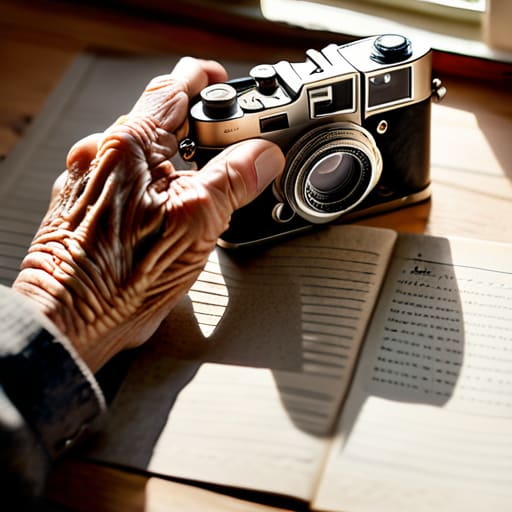
I’ve learned the hard way that you can’t just toss a Leica into a pile of linen shirts and hope for the best. I always use a small, padded tech pouch for my lenses, tucked right in the center of my suitcase. For my leather notebook, I slip it into a dedicated side pocket or a sturdy folder. I treat my gear like the foundation of a bridge—it needs a solid, protected place to rest.

When you're traveling for a longer stretch, how do you decide which items are truly essential and which ones are just clutter?

I’ve learned that if I haven’t reached for something in my own house for a month, I certainly won’t need it halfway across the world. I sit with my notebook and make two columns: “Necessities” and “Comforts.” If it’s a “comfort”—like that extra heavy book or a third pair of shoes—it has to earn its spot by being truly vital to my peace of mind. If it’s just clutter, let it stay home.

Do you have a particular way of organizing your things so you aren't constantly digging through your bag in the middle of a quiet meal?

I’ve learned the hard way that digging through a cluttered bag is a quick way to ruin a peaceful moment. I swear by small, clear pouches—one for my camera lenses, one for my notebook and pens, and another for my medications. I keep these in the same spot every time. It keeps the chaos contained, so when I’m sitting at a quiet bistro, I can find exactly what I need without disturbing the stillness.