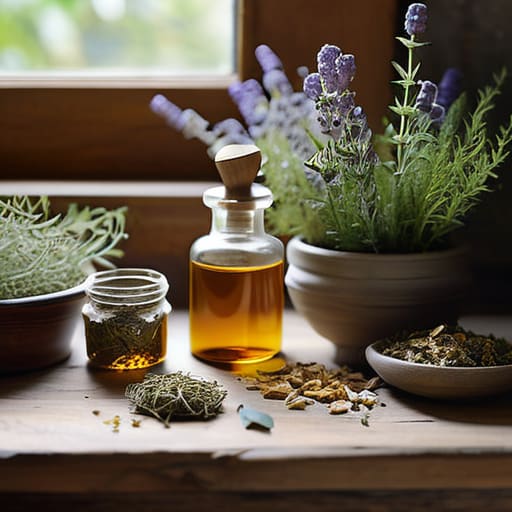
I was sitting on a weathered bench in a small park outside of Ghent last Tuesday, sketching the way the light hit a patch of wild mint, when I realized how much nonsense is out there regarding herbalism basics. You see it everywhere—glossy, expensive bottles in boutique shops promising “miracle cures” for prices that would make a civil engineer wince. It’s all a bit much, isn’t it? People act like you need a PhD or a massive bank account just to understand the simple, quiet power of the plants growing right under your feet. To my mind, it’s never been about the fancy packaging; it’s about knowing which leaf can settle a restless stomach or soothe a weary mind.
I’m not here to sell you a lifestyle or a subscription to some wellness cult. Instead, I want to share what I’ve gathered from years of slow walking and even slower living: a few honest, straightforward principles for working with nature. We’re going to skip the hype and focus on the practical reality of what these plants can actually do for you. My goal is to help you build a foundation of knowledge that feels as sturdy and reliable as a well-built bridge.
Table of Contents
Finding Calm Through Identifying Medicinal Herbs
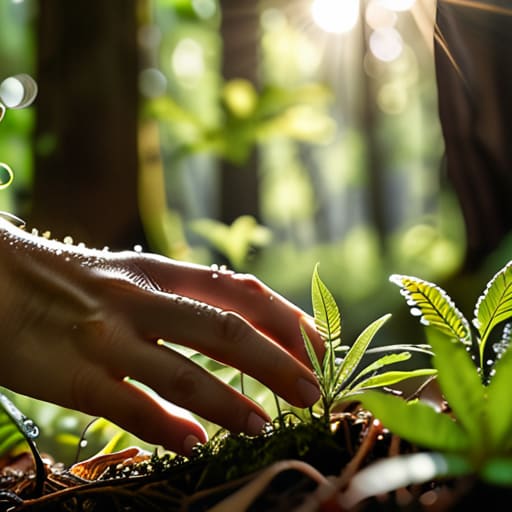
There is a particular kind of stillness that settles over you when you’re out in the field, eyes scanning the low brush not for what is missing, but for what is there. I’ve found that identifying medicinal herbs requires a similar kind of focus; you can’t just rush through the woods looking for a quick fix. You have to stop, kneel in the dirt, and really look at the serrated edge of a leaf or the specific way a stem holds itself against the wind. It turns a simple walk into a slow, meditative dialogue with the landscape.
Of course, this curiosity comes with a heavy dose of responsibility. I often tell folks that safety in herbalism is just as important as the harvest itself. You wouldn’t drive a bridge without checking the load-bearing capacity, and you shouldn’t pluck a plant without being absolutely certain of its identity. Taking the time to study a proper botanical identification guide isn’t just a chore; it’s a way of showing respect to the earth. When you finally recognize a plant for what it truly is, there’s a profound sense of connection that stays with you long after you’ve headed home.
The Slow Wisdom of Traditional Herbal Healing Practices
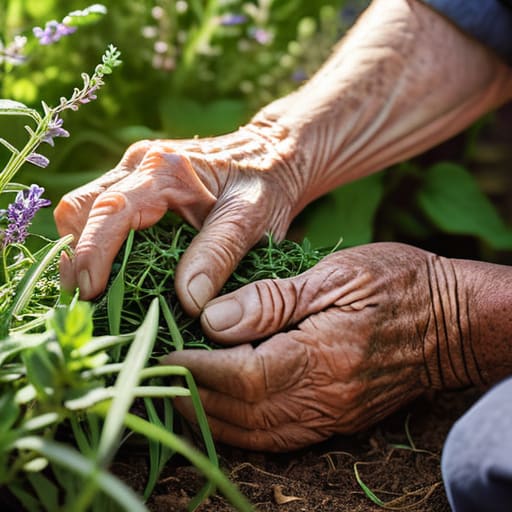
I remember sitting on a porch in rural Wisconsin years ago, watching an old neighbor tend to a patch of lavender and mint with a sort of quiet reverence. She wasn’t just gardening; she was maintaining a pharmacy. That was my first real glimpse into traditional herbal healing practices, and it struck me how much we’ve lost by trying to outrun nature. There is a profound, rhythmic patience required when you move away from the quick fix of a pill bottle and toward the slow process of working with the earth.
Learning the craft isn’t just about the chemistry; it’s about the connection. Whether you are experimenting with different herbal tincture making methods or simply drying chamomile for a restless evening, you are participating in a lineage of care that stretches back centuries. It requires a steady hand and a willingness to listen to what the seasons are offering. It’s a gentle way of living that reminds me, much like my old Leica cameras, that the most meaningful things often require a bit of deliberate, careful attention to truly appreciate.
A Few Simple Habits for the Aspiring Herbalist
- Start with the familiar. There’s no need to hunt for exotic roots in a distant land when there’s mint growing in your backyard or rosemary sitting in a pot on your windowsill. Get to know the plants that are already sharing your space.
- Keep a record, just like I do with my sketches. When you find a new leaf or a peculiar scent, jot it down in a notebook. Note the weather, the soil, and how the plant looks in the morning light. It turns a simple walk into a real lesson.
- Respect the plant’s boundaries. If you’re foraging, never take more than a handful, and never take from a plant that looks like it’s struggling. We are guests in their world, after all.
- Use your senses, not just a guidebook. Before you decide what something is, smell it, feel the texture of the leaf, and look at the way the stem bends. Nature rarely hides its identity from someone who is actually paying attention.
- Take it slow with the preparations. Whether you’re steeping a tea or making a simple infusion, don’t rush the process. Let the hot water do its work, and use that quiet time to simply sit and breathe.
Small Lessons from the Garden Path
Don’t feel the need to master everything at once; start by learning just one plant, like mint or dandelion, and truly getting to know its shape and scent.
The real value of herbalism isn’t in a quick fix, but in the quiet, meditative time you spend observing the natural world around you.
Always approach the earth with respect and patience, remembering that the most potent remedies often come from simply slowing down enough to notice them.
The Quiet Lesson of the Soil
“Learning about herbs isn’t about memorizing a textbook; it’s about finally learning how to listen to the ground beneath your feet and realizing that nature has been offering us its remedies all along, if only we’d stop moving long enough to notice.”
Bernard Oyelaran
A Quiet Way Forward
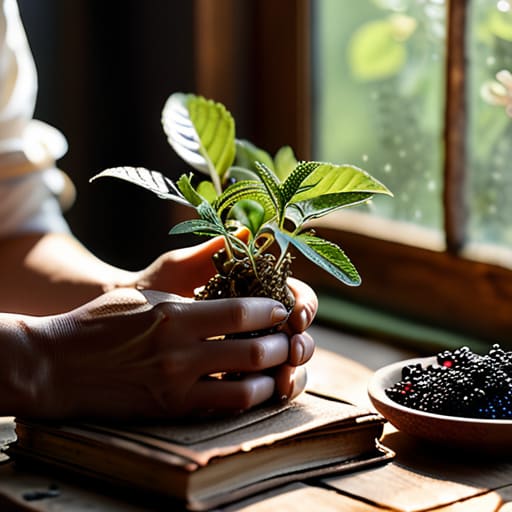
As we’ve discussed, getting started with herbalism isn’t about mastering a complex science or filling your pantry with expensive tinctures overnight. It’s really about the simple act of learning to listen to the world around you. Whether you are identifying a sprig of mint in your backyard or tracing the history of how our elders used elderberry to ward off a chill, you are engaging in a practice that connects you to the seasons. By understanding how to identify these plants and respecting the traditional wisdom passed down through generations, you aren’t just collecting remedies; you are building a deeper relationship with the earth beneath your feet.
If there is one thing I’ve learned from years of managing heavy machinery and even more years of sitting still with a camera, it’s that the most profound changes often happen in the smallest increments. Don’t feel pressured to become an expert by sunset. Just start by noticing one leaf, one scent, or one quiet ritual. Let your journey with herbs be a way to slow your pace and find a bit of steady ground in a world that feels like it’s moving far too fast. After all, the goal isn’t just to heal the body, but to nurture the soul through the simple, beautiful act of paying attention.
Frequently Asked Questions
How can I tell the difference between a helpful herb and something that might actually be harmful if I pick it by mistake?
That’s the question that keeps me up at night, honestly. When I was working on construction sites, we had strict protocols for a reason; nature is no different. My rule is simple: if you aren’t one hundred percent certain, leave it be. I never rely on just one feature. I look at the leaf shape, the stem, and even the scent. If it doesn’t match my notebook sketches perfectly, it stays in the ground.
Do I really need a whole garden to start, or can I find what I need in my own backyard or local parks?
Not by a long shot. In fact, I think starting with a manicured garden is a bit like trying to photograph a landscape through a keyhole—you miss the bigger picture. Most of the treasures I’ve found lately weren’t in a seed packet, but tucked away in the cracks of a sidewalk or growing wild in the park down the street. Just grab your notebook, take a slow walk, and start looking.
Is there a specific way to prepare these plants—like making a tea versus a tincture—to make sure I'm actually getting the benefits?
It really depends on what part of the plant you’re holding. For leaves and flowers, a simple tea—or infusion—is usually best; just pour hot water over them and let them steep while you watch the world go by. But if you’re working with tougher bits like roots or bark, you’ll want a decoction, simmering them a bit longer to draw out the goodness. Tinctures are wonderful for later, too, but they take a bit more patience.
