Category: Culture

  • Exploring the Traditions of French Dining Etiquette

    Exploring the Traditions of French Dining Etiquette

    I remember sitting in a small, sun-drenched bistro in Lyon last autumn, clutching my leather notebook and feeling a sudden, sharp wave of anxiety. I wasn’t worried about the menu, but rather about the unspoken rules of french dining etiquette that seemed to hover over the table like a heavy fog. I watched a young couple nearby, both so preoccupied with whether they were holding their wine glass correctly or using the right fork, that they completely missed the magic of the moment. They were treating a meal like a structural inspection rather than a way to connect, and it broke my heart just a little bit to see.

    I’m not here to give you a list of stuffy, impossible rules designed to make you feel like an outsider. Instead, I want to share what I’ve learned from years of traveling slowly and sitting at many a crowded table: the real secret isn’t about perfection, it’s about presence. I’ll walk you through the basics so you can feel at ease, but my real goal is to help you navigate the table with enough confidence to finally stop worrying and start savoring.

    Table of Contents

    Finding Peace Within French Table Setting Rules

    Finding Peace Within French Table Setting Rules.

    When I first sat down at a heavy linen-draped table in a small bistro near the Luxembourg Gardens, I felt a familiar prickle of anxiety. I found myself staring at the array of silverware, worried I’d commit some grave error against the local customs. But as I watched the patrons around me, I realized that the complexity of the arrangement isn’t meant to be a test of intelligence. Instead, the french table setting rules are designed to create a sense of order that allows the conversation to flow without distraction. There is a quiet dignity in knowing exactly which fork to reach for; it removes the guesswork and lets you settle into the rhythm of the evening.

    I’ve learned that mastering the proper way to use cutlery in France is less about rigid perfection and more about respect for the craft of the meal. When you understand the geometry of the plate, you stop thinking about the mechanics of eating and start noticing the way the light hits your wine glass or the subtle aroma of the reduction. It turns a meal into a meditative practice. By embracing these small, structured details, you aren’t just following rules—you are finding a way to be truly present at the table.

    The Quiet Grace of French Mealtime Traditions

    The Quiet Grace of French Mealtime Traditions.

    There is a certain rhythm to the way a meal unfolds here, a tempo that feels almost musical if you stop trying to rush it. I’ve noticed that many people approach french mealtime traditions with a sense of anxiety, as if they are sitting for an exam rather than a feast. But if you watch the locals, you’ll see it isn’t about rigid perfection; it’s about a shared respect for the time being spent together. It’s in the way a conversation is allowed to drift and pause, never interrupted by the frantic clatter of a plate being cleared too soon.

    When the heavy silver arrives, don’t let the array of tools intimidate you. Learning the proper way to use cutlery in France is less about memorizing a map and more about understanding the flow of the courses. I find that once I stop worrying about which fork belongs to the fish and which to the salad, I can actually focus on the texture of the sauce or the scent of the herbs. It’s a subtle dance of social graces during French meals, where the goal is simply to remain present and composed, letting the meal breathe just as you do.

    A Few Small Manners to Help You Settle In

    • Don’t let the array of silverware intimidate you. Just remember that the utensils are laid out in the order you’ll need them, working your way from the outside in. It’s less about following a rigid manual and more about letting the meal dictate your pace.
    • When it comes to the bread, try to avoid cutting it with a knife like a piece of steak. It’s much more natural to tear off a small, bite-sized piece with your fingers. It keeps the rhythm of the meal soft and unhurried.
    • Keep your hands visible, resting lightly on the edge of the table rather than tucked in your lap. It’s a small thing, but it creates a sense of openness and presence that makes the conversation feel a bit more grounded.
    • If you need to step away for a moment, simply place your napkin on your chair. It’s a subtle signal to the staff and your companions that you aren’t quite finished with the experience, but just taking a brief breath.
    • Most importantly, resist the urge to rush. In France, a meal isn’t a hurdle to clear before the next appointment; it’s the event itself. If the courses take a while, let them. That’s where the real magic happens.

    A Few Things to Carry With You

    Don’t let the rules intimidate you; see the placement of the forks and knives not as a test, but as a gentle rhythm designed to keep the conversation flowing and the meal steady.

    Remember that the true heart of a French table isn’t found in perfect posture, but in the willingness to linger over a glass of wine and let the bread sit a little longer on the plate.

    Approach every meal as an opportunity to slow down, treating the etiquette as a way to honor the food and the people sitting across from you.

    ## Beyond the Silverware

    “People often mistake French dining etiquette for a rigid set of rules designed to exclude, but I’ve come to see it differently; it’s really just a gentle way of telling your companions that the person across the table is far more important than the clock on the wall.”

    Bernard Oyelaran

    The Heart Behind the Ritual

    The Heart Behind the Ritual: dining connection.

    As I sit here in this small café, watching the sunlight stretch across the cobblestones, I realize that all these rules—the placement of the forks, the way one handles a wine glass, or the patience required between courses—are not meant to be hurdles. They are actually a framework designed to protect the conversation. When we understand the rhythm of the table, we stop worrying about making a mistake and start focusing on the person sitting across from us. Whether it is the delicate dance of the silverware or the simple respect of waiting for everyone to be served, these traditions serve one singular purpose: to create a space where nothing is more important than the shared experience of the meal.

    In my years managing construction sites, I learned that the strongest structures require a solid foundation. I’ve come to see French dining etiquette in much the same way; it is the foundation that allows the beauty of the moment to truly stand tall. So, please, don’t let the fear of a misplaced spoon keep you from enjoying your journey. Instead, embrace the slow pace, lean into the ritual, and remember that the most important ingredient at any table is a willingness to linger. After all, we aren’t just eating to live; we are eating to truly live.

    Frequently Asked Questions

    What should I do if I find myself feeling overwhelmed by all the different forks and spoons on the table?

    If you find yourself staring down a row of silverware and feeling a bit flustered, just take a breath. I’ve been there, usually staring at a complex blueprint or a confusing menu. My advice? Don’t sweat the small stuff. Just start from the outside and work your way in. If you stumble, just smile and keep going. At the end of the day, the silver is just a tool; the real goal is the company and the food.

    Is it considered rude to ask for more bread or water, or is that part of the natural flow of the meal?

    Not at all. In fact, I’ve found that the table is meant to be a living thing. Asking for a bit more water or another crust of bread isn’t an interruption; it’s just part of the rhythm. Think of it like a conversation—it’s perfectly natural to pause and ask for what you need to keep the moment going. Don’t hesitate. Just catch the server’s eye when there’s a lull, and keep enjoying your meal.

    How do I know when it is truly appropriate to finally stand up and leave the table?

    It’s a common worry, but try not to let the clock dictate your movements. In France, the meal isn’t over when the plate is empty; it’s over when the conversation naturally finds its exhale. Wait for the host to signal the end—usually by clearing the final coffee or standing themselves. Until then, just linger. There’s no need to rush; the best part of the evening is often that quiet, lingering moment after the last bite.

  • Understanding the Concept of Hygge in Scandinavian Living

    Understanding the Concept of Hygge in Scandinavian Living

    I was sitting in a cramped cafe in Copenhagen last autumn, watching a young woman scroll through a lifestyle magazine, when I saw it: a glossy spread full of expensive, minimalist furniture and designer candles all claiming to be the essence of scandinavian hygge. It rubbed me the wrong way. To my mind, you don’t need a three-hundred-dollar ceramic mug or a perfectly curated living room to find peace. If you think you need to buy your way into coziness, you’ve completely missed the point of the whole concept.

    I’ve spent my life building things meant to last, and I’ve learned that the most meaningful things usually don’t come with a price tag. In this post, I want to strip away the marketing fluff and talk about what this lifestyle actually looks like when you’re living it. I’m going to share a few simple, no-nonsense ways to bring that sense of warmth into your own life—not through shopping, but through the way you linger over a cup of coffee or the way you settle into a quiet corner at dusk. We’re going to focus on the art of noticing, rather than the art of consuming.

    Table of Contents

    Embracing Hygge Lifestyle Principles in Every Quiet Moment

    Embracing Hygge Lifestyle Principles in Every Quiet Moment.

    I’ve found that applying hygge lifestyle principles doesn’t require a complete home renovation or a designer’s touch. It’s more about the intention behind how we inhabit our spaces. For me, it started with a single lamp. I realized that those harsh, overhead lights I used to rely on were doing nothing for my spirit. Now, I focus on warm lighting for hygge, opting for small lamps and a few well-placed candles that cast soft, dancing shadows across the room. It changes the entire energy of a space, turning a mere house into a sanctuary where the edges of the world feel a little softer.

    Even when I’m out sketching in a park, I try to bring that sense of presence with me. It’s about creating a sense of coziness within oneself, regardless of the setting. Whether it’s the weight of a heavy wool blanket during a rainy afternoon or the simple ritual of brewing a pot of tea, these small acts are what ground us. It isn’t about perfection; it’s about making sure the moments we do have are filled with a bit of warmth and quiet grace.

    Scandinavian Wellness Rituals for a Soulful Afternoon

    Scandinavian Wellness Rituals for a Soulful Afternoon.

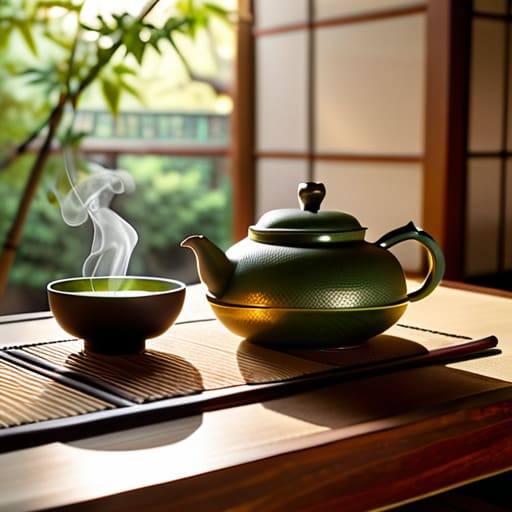
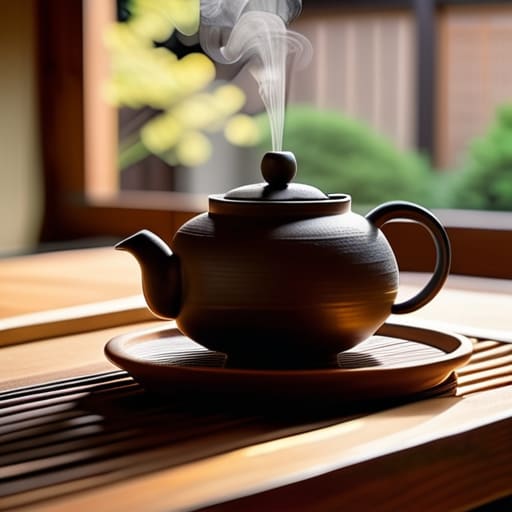
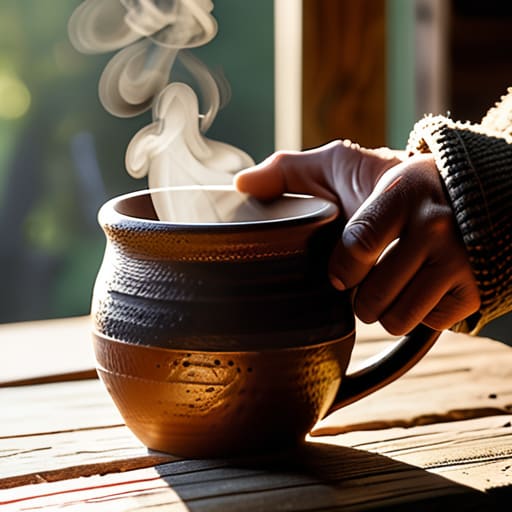
    I’ve found that the best way to practice these scandinavian wellness rituals isn’t by following a rigid schedule, but by leaning into the natural rhythm of the afternoon. For me, that usually begins when the light starts to turn golden and thin. I’ll put away my engineering journals, set my Leica aside, and focus on the simple transition from doing to being. There is something deeply grounding about the ritual of brewing a pot of loose-leaf tea—the steam rising in the quiet, the weight of the ceramic mug, and the deliberate act of just sitting still while the world rushes on outside.

    It’s also about how we curate our immediate surroundings to support that stillness. I’m not one for flashy trends, but I’ve learned that warm lighting for hygge makes all the difference when the shadows grow long. I prefer a few well-placed lamps over the harsh glare of an overhead light; it softens the edges of the room and invites a sense of calm. When you pair that soft glow with a comfortable chair and a view of the garden, you aren’t just decorating—you are creating a sanctuary for your own thoughts.

    Small Ways to Bring a Little Warmth into Your Day

    • Light a single candle when the sun starts to dip. It isn’t about making the room bright; it’s about that soft, flickering glow that tells your brain it’s okay to finally stop working and just be.
    • Find your “comfort corner.” Whether it’s a worn-in armchair or a specific bench in the park, having one dedicated spot where the world feels a little smaller and more manageable makes all the difference.
    • Trade the screen for something tactile. I’ve found that putting my phone in a drawer and picking up my old Leica or a simple sketchbook helps me actually feel the texture of the afternoon rather than just scrolling through it.
    • Don’t overlook the power of a warm drink. There is a specific kind of peace found in the weight of a ceramic mug and the steam rising against your face—it’s a small, sensory anchor that keeps you grounded in the moment.
    • Practice the art of “slow gathering.” You don’t need a grand dinner party; just a quiet conversation over a simple meal, where no one is checking their watch and the conversation is allowed to wander wherever it needs to go.

    A Few Small Reminders for the Road Ahead

    Don’t wait for a special occasion to find comfort; the magic of hygge is in the small, daily things, like the weight of a well-worn book or the steam rising from a fresh cup of coffee.

    It is okay to turn off the noise of the world for a while; true wellness often starts with the courage to simply sit still and let the afternoon unfold at its own pace.

    Pay attention to the textures and the light around you, because when we stop rushing to the next task, we finally start noticing the beauty that was there all along.

    The Heart of the Matter

    “Hygge isn’t some fancy design trend you can buy off a shelf; it’s that quiet, steady warmth you feel when the world outside is rushing by, but you’ve finally found a reason to sit still, hold a warm mug, and just breathe.”

    Bernard Oyelaran

    Finding Your Own Quiet Rhythm

    Finding Your Own Quiet Rhythm in café.

    As I sit here in this little café, watching the rain streak against the window, I’m reminded that hygge isn’t some complex checklist or a collection of expensive items you need to buy. It’s really just about the intention behind the small things—the way we lean into the warmth of a thick wool sweater, the deliberate act of brewing a pot of tea, or the simple grace of choosing to be present when the world feels a bit too loud. Whether it’s through a mindful afternoon ritual or just creating a soft corner in your own home, it all boils down to cultivating comfort in the midst of the mundane.

    My time spent over drafting tables taught me a lot about structure, but it’s this slower way of living that has taught me about soul. Don’t feel like you have to overhaul your entire life to find this sense of peace; just look for the small gaps in your day where you can breathe. Perhaps it’s the way the light hits your favorite book, or the steady weight of a ceramic mug in your hands. My advice is simple: stop rushing toward the next thing and start savoring the now. After all, life happens in the pauses, not the sprints.

    Frequently Asked Questions

    How can I practice hygge when I'm traveling and don't have the comfort of my own home?

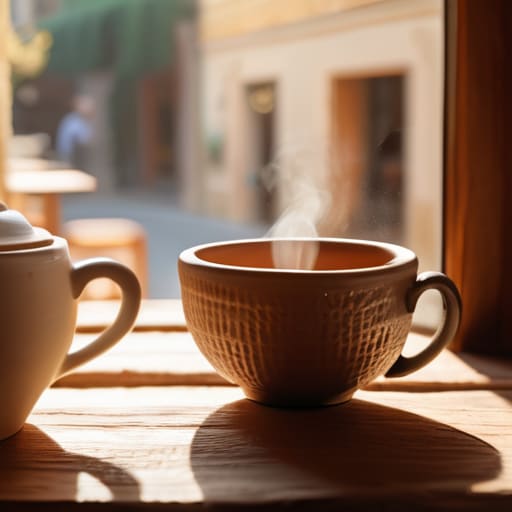
    I used to think comfort required my own four walls, but traveling has taught me otherwise. Hygge on the road is about creating small, portable anchors. It’s the ritual of finding a quiet corner in a local café, the weight of a heavy ceramic mug, or the way the light hits a cobblestone street at dusk. Don’t chase perfection; just find one small, sensory detail to linger on. That’s where the home is.

    Is it possible to find that sense of coziness in a busy, modern city, or does it require a quiet countryside setting?

    I used to think you needed a cabin in the woods for that, but I’ve learned better. Even in the middle of a concrete jungle, hygge is a state of mind, not a zip code. It’s finding that one corner booth in a dim cafe where the steam rises off your coffee, or the way the rain looks against a window while you’re tucked away inside. It’s about creating your own quiet pocket amidst the noise.

    How do you balance the desire to slow down with the practical responsibilities of daily life and work?

    It’s a constant tug-of-war, isn’t it? In my engineering days, I thought efficiency was everything. Now, I realize that “balance” isn’t about splitting your time perfectly; it’s about how present you are when you actually show up. I try to weave small pockets of stillness into the chores—like truly tasting my coffee before the emails start flying. You can’t stop the world from spinning, but you can choose when to step off for a moment.

  • The Spiritual Essence of the Japanese Tea Ceremony

    The Spiritual Essence of the Japanese Tea Ceremony

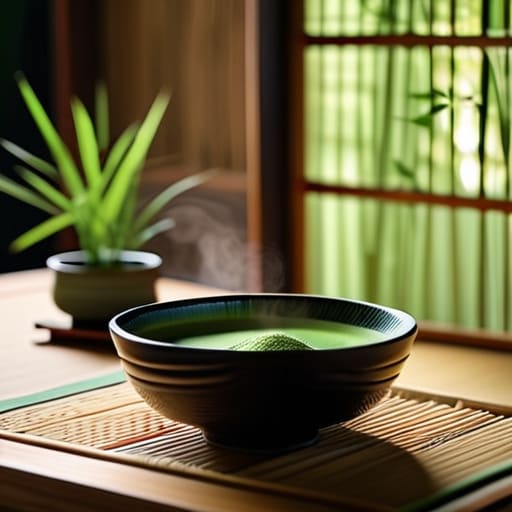
    I remember sitting in a cramped, overly polished tea house in Kyoto last spring, feeling more like I was participating in a high-stakes engineering inspection than a moment of peace. Everyone around me seemed terrified of making a wrong move, treating the japanese tea ceremony as if it were some rigid, unbreakable set of laws rather than a way to connect. There’s a lot of nonsense out there claiming you need to master ancient, complex etiquette just to appreciate a bowl of matcha, but frankly, that’s just noise. To me, the ceremony isn’t about performing for an audience; it’s about the way the steam hits your face when the world outside finally goes quiet.

    I’m not here to give you a lecture on dusty traditions or tell you how much a formal set should cost. Instead, I want to share what I’ve learned about finding the actual soul of the experience—the parts that involve slowing your heart rate and noticing the texture of the ceramic in your hands. I’ll walk you through the honest, unpretentious side of the japanese tea ceremony, focusing on how you can use it to find a bit of stillness in your own busy life.

    Table of Contents

    Tracing the Chanoyu History and Philosophy

    Tracing the Chanoyu History and Philosophy.

    I sat there for a long while, watching the host’s movements, thinking about how much weight a single gesture can carry. It struck me that what we were witnessing wasn’t just a way to serve a drink, but a living map of chanoyu history and philosophy. It began centuries ago, evolving from simple medicinal roots into a deeply spiritual practice shaped by Zen Buddhism. It’s less about the caffeine and more about the intention behind the pour.

    As I looked around the small, dim space, I noticed how every element felt deliberate. The sparse decorations and the weathered texture of the walls weren’t accidental; they were a masterclass in wabi-sabi principles in tea, finding profound beauty in the imperfect and the aged. There is something incredibly grounding about that mindset. In my engineering days, we always chased the pristine and the perfect, but here, the cracks in a ceramic bowl or the unevenness of a stone path tell a much richer story. It reminds me that there is a certain dignity in things that have weathered the seasons.

    Finding Mindfulness in Tea Preparation

    Finding Mindfulness in Tea Preparation.

    Watching the host move is a bit like watching a well-oiled machine, though far more graceful than the heavy machinery I used to manage back in the day. There is a deliberate rhythm to every gesture, a way of tea etiquette that demands your full attention without ever feeling stiff. As I sat there, I found my eyes drifting to the way the light hit the steam, realizing that mindfulness in tea preparation isn’t about perfection, but about being entirely present in the movement.

    I found myself particularly drawn to the chawan tea bowl importance during the service. It wasn’t just a vessel; it was a piece of art that felt alive in the hands of the host. The bowl possessed a certain ruggedness, a nod to the wabi-sabi principles in tea that celebrate the beauty of things imperfect and weathered. It reminded me of my old Leica cameras—the scratches and the worn leather tell a better story than anything brand new ever could. In that small, quiet space, the world outside simply ceased to matter.

    Small Ways to Carry the Spirit of Tea Into Your Own Day

    • Don’t rush the preparation. Even if you aren’t whisking matcha in a formal tea room, take an extra minute to watch the water boil or feel the weight of your favorite ceramic mug. The magic is in the transition, not just the drink.
    • Notice the vessel in your hands. I’ve spent years tinkering with the mechanical precision of old cameras, but there is a different kind of beauty in a tea bowl that is slightly uneven or textured. Appreciate the craftsmanship and the way it fits your palm.
    • Practice the art of silence. We live in a world that is constantly shouting at us through screens and notifications. When you sit down with your tea, try to let the world fade into the background for just ten minutes. Let the silence be a guest at your table.
    • Pay attention to the seasons. A tea ceremony is deeply tied to the time of year. Try to match your tea ritual to the world outside—perhaps a lighter, more floral scent in the spring, or a heavier, more grounding brew when the autumn wind starts to bite.
    • Be fully present with your company. If you are sharing tea with a friend, put the phone away. Look at them, listen to the cadence of their voice, and treat the conversation with the same reverence you would give the tea itself.

    Lessons from the Tea Bowl

    It isn’t about the perfection of the ritual, but the presence you bring to it; the goal is to be entirely where your feet are.

    True beauty often lives in the “wabi-sabi”—the cracks, the uneven glaze, and the weathered edges of the tools we use every day.

    Slowing down to prepare something simple, like a bowl of tea, serves as a necessary anchor in a world that constantly asks us to hurry.

    A Lesson in the Slow Pour

    “I’ve spent most of my life looking at blueprints and deadlines, always racing toward the finished structure. But sitting there, watching the steady, deliberate rhythm of the tea master, I realized that the real beauty isn’t in the destination—it’s in the quiet, careful way we hold the moment before it slips away.”

    Bernard Oyelaran

    Taking the Stillness Home

    Taking the Stillness Home through tea.

    As I sat there, watching the last traces of steam vanish into the air, I realized that the tea ceremony isn’t just about the powdered matcha or the precision of the movements. It’s a culmination of centuries of philosophy—a way to bridge the gap between the frantic energy of the world and the quiet sanctuary of the present moment. We’ve looked at the deep roots of Chanoyu and the meditative rhythm of its preparation, but the true essence lies in the realization that every gesture matters. Whether it is the way a bowl is turned or the silence between two breaths, these small details are what ground us when everything else feels like it’s spinning out of control.

    I often find myself thinking about how we can carry this spirit back into our own messy, unscripted lives. You don’t need a dedicated tea room or a set of heirloom ceramics to find your own version of this peace. You can find it in the way you hold your morning coffee, or in the deliberate way you listen to a friend. My advice, if I can offer any, is to seek out your own small rituals. Life is far too short to spend it rushing from one task to the next without ever looking up. Slow down, take a breath, and savor the view.

    Frequently Asked Questions

    If I’m just a visitor sitting in on a ceremony, is there a specific way I should be sitting or behaving so I don't disrupt the quiet?

    Don’t fret too much about being perfect; the hosts generally appreciate the effort of a guest more than flawless technique. If you can, try to sit in the seiza position—kneeling with your tops of your feet flat on the floor—but if your legs go numb, just shift slightly. Most importantly, keep your movements deliberate and your voice low. Think of it like sketching in my notebook; it’s about being present and respectful of the silence.

    Do I need to know how to whisk the matcha myself, or is it more about the experience of watching the host work?

    To be honest, I spent my career worrying about how things were built, so I naturally wanted to know the mechanics. But sitting there, I realized it’s not about the technique—it’s about the rhythm. You don’t need to master the whisk to appreciate the grace of the movement. For me, the real magic lies in being a quiet observer, letting the host’s steady hands guide your own sense of calm.

    Are there certain types of sweets or seasonal treats I should look out for to better understand the ceremony's connection to the time of year?

    You’ll want to keep an eye out for wagashi. These aren’t just sweets; they are tiny, edible snapshots of the seasons. In spring, you might see delicate cherry blossom shapes; in autumn, perhaps a maple leaf rendered in sweet bean paste. They are designed to balance the bitterness of the matcha. To me, seeing a seasonal treat on the tray is like seeing the first sign of fall in the trees—it grounds you right in the moment.