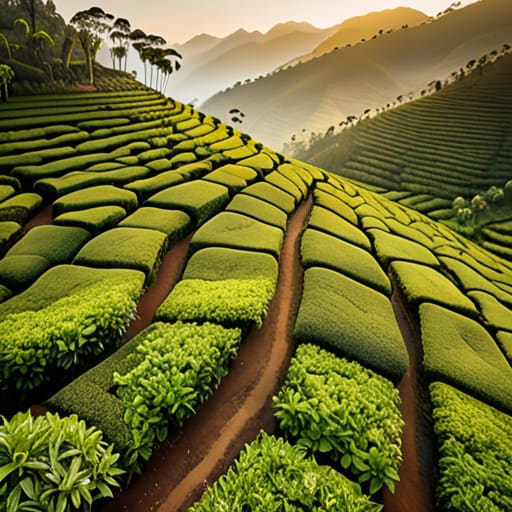
I remember sitting on a weathered wooden bench in the highlands, the damp air clinging to my skin and the scent of crushed leaves heavy in the breeze. I wasn’t there for a curated “wellness retreat” or to snap the perfect photo for a travel brochure; I was simply watching the way the light hit the rolling rows of the tea plantations as the fog began to lift. There is a specific, quiet rhythm to those hills—a steady, unhurried pulse that most travelers miss because they are too busy checking their itineraries or rushing toward the next big landmark.
I’m not here to sell you on some polished, high-priced fantasy of mountain living. Instead, I want to share what I’ve learned from walking those paths with nothing but my notebook and a sense of curiosity. I’ll tell you which views are actually worth the trek and how to find the genuine soul of these places away from the crowds. My goal is to help you navigate these landscapes with a bit more intention, ensuring you find those quiet, honest moments that make a journey truly worth remembering.
Table of Contents
Understanding Camellia Sinensis Cultivation Through Gentle Observation
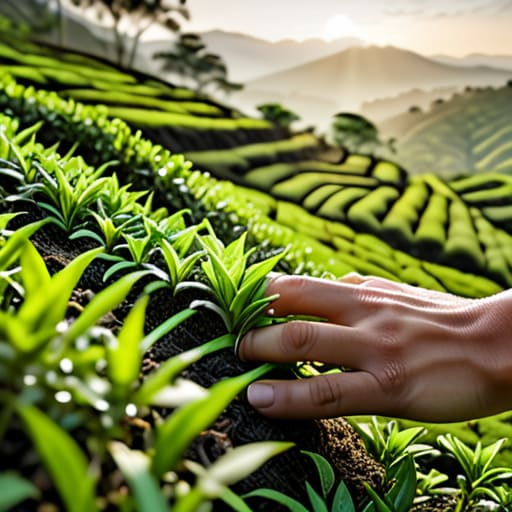
I spent the better part of my morning leaning against a weathered wooden fence, just watching. There is a rhythmic, almost meditative quality to the way the workers move through the rows. Unlike the heavy machinery I used to oversee in my engineering days, the process here relies heavily on manual tea plucking techniques. It’s a delicate dance of fingers and precision, ensuring only the youngest, most vibrant buds are selected. You can see the care in every movement; it’s a task that demands a certain presence of mind that modern life often strips away from us.
As I sat there, sketching the undulating lines of the hills in my notebook, I began to realize how much the land itself dictates the flavor of the cup. The way the slopes roll and the way the mist settles into the valleys—it’s all part of the terroir and tea quality. You can’t separate the plant from the soil or the specific slant of the hills. It reminded me that whether you’re building a bridge or growing a leaf, you have to work with the landscape, not against it.
How Tea Estate Topography Shapes the View and the Flavor
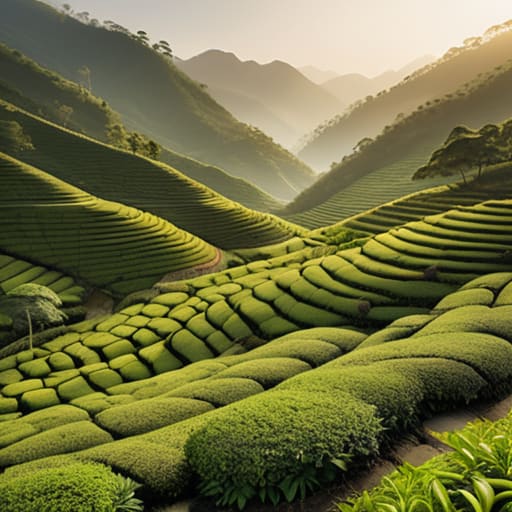
I’ve spent a good portion of my life looking at blueprints and grading slopes, so I couldn’t help but notice how the very bones of the land dictate the character of the cup. It isn’t just about the soil; it’s the way the hills roll and catch the light. The tea estate topography plays a silent but vital role here, acting as a natural architect for the plants. On these steep, terraced inclines, the drainage is impeccable, preventing the roots from sitting in stagnant water—a necessity for healthy growth.
As I sat on a stone wall overlooking a particularly dramatic ridge, I realized that the altitude and the angle of the slope do more than just provide a view. They influence the terroir and tea quality in ways a machine could never replicate. The cooler air at higher elevations slows the growth of the leaves, forcing the plant to concentrate its flavors. It’s a slow, deliberate process. Watching the workers move through these contours using traditional manual tea plucking techniques, I was reminded that the best things in life are rarely found on flat, easy ground; they require a bit of an ascent.
A Few Small Lessons for Wandering the Rows
- Don’t try to see it all in one afternoon. The hills have a way of unfolding slowly, and if you rush through the rows just to check a box, you’ll miss the way the light hits the dew in the early hours.
- Pack a sturdy pair of boots and a bit of patience. These slopes aren’t manicured parks; they are working landscapes, and the best views usually require a bit of a climb on uneven ground.
- Bring your notebook, even if you don’t think you’re an artist. There is something about sitting on a stone wall and sketching the contour of a terrace that forces you to actually look at the geometry of the land.
- Listen to the workers as much as you watch the leaves. The people who tend these plants have a rhythm and a wisdom about the soil that no guidebook can ever truly capture.
- Leave room for the unplanned stops. If you see a small roadside stall or a quiet bend in the path that catches your eye, pull over. The best part of the journey is often the bit you didn’t schedule.
Reflections from the Edge of the Field
True appreciation for a cup of tea begins long before the water hits the leaves; it starts with respecting the land and the quiet, steady rhythm of the people who tend it.
Don’t rush the experience. Just as the landscape is shaped by the slope and the mist, the best moments in travel—and in life—are found when we allow ourselves to sit still and observe.
Whether it’s the texture of a leaf or the way the light hits a hillside, there is profound beauty in the details that most people miss because they are too busy looking toward the next destination.
The Geometry of Green
Looking out over those rolling rows of tea, I realized it isn’t just agriculture; it’s a conversation between the land and the hands that tend it, a reminder that the best things in life require both patience and a very steady rhythm.
Bernard Oyelaran
A Final Sip of Perspective
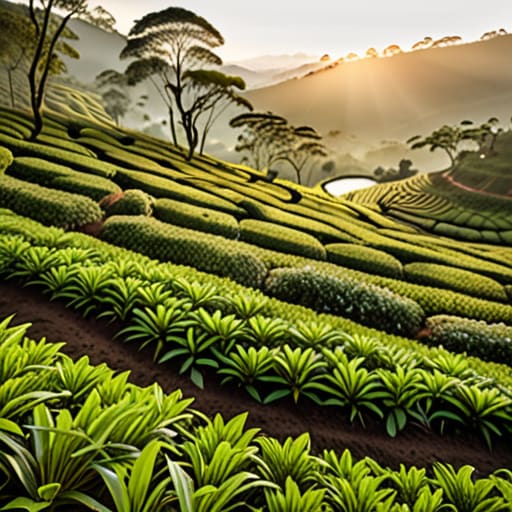
Looking back on these rolling hills, it becomes clear that a tea plantation is far more than just an agricultural site; it is a delicate partnership between the earth and the hands that tend it. We’ve seen how the specific topography of the land dictates not only the breathtaking views that catch our eyes, but the very character of the brew in our cups. From the way the mist clings to the slopes to the careful, rhythmic cultivation of the Camellia Sinensis, every element plays its part in a larger, complex harmony. It is a reminder that great things are rarely rushed; they are built, leaf by leaf, through patience and a deep respect for the environment.
As I sit here by the edge of the estate, sketching the jagged silhouette of the mountains in my notebook, I am struck by how much we miss when we move too quickly. We often treat life like one of those massive infrastructure projects I used to manage—all about deadlines, efficiency, and the final result. But the real magic, much like the perfect cup of tea, lies in the quiet intervals in between. I hope that the next time you find yourself with a warm mug in your hands, you take a moment to breathe, look out the window, and simply savor the stillness.
Frequently Asked Questions
Is there a particular time of day when the light hits the hills just right for sketching or photography?
If you’re looking for that perfect light, I’d suggest finding a bench around 7:30 in the morning. There’s a certain softness to the early light—it doesn’t fight with the shadows; it just settles into them. It makes the ridges of the hills look like velvet. I often sit there with my Leica, waiting for the mist to lift just enough to catch the dew on the leaves. It’s quiet, and it’s patient.
How much of the tea-making process can you actually witness while walking through the estates?
If you walk the paths early enough, you’ll see the heart of it. It isn’t a factory process; it’s a rhythmic, manual dance. You’ll spot the pluckers moving through the rows, their fingers dancing over the bright green tips with a precision that puts my old engineering blueprints to shame. You might even catch the scent of bruised leaves as they’re gathered. It’s a living, breathing cycle, far from the sterile machines we’re used to.
Do the local workers have a specific way of tending to the plants that differs from the large-scale methods I'm used to seeing in infrastructure?
It’s a world away from the heavy machinery and rigid blueprints I spent my career managing. Out here, there’s a rhythmic, almost tactile intimacy to the work. Instead of massive harvesters, you see hands—skilled, weathered hands—selecting only the finest “two leaves and a bud” with incredible precision. It’s not about efficiency in the industrial sense; it’s about a deep, intuitive understanding of the plant that no machine could ever replicate.
