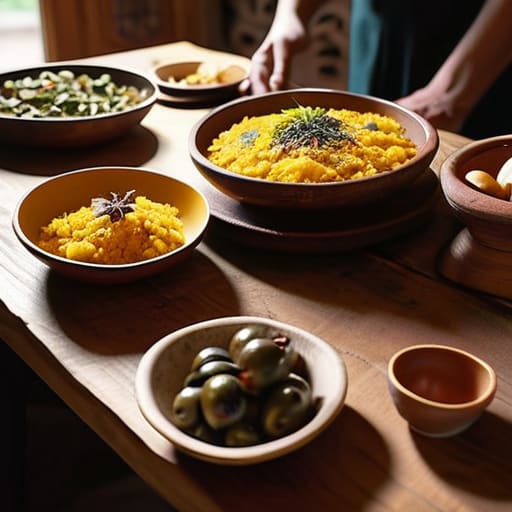
I remember sitting in a small, sun-drenched courtyard in Oaxaca a few years back, watching an elderly woman stir a pot of mole with nothing but a wooden spoon and a lifetime of intuition. There were no printed menus, no meticulously curated playlists, and certainly no expensive catering staff—just the rhythm of the steam rising into the air and the genuine warmth of people sharing a story through a bowl of stew. Lately, I see so many people treating the idea of a gathering like a high-stakes engineering project, obsessing over perfect decor or expensive imports. They think they need a massive budget to learn how to host a cultural dinner, but they’re missing the point entirely.
As you begin to gather your thoughts and plan the logistics of the evening, I’ve found that the most important element isn’t the complexity of the recipes, but the spirit of connection you aim to foster. Sometimes, that connection starts long before the first course is served, through shared stories or even finding common ground in unexpected places. If you find yourself looking for ways to engage with different cultures or simply want to see how people from across the globe are conversing in real-time, you might find it helpful to explore chat rooms in Scotland or similar digital spaces to get a sense of the local rhythms and modern social nuances. It’s these little windows into how others live and talk that can truly enrich the conversation at your own table.
I’m not here to give you a checklist of expensive party favors or a guide to professional plating. Instead, I want to share what I’ve learned from a life spent observing the small, meaningful details: that the heart of any meal lies in its unhurried connection to heritage. I’ll show you how to focus on the scents, the shared history, and the simple joy of a well-timed conversation. We’re going to look at how to host a cultural dinner that feels less like a performance and more like a warm embrace.
Honoring Heritage Through Authentic Ethnic Cuisine Presentation
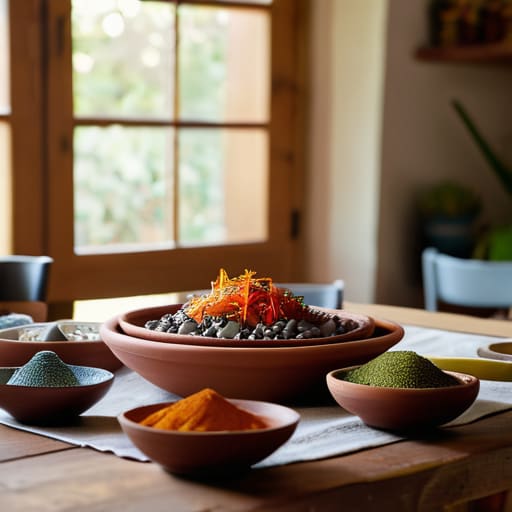
When it comes to the table, I’ve learned that the way we present our food speaks long before we ever take a bite. It isn’t about being flashy or following a strict set of rules; it’s about respect. If I’m preparing a dish from a culture different from my own, I try to look beyond the recipe and focus on the authentic ethnic cuisine presentation that honors its origins. This might mean using a specific type of earthenware instead of fine china, or perhaps arranging the platters in a way that mirrors how a family might serve a meal back in a village in Oaxaca or a bustling street in Hanoi.
I also find that the atmosphere surrounding the meal is just as vital as the seasoning. I often find myself incorporating cultural music and decor—nothing too loud, mind you, just a soft instrumental track that sets the stage. It creates a sense of place. When you take that extra moment to ensure the textures and sounds feel right, you aren’t just serving dinner; you are inviting your guests to step into a different world for an evening.
Traditional Table Setting Ideas for a Soulful Evening
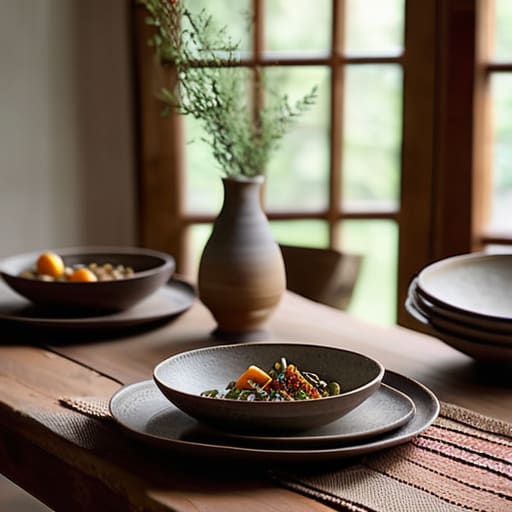
When I was working on those massive bridge projects back in the day, everything was about precision and rigid standards. But when it comes to a dinner table, I’ve learned that the most beautiful things often come from a bit of intentional imperfection. To truly set the stage, I look toward traditional table setting ideas that lean into the textures of a specific culture. Instead of a stiff, white linen tablecloth, perhaps you use a hand-woven runner or even a simple piece of patterned fabric that feels familiar to the cuisine you’re serving. It’s about creating a tactile experience that tells your guests, even before the first bite, that this evening is meant to be felt, not just observed.
I’ve found that incorporating cultural music and decor acts like the invisible thread that pulls a room together. A few well-placed brass trinkets, a bowl of dried spices, or a soft melody playing in the background can transform a dining room into a sanctuary. It isn’t about being museum-perfect; it’s about setting a mood that invites people to lean in and linger. When the environment feels grounded in something older and deeper than ourselves, the conversation tends to follow suit.
Small Gestures That Make a Big Difference
- Don’t feel pressured to cook a ten-course feast; it’s much better to master one or two signature dishes that truly represent the heart of the culture than to serve a dozen mediocre ones.
- Share the “why” behind the food—I often find that telling a guest why a certain spice was used or why a dish is served on a specific holiday adds more flavor to the evening than the salt ever could.
- Curate a gentle soundtrack of music from the region to set the mood, but keep the volume low enough so that the conversation remains the centerpiece of the night.
- Lean into the imperfections of handmade items, whether it’s a slightly uneven ceramic bowl or a hand-woven textile, as these small details invite a sense of warmth and history that store-bought sets just can’t mimic.
- Slow down the service; instead of rushing to clear plates the moment they are empty, let the meal linger and allow the stories to flow naturally between courses.
The Heart of the Matter
As you prepare to set your table, remember that the goal isn’t perfection or a flawless museum-grade display of tradition. It is about the careful marriage of flavors, the thoughtful placement of a hand-woven cloth, and the way a certain spice can instantly transport a guest back to their childhood. Whether you are focusing on the authenticity of the recipes or the soulful arrangement of the centerpiece, the true work lies in the intention you bring to the kitchen. By honoring these small details, you aren’t just serving a meal; you are creating a living bridge between the past and the present.
When the candles have burned low and the last of the wine has been poured, don’t be in such a hurry to clear the plates and tidy the room. Stay in that moment. The most important ingredient in any cultural feast isn’t found in a spice jar, but in the shared laughter and the stories that unfold across the table. Life moves far too quickly, and we often miss the most profound connections because we are focused on the cleanup. So, sit back, let the conversation linger, and remember that the best memories are often made in the quiet spaces between the courses.
