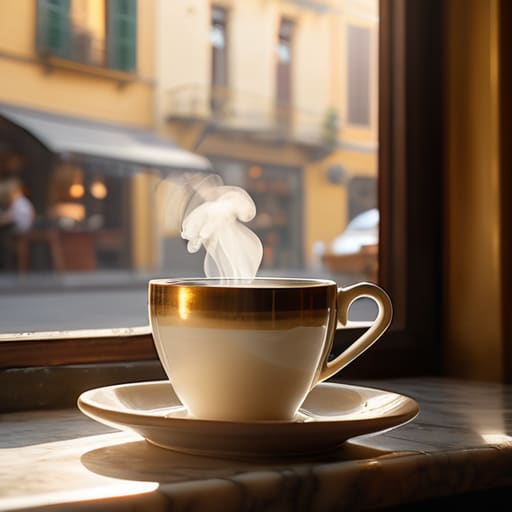
I was sitting in a bustling café in Florence last Tuesday, watching a young man stare intensely at his phone while a tray of steaming espresso sat forgotten beside him. He looked like he was trying to solve a complex equation, yet he seemed more wound up than when he arrived. It struck me then how much we’ve complicated the idea of calming rituals. We’ve been sold this notion that peace requires expensive yoga retreats, scented candles that cost more than a decent steak, or hour-long meditation apps that just end up feeling like another chore on an already overflowing to-do list.
I’m not here to sell you a lifestyle or a subscription. I want to talk about the small, unpretentious things that actually work when the world feels a bit too loud. Over the next few pages, I’ll share the simple, grounded ways I’ve learned to find my center—whether it’s through the steady rhythm of a morning walk or the quiet focus of cleaning a vintage lens. My goal is to offer you a few honest, practical ways to reclaim your peace without needing a single piece of fancy equipment.
Table of Contents
Lowering Cortisol Naturally With a Long Quiet Walk

I’ve found that when the weight of the world starts to feel a bit too heavy, there is no better remedy than a long, aimless stroll. I don’t mean the brisk, heart-pumping walks people do to hit a step count on their watches; I mean the kind of walk where you have no destination and no schedule. I like to head toward the edge of town where the pavement gives way to dirt paths. There is something about the rhythmic strike of my boots on the earth that seems to steady my breathing. It is one of those simple stress reduction techniques that requires nothing more than a pair of sturdy shoes and a willingness to be present.
As I walk, I try to practice a few sensory relaxation methods to keep my mind from drifting back to old blueprints or unfinished business. I’ll stop to watch the way the sunlight filters through the oak leaves, or listen to the dry rustle of the tall grass. By focusing on these tiny, fleeting details, I find I am effectively lowering cortisol naturally without even trying. It isn’t about the exercise; it’s about giving my mind permission to finally sit still.
Sensory Relaxation Methods Found in a Shared Meal

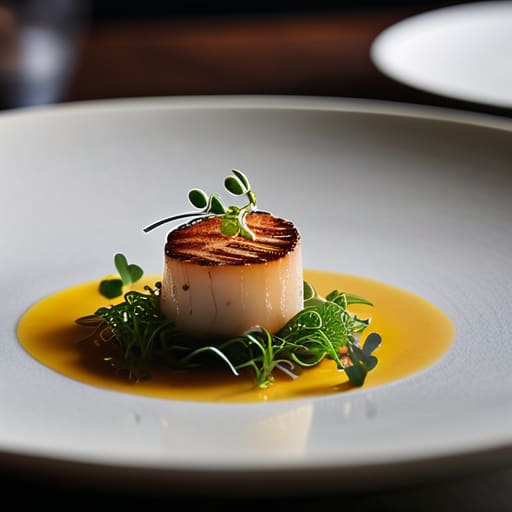
There is a certain kind of magic that happens when you stop treating dinner as a mere refueling stop and start treating it as an event. I’ve found that some of the most effective sensory relaxation methods don’t require a yoga mat or a quiet room; they just require a fork and a bit of patience. When I sit down at a wooden table, I make it a point to notice the weight of the silverware and the way the steam rises from a bowl of soup in thin, swirling ribbons. It’s a simple way to ground myself, pulling my focus away from the mental clutter of the day and back into my own body.
I often tell my friends that if you want to practice self-care for anxiety relief, you might start with your palate. Instead of scrolling through news feeds while you eat, try focusing on the actual textures—the crunch of a fresh radish or the warmth of crusty bread. This slow, intentional engagement with your food acts as a natural anchor. By the time the plates are cleared, you’ll find that the frantic pace of the afternoon has finally begun to subside.
Small Ways to Find Your Center
- Keep a notebook handy, even if you aren’t an artist. I’ve found that sketching the way the light hits a coffee cup or the shape of a tree helps pull my mind out of the future and back into the present moment.
- Lean into the tactile. There’s something deeply grounding about the weight of a real book or the smooth grain of a wooden table; it reminds you that you are physically here, not just lost in your thoughts.
- Practice the art of the single task. When I’m cleaning a vintage lens or preparing a simple meal, I try to do nothing else. No radio, no phone—just the steady rhythm of the work at hand.
- Watch the light change. It sounds simple, perhaps even a bit silly, but sitting still for ten minutes just to see the shadows stretch across a room can act like a reset button for a cluttered mind.
- Listen for the quiet layers. Instead of reaching for noise to fill the silence, try to listen to the distant hum of the neighborhood or the wind in the eaves. It’s a way of tuning your ears to a slower frequency.
A Few Small Reminders for the Road
Don’t be afraid to step away from the noise; sometimes a simple, aimless walk is the best way to clear the cobwebs from your mind.
Treat your meals as more than just fuel—take the time to actually taste what’s in front of you and enjoy the company at the table.
Notice the little things, whether it’s the way the light hits a building or the texture of a well-worn notebook, because those are the moments that actually make a life.
On the Value of the Small Things
We spend so much of our lives bracing for the next big thing that we forget how to breathe in the small ones; a calming ritual isn’t about grand gestures, it’s just about giving yourself permission to notice the steam rising from a cup or the way the light hits the pavement before the world gets too loud again.
Bernard Oyelaran
Finding Your Own Rhythm
Looking back on what we’ve discussed, it’s clear that calming the mind doesn’t require a grand overhaul of your life or expensive retreats. Whether it’s the simple, rhythmic motion of feet hitting the pavement on a long afternoon stroll or the grounding warmth of sharing a slow, intentional meal with a friend, these small rituals act as anchors. They pull us out of the frantic, mental whirlwind of “what comes next” and tether us firmly to the present. We don’t need to master complex meditation techniques to find peace; sometimes, we just need to reconnect with our senses and let the world breathe around us.
As I sit here by the window, watching the light fade over the garden and sketching the silhouette of an old oak tree in my notebook, I am reminded that peace is rarely a destination we reach. It is something we cultivate in the margins of our busy lives. My advice to you is simple: don’t wait for a vacation to find your stillness. Seek it out in the steam rising from your coffee or the quiet stillness of a sunset. Life moves fast enough as it is; there is no sense in running through the best parts without stopping to taste them. Just slow down and notice.
Frequently Asked Questions
How can I practice these slow rituals when my schedule feels too hectic to even stop for a breath?
I hear you. I spent thirty years looking at blueprints and deadlines, so I know that feeling of the clock breathing down your neck. But here’s the secret: you don’t need an hour; you just need a minute. When things get frantic, find one small anchor. It might be the warmth of your coffee mug against your palms or the way the wind feels on your face between meetings. Don’t wait for a gap in the chaos—carve one out.
Are there ways to incorporate these moments of stillness into a busy city environment where it’s hard to find quiet?
It’s a fair question. I used to think you needed a quiet meadow to find peace, but I’ve learned the city has its own rhythms. I’ve found that even in a crowd, you can find stillness by leaning into the small things. It might be sitting on a park bench for ten minutes without checking your phone, or simply focusing on the steam rising from your coffee while the sirens wail in the distance. It’s about creating a small, private bubble amidst the noise.
Do you find that certain types of food or specific environments make these sensory rituals more effective for you?
For me, it’s all about the texture and the temperature. A bowl of slow-simmered stew on a rainy afternoon does more for my soul than any fancy meal ever could. As for the setting, I find I’m most present when I’m outdoors—perhaps sitting on a weathered wooden bench near a creek. There’s something about the combination of a warm meal and the steady, natural rhythm of the wind that makes everything feel right.